These Texas Plants Look Like Lantana But Cannot Match Its Heat And Drought Performance
Lantana has basically figured out the Texas summer situation, and it wants everyone to know it.
Full sun, brutal heat, stretches without rain, patio beds that turn into little ovens in summer: lantana handles all of it and still shows up with bright, cheerful color clusters from spring straight through fall.
It’s the kind of reliability that earns serious loyalty from gardeners. But here’s where things get a little tricky.
Several other flowering plants out there share lantana’s rounded blooms and vibrant color palette, and they look convincingly similar sitting on a nursery bench in spring.
The problem shows up later, when the heat gets serious and those lookalikes start demanding more water, more shade, and more attention than most Texas yards are realistically set up to provide.
Knowing the difference before you plant saves a lot of frustration down the road.
1. Hybrid Verbena Needs Better Drainage And More Attention
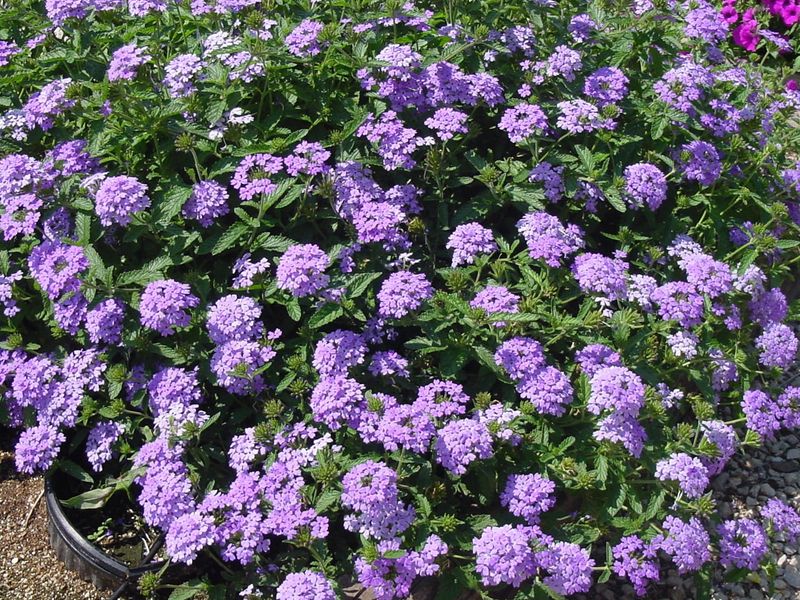
Flat-topped clusters of tiny flowers in purple, pink, red, and white give hybrid verbena a flower shape that can remind people of lantana when spotted across a sunny bed.
Both plants spread along the ground and produce colorful blooms that hold up well in warm weather early in the season.
For a few months, hybrid verbena can look like a reliable heat-season performer.
The challenge with hybrid verbena in Texas is that it struggles with poor air circulation and inconsistent drainage. When soil stays too moist or when summer humidity lingers, hybrid verbena becomes prone to powdery mildew and root issues that slow it down considerably.
Lantana, by comparison, handles humid Texas stretches with much more ease.
Hybrid verbena also tends to slow its blooming during the hottest peak of summer, sometimes needing a light trim and a bit of recovery time before it rebounds.
Gardeners who plant verbena in full sun should check drainage carefully and avoid overwatering, which can cause more problems than underwatering.
Using verbena in containers with well-draining potting mix can improve results.
It remains a beautiful choice for spring color and early summer beds, but expecting it to match lantana’s drought endurance through a relentless summer sets up a tough comparison it may not win.
2. Pentas Need More Consistent Moisture
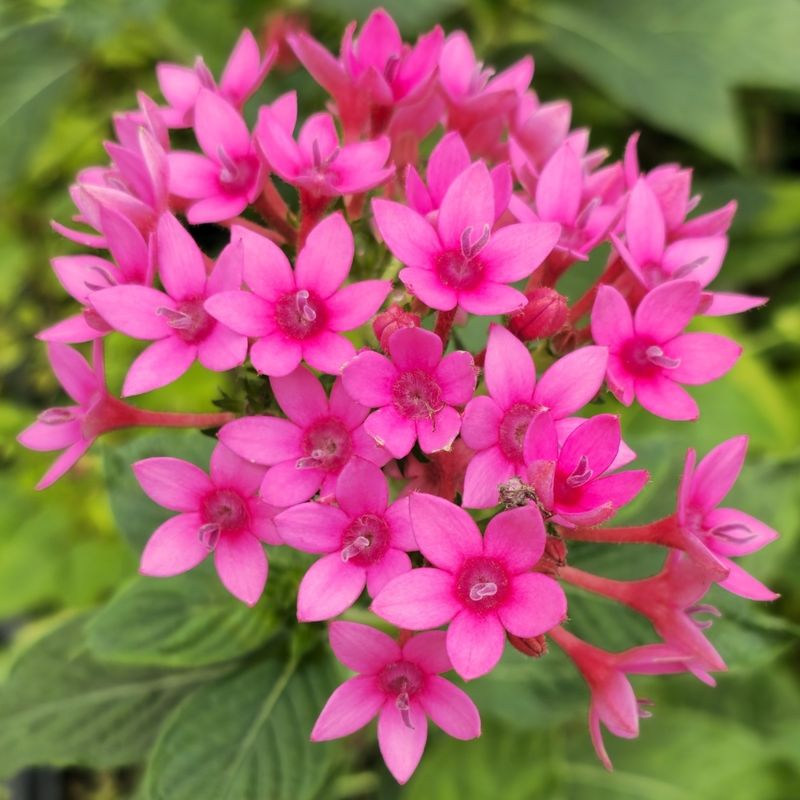
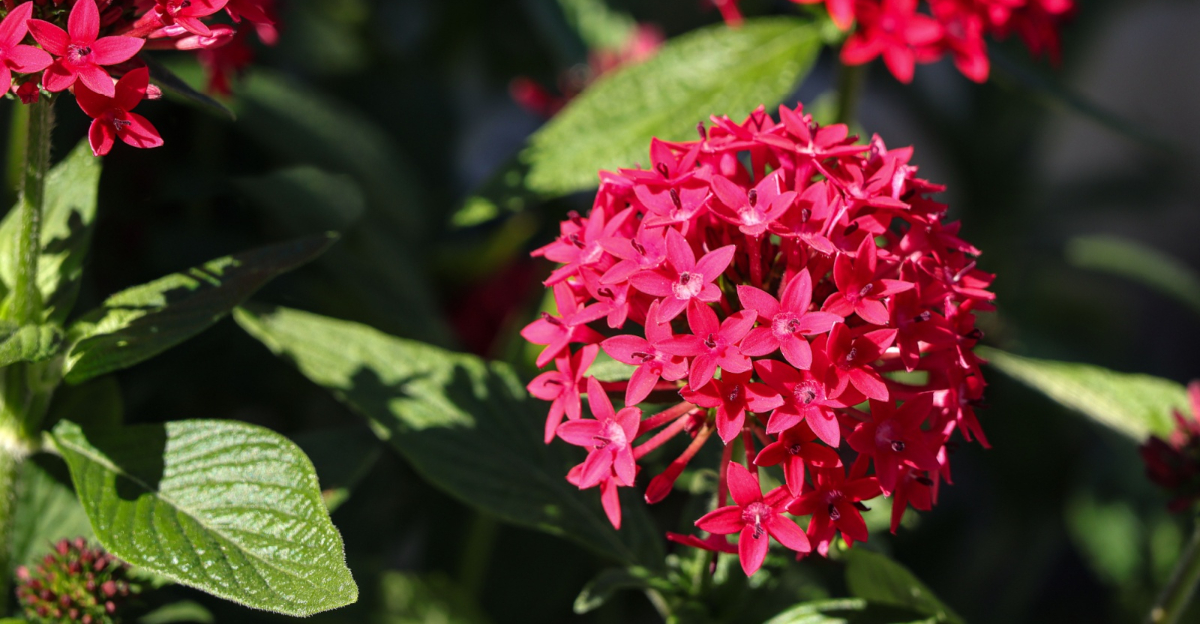
Clustered star-shaped flowers in shades of red, pink, and white give pentas a look that can remind gardeners of lantana at first glance.
Both plants produce rounded flower heads that attract butterflies and pollinators, which makes pentas a popular choice for summer beds.
The resemblance is real, but the needs are different enough to matter when the weather turns fierce.
Pentas are tropical plants that enjoy warmth, and they do handle Texas heat reasonably well when given enough water. The key difference is that pentas need consistent soil moisture to stay healthy and keep blooming through the hottest months.
Lantana, once established, can go much longer between waterings without showing signs of stress.
In a Texas summer with little rain and high temperatures, pentas planted in full sun beds may wilt between watering sessions if soil dries out too fast. Gardeners who choose pentas should plan for more frequent watering, especially in sandy or fast-draining soils.
Your Texas Garden Changes Every Week. Your Plan Should Too.
Gardening in Texas changes quickly throughout the season. Every Friday you’ll receive a simple weekly plan showing exactly what to plant, prune, fertilize, harvest, and protect so you never miss the right timing.
Raised beds with some afternoon shade can also help reduce moisture loss and keep pentas looking fresh.
Pentas still work beautifully in gardens when placed thoughtfully, but they should not be expected to match lantana’s ability to push through dry spells without extra help from the hose.
3. Sweet Alyssum Fades In Harsh Southern Summer Heat
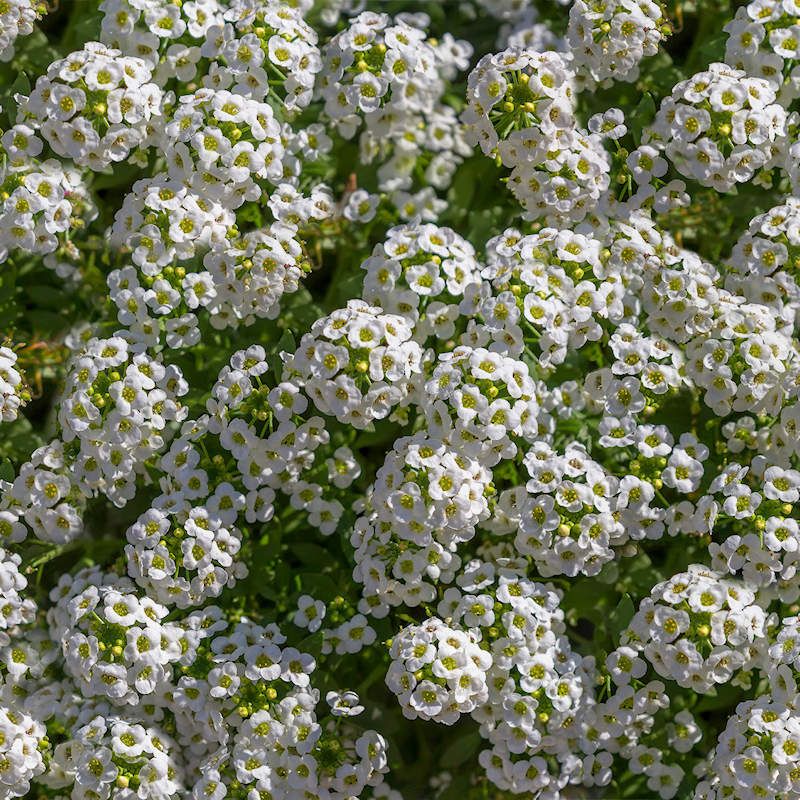
From a distance, sweet alyssum can look like a low-growing plant with small clustered flowers that share some visual similarities with lantana’s rounded blooms.
Its delicate white and purple flower heads are charming, and the honey-like fragrance makes it a favorite for cottage-style borders and edging in Texas spring gardens.
Many gardeners enjoy mixing it with other annuals for early-season color.
The real gap in performance shows up when summer heat arrives in full force. Sweet alyssum is a cool-season annual at heart, and it tends to slow down, fade, and stop blooming once temperatures climb into the upper 80s and 90s consistently.
While lantana is just getting warmed up during those peak summer months, sweet alyssum is often struggling to survive in the same sunny bed.
In South Texas and other warm regions, sweet alyssum may behave more like a winter or early spring annual rather than a summer performer.
Gardeners who enjoy it should plant it in fall or early spring when temperatures are more forgiving, and consider pairing it with plants that can take over when summer arrives.
Shaded spots or partially protected areas can extend its season a bit longer. Sweet alyssum has real charm and usefulness, but it simply was not built for the same brutal summer conditions where lantana genuinely shines.
4. Impatiens Need Shade Instead Of Hot Lantana Conditions
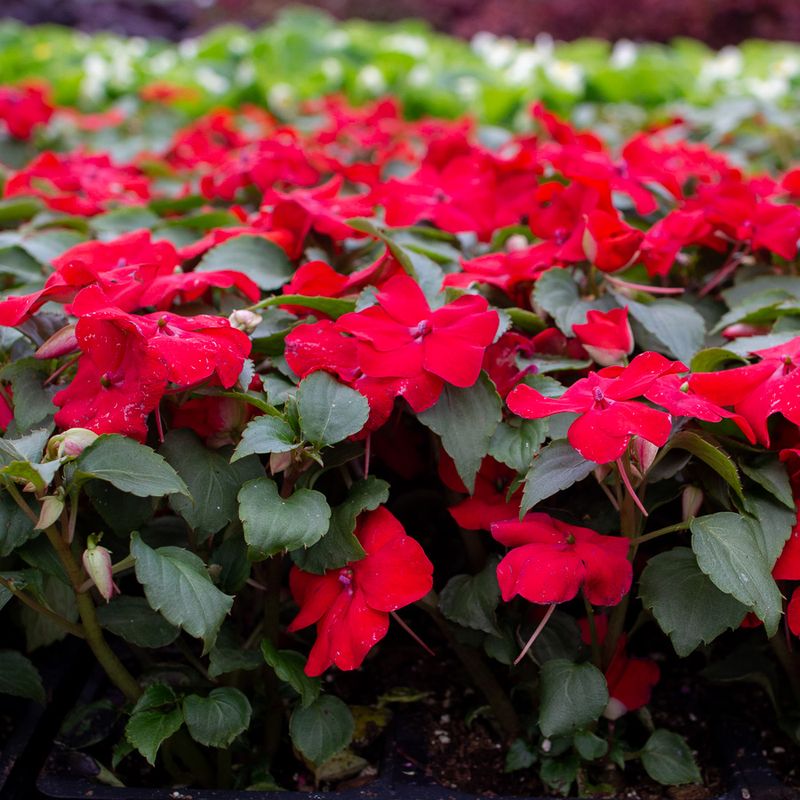
Walk past a shaded bed filled with impatiens in full bloom and the rounded clusters of color can feel vaguely similar to lantana from a distance.
Impatiens produce cheerful flowers in coral, pink, red, orange, and white, and they fill in beds quickly with mounding, lush growth.
For shaded spots in Texas yards, impatiens are often a go-to annual for summer color.
The fundamental difference is that impatiens need shade to survive, while lantana thrives in the opposite conditions.
A full-sun bed with reflected heat from a sidewalk or fence would stress impatiens quickly, causing wilting, scorched leaves, and reduced blooming.
Lantana would be perfectly at home in those same conditions, pushing out flowers without complaint through dry spells.
Impatiens also need consistent moisture to stay healthy, especially during hot stretches. Letting the soil dry out too much leads to wilted, stressed plants that may not recover well.
Gardeners who want color in shaded areas under trees, along north-facing borders, or near covered patios will find impatiens genuinely useful in Texas landscapes.
New Guinea impatiens varieties handle a bit more sun but still need protection from the harshest afternoon exposure.
Impatiens fill a real need in gardens, just not the same sun-baked, drought-tested role where lantana earns its reputation season after season.
5. Hydrangeas Need More Shade And Water
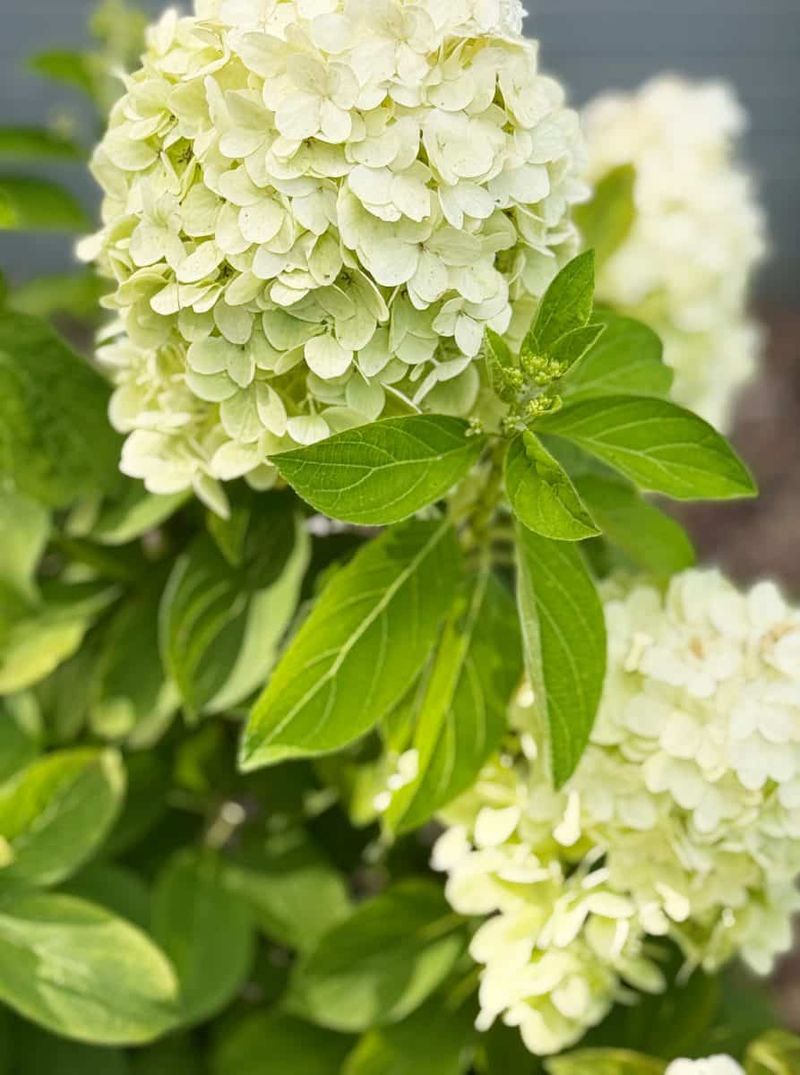
Big rounded flower clusters in blue, pink, white, and purple give hydrangeas a bold, eye-catching look that some gardeners associate with the clustered bloom shape of lantana.
Both plants produce showy flower heads that stand out in a garden setting, and hydrangeas are beloved across Texas for their cottage-garden appeal.
It is easy to see why someone might think of them in the same conversation about colorful flowering plants.
Hydrangeas and lantana are worlds apart when it comes to what they need to thrive. Most common hydrangea varieties need partial shade, especially in Texas, where afternoon sun can scorch leaves and cause flowers to fade quickly.
Lantana not only handles full sun but actually performs better with more of it, producing more blooms and staying more compact in high-light conditions.
Water needs are another major difference. Hydrangeas are thirsty plants that show stress quickly when soil dries out, often wilting dramatically on hot afternoons even when watered regularly.
In summer heat, keeping hydrangeas hydrated and protected requires real planning and attention. Choosing the right variety matters too, since some are better suited to Texas conditions than others.
Hydrangeas can be rewarding in the right garden spot, particularly in East Texas or in beds with good shade and reliable moisture. They simply operate on a different set of requirements than what lantana handles with ease.
6. Annual Phlox Is More Seasonal Than Lantana
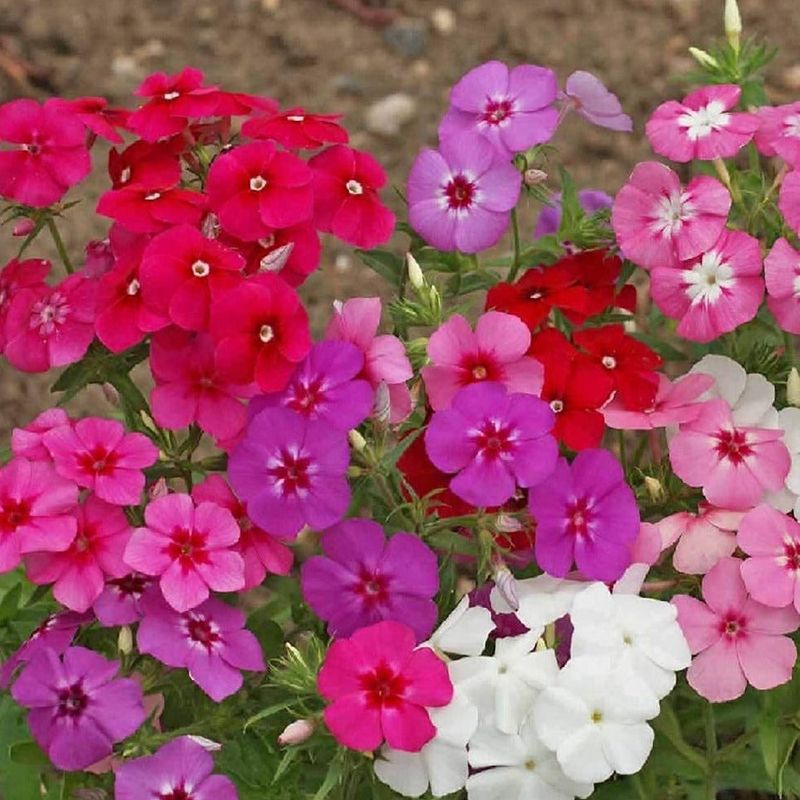
Spring garden beds sometimes feature annual phlox in full bloom, with dense rounded clusters of red, pink, white, and lavender flowers that can look somewhat similar to lantana at first glance.
The flower clusters are bright and cheerful, and phlox fills in beds nicely during cooler parts of the growing season.
For gardeners putting together spring color displays, annual phlox is a reliable and attractive option.
The seasonal gap between annual phlox and lantana becomes clear as Texas summer heat intensifies. Annual phlox is a cool-season performer that typically blooms well in spring and early summer before heat causes it to slow down and decline.
Lantana is essentially the opposite, often looking its best during the hottest and driest stretches of the summer when many other annuals have already given up.
Gardeners who plant annual phlox should plan for it to peak in spring and then transition to heat-tolerant replacements as temperatures climb. Timing the planting correctly and choosing a spot with some afternoon shade can extend its season slightly.
Annual phlox works well as part of a layered planting strategy where cool-season plants give way to warm-season performers.
It brings real beauty to the garden, but expecting it to push through a blazing Texas August the way lantana does sets up an unfair comparison between two very different seasonal performers.
7. Petunias Need More Care In Texas Heat
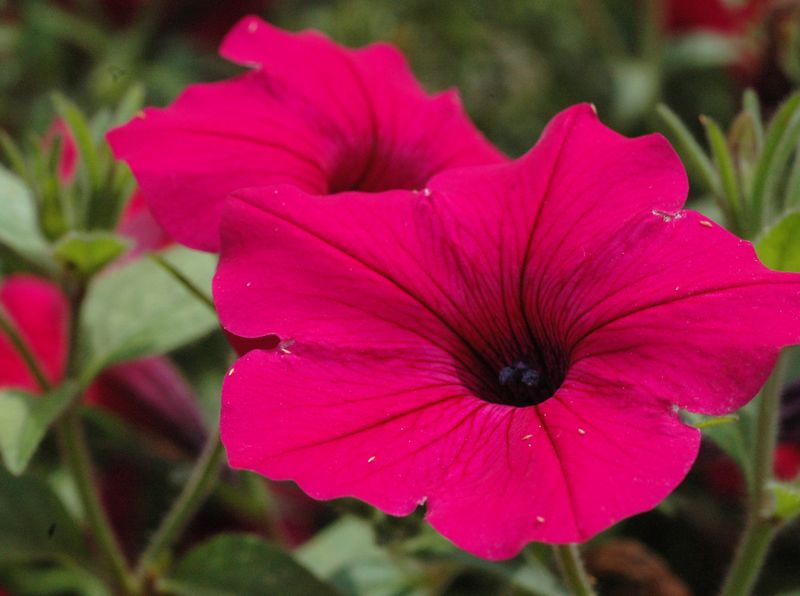
Few flowering annuals are as popular in Texas as petunias, and it is not hard to see why. Their trumpet-shaped blooms come in nearly every color imaginable, and wave-style varieties spread dramatically across containers and hanging baskets.
When petunias are blooming freely in spring, their dense flower display can remind gardeners of lantana’s colorful, carefree abundance.
Once deep summer arrives in Texas, petunias start to show their limits. The intense heat, especially in beds that receive reflected light from concrete or walls, can cause petunias to become leggy, reduce blooming, and look worn.
They may also need more frequent watering than most gardeners expect, particularly in containers that dry out fast during hot, breezy days.
Petunias often benefit from a midsummer trim to encourage fresh growth and renewed blooming, which adds to their maintenance needs compared to lantana.
Some newer petunia varieties handle heat better than older ones, but even the toughest petunias generally need more water and attention to stay looking good through a full summer.
Petunias shine in spring and early summer and can rebound nicely in fall when temperatures drop. Pairing them with heat-tolerant plants in mixed containers helps extend the overall display.
They are a worthwhile choice in Texas gardens, just not quite built for the same low-maintenance, high-heat conditions where lantana consistently delivers.
8. Geraniums Prefer More Protected Summer Conditions
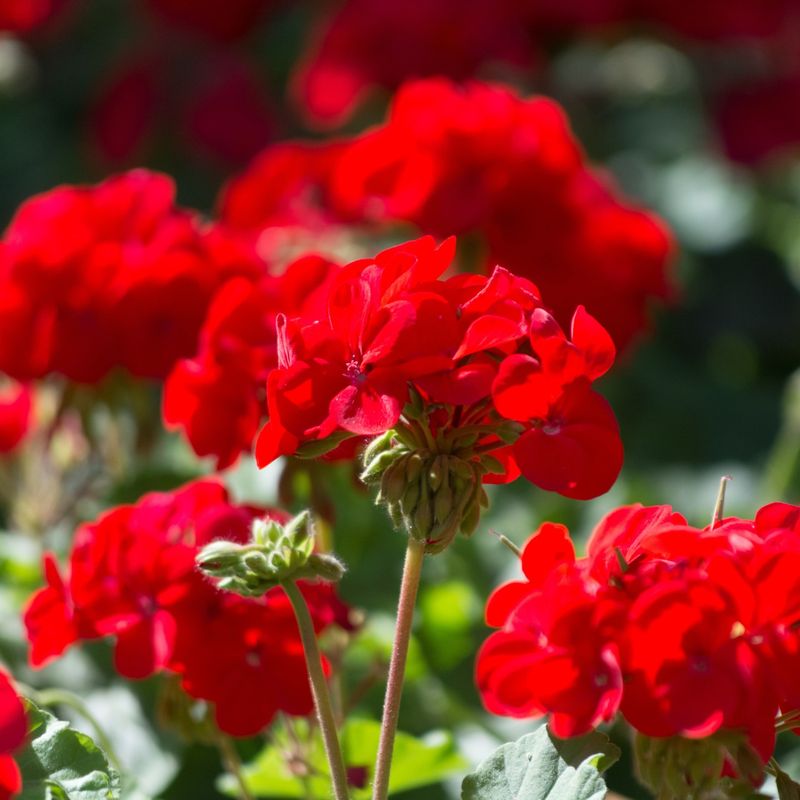
Rounded clusters of red, pink, salmon, and white flowers give geraniums a flower-head shape that can remind some gardeners of lantana when both are blooming in warm-season beds.
Geraniums are a classic choice for porch containers, window boxes, and foundation plantings across Texas, and their structured flower clusters add a tidy, polished look to any garden setting.
Where geraniums differ from lantana most noticeably is in their preference for cooler, more protected conditions during peak summer.
Common zonal geraniums tend to slow their blooming and look stressed when temperatures stay consistently high, especially in beds with intense afternoon sun and no relief from reflected heat.
Lantana would thrive in those same spots without much help at all.
Geraniums also need well-drained soil and moderate moisture levels, not too dry and not too wet, which requires more attentive watering than lantana typically demands once it is established.
In Texas, geraniums tend to perform best during spring and fall when temperatures are more moderate.
Moving potted geraniums to a spot with afternoon shade during the hottest months can help them stay healthier through summer. Some gardeners treat them as seasonal color plants rather than long-season performers.
Geraniums bring real elegance to patios and porches, but they work best when given conditions that account for their preference for cooler, more sheltered summer environments rather than open, full-sun heat.