These Native Plants Give Indiana Fireflies What They Need to Thrive
You were nine years old, barefoot in tall Indiana grass, when a single firefly lit up six inches from your nose. You froze.
It blinked again. Then fifty more burst across the dark like someone flipped a switch on the universe. You ran inside screaming. Not from fear.
From pure, electric wonder. That yard had wild bergamot, native violets, and rotting logs nobody ever touched. It was firefly paradise. Years later, you moved.
The new yard? Clipped turf, imported shrubs, not one blink all summer. What’s actually standing between your yard and that kind of spectacle? Turns out, fireflies don’t run on magic.
They run on native plants. The beetles that light up Indiana nights need specific ground cover to breed, hunt, and live through winter. Get the plants right, and those tiny living sparks will find you.
1. Switchgrass
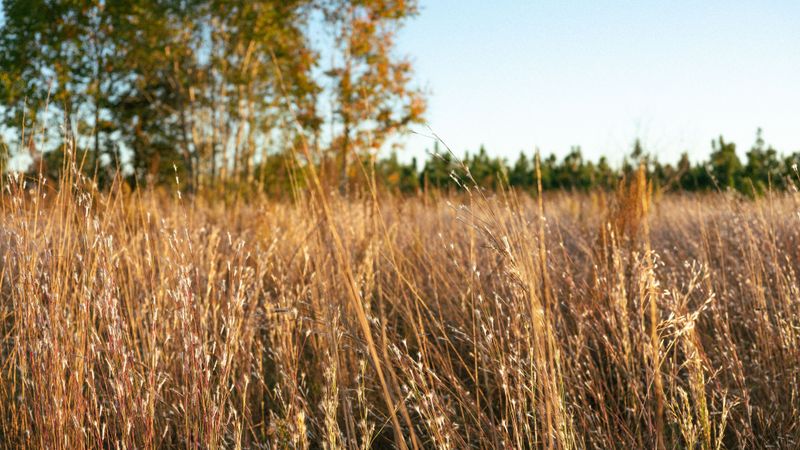
Walk through any thriving meadow in the Midwest and switchgrass is almost always part of the story. This tall, feathery native grass grows in dense clumps that fireflies rely on for shelter and egg-laying.
It creates a humid, shaded ground layer where larvae can hunt and develop safely. That combination alone makes it one of the most valuable plants you can put in the ground.
Switchgrass grows three to six feet tall and tolerates both wet and dry soil reliably. It asks for almost nothing in return, thriving in full sun with no fertilizer required.
That low-maintenance personality makes it a favorite for gardeners who want real results without constant effort. You plant it once and it gets to work immediately.
The thick base of switchgrass stays standing through winter, giving firefly larvae a protected place to overwinter underground.
Those larvae feed on snails and slugs hiding in the leaf litter beneath the grass. Without that hunting ground, young fireflies struggle to survive their first year.
The structure switchgrass provides in the cold months is just as important as what it offers in summer.
Switchgrass also supports dozens of native insects beyond fireflies, adding biodiversity to your yard fast. Birds flock to the seed heads in fall, making it a plant with strong multi-season appeal.
Plant it in groups of three or more for the most dramatic visual impact and the best habitat value.
These plants give Indiana fireflies what they need to return to yards that prioritize native grasses. A small patch of switchgrass can anchor an entire wildlife-friendly garden.
Once established, it spreads slowly and steadily, building a stronger habitat each passing year.
2. Indiangrass
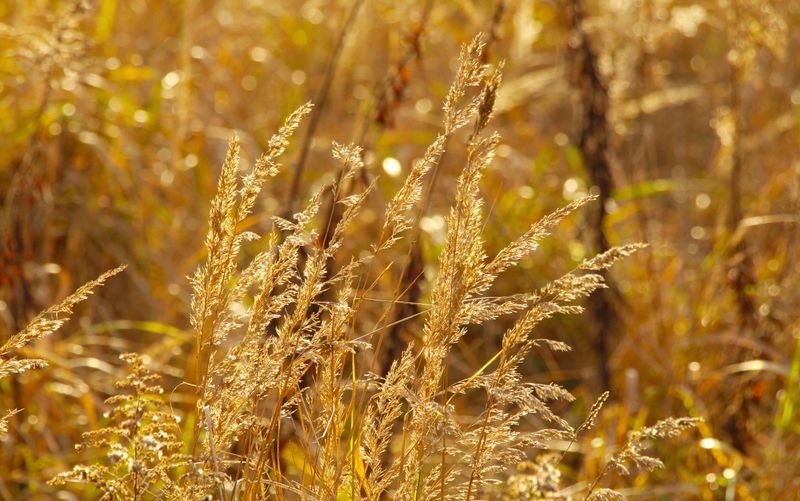
Indiangrass puts on a striking display in late summer, its golden plumes catching the afternoon light.
This native grass has been part of the Midwestern landscape for thousands of years. It earned that place by doing exactly what the ecosystem needs. Fireflies are no exception.
Indiangrass provides the vertical structure and microclimate conditions fireflies favor, and populations respond accordingly.
It grows four to seven feet tall, creating elevated perches that fireflies use for signaling at dusk.
Your Indiana Garden Changes Every Week. Your Plan Should Too.
Gardening in Indiana changes quickly throughout the season. Every Friday you’ll receive a simple weekly plan showing exactly what to plant, prune, fertilize, harvest, and protect so you never miss the right timing.
In many common species, males flash from those heights to attract females waiting below in the vegetation. Without tall grasses like this one, that whole courtship system breaks down quickly.
The dense root system of Indiangrass holds moisture in the soil longer than bare ground ever could.
That moisture is critical for firefly larvae, which need damp conditions to survive underground through summer heat.
Dry, compacted soil is one of the biggest threats firefly populations face today. Indiangrass quietly pushes back against that threat every single season.
Planting Indiangrass alongside wildflowers creates a layered habitat that supports fireflies at every life stage.
The contrast between golden grass and blooming flowers is genuinely striking, and now you know exactly why it matters.
It is not just a pretty combination. It is a working ecosystem in your backyard. These plants give Indiana fireflies what they need to return to landscapes that respect native ecology.
Indiangrass is available at most native plant nurseries across the state. Start with a small cluster and watch it fill in beautifully over two to three growing seasons.
3. Goldenrod
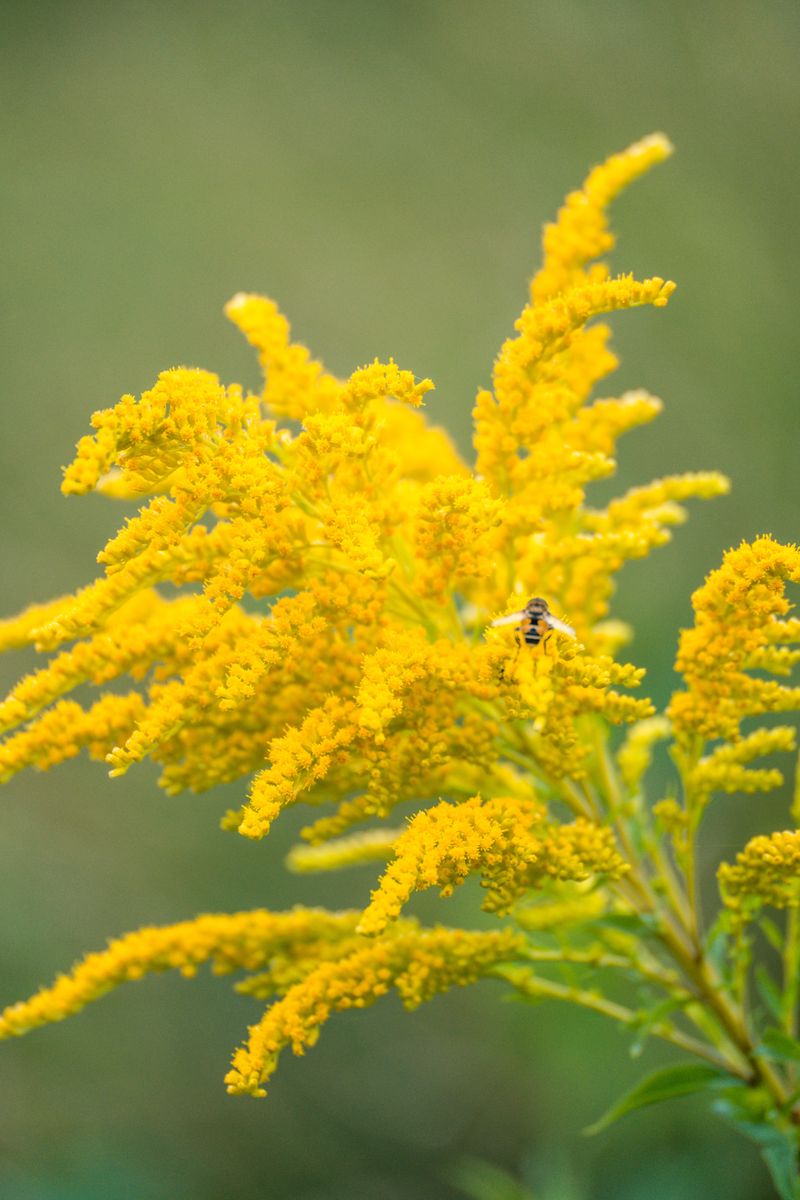
Goldenrod gets a bad reputation it does not deserve, often blamed for allergies that are actually caused by ragweed.
In reality, goldenrod is one of the most important native plants for fireflies and the insects they depend on. Its golden blooms feed the food web from top to bottom.
Firefly adults need nectar and pollen to fuel their short above-ground lives. Goldenrod blooms right when adult fireflies are most active, making it a perfectly timed food source.
Goldenrod ranks among the highest-value native plants for pollinator activity, drawing a remarkable diversity of insects throughout its bloom period.
Beyond feeding adults, goldenrod supports the entire insect community that firefly larvae hunt. Snails, worms, and soft-bodied bugs thrive in the moist soil beneath goldenrod’s leafy canopy.
More prey means more surviving larvae, which means more glowing adults the following summer.
Goldenrod spreads eagerly, so plant it where you have room to let it roam. It works beautifully along fence lines, at the back of garden beds, or in naturalized areas.
Pair it with asters and grasses for a classic native meadow look that practically manages itself. These plants give Indiana fireflies what they need to return in higher numbers each year.
Goldenrod is tough, cold-hardy, and drought-tolerant once it gets established. Even a few plants improve the habitat conditions that draw local fireflies in.
4. New England Aster
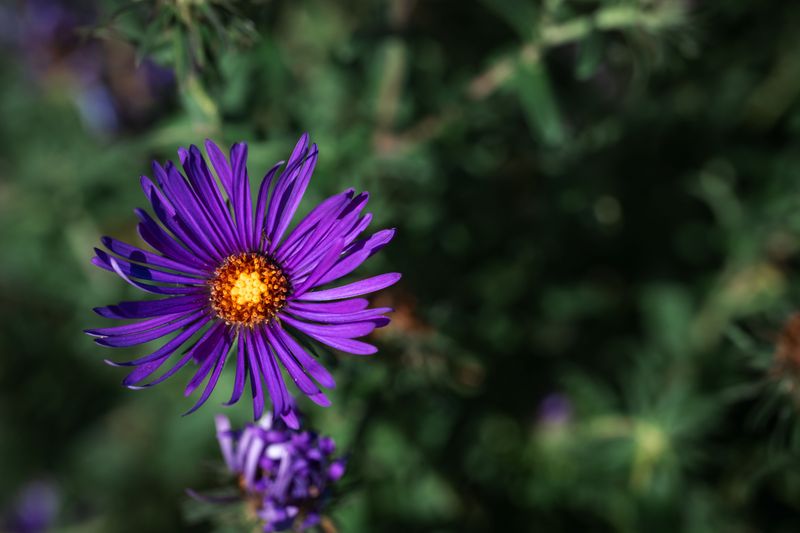
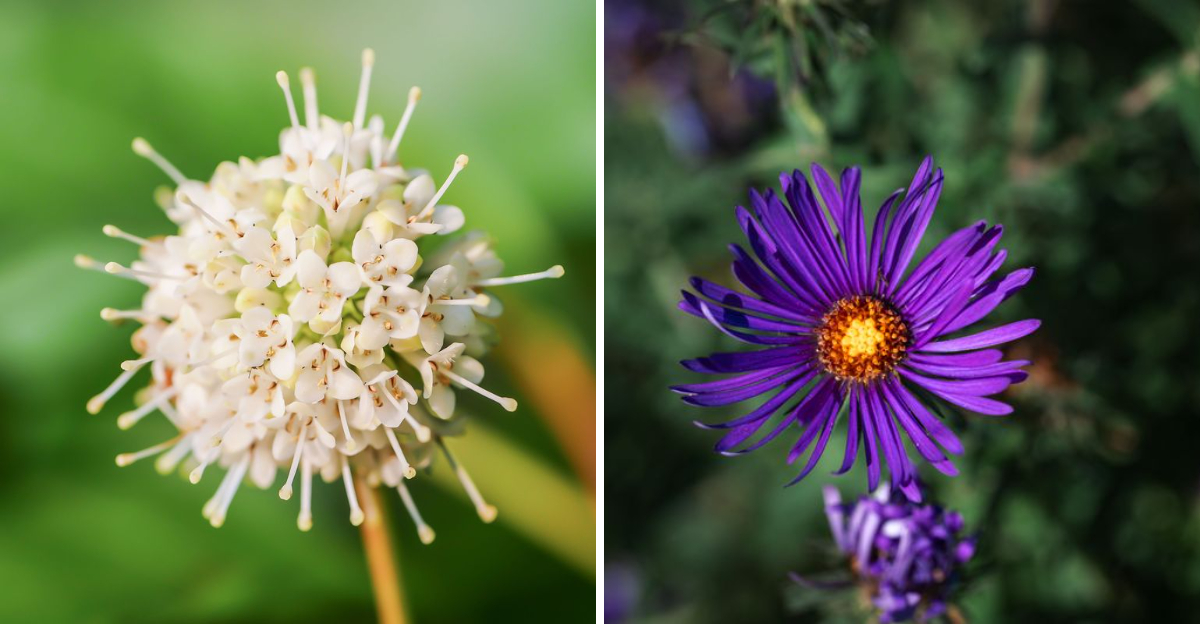
Few sights in a fall garden match the electric purple of New England aster in full bloom. This bold native wildflower does more than look beautiful though, it plays a direct role in supporting firefly populations season after season.
The timing of its bloom is almost perfectly calibrated to the needs of the local ecosystem. New England aster blooms from late summer into October, long after most other wildflowers have faded.
That extended bloom period feeds pollinators and beneficial insects that keep the food web humming. A healthy food web means more prey available for firefly larvae hunting underground.
The dense foliage of New England aster creates shaded, moist ground conditions that firefly larvae prefer. Eggs laid near aster plants have a better chance of surviving summer heat and drought.
That sheltered microclimate is a small but meaningful advantage for a species already facing pressure from habitat loss.
New England aster grows two to six feet tall depending on soil and sunlight. It tolerates clay soil, wet feet, and partial shade without complaint.
Plant it near water features or low spots in your yard where moisture naturally collects for the best results.
These plants give Indiana fireflies what they need to return to gardens that stay in bloom late into the season. Aster pairs naturally with goldenrod for a classic fall native combination.
Together, they create a late-season habitat burst that benefits fireflies, butterflies, and birds all at once.
5. Buttonbush
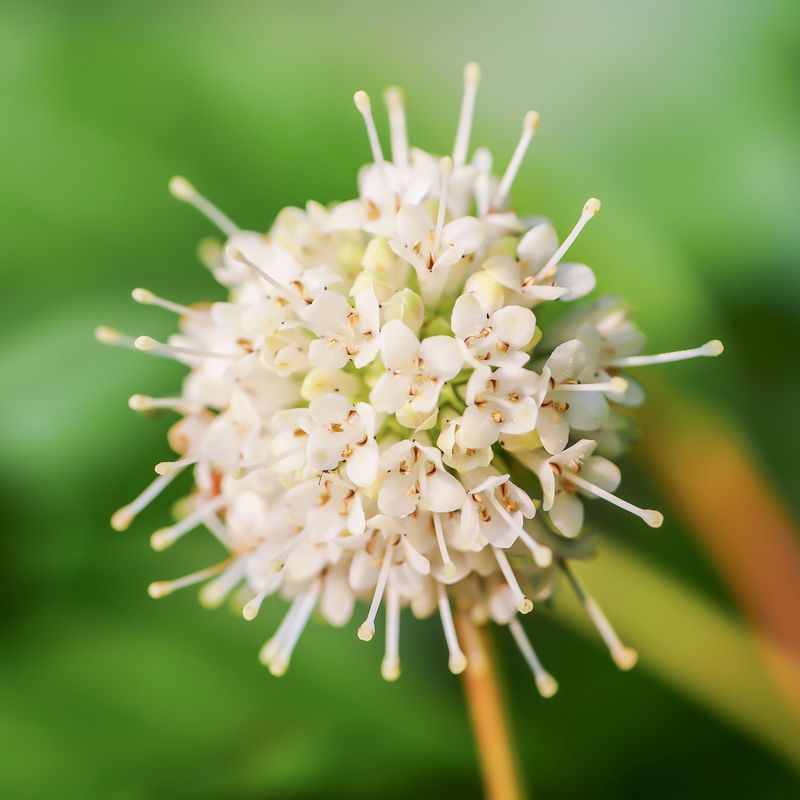
Buttonbush has an almost sculptural appearance, with round white flower globes that seem too precise to be natural. But this quirky native shrub is serious business when it comes to firefly habitat.
It thrives in wet areas where few other plants can compete, filling a niche that fireflies desperately need.
Fireflies are strongly associated with edges near water, and buttonbush marks those edges beautifully. Its roots stabilize stream banks, pond margins, and wet ditches while creating dense vegetative cover.
That cover gives fireflies a safe place to rest, signal, and reproduce close to the moisture they require.
The flowers of buttonbush bloom in midsummer, right at the peak of firefly season. Those blooms attract dozens of native bee species and other insects that become part of the local food chain.
More insects in the ecosystem means more food for firefly larvae developing just below the soil surface.
Buttonbush typically grows five to ten feet tall, occasionally taller in ideal riparian conditions. It can even tolerate standing water for weeks at a time without stress.
Plant it at the lowest point of your yard or along any drainage area that stays wet. Firefly populations near water features bounce back faster when buttonbush is part of the planting plan.
These plants give Indiana fireflies what they need to return. Add one or two shrubs near a rain garden or pond and watch the results unfold.
6. Inland Sea Oats
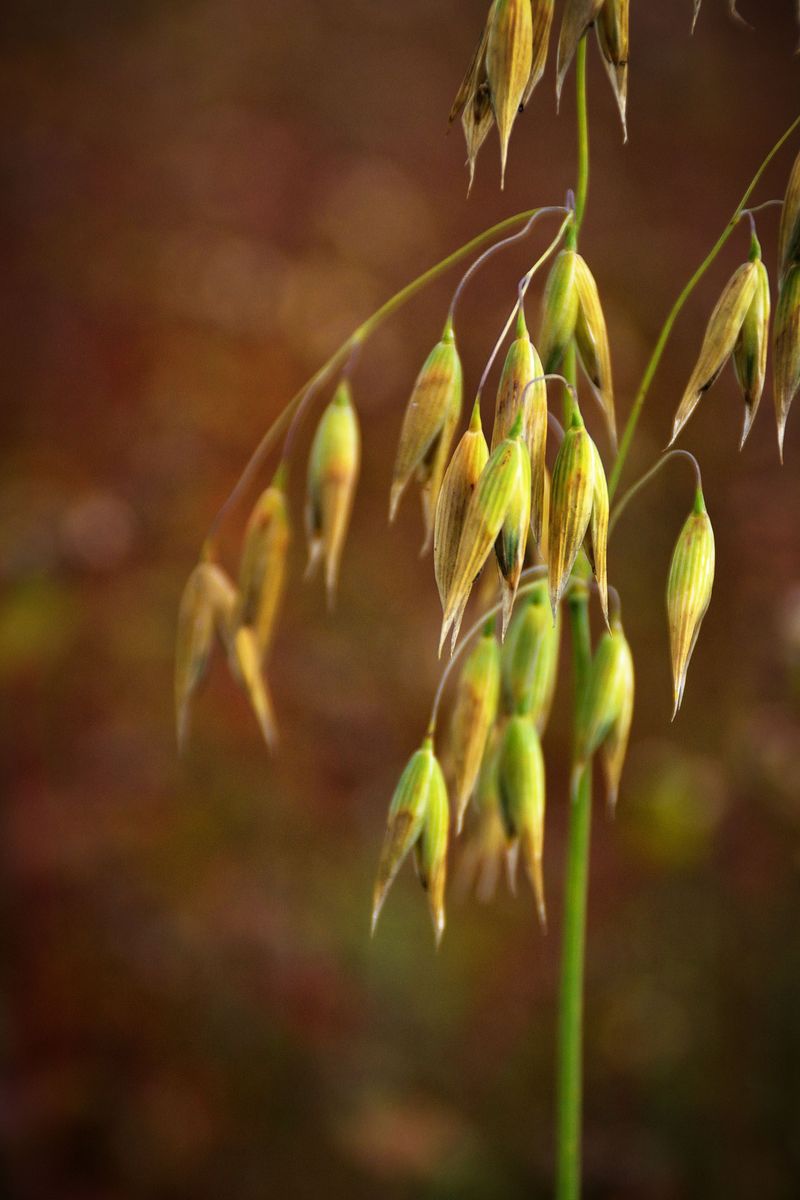
Shady yards often feel like a wall for native plant gardeners, but inland sea oats were practically designed for that challenge.
This elegant woodland grass thrives under tree canopy where sunlight barely reaches the ground.
And it turns out that shaded, moist forest floors are exactly where fireflies love to spend their larval stage.
Inland sea oats grow two to four feet tall with graceful arching stems and dangling seed clusters that flutter in the slightest breeze.
That movement catches the eye in summer and the seeds catch the attention of songbirds in fall.
It is a plant that earns its place in the garden across every season of the year.
The leaf litter that collects beneath inland sea oats stays moist and rich with decomposing organic matter.
Firefly larvae hunt through that layer looking for snails and soft-bodied invertebrates to eat.
A yard with healthy leaf litter beneath shade grasses is a yard that supports fireflies at the ground level.
This grass spreads slowly by seed and rhizome, gradually filling in bare spots under trees. It outcompetes many invasive weeds once it gets established, reducing maintenance over time.
Plant it under oaks, maples, or any large shade tree for a naturalistic woodland floor effect. These plants give Indiana fireflies what they need to return to shaded suburban yards.
Inland sea oats prove that even the darkest corner of a garden can contribute to firefly recovery. Give this underrated native a chance and it will quietly transform the ground beneath your trees.
7. Wild Ginger

Most ground covers are chosen for looks alone, but wild ginger brings something far more valuable to the table.
This low-growing native plant forms a dense, carpet-like mat across shaded ground that firefly larvae find irresistible.
It is the kind of plant that works invisibly but makes a massive difference beneath the surface.
Wild ginger stays under six inches tall, hugging the ground tightly and keeping soil cool and moist even during dry spells.
That moisture retention is not a small detail for firefly larvae, which need consistent dampness to survive and grow. Lose the moisture and you lose the larvae, it is that straightforward.
The broad, heart-shaped leaves of wild ginger overlap each other to create a nearly solid canopy at ground level.
Slugs, snails, and earthworms thrive in that sheltered environment, and those creatures are exactly what firefly larvae eat.
A thriving prey population underground means a thriving firefly population above ground come summer.
Wild ginger grows slowly but spreads reliably over time through underground rhizomes. It is virtually maintenance-free once established, asking only for shade and reasonable moisture.
Pair it with ferns and trillium for a woodland floor planting that looks lush and intentional year-round.
These plants give Indiana fireflies what they need to return to yards where the ground is treated as habitat, not just space to fill.
Wild ginger proves that the most impactful plants are sometimes the quietest ones. Plant it under your biggest shade tree and let it do its slow, steady, remarkable work.