These Companion Crops Boost Flavor And Yield Of Michigan Vegetables
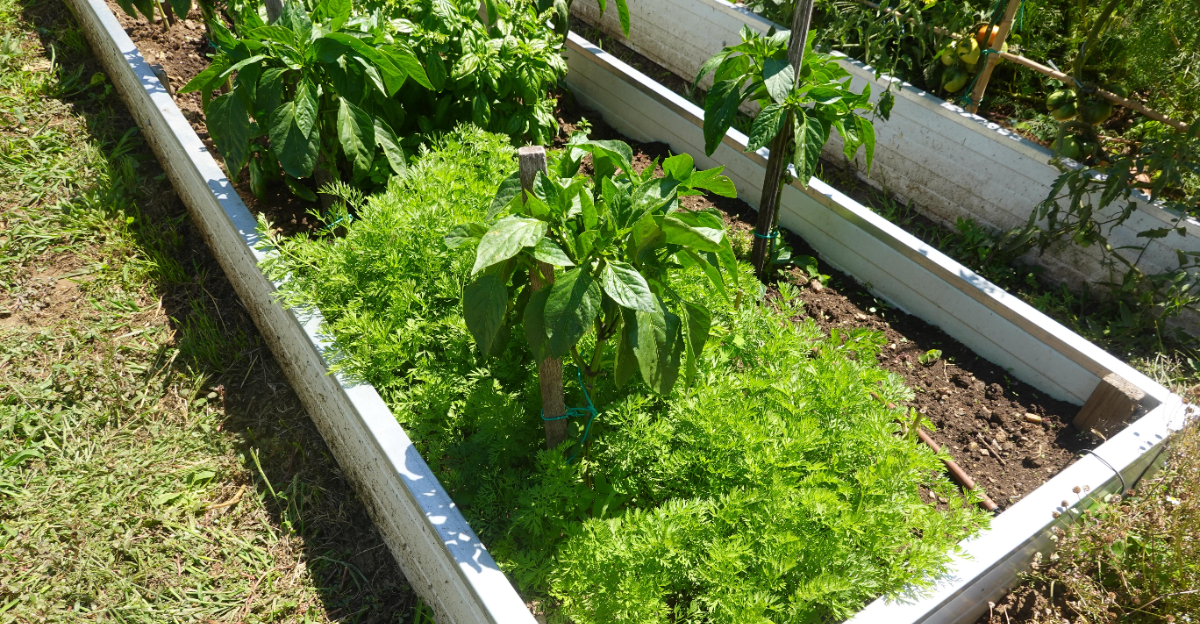
Companion planting has been practiced for centuries, but the version most gardeners encounter is often oversimplified to the point of being unhelpful.
The combinations that actually make a measurable difference in flavor and yield are more specific than general advice suggests, and in Michigan’s growing conditions they are also tied to timing in ways that matter.
Certain pairings work because of how root systems interact in the soil. Others influence pollination, confuse pest insects, or create microclimates that buffer neighboring plants against Michigan’s temperature swings.
The companion crops covered here are not filler plants being tucked in as an afterthought. Each one earns its space by doing something specific and beneficial for the vegetables growing alongside it throughout the season.
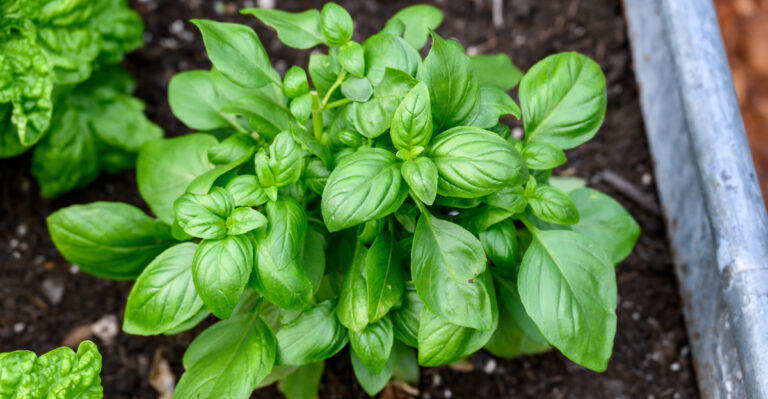
1. Basil With Tomatoes
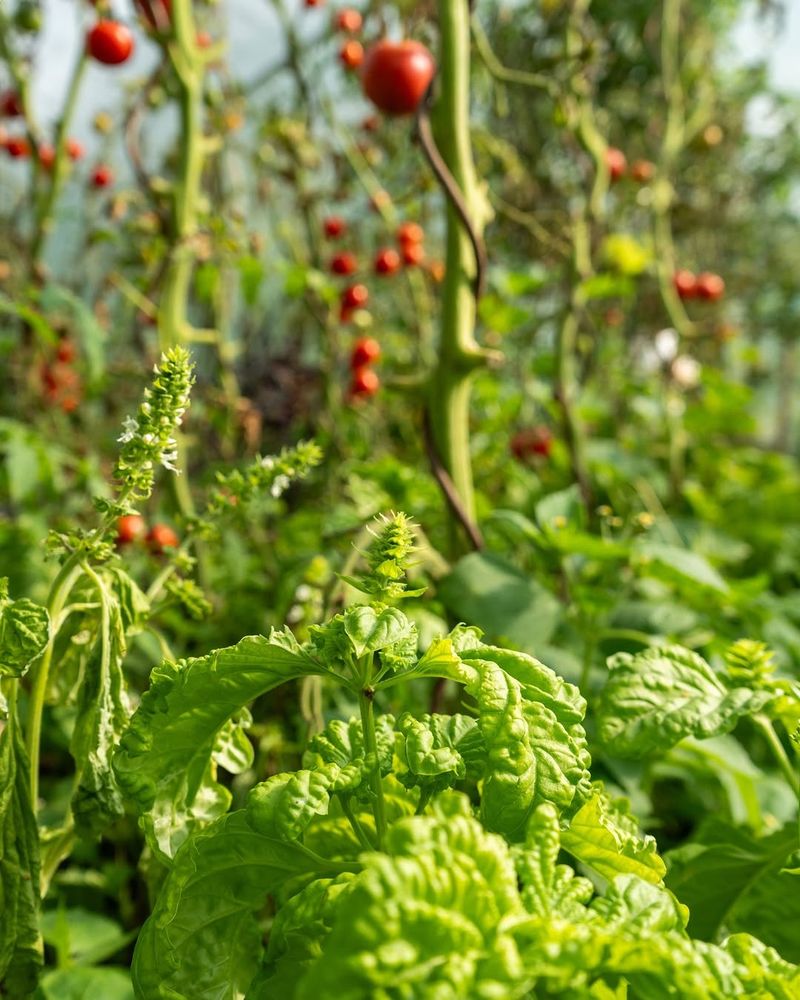
Few plant friendships in the garden feel as natural as basil and tomatoes growing side by side.
Gardeners have noticed for generations that tomatoes grown near basil tend to taste richer and sweeter, and modern research supports the idea that basil’s aromatic oils may actually influence tomato flavor compounds.
Beyond flavor, basil works hard as a pest deterrent. Its strong scent confuses and repels tomato hornworms, aphids, and whiteflies, which are all common nuisances in vegetable beds.
Planting basil about 12 to 18 inches away from your tomato plants gives both crops enough space to grow without competing for nutrients.
Basil also attracts bees and other pollinators when it flowers, which boosts fruit set on your tomato plants.
In Michigan, start both indoors around mid-April and transplant after the last frost, usually late May.
Water consistently and pinch basil flowers to keep the plant bushy and productive all season long.
One practical tip many gardeners swear by is planting a row of basil along the south-facing edge of a raised tomato bed.
This placement maximizes sun exposure for both plants while keeping airflow strong enough to reduce fungal issues. Growing these two together is one of the easiest wins in the companion planting world.
2. Marigolds With Squash
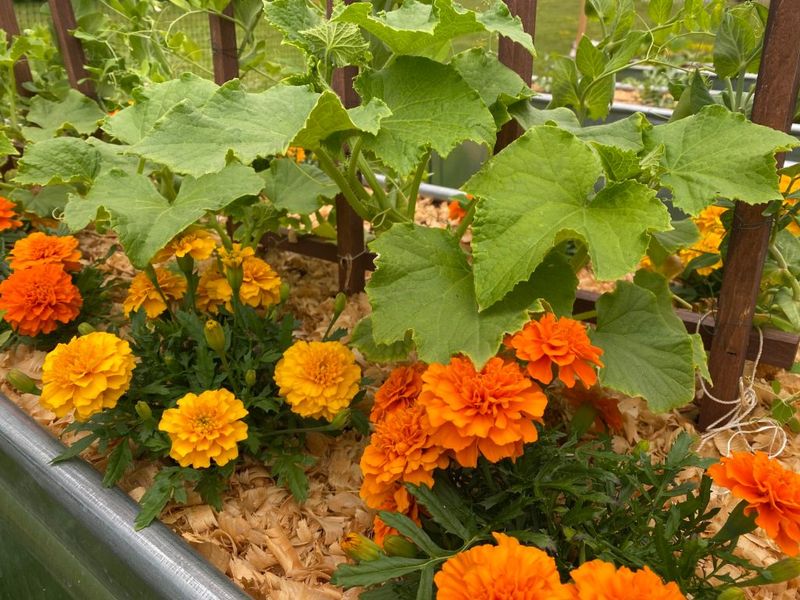
Marigolds might look like simple ornamental flowers, but in the vegetable garden they pull serious weight.
Planted near squash, French marigolds (Tagetes patula) release compounds from their roots that actively suppress root-knot nematodes, which are microscopic soil pests that stunt squash growth and reduce yields in Michigan soils.
Squash plants face a tough lineup of insect threats each season, including squash bugs, cucumber beetles, and aphids.
Marigolds help interrupt that cycle by attracting beneficial predatory insects like parasitic wasps and ladybugs, which feed on the very pests that damage squash leaves and vines.
Spacing marigolds every 12 inches along the border of your squash patch creates a protective buffer that works all season. There is also a visual bonus here.
A squash bed bordered with golden and orange marigolds looks stunning in a summer garden, making the space both productive and beautiful.
Plant marigolds at the same time you transplant squash seedlings after Memorial Day weekend, which aligns well with Michigan’s last frost dates.
For best results, choose French marigolds rather than African varieties, since French types have stronger root secretions that target nematodes more effectively. Water both plants at the base to keep foliage dry and prevent mildew.
Your Michigan Garden Changes Every Week. Your Plan Should Too.
Gardening in Michigan changes quickly throughout the season. Every Friday you’ll receive a simple weekly plan showing exactly what to plant, prune, fertilize, harvest, and protect so you never miss the right timing.
With this pairing, your squash plants get a natural shield that requires almost no extra effort from you.
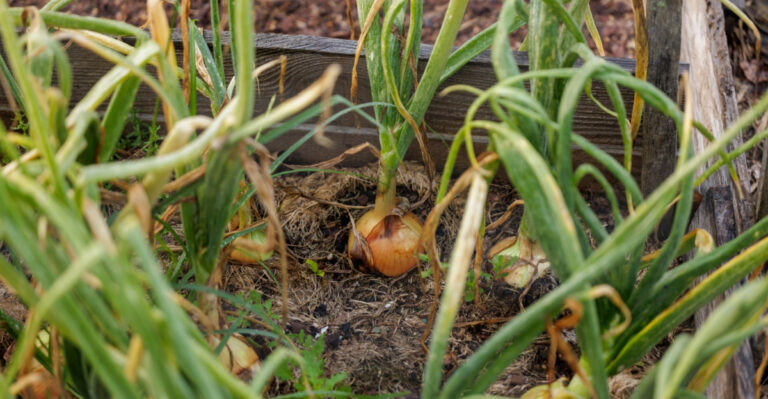
3. Carrots With Onions
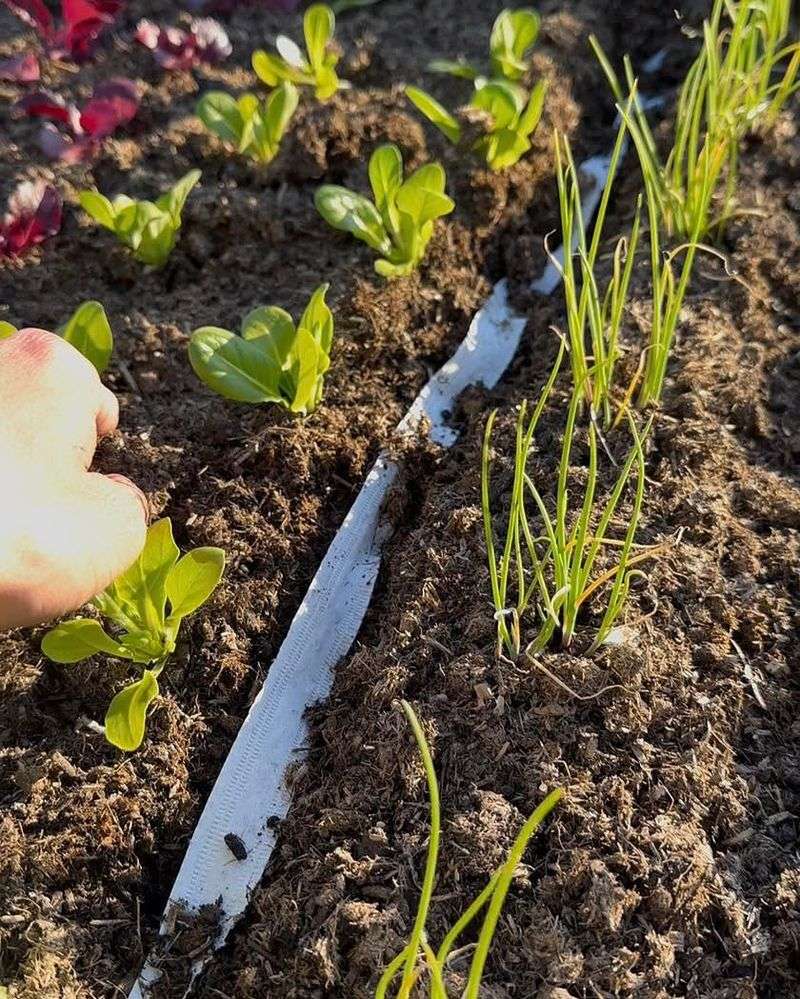
Carrots and onions have a clever relationship built entirely on scent.
The strong sulfur smell that onions release into the air naturally confuses and repels carrot flies, which lay eggs near carrot roots and cause significant damage to crops in Michigan gardens.
In return, carrots help onions by loosening the surrounding soil as their roots push downward, improving drainage and aeration around the onion bulbs. Planting these two crops in alternating rows is the most effective approach.
A spacing of about 6 inches between rows keeps each plant’s root zone from crowding the other while still allowing their scents to mingle and create that natural pest-deterring effect.
Both crops prefer full sun and well-drained soil, which makes them easy to manage together in the same bed.
Michigan gardeners can direct-sow both crops in early May once soil temperatures reach at least 50 degrees Fahrenheit.
Carrots take about 70 to 80 days to mature, while onions can be grown from sets for a faster harvest.
Keeping the bed consistently moist during germination helps both crops establish strong root systems early in the season.
One helpful fact about this pairing is that onion tops can also act as a visual row marker for slower-germinating carrot seeds.
You always know exactly where your carrot rows are, which prevents accidental disturbance during weeding.
It is a smart, space-efficient combination that rewards patient gardeners with healthy roots and strong harvests.
4. Beans With Corn
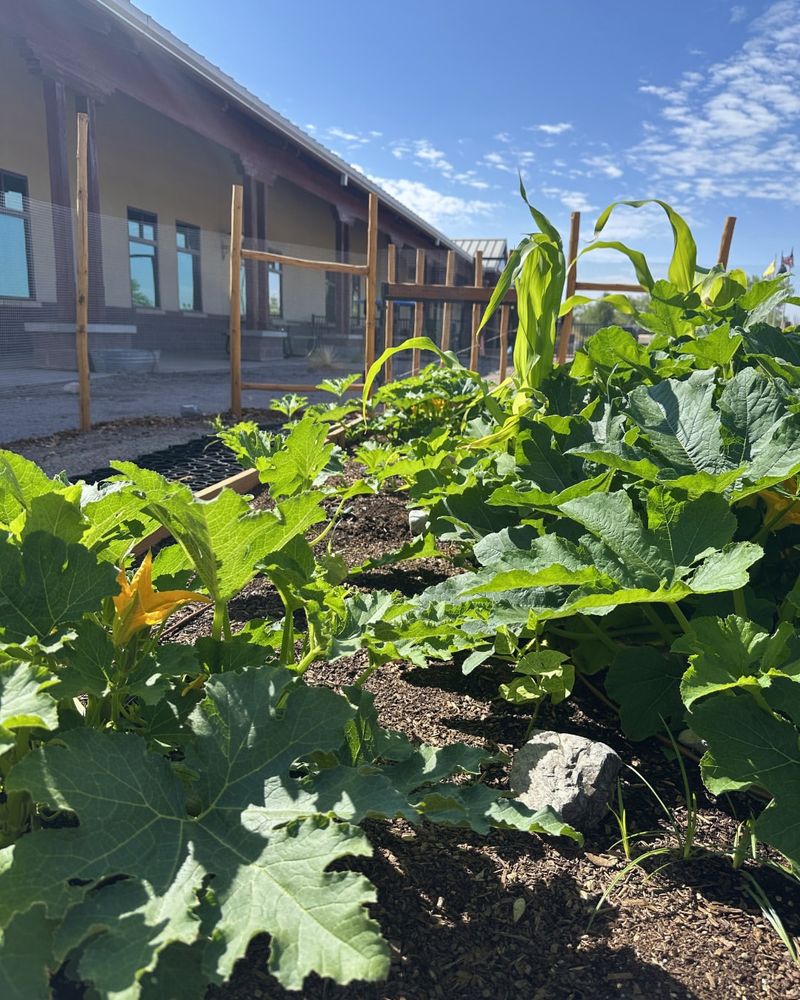
Corn and beans have grown together in North American gardens for thousands of years, and the reason is beautifully simple.
Beans are nitrogen-fixing plants, meaning they pull nitrogen from the air and store it in nodules along their roots.
That stored nitrogen feeds the corn growing right beside them, reducing the need for added fertilizers and producing taller, healthier stalks throughout Michigan’s warm growing season.
Pole beans take this partnership even further by using the corn stalks as a natural trellis.
Instead of needing separate stakes or wire supports, bean vines wind their way up the corn as it grows, saving you time and materials in the garden.
Bush beans work well too if you prefer a tidier, lower-growing option that does not require support. In Michigan, plant corn first around late May, once soil is consistently warm.
Add bean seeds about two weeks later, once the corn is 4 to 6 inches tall. This timing ensures the corn has a head start so bean vines do not overwhelm the young stalks before they have time to establish themselves properly.
Rotating this pairing to different garden spots each year is a great way to naturally refresh soil nitrogen levels across your entire garden.
The beans leave behind nutrient-rich soil that benefits whatever you plant there the following season.
It is an ancient technique that modern gardeners are rediscovering with excellent results every summer.
5. Lettuce With Radishes
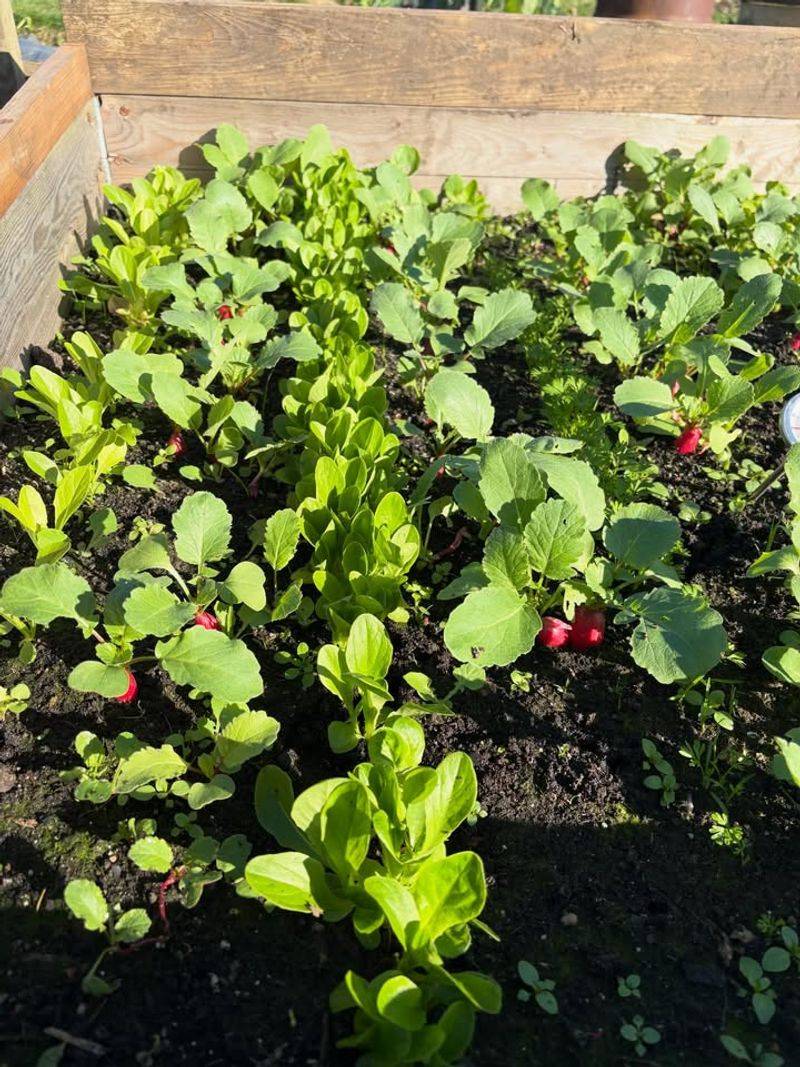
Radishes are one of the fastest-maturing vegetables you can grow, and that speed makes them an ideal companion for slower-growing lettuce.
When you sow radish seeds alongside lettuce, the radishes sprout quickly and mark the rows clearly, so you always know exactly where your lettuce seedlings are emerging beneath the soil.
It is a small trick that saves a lot of confusion during the early weeks of the season. As radish roots push down into the soil, they naturally break up compacted earth and improve aeration around the lettuce root zone.
Loose, well-aerated soil helps lettuce develop fuller heads and crisper leaves, which translates directly into better flavor and texture at harvest time.
Michigan gardeners working with heavier clay soils benefit especially from this natural loosening effect.
Both crops thrive in cool weather, making them a perfect match for spring and early fall planting windows.
Sow seeds together in late April or early August for a fall crop, spacing radish seeds about 2 inches apart and lettuce seeds about 6 to 8 inches apart.
Radishes will be ready to harvest in 25 to 30 days, opening up space for lettuce to spread as it matures.
Interplanting these two also makes efficient use of limited garden space, which is a real advantage in smaller Michigan yards.
Once you pull the radishes, the lettuce fills in naturally and continues growing without any replanting needed.
It is a tidy, satisfying pairing that rewards you with two separate harvests from one compact bed.
6. Spinach With Strawberries
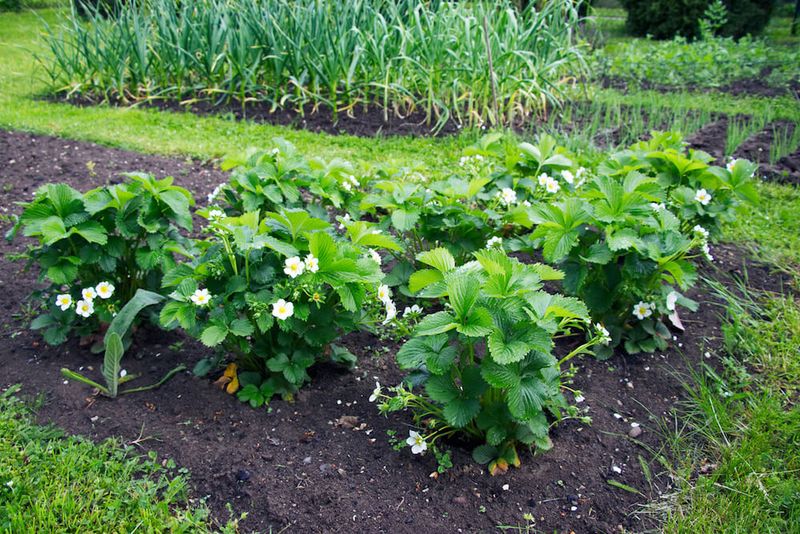
Strawberry beds can struggle with weeds, especially during the warm stretches of Michigan’s spring and early summer.
Spinach planted between strawberry rows acts as a living ground cover, shading the soil surface and blocking weed seeds from getting the light they need to sprout.
Less weeding means less disturbance to the shallow strawberry roots, which helps plants put more energy into producing fruit. Spinach also helps retain soil moisture by reducing evaporation from the soil surface.
Strawberries are thirsty plants, and keeping the soil consistently moist without overwatering can be a challenge in Michigan’s sometimes unpredictable spring weather.
Having spinach cover the ground between plants helps regulate that moisture balance naturally throughout the season.
Plant spinach seeds in early April, about four weeks before your last expected frost date, directly between established strawberry rows. Space seeds about 4 to 6 inches apart and thin seedlings once they reach 2 inches tall.
Spinach grows quickly in cool weather and will be ready to harvest before strawberries hit their peak production in late June.
An added bonus of this combination is that spinach is a nutrient-dense crop you can harvest multiple times by cutting outer leaves and allowing the center to keep growing.
By the time summer heat arrives and spinach naturally bolts, your strawberry plants will have filled in enough to shade their own root zone.
It is a wonderfully efficient pairing that gives gardeners two productive crops from one carefully managed bed.
7. Cabbage With Dill
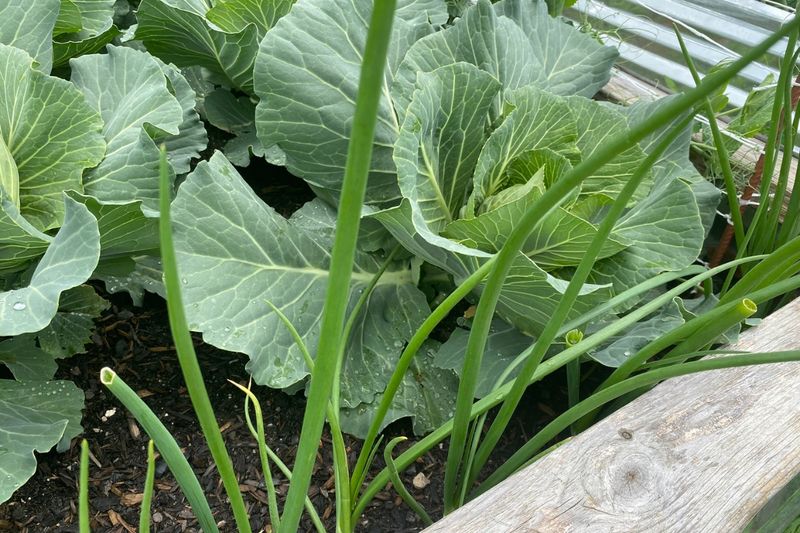
Dill has a reputation as a kitchen herb, but in the garden it plays a much bigger role.
When planted near cabbage, mature dill plants attract a wide range of beneficial insects, including parasitic wasps, hoverflies, and lacewings, all of which prey on common cabbage pests like cabbage worms, loopers, and aphids.
Fewer pests on your cabbage means healthier heads and a better overall yield by harvest time. The trick with dill and cabbage is timing.
Young dill plants are actually considered slightly harmful to cabbage, so wait until your dill has reached full maturity before planting it near your brassicas.
In Michigan, start cabbage transplants indoors in late March and direct-sow dill outdoors in mid-May so both plants reach the right growth stage around the same time in early summer.
Space dill plants about 12 to 18 inches from cabbage to avoid root competition while still keeping the beneficial insect activity close enough to matter.
Dill grows tall and airy, so it will not shade your cabbage significantly, but it will create a welcoming habitat for predatory insects right at the edge of your bed.
Allowing some of your dill to flower and go to seed also benefits the garden beyond the current season.
Self-seeding dill will return the following year, giving you a low-maintenance source of this beneficial herb without replanting.
For gardeners who want a naturally pest-resistant cabbage patch, this pairing is one of the most reliable combinations available.
8. Peppers With Carrots
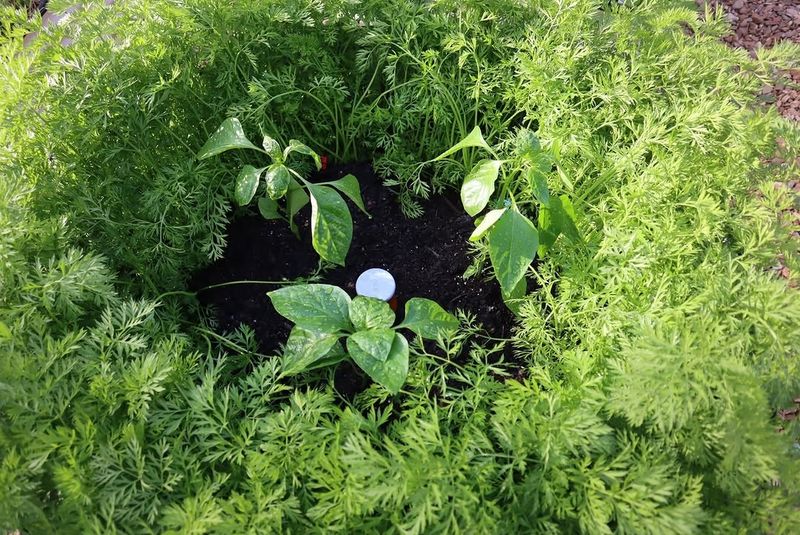
Peppers and carrots might not be the first pairing that comes to mind, but they work together in ways that go beneath the surface, literally.
Carrot roots break through dense or compacted soil as they grow downward, creating small channels that improve drainage and allow air and water to reach the deeper layers of soil where pepper roots need to spread.
Better soil structure around pepper roots means stronger, more resilient plants overall.
Peppers grown in Michigan often face challenges from aphids, spider mites, and pepper weevils.
Carrots attract beneficial insects like ground beetles and parasitic wasps that feed on these pests, providing a layer of natural protection without any spraying needed.
Keeping carrot plants healthy and growing actively throughout the season maintains that beneficial insect habitat right where your peppers need it most.
Plant pepper transplants outdoors after Michigan’s last frost date, typically around Memorial Day.
Sow carrot seeds at the same time, spacing them about 3 to 4 inches apart in rows running parallel to your pepper plants.
Both crops enjoy full sun and consistent watering, making their care routines easy to combine into one simple schedule.
Avoid planting fennel anywhere near this combination, as fennel is known to inhibit the growth of both peppers and carrots.
Keeping the bed free of competing weeds and adding a layer of compost at planting time will help both crops reach their full potential.
Michigan gardeners who try this pairing often notice noticeably larger pepper harvests by late August and into September.
9. Cucumbers With Nasturtiums
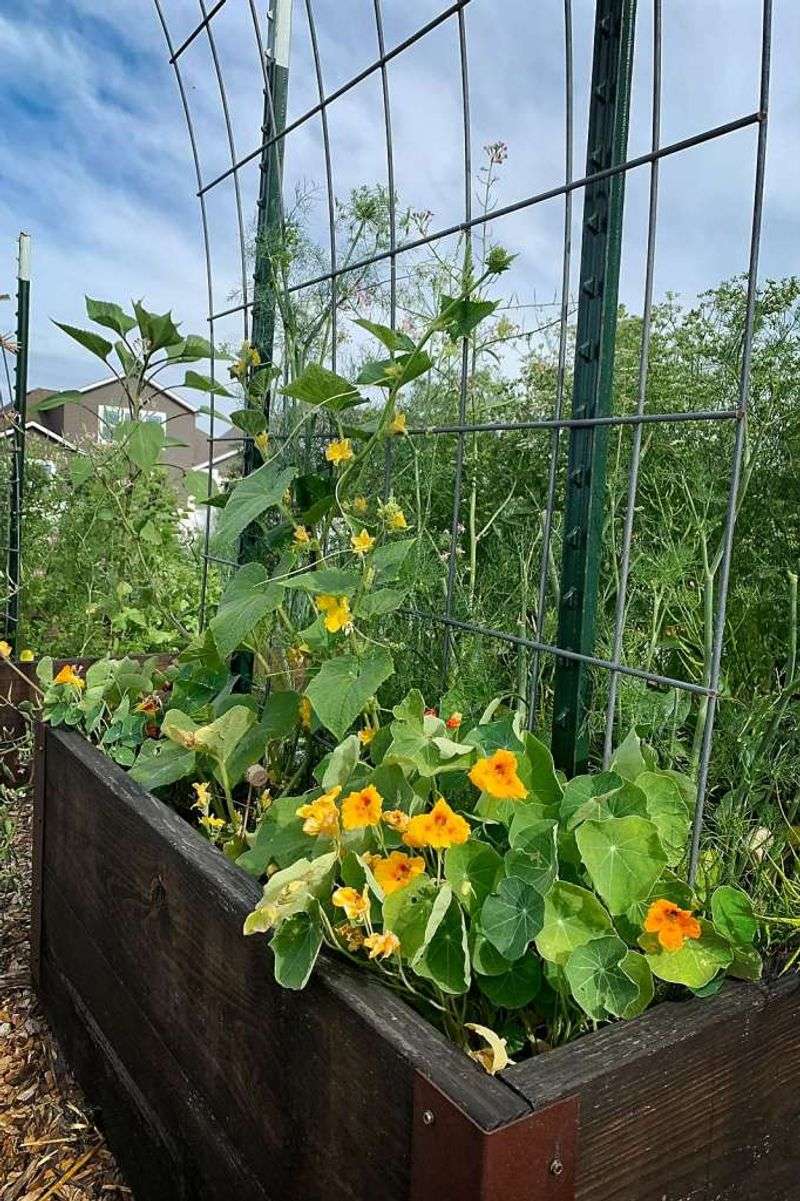
Nasturtiums are one of the most hardworking companion plants you can add to any garden, and cucumber beds are where they truly shine.
These cheerful, fast-growing flowers act as a trap crop, which means pests like aphids and cucumber beetles are strongly attracted to nasturtiums and will flock to them instead of targeting your cucumber plants.
Once the pests concentrate on the nasturtiums, they become much easier to manage or remove from the garden entirely.
Cucumber beetles are a serious problem for gardeners because they not only damage fruit directly but also spread bacterial wilt, a disease that can wipe out an entire cucumber crop in a matter of weeks.
Having nasturtiums draw those beetles away from your cucumbers significantly reduces that risk and keeps your vines producing healthy fruit well into late summer.
Plant nasturtium seeds directly in the soil around mid-May, spacing them about 10 inches apart around the base of your cucumber trellis or along the edges of a cucumber bed.
Nasturtiums grow quickly and require almost no fertilizer, actually preferring poorer soils that encourage more flowering than leafy growth.
Beyond their pest-trapping role, nasturtiums attract pollinators like bees and butterflies that also benefit your cucumber flowers. More pollination means more fruit set and a noticeably heavier harvest.
Both the flowers and leaves of nasturtiums are edible too, with a peppery flavor that makes a great addition to summer salads. It is a companion planting choice that earns its place in every Michigan cucumber garden.
10. Tomatoes With Borage
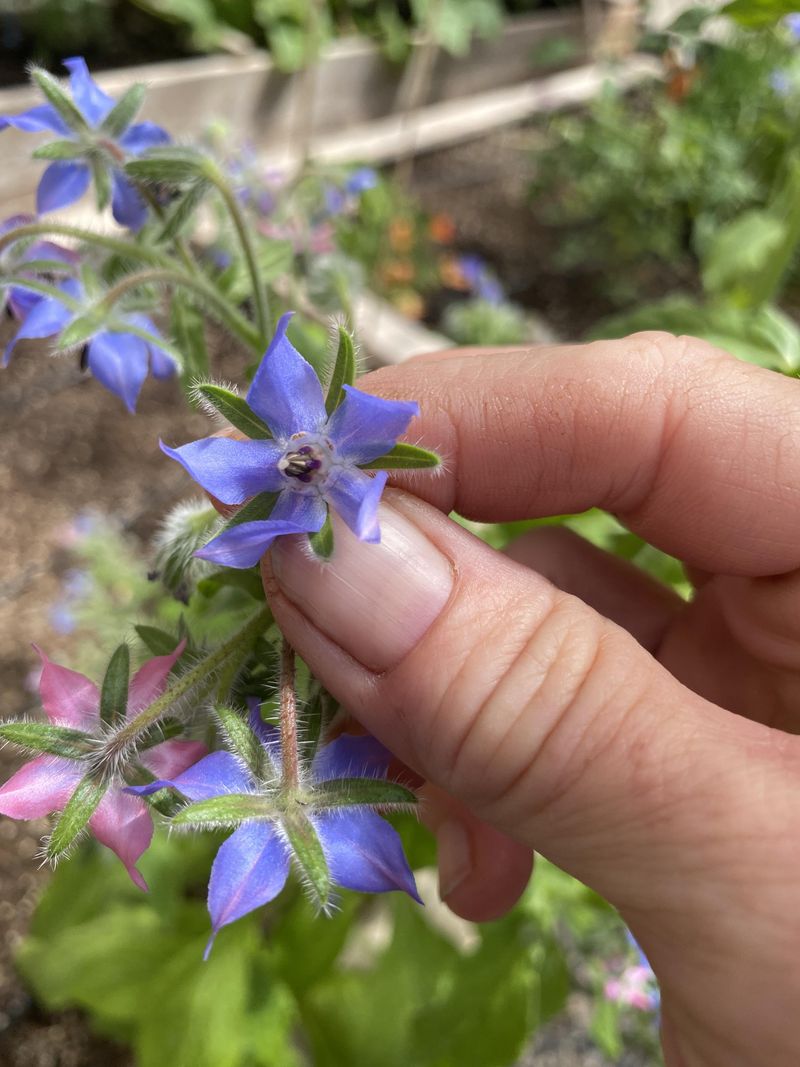
Borage is one of those plants that experienced gardeners quietly love and newer gardeners have not yet discovered.
Planted alongside tomatoes, borage (Borago officinalis) produces clusters of vivid blue star-shaped flowers that attract bumblebees and other pollinators in remarkable numbers.
More pollinators visiting your tomato flowers translates directly into heavier fruit set and bigger tomato harvests throughout summer growing season.
Beyond pollination, borage is believed to repel tomato hornworms, one of the most damaging pests a Michigan tomato grower can face.
The plant also attracts predatory insects like parasitic wasps that target hornworm eggs before they even hatch, adding another layer of natural pest control to your tomato bed.
Many gardeners report that tomatoes grown near borage seem more vigorous and produce fruit with noticeably richer flavor.
Plant borage from seed directly in the garden after your last frost date, spacing plants about 12 inches from your tomato transplants.
Borage grows quickly and can reach 18 to 24 inches tall, so position it where it will not shade smaller companion plants nearby.
It is a drought-tolerant herb once established, requiring only occasional watering during dry Michigan summers.
One delightful bonus is that borage self-seeds freely, meaning once you plant it, it tends to return on its own the following year with minimal effort.
The edible flowers have a mild cucumber-like flavor and make a beautiful garnish for summer drinks and salads.
Growing borage with your tomatoes is a choice that brings beauty, productivity, and genuine ecological value all at once to your garden.