Oregon Gardeners Waste Money Every Summer With These 8 Common Habits
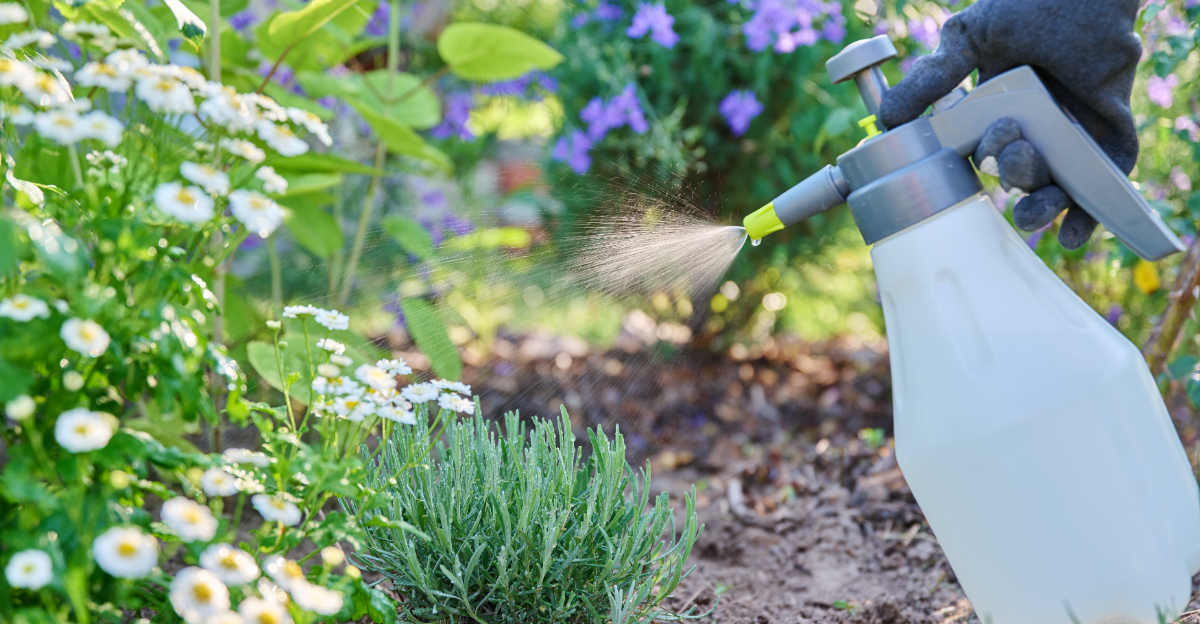
Summer gardening can get expensive fast when small habits keep draining your budget. Oregon gardeners may spend money on fixes they do not really need, especially when heat, weeds, and thirsty plants start demanding attention.
A little extra watering here and a rushed nursery trip there can add up before you notice. The frustrating part is that many costly habits feel helpful in the moment.
They promise faster growth, prettier beds, or an easy solution to a problem that keeps coming back. But not every product or shortcut gives your garden what it needs.
With a closer look, you may find that your summer routine is working harder than it should. Spot the habits that waste money, and your garden can stay healthier without making your wallet feel lighter.
1. Daily Sprinkling Wastes Water Without Reaching Roots
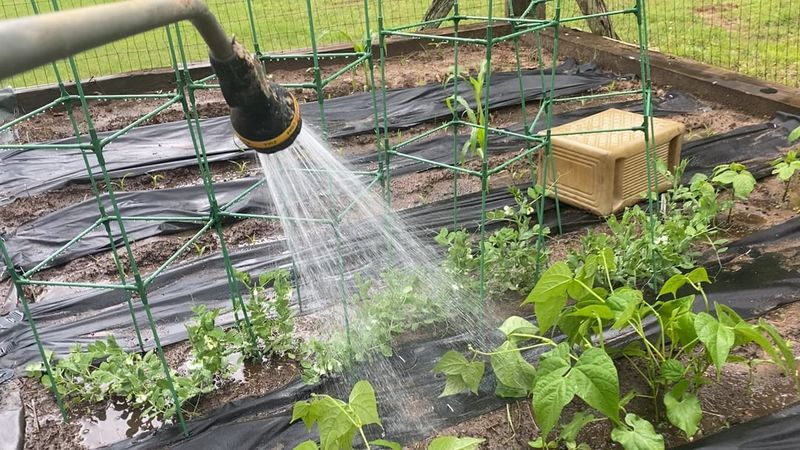
Watering a little bit every single day feels like the responsible thing to do. It seems like you are staying on top of things and keeping your plants happy.
But light, frequent watering is one of the most common and costly mistakes home gardeners make during summer.
When you sprinkle just a small amount of water each day, the moisture barely reaches below the surface. Roots follow the water.
So if water only sits in the top inch of soil, that is where your roots will stay. Shallow roots make plants weak and much more sensitive to heat and drought.
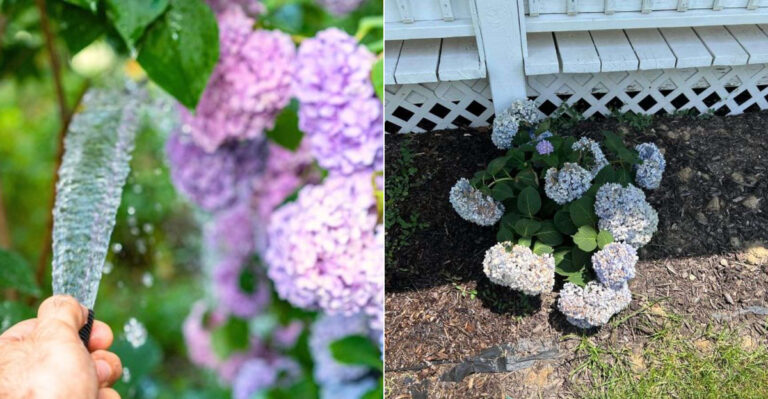
Deep, infrequent watering is the better method. Watering deeply two or three times a week encourages roots to grow further down into the soil.
Deeper soil stays cooler and holds more moisture. That means your plants can handle hot days without wilting as quickly.
A simple way to check if you are watering enough is to push your finger or a small stick two inches into the soil. If it is dry at that depth, it is time to water.
If it is still moist, skip that day and check again tomorrow.
Drip irrigation and soaker hoses are great tools for getting water directly to the roots. They also reduce evaporation compared to sprinklers.
Over a full summer, deep watering saves both water and money on your utility bill.
2. Thirsty Plants Cost More Once Oregon Heat Arrives
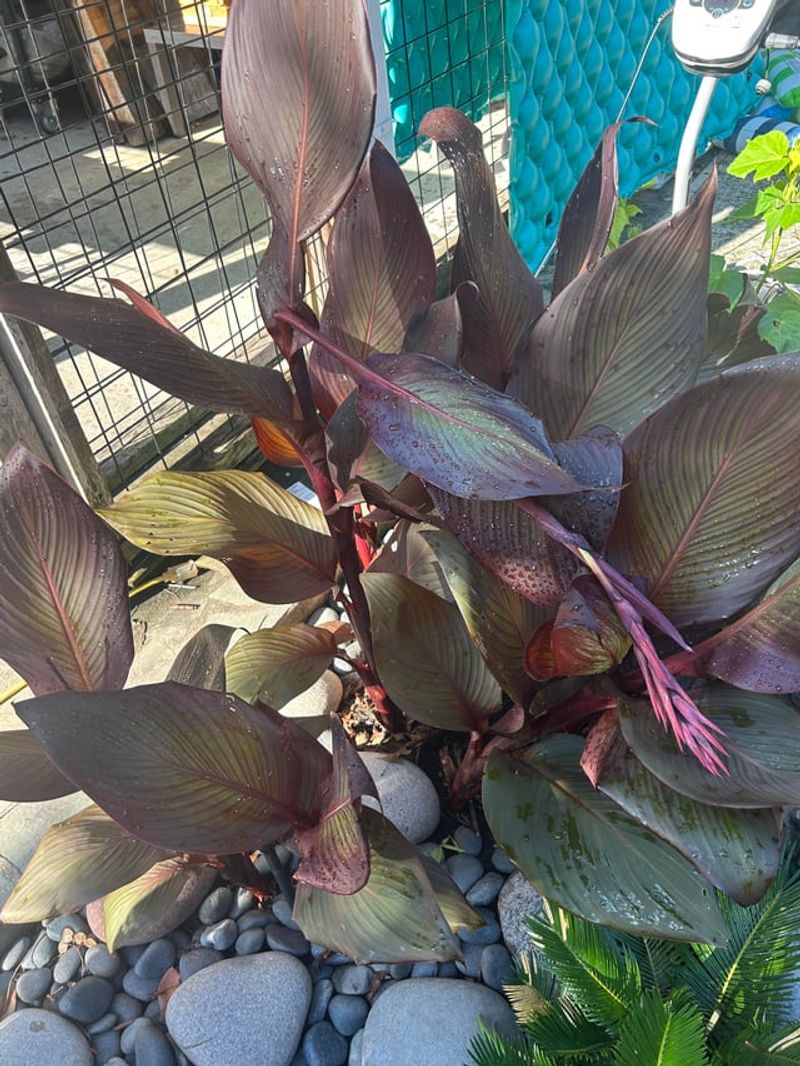
Most people do not think much about plant hydration until they see leaves drooping in the afternoon sun. By that point, the plant is already under serious stress.
Getting ahead of that stress is what separates a thriving garden from a struggling one.
Summer heat in Oregon can arrive suddenly, especially east of the Cascades. Temperatures can jump from mild to scorching within just a few days.
Plants that were not set up with good watering habits before the heat arrived will struggle to recover quickly.
Watering deeply before a heat wave, rather than during it, gives plants the reserves they need. Think of it like filling up a car with gas before a long road trip.
Waiting until you are already on empty makes everything harder.
Your Oregon Garden Changes Every Week. Your Plan Should Too.
Gardening in Oregon changes quickly throughout the season. Every Friday you’ll receive a simple weekly plan showing exactly what to plant, prune, fertilize, harvest, and protect so you never miss the right timing.
Mulching around your plants also plays a big role here. A two to three inch layer of mulch keeps soil temperatures lower and slows moisture loss.
This one step can reduce how often you need to water by up to thirty percent during peak summer months.
Replacing plants that struggle through heat waves costs real money. A flat of tomatoes, a bag of fertilizer, and a few hours of labor add up fast.
Building a routine that prepares plants for heat before it hits is far cheaper than trying to rescue them after the damage is done. Prevention always wins over reaction when summer gets serious.
3. Fertilizer Cannot Fix Heat Stress
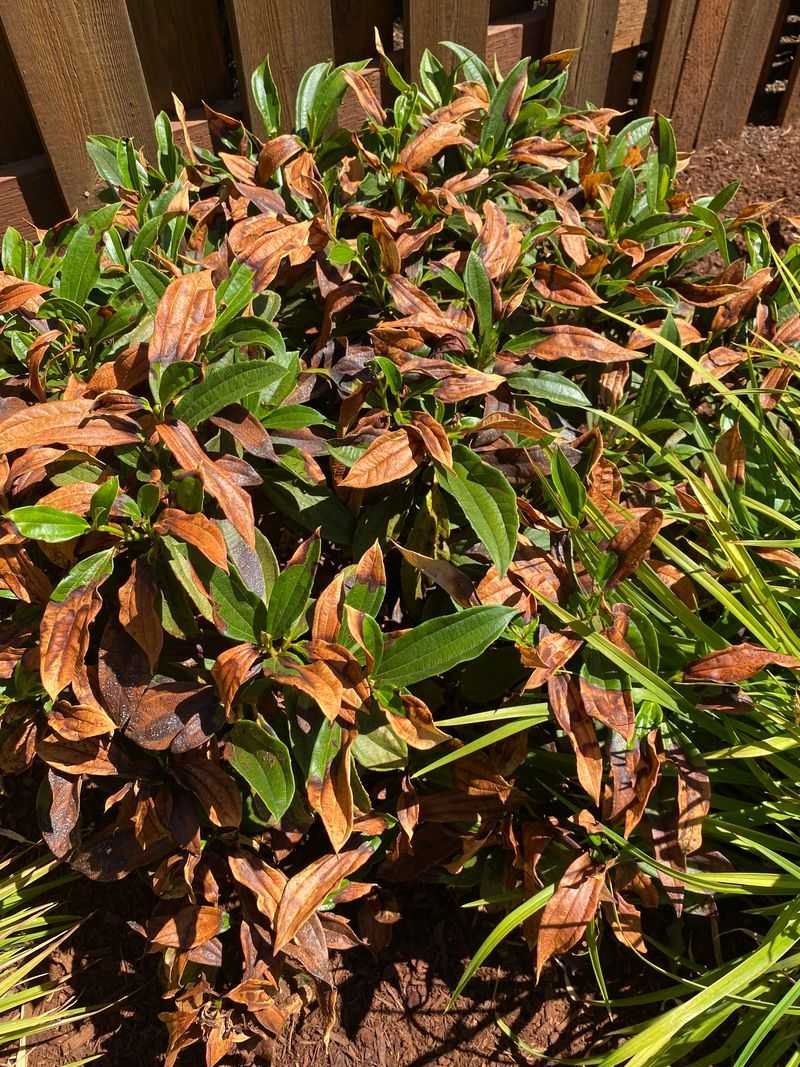
When plants look pale, limp, or slow-growing, it is tempting to reach for the fertilizer bag. Feeding your plants feels productive.
It feels like you are doing something helpful. But during a heat wave, adding fertilizer can actually make things worse.
Heat stress causes plants to shut down. They stop growing, stop absorbing nutrients efficiently, and focus all their energy on survival.
Pushing fertilizer into the soil at that point is like asking someone who is exhausted to run a race. The plant simply cannot use what you are giving it.
Excess fertilizer salts can also build up in the soil during hot, dry conditions. That buildup can damage roots and make it even harder for plants to take up water.
You end up spending money on fertilizer that not only does not help, but may actually set your plants back further.
The right time to fertilize is before the heat arrives, or after temperatures cool back down. Early summer feeding, when soil is moist and plants are actively growing, gives the best results.
A slow-release fertilizer applied in late spring sets plants up well without the risk of burning them.
If your plants look stressed during a heat wave, focus on water and shade first. A piece of lightweight row cover or even an old bedsheet can protect plants from the worst afternoon sun.
Fix the actual problem before adding anything else to the mix.
4. Weeds Steal Water From The Plants You Paid For
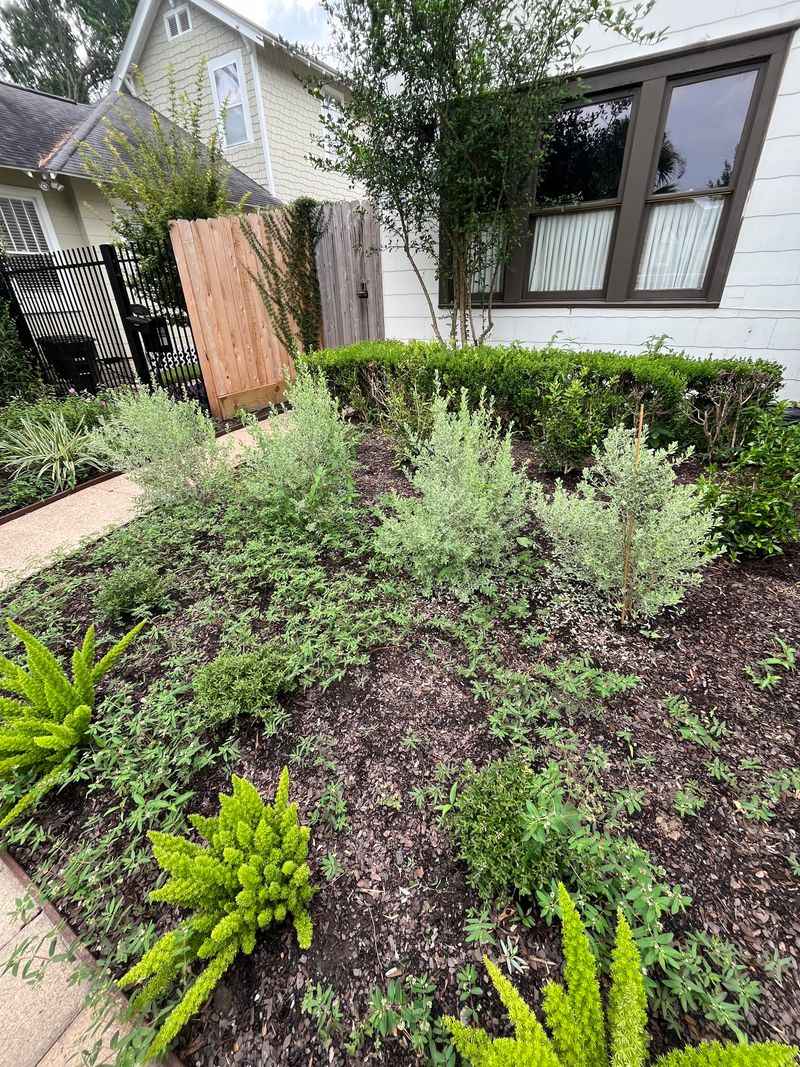
Oregon weeds are sneaky competitors. They do not announce themselves.
They just quietly grow, spread their roots, and take up water, nutrients, and space that your vegetables and flowers actually need. Ignoring them even for a week or two can put your garden at a real disadvantage.
During dry summer months, soil moisture is precious. Every weed that takes root is pulling water away from the plants you spent money on.
Some aggressive weeds, like bindweed and thistle, have deep root systems that can outcompete garden plants even when conditions are tough.
The key to managing weeds without spending hours every weekend is timing. Pulling weeds when they are small is much easier than dealing with them once they have rooted deeply.
A quick ten-minute walk through your garden every few days can prevent a massive weed problem from building up.
Mulch is one of the most effective weed blockers available. A thick layer of straw, wood chips, or shredded leaves blocks sunlight from reaching weed seeds in the soil.
Fewer weeds sprout, and the ones that do are much easier to pull because the soil stays loose and moist underneath.
Keeping a sharp hoe or hand weeder nearby makes the job faster and less frustrating. Weeding after a rain or a good watering session is also easier on your back.
Staying consistent with weed control is one of the simplest ways to protect your garden investment all summer long.
5. Bare Soil Makes Every Watering Less Efficient
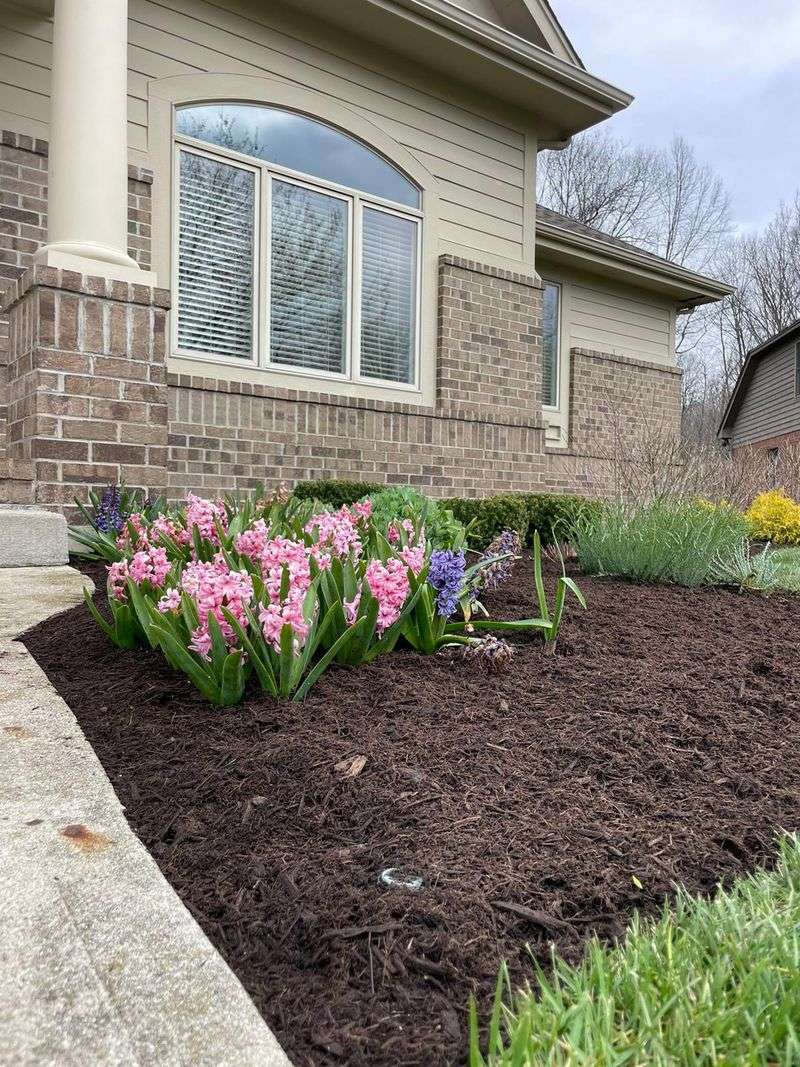
Bare soil and Oregon summer sun are a bad combination. When soil is left uncovered, the sun bakes the surface and water evaporates quickly.
You can water thoroughly in the morning and find the top layer bone dry by early afternoon. That is water and money going nowhere useful.
Exposed soil also crusts over time. When the surface hardens, water runs off instead of soaking in.
You end up watering more often just to get the same results, which adds to your water bill without improving plant health.
Mulch changes everything. Spreading a two to four inch layer of organic material over your soil keeps moisture locked in longer.
It also keeps soil temperatures cooler, which is a huge benefit during the hottest weeks of summer. Roots stay healthier and plants stay stronger.
Good mulch options include straw, wood chips, grass clippings, and shredded leaves. Many of these materials are free or very low cost.
Grass clippings from your lawn, for example, make excellent mulch as long as the grass has not been treated with herbicides.
As organic mulch breaks down over the season, it also adds nutrients back into the soil. So you get weed suppression, moisture retention, and soil improvement all from one simple step.
Skipping mulch is one of the most common and most expensive oversights in summer gardening. Covering your soil is a small effort that pays off in a big way from June through September.
6. Panic Spraying Can Destroy Helpful Garden Insects
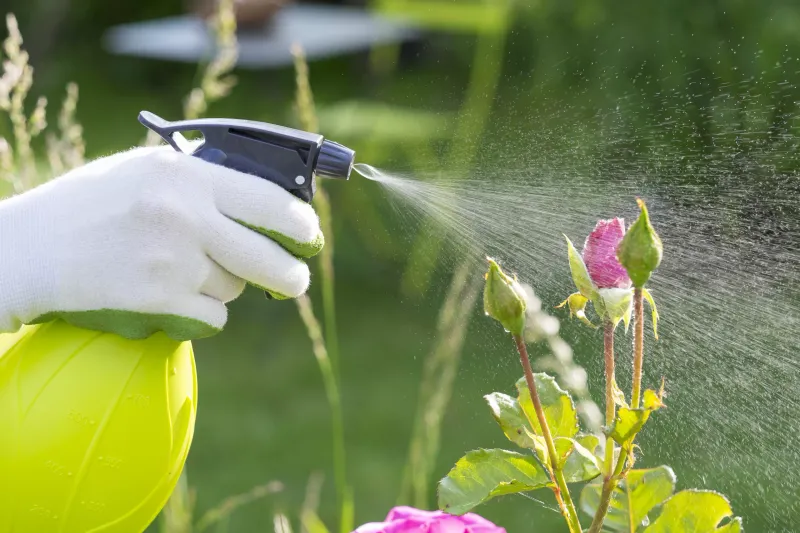
Spotting chewed leaves or a few bugs on your plants can send even experienced Oregon gardeners straight to the pesticide shelf. The instinct to act fast makes sense.
Nobody wants to watch their garden get eaten up. But spraying without identifying the problem first is one of the costliest mistakes you can make.
Many insects found in gardens are actually beneficial. Ladybugs, lacewings, ground beetles, and parasitic wasps all feed on the pests that actually cause damage.
When you spray broadly, you wipe out the helpful insects along with the harmful ones. That leaves your garden more vulnerable to future pest problems, not less.
Broad-spectrum pesticides also do not stay where you spray them. Rain, wind, and irrigation can carry them to nearby plants, soil, and water sources.
Pollinators like bees that visit your garden can be seriously harmed, which affects fruit and vegetable production down the line.
Before reaching for any spray, take a few minutes to look closely at what is actually happening. Are the bugs you see actually causing the damage?
Sometimes what looks like pest activity is actually weather stress or a nutrient issue. Identifying the real cause saves you money and protects your garden ecosystem.
When pest control is genuinely needed, start with the least harmful option. Hand-picking, insecticidal soap, and neem oil are effective for many common problems.
Targeted treatments protect the beneficial insects that do a lot of free pest control work for you every single day.
7. Late Cool-Season Planting Leads To Weak Harvests
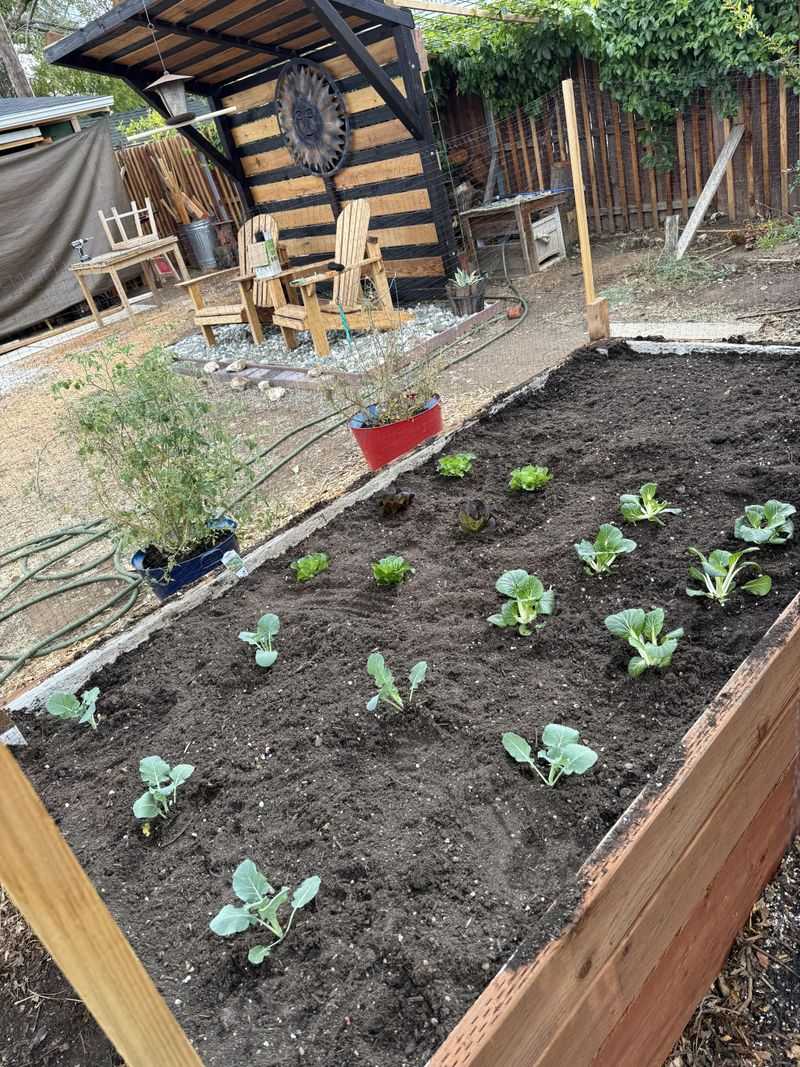
Cool-season crops like lettuce, spinach, broccoli, and kale have a reputation for being easy to grow. And they are, but only when planted at the right time.
Putting them in the ground too late in the season is a mistake that costs gardeners both time and money every year.
Cool-season vegetables prefer soil temperatures between 45 and 65 degrees Fahrenheit. Once summer heat pushes soil temps higher than that, these plants bolt quickly.
Bolting means they skip straight to flowering and seed production instead of producing the leaves or heads you actually want to eat.
In the western part of Oregon, cool-season crops are best planted in early spring or late summer for a fall harvest. Trying to squeeze them into midsummer, when temperatures are at their peak, usually results in bitter, tough, or stunted plants.
That is money spent on seeds and starts that never deliver a real harvest.
Planning your planting calendar around actual soil temperatures rather than just the date on the calendar makes a big difference. A simple soil thermometer costs just a few dollars and takes the guesswork out of timing.
Knowing when your soil is cool enough gives you a real advantage.
Starting cool-season seeds indoors a few weeks before outdoor temperatures drop can also extend your growing season.
Transplanting established seedlings into cooling fall soil gives them a strong head start. A little planning in midsummer sets you up for a productive and satisfying fall garden.
8. Wilted Plants May Need Recovery, Not Replacement
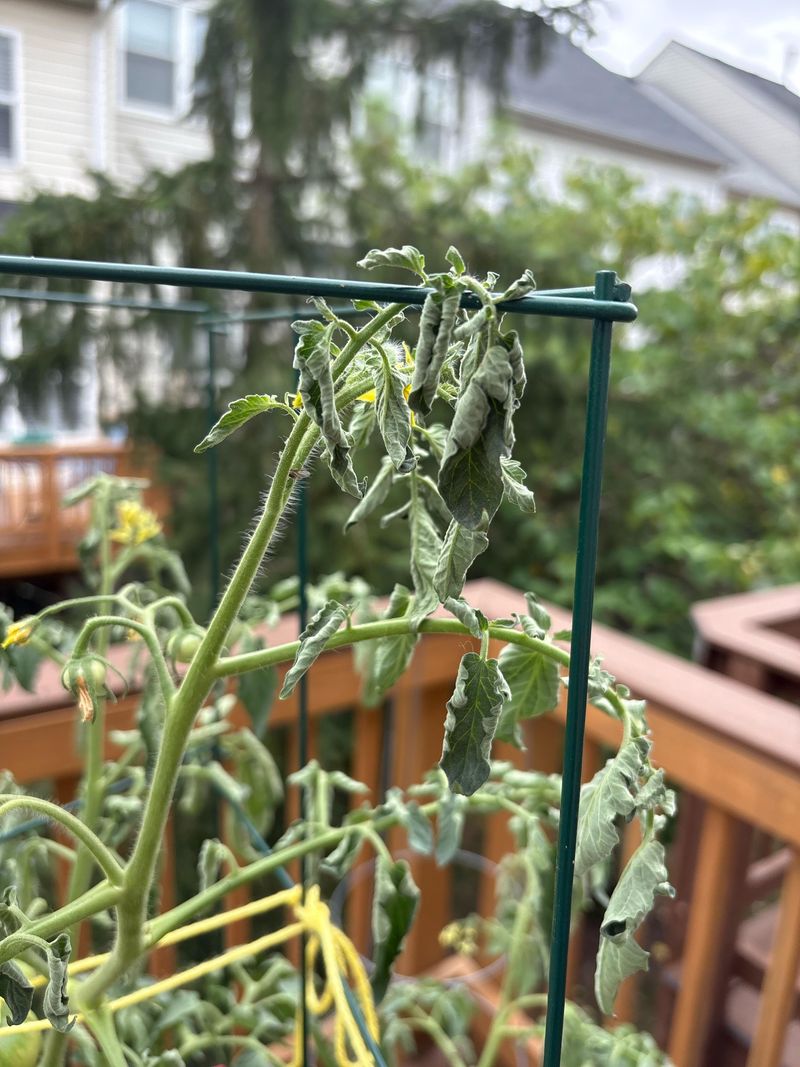
Seeing a plant wilt on a hot afternoon can feel alarming. The instinct for many gardeners is to assume the plant is beyond saving and start thinking about replacement.
But wilting is often a temporary response to heat and does not always mean permanent damage has occurred.
Many plants wilt during the hottest part of the day as a way of conserving moisture. If the plant perks back up in the evening or early morning, that is a sign it is coping with the heat rather than failing.
Pulling a plant that is actually just stressed is a waste of money and effort.
Before making any decisions, check the soil moisture first. Push a finger two inches deep near the base of the plant.
If the soil is moist, the plant likely just needs shade and time to recover. If it is dry, a slow, deep watering is the right first step.
Giving a stressed plant a few days to recover before replacing it is almost always worth the wait. Adding a temporary shade cloth over the plant during peak afternoon heat can speed up recovery significantly.
Shade cloth is inexpensive and reusable season after season.
Root health matters more than how leaves look on a hot day. A plant with strong roots can bounce back from heat stress surprisingly fast once temperatures drop.
Trusting the recovery process, rather than reaching for your wallet, is often the smarter and more rewarding choice for your Oregon garden and your budget.