Florida Native Groundcovers That Help Painted Buntings Feel At Home
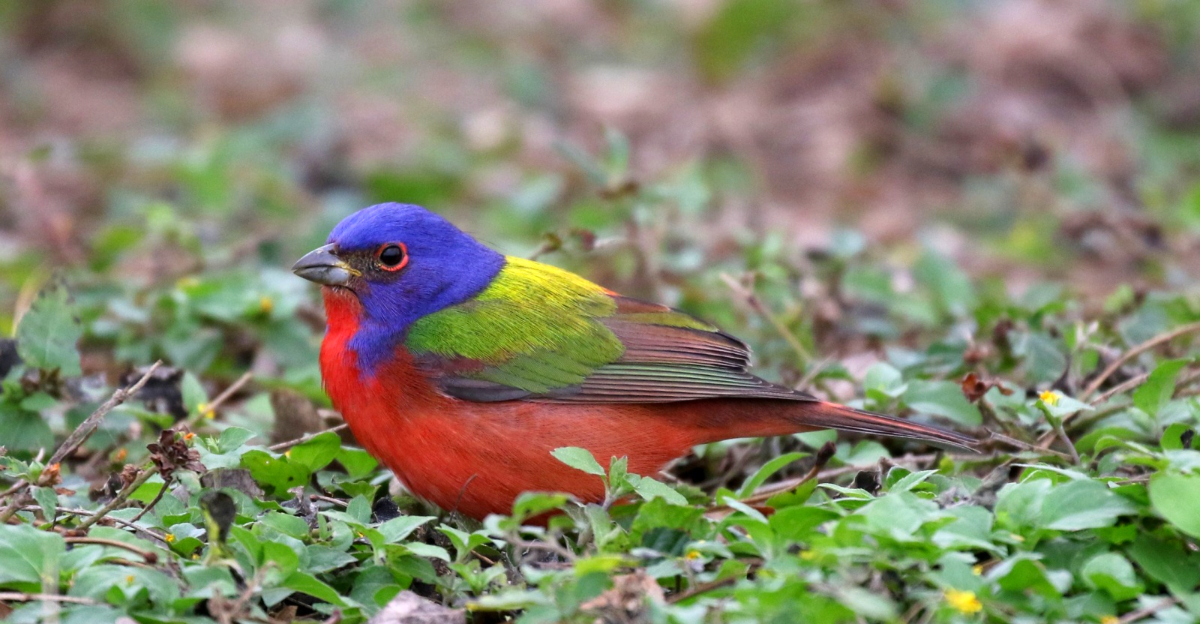
Painted buntings are arguably the most colorful songbirds in North America, and Florida yards have a real shot at attracting them with the right habitat setup. A bird feeder alone is not going to cut it though.
These birds have specific preferences, and building a yard that genuinely appeals to them means thinking in layers. Low native groundcovers are one part of that picture that tends to get overlooked, and they bring real value to the habitat.
Seeds, insect activity, ground-level shelter, and the kind of soft brushy edges painted buntings tend to favor can all come from the right groundcover choices.
Combine those plantings with native shrubs, grasses, thickets, clean water, and reduced pesticide use and a Florida yard starts becoming the kind of place these birds actually want to spend time.
1. Frogfruit Creates A Low Living Carpet
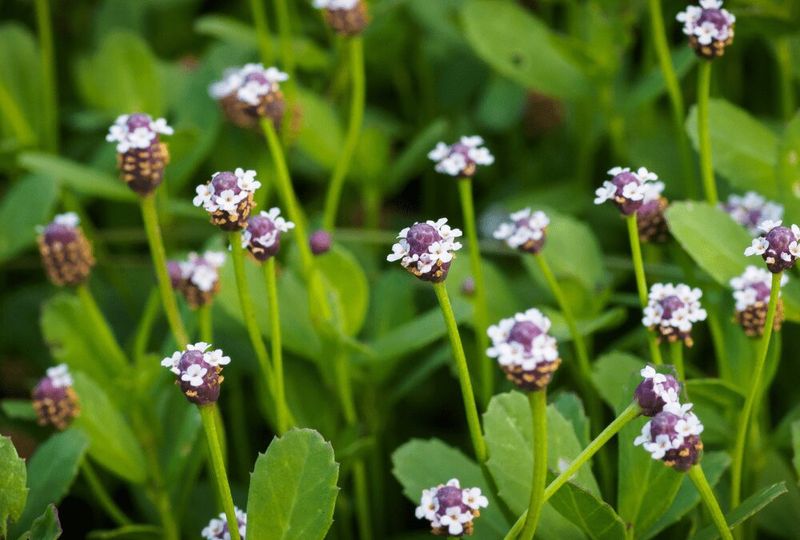
Walk through almost any moist, sunny Florida yard and you might already have frogfruit growing along the edges without even realizing it.
This low-growing native plant spreads close to the ground, forming a dense green mat that can fill in open spaces between taller native shrubs, wildflowers, and grasses.
Its small white flowers may look simple, but they draw in a wide range of native bees, butterflies, and other pollinators that add life and insect activity to the yard.
Frogfruit works well in moist to medium-moisture sites and tolerates some foot traffic better than many other native groundcovers. It fits naturally along path edges, near garden borders, and in areas transitioning from lawn to native plantings.
Because painted buntings tend to prefer brushy edges and low dense cover, frogfruit can help fill in the lower layer of a more complete habitat when taller plants are already in place nearby.
It should not be treated as a standalone solution for attracting painted buntings, but as one useful piece in a layered Florida landscape.
The insect activity it supports can matter just as much as its low cover, since small invertebrates are an important food source for many songbirds.
Frogfruit is worth including in any native planting where a low, spreading, pollinator-friendly mat is needed to complete the ground layer.
2. Sunshine Mimosa Adds Dense Low Cover
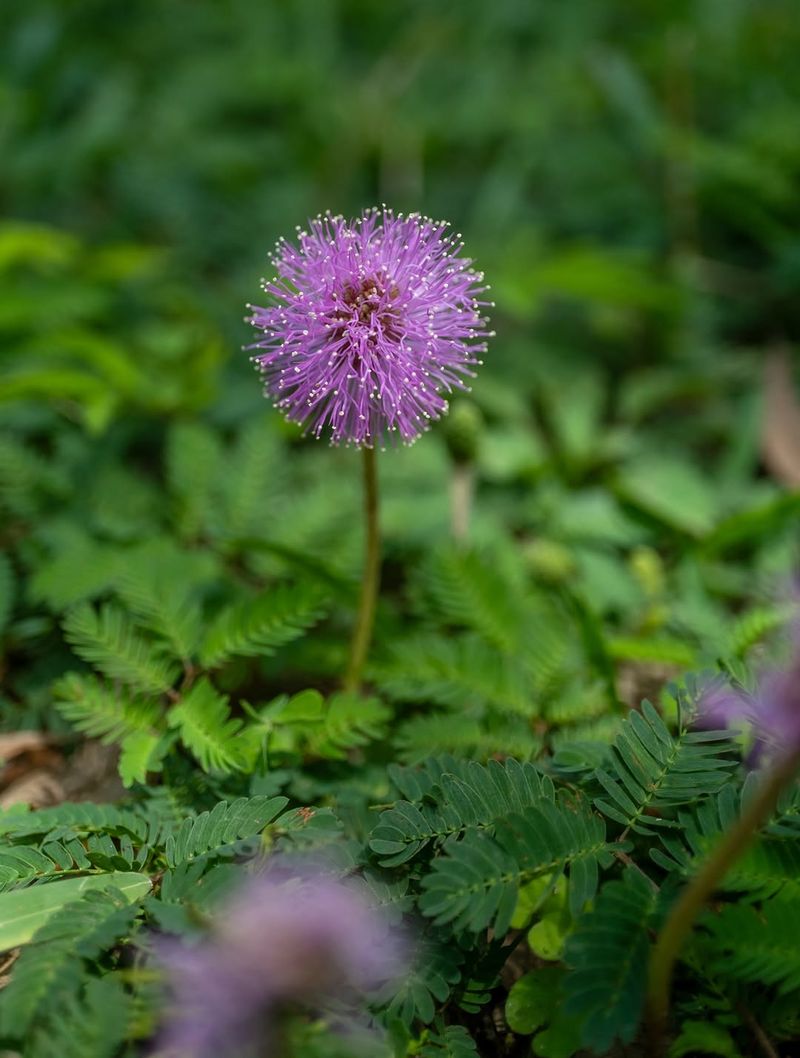
Few native groundcovers make as strong a visual impression as sunshine mimosa, with its feathery leaves and soft pink puffball flowers sitting just a few inches above the soil.
Beyond the good looks, this plant can spread into a thick, dense mat in sunny or partly sunny Florida spaces, creating the kind of low cover that can shelter small birds and insects at ground level.
Its foliage folds up when touched, which adds a bit of personality to any native planting.
Sunshine mimosa tends to spread once it gets established, so placement matters. It works best in open areas away from garden paths, delicate neighboring plants, or spots where spreading growth would become a problem.
Along naturalized edges, sunny open beds, or wide borders beside native shrub groupings, it can fill in low ground space in a way that adds real habitat value without requiring much ongoing care.
Your Florida Garden Changes Every Week. Your Plan Should Too.
Gardening in Florida changes quickly throughout the season. Every Friday you’ll receive a simple weekly plan showing exactly what to plant, prune, fertilize, harvest, and protect so you never miss the right timing.
For yards aiming to support painted buntings, sunshine mimosa can contribute to the dense low cover layer that these birds sometimes use near brushy edges and thickets.
Pairing it with native grasses and shrubs gives the planting more vertical variety and makes the habitat more complete.
The flowers also support pollinators, which adds another layer of ecological benefit to this easy-going Florida native groundcover worth considering for warm, open planting areas.
3. Beach Sunflower Offers Seeds And Shelter
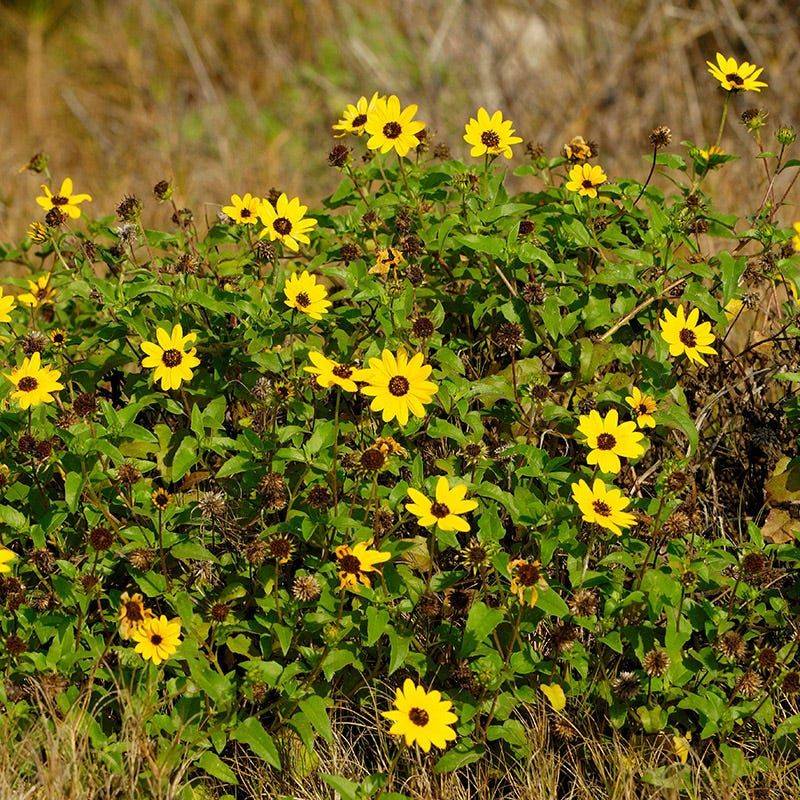
Bright yellow flowers, fast-spreading growth, and a tolerance for dry sandy soil make beach sunflower one of the most recognizable native groundcovers in Florida.
It thrives in sunny, well-drained conditions and can fill in open beds quickly, creating a dense blanket of foliage and blooms that adds both color and habitat value to the landscape.
The seedheads that follow the flowers can be used by small birds, including seed-eating songbirds that forage at low levels.
Beach sunflower suits coastal and inland sandy gardens well, but it does need good drainage and full sun to perform at its best.
In heavier soils or shaded spots, it tends to struggle, so matching this plant to the right site conditions is important before planting.
Once established in a suitable location, it spreads on its own and can cover large areas with minimal intervention from the gardener.
The dense growth also creates low shelter that small birds may use near brushy edges or open beds. For painted buntings, the combination of seeds, insect activity, and low cover can make beach sunflower a useful addition to a layered Florida habitat.
It works especially well when planted alongside native shrubs, taller wildflowers, or ornamental grasses that provide additional vertical structure.
Beach sunflower is a practical and rewarding choice for sunny, dry planting spaces that need low, wildlife-friendly coverage.
4. Lyreleaf Sage Fits Natural Garden Edges
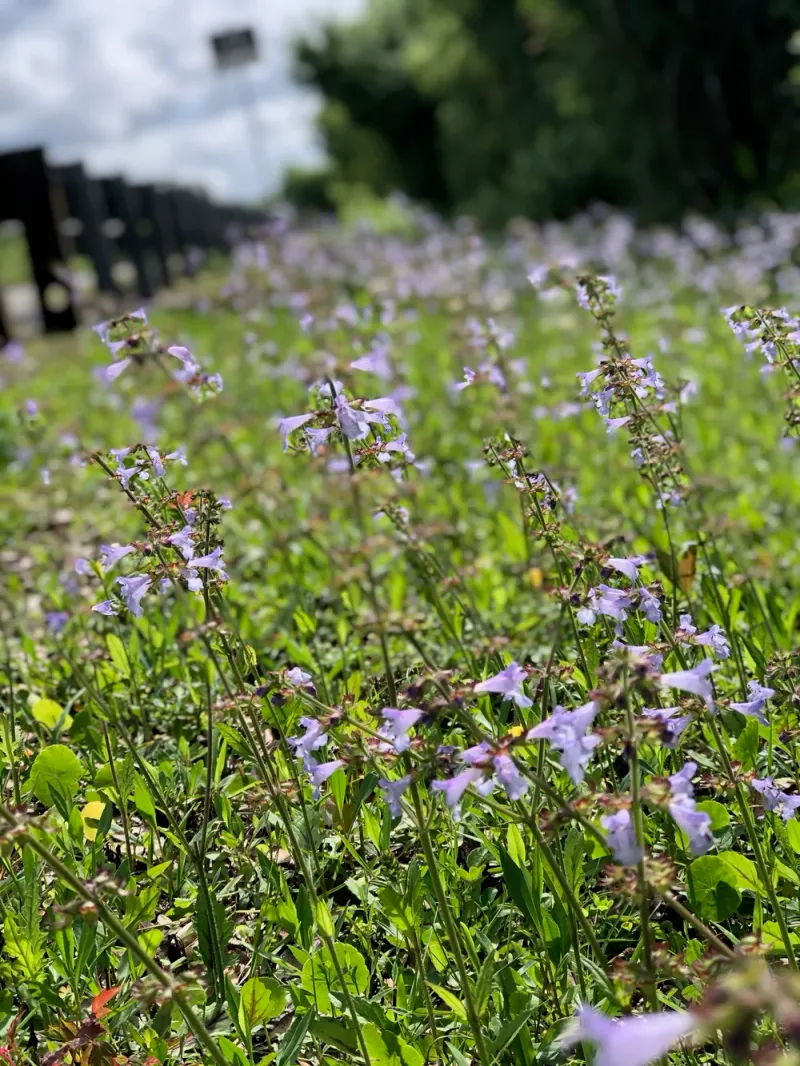
Along the informal edges of native beds, lightly shaded lawn borders, and naturalized Florida landscapes, lyreleaf sage has a way of appearing quietly and fitting in without any fuss.
It forms low rosettes of textured leaves at ground level, then sends up slender flower stalks with small blue-purple blooms that pollinators visit regularly.
The combination of low rosette foliage and upright flower spikes adds a layered texture that feels natural rather than manicured.
Lyreleaf sage is not a flat, formal groundcover in the traditional sense. It works better in informal settings where its rosette habit and flower stalks can express themselves naturally.
Think of it along the edge of a native shrub bed, tucked into a meadow-style border, or growing under the light canopy of a sparse native tree where some sun still filters through.
It handles moderate shade and tolerates the sandy, well-drained soils common across much of Florida.
For bird-friendly yards, lyreleaf sage contributes habitat texture at low levels and supports pollinators that add insect activity to the garden.
Painted buntings tend to favor areas with layered, brushy cover, and having low-growing plants like lyreleaf sage filling in the ground layer beside taller native plants can help make those edges feel more complete.
It is a low-maintenance, native-friendly option for gardeners who want to add natural texture along informal planting edges.
5. Creeping Sage Works In Shady Cover
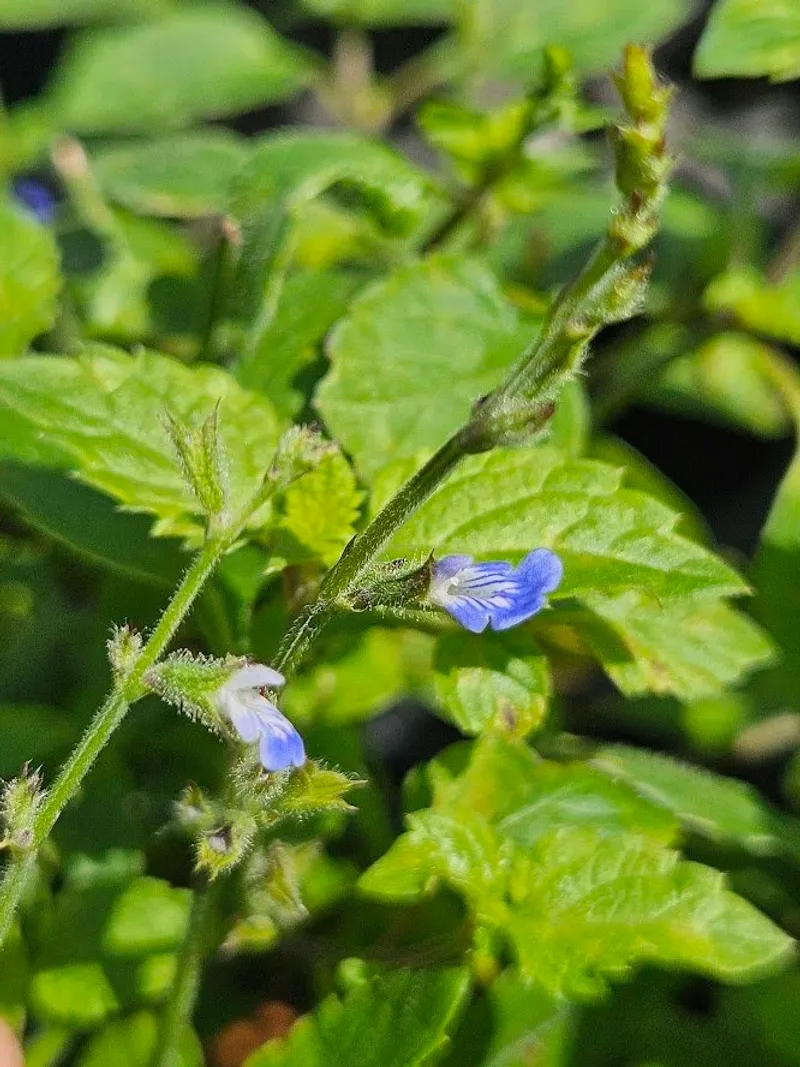
Shady yard corners can be tricky spaces to fill with native plants, and creeping sage offers a low-growing option that can work where many sun-loving groundcovers would struggle.
It spreads close to the ground in partly shaded to shaded areas, forming a soft layer of foliage that adds cover and texture in spots that often go bare.
For gardeners trying to build a more complete layered habitat, filling in the shady ground layer matters just as much as planting in sunny open beds.
Creeping sage tends to prefer moist, well-drained soils and works well beneath native tree canopies, along shaded fence lines, or in the shadier edges of a mixed native planting.
It is not as widely planted as some other Florida natives, but it earns its place in shaded spaces where low cover is genuinely hard to establish.
Matching it carefully to site conditions will give it the best chance of spreading and thriving over time.
For painted buntings, shaded low cover near brushy edges can provide shelter and foraging habitat, especially when the surrounding planting includes native shrubs, grasses, and seed-producing wildflowers.
Creeping sage fills a specific niche in the Florida landscape that other groundcovers cannot easily cover.
Adding it to shaded native beds alongside taller understory plants can help create a more complete and layered bird-friendly habitat in yards where shade limits other planting options.
6. Gopher Apple Suits Dry Sandy Spots
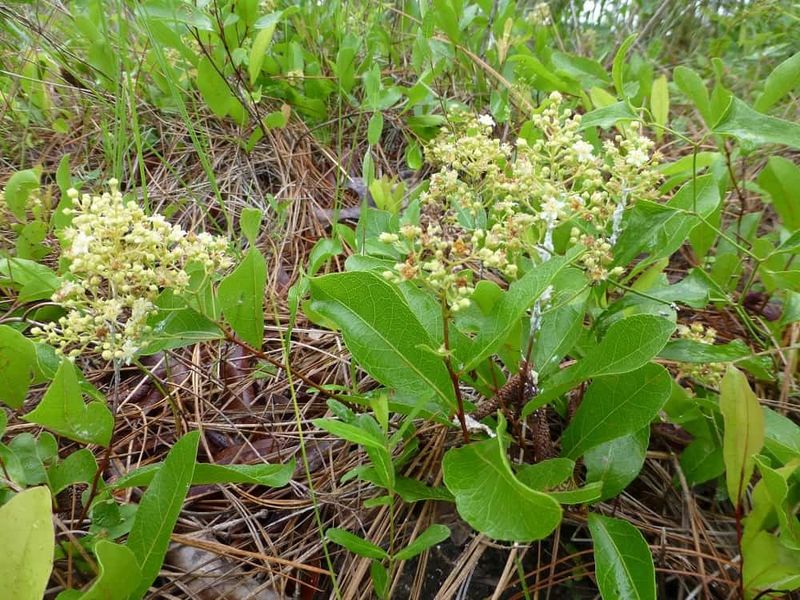
Sandy, dry, sun-baked spots in Florida yards are often the hardest places to plant, but gopher apple was practically made for those conditions.
This low evergreen groundcover spreads slowly across dry, sandy soils in full sun, forming a tough and persistent mat of small, leathery leaves that stays green year-round.
It is deeply rooted, drought-adapted, and suited to the kind of scrubby, sandy sites where many other plants simply cannot get established.
Gopher apple is better suited to naturalistic plantings and sandy native beds than to high-traffic areas or formal garden borders.
Its spreading growth takes time to fill in, and it works best when given space to establish without competition from aggressive non-native plants.
Once it settles in, it can become a reliable, low-maintenance layer of ground-level cover that adds ecological value to dry Florida landscapes.
The plant produces small fruits that wildlife uses, and its dense, low growth can provide shelter at ground level in open sandy areas.
For yards focused on painted buntings and other wildlife, gopher apple can contribute to a dry, sunny habitat layer when combined with native scrub shrubs, wiregrass, or other dry-site native plants.
It will not work as a substitute for the shrubby thickets and brushy edges that painted buntings prefer, but in a dry sandy Florida planting, it adds a useful and ecologically grounded low-cover layer.
7. Blue-Eyed Grass Adds Low Wildlife Value
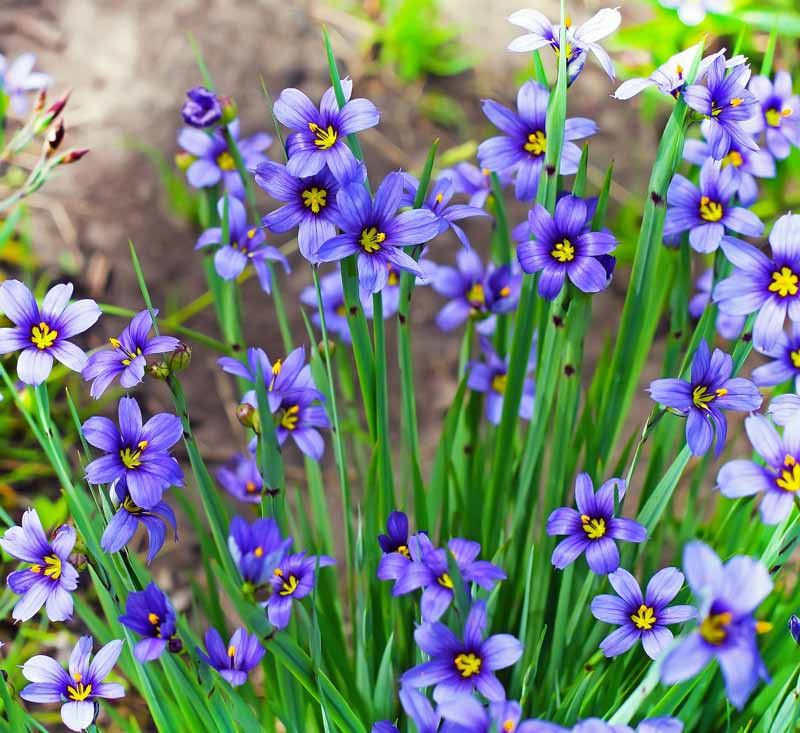
Delicate violet-blue flowers sitting atop slender grass-like stems give blue-eyed grass a quiet, understated charm that fits naturally into sunny Florida native beds and meadow-style plantings.
Despite the name, it is actually a member of the iris family rather than a true grass, and it grows in low, clumping tufts rather than spreading as a flat mat.
That clumping habit makes it a low wildflower rather than a traditional groundcover, but it still adds real low-level value to a mixed native planting.
Blue-eyed grass fits well in sunny native beds, along naturalized lawn edges, or tucked into low mixed plantings where its fine texture adds variety.
It tends to prefer moist to moderately dry soils and performs well in the open, sunny conditions found across much of Florida.
The flowers support pollinators, and the low clumping foliage adds texture and structure at ground level without taking over neighboring plants.
For bird-friendly yards, blue-eyed grass contributes to the kind of low, textured, mixed native planting that supports insect activity and adds habitat variety near brushy edges.
Painted buntings are more likely to use a yard with a diverse mix of low plants than one relying on a single species.
Pairing blue-eyed grass with spreading groundcovers, native grasses, and shrubs helps build the layered, naturalistic habitat that benefits the most wildlife over time.
8. Native Basketgrass Needs Careful Identification
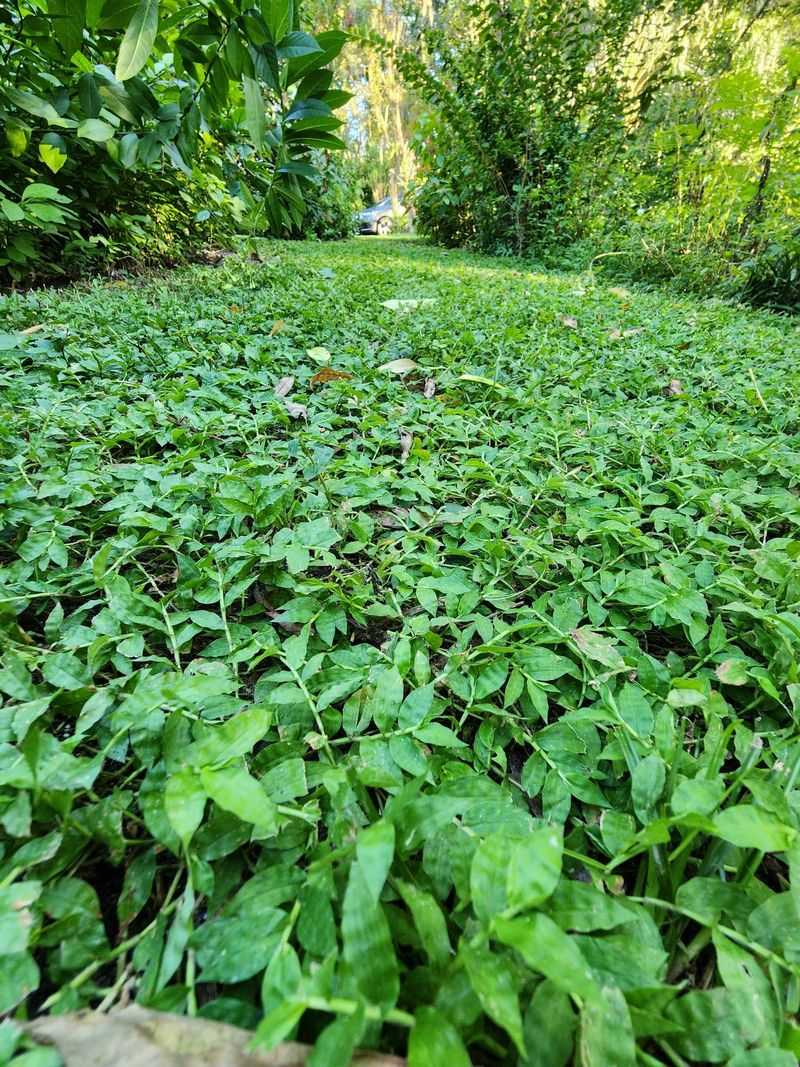
Low shady groundcover options for Florida yards are always in demand, and native basketgrass can fill that role when it is correctly identified and sourced from a reputable native plant nursery.
It forms a low, spreading layer of arching green foliage in shaded areas, making it a candidate for the shadier spots in a layered Florida landscape where other groundcovers struggle to establish.
The challenge with this plant is that Florida has non-native basketgrass species that look very similar and can be difficult to tell apart without expert help.
Non-native basketgrass species have become invasive in parts of the southeastern United States, so gardeners should take identification seriously before planting or encouraging any basketgrass in their yard.
Using nursery-labeled native plants and consulting a local native plant expert or Florida extension resource can help avoid accidentally introducing a problem species into the landscape.
Getting this step right is genuinely important for responsible native gardening.
When correctly identified and matched to shady, moist conditions, native basketgrass can contribute a low, soft ground layer beneath native trees and shrubs.
For painted buntings and other Florida wildlife, shaded low cover near brushy edges adds another useful habitat element to the yard.
Basketgrass alone will not transform a yard into painted bunting habitat, but as part of a broader layered planting with shrubs, grasses, and seed-rich wildflowers, it can help complete the shaded ground layer in a thoughtful native landscape.