7 No-Till Clay Soil Tricks Ohio Gardeners Use Before Fall
Ohio clay soil has a reputation that arrives before you even pick up a shovel.
Heavy. Sticky after rain. Concrete-hard in August. The kind of soil that makes experienced gardeners wince and new gardeners question their life choices.
Many people reach for the tiller as the obvious solution. Break it up. Turn it over. Start fresh.
The problem is that approach destroys the very biology that makes soil improvement possible in the first place. Fungi, microbes, worm tunnels, root channels, all of it gone in a single pass.
The Ohio gardeners with the best soil by fall are not the ones who tilled the most. They are the ones who stopped tilling entirely and started working with what the soil already wants to do.
Have you walked your garden beds recently and wondered whether what you are doing is actually building anything or just maintaining a difficult situation?
Seven no-till strategies change that math before fall arrives. One of them works almost all winter while you are doing something else entirely.
1. Topdress Beds With Finished Compost
The tiller feels like action. Turning soil over looks productive.
What it actually does is destroy the fungal networks and microbial communities that spent all season building underground structure. There is a better move, and it requires considerably less effort.
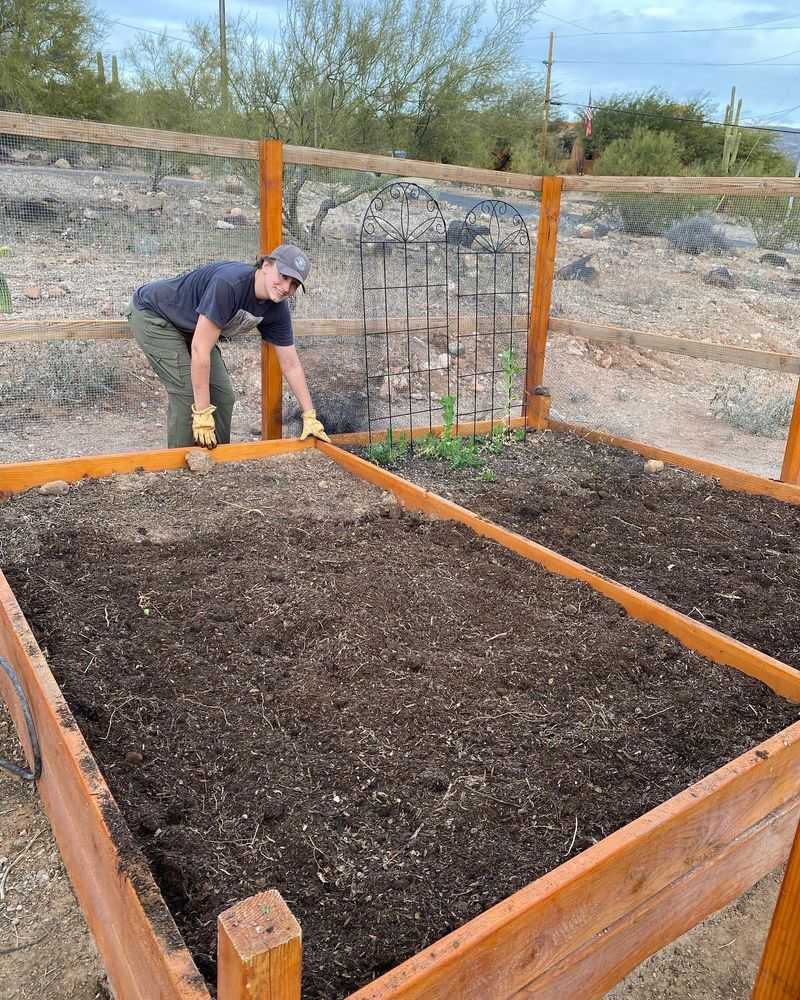
Topdressing means spreading a two to three inch layer of finished compost directly on top of the bed and walking away. No digging. No turning. No disruption to the biology underneath.
Rain moves the organic matter downward. Worms pull it deeper. Soil microbes break it into nutrients that plant roots can access. By spring, that surface layer has become part of the soil profile without a single shovel swing.
The compost quality matters considerably here. Finished compost should look dark and smell earthy with no recognizable plant or food material remaining.
Unfinished compost ties up nitrogen and creates problems rather than solving them. Cure the pile through summer or buy a reliable finished product.
For Ohio clay specifically, consistent compost applications improve drainage gradually, loosen compaction over multiple seasons, and feed the biology that makes nutrients available to roots.
One application produces noticeable improvement. Five seasons of applications produces genuinely different soil.
This approach treats clay soil as something worth improving over time rather than fighting every season. The soil keeps the record.
Every fall application shows up in spring as slightly more workable ground than the year before.
2. Plant Cover Crops Before Cool Weather
Bare soil in an Ohio garden after summer crops finish is not neutral ground. It is an active invitation. Erosion, compaction from fall rain, and weed seed establishment all move faster on exposed soil than on covered soil.
Cover crops solve this by putting something beneficial in the ground before the problem arrives.
Plants grown specifically to improve soil rather than feed a household hold the surface together during fall rains, prevent nutrients from leaching away, and add organic matter when they break down in spring.
Timing determines whether a cover crop establishes successfully. Most options need to be seeded by mid-September to develop enough before frost.
Your Ohio Garden Changes Every Week. Your Plan Should Too.
Gardening in Ohio changes quickly throughout the season. Every Friday you’ll receive a simple weekly plan showing exactly what to plant, prune, fertilize, harvest, and protect so you never miss the right timing.
Broadcast seeds across empty beds, rake lightly to ensure soil contact, and water once. No digging required at any step.
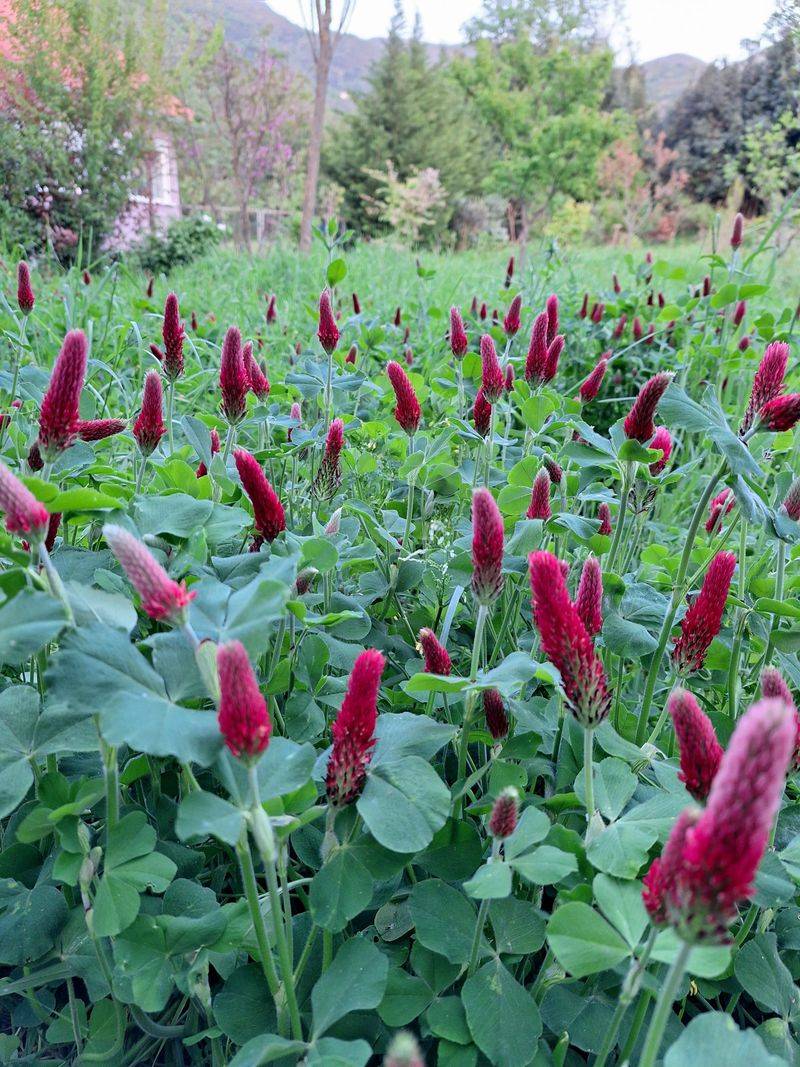
Winter rye, crimson clover, and oats each bring different strengths. Winter rye builds biomass quickly. Crimson clover fixes nitrogen. Oats cover fast and exit cleanly after hard frost.
All three push roots through clay, opening tiny pathways that improve drainage and aeration over winter.
Come spring, chop the plants at the base and leave the material on the bed. That residue becomes a natural mulch layer that feeds the next crop as it breaks down.
Bare ground is a problem waiting for weather to make it worse. A cover crop turns that same ground into a soil improvement project that runs itself through winter.
3. Use Oats To Build Soil Texture
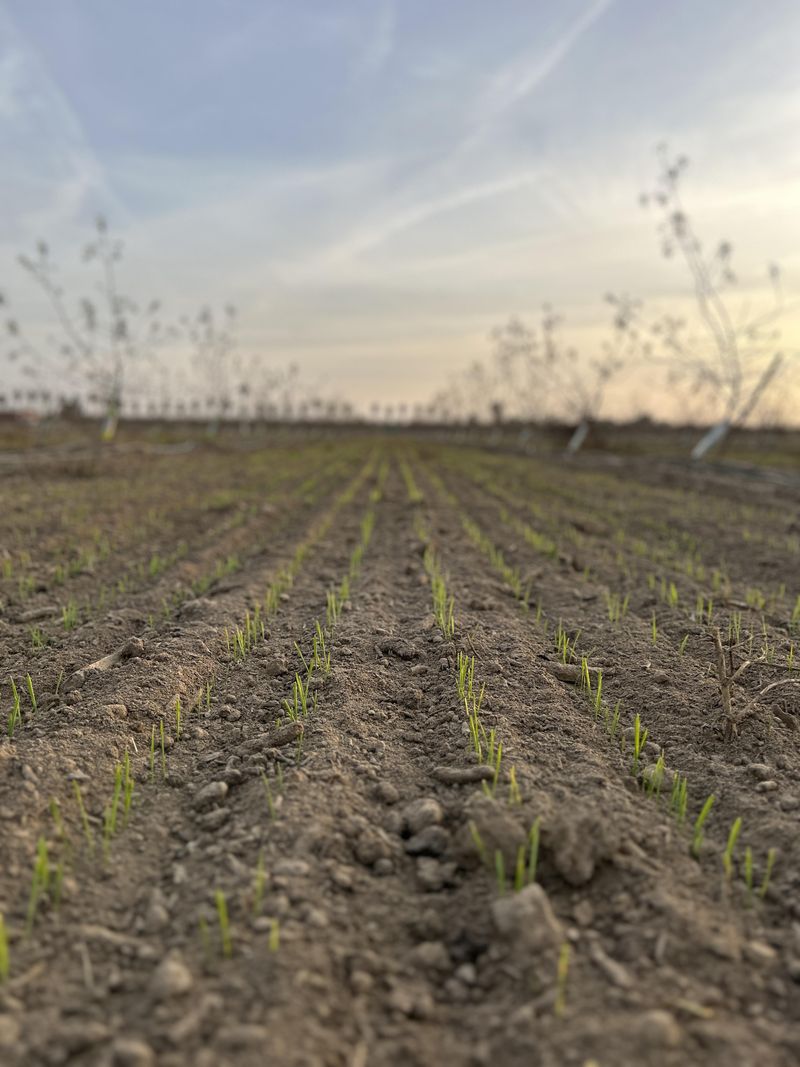
Oats have a specific talent in Ohio clay gardens that most home gardeners overlook entirely.
They germinate quickly in warm late-summer soil, cover bare ground before weed seeds can move in, and then expire naturally when hard frost arrives. The entire cycle requires almost no management.
The root system is where the real work happens. Fibrous oat roots push through clay in multiple directions, creating tiny channels that improve water movement and allow air pockets to form.
Those channels stay in the soil profile even after the roots break down. Water drains through them. Beneficial organisms move through them.
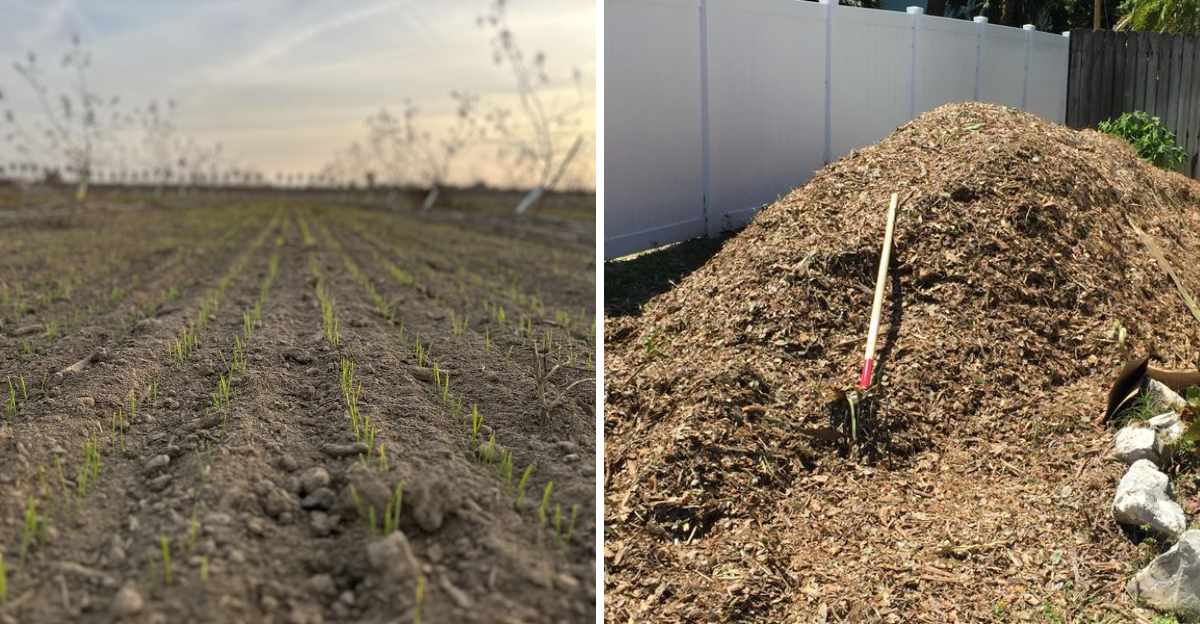
Seeding oats in Ohio is straightforward. Broadcast at roughly two to three ounces per hundred square feet after summer crops finish. Rake lightly for soil contact.
They germinate within days in warm soil and can grow several inches tall before hard frost naturally stops them.
Once frozen, oat plants lay flat across the bed surface. That flattened material functions as a protective mat through winter, feeding earthworms, sheltering beneficial organisms, and slowly releasing organic matter back into the clay underneath.
No spring cleanup is necessary. The decomposed oat residue becomes part of the soil surface by the time planting season arrives.
Oats are the cover crop that asks for one afternoon of attention in August and then handles everything else themselves. That is a pretty favorable arrangement for a bag of seed that costs almost nothing.
4. Try Radishes To Loosen Compacted Clay
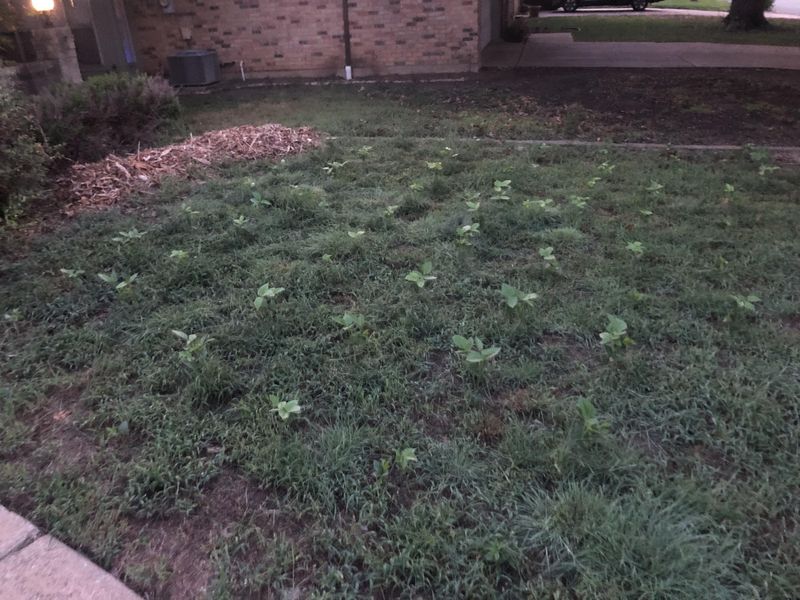
A radish that improves clay soil sounds like gardening folklore. The research confirms it is not.
Tillage radishes, also called daikon or forage radishes, produce large tap roots that can penetrate twelve to eighteen inches into hard clay.
The root creates a physical channel as it grows downward through compacted layers that most vegetable roots could never reach independently.
When hard frost arrives and the radish root breaks down, that channel remains. Water drains through it. Air moves through it.
Earthworms follow the opening deeper into the soil profile. Over multiple seasons of consistent radish planting, the cumulative effect on clay drainage becomes genuinely noticeable.
Plant tillage radishes between late August and mid-September in Ohio. They need roughly sixty days to develop their full tap root before a hard freeze.
Broadcast seeds thinly across the bed, press lightly into the surface, and water. They germinate fast and grow impressively in warm fall soil.
One expectation worth setting in advance: tillage radishes smell strongly as they decompose after frost. That is a sign the breakdown process is working correctly. The smell clears within a few weeks.
What stays after the smell clears is looser, more workable soil where those roots grew. Ohio gardeners who try tillage radishes once tend to make them a permanent fall fixture.
The clay does not argue with a twelve-inch tap root. That is a negotiating position with real leverage.
5. Leave Chopped Leaves On Garden Beds
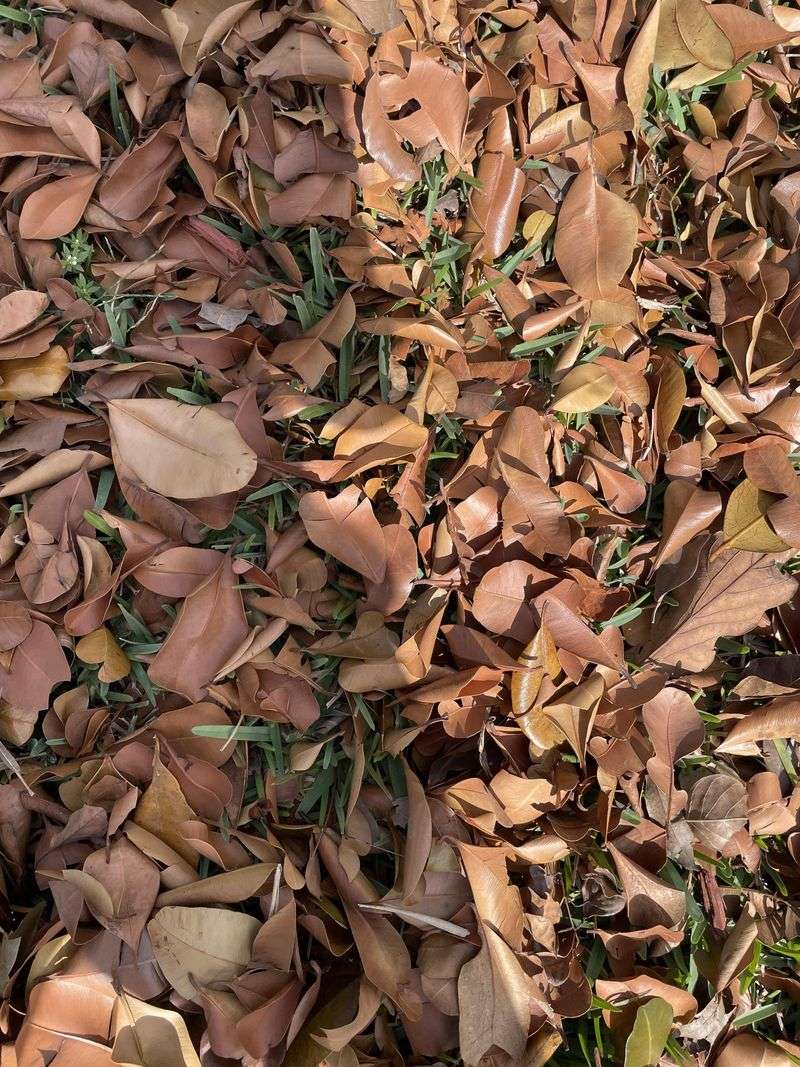
Almost every October, Ohio neighborhoods bag up enormous quantities of organic matter and set it at the curb for disposal.
Meanwhile, gardeners a few streets over are buying bagged mulch at the hardware store. The math on this situation deserves a closer look.
Chopped leaves spread across garden beds are one of the most effective no-till soil improvements available to anyone with a lawn and a mower.
The key is chopping. Whole leaves mat together and block water. Chopped leaves stay loose, allow rain to pass through, and break down significantly faster.
Run the mower over a leaf pile two or three times. The resulting material looks fluffy and brown. Spread a three to four inch layer across clay beds and leave it through winter.
The decomposing material feeds earthworms consistently. It supports fungal networks that bind soil particles into aggregates.
It releases nutrients slowly back into the clay as temperatures fluctuate through fall and winter. Soil that receives consistent leaf mulch over several seasons becomes measurably darker, softer, and more crumbly without a single tillage event.
Maple, oak, and sycamore leaves all work well in Ohio. Collect extra from neighbors if the yard does not produce enough.
The leaves Ohio gardeners send to the landfill every October would improve their clay more than most purchased amendments. That is worth considering before the next trash day.
6. Keep Feet Off Damp Soil
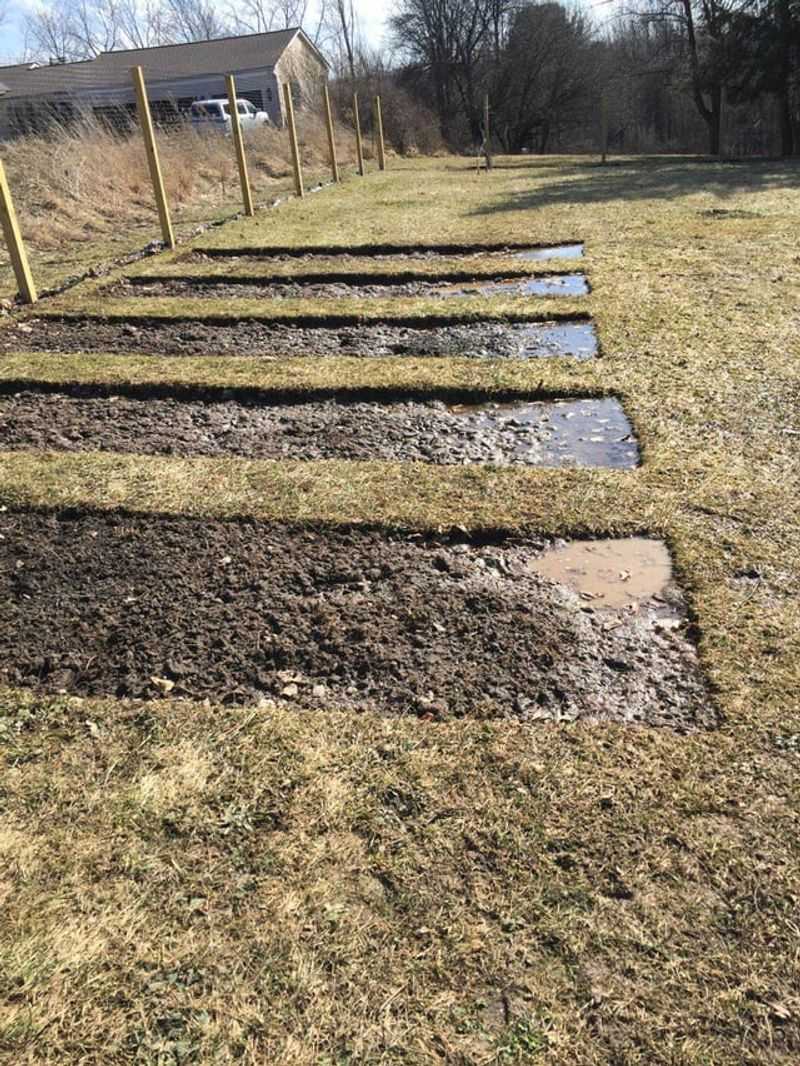
This scenario plays out in Ohio gardens every fall with unfortunate regularity. Two days of rain. Sun finally appears.
An eager gardener heads outside to catch up on tasks and steps directly into the bed. Ten minutes of foot traffic on saturated clay can undo months of soil improvement work in ways that take an entire season to recover from.
Clay particles are flat and plate-like. Pressure while wet locks them together tightly and squeezes out the air pockets that roots and water movement depend on.
The compacted layer sits just below the surface and slows drainage while hardening root penetration for the rest of the season.
A simple field test takes about five seconds. Grab a handful of soil and squeeze it firmly. Water dripping from the squeezed clump means the soil is too wet to walk on.
A clump that holds its shape but crumbles when poked is ready for light activity.
Permanent pathways solve the structural version of this problem. Stepping stones, boards, or wood chip paths between beds keep feet permanently off the growing area. That single change protects all the other soil improvement work happening underneath.
Soil compacted by a single ill-timed garden session does not announce itself immediately. It shows up weeks later when drainage slows and roots struggle to penetrate a layer that was not there before the last rainstorm.
The most productive thing an Ohio gardener can do on a wet fall day is stay inside and plan.
7. Add Mulch And Let Worms Work
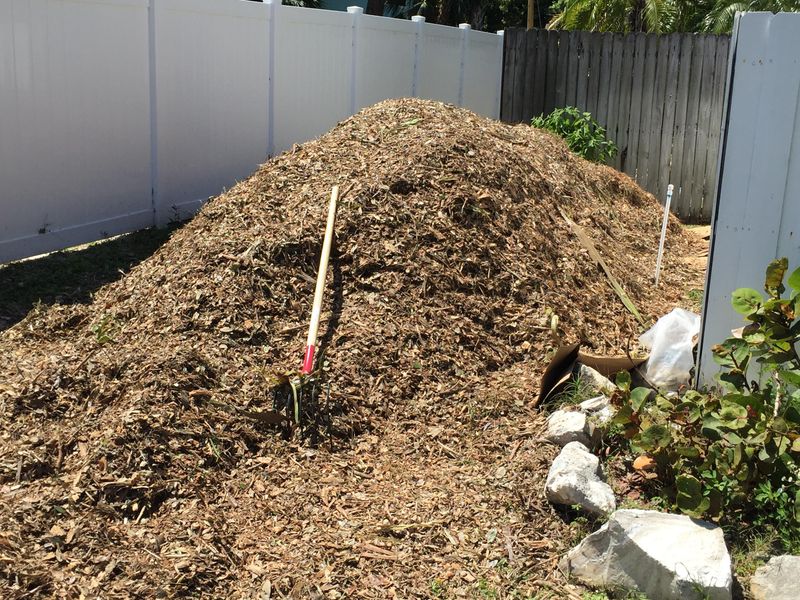
Wood chip mulch sitting on top of clay soil looks passive. The activity happening underneath it is anything but.
A layer of coarse wood chips creates the exact conditions earthworms prefer: cool, moist, dark, and consistently supplied with decomposing organic matter.
Earthworm populations in mulched beds run significantly higher than in bare clay, and earthworms are among the most powerful soil improvement agents available to any Ohio gardener.
Earthworm castings are rich in plant-available nutrients and beneficial microbes. As worms move through the soil, they create channels that improve water drainage and root penetration simultaneously.
A healthy worm population processes organic matter continuously, turning surface mulch into soil amendment without any tillage involvement.
Increasing organic matter on the soil surface is the most reliable way to grow worm populations over time. Mulch keeps the surface from drying out between rain events.
In bare clay, surface temperatures and moisture levels swing dramatically through fall, and worm populations drop in response.
Apply three to four inches of wood chip mulch across beds before fall sets in. Arborist chips from local tree services are often available free or at very low cost, which makes this one of the most budget-friendly soil improvement moves in the no-till playbook.
Leave the mulch through winter. In spring, pull it back gently before planting.
What is underneath tends to surprise gardeners who expected to find the same clay they started with. Earthworms have opinions about what good soil looks like, and they work the night shift.