The Texas Garden Plants That Survive On One Watering Day Per Week During Stage 2 Restrictions
Stage 2 watering restrictions have a way of arriving right when your Texas garden needs water the most.
One assigned watering day per week, brutal summer heat, and soil that dries out almost faster than you can blink: it’s a stressful combination for any gardener trying to keep their landscape looking decent.
But here’s the encouraging part: Texas actually has an impressive lineup of native and adapted plants that, once they get established and settled into well-draining soil with a good layer of mulch, can handle those gaps between watering days surprisingly well.
Now, a quick but important note: Stage 2 rules vary depending on your city or water provider, so always check your local restrictions before anything else.
Newly planted or container-grown plants may still need extra attention until their roots really get comfortable. Plan smart and your landscape can hold up better than you’d expect.
1. Texas Lantana Handles Sunny Low-Water Beds
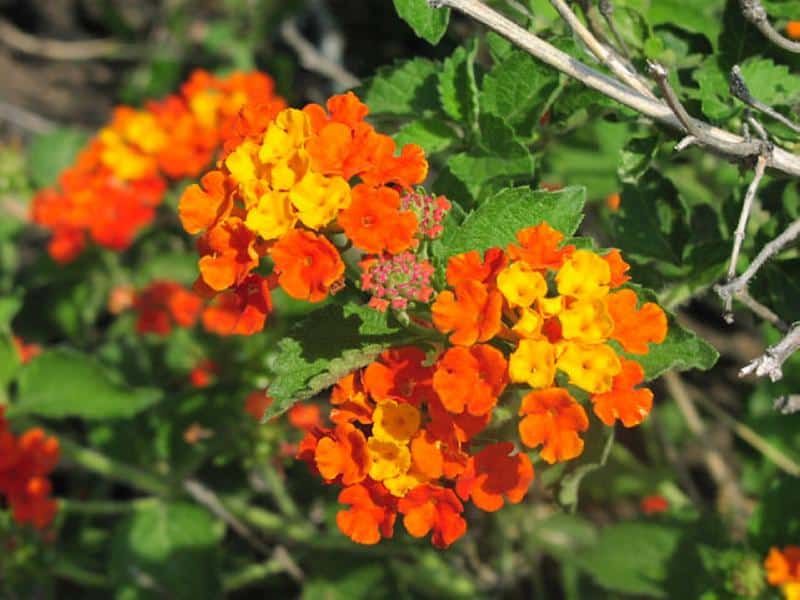
Few plants light up a hot garden bed quite like Texas Lantana. Its clusters of orange, yellow, and red blooms keep coming through the driest stretches of summer, which makes it a popular choice for gardeners working around Stage 2 watering restrictions.
Once established in well-draining soil with a good layer of mulch, this tough native can often get through a week between watering days without looking stressed.
Texas Lantana is native to the state and has adapted to survive on natural rainfall in many parts of the region. It tends to do best in full sun, where reflected heat from driveways or walls does not seem to slow it down much.
Pollinators, especially butterflies, are drawn to its blooms all season long, which gives it extra value in a water-wise garden.
Gardeners should keep in mind that newly planted Texas Lantana will need more consistent moisture until roots establish. Shallow or compacted soils may also affect how well it handles limited watering.
Once settled in with mulch and good drainage, though, it earns its spot in low-water sunny beds across the state.
2. Red Yucca Fits Tough Water-Wise Borders
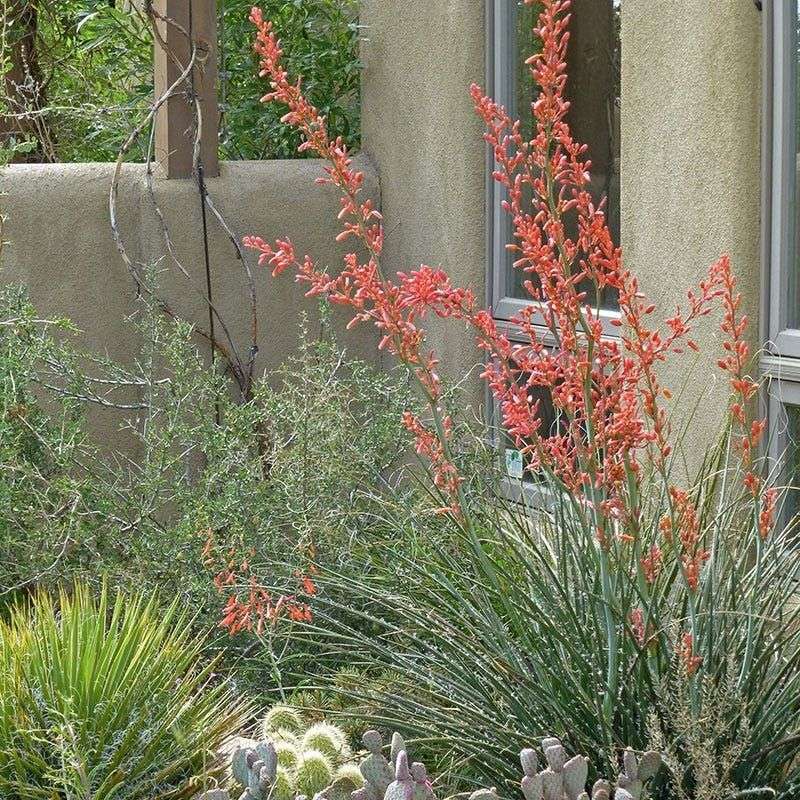
Red Yucca has a sculptural quality that makes it stand out in any Texas border or foundation planting, and its toughness in dry conditions is just as impressive as its looks.
Tall coral-red flower spikes rise above its grassy, arching leaves and attract hummingbirds from spring through summer.
Gardeners dealing with Stage 2 watering restrictions often find it to be one of the more reliable options in a low-water planting scheme.
Despite its name, Red Yucca is not a true yucca but rather a member of the agave family. It handles full sun and reflected heat well, which makes it a natural fit for hot curbside beds, parking strips, and south-facing borders across Texas.
Established plants can go extended periods between supplemental watering, especially when planted in well-draining soil with mulch around the base.
One thing worth noting is that Red Yucca does not like sitting in wet or poorly draining soil, so site selection matters. Newly planted specimens will need more frequent watering during the first growing season.
Your Texas Garden Changes Every Week. Your Plan Should Too.
Gardening in Texas changes quickly throughout the season. Every Friday you’ll receive a simple weekly plan showing exactly what to plant, prune, fertilize, harvest, and protect so you never miss the right timing.
After that establishment period, most gardeners find that Red Yucca fits comfortably into a once-weekly watering schedule in the right Texas site.
3. Texas Sage Or Cenizo Thrives In Dry Heat
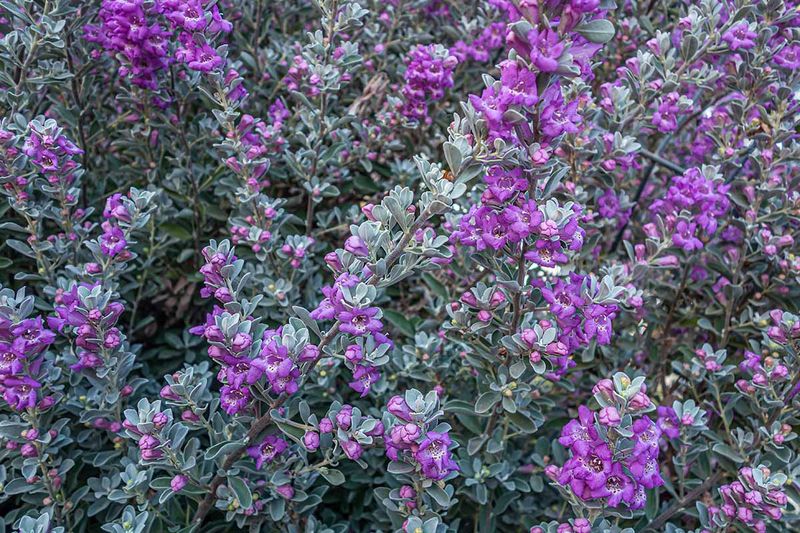
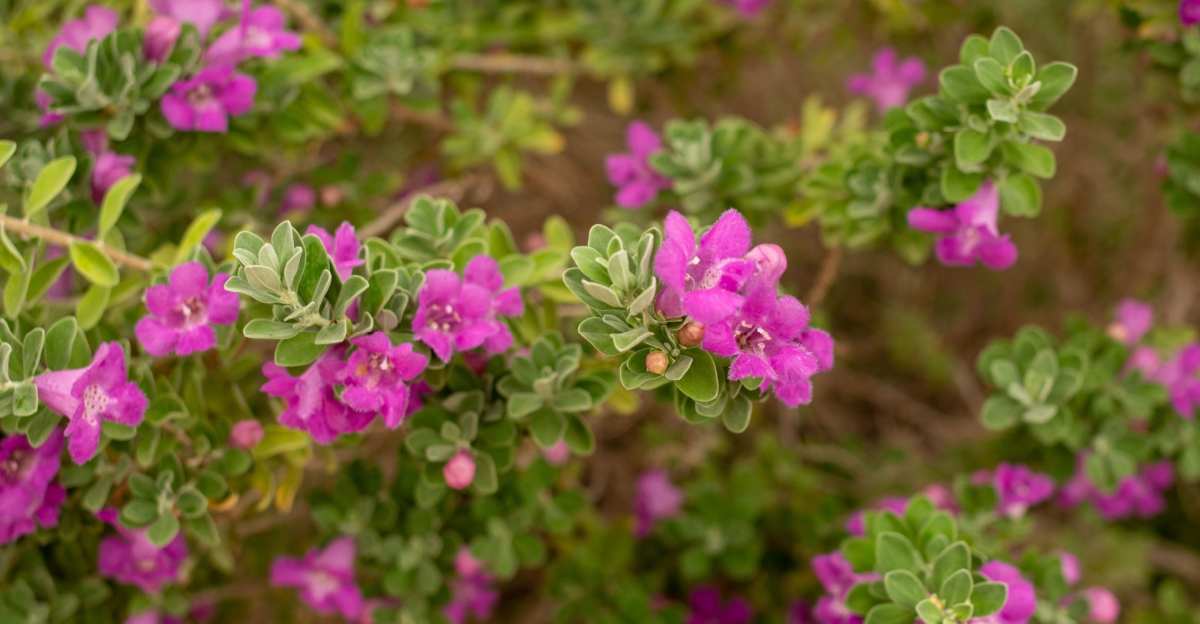
Walk through almost any established Texas xeriscape garden and you are likely to spot the silvery-gray foliage of Texas Sage, also called Cenizo.
This native shrub has a reputation for blooming after summer rain events, which has earned it the nickname “barometer bush” among longtime gardeners.
Its ability to handle dry stretches between watering days makes it a go-to choice for low-water landscapes under Stage 2 restrictions.
Cenizo thrives in full sun and well-draining soil, including rocky or caliche-heavy ground that challenges many other plants. It does not handle wet feet well, so raised beds or slopes with good drainage tend to suit it better than low-lying areas where water collects.
In the right spot, established plants may rely mostly on natural rainfall through much of the year.
The soft purple blooms attract bees and other pollinators, adding ecological value to an already practical plant.
Gardeners should check that their planting site drains well and that the shrub has had enough time to establish before cutting back on supplemental irrigation.
Once rooted in and mulched, Texas Sage can handle the heat and dry spells that summers regularly deliver.
4. Blackfoot Daisy Works In Dry Sunny Spots
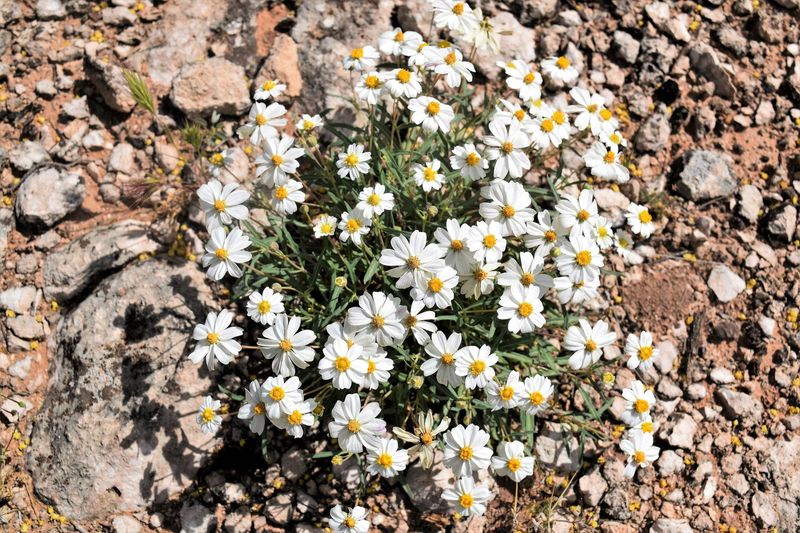
Cheerful and compact, Blackfoot Daisy is one of those plants that looks like it belongs in a wildflower meadow but works just as well in a structured garden border.
Its small white petals with bright yellow centers bloom from spring through fall in many Texas areas, often with very little supplemental water once the plant has had time to settle in.
That kind of staying power matters when Stage 2 restrictions limit watering to once a week.
Blackfoot Daisy is native to Texas and naturally grows in rocky, well-draining soils with full sun exposure. It tends to struggle in heavy clay or consistently moist ground, so gardeners with those conditions may want to amend the bed or choose a raised planting area.
In sandy or gravelly soil with good drainage, established plants often handle dry stretches between watering days quite well.
The plant stays relatively small, usually under two feet tall, which makes it a practical choice for edging along paths, filling gaps in rock gardens, or softening the front of a sunny bed. Mulching around the base helps retain soil moisture between watering days.
As with any plant, newly installed Blackfoot Daisy needs more frequent care before it can handle limited irrigation.
5. Autumn Sage Brings Color With Less Water
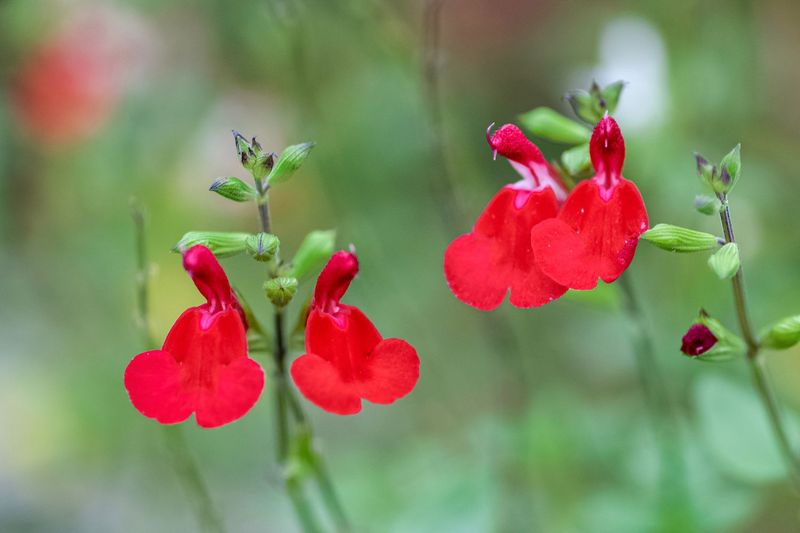
Autumn Sage earns its place in Texas gardens by delivering reliable color across a long season without demanding much water once it gets going.
Its tubular red, coral, or pink blooms draw hummingbirds and bees, and it tends to flower from spring through fall in many parts of the state.
For gardeners managing a once-weekly watering schedule under Stage 2 restrictions, that combination of beauty and drought tolerance is genuinely useful.
Native to the Chihuahuan Desert region and well-adapted to Texas conditions, Autumn Sage prefers full sun to light shade and well-draining soil. It handles heat and dry spells better in those conditions than in heavy, poorly draining clay.
Raised beds, rocky slopes, or amended garden beds with good drainage tend to give it the best chance of handling limited supplemental irrigation after establishment.
Gardeners should plan for a full growing season of regular watering before scaling back. Mulching around the base of the plant helps retain soil moisture and moderate soil temperature between watering days.
Pruning lightly after bloom cycles can also encourage fresh growth and more flowers. Autumn Sage is a solid pick for sunny Texas borders where color and water efficiency both matter throughout the growing season.
6. Turk’s Cap Handles Shady Low-Water Areas
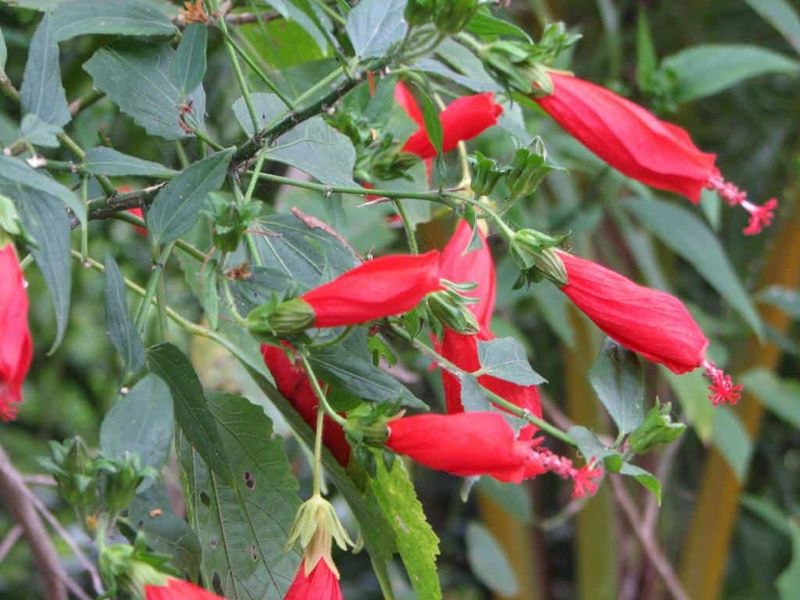
Shaded spots in a Texas garden can be tricky to plant, especially when watering restrictions limit how often you can run the sprinkler. Turk’s Cap fills that role in a way few other plants can, bringing color to low-light areas while handling drier conditions once established.
Its distinctive twisted red blooms look like miniature hibiscus flowers that never fully open, which gives the plant a quirky charm that gardeners tend to remember.
Turk’s Cap is native to Texas and grows naturally along creek banks, woodland edges, and the shaded sides of structures. In garden settings, it works well along north-facing fences, under tree canopies, and in other spots where full-sun plants would struggle.
Established plants in shaded areas may retain soil moisture longer than those in open sunny beds, which can help them manage a once-weekly watering schedule more comfortably.
Hummingbirds, butterflies, and birds are all known to visit Turk’s Cap for its blooms and small red fruits. It spreads gradually over time, which can be a benefit in larger shaded areas where coverage is the goal.
Gardeners should still plan for regular watering during the first growing season and check that local Stage 2 rules allow for establishment watering of new plantings.
7. Rock Rose Suits Hot Texas Garden Beds
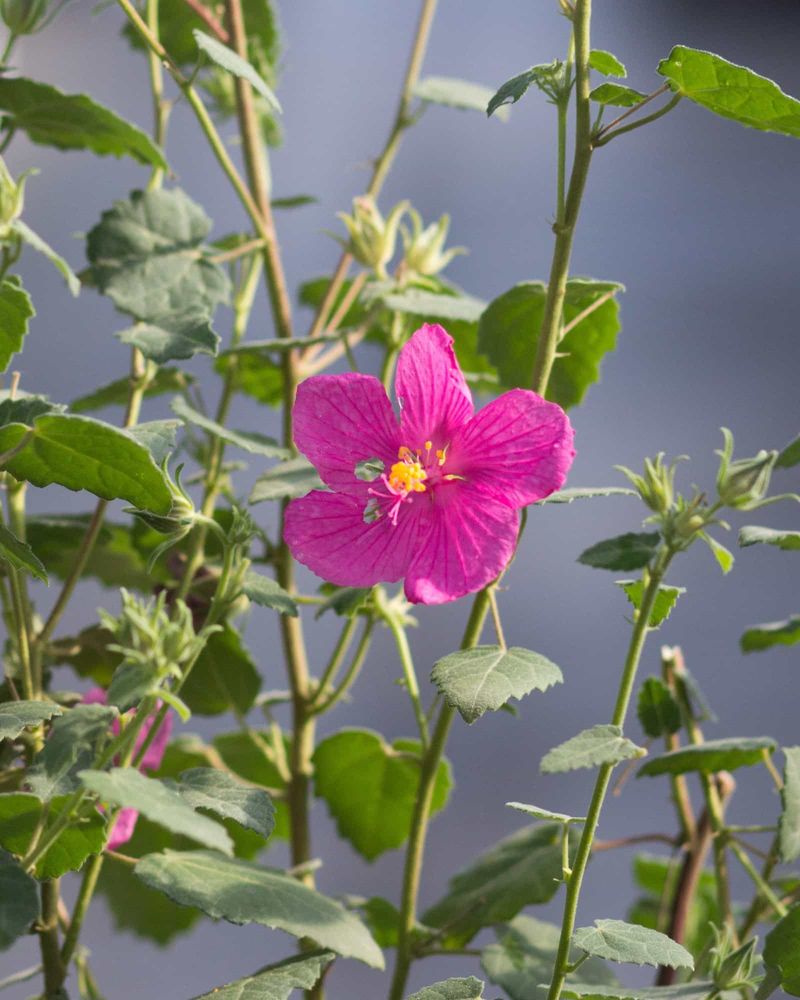
Hot, reflective garden beds along driveways or south-facing walls challenge most plants, but Rock Rose seems to take those conditions in stride.
Also known as Pavonia, this Texas native produces soft pink blooms that resemble small hibiscus flowers and keeps flowering through long stretches of summer heat.
Gardeners working around Stage 2 watering restrictions often find it holds up well in established sunny beds with decent drainage.
Rock Rose tends to prefer full sun and well-draining soil, and it handles the kind of intense summer heat that causes many other flowering shrubs to slow down or stop blooming.
It typically stays in the three to four foot range, making it a manageable size for foundation borders, curbside beds, and mixed pollinator plantings.
Mulching the soil surface around the plant helps reduce moisture loss between scheduled watering days.
One practical consideration is that Rock Rose can spread gradually through root sprouts, so gardeners should allow it a bit of room to expand over time.
Establishment watering is important during the first season, and plants in containers or shallow soils may need extra attention.
Once settled in a suitable Texas site with good drainage and mulch, established Rock Rose can often handle the gaps that Stage 2 schedules create.
8. Pink Skullcap Covers Sunny Dry Edges
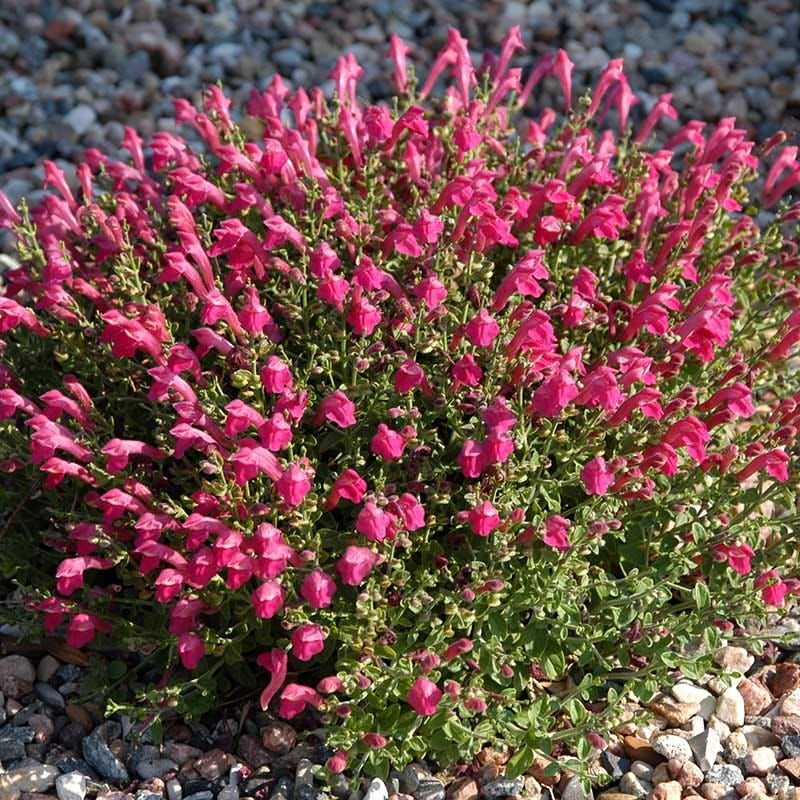
Along the sunny edges of a Texas garden bed, where soil dries out quickly and foot traffic can stress less resilient plants, Pink Skullcap tends to hold its own.
This low-growing native spreads to form a soft mat of small pink blooms that appear from spring through fall, often with very little supplemental water once the plant has rooted in well.
That kind of ground-level coverage is hard to find among low-water native plants.
Pink Skullcap is native to Texas and grows naturally in rocky, thin soils with full sun exposure. It tends to do well in spots where drainage is sharp and soil does not stay wet for long after rain or irrigation.
Gardeners with heavy clay soils may find it performs better in raised beds or amended areas where excess moisture can drain away between watering days.
Because it stays low to the ground, Pink Skullcap works nicely as an edging plant, a filler between larger shrubs, or a soft cover along path edges and dry garden borders.
Bees are frequent visitors to the small tubular blooms, adding pollinator activity to a water-wise planting scheme.
As with any newly planted native, a full establishment season with regular watering sets it up to handle once-weekly irrigation more reliably later on.
9. Gulf Muhly Adds Texture With Limited Water
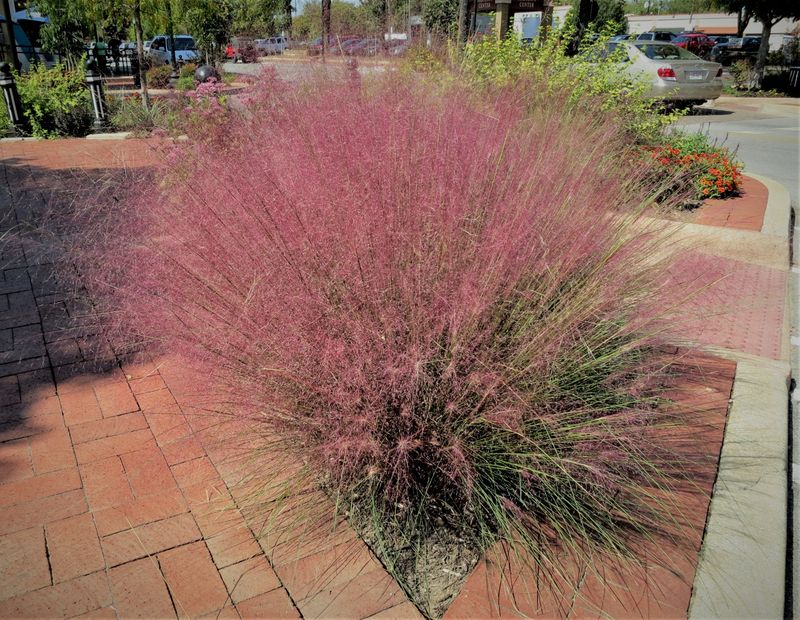
Come fall in Texas, Gulf Muhly puts on one of the most eye-catching displays of any low-water plant in the state.
Its feathery pink-purple seed heads catch the afternoon light and create a soft, airy texture that contrasts beautifully with heavier-leaved shrubs and perennials.
For gardeners who want seasonal visual interest without adding to their watering burden under Stage 2 restrictions, this ornamental grass is worth a close look.
Gulf Muhly is native to Texas and thrives in full sun with well-draining soil. It handles heat and dry stretches well once established, and its fine-textured foliage stays relatively tidy through the growing season before the spectacular fall bloom arrives.
Planting in groups of three or more tends to create a stronger visual effect, especially in open beds or along fence lines where the pink plumes can catch the breeze.
Gardeners should plan for regular watering during the first growing season to help roots develop before scaling back. Sandy or loamy soils with good drainage suit Gulf Muhly better than heavy clay.
Cutting the clumps back in late winter encourages fresh growth each spring. Once established in the right Texas site, Gulf Muhly can often manage on limited supplemental irrigation while still delivering its signature fall show.