Georgia Native Trees That Fit Suburban Yards And Provide Year-Round Interest
Finding the right tree for a suburban yard is not always easy. A tree may look perfect when it is young, but a few years later it can outgrow the space, create unwanted shade, or require far more maintenance than expected.
That is why so many homeowners spend time looking for options that offer beauty without creating problems down the road.
The best trees tend to earn their place in the landscape throughout the entire year. They may provide spring flowers, attractive summer foliage, colorful fall leaves, or interesting bark and structure during winter.
Instead of delivering just one season of interest, they give people something to enjoy no matter the month.
Many Georgia homeowners want trees that fit comfortably into suburban spaces while still making an impact. Fortunately, there are several native options that strike that balance surprisingly well.
They stay manageable in size, adapt to local conditions, and bring year-round interest in ways that larger trees often cannot.
1. Eastern Redbud Stands Out With Heart-Shaped Foliage
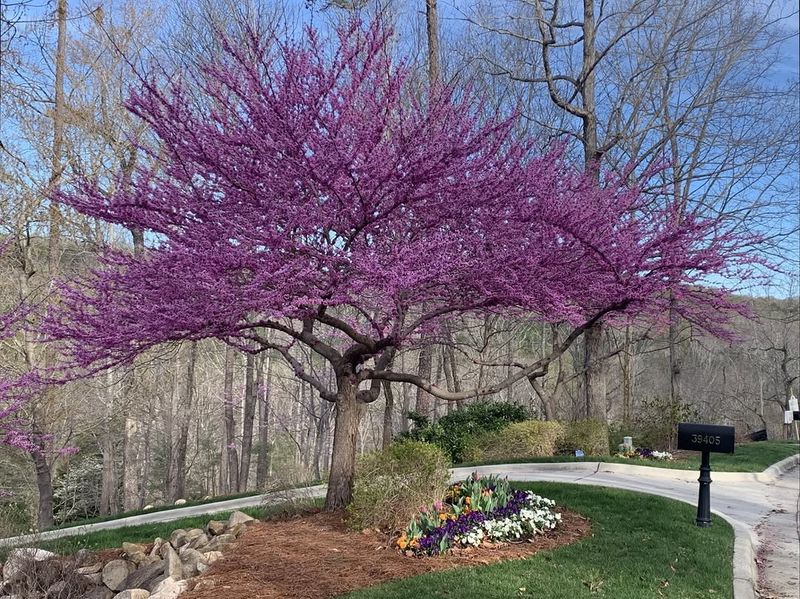
Before most trees even think about leafing out, the Eastern Redbud explodes with hot pink blooms right on its bare branches.
It is one of the earliest signs of spring in the Southeast, and it never goes unnoticed.
Mature trees typically reach 20 to 30 feet tall with a wide, spreading canopy. That size fits perfectly in a standard suburban lot without crowding rooflines or power lines.
After the blooms fade, large heart-shaped leaves fill the canopy with rich green color all summer long. Some cultivars offer burgundy or golden foliage, giving you even more variety to work with.
Come fall, leaves shift to a soft yellow before dropping. Even in winter, the tree holds visual interest through its zigzag branching pattern and small seed pods that cling to branches.
Eastern Redbud grows well in full sun to partial shade. It handles average suburban soils but prefers good drainage and does not love sitting in soggy ground for extended periods.
Pollinators go absolutely wild for the early spring blooms. Bees, butterflies, and even hummingbirds visit the flowers before most other food sources appear.
Planting one near a patio or window gives you a front-row seat to all that activity.
Few trees pack this much seasonal punch into such a manageable footprint.
2. Serviceberry Changes With Every Season
Serviceberry is one of those trees that never has an off season. Spring brings a burst of delicate white flowers that appear even before the leaves fully open, creating a soft, airy display that feels almost dreamlike.
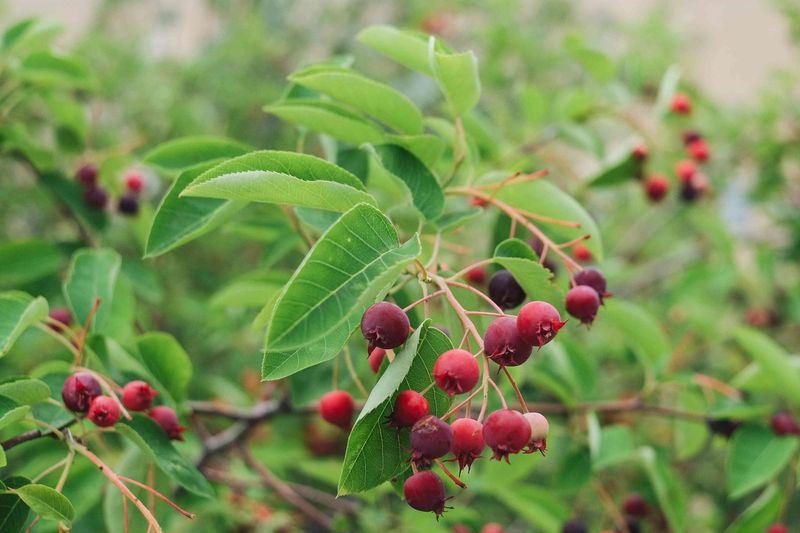
Right after blooming, small reddish-purple berries develop quickly. Birds absolutely love them, often stripping the tree clean within days.
If you want to taste any yourself, pick them early because the wildlife competition is fierce.
Summer foliage is clean and green, offering decent shade without overwhelming a smaller yard. Most varieties stay between 15 and 25 feet tall, making them a comfortable fit near patios or garden borders.
Fall is where Serviceberry really surprises people. Leaves shift through shades of orange, red, and deep burgundy, rivaling many maples in color intensity.
Your Georgia Garden Changes Every Week. Your Plan Should Too.
Gardening in Georgia changes quickly throughout the season. Every Friday you’ll receive a simple weekly plan showing exactly what to plant, prune, fertilize, harvest, and protect so you never miss the right timing.
Few small trees put on a fall show this vivid.
Winter reveals smooth gray bark and an elegant branching structure that looks attractive even without leaves. Snow or frost on the bare branches adds a quiet, sculptural quality to the yard.
Serviceberry grows naturally along woodland edges and stream banks across the region, so it handles both sun and partial shade reasonably well. It prefers moist, well-drained soil but adapts to average suburban conditions without much fuss.
Plant it where you can enjoy every season it delivers.
3. American Hornbeam Brings Lasting Structure
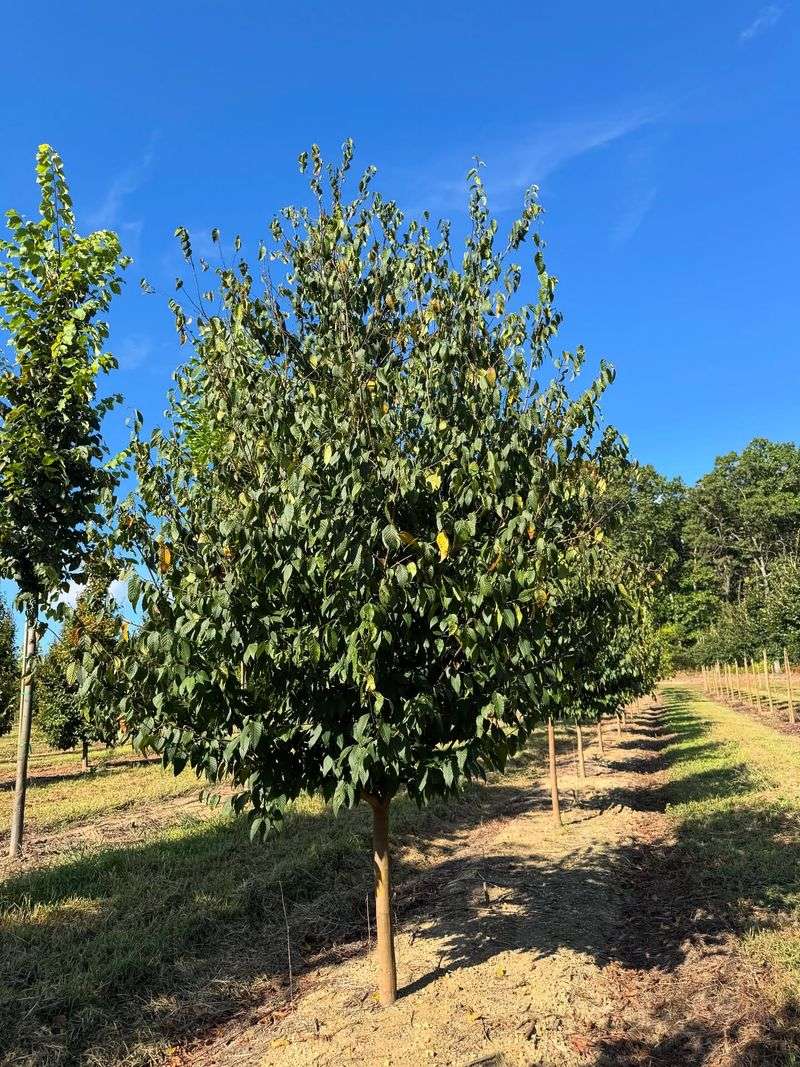
Forget everything you think you know about small understory trees. American Hornbeam has a look unlike anything else in the suburban landscape, and that bark is the main reason why.
Its smooth gray trunk is twisted and sinewy, resembling flexed muscle. Landscapers sometimes call it Musclewood, and once you see it up close, that name makes complete sense.
It is genuinely striking year-round.
Hornbeam grows slowly, typically reaching 20 to 35 feet at full maturity. That slow pace is actually an advantage in a smaller yard because you are not constantly managing aggressive growth or worrying about the canopy taking over.
Leaves emerge fresh green in spring, hold their color through summer, and then shift to orange, red, and yellow in fall. The color display is not as showy as some maples, but it is consistent and reliable in most years.
Winter exposes the full sculptural form of the trunk and branches. Dangling hop-like seed clusters called nutlets often persist through winter, adding subtle texture to the bare silhouette.
Shade tolerance is one of its strongest traits. American Hornbeam thrives under the canopy of larger trees, making it ideal for yards with established oaks or pines already in place.
It prefers moist, acidic soil and performs well in areas with moderate shade. Wildlife, including birds and small mammals, rely on its seeds throughout colder months.
4. Fringe Tree Covers Itself In White Blooms
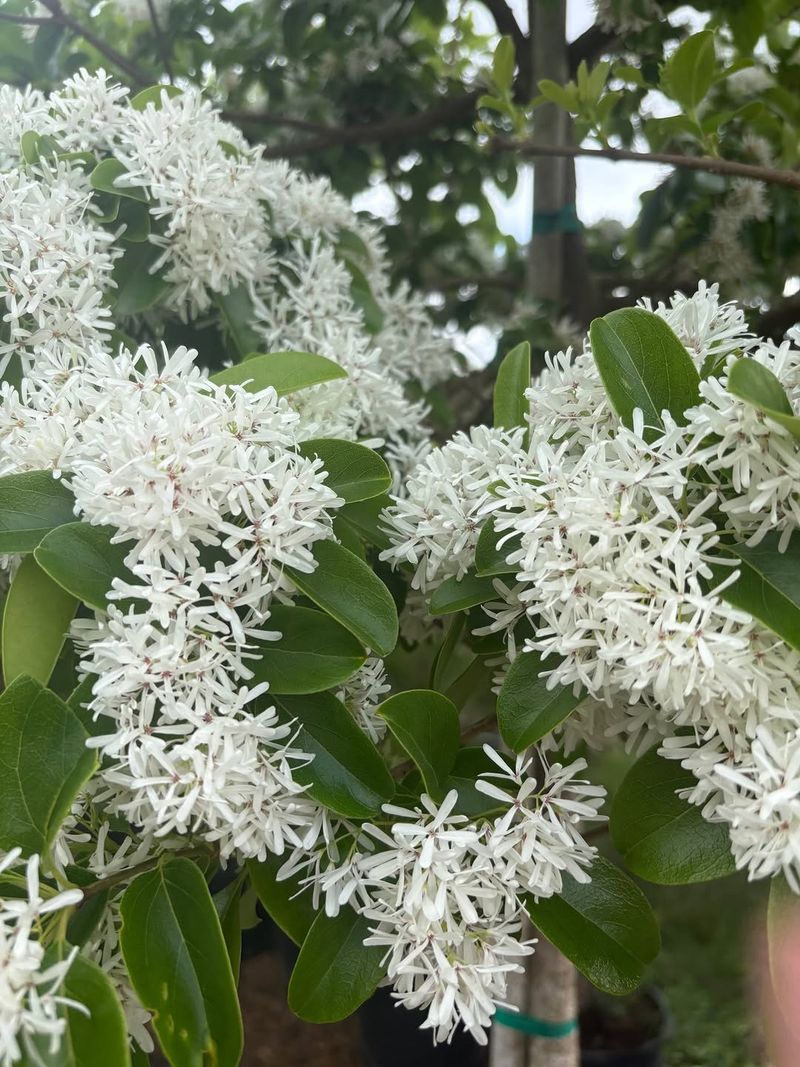
There is no subtle way to describe Fringe Tree in bloom. Clusters of long, wispy white petals hang from every branch in late spring, creating a look that stops people in their tracks from across the street.
Botanists call it Chionanthus virginicus, but most gardeners just call it spectacular. The blooms carry a light, sweet fragrance that drifts through the yard on warm afternoons.
It is one of the later-blooming native trees, typically flowering in May after most spring trees have already finished.
Plants can grow as a large shrub or a small tree reaching 12 to 20 feet tall. That flexible form makes it easy to work into different spots, from a focal point in a front yard to a backdrop along a fence line.
After blooming, dark blue-purple fruit clusters develop on female trees. Birds eat them eagerly, especially bluebirds and other fruit-loving species.
Male trees skip the fruit but tend to produce even heavier flower displays.
Fall color is a quiet gold-yellow, not flashy but warm and pleasant. Winter reveals smooth gray bark with a clean, upright branching habit that holds up well visually even in the coldest months.
Fringe Tree grows naturally along stream banks and forest edges throughout the Southeast. It prefers moist, well-drained, slightly acidic soil and grows well in full sun to partial shade.
It is slow to establish but very durable once settled in.
5. Sweetbay Magnolia Carries A Distinct Fragrance
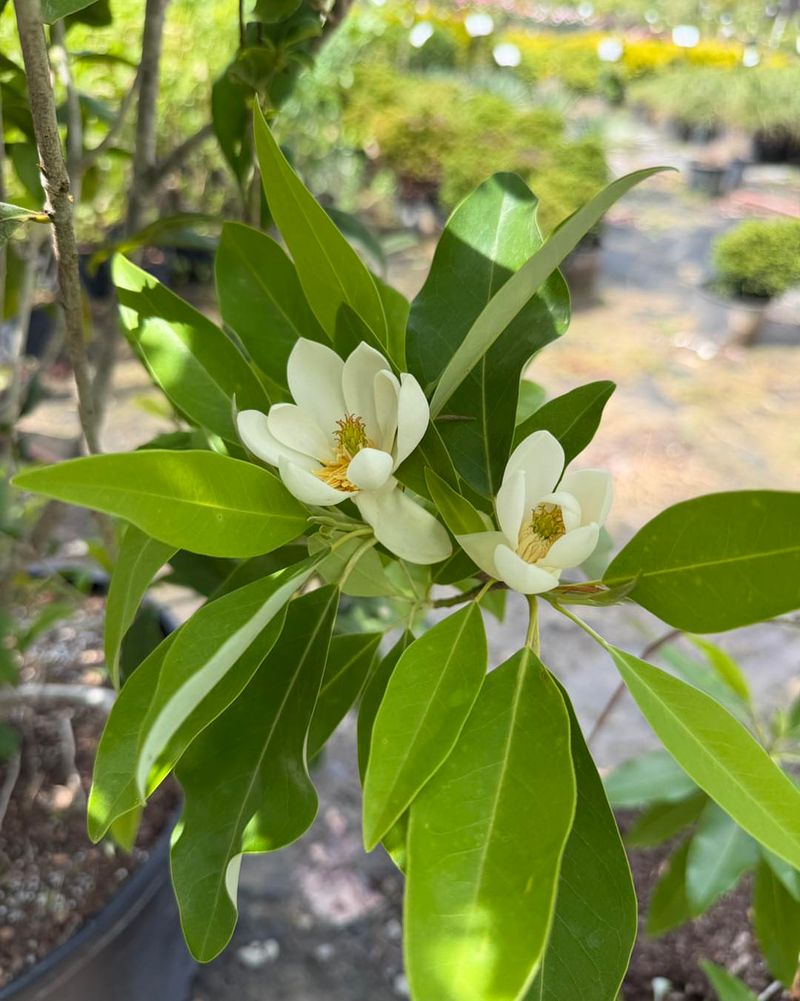
Walk past a Sweetbay Magnolia in bloom and the scent hits you first. Creamy white, cup-shaped flowers carry a strong lemon-vanilla fragrance that fills the surrounding air on warm summer evenings.
Unlike its massive cousin, the Southern Magnolia, Sweetbay stays much more manageable. Most trees top out between 10 and 20 feet in suburban settings, though specimens in ideal conditions can push taller over many years.
Leaves are a standout feature on their own. The top surface is glossy green, while the underside is a soft silvery-white.
When a breeze moves through the canopy, leaves flip and flutter, creating a two-toned shimmer that looks almost metallic in bright sunlight.
Sweetbay behaves as a semi-evergreen in warmer parts of the region. It holds most of its leaves through mild winters, only dropping them when temperatures drop significantly.
In colder suburban areas, it may go fully deciduous by late winter.
Blooming starts in late spring and often continues sporadically through summer. That extended bloom window is unusual among native trees and keeps the yard interesting for months at a time.
Red seed clusters appear in fall and attract birds quickly. Sweetbay grows naturally in wet, low-lying areas, so it handles poorly drained spots that would stress most other trees.
It also grows well in average moist soil with partial to full sun. Few natives offer this combination of fragrance, foliage, and flexibility.
6. Blackgum Turns Brilliant Shades In Fall
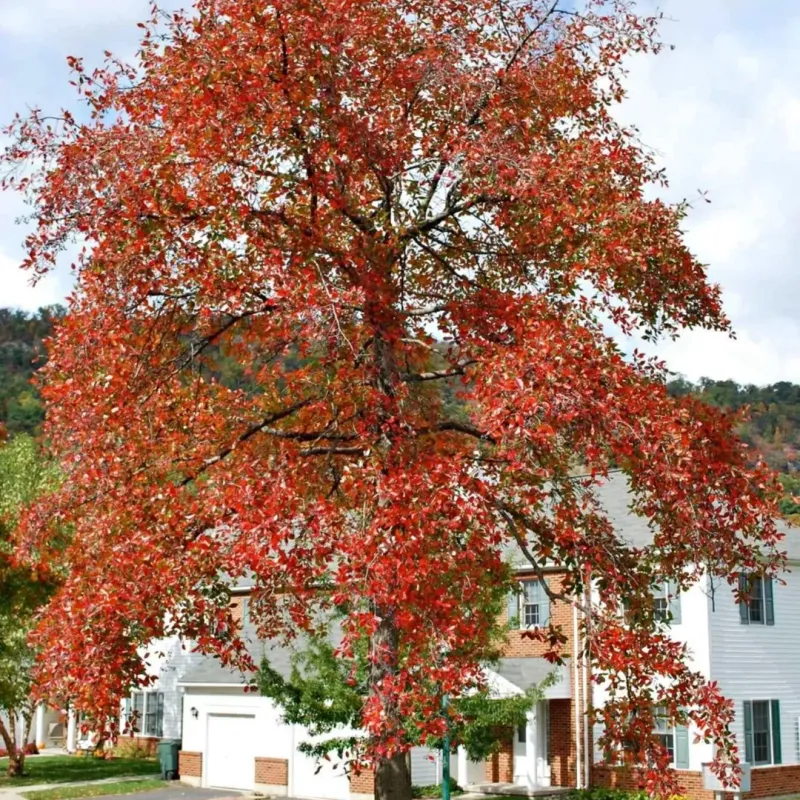
No native tree in the Southeast puts on a more reliable fall color show than Blackgum. Leaves shift from glossy green to brilliant scarlet, sometimes streaked with orange and deep purple, often before most other trees have even started to turn.
Gardeners who plant it for fall color rarely regret the decision. The display is intense, consistent, and usually lasts several weeks before leaves drop.
Other trees in the yard might have an off year for color, but Blackgum almost never disappoints.
Spring and summer keep the tree attractive with clean, glossy leaves that have a slightly leathery texture. The canopy is layered and horizontal, giving it a structured look that adds visual depth to a yard even without flowers.
Small dark blue-black berries ripen in late summer and early fall. Songbirds, woodpeckers, and wild turkeys actively seek them out.
Planting Blackgum near a bird feeder or wildlife garden creates a natural food source that draws impressive variety.
Mature trees reach 30 to 50 feet in ideal conditions, but growth is slow enough that most suburban yards can accommodate one without concern for many decades. Narrow or pyramidal cultivars are also available for tighter spaces.
Blackgum grows naturally in moist lowlands and upland forests across the region. It prefers moist, acidic, well-drained soil and full to partial sun.
Established trees handle both periodic drought and brief flooding better than many natives.
7. Flowering Dogwood Draws Birds And Pollinators
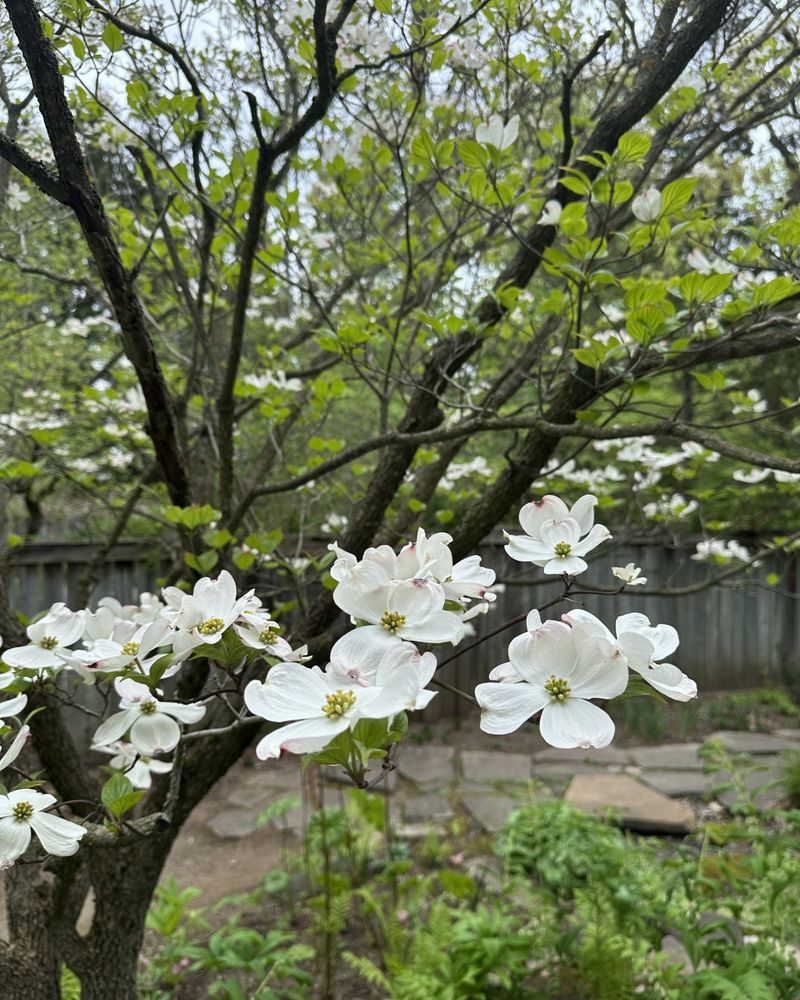
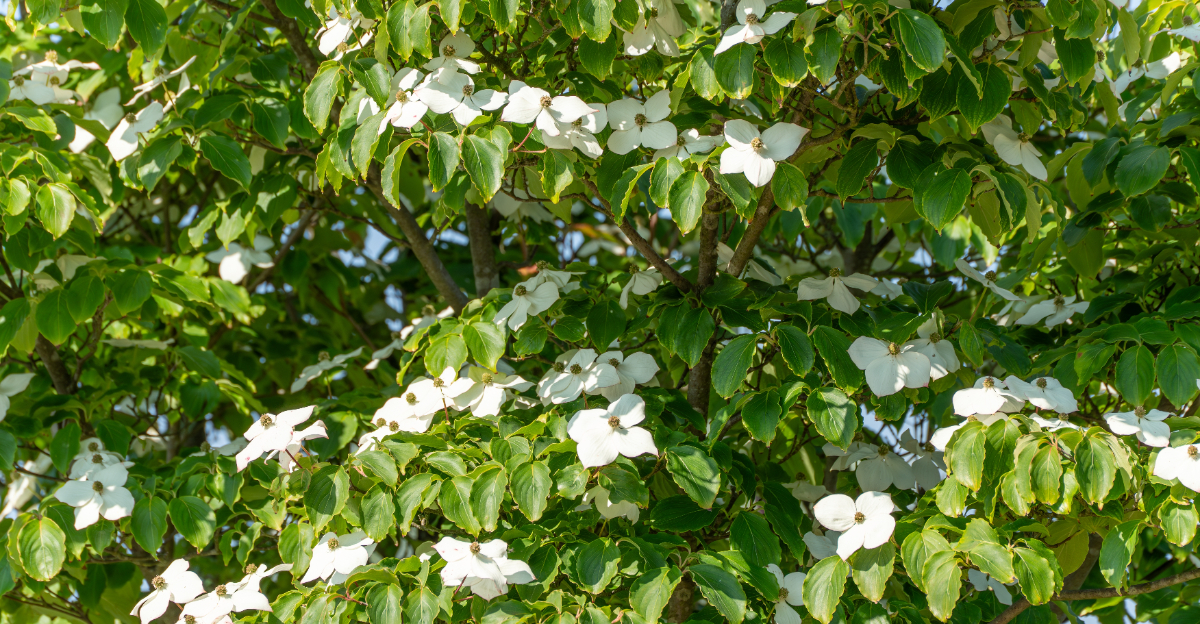
Flowering Dogwood might be the most recognized native tree in the entire Southeast, and it earned that reputation honestly. Spring blooms are breathtaking, fall color is reliable, and winter berries feed birds through the coldest months.
What most people call the flowers are actually modified leaves called bracts. Real flowers are tiny and clustered in the center.
But those broad white or pink bracts create a display that blankets entire neighborhoods in color from late March through April.
Mature trees stay compact, usually reaching 15 to 30 feet tall with a wide, layered branching structure. That horizontal spread is part of what makes Dogwood look so elegant, especially when underplanted with spring bulbs or native groundcovers.
Summer foliage is deep green and attractive. Fall brings rich red and purple leaf color along with clusters of bright red berries that birds cannot resist.
More than 35 species of birds eat Dogwood fruit, making it one of the most wildlife-friendly choices for a suburban yard.
Flowering Dogwood prefers partial shade, especially afternoon shade in warmer areas. Too much direct afternoon sun in hot climates can stress the tree and make it more vulnerable to disease over time.
Plant it on the east or north side of a structure for best results. Well-drained, slightly acidic, organically rich soil helps it establish quickly.
Mulching around the base keeps roots cool and moist, which Dogwood appreciates greatly.
8. American Holly Holds Bright Berries Through Winter
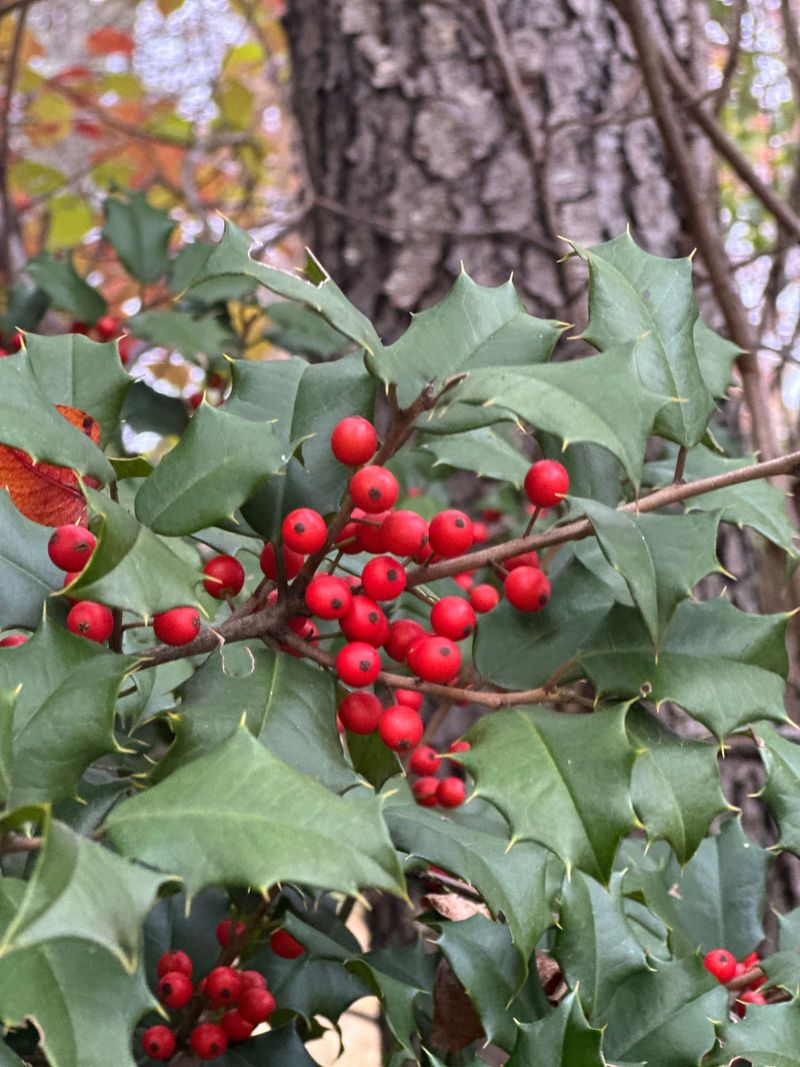
Most trees look bare and forgotten by December, but American Holly is just getting started. Bright red berries clustered against glossy dark green leaves make it one of the most striking sights in any winter yard.
Birds like cedar waxwings, mockingbirds, and robins flock to Holly trees when other food sources run low. Planting one near a window or sitting area gives you excellent wildlife viewing during the quietest months of the year.
American Holly is a true evergreen, keeping its leaves year-round. That means it also functions as a privacy screen, windbreak, or backdrop for other plantings throughout every season, not just winter.
Trees can grow 15 to 50 feet tall depending on conditions, but growth is slow and manageable. Compact cultivars are widely available for smaller yards where a full-sized tree would not fit comfortably.
Only female trees produce berries, but a male tree must be planted nearby for pollination to occur. One male can pollinate several females within about 50 feet.
Check plant tags carefully before purchasing to get the right mix.
American Holly grows naturally in a wide range of habitats across the eastern United States, including throughout Georgia. It tolerates partial shade, handles average to moist soil, and adapts to both sandy and clay-heavy ground.
Minimal pruning keeps it tidy. It is genuinely one of the most low-maintenance native trees available for suburban planting anywhere in the region.