Why Ohio Gardens Look Tired In Late June And The One Task That Fixes It Fast
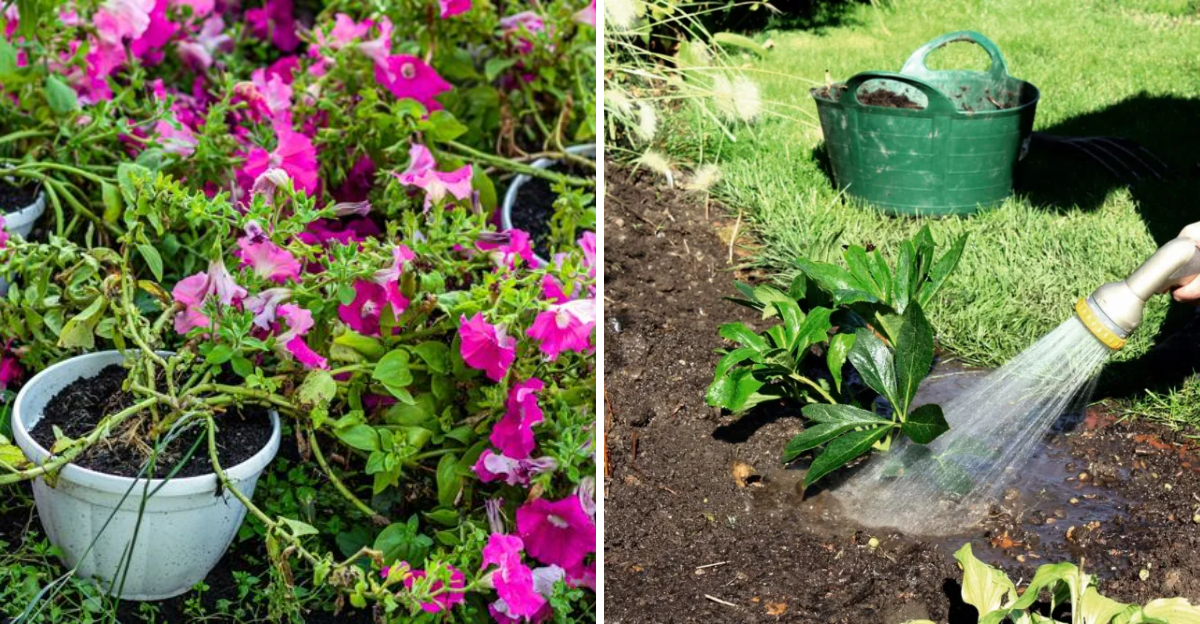
There is a specific kind of garden fatigue that hits Ohio yards right around late June. The spring flush is completely finished, and the bold early summer color has started fading.
What looked vibrant and full a few weeks ago now looks like it is running out of ideas. Not withered, not diseased, just tired in a way that is hard to put your finger on.
Most Ohio gardeners assume this is just how summer goes and wait it out. That patience is costing them weeks of better-looking garden beds.
One task, done right now in late June, snaps a tired garden back into gear faster than most people expect. It takes an afternoon at most and the results show up within days rather than weeks.
The fix is not complicated. It just requires knowing what your garden is actually asking for at this specific point in the season.
1. Trim Spent Blooms Before The Whole Bed Looks Tired
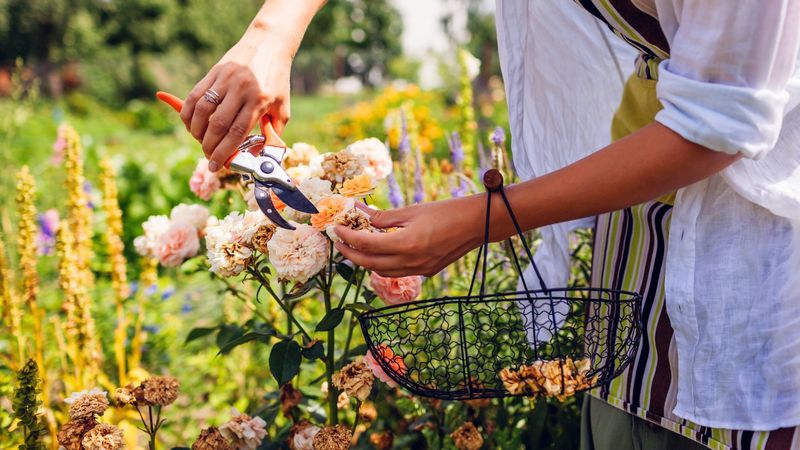
A flower bed can look worn out even when most of the plants are still perfectly healthy. The problem is often the spent blooms sitting right at eye level, brown and papery, pulling attention away from everything still growing well.
Trimming, which simply means removing those faded flower heads, is one of the fastest ways to make a bed look cleaner and more intentional.
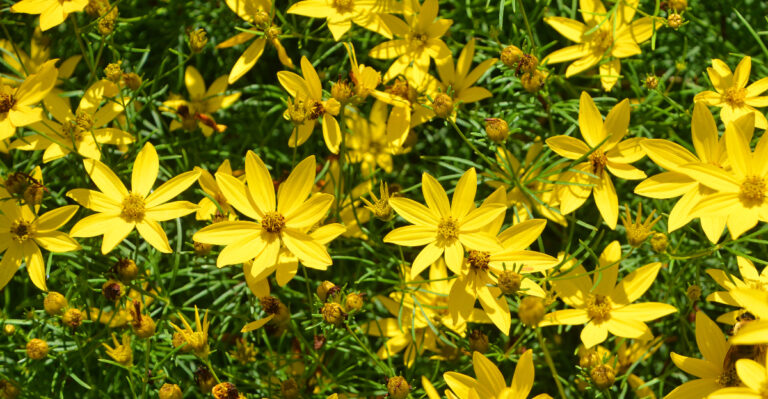
Some annuals and repeat-blooming perennials may respond by pushing out new buds after spent flowers are removed. Petunias, coneflowers, and black-eyed Susans are good examples of plants that often benefit from this kind of attention.
Other plants, like bearded iris or bleeding heart, bloom only once per season. Removing their spent heads will not trigger new flowers, but it will tidy up the bed and let stronger foliage take the spotlight.
Use clean, sharp scissors or hand pruners and cut just below the spent bloom or down to the next set of leaves. Work your way through the bed systematically so you do not miss patches.
Even fifteen minutes of trimming can change how the whole space looks. This single step is often the fastest visual fix available to a mid-season gardener.
2. Cut Back Floppy Stems That Drag The Garden Down
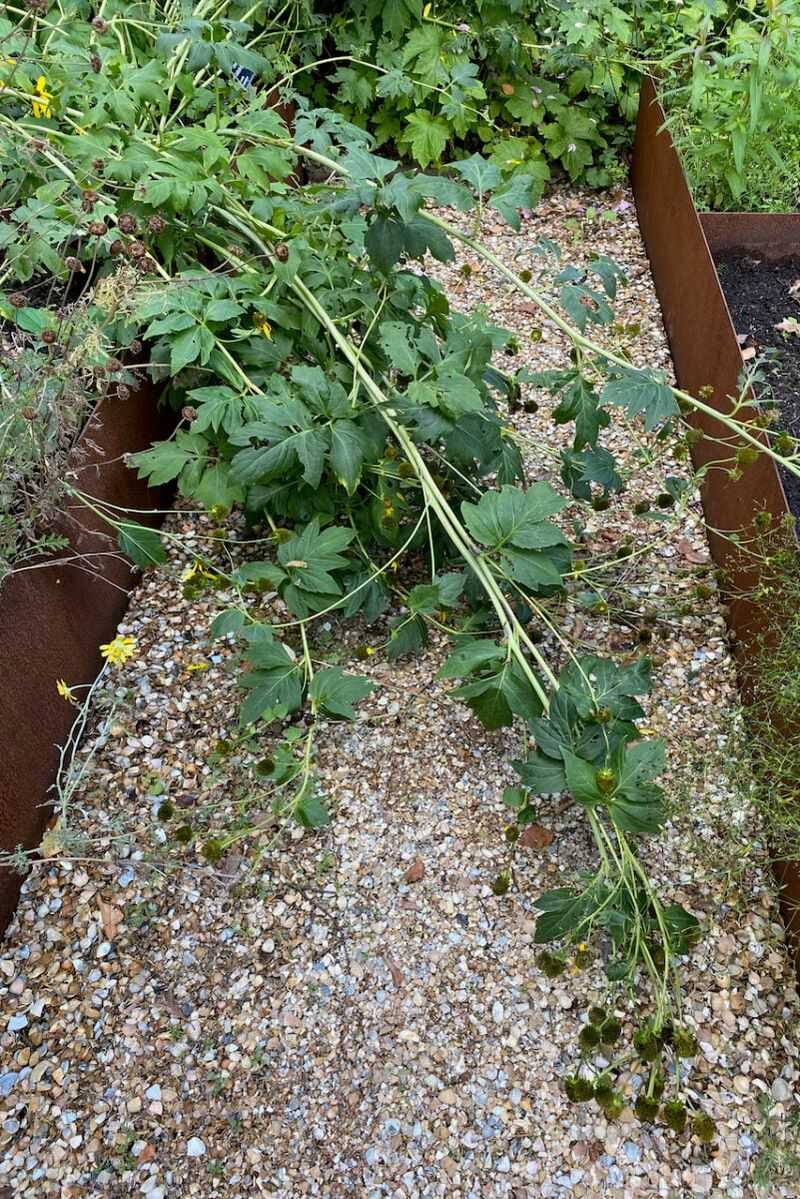
By late June, some plants that looked upright and tidy in May have started leaning into walkways or flopping over smaller neighbors. Others are bending under the weight of their own blooms.
Rain, fast growth, and warm temperatures all contribute to this kind of sprawl. It is a common sight in home landscapes across this state, and it does not mean anything is wrong with the plant.
Light trimming can help in many cases. Cutting a floppy stem back by about one-third encourages the plant to redirect energy and stand more upright.
For taller plants like peonies or tall garden phlox, adding a simple wire support or stake can be a better option than cutting. The goal is to guide the plant, not force it into a shape it cannot hold naturally.
Avoid cutting back every perennial the same way. Some plants, like ornamental grasses, do better when left alone until late summer or fall.
Your Ohio Garden Changes Every Week. Your Plan Should Too.
Gardening in Ohio changes quickly throughout the season. Every Friday you’ll receive a simple weekly plan showing exactly what to plant, prune, fertilize, harvest, and protect so you never miss the right timing.
Focus on stems that are actively causing problems, such as blocking paths or smothering low-growing plants nearby.
A few targeted cuts can open up the bed, improve airflow between plants, and make the whole space look more intentional without removing healthy growth unnecessarily.
3. Remove Browning Flowers Before They Steal The Show
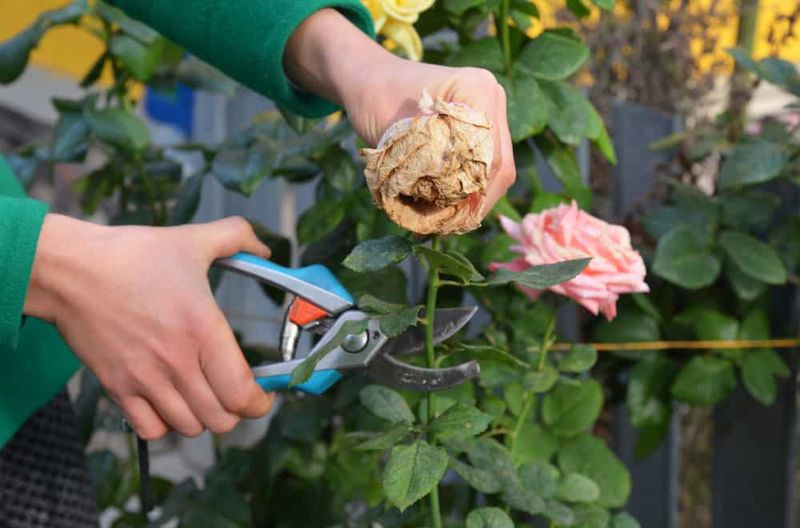
Browning blooms have a way of pulling the eye straight to them, even when everything else in the bed looks healthy. A single cluster of dried-out flower heads can make an entire border look neglected.
Removing them quickly shifts attention back to the plants that are still performing well. That includes fresh foliage, developing seed heads, and new buds just beginning to open.
This step is slightly different from full trimming. Sometimes the flower stem itself is still green and sturdy, and only the bloom at the top has faded.
In that case, cutting just the flower head is enough. Other times, the whole stem has gone brown and dry.
Removing it closer to the base keeps the plant looking cleaner and prevents the stem from becoming a landing spot for pests or fungal issues in humid weather.
Late June in this region tends to bring warm days and occasional heavy rain, which can speed up how fast blooms break down. Checking beds every week or so during this period makes a real difference.
You do not need to spend hours out there. A quick pass with a pair of hand pruners, removing the worst of the browning heads, is often all it takes to reset the visual tone of the whole bed.
4. Trim Leggy Annuals To Bring Back Fuller Growth
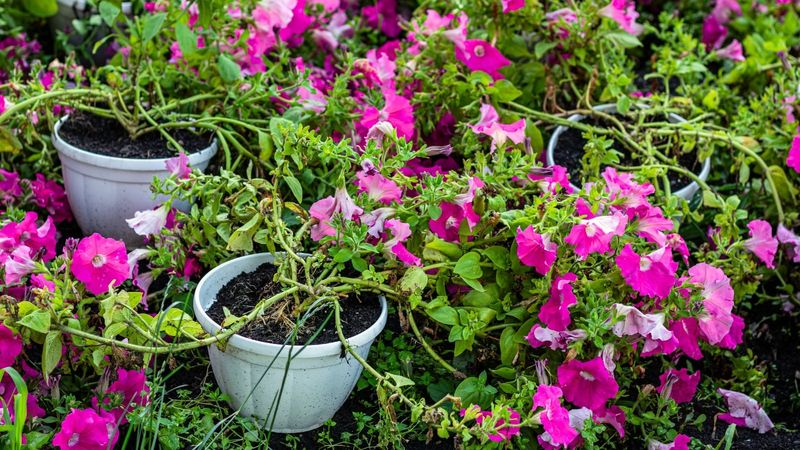
Annuals are workhorses in summer beds, but many of them hit a rough patch by late June. Petunias, snapdragons, and impatiens can stretch out and get thin-stemmed after weeks of fast growth.
Instead of a full, bushy plant, you end up with long bare stems topped with a few small flowers. It is not a sign of failure.
It is just how many annuals grow when the season heats up.
Light trimming, cutting stems back by roughly one-third, can encourage branching and help the plant fill in again. New growth tends to emerge from just below the cut, and within a week or two the plant often looks noticeably fuller.
This works well for petunias, calibrachoa, and many other trailing or mounding annuals that are popular in local gardens.
Timing matters here. Avoid heavy trimming on days when temperatures are extremely high, since stressed plants recover more slowly.
Early morning or a cooler cloudy day is a better window for this kind of work. Water the plants well after trimming to support recovery.
Do not cut into the woody base of the stem if you can help it. Keeping some leafy growth on each stem gives the plant a stronger starting point for bouncing back.
5. Clean Up Yellowing Leaves Around The Base

Lower leaves on garden plants often get overlooked during a quick walkthrough, but they can have a big impact on how a bed looks overall. By late June, many perennials and annuals develop yellowing, spotted, or tattered leaves near the base.
Some of this is normal. Leaves at the bottom of a plant receive less light as the plant fills in, and they naturally fade over time.
Removing these leaves gently, by hand or with a light snip, cleans up the base of the plant and improves airflow around the stems.
Better airflow can reduce the chance of fungal problems, which tend to show up more often during the humid stretches that local Ohio gardens see in early summer.
Do not strip the plant bare. Just remove the leaves that are already yellowing, damaged, or sitting on the soil surface.
Before you pull leaves, take a moment to check what is going on with the plant overall. Yellowing can sometimes signal that a plant needs more water, better drainage, or a little more space from its neighbors.
If multiple plants in the same area are showing similar symptoms, the cause might be a shared condition. Compacted soil or inconsistent moisture may be the issue rather than a simple seasonal change.
Addressing the cause is always more effective than just removing the leaves.
6. Pull Fast Weeds Before They Make Beds Look Messy
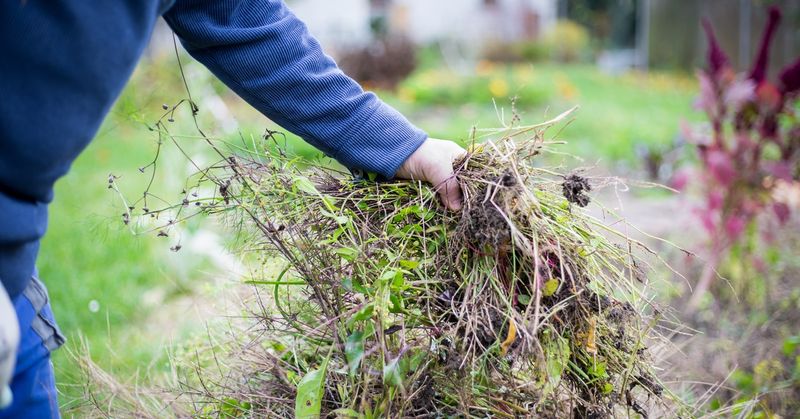
Warm temperatures and regular summer rain create nearly perfect conditions for weeds to grow fast. A bed that looked clean two weeks ago can suddenly have young weeds poking up through the mulch.
This is especially common where the mulch has thinned or bare soil is showing. Catching them early makes the whole job much easier.
Pulling weeds right after a rain or after watering is one of the most practical habits an Ohio gardener can build. Moist soil releases roots much more willingly than dry, compacted ground.
Getting the whole root out matters, since many common weeds, including common purslane and hairy bittercress, can regrow from even a small root fragment left in the soil.
A hand weeder or a narrow hoe works well for shallow-rooted weeds in tight spaces between plants.
Try to pull weeds before they go to seed. A single weed plant can produce hundreds of seeds, and those seeds can stay viable in the soil for years.
Even a few minutes of weeding done consistently throughout the season adds up. Removing weeds now also reduces competition for water and nutrients, which helps your intentional plants stay stronger through the rest of summer.
A tidy, weed-free bed always looks more finished, even if nothing else has changed.
7. Refresh Mulch Where Bare Soil Starts Showing
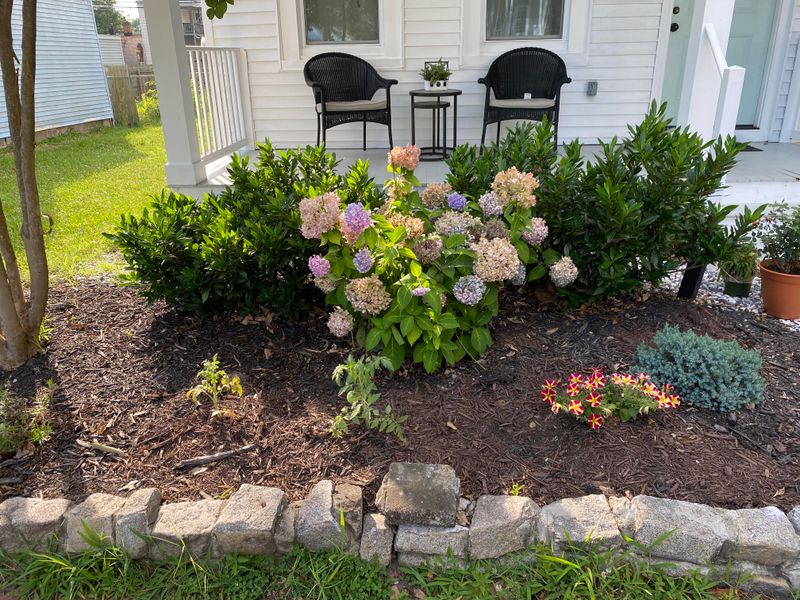
Mulch does a lot of quiet work in a garden bed. It holds moisture, moderates soil temperature, and suppresses weed germination.
But by late June, the layer that went down in spring can start looking thin, faded, or uneven. Rain washes it toward the edges of beds, foot traffic shifts it around, and decomposition gradually reduces the depth over time.
Adding a light top-up where bare soil is visible makes a noticeable difference both visually and practically. Aim for about two to three inches of mulch overall, but do not pile it up against plant stems or crowns.
Mulch mounded against stems can trap moisture and create conditions where rot becomes a problem. Keep the area right around each stem clear, with mulch spread more evenly across the open soil between plants.
Shredded hardwood bark and wood chip mulch are both common choices in home landscapes across this region and hold up reasonably well through summer.
A fresh layer also gives the bed a cleaner, more finished appearance that makes the whole space look like it has been recently tended.
You do not need to redo the entire bed. Focus on the spots where soil is clearly exposed or where the mulch has shifted and thinned the most.
A small refresh goes a long way.
8. Water Deeply After Cleanup To Help Plants Bounce Back
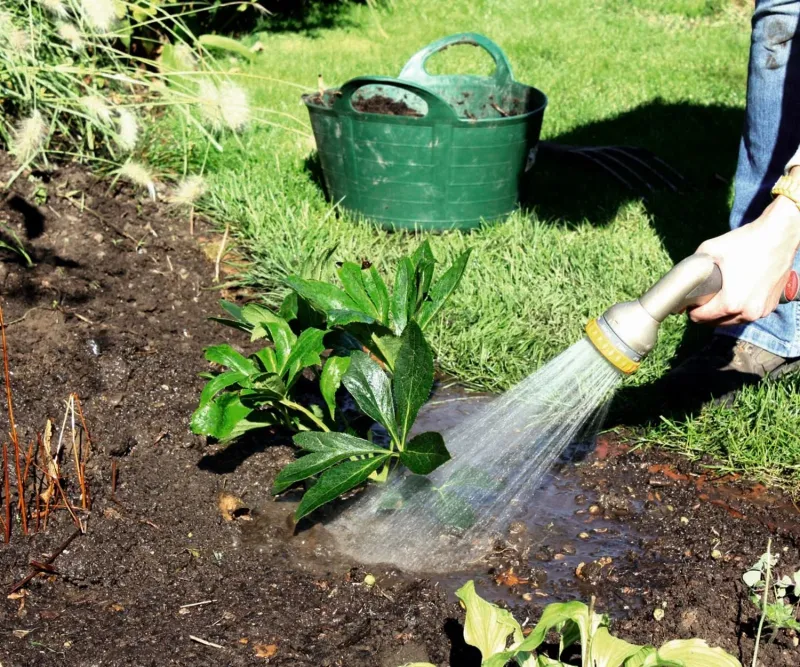
After a round of trimming and weeding, the bed looks better, but the plants themselves have been handled and sometimes lightly stressed. Finishing the reset with a soil moisture check is a smart final step.
Press a finger about two inches into the soil near the base of a few plants. If the soil feels dry at that depth, watering is a good idea.
If it still feels damp, you can hold off for a day or two.
Deep watering encourages roots to grow downward rather than staying near the surface. A slow, steady soak at the base of plants, using a soaker hose or a wand held low, is more effective than a quick overhead spray.
Shallow watering can leave plants looking fine on the surface while the roots stay dry just a few inches down. During dry stretches in summer, most Ohio garden beds benefit from about an inch of water per week, including rainfall.
Avoid keeping beds constantly soggy. Overwatering is just as problematic as underwatering, and it can lead to root issues and fungal problems in humid weather.
The goal is steady, consistent moisture rather than frequent light splashes. Watering in the morning gives foliage time to dry before evening.
That can help reduce the chance of fungal disease during warm, humid stretches typical of a local summer.