Plant Hydrangeas On The Right Side Of Your Oregon Home For Better Blooms
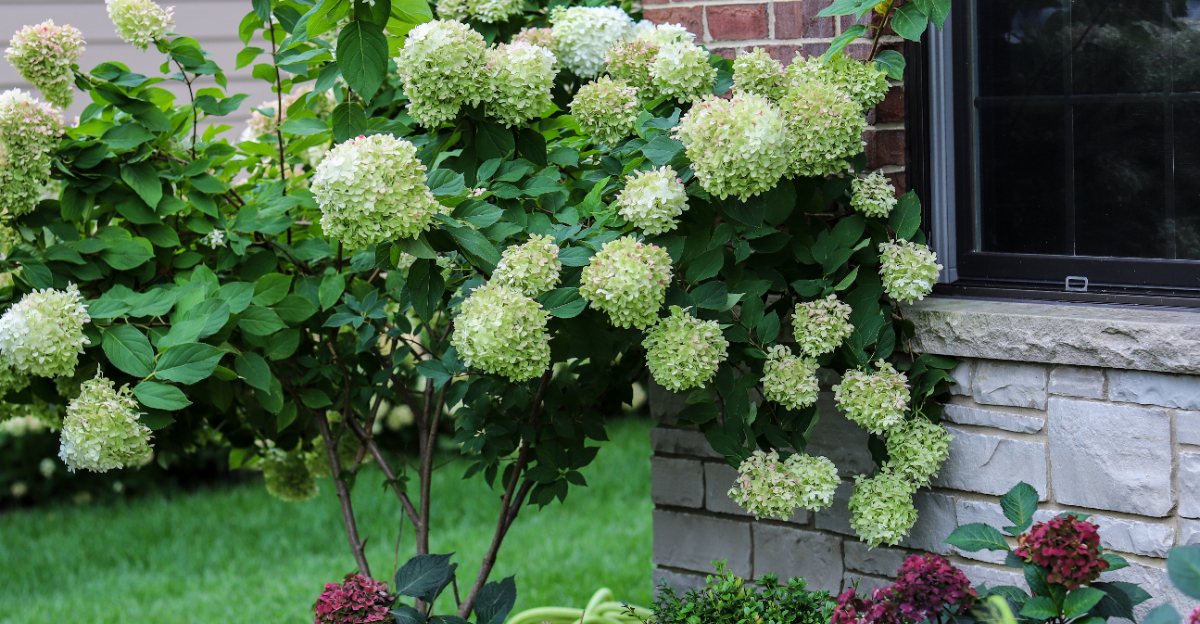
Hydrangeas can be picky about where they live, especially in Oregon’s mix of soft rain and summer sun. Plant them in the wrong spot, and the blooms may never look as full as you hoped.
The side of your home can make a bigger difference than many gardeners realize. One area may give gentle morning light.
Another may trap harsh afternoon heat that leaves the plant stressed. Hydrangeas usually bloom best when they get enough brightness without baking through the hottest part of the day.
That makes placement a smart first step, not just a design choice. Before you dig a hole near the porch or fence, look at how the sun moves across your yard.
The right side of the house can help hydrangeas settle in stronger and bloom with less struggle.
1. The East Side Usually Gives Hydrangeas The Best Light
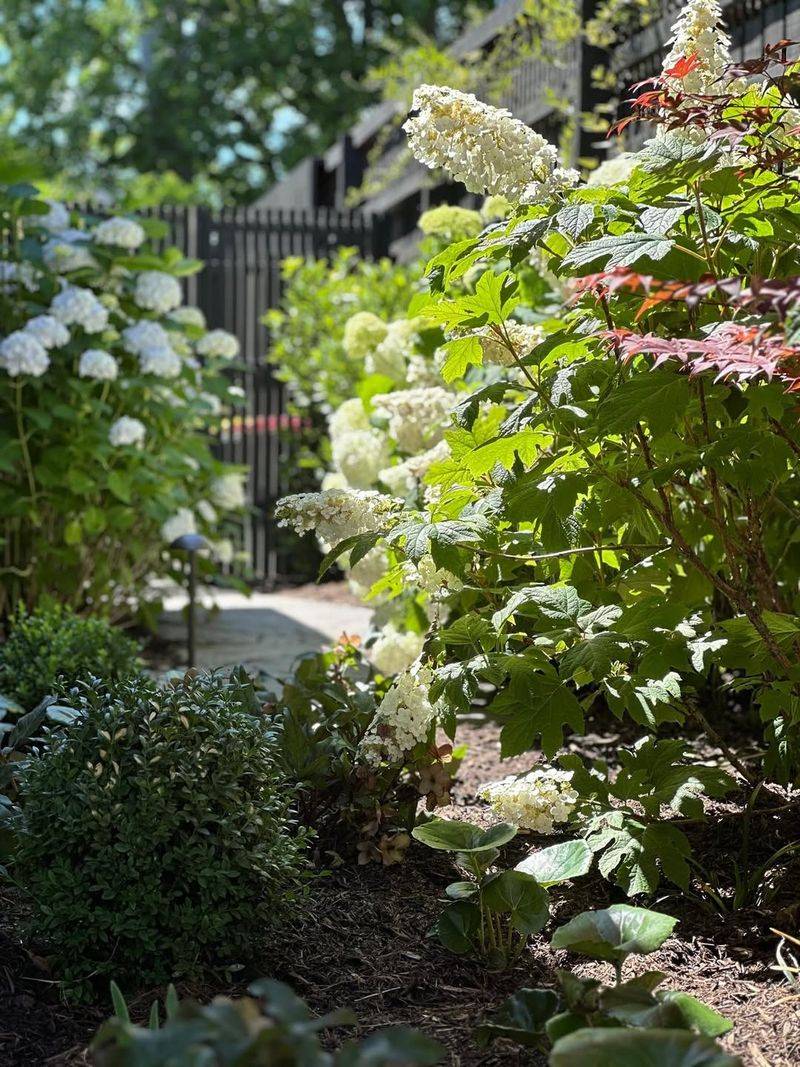
Ask any experienced gardener in the Pacific Northwest where to plant hydrangeas, and there is a good chance they will point you east.
The east side of your home tends to be the sweet spot because it gets gentle morning sun and stays shaded during the hottest part of the afternoon.
Morning light is softer and less intense than afternoon sun. It warms the soil just enough to encourage healthy root growth without stressing the plant.
Hydrangeas love this kind of balanced exposure because it helps them build energy early in the day without getting overheated later on.
In Oregon, summer afternoons can get surprisingly warm, even in coastal areas. By the time the heat peaks around midday and into the late afternoon, an east-facing plant is already tucked in the shade of your home.
That protection keeps the leaves from wilting and helps flowers last longer on the shrub. East-facing beds also tend to hold moisture a little better than south or west-facing spots.
Since the soil does not bake in the afternoon sun, it stays cooler and drier conditions are less likely to stress your plants.
Hydrangeas are thirsty shrubs, so anything that helps keep moisture in the soil is a bonus.
If you have the option to choose where to plant, try the east side first. You may be surprised at how much better your hydrangeas perform with just a simple change in location.
2. Morning Sun Helps Blooms Without Scorching Leaves
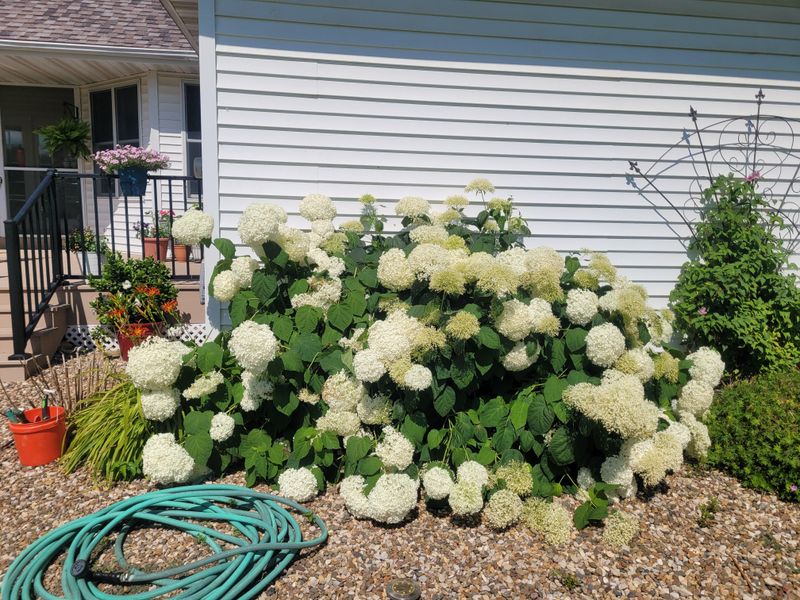
There is something almost magical about the way morning sun touches hydrangea blooms. The light is warm but not harsh, and it gives the plant exactly what it needs to fuel healthy flower production without causing damage to the leaves or petals.
Hydrangeas need at least three to four hours of direct sunlight each day to bloom well. Morning sun checks that box perfectly.
It comes in at a lower angle, which means it does not beat down on the plant the way midday or afternoon sun does. The result is fuller blooms and greener, healthier-looking foliage.
When hydrangeas get too much intense light, you will start to notice the signs pretty quickly. Leaf edges may turn brown or crispy.
Your Oregon Garden Changes Every Week. Your Plan Should Too.
Gardening in Oregon changes quickly throughout the season. Every Friday you’ll receive a simple weekly plan showing exactly what to plant, prune, fertilize, harvest, and protect so you never miss the right timing.
Flower heads can fade fast or droop even when the soil is moist. Morning-only exposure helps avoid all of that.
The growing season in Oregon can bring some unexpectedly warm and dry stretches, especially from July through September.
During those weeks, morning sun gives the plant enough light to keep blooming while the afternoon shade steps in to cool things down. It is a natural rhythm that hydrangeas respond to very well.
Positioning your shrubs where they catch that early golden light is one of the simplest and most effective things you can do.
It costs nothing extra and can dramatically improve the quality and quantity of your blooms each year.
3. Afternoon Shade Protects Flowers From Oregon Summer Heat
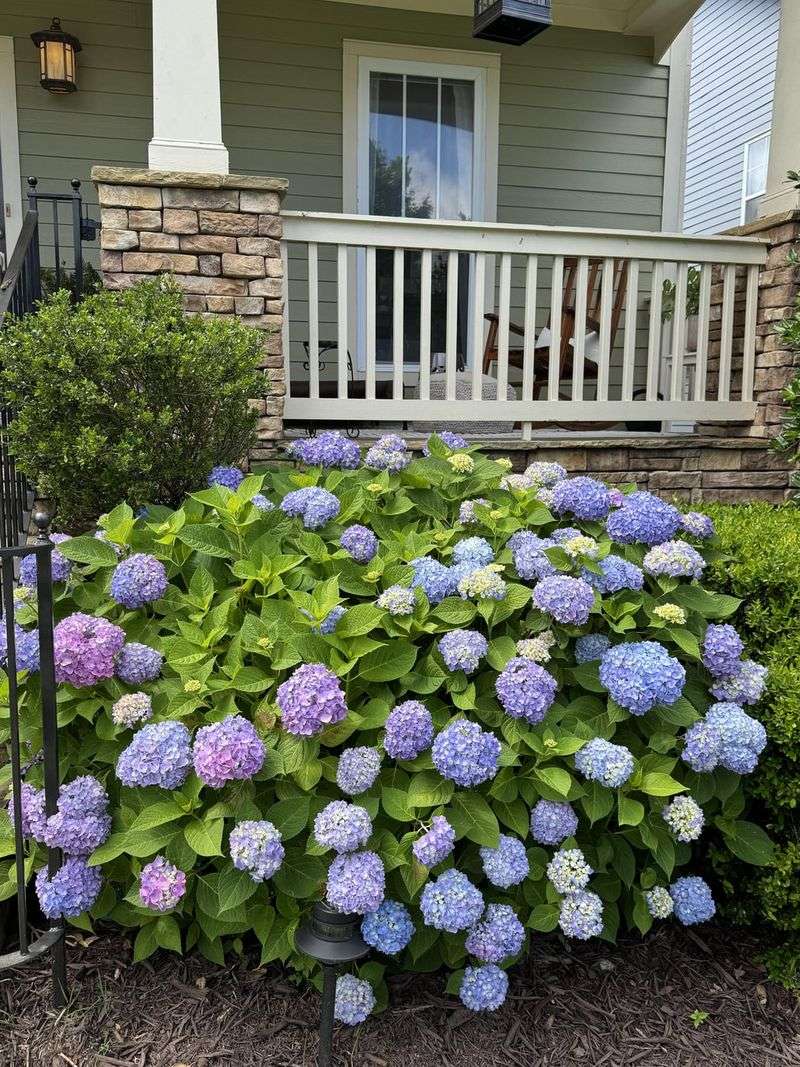
Summer heat in Oregon can sneak up on you. Even in years when spring feels mild and rainy, July and August can bring stretches of dry, sunny weather that push temperatures well above what hydrangeas prefer.
Afternoon shade becomes one of the most valuable things you can offer these plants during those hot spells.
Bigleaf hydrangeas, which are the most common type grown here, are especially sensitive to heat stress.
When they sit in direct afternoon sun for several hours, the large flower heads can wilt and turn papery, even if the soil still has plenty of moisture.
Shade from your home, a fence, or a large tree can make a real difference.
The good news is that Oregon naturally provides some help. Many parts of the region stay mild and overcast through much of the growing season, especially near the coast.
But in the Willamette Valley and other inland areas, afternoon temperatures can climb high enough to stress plants that are not well-positioned.
Planting hydrangeas on the east side of your home, or anywhere that gets afternoon shade, helps them hold onto their blooms longer.
Flowers that might otherwise fade in two or three weeks can last four to six weeks with proper shade protection.
Think of afternoon shade as free air conditioning for your garden. It keeps your plants comfortable and your blooms looking fresh well into late summer when the rest of the yard may be looking a little tired.
4. South And West Walls Can Be Too Hot For Bigleaf Hydrangeas
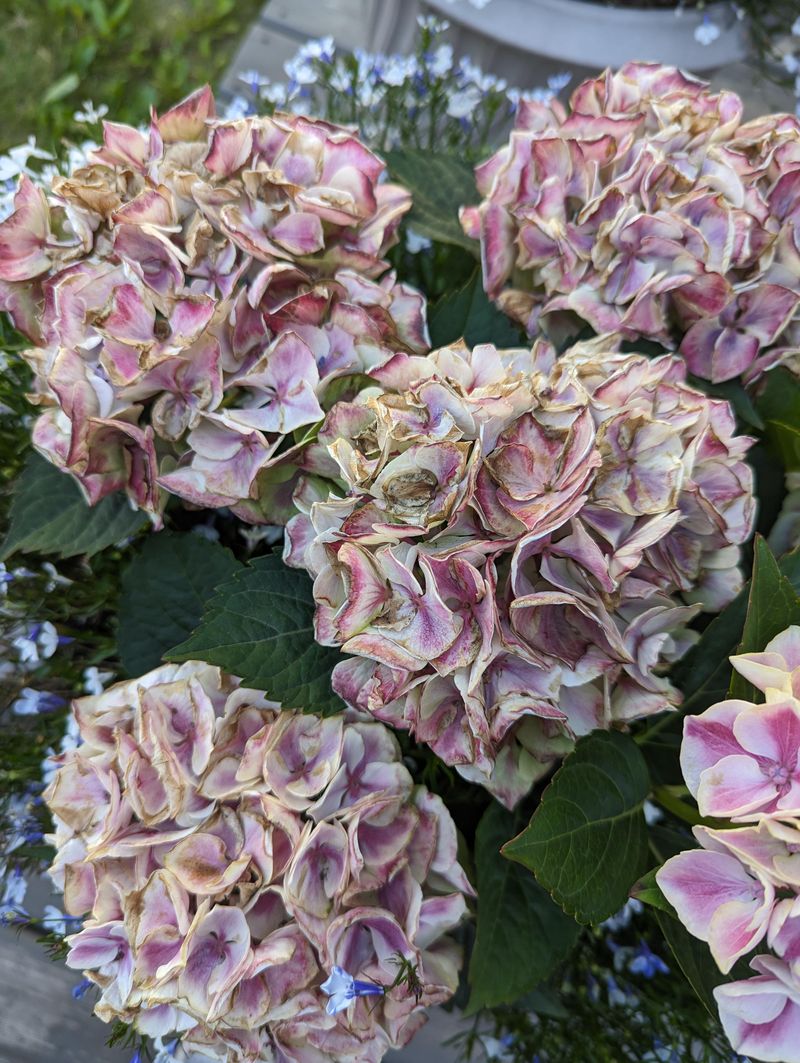
South and west-facing walls collect and radiate a lot of heat, especially during summer. Brick, concrete, and siding all absorb warmth throughout the day and release it slowly in the evening.
For many plants, that extra warmth is welcome. For bigleaf hydrangeas, it can be a real problem.
Bigleaf hydrangeas, also called Hydrangea macrophylla, are the classic mophead and lacecap varieties that most people picture when they think of hydrangeas. They prefer cooler, more sheltered spots.
A south or west wall puts them directly in the path of the most intense sunlight of the day, which is the opposite of what they need.
You might notice heat-stressed hydrangeas drooping by early afternoon, even on days that do not feel extremely hot.
Their large leaves lose moisture quickly in direct sun, and their root systems struggle to keep up.
Flower color can also fade faster when plants are exposed to too much heat and light.
That said, some hardier varieties like panicle hydrangeas can handle south or west exposures much better.
If you love the idea of a blooming shrub on the sunny side of your home, panicle types are worth looking into.
They are more heat-tolerant and still produce beautiful flowers. For classic bigleaf varieties, though, it is smart to avoid the south and west walls.
Save those spots for tougher plants and give your hydrangeas a cooler, more comfortable home where they can truly shine.
5. North-Facing Spots Work If They Are Bright Enough
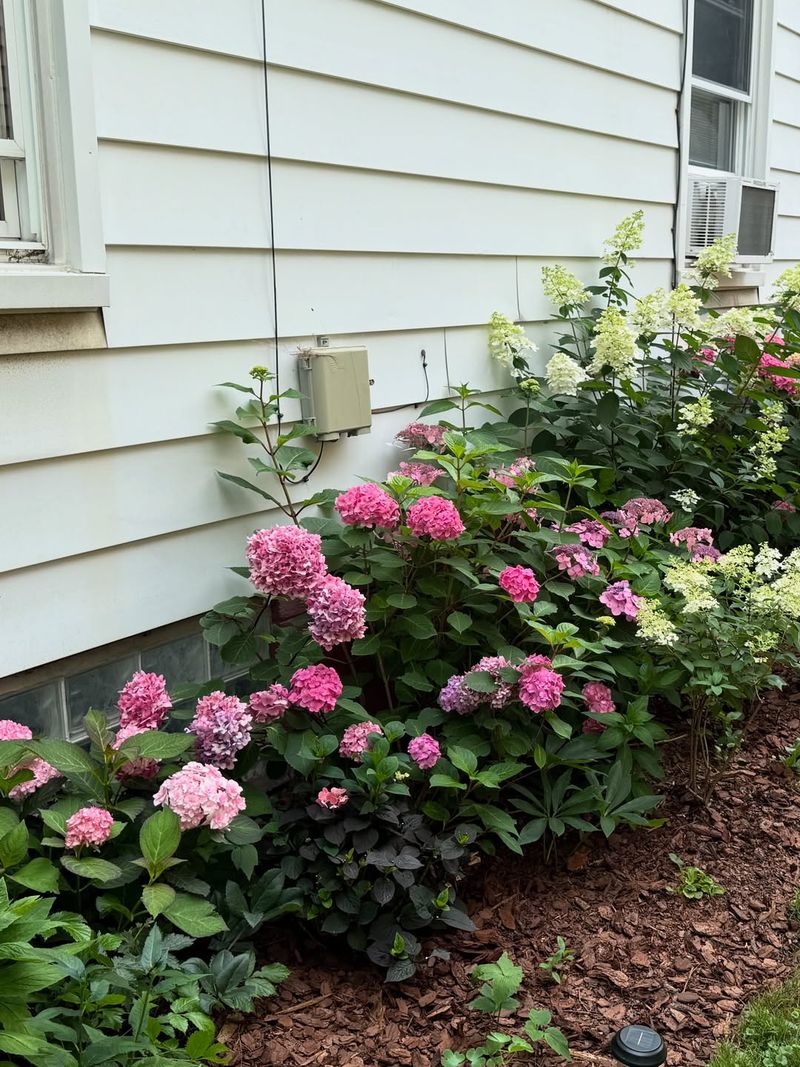
North-facing garden beds are often overlooked, but they are not a lost cause for hydrangeas.
In fact, under the right conditions, a north-facing spot can work quite well, especially for varieties that tolerate lower light levels.
The key is making sure the area still gets enough ambient brightness throughout the day.
A north-facing bed that is open to the sky and not blocked by tall trees or fences can receive plenty of indirect light.
Indirect light is different from direct sun, but it is still light, and hydrangeas can use it to grow and bloom.
Many gardeners are surprised to find their north-side plants doing just fine once they are properly established.
The challenge comes when the north side is heavily shaded by the roofline, nearby structures, or dense evergreen trees. In those situations, the light level drops too low for reliable blooming.
You might get healthy green leaves but very few flowers, which can be frustrating after all the effort of planting and watering.
White-flowering hydrangea varieties, like Annabelle or panicle types, tend to perform better in lower light than their pink or blue counterparts.
If your north side is the only option you have, choosing one of these lighter-colored varieties gives you the best shot at a decent bloom show.
Check how much sky is visible from your north-facing bed before planting. The more open and unobstructed the area, the better your chances of success with hydrangeas in that spot.
6. Too Much Shade Can Mean Fewer Blooms
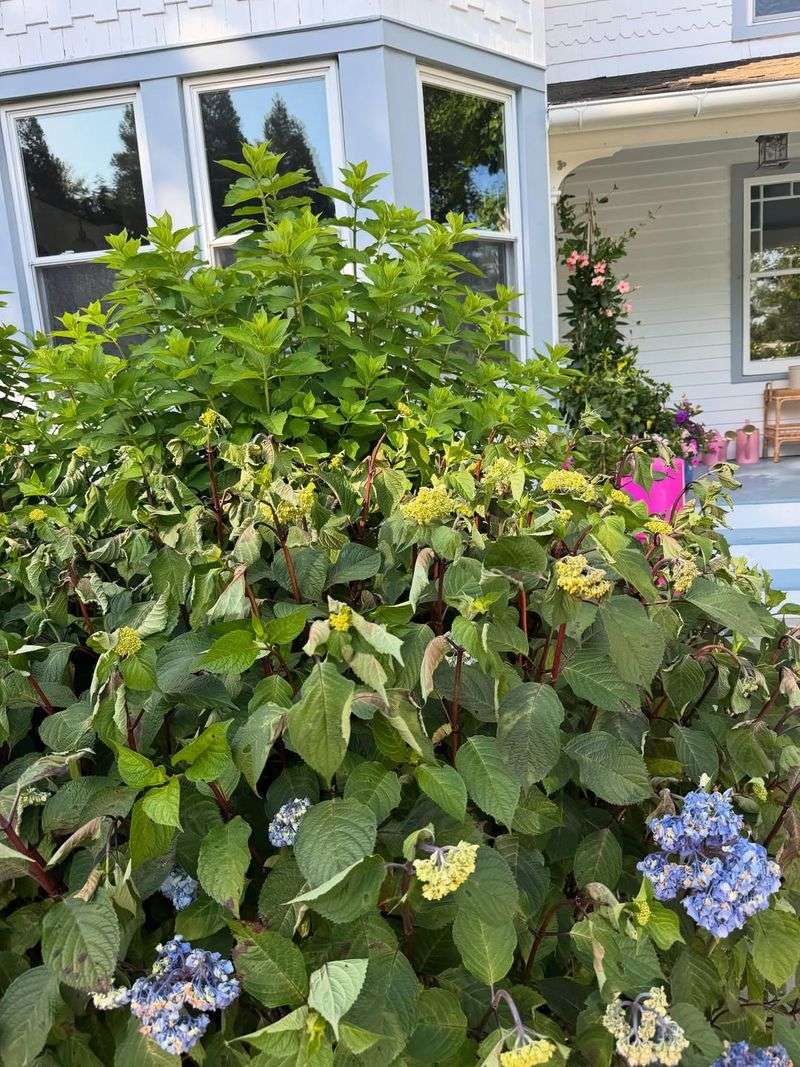
Shade is not always a bad thing for hydrangeas, but there is a point where it becomes too much of a good thing.
When these shrubs do not get enough light, they put most of their energy into growing leaves rather than producing flowers.
The result is a big, leafy plant that barely blooms, which is not what most gardeners are hoping for.
Deep shade from large evergreen trees, dense shrubs, or tall structures can cut off the light hydrangeas need to set flower buds.
In Oregon, where Douglas firs and other conifers are common in residential yards, this is a real issue many homeowners face.
Even a spot that looks bright to your eyes might not be delivering enough usable light for a flowering shrub.
A simple way to test your spot is to observe it throughout the day. If the area gets fewer than three hours of dappled or indirect light, it is probably too shady for reliable blooming.
Moving your plant even a few feet toward a brighter area can make a noticeable difference over the course of a season.
Pruning back nearby shrubs or lower tree branches can also open up more light without requiring you to move the plant.
Sometimes just thinning out the canopy above is enough to give hydrangeas the boost they need.
Healthy green growth with no flowers is a clear sign your plant wants more light. Pay attention to that signal and adjust accordingly for better results next season.
7. Moist Soil Matters As Much As The Right Exposure
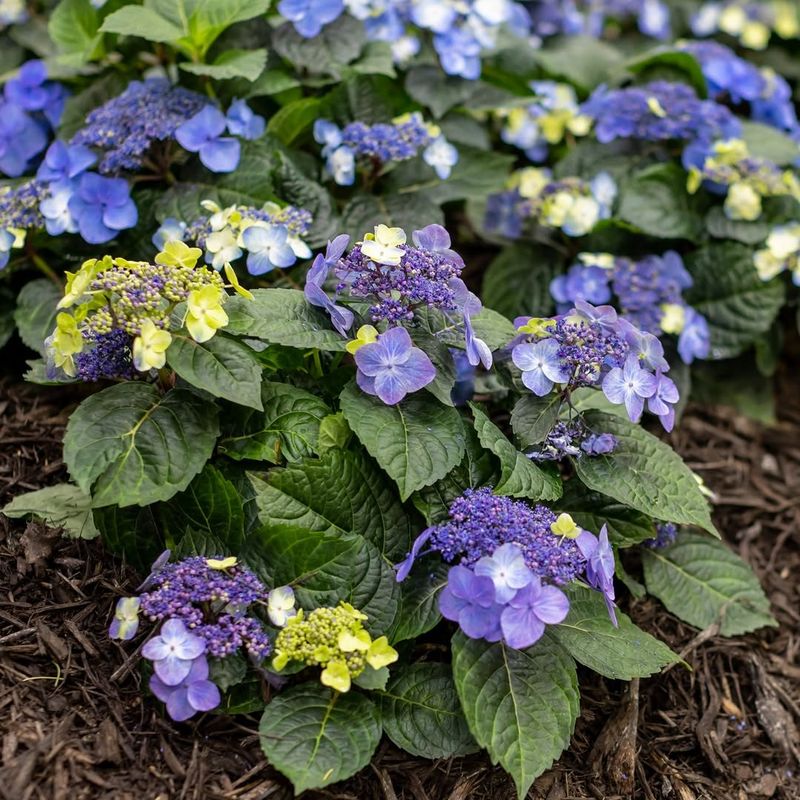
Getting the light right is only half the battle. Soil moisture plays an equally important role in how well your hydrangeas bloom, and it is something that is easy to underestimate, especially in spots that look perfectly shaded and protected.
Hydrangeas have large leaves that release a lot of moisture into the air throughout the day. To keep up with that demand, the root zone needs to stay consistently moist but not waterlogged.
Soil that dries out too quickly between waterings can cause flower buds to drop before they fully open, which is one of the most disappointing things to experience after a long growing season.
The rainy season takes care of most of the watering from fall through late spring. But summer can bring weeks of dry weather that require you to step in with regular watering.
Sandy soils drain quickly and may need more frequent attention, while clay-heavy soils hold moisture longer but can become compacted and poorly drained over time.
Improving your soil with compost before planting helps strike the right balance. Compost adds organic matter that holds moisture while still allowing excess water to drain away.
It also feeds beneficial soil organisms that support healthy root development.
Checking soil moisture with your finger before watering is a simple habit that makes a big difference. If the top inch of soil feels dry, it is time to water.
Keeping that moisture consistent is one of the best things you can do for stronger, longer-lasting blooms.
8. Mulch Helps Keep Roots Cool On Warm Days
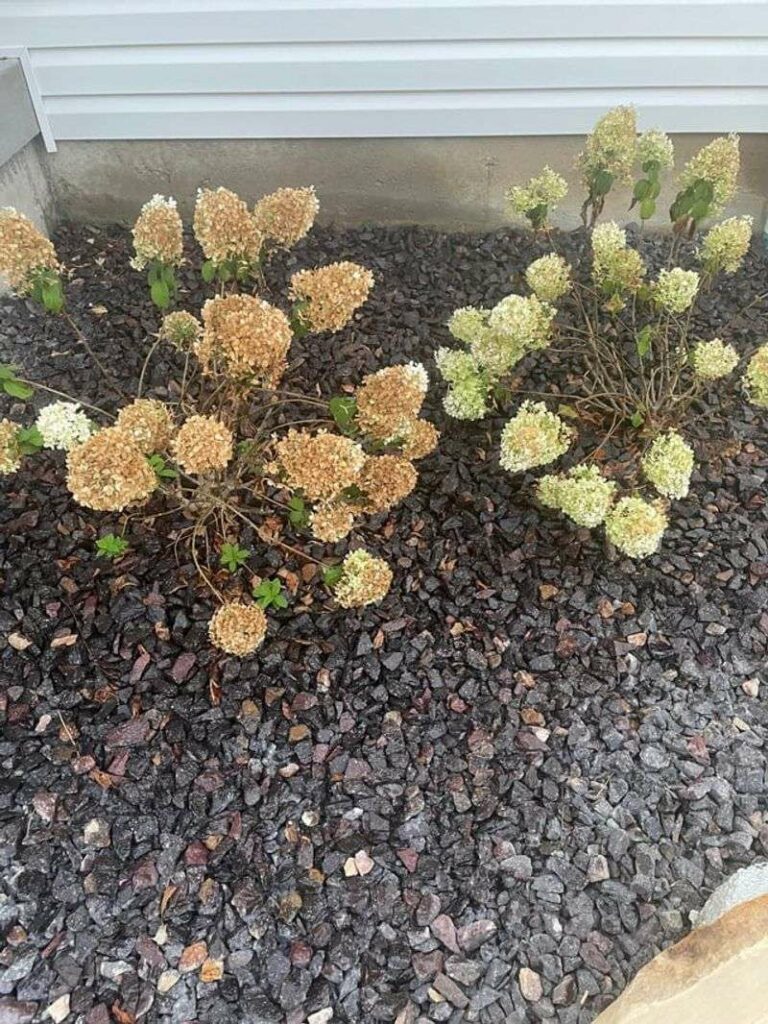
Mulch might not be the most exciting topic in gardening, but it is one of the most practical tools you have when it comes to keeping hydrangeas happy through warm summer months.
A good layer of mulch around the base of your plants does several important things at once, and most gardeners who use it wonder how they ever went without it.
When the sun warms the soil surface, roots can quickly overheat in exposed ground. Mulch acts as an insulating blanket that keeps the soil temperature more stable throughout the day.
Cooler roots mean a more comfortable plant, and a more comfortable plant blooms better and holds onto its flowers longer.
Mulch also slows down moisture evaporation from the soil. In dry summer stretches, this can cut down on how often you need to water.
Even a two to three inch layer of wood chips, shredded bark, or straw can make a noticeable difference in how quickly your soil dries out between rain events or watering sessions.
Keep the mulch a few inches away from the main stem of the plant. Piling it right up against the base can trap moisture and create conditions that are not ideal for the crown of the shrub.
A small gap around the stem is all it takes to avoid that issue.
Refreshing your mulch layer each spring is a simple yearly habit that pays off all season long. It is one of the easiest and most affordable ways to support your hydrangeas from the ground up.