Common Mistakes North Carolina Gardeners Make When Planting Camellias Along Shaded Walkways
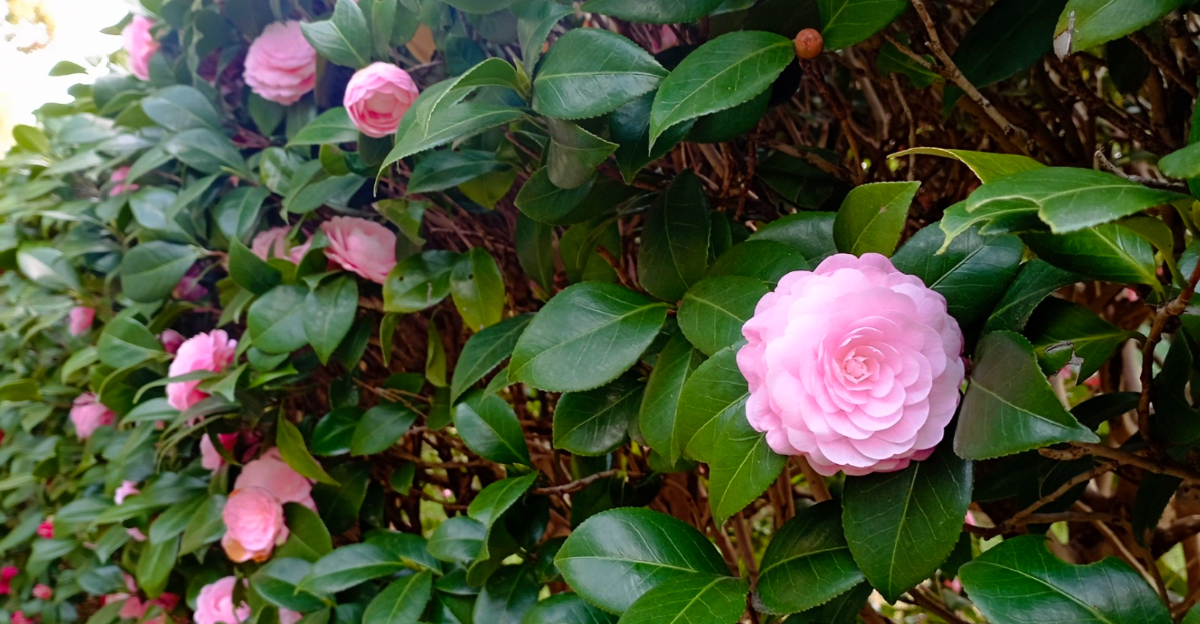
Camellias are genuinely one of the most rewarding shrubs you can plant along a shaded walkway in North Carolina.
Glossy evergreen leaves year round, gorgeous blooms showing up in winter and early spring when almost nothing else is flowering, and a presence that makes any path feel intentional and beautiful.
But here is where a lot of gardeners run into trouble: planting a camellia well takes more thought than picking something pretty at the nursery and digging the nearest available hole.
North Carolina landscapes throw a lot of variables at you.
Piedmont clay, humid coastal conditions, colder mountain winters: each one brings its own planting challenges.
Skip the drainage check, crowd the walkway, or skip the organic matter at planting time and you will be dealing with weak blooms and maintenance headaches for years.
Starting right makes all the difference.
1. Planting Camellias Too Close To The Walkway
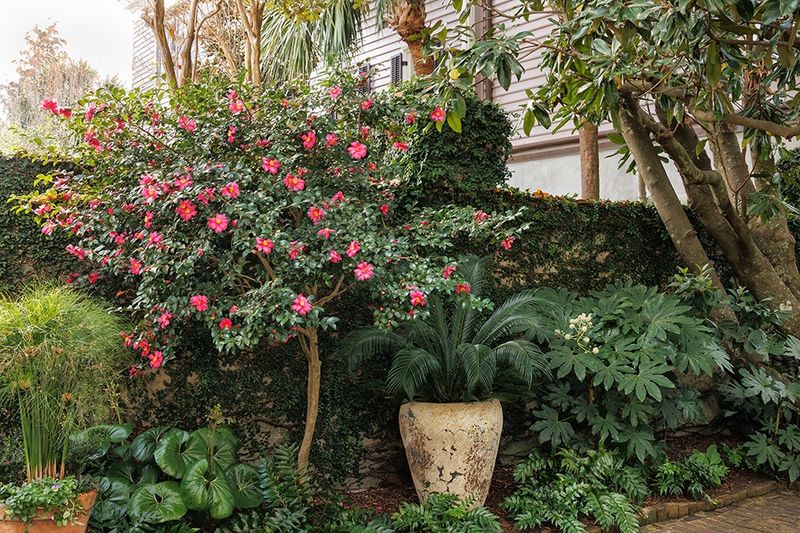
Evergreen shrubs brushing against a walkway might look lush at first, but give it a few years and that cozy look can turn into a real crowding problem. Camellias are slow growers, but they do reach a mature width of six to twelve feet depending on the variety.
Planting them too close to the edge of a path leaves almost no room for the shrub to spread naturally.
In North Carolina residential landscapes, walkways are often narrow to begin with, especially along side yards or front entry paths.
When camellias fill in and begin reaching across the pavement, branches can get damaged by foot traffic, and the shrub ends up needing constant pruning just to keep the path clear.
Over time, that repeated cutting can reduce blooms and stress the plant. A good rule of thumb is to plant camellias at least four to six feet back from the walkway edge, accounting for the mature width of the specific variety you choose.
Measuring spacing before planting saves a lot of frustration later and keeps the walkway feeling open and well-maintained rather than crowded and overgrown.
2. Choosing A Site With Poor Drainage
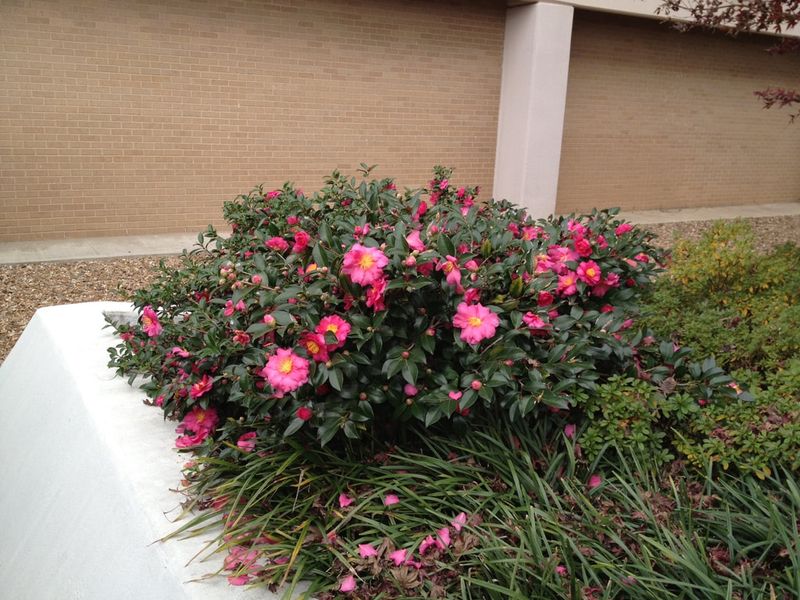
Rain collecting beside a walkway might seem harmless at first glance, but for camellias it can signal a serious site problem. These shrubs need moist soil, but they do not tolerate standing water or consistently waterlogged roots.
Poor drainage is one of the most common reasons camellias struggle in North Carolina landscapes, particularly in areas with heavy Piedmont clay.
Walkway beds are especially prone to drainage issues because concrete and compacted soil nearby can redirect water toward the planting area.
When roots sit in saturated soil for extended periods, the plant may show yellowing leaves, poor growth, or root problems that weaken the shrub over several seasons.
Before planting, check how quickly water drains from the site after a heavy rain. If water is still pooling several hours later, the spot likely needs improvement before camellias go in.
Raised planting, amended soil with organic matter, or grading adjustments can all help.
Choosing a site where water moves through the soil at a reasonable pace gives camellias a much better start and reduces the risk of long-term root stress along shaded North Carolina walkways.
Your North Carolina Garden Changes Every Week. Your Plan Should Too.
Gardening in North Carolina changes quickly throughout the season. Every Friday you’ll receive a simple weekly plan showing exactly what to plant, prune, fertilize, harvest, and protect so you never miss the right timing.
3. Ignoring Soil Acidity
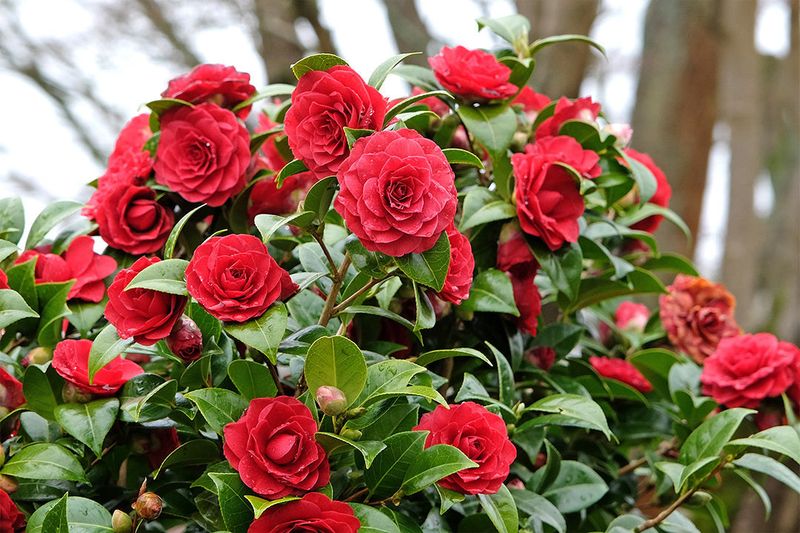
Soil pH might not be the most exciting topic in gardening, but getting it wrong can quietly undermine everything else you do for your camellias. These shrubs perform best in slightly acidic soil, generally in the range of 5.5 to 6.5.
When the pH drifts too high, camellias have trouble absorbing key nutrients even when those nutrients are present in the soil.
In North Carolina, soil pH varies quite a bit by region and by how much lime has been applied to a lawn or bed over the years. Walkway areas near concrete can also have higher pH levels because concrete leaches lime into nearby soil over time.
Gardeners who skip a soil test before planting often notice yellowing leaves between the veins, a symptom that points to nutrient deficiency tied to poor pH conditions.
A soil test through a local cooperative extension office is an easy, affordable way to know exactly what the soil needs before planting. Amendments like elemental sulfur can help lower pH gradually.
Addressing soil acidity before the shrubs go in the ground gives camellias a much stronger foundation for healthy growth and consistent blooming along shaded North Carolina walkways.
4. Planting In Deep Shade With Too Little Light
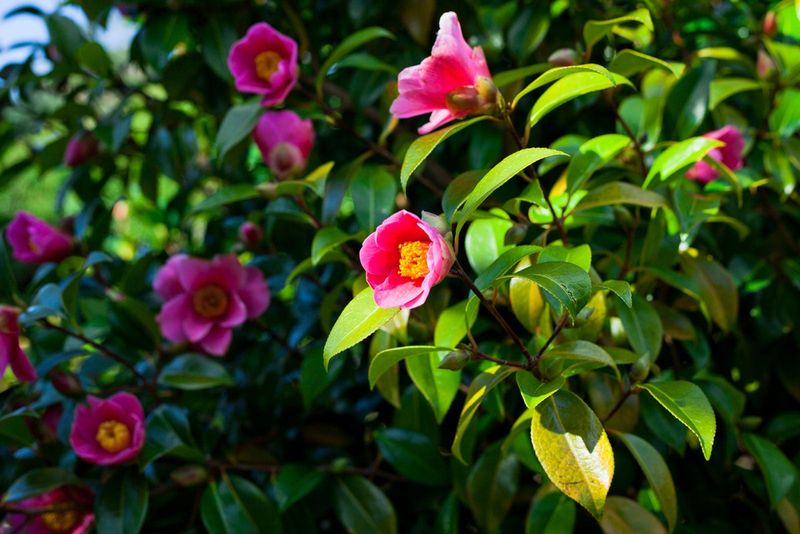
Filtered light streaming through a tree canopy can feel like the ideal setting for camellias, and in many cases it is. But there is a real difference between dappled shade and deep, dense shade that blocks most of the available light.
Camellias planted under heavy canopy or tucked tightly against a north-facing wall may not receive enough light to produce a satisfying bloom display.
Along shaded walkways in North Carolina, the light conditions can shift dramatically depending on the season, the tree species overhead, and how dense the canopy has become over the years.
A spot that felt like partial shade when the camellias were first planted might become much darker as surrounding trees mature and fill in.
Camellias generally prefer morning sun with afternoon shade, or consistent bright filtered light throughout the day. Without adequate light, the shrubs may grow slowly, produce fewer flower buds, and develop a leggier appearance over time.
Before choosing a planting spot, observe how much light the area actually receives throughout the day across different seasons.
Adjusting the location even slightly, perhaps a few feet toward a gap in the canopy, can make a noticeable difference in bloom quality and overall plant vigor.
5. Exposing Plants To Hot Afternoon Sun
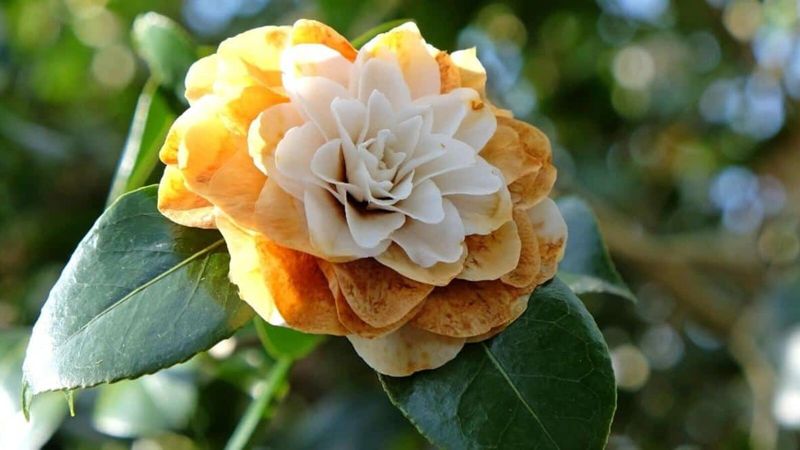
While camellias need some light to bloom well, too much direct afternoon sun creates a different set of problems entirely.
Hot afternoon sun in North Carolina, especially during summer months, can scorch camellia leaves, fade flower color, and stress plants that are not adapted to intense heat and direct exposure.
Walkways that run along south-facing or west-facing walls or open yards can funnel strong afternoon sunlight directly onto shrubs that would do far better with overhead shade or an eastern exposure.
Leaf scorch shows up as brown, papery patches on the edges or surfaces of leaves, and it tends to worsen during dry stretches when the plant is already under stress.
Choosing a planting site that receives morning sun and afternoon shade, or consistent filtered light, gives camellias the balance they need to thrive in North Carolina’s warm growing season.
Structures, fences, and existing trees can all create natural afternoon shade if positioned well relative to the walkway bed.
When evaluating a potential planting site, pay attention to where the sun hits the area between noon and late afternoon.
That window of direct exposure is often the deciding factor in whether camellias will thrive or simply struggle through each summer season.
6. Forgetting Protection From Cold, Dry Wind
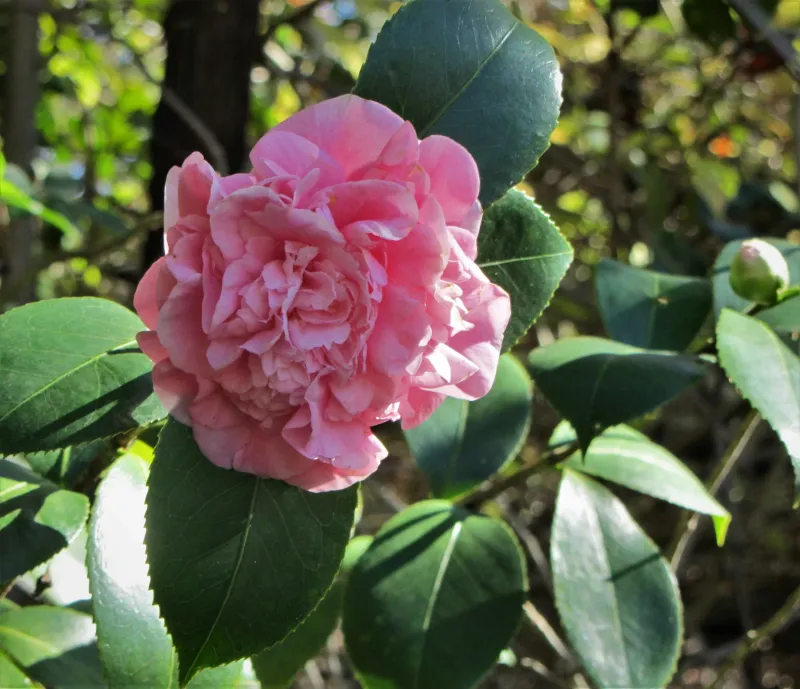
Cold, dry wind moving through a side yard or open walkway corridor can damage camellia flower buds and foliage even when temperatures stay above the plant’s cold tolerance threshold.
In North Carolina, winter wind exposure is a commonly overlooked factor, particularly in the Piedmont and mountain regions where cold fronts can push through quickly and drop temperatures sharply overnight.
Camellia flower buds are especially sensitive to sudden cold and drying winds during late fall and winter when the plant is preparing to bloom.
A site that looks sheltered in summer may become fully exposed once deciduous trees drop their leaves, leaving the walkway bed wide open to wind from the north or northwest.
Walls, fences, dense evergreen hedges, and building structures can all provide meaningful wind protection for camellias planted along shaded walkways. Evaluating wind patterns in fall and winter before selecting a planting site is a step many gardeners skip.
If a walkway runs along an open edge of the property with little natural shelter, it may be worth choosing a camellia variety with stronger cold and wind tolerance.
Adding a windbreak before planting can also help reduce exposure and protect developing flower buds through the colder months.
7. Skipping Organic Matter In Poor Soil

Compacted, nutrient-poor soil along a walkway bed is one of the toughest environments to establish any shrub, and camellias are no exception.
North Carolina soils, particularly the dense red clay found throughout the Piedmont, can be heavy and poorly aerated without amendment.
Skipping organic matter at planting time is a shortcut that often leads to slow establishment and underwhelming growth.
Organic matter like compost, aged pine bark, or leaf mold improves soil structure, helps retain moisture without waterlogging, and encourages the kind of microbial activity that supports healthy root development.
Along shaded walkways where soil may have been compacted by foot traffic, construction activity, or years of neglect, working organic matter into the planting bed before installation makes a noticeable difference.
The improvement does not have to be elaborate. Incorporating several inches of quality compost into the top layer of soil and mixing it through the planting area gives camellia roots a much better environment to establish and spread.
Raised beds with amended soil are another option for walkway plantings where native soil quality is particularly poor.
Taking the time to prepare the soil well before planting sets camellias up for stronger root growth, better moisture retention, and healthier foliage throughout the growing season in North Carolina landscapes.
8. Letting Concrete And Compaction Limit Roots
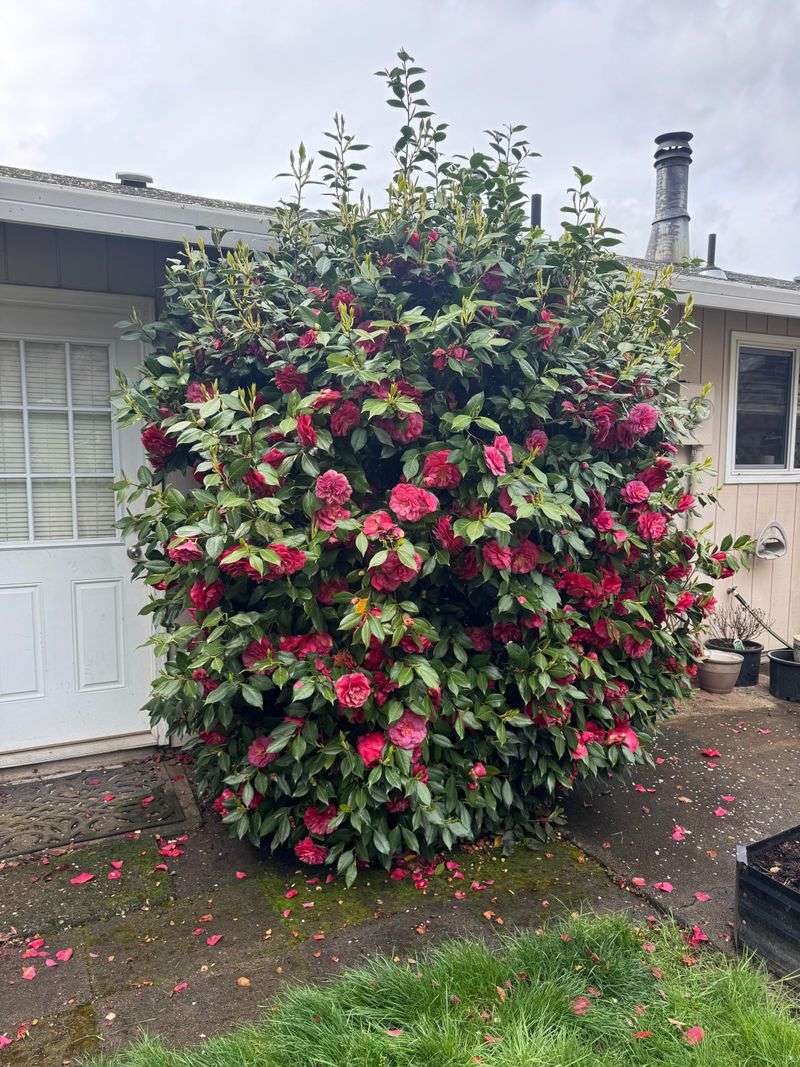
Walkway plantings sit right next to one of the most root-unfriendly surfaces in a residential landscape: concrete. Paths, driveways, and paved edges create barriers that compact the surrounding soil, restrict root spread, and can even alter soil chemistry.
For camellias planted close to concrete, these conditions can limit how well the shrub establishes and how healthy it remains over the long term.
Compacted soil near concrete has less pore space for air and water movement, which makes it harder for roots to penetrate and spread.
In North Carolina clay-heavy soils, this compaction problem can be especially pronounced in areas where construction equipment or foot traffic has pressed the soil down over time.
Roots that cannot spread freely tend to circle back on themselves or stay concentrated in a small zone near the planting hole.
Loosening the soil well beyond the planting hole before installation gives roots more room to explore and establish.
Breaking up compacted areas with a garden fork, adding organic matter, and avoiding heavy foot traffic near the root zone after planting all support better root development.
Keeping the planting area a reasonable distance from the concrete edge also helps reduce compaction stress and gives camellias more soil volume to work with as they mature along North Carolina walkways.
9. Mulching Too Heavily Against The Trunk
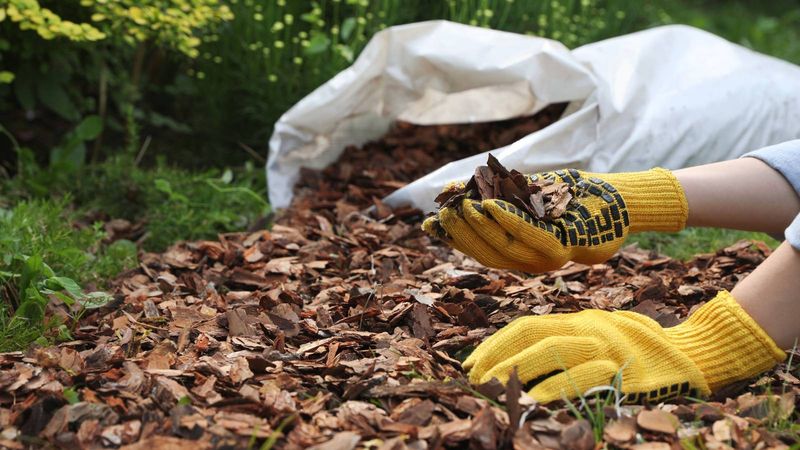
Mulch along foundation beds and walkway plantings is genuinely helpful for camellias, keeping roots cool, retaining moisture, and moderating soil temperature through North Carolina’s warm summers and unpredictable winters.
But there is a point where good intentions with mulch become a real problem, and that point is when mulch gets piled against the trunk of the shrub.
Mounding mulch directly against the base of a camellia, sometimes called a mulch volcano, traps moisture against the bark and creates conditions that can lead to bark decay, fungal issues, and pest activity near the crown of the plant.
Over time, this kind of damage weakens the shrub from the base up, and the signs can be slow to appear until the problem is already well established.
Mulch should be applied in a layer roughly two to three inches deep across the root zone, kept a few inches away from the trunk itself. Think of the mulch as a ring around the shrub rather than a pile against it.
Pulling mulch back from the base costs nothing and takes only a few minutes, but it makes a meaningful difference in the long-term health of camellias planted along shaded North Carolina walkways and foundation beds.
10. Pruning At The Wrong Time
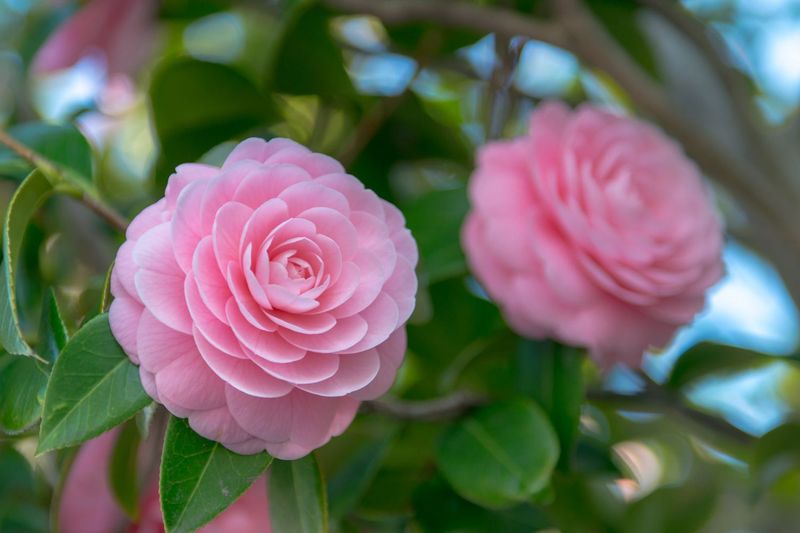
Reaching for the pruning shears at the wrong time of year is one of the most common reasons North Carolina gardeners end up with camellias that skip a bloom season.
Camellias set their flower buds in late summer and early fall, which means any pruning done after that window removes the buds that would have opened the following winter or spring.
Along shaded walkways where camellias may brush against the path or outgrow their space, the instinct to trim them back in late summer or fall is understandable.
But cutting at that point removes a full season of blooms and can leave the shrub looking bare and unbalanced during the time of year when its flowers are most welcome.
The best window for pruning camellias is right after they finish blooming, before new growth and bud development begin later in the season. For fall-blooming varieties, that window falls in late winter or very early spring.
For spring-blooming types, pruning shortly after the flowers fade works well. Keeping track of when your specific camellia variety blooms makes it much easier to time pruning correctly.
A well-timed cut keeps walkway plantings tidy, encourages good form, and protects the flower buds that make North Carolina camellia plantings so rewarding each season.