The One Hosta Variety Ohio Gardeners Recommend For Heat That Many People Have Never Tried
Ohio hostas have a reputation. Reliable. Shade-loving. The kind of plant that fills difficult corners without requiring much thought.
And then August arrives and the performance review gets complicated.
Pale leaves. Papery edges. Clumps that looked lush in May suddenly looking like they need a long rest somewhere cooler. Ohio gardeners tend to accept this as standard hosta behavior and adjust their expectations accordingly.
A smaller group discovered something different years ago. They found one variety that handles Ohio summers without the familiar August decline.
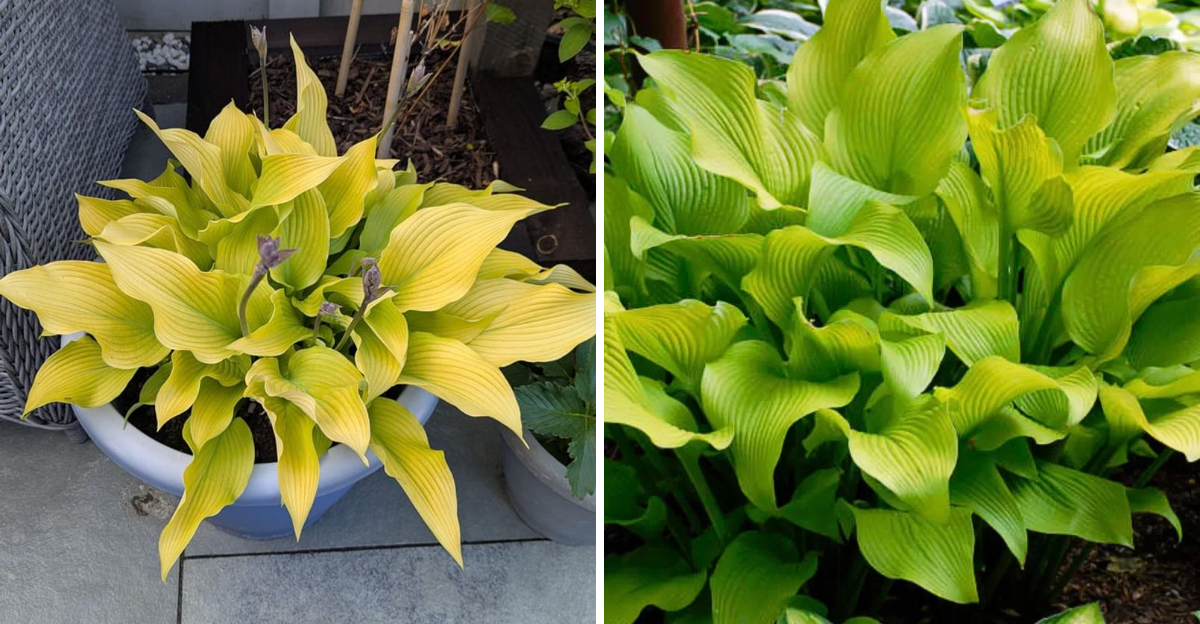
It holds its golden color through heat waves. The foliage stays full. The plant does not seem to notice that the rest of the garden is quietly struggling.
Have you ever seen a hosta glowing yellow-gold at a plant swap while everyone around it nodded like they already knew the name?
That variety has been building a loyal following in Ohio gardens for years. Gardeners hear about it secondhand before ever growing it themselves. The ones who do grow it tend to tell everyone they know.
1. Start With Sun Power Hosta
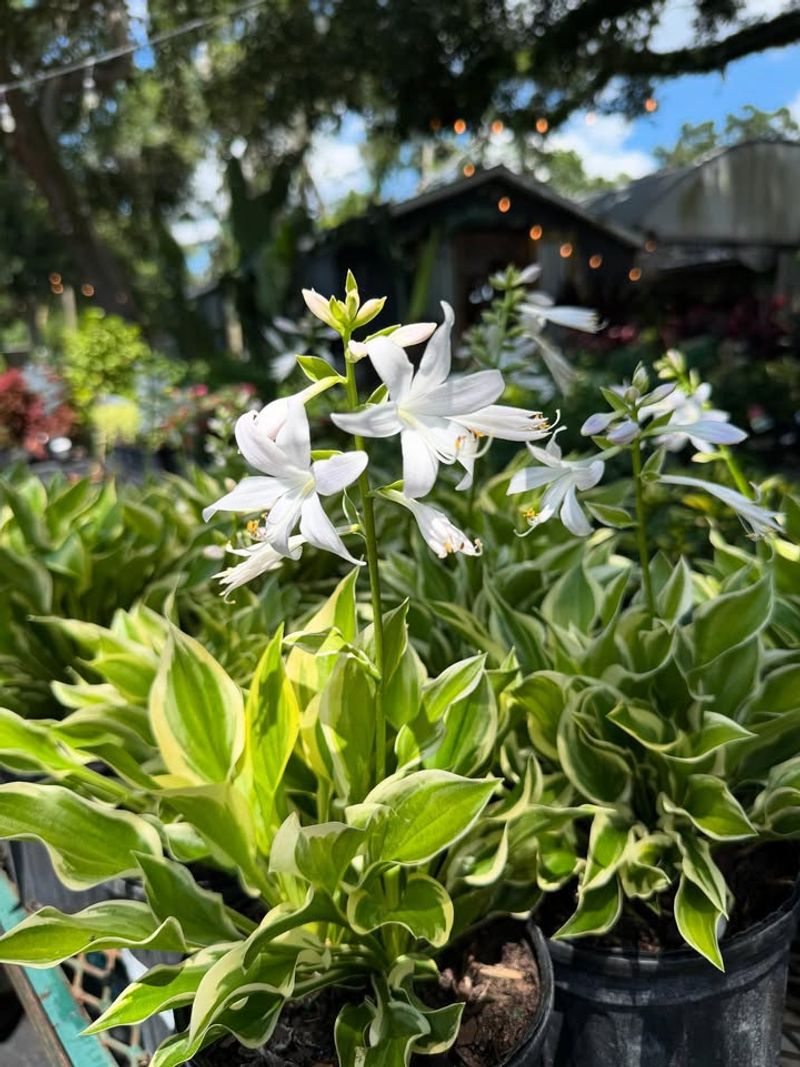
Sun Power hosta is the variety Ohio gardeners keep mentioning at plant swaps and garden club meetings. Once you see it in person, the enthusiasm makes complete sense.
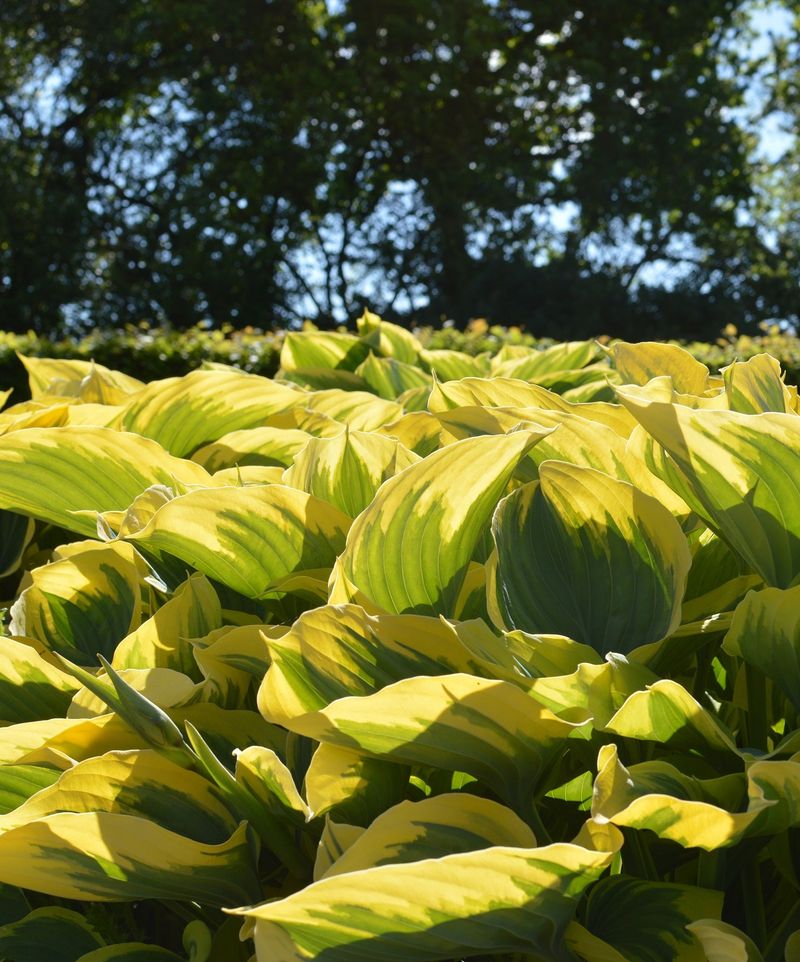
The leaves are large, reaching up to ten inches, and they glow a bright golden-yellow that stands out immediately in any shade bed.
The color does not fade through the season the way lighter hostas often do. It holds through July and into August with a vibrancy that makes other hostas look tired by comparison.
What sets Sun Power apart is the combination of visual impact and heat tolerance. Standard golden-colored hostas struggle when temperatures climb and humidity settles in.
Sun Power was developed with stronger sun tolerance in mind, which means it handles conditions that stress a typical shade hosta significantly.
Plant it where it has room to become what it wants to be. Sun Power grows large, reaching three feet tall and four to five feet wide at maturity.
That scale is part of the appeal. A single well-established plant makes a statement that most perennials cannot match.
The planting location shapes everything about how this variety performs. Getting placement right from the beginning prevents the heat and light stress that eventually affects even the toughest hostas.
Have you been tucking Sun Power into the deepest shade in the yard while growing less interesting hostas in the spots with morning light?
That is a swap worth reconsidering before next spring.
2. Give It Morning Sun Only
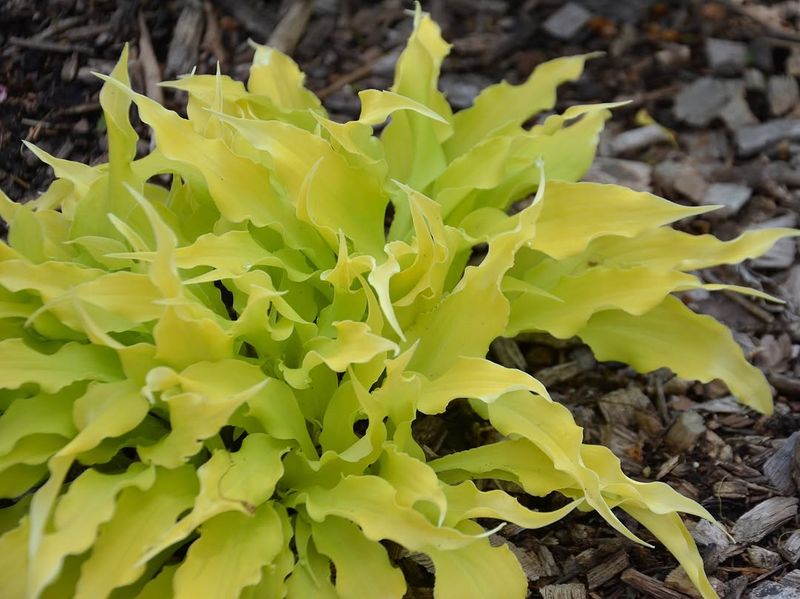
The golden-yellow foliage that makes Sun Power worth growing is also the thing most sensitive to how light reaches it.
That color intensifies in the morning sun. It fades and scorches in afternoon heat. Getting the light balance right is the difference between a plant that glows all season and one that looks progressively worse from July onward.
Two to four hours of gentle morning light is the productive range for Sun Power in Ohio gardens.
That window gives the leaves enough direct light to deepen and saturate the golden color without the sustained intensity that afternoon exposure brings during peak summer months.
Your Ohio Garden Changes Every Week. Your Plan Should Too.
Gardening in Ohio changes quickly throughout the season. Every Friday you’ll receive a simple weekly plan showing exactly what to plant, prune, fertilize, harvest, and protect so you never miss the right timing.
East-facing locations are the natural sweet spot. The plant receives strong morning sun and transitions into shade before the heat index climbs toward its July and August peak.
North-facing positions with some filtered morning light also work well for gardeners whose yards do not offer a clean eastern exposure.
The afternoon sun between noon and five is the part worth avoiding. Ohio summers push afternoon temperatures well past what golden-leafed hostas manage comfortably.
West or south-facing exposures amplify that problem with reflected heat from structures and pavement.
So, which direction your current hosta bed faces at ten in the morning on a clear July day? That specific piece of information shapes the entire placement decision more than any other factor.
Morning sun is not optional for Sun Power. It is the reason the golden color looks the way it does.
3. Keep Gold Leaves Out Of Afternoon Heat
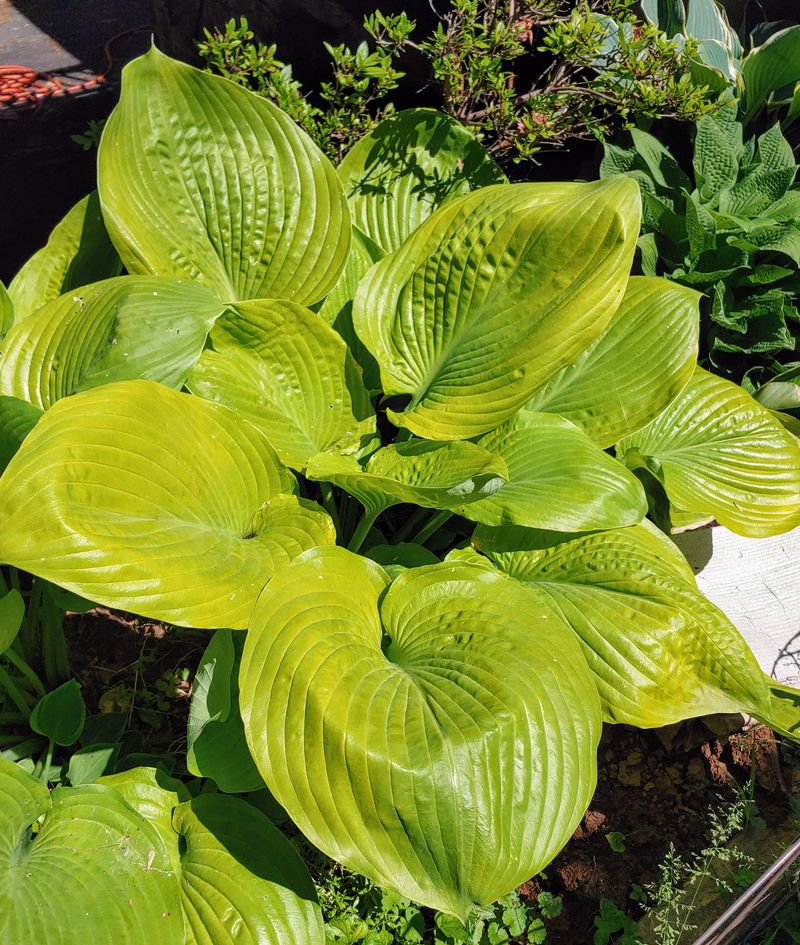
Sun Power earns its reputation in morning light and loses it in afternoon heat. The distinction matters more than Ohio gardeners typically realize when they first encounter this variety at a nursery.
Golden and yellow-leafed hostas lack the chlorophyll density that protects darker green varieties from sun damage.
That lighter pigmentation creates the bright color, and it also makes the leaves vulnerable when direct sun arrives during the hottest hours of the day.
Ohio afternoons in July and August routinely push into the upper nineties. Afternoon sun exposure during those weeks bleaches the golden color toward a washed-out yellow-white.
It also raises leaf surface temperature significantly, and eventually produces the dry, papery margin damage that signals the plant is working too hard to manage heat rather than growing productively.
West-facing beds and south-facing borders with afternoon exposure are the locations to avoid. Planting near light-colored walls, concrete, or pavement compounds the problem by adding radiant heat to direct sun.
Shade from a nearby tree canopy, a fence positioned to the west, or a taller shrub that intercepts late afternoon light all provide adequate protection without limiting the morning exposure Sun Power needs.
Watch the leaf color through the season as the most reliable indicator of whether placement is working. Deepening, saturated golden color through August confirms the light balance is correct.
Are the leaves in your Sun Power bed getting more washed out as summer progresses? The afternoon sun has a confession to make.
4. Build Moist Rich Soil First
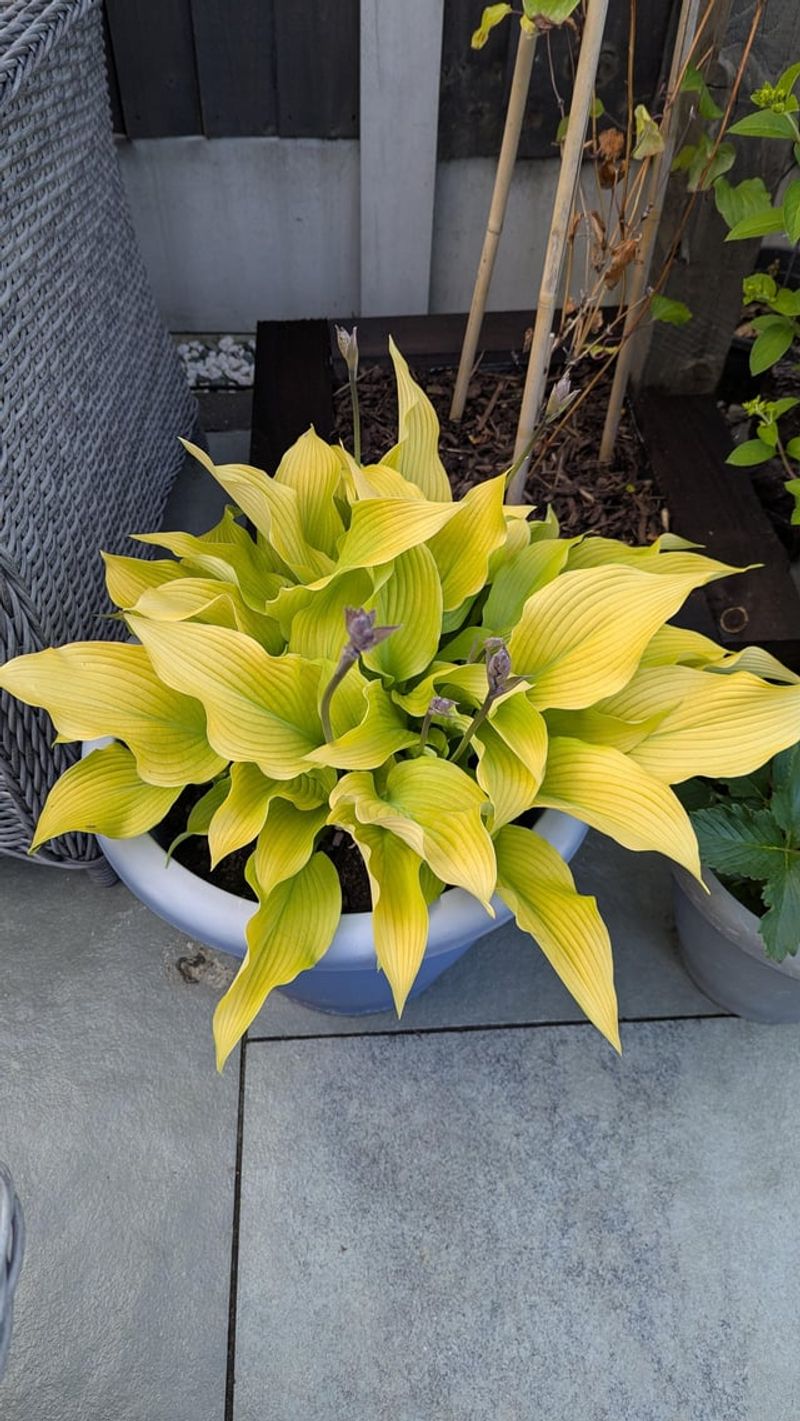
Sun Power is a large, vigorous hosta with ambitions that match its mature footprint. A plant capable of reaching four to five feet wide needs soil that supports sustained, season-long growth.
The wrong soil foundation creates limitations that watering and fertilizing cannot fully compensate for later in the season.
Rich, moisture-retentive soil loaded with organic matter is the foundation Sun Power builds on. Ohio gardens with heavy clay or compact native soil benefit from generous compost amendment before planting.
Working four to six inches of finished compost into the planting area loosens compacted soil, improves drainage, and builds the water-holding capacity that keeps roots consistently moist without becoming waterlogged.
Moisture retention matters specifically for large hostas that produce substantial leaf area through summer. Those broad leaves lose water through transpiration at a rate that competes with what roots can deliver from dry or compacted soil.
Rich organic soil extends the window between waterings and keeps the plant comfortable through Ohio’s drier summer stretches.
The planting hole itself should be wide rather than just deep. Sun Power roots spread outward in the top layers of soil rather than driving straight down.
A wide, well-amended area gives those roots the loose, productive zone they need to establish well during the first season.
Prepare the soil before the plant goes in rather than trying to improve it around an established crown. Good soil is not a luxury for Sun Power. It is the operating environment.
If you ever tried to fix poor soil after a large hosta was already established, well, that’s highly inconvenient. Not recommended.
5. Mulch Roots Before July Heat
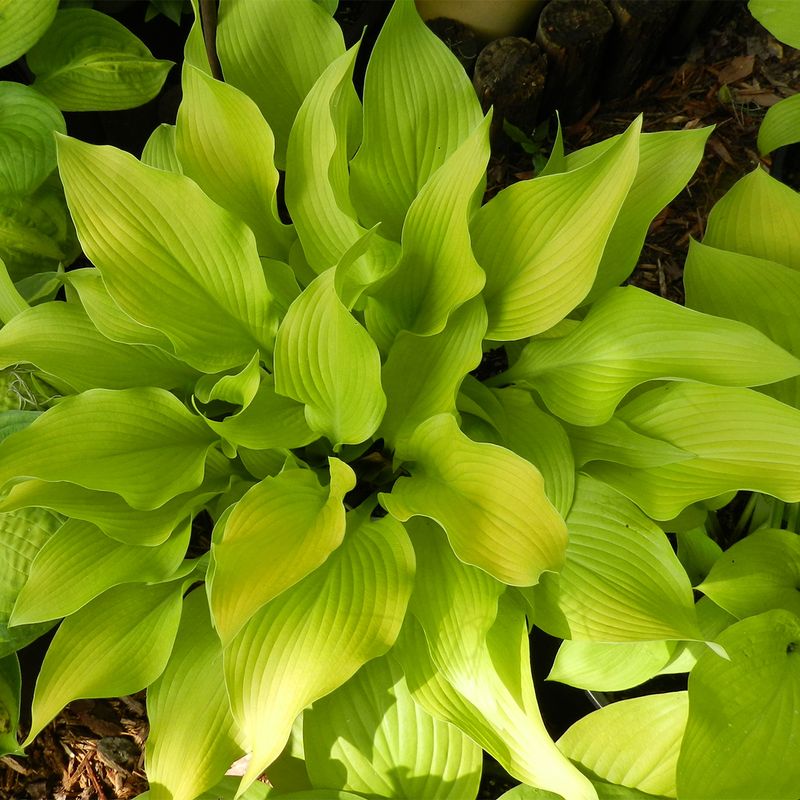
Ohio soil surface temperatures during July and August can climb well past what hosta roots manage comfortably.
The root zone of a large, shallow-rooted plant like Sun Power sits close enough to the surface that temperature spikes directly affect how the plant handles heat stress through the season.
A two to three inch layer of organic mulch applied over the root zone before summer heat arrives creates the buffer that keeps that system working.
Shredded hardwood, bark chips, and shredded leaves all reduce soil temperature, slow moisture evaporation between waterings, and improve the growing environment through the hottest weeks.
Apply mulch in late spring before heat builds rather than waiting until the plant already shows stress. Pre-summer application gives roots the thermal protection they need from the beginning of the hot season rather than midway through it.
One placement detail is worth taking seriously. Keep mulch pulled back a few inches from the base of the crown.
Mulch pressed directly against the stems creates the moist, stagnant conditions that encourage rot and fungal problems at the plant’s most vulnerable point.
Has the mulch in your shade beds been refreshed this season, or is it carrying over from last year at a depth that no longer provides meaningful protection?
A fresh two to three inch layer costs very little and changes how Sun Power handles the weeks when Ohio summer is at its most demanding.
The roots appreciate the gesture. The plant shows it in the foliage.
6. Water Deep During Dry Spells
Sun Power produces a substantial amount of leaf area that requires consistent moisture to support through Ohio summer.
The broad, golden foliage that makes this variety worth growing also loses water through transpiration at a rate that demands reliable root zone moisture, particularly during dry stretches in July and August.
Deep irrigation encourages roots to grow downward into cooler, more stable soil layers. That root depth builds the resilience that carries Sun Power through dry periods without the stress response that shows up as wilting leaves and declining foliage color.
Short, frequent surface cycles keep roots near the top of the soil where it heats fastest and dries quickest.
That pattern creates a plant permanently dependent on the next watering rather than building independent moisture reserves below the surface.
Water deeply two to three times per week during dry Ohio summers rather than lightly every day. Each session should push moisture six to eight inches below the surface.
A slow soaker hose or drip line accomplishes this efficiently and keeps water off the foliage, which reduces fungal pressure in the humid conditions Ohio summers reliably deliver.
Check soil moisture by pushing a finger or narrow probe three to four inches into the root zone before running another cycle.
Moist soil at that depth means the previous session is still working. Dry soil at that depth means the plant is ready for the next one.
Deep roots and consistent moisture make Sun Power look the same in August as it did in June. That is the goal. The early morning watering session is how it happens.
7. Divide Crowded Clumps In Spring
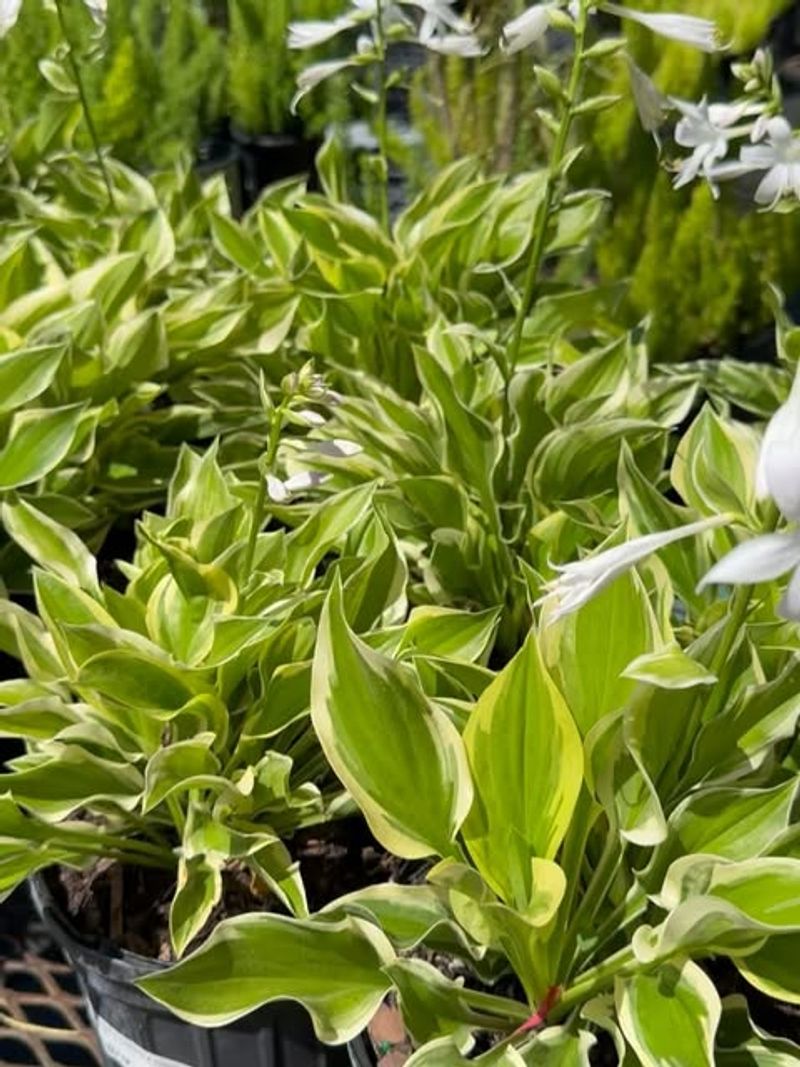
Sun Power hostas grow larger every season and build increasingly dense root masses as the clump matures.
After three to four years in the ground, the root system reaches a point where competition between crowded crowns reduces the vigor and foliage quality that made the plant worth growing.
Early spring division, before new growth begins pushing up through the soil, resets that dynamic. Each section gets fresh space, improved access to soil moisture and nutrients, and the ability to establish its own root zone before summer heat arrives.
Early spring is the correct window because the plant has not yet invested significant energy into the current season’s foliage.
Later division, after leaves are fully emerged, stresses the plant considerably more and slows how quickly each section recovers.
The soil is also workable and moist in early spring, which makes the process easier on both the gardener and the roots.
A sharp spade or a large garden fork inserted directly through the center of the crown creates clean sections with healthy root attachments.
Each piece needs at least one growth point, called an eye, plus an attached root mass to establish successfully as a new plant.
Sections planted in amended soil with consistent first-season watering reestablish quickly and produce full, vigorous foliage within two growing seasons.
If you have a Sun Power clump that looked slightly less impressive this year than it did two seasons ago, division is probably overdue. The clump has been waiting for you to notice.
8. Watch Leaf Scorch Before It Spreads
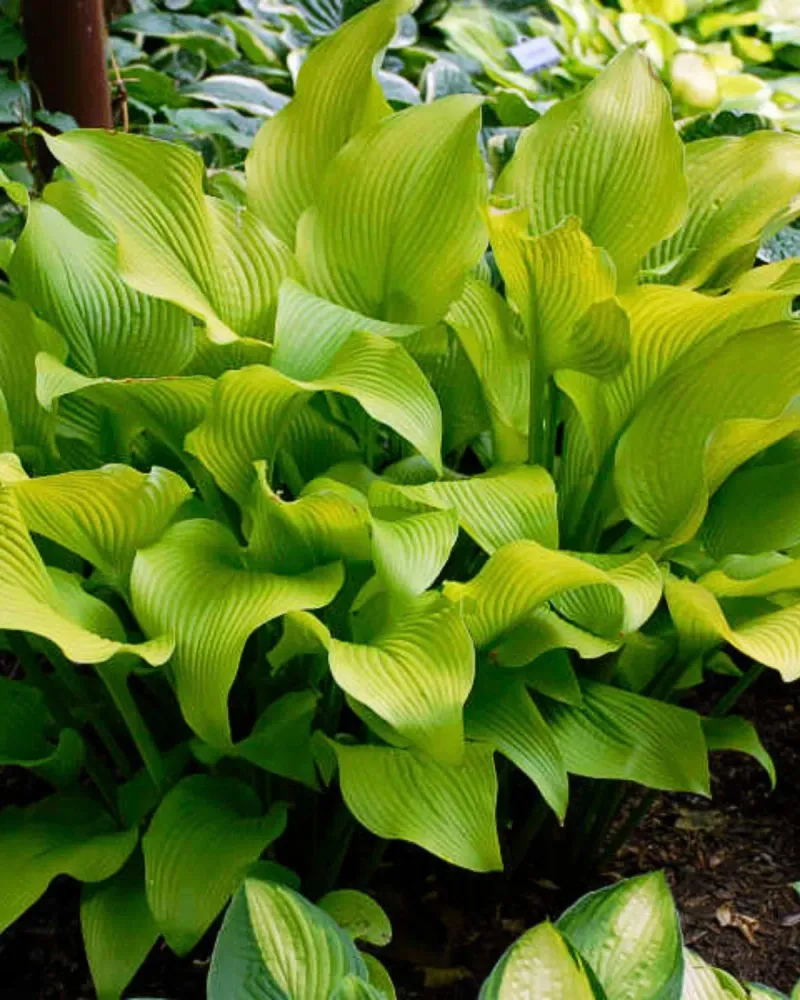
Leaf scorch on Sun Power announces itself with specific visual signals worth knowing early in the season.
The margins develop a dry, papery texture and shift from the characteristic golden-yellow toward a bleached tan or brown. The change typically starts at the outer edges and progresses inward.
Early detection changes how much foliage is affected by August. A plant showing early scorch in late June can recover with adjusted care.
The same plant left unaddressed through July typically loses a substantial portion of its leaf quality before fall.
The two most common causes in Ohio gardens are afternoon sun exposure and inadequate soil moisture during heat events.
Sun Power tolerates more light than typical hostas, but the golden leaves still have limits that direct afternoon sun in July consistently pushes past.
Check the direction of afternoon light reaching the bed around three in the afternoon on a clear day. That single observation tells you whether sun exposure is the primary cause.
Check soil moisture at three to four inches below the surface. Dry soil during a heat wave combined with afternoon exposure creates the conditions where scorch develops quickly.
A container-grown Sun Power can be moved to a more protected position without much disruption.
An established in-ground plant is more disruptive to relocate mid-season but still possible in early evening with immediate deep watering to follow.
Leaf scorch on a golden hosta is the plant’s version of a strongly worded letter. A June reading costs considerably less than an August one.