If You See This On Your California Apple Tree, Remove It Immediately Before It Reaches The Roots
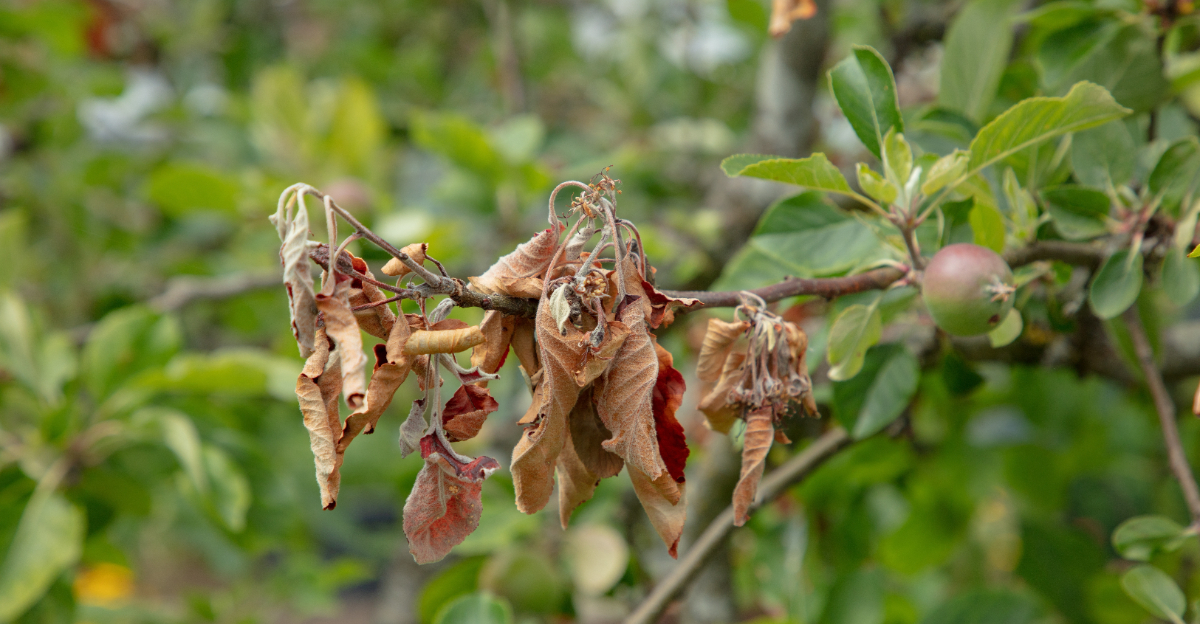
Apple trees can hide trouble in plain sight, especially when spring growth is soft and fast. One odd-looking shoot may not seem like much at first.
Then the leaves curl, the branch tip bends, and the problem starts moving farther into the tree. In California, fire blight can spread quickly when warm weather and moisture line up.
That is why early action matters so much. The warning signs often show up on new shoots before gardeners realize how serious they are.
Left alone, the infection can move beyond small branches and become much harder to manage. A quick, careful response can protect more of the tree and give it a better chance to keep producing.
Know what to look for, and do not wait once those classic signs appear.
1. The Hooked Black Shoot Tip Is The Warning Sign
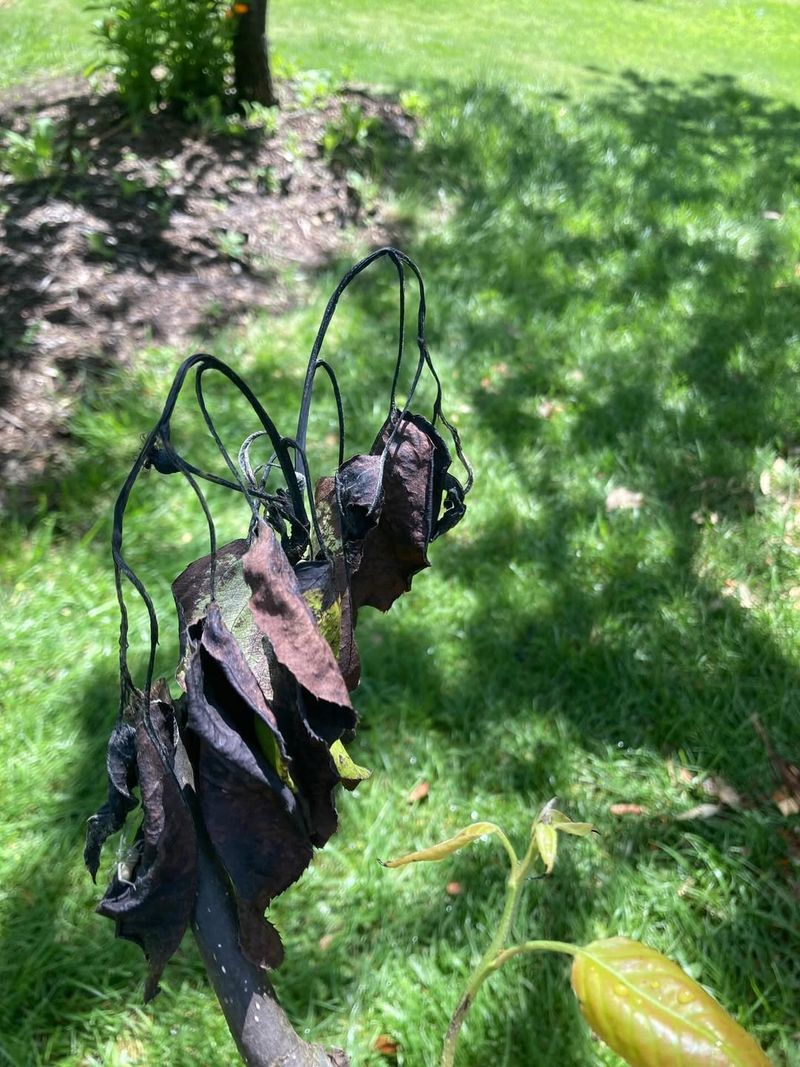
That bent, blackened tip curling over like a shepherd’s crook is not just a cosmetic problem. It is the first clear signal that fire blight has entered your apple tree.
The bacterium moves down through the shoot and causes the soft, growing tissue to collapse before it can fully harden.
When you spot this shape, do not assume the tree will fix itself. The hook forms because the tip loses water pressure as the infection spreads inward.
The outer skin may still look slightly green at first, but the inside is already compromised.
Check your trees regularly during spring, especially after warm rainy days. New growth is the most vulnerable part of the tree.
Walk around each tree and look at the tips of every young shoot. A healthy shoot tip points upward and stays firm.
An infected tip droops, darkens, and curls within days of infection. The sooner you catch this sign, the less damage the bacteria will cause.
Early removal keeps the infection from traveling further down the branch toward the trunk and root system.
Grab your pruning shears as soon as you see that telltale hook. Do not wait for the shoot to fully blacken.
Acting at the very first sign gives your tree the best possible chance of staying healthy through the rest of the growing season.
2. Fire Blight Can Move Fast Through Young Apple Growth
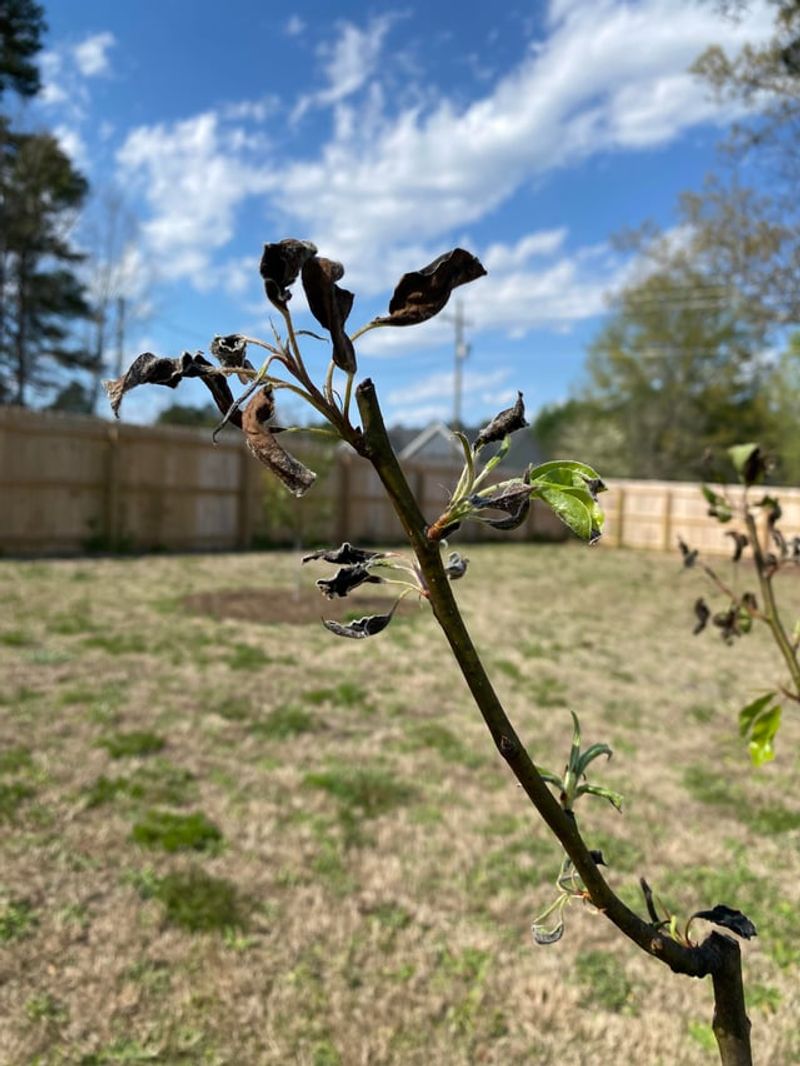
Speed is what makes fire blight so alarming in California. Under the right conditions, the bacteria can travel several inches down a shoot in a single day.
Warm temperatures between 75 and 85 degrees, combined with moisture, create the perfect environment for rapid spread.
Young growth is especially at risk because the tissue is soft and has not yet developed the tougher outer layers that older wood has.
New shoots that burst out in spring are like open doors for the bacteria to enter and travel through quickly.
Once inside the shoot, the bacteria multiply and move downward through the water-carrying vessels of the tree.
This is why a small infected tip can become a major branch problem within just one or two weeks. Many growers are surprised by how fast things change.
Checking your trees every few days during the spring flush is one of the most effective habits you can build. Do not wait for your weekly garden walkthrough if conditions have been warm and wet.
More frequent checks during high-risk weather can catch new infections before they travel far.
Young trees are especially vulnerable because they tend to put out more new growth than older, established trees.
If your apple tree was planted within the last three years, give it extra attention during spring. Catching a fast-moving infection early is the most powerful tool you have.
3. Blossoms May Turn Brown Before Shoots Collapse
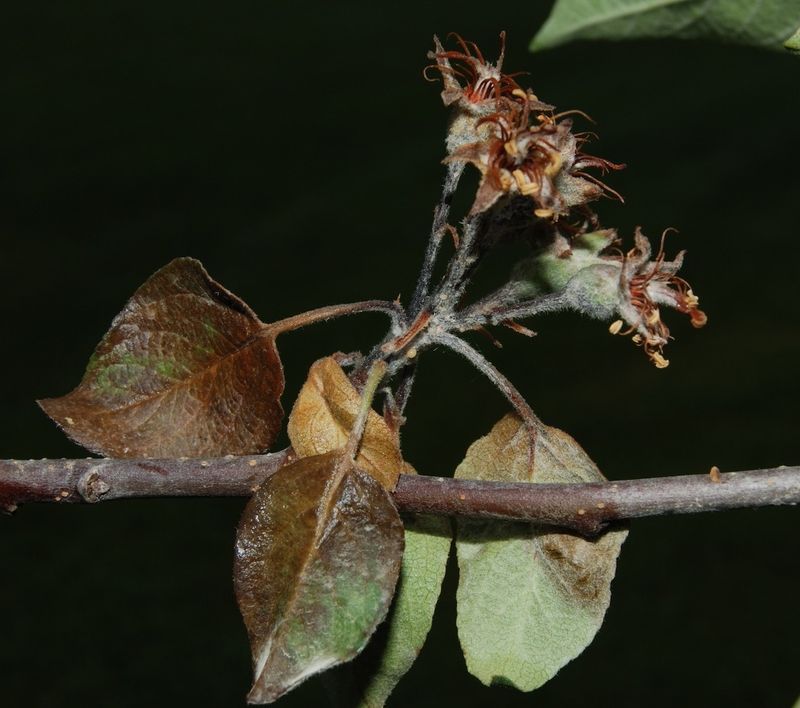
Most people expect to see the problem start in the branches, but fire blight often begins in the blossoms.
During bloom, the flowers are wide open and full of sugary nectar that attracts both insects and bacteria.
Bees and other pollinators can carry the bacteria from flower to flower without anyone noticing.
Infected blossoms do not fall off right away. Instead, they turn brown and stay stuck to the branch, looking almost like they were singed by fire.
This is actually how the disease got its name. The browning spreads from the petals into the stem of the flower cluster.
From the blossom, the bacteria move into the small branch that holds the flower. Then they continue moving down into larger wood.
This path from blossom to branch to trunk is the most common route fire blight takes through an apple tree.
Watch closely during and after bloom time. If you see flowers that look water-soaked or brownish while other blossoms are still healthy, that is a red flag.
Remove the infected flower cluster right away, cutting several inches below where the browning ends.
Keeping notes about which branches had blossom infections helps you monitor those areas more closely later in the season.
Blossom blight is easier to miss than shoot blight, but catching it early can prevent a much larger infection from developing deeper in the tree.
4. Cankers Let The Bacteria Survive Into Next Spring
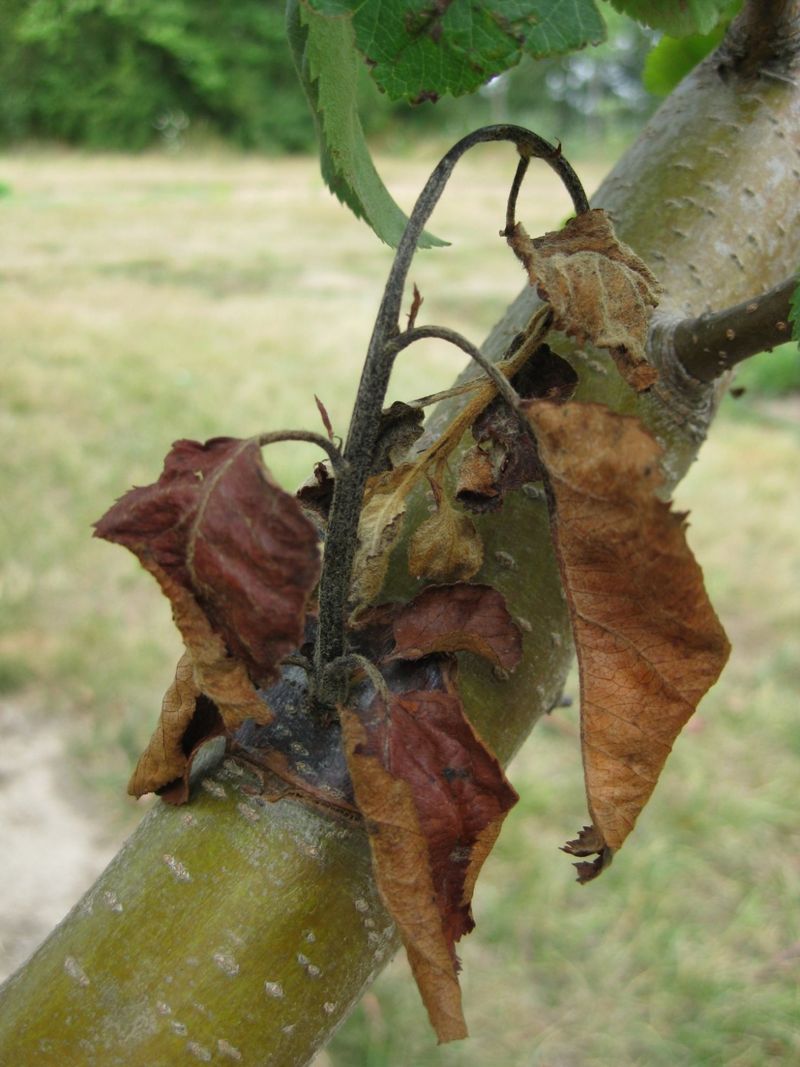
After the California growing season ends, fire blight does not simply go away. The bacteria retreat into the wood and form what are called cankers.
A canker looks like a sunken, discolored patch on a branch or trunk. It may have a slightly water-soaked appearance or show a clear border between dark and healthy wood.
These cankers act as a storage site for the bacteria during the cold months. When warm spring weather returns, the bacteria become active again and start oozing out of the canker edges.
Rain and insects then carry that ooze to new blossoms and shoots, starting the cycle all over again.
Removing cankers during the dormant season is one of the best things you can do to reduce fire blight pressure in the following year.
Late winter is the ideal time for this work because the bacteria are less active and easier to remove without spreading.
Use a sharp, clean pruning saw to cut out the cankered wood. Make your cut several inches into healthy tissue to make sure you remove all infected material.
The wood inside a healthy cut should look creamy white, not brown or streaked.
Leaving cankers on the tree is like leaving a loaded problem sitting right on the branch. Every canker you remove in winter is one less source of infection the following spring.
This step is often skipped, but it makes a real difference in keeping your tree clean and productive.
5. Do Not Wait For The Damage To Spread Downward
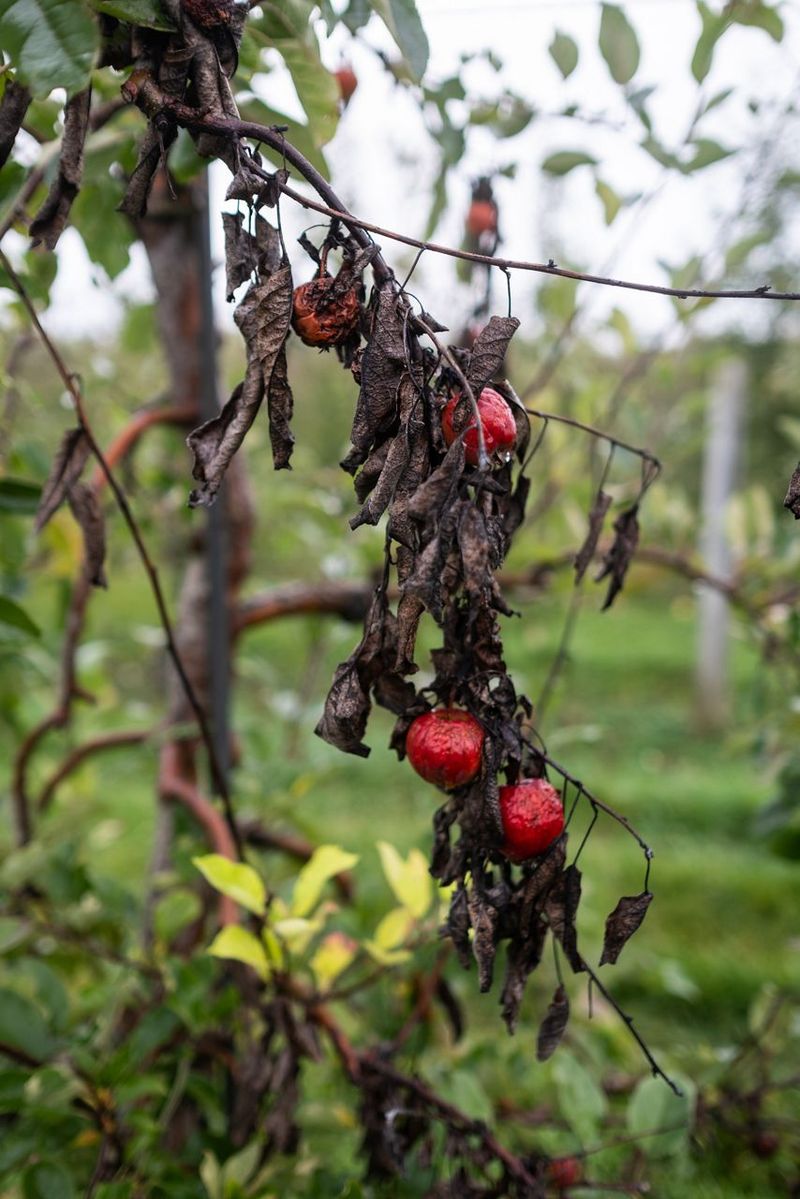
One of the most common mistakes California apple tree owners make is watching and waiting to see if the infection gets worse before taking action.
By the time the damage is obvious throughout the branch, the bacteria may already be moving toward the main trunk. Waiting costs you wood, and sometimes the whole tree.
The deeper fire blight travels, the harder it becomes to remove completely. Pruning out a shoot tip is simple.
Cutting out a large scaffold branch is a much bigger loss. And if the bacteria reach the rootstock, recovery becomes extremely difficult.
Acting quickly is not about being reactive or panicked. It is about understanding how the disease moves and making smart decisions based on that knowledge.
Every day you delay gives the bacteria more time and more tissue to travel through.
Set a clear personal rule for yourself: if you see any sign of fire blight, you act that same day. Do not put it off until the weekend or your next scheduled garden session.
Get your tools, disinfect them, and make the cut while the infection is still in the upper portion of the shoot.
The good news is that quick action really does work. Many growers have saved heavily infected trees simply by being decisive and removing infected wood as soon as it was spotted.
Your tree is resilient, but it needs your help to stay ahead of a fast-moving bacterial infection.
6. Prune Infected Shoots Well Below The Symptoms
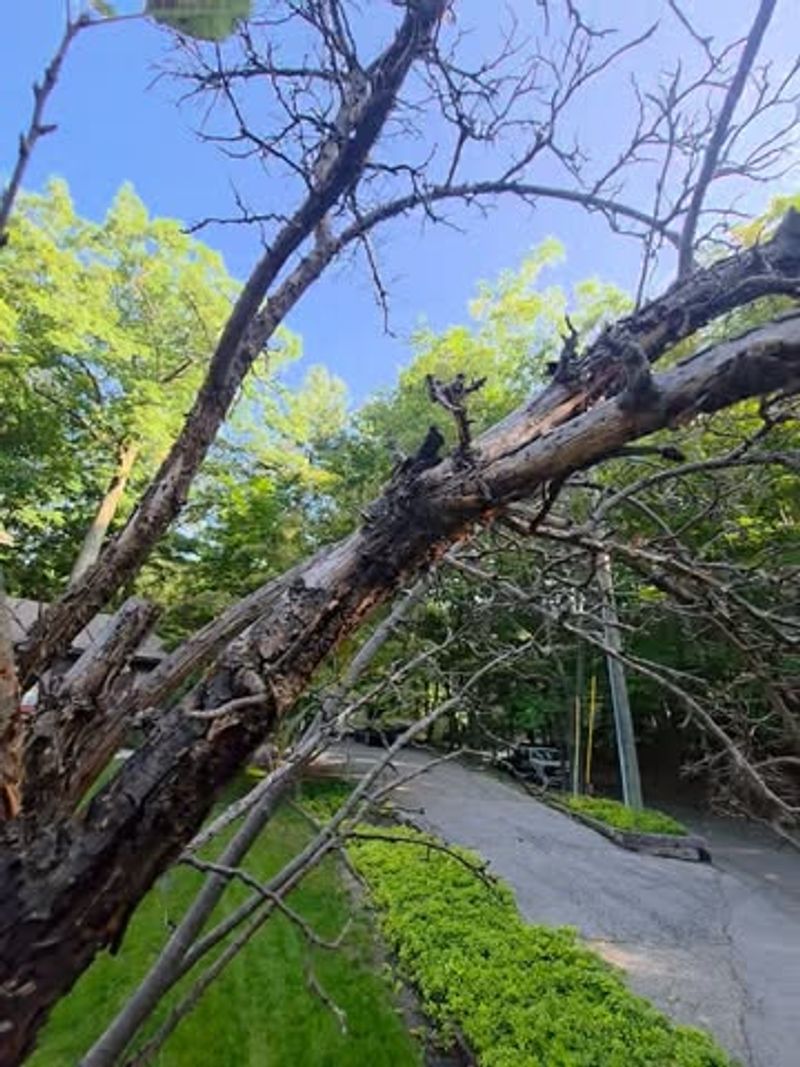
When fire blight is visible on a shoot, the bacteria have already traveled further down than what you can see. The tissue below the browning may look healthy on the outside but still carry active infection inside.
This is why cutting right at the edge of the visible damage is not enough.
The standard recommendation is to cut at least 8 to 12 inches below the lowest point of visible symptoms. On smaller shoots, this might mean removing the entire shoot.
On larger branches, it means cutting back into wood that looks and feels completely healthy.
After making the cut, look at the cross-section of the wood. Healthy wood should be white or cream-colored.
If you see any brown streaking or discoloration in the center, you need to cut further back. Keep cutting until the wood looks completely clean inside.
Collect all the pruned material and remove it from the area immediately. Do not leave infected cuttings on the ground near the tree.
The bacteria can still spread from cut shoots, especially in wet conditions. Bag the material and dispose of it away from your garden.
It can feel hard to cut off so much of a healthy-looking branch, but this is the right approach.
A tree that loses a few branches to careful pruning has a much better future than one where the infection is allowed to creep further into the main structure. Be bold with your cuts.
7. Cut Into Healthy Older Wood When Possible
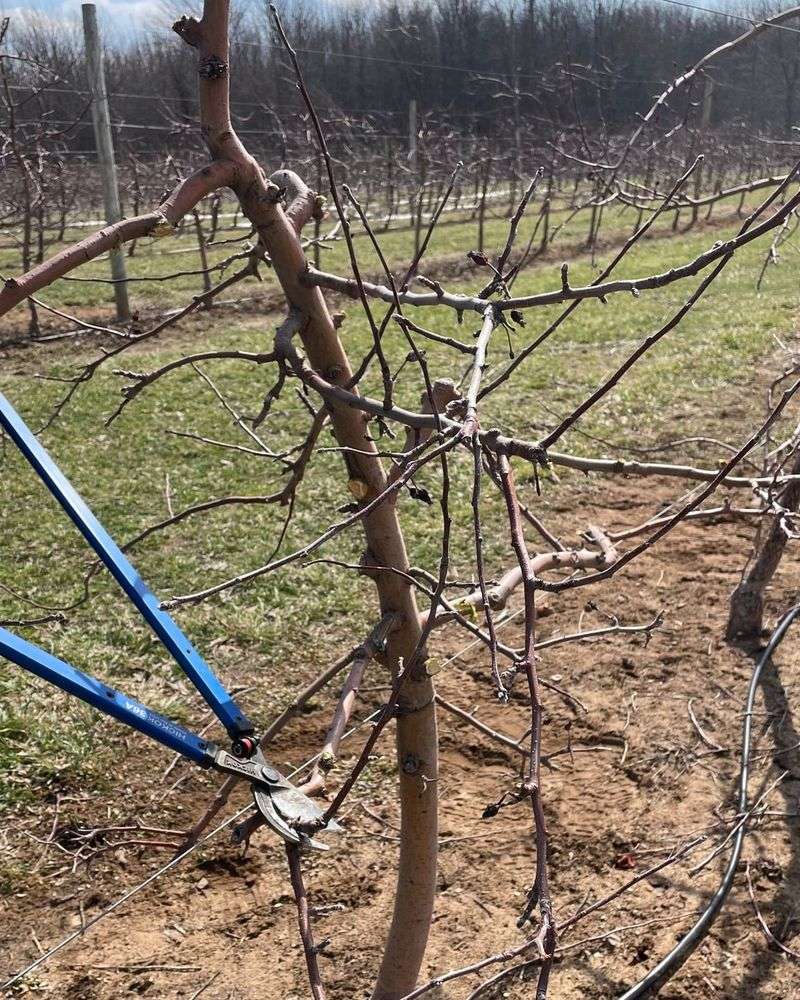
Older wood on an apple tree has developed more resistance than the soft new growth of spring.
When you are removing fire blight, cutting back into this more mature wood gives you a better chance of leaving behind tissue that is truly free of bacteria. It also heals more reliably after pruning.
Young shoots and spurs are easy to cut through with hand pruners, but larger, older branches require a pruning saw. Use the right tool for the job so your cut is clean and smooth.
Rough, torn cuts take longer to heal and can create entry points for other problems.
When cutting into older wood, look for natural branch junctions or collar areas where you can make a proper pruning cut. Cutting at these points encourages faster healing.
Avoid leaving stubs, which can become withered tissue that invites further problems into the tree.
Older wood also gives you more margin for error. If you are not sure exactly where the infection ends, having extra wood to work with means you can cut further back without removing an entire main branch.
This flexibility is one reason why catching infections early matters so much.
Think of each cut into healthy older wood as a reset point for that part of the tree. You are removing the infected section and leaving behind tissue that has a strong chance of staying clean.
Pair this with good tool hygiene and you have a solid plan for managing the disease effectively.
8. Disinfect Tools Between Cuts During Active Infections
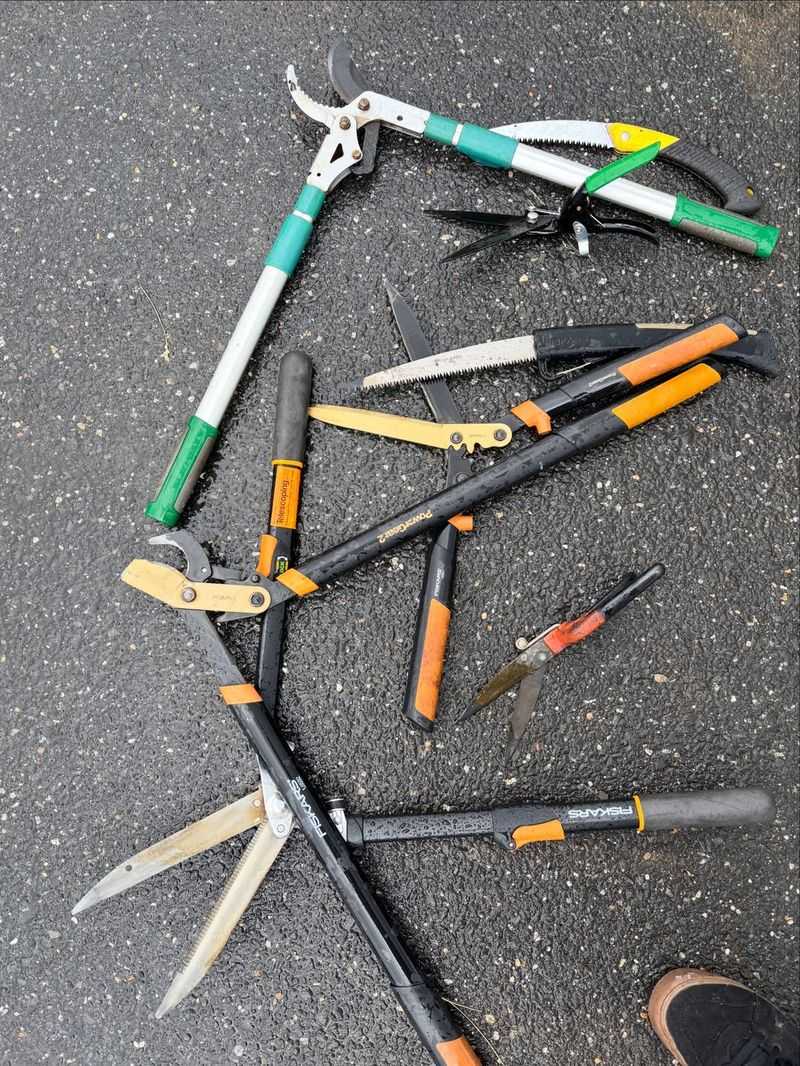
Your pruning tools can become carriers of fire blight bacteria the moment they touch infected wood.
Without disinfection, every cut you make after that could spread the infection to healthy parts of the tree or even to other trees nearby.
This is one of the most important steps and one of the most frequently skipped.
A simple disinfectant solution works well. Mix one part bleach with nine parts water and keep it in a spray bottle or small bucket while you prune.
After each cut, dip or spray your blade and wipe it clean before moving to the next cut. Let the solution sit on the blade for at least 30 seconds.
Bleach can corrode metal over time, so rinse and dry your tools thoroughly after you finish pruning for the day. Some California growers prefer to use 70 percent isopropyl alcohol as an alternative.
It is less corrosive and still highly effective at reducing bacterial contamination on tool surfaces.
Have two pairs of pruners if possible so you can alternate between them while one soaks. This makes the process faster and more practical when you have a lot of cuts to make.
Speed matters during active infections, but not at the expense of hygiene.
Skipping this step even once can undo all your careful pruning work. Think of your tools as a potential bridge between sick and healthy tissue.
Keeping that bridge clean is just as important as making the right cut in the right place on the tree.
9. Never Prune Fire Blight When The Tree Is Wet
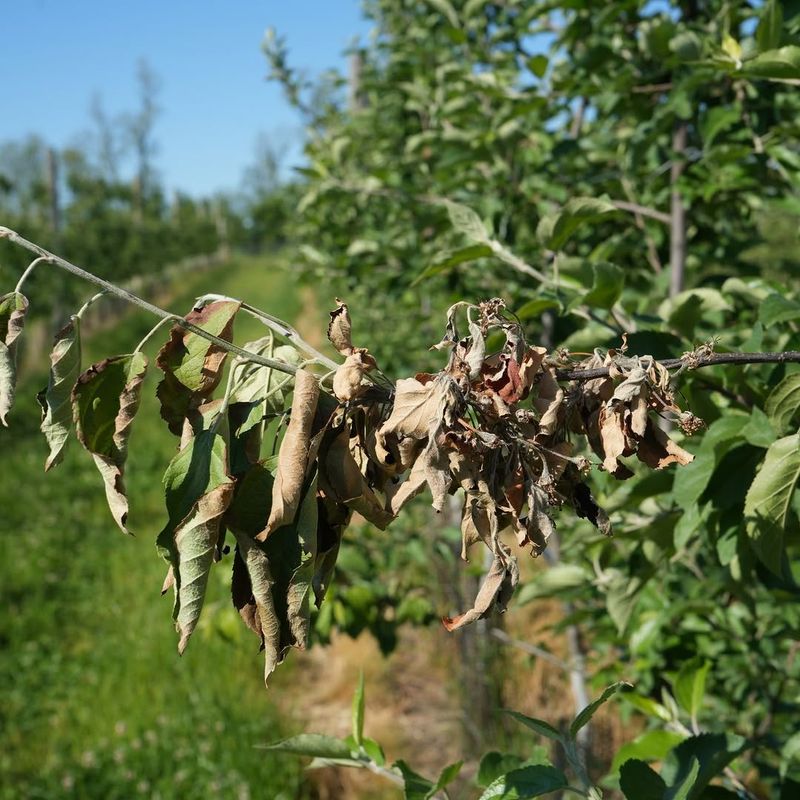
Wet conditions are exactly what fire blight bacteria love. Water helps the bacteria move, spread, and survive on surfaces.
Pruning a tree when it is wet from rain or heavy dew creates the worst possible conditions for managing this disease.
Every cut becomes a potential entry point and every droplet can carry bacteria to a new location.
Wait for a dry day before doing any fire blight pruning. Check the forecast and pick a time when no rain is expected for at least 24 to 48 hours after you finish.
This gives cut surfaces time to begin drying and sealing before moisture can introduce more bacteria.
Morning dew in California can be just as problematic as rain. Even if the sky is clear, wet leaves and branches in the early morning hours create risky conditions.
Wait until mid-morning when the sun has dried the foliage before you start cutting.
Dry conditions also make it easier to see the true color of the wood as you cut. Wet wood can look darker than it really is, making it harder to judge whether your cut has reached clean, healthy tissue.
Dry conditions give you better visual accuracy at every step.
Planning your pruning schedule around the weather might feel inconvenient, but it is a practical habit that pays off.
A few extra days of waiting for the right conditions can prevent you from accidentally spreading the infection further than it has already traveled. Patience here is genuinely protective.