The Florida Native Edible Plants Most Gardeners Don’t Know About Yet
Florida’s edible native plant list is longer than most gardeners realize. The gap between what is actually out there and what shows up in the average yard is significant.
Most people are working from a very short list, the usual suspects from seed catalogs and garden centers. Meanwhile, an entire edible landscape sits largely undiscovered right outside the door.
These are not obscure survival plants or acquired tastes that require convincing. Several of Florida’s lesser known native edibles are genuinely delicious and productive through seasons when imported vegetables struggle.
They are also adapted to this climate in ways that make them far easier to grow than anything on a standard edible garden list. The knowledge gap is not about availability.
Many of these plants are already growing in Florida yards and wild spaces without anyone recognizing what they actually have. That changes once you know what to look for.
1. Gopher Apple Hides Native Fruit In Sandy Groundcover
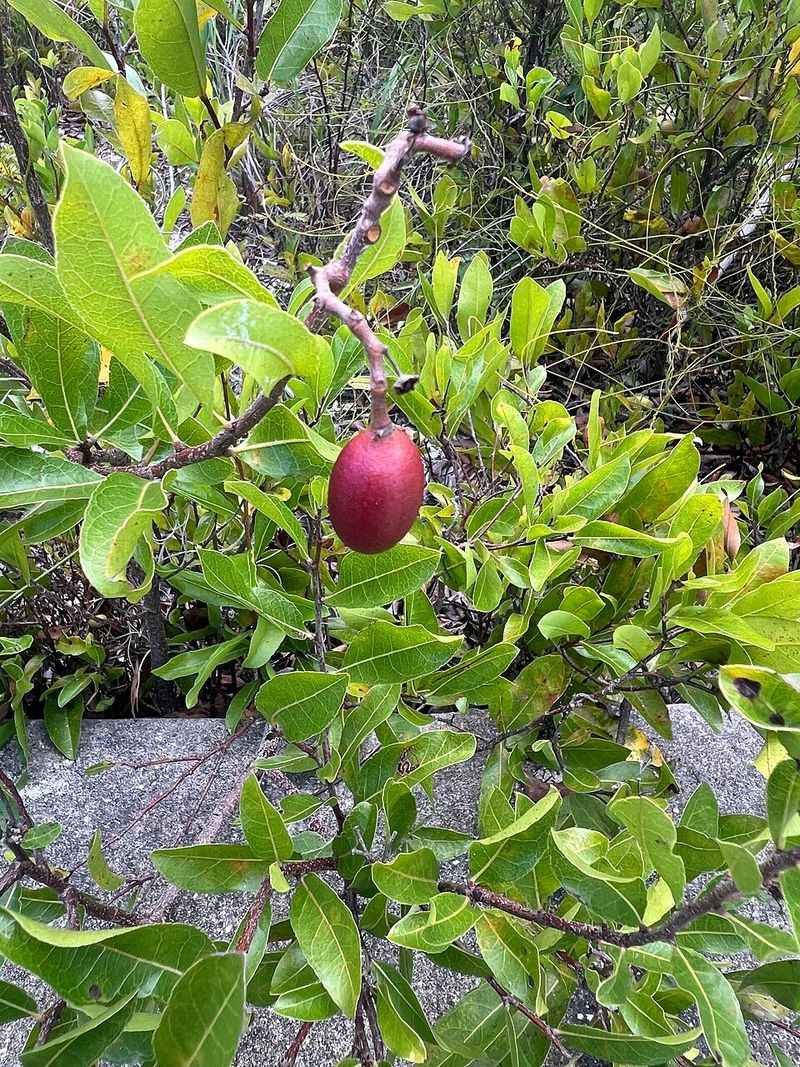
Walk across a sunny, sandy yard in this state and you might step right over gopher apple without ever noticing its small, pale fruit tucked near the ground.
Geobalanus oblongifolius is a low-growing native groundcover that spreads by underground stems across sandy, well-drained, low-nutrient soils.
It thrives in the kind of dry, sunny spots where most ornamental plants struggle to survive.
The fruit is small, oval, and white to pinkish when ripe, with a mild, slightly sweet flavor that is nothing like a grocery-store peach or plum. Expect subtlety here.
Gopher apples are best appreciated as a seasonal nibble rather than a reliable harvest crop. Gopher tortoises, bears, and other native wildlife depend on this fruit far more heavily than people ever will.
As a groundcover, gopher apple brings real value beyond the edible part. It holds sandy soil in place, spreads slowly without becoming aggressive, and tolerates heat, drought, and poor soil with ease.
Plant it in full sun on sandy sites, and avoid overwatering or adding rich soil amendments. It does not behave like a lush lawn substitute and should not be treated as one.
Sourcing from a reputable native nursery ensures you get a locally appropriate plant that is ready for your region’s conditions.
2. Bird Pepper Brings Tiny Native Chiles With Big Heat
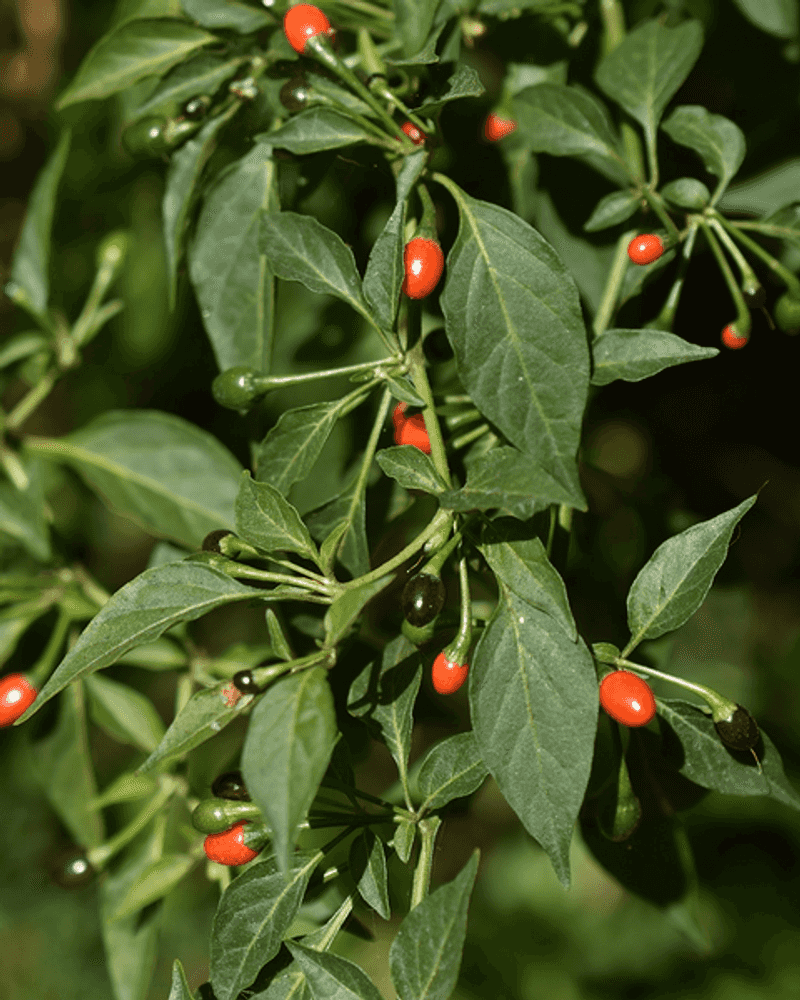
Tiny red peppers no bigger than a pea hang from this wild chile like little ornaments, and they pack a serious punch of heat.
Bird pepper, known botanically as Capsicum annuum var. glabriusculum, is native or naturalized across warm regions of this state and grows as a small, branching shrub in sunny, well-drained spots.
It earns its name honestly because birds absolutely love the fruit and spread seeds widely.
For gardeners who want edible heat, wildlife value, and a plant with real ornamental charm, bird pepper delivers on all three counts. The tiny peppers ripen from green to bright red and can be used fresh, dried, or infused into oil or vinegar.
Your Florida Garden Changes Every Week. Your Plan Should Too.
Gardening in Florida changes quickly throughout the season. Every Friday you’ll receive a simple weekly plan showing exactly what to plant, prune, fertilize, harvest, and protect so you never miss the right timing.
Handle them carefully. The heat level can be surprisingly intense, and touching your face or eyes after handling the fruit is not a pleasant experience.
Bird pepper performs best in warm, sunny locations with good drainage. It does not tolerate wet, soggy soil for long.
In southern and central regions, it can behave as a short-lived perennial. In cooler northern regions, treat it as an annual or bring it under cover during cold snaps.
Not every household will want a very hot chile growing in the yard, so think about who will be around the plant before adding it to a mixed edible or wildlife garden bed.
3. Wild Lime Adds Edible Zest From A Thorny Native Shrub
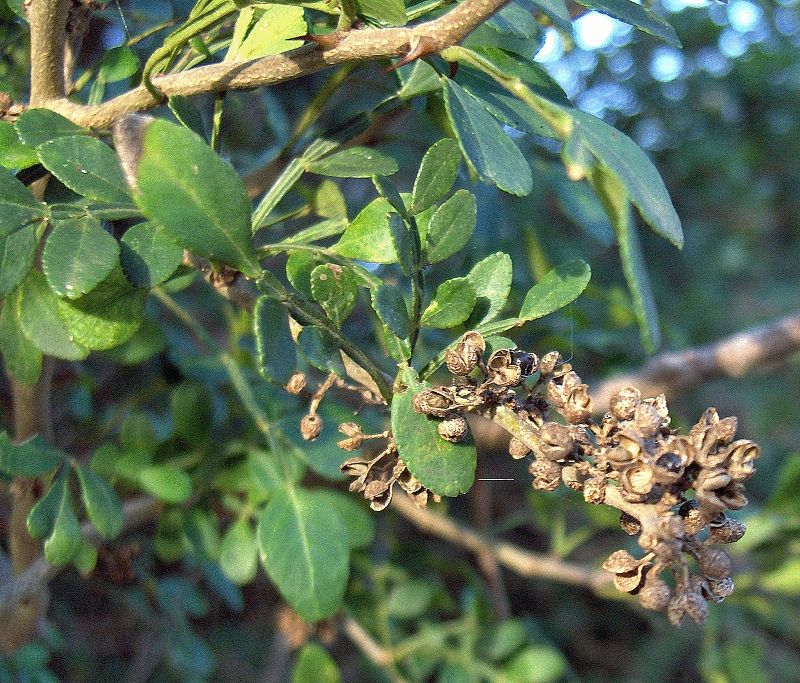
Before you reach into this shrub, notice the thorns. Wild lime, or Zanthoxylum fagara, is a Florida native thorny shrub or small tree that earns its spot in the edible landscape.
It offers aromatic foliage and small fruit with a citrus-like, zesty quality rather than juicy lime flesh. It is not a replacement for the limes at the grocery store, and expecting that will lead to disappointment.
The aromatic leaves and small fruit offer a pepper-citrus flavor that some cooks use as a seasoning. More importantly, wild lime is a host plant for the giant swallowtail butterfly, one of the most striking butterflies found in this state.
That dual value, edible seasoning plus butterfly habitat, makes it a standout choice for wildlife-focused edible gardens.
Plant wild lime away from tight walkways, play areas, or spots where bare arms and legs brush against the hedge regularly. The thorns are real and persistent.
In a sunny, well-drained spot with room to grow, wild lime makes a dense, wildlife-rich screen or informal hedgerow. It tolerates dry conditions once established and fits naturally into native plant designs across central and southern regions.
Always confirm which parts you plan to use and prepare them correctly. Start with a small taste to check for personal sensitivity before using wild lime as a regular seasoning ingredient.
4. Simpson’s Stopper Produces Sweet Fruit In Warm Yards
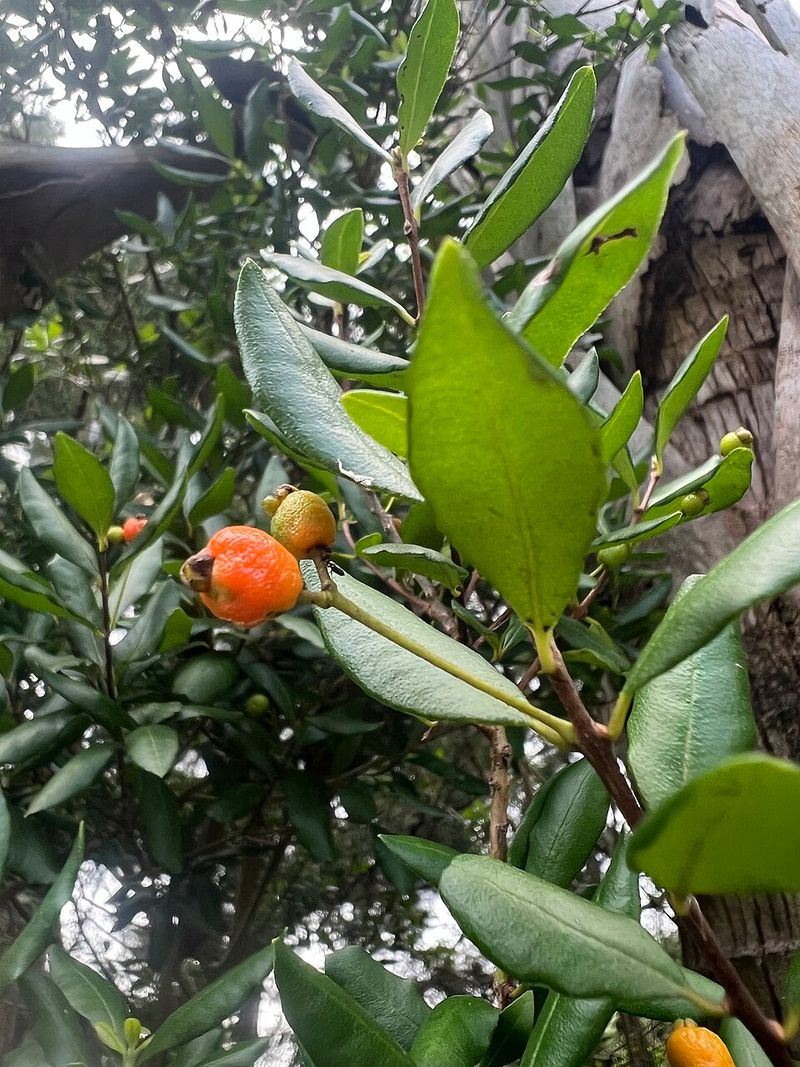
Fragrant white flowers, glossy dark foliage, and clusters of small orange to red berries give Simpson’s stopper quiet appeal. It is one of the more attractive native shrubs available for warm-region yards.
Myrcianthes fragrans is native to southern and coastal regions of this state. It grows as a shrub or small tree that fits comfortably into mixed hedges, privacy screens, or specimen plantings near patios and paths.
The berries are edible and sweet when fully ripe, though flavor quality can vary noticeably from plant to plant. Some fruit is mild and pleasant; other fruit tastes flat or slightly astringent.
Birds find it reliably appealing regardless of which flavor profile your plant produces, so wildlife value stays consistent even when the human harvest is less exciting.
Simpson’s stopper needs warmth, good drainage, and enough light to fruit well. In shadier spots it grows fine but produces less fruit.
It is not cold-hardy enough for northern regions and performs best in central to southern parts of the state. Give it room to reach its natural size without heavy shearing, which reduces flowering and fruiting.
Buying from a reputable native nursery helps ensure you get a plant suited to your local conditions. As always, confirm identification before eating any fruit, and start with small amounts to check for personal tolerance before eating larger quantities.
5. Prickly Pear Offers Edible Pads And Colorful Fruit
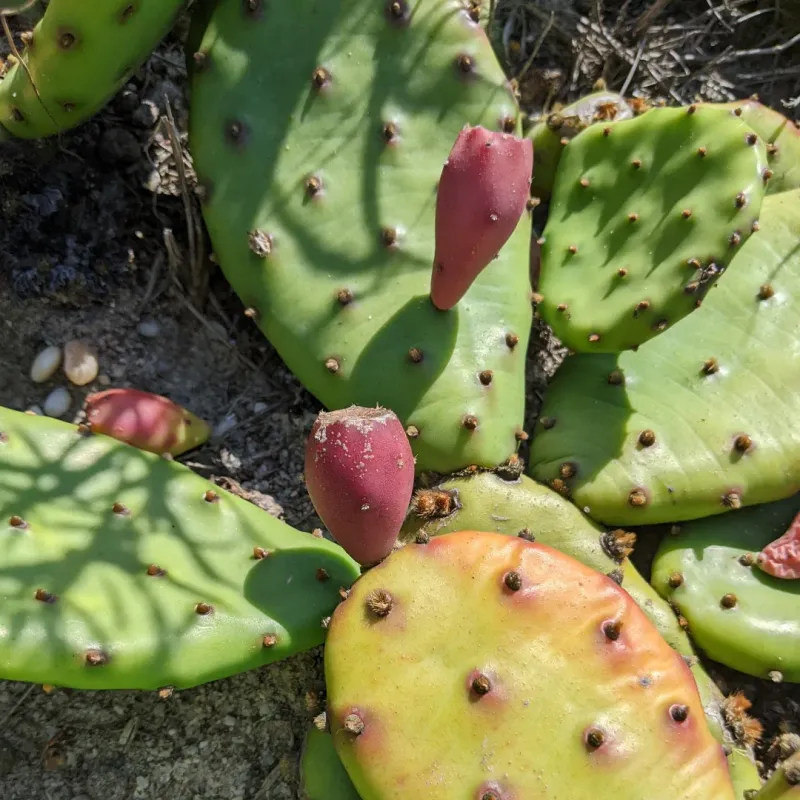
Few native plants in this state pull double duty quite like prickly pear cactus. Opuntia humifusa and related native Opuntia species grow naturally in sunny, sandy sites across much of Florida.
They produce flat green pads and bright, fleshy fruit called tunas that range from yellow to deep red-purple when ripe. Both the pads and the fruit are edible after proper preparation.
The spines are only part of the story. Tiny, nearly invisible hair-like spines called glochids cover the pads and fruit and embed painfully in skin.
Always use thick gloves and tongs when handling prickly pear, and remove all glochids carefully before eating. Correct identification matters here too, so make sure you are working with a verified native species before harvesting anything.
Prickly pear is genuinely drought-tolerant and thrives in poor, sandy, well-drained soil where many other plants cannot survive. It also provides wildlife value, offering shelter and fruit to birds, tortoises, and insects.
In a native edible garden or a dry, sunny bed, it adds bold texture and seasonal color with very little maintenance once established. Avoid planting near high-traffic areas, children’s play zones, or spots where pets roam freely.
Source plants from a native nursery rather than digging from wild populations, and follow safe food preparation guidelines before using any part for cooking.
6. Seagrape Gives Coastal Gardens A Native Fruit Crop
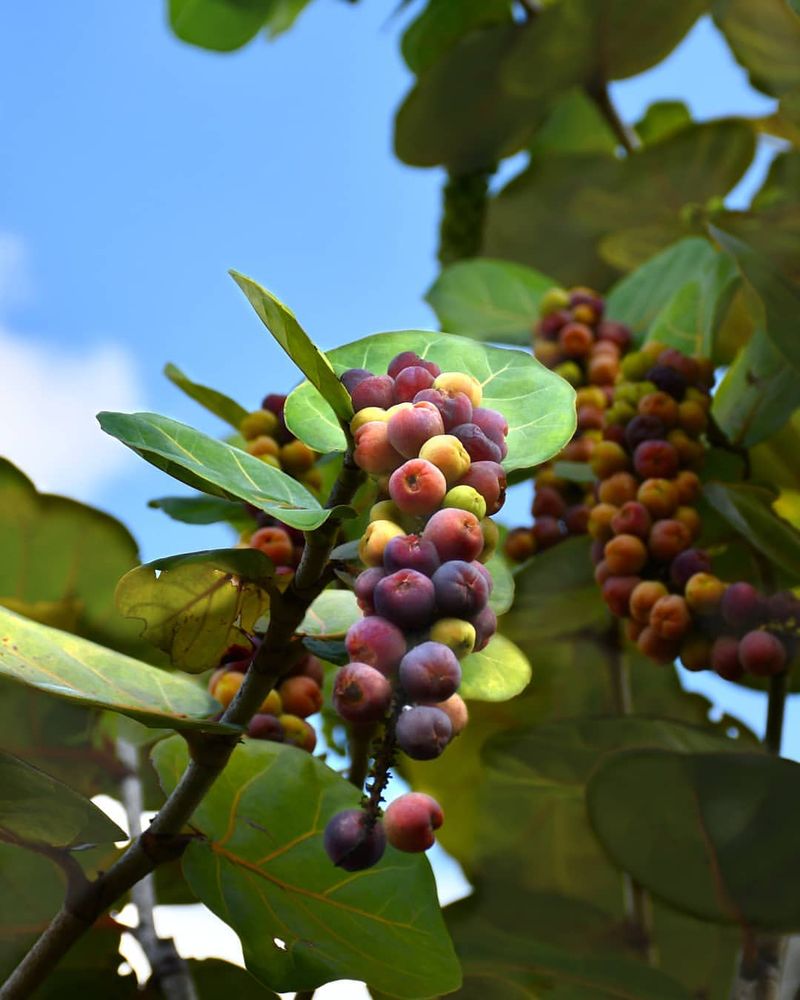
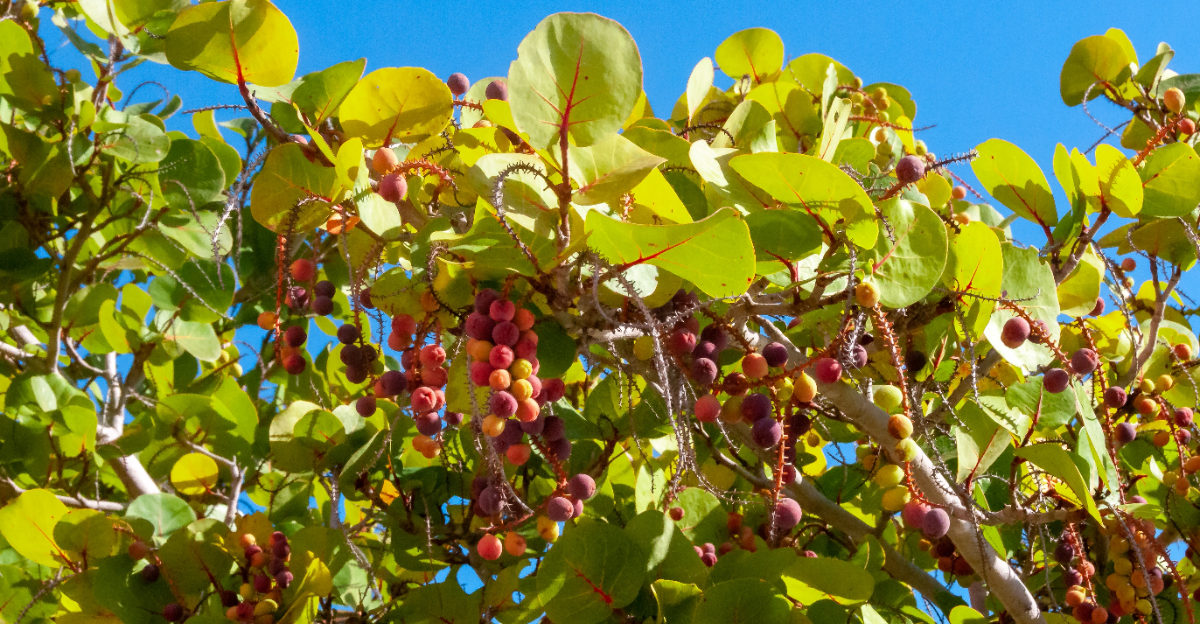
Big, round, leathery leaves and clusters of grape-like fruit hang in long chains. They make seagrape one of the most visually dramatic native plants available for coastal yards.
Coccoloba uvifera is native to coastal areas across the southern half of this state and handles salt spray, sandy soil, and coastal wind with remarkable composure. Few native plants bring this combination of toughness and edible interest to a seaside setting.
The fruit ripens to a dark purple-red and can be eaten fresh when fully ripe or used to make preserves and jelly. Flavor is mildly sweet with a slight tartness, and the large seed inside each fruit means there is not a lot of flesh per berry.
Ripe fruit is the key word here. Unripe seagrapes are astringent and not worth eating.
Birds and other wildlife find ripe seagrapes highly attractive, so expect competition at harvest time.
Seagrape needs warmth, space, and a coastal or near-coastal site to perform well. It is cold-sensitive and not suited for northern regions or inland yards that experience hard freezes.
Without pruning, it can grow into a substantial tree or spreading shrub, so plan for its mature size before planting near fences or structures. Always confirm plant identity before eating any fruit.
Buy from a licensed native nursery and follow local rules about planting near protected coastal habitat zones.
7. Darrow’s Blueberry Brings Small Native Berries To Acidic Soil
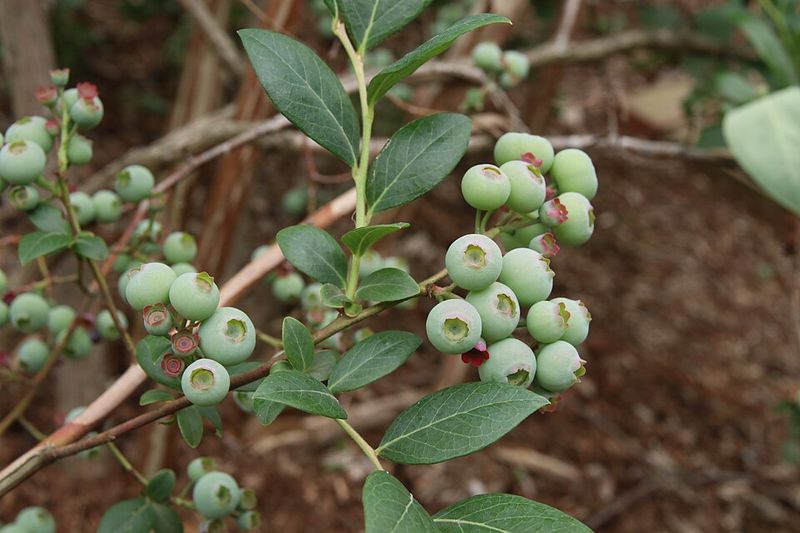
Acidic, well-drained soil that frustrates many gardeners is exactly where Darrow’s blueberry thrives. Vaccinium darrowii is a small, evergreen native blueberry found naturally in the scrub, flatwoods, and sandy uplands of this state.
It grows low and compact, with attractive blue-green foliage that makes it a genuinely ornamental plant even when it is not fruiting.
The berries are small compared to commercial blueberry varieties, but they are real blueberries with real blueberry flavor. Pollinators, especially native bees, work the small white bell-shaped flowers actively in spring.
Birds find the ripe fruit quickly. Darrow’s blueberry also played a key role in the development of southern highbush blueberry varieties bred for warm climates.
That gives it an interesting place in edible horticulture history.
Do not expect a heavy grocery-style harvest without the right soil pH, correct companion plantings for cross-pollination, and consistent care. Blueberries need acidic soil, typically in the pH 4.5 to 5.5 range, and they will not thrive in alkaline conditions or heavy clay.
A soil test before planting is worth the small effort. Darrow’s blueberry suits northern and central regions best, where acidic sandy soils are more common.
Buy from a reputable native nursery, plant in full sun to partial shade, and mulch well with pine bark or pine needles to maintain soil acidity over time.
8. Cocoplum Produces Edible Fruit In Warm Coastal Yards
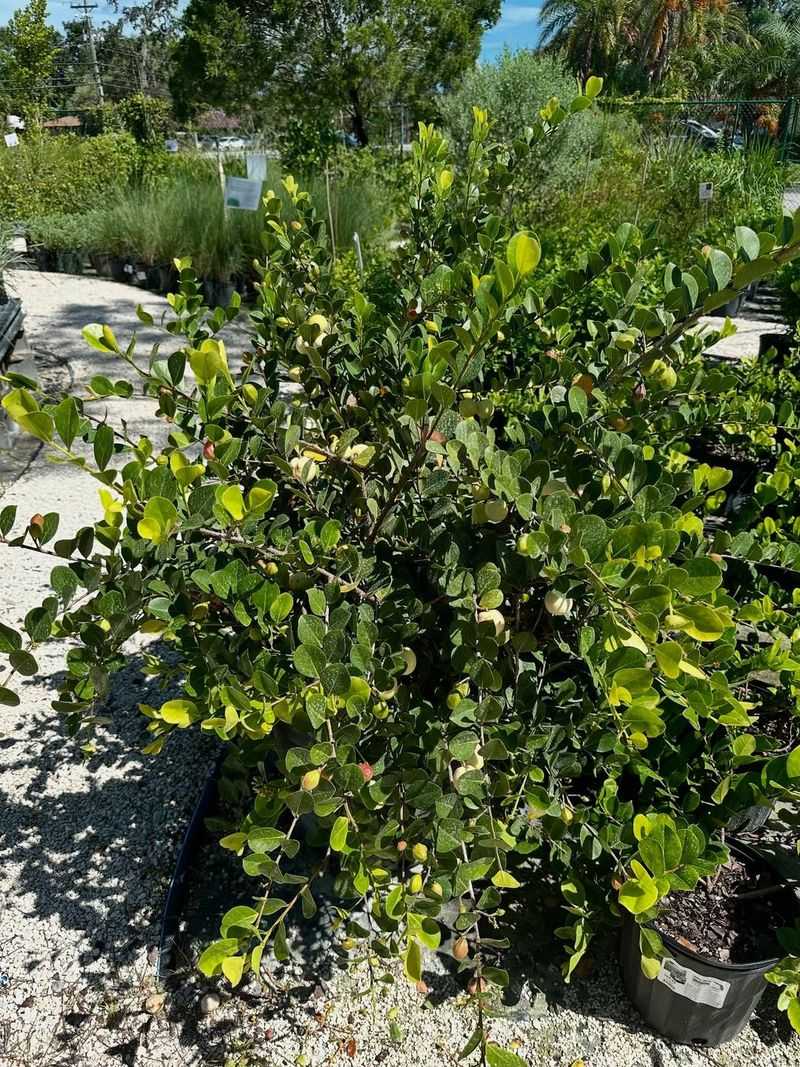
Glossy, rounded leaves and clusters of plum-like fruit give cocoplum a quietly elegant look. It works equally well as a privacy hedge or a standalone specimen.
Chrysobalanus icaco is native to coastal and southern regions of this state. It grows as a dense, salt-tolerant shrub or small tree that handles heat, humidity, and sandy or rocky soil with steady reliability.
The fruit is edible and has been used for generations in preserves, jellies, and as a fresh snack when fully ripe. Flavor can be mild and slightly sweet, though it varies by plant and ripeness.
The seed inside is large relative to the fruit, so flesh yield per piece is modest. Wildlife, especially birds, appreciate the fruit reliably, which adds consistent habitat value even when the human harvest is light.
Cocoplum needs warmth and is sensitive to hard freezes, making it best suited for southern and coastal regions rather than northern or inland areas prone to frost. It can grow quite large without pruning, so plan for its mature size in your space.
It works well in mixed native hedges, coastal buffers, and wildlife gardens where structure and fruiting are both priorities. Always confirm identification before eating any fruit.
Source from a licensed native nursery and avoid harvesting from protected natural areas or coastal reserves.