8 Yard Conditions That Make Tennessee Gardens A Tick Hotspot
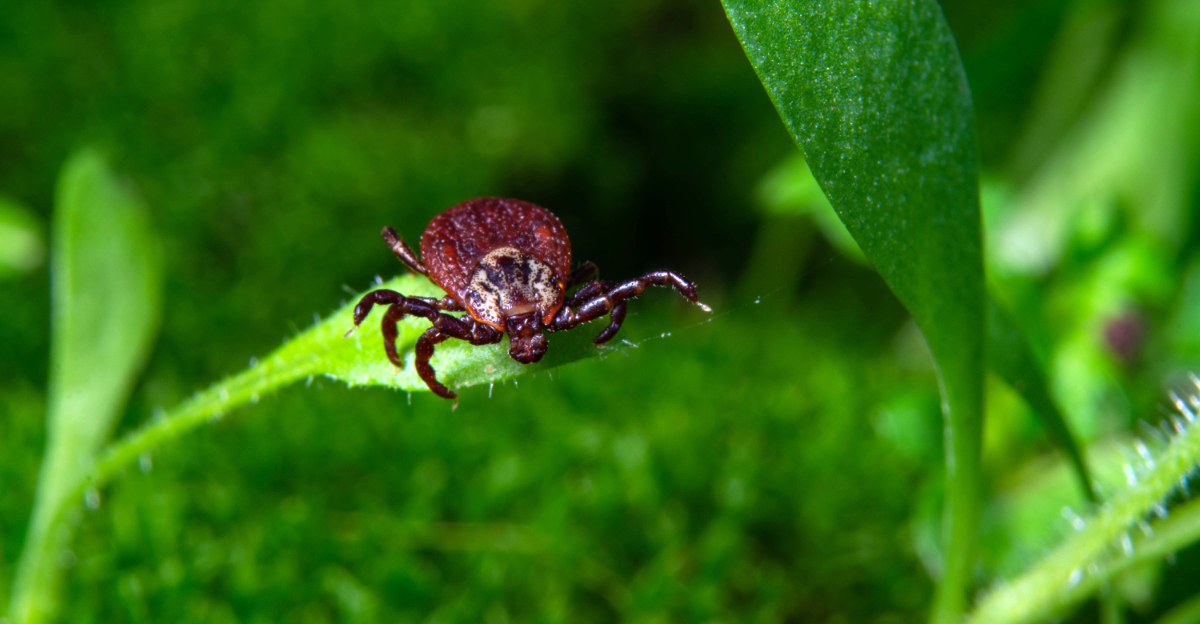
Ticks do not need an invitation. They just need the right conditions, and Tennessee yards hand those out freely.
The state’s humid summers, dense tree cover, and mild winters create a near-perfect environment for ticks to survive, breed, and spread. But the weather is only part of the story. What is happening inside your own fence line matters just as much.
Certain yard conditions turn an ordinary garden into prime tick territory, and most homeowners have no idea their landscaping choices are doing half the work for them.
Tennessee is home to several medically important tick species, several of which are active well beyond the summer months. That means the risk does not disappear when the heat breaks.
Knowing which yard conditions draw ticks in closest is what separates a yard that looks safe from one that actually is.
Tall Grass And Overgrown Edges
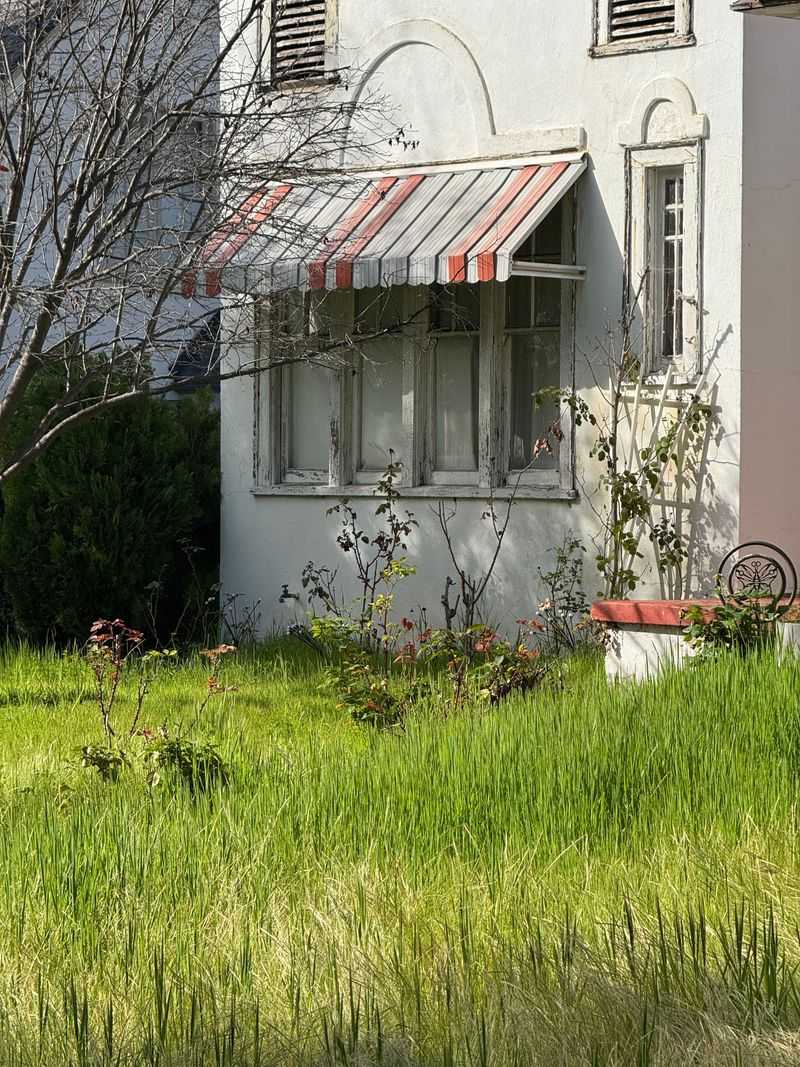
Tall grass is basically a five-star hotel for ticks. They cling to long blades and wait patiently for a warm host to brush past.
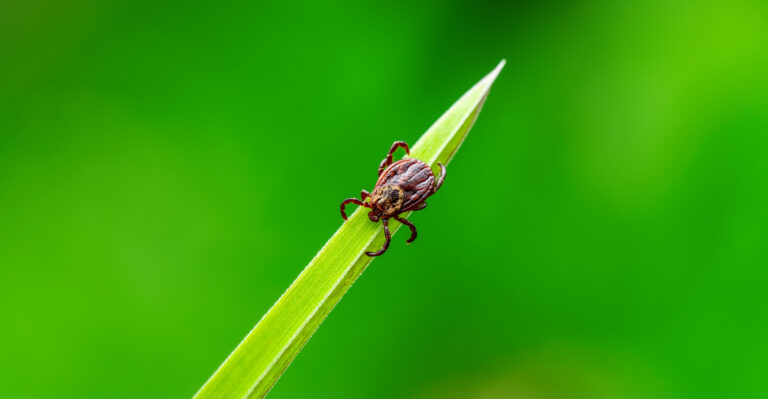
Ticks do not jump or fly toward you. They use a behavior called questing, where they stretch their front legs outward from a tall grass blade and grab onto passing animals or people.
Keeping your lawn mowed to three inches or shorter removes this prime hunting ground. Ticks prefer shade and moisture, and short grass dries out faster in the sun.
Pay special attention to edges along fences, sidewalks, and garden borders. These transition zones are where tick activity tends to spike the most.
Tennessee summers do not slow ticks down. Warm temperatures combined with high humidity keep ticks active for longer stretches than most homeowners expect.
The black-legged tick, one of the most concerning species in the state, remains active well into fall and can quest on any day temperatures stay above freezing. A lawn that goes unmaintained through fall is not a safe lawn.
A simple weekly mow schedule can dramatically reduce your exposure risk. Pair that habit with a string trimmer along fence lines, and you close off one of their favorite ambush spots.
Overgrown patches near play areas or garden paths are especially risky for children. Kids move low to the ground, making contact with tall blades far more likely.
Staying on top of lawn maintenance is not just about curb appeal. It is one of the most effective and affordable tick-prevention strategies available to any homeowner.
Leaf Litter And Debris Piles
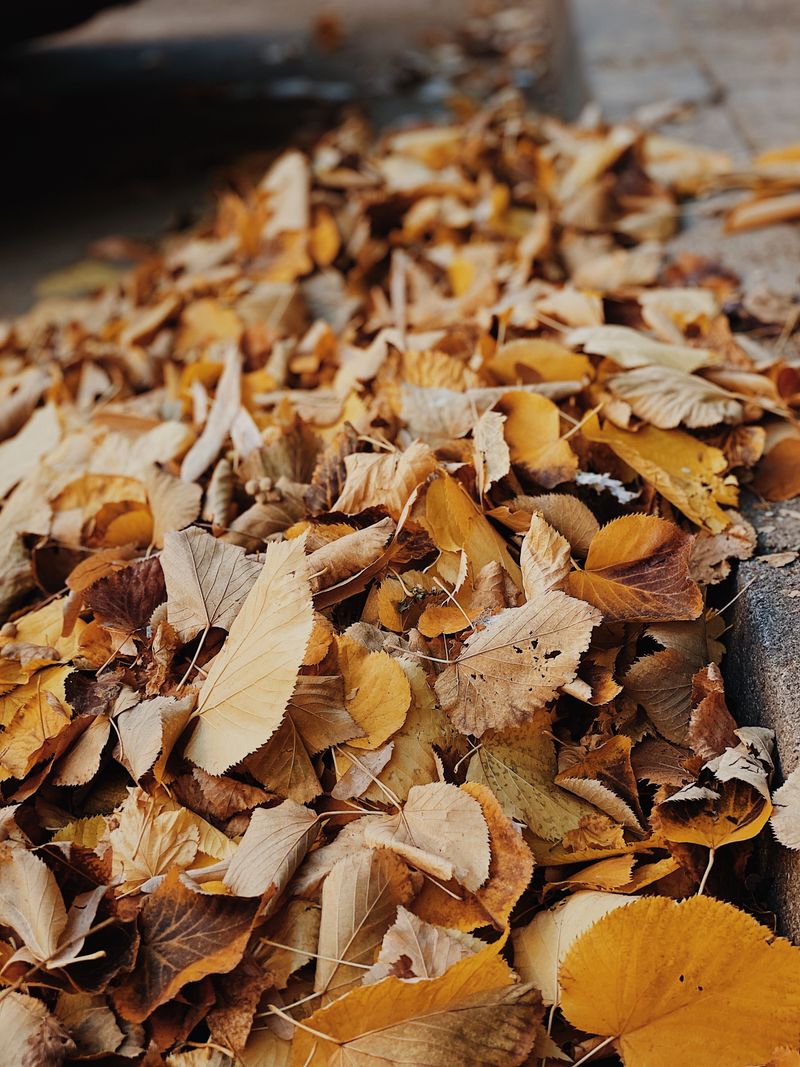
Autumn leaves look beautiful, but a pile of them left sitting in your yard is an open invitation for ticks. Leaf litter creates a warm, moist, dark environment that ticks absolutely love.
Ticks cannot survive in dry, sunny conditions for long. Piles of decomposing leaves hold moisture and block sunlight, giving ticks the shelter they need to thrive through cooler months.
Many homeowners do not realize that tick activity does not stop in fall and winter. Some species, like the black-legged tick, stay active well into late autumn and even on mild winter days.
Your Tennessee Garden Changes Every Week. Your Plan Should Too.
Gardening in Tennessee changes quickly throughout the season. Every Friday you’ll receive a simple weekly plan showing exactly what to plant, prune, fertilize, harvest, and protect so you never miss the right timing.
Clearing leaf litter regularly from garden beds and yard corners removes a major hiding spot. Bag those leaves or compost them far from your home and play areas.
Tennessee’s tree canopy is part of what makes the state so beautiful. It is also part of why leaf accumulation happens faster here than in many other states, and why staying ahead of it matters more.
Debris piles from yard cleanup, like stacked wood scraps or bundled branches, create similar conditions. Stack firewood away from the house and off the ground on a raised platform.
Brush piles left along property edges are another problem zone. Wildlife that carries ticks, like mice and deer, are drawn to these spots for shelter.
A cleaner yard is a safer yard. Removing leaf litter and debris is one of the fastest ways to reduce your tick exposure without spending a single dollar on products.
Shaded And Poorly Sunlit Areas
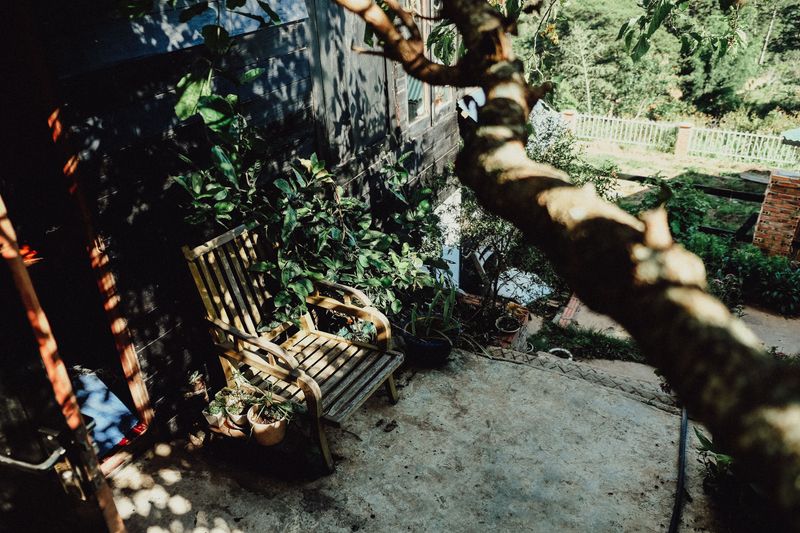
Sunshine is your best ally against ticks. Shaded areas in your yard create the exact conditions ticks need to survive, and most suburban gardens have plenty of them.
Ticks lose moisture quickly when exposed to direct sun. Research shows that ticks in sunny, open areas have significantly shorter survival times than those hiding in shade.
Dense tree canopies, overgrown shrubs, and structures like pergolas or solid fences all create shadowed zones. These spots stay cooler and damper, making them perfect tick refuges throughout the warmer months.
Tennessee’s humid climate means shaded ground takes much longer to dry out after rain. A shadowed corner that might recover quickly in a drier state can stay damp for days here, giving ticks an extended window to stay active.
Trimming tree limbs to allow more sunlight into shaded garden areas can make a real difference. Even opening up a portion of the canopy improves air circulation and reduces ground moisture.
Pay attention to the north-facing sides of your home and garden structures. These areas receive the least sun and tend to stay damp longer after rain.
Repositioning garden furniture or play equipment away from heavily shaded zones helps reduce human exposure. Kids and pets spending time in sunny open areas face far less tick contact.
You do not need to chop down every tree in your yard. Strategic pruning and smarter placement of outdoor living spaces can cut your tick risk without sacrificing the beauty of your garden.
High Humidity And Moisture Retention
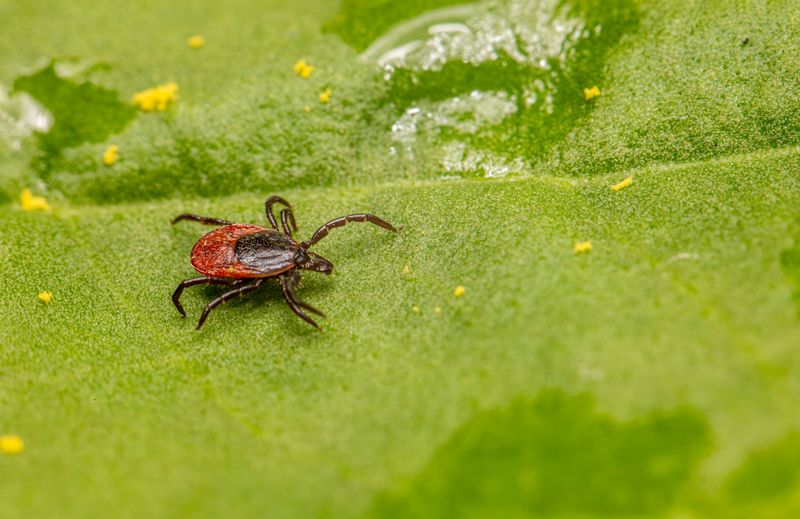
Tennessee summers are notoriously sticky, and that humidity is not just uncomfortable for you. It is a lifeline for ticks trying to stay hydrated and active.
Ticks lose water rapidly in dry air. High humidity slows that water loss, allowing them to stay mobile and host-seeking for much longer periods.
Yards with poor drainage, low-lying areas, or compacted soil tend to hold moisture long after a rainstorm. These wet patches create pockets of high humidity right at ground level where ticks roam.
Overwatering your lawn or garden beds adds to the problem. Excess moisture soaks into the soil and raises the humidity around plant stems and mulch, creating tick-friendly microclimates.
Improving drainage in your yard can reduce these conditions significantly. Consider aerating compacted soil, adding gravel to low spots, or redirecting downspouts away from garden beds.
Watering your lawn in the early morning rather than evening helps too. Morning watering allows the sun to dry the surface before nightfall, cutting down on overnight humidity at ground level.
A drier yard is not just better for your plants. Reducing moisture retention is one of the smartest long-term strategies for keeping Tennessee gardens tick hotspot conditions from taking over your outdoor space.
Wooded Borders And Brushy Boundaries
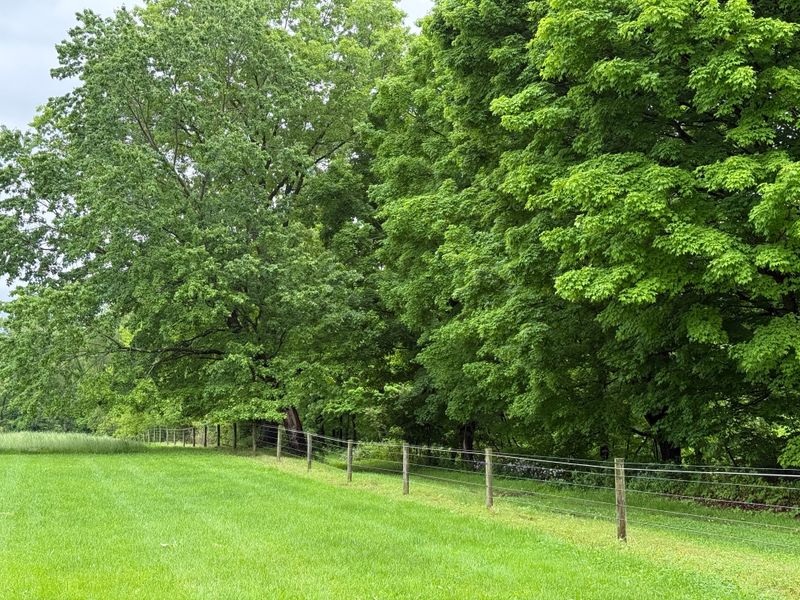
Living near the woods in Tennessee is a dream for many homeowners. But that beautiful tree line at the edge of your property is also one of the biggest tick risk factors you face.
Wooded borders are natural tick highways. Deer, raccoons, foxes, and other wildlife travel these corridors and deposit ticks along the edges of your lawn without you ever seeing them.
The transition zone between your manicured lawn and the wild brush is where tick populations tend to be highest. Studies on tick distribution consistently show the greatest density in these edge zones.
Creating a physical barrier between your yard and wooded areas can help reduce tick migration. A three-foot-wide strip of wood chips or gravel acts as a dry buffer zone that ticks are reluctant to cross.
Keeping brush, shrubs, and low-hanging branches trimmed back from your lawn edge also makes a difference. The less overlap between wild vegetation and your yard, the fewer ticks make it across.
Avoid placing garden seating, bird feeders, or play equipment near these wooded borders. Every foot of distance between your activity zones and the tree line lowers your exposure.
Respecting that wild boundary with a bit of strategic landscaping goes a long way. Your yard can still feel connected to nature without rolling out the welcome mat for uninvited eight-legged guests.
Dense Ground Cover And Low-Growing Plants
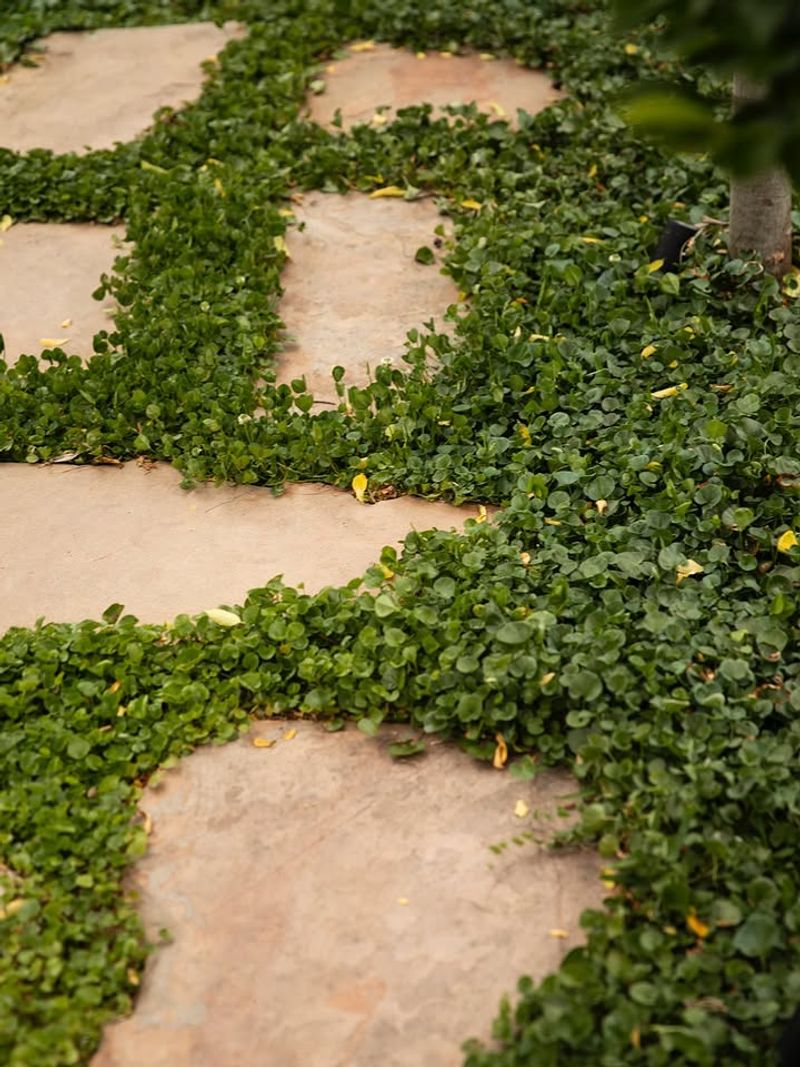
Ground cover plants are a popular landscaping choice for filling in bare spots and suppressing weeds. But a thick carpet of low-growing plants is also one of the coziest places a tick could ever hope to call home.
Plants like English ivy, pachysandra, and creeping Jenny hug the ground and create a dense, shaded layer just above the soil. Beneath that canopy, it stays cool, dark, and moist even on hot sunny days.
Ticks shelter in these ground-level environments during daylight hours and move up onto stems and edges when temperatures cool. They position themselves perfectly to catch passing hosts at ankle and shin height.
Replacing some dense ground covers with mulch, gravel, or open garden beds can open up those hidden zones. Sunlight reaching the soil surface dries it out and creates hostile conditions for ticks trying to survive.
If you love your ground cover plants, at least keep them trimmed neatly and away from high-traffic areas. Paths, patios, and lawn edges should have a clear buffer from dense plantings.
Wearing treated clothing or using repellent when gardening near ground cover is a smart habit. You might brush against those plants dozens of times per season without thinking twice.
Ground cover is beautiful in the right places. Choosing its location wisely and managing its spread keeps your garden looking great while lowering your family’s tick exposure significantly.
Wildlife Activity In The Yard
Deer are gorgeous to watch from a kitchen window. But every deer that walks through your yard can carry and deposit ticks along the way.
White-tailed deer are one of the primary hosts for the black-legged tick, which is the species responsible for spreading Lyme disease. Where deer roam, tick populations tend to follow and flourish.
Smaller animals like mice, voles, chipmunks, and rabbits also play a major role. These creatures are actually more efficient tick hosts than deer, spreading ticks through garden beds and lawn edges all season long.
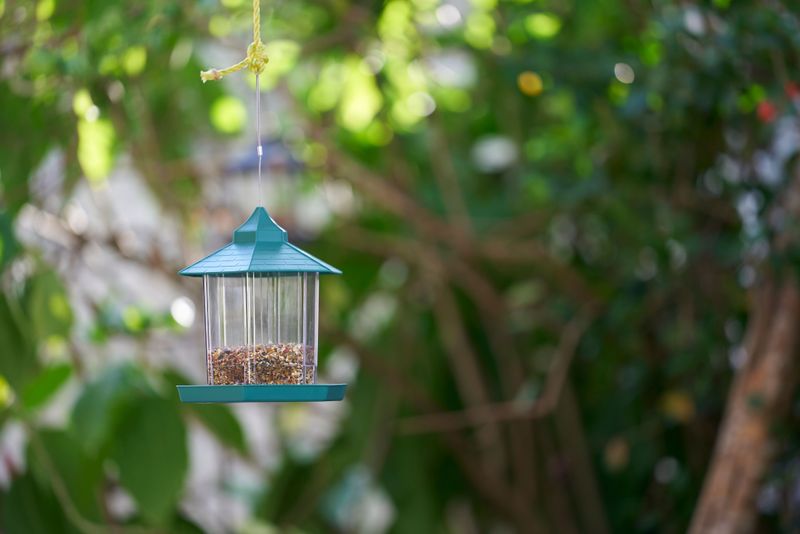
Bird feeders, unsecured trash, garden vegetables, and open compost bins all attract wildlife to your yard. The more animals you draw in, the more likely you are to see a surge in local tick populations.
Fencing vegetable gardens and removing food attractants reduces wildlife visits significantly. Motion-activated sprinklers can also deter deer and other animals without harming them.
Keeping pets indoors at dawn and dusk, when wildlife activity peaks, also reduces tick transfer risks. Cats and dogs that roam freely are notorious for bringing ticks inside the home.
You cannot eliminate wildlife from your neighborhood, but you can make your yard less appealing to them. Fewer animal visits means fewer ticks being deposited right where your family spends their outdoor time.
Excess Mulch Around Garden Beds

Mulch is a garden staple, and for good reason. It holds moisture, suppresses weeds, and gives garden beds a clean, finished look. But piling it on too thick creates one of the most overlooked Tennessee gardens tick hotspot conditions right next to your home.
A thick mulch layer stays damp underneath even when the surface looks dry. That moisture-rich environment beneath the top layer is exactly where ticks prefer to hide during the heat of the day.
The recommended depth for wood chip mulch is two to three inches. Anything deeper than that starts to create the dense, humid habitat that supports tick survival through summer and into fall.
Mulch placed directly against your home’s foundation is especially concerning. Ticks sheltering in that zone are just a short crawl away from gaps, doorways, and entry points into your living space.
Keeping a mulch-free border of at least 12 inches between garden beds and your home’s foundation helps create a dry buffer. Gravel or stone in that gap is a better option since it dries quickly after rain.
Refreshing mulch annually and raking existing layers to break up compaction also helps. Aerated mulch dries faster and becomes a less hospitable environment for ticks looking for shelter.
Smart mulching is still good gardening. Keeping it thin, dry, and away from high-traffic zones protects your plants and your family from unnecessary tick exposure all season long.