Your Wisconsin Peonies Might Not Bloom Next Year If You Skip This Simple June Step
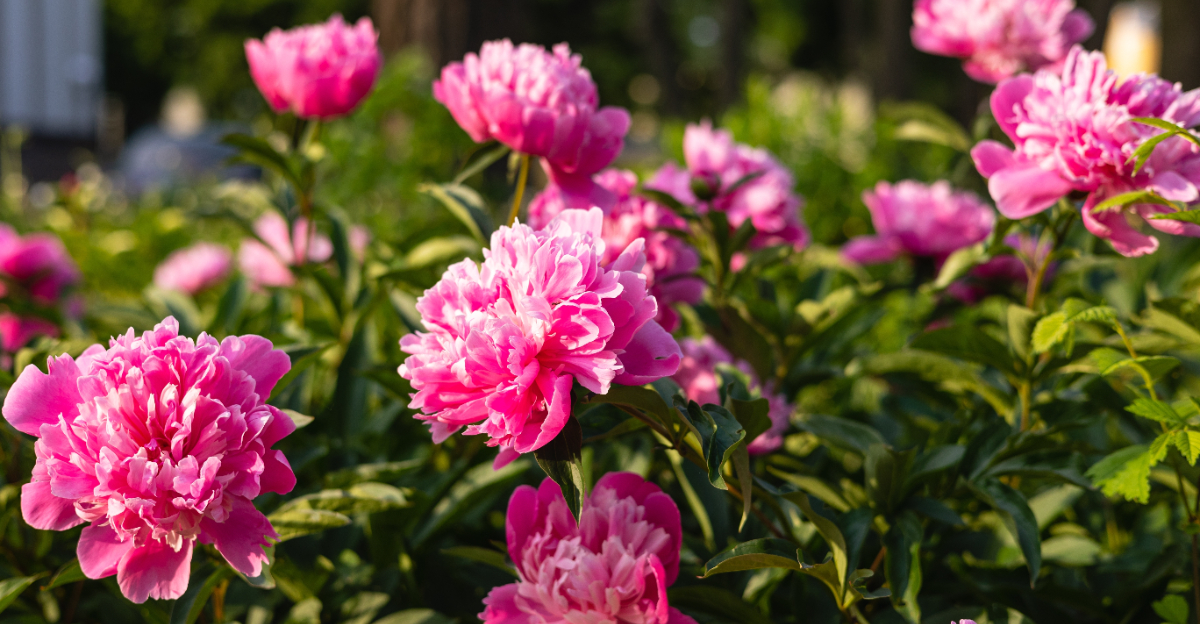
June in Wisconsin means peony season is wrapping up, and most gardeners are already moving on. Do not be most gardeners.
The window between peak bloom and bare stems is exactly when your peonies need your attention most. Miss it, and next spring you will have a perfectly healthy plant with nothing to show for it.
Not because something went wrong underground, but because of one small thing you did not do above it. Wisconsin peonies are survivors.
They push through frozen ground, late frosts, and unpredictable springs without much complaint. But that toughness has a limit, and June is where it shows.
The fix is simple enough that most gardeners are surprised they ever skipped it.
Cut Back Faded Flowers Before July
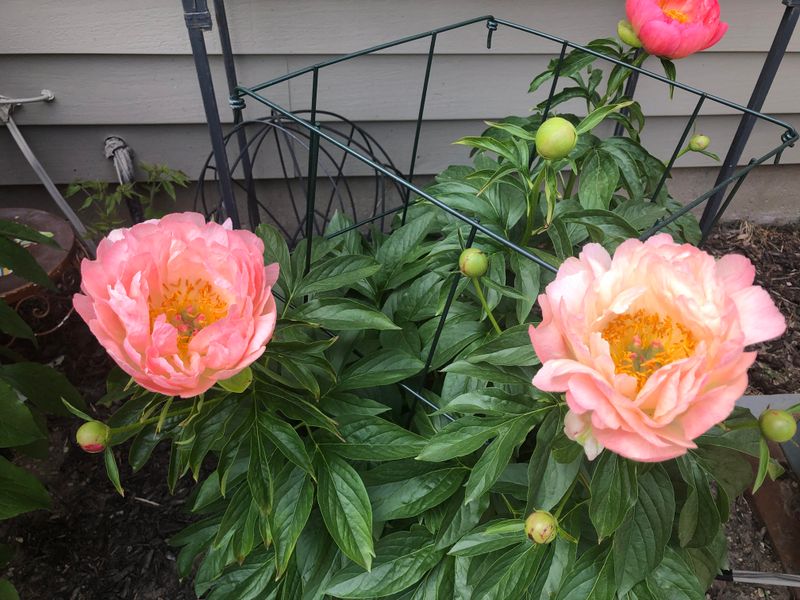
Snip it before July sneaks up on you. Once your peony blooms start to droop and brown, the clock is ticking on your next year’s show.
Removing spent blooms is the single most important June step for peony care. When you leave old flowers on the plant, it puts energy into making seeds instead of storing strength in the roots.
Roots are largely where next year’s flowers develop. Most of the energy your plant sends to a fading bloom is energy pulled away from future growth.
Grab a clean pair of pruning shears and cut the faded flower stem down to the first set of healthy leaves. That one cut redirects everything the plant has left toward root development.
Wisconsin summers are short and sweet, and your peonies know it. They work fast underground to prepare for the next growing season, so giving them a head start matters more here than in warmer states.
Most gardeners think removing spent blooms is just about looks, like tidying up a messy yard. But the real reason is biological: seed production drains the plant’s reserves fast.
You do not need a green thumb or fancy tools to pull this off. A steady hand, sharp shears, and ten minutes in the garden is genuinely all it takes.
Think of it as a small favor you do for your future self. Next May, when those buds push up fat and ready, you will know exactly why.
Why This Step Affects Next Year’s Blooms
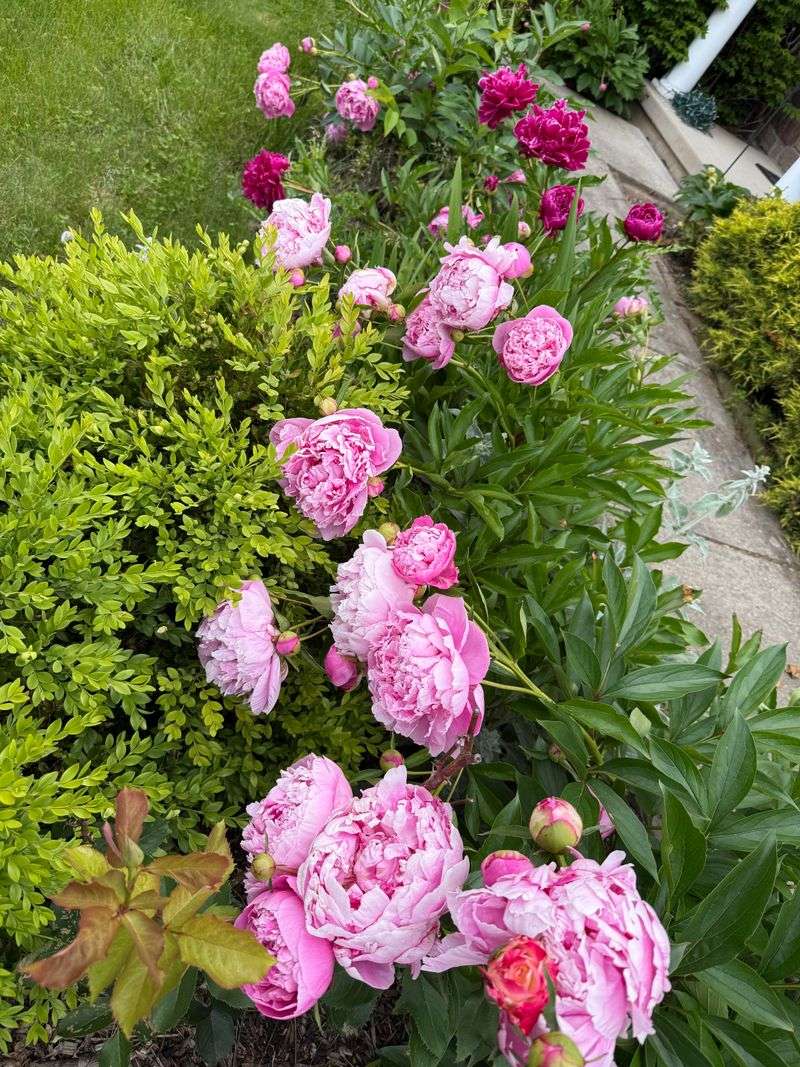
Peonies have a memory, and it lives underground. What happens above the soil in June quietly shapes what rises from the earth next spring.
When a peony flower fades, the plant shifts gears. It starts producing seeds inside the old bloom, pulling sugar and nutrients away from the roots to fuel that process.
Roots store energy like a battery. A fully charged root system powers next year’s flower buds, and a depleted one can leave you with weak stems and far fewer blooms.
This is why your Wisconsin peonies might not bloom next year if you skip this simple June step. The connection between removing spent blooms now and flowering later is direct and well-documented by horticulturists.
Peony roots also use late summer and fall to set the tiny buds that will become next season’s flowers. If the plant is exhausted from seed production, those buds form poorly or not at all.
Your Wisconsin Garden Changes Every Week. Your Plan Should Too.
Gardening in Wisconsin changes quickly throughout the season. Every Friday you’ll receive a simple weekly plan showing exactly what to plant, prune, fertilize, harvest, and protect so you never miss the right timing.
Think of it like a savings account. Every flower you remove before it goes to seed is a deposit into next year’s bloom budget.
Some gardeners notice their peonies bloom beautifully one year and then seem to disappear the next. Skipping this one step is often the quiet reason behind that frustrating pattern.
Understanding the why behind the task makes it easier to stay consistent. Once you see your peonies as living, energy-managing systems, you start treating them with a whole new level of respect.
How To Do It The Right Way
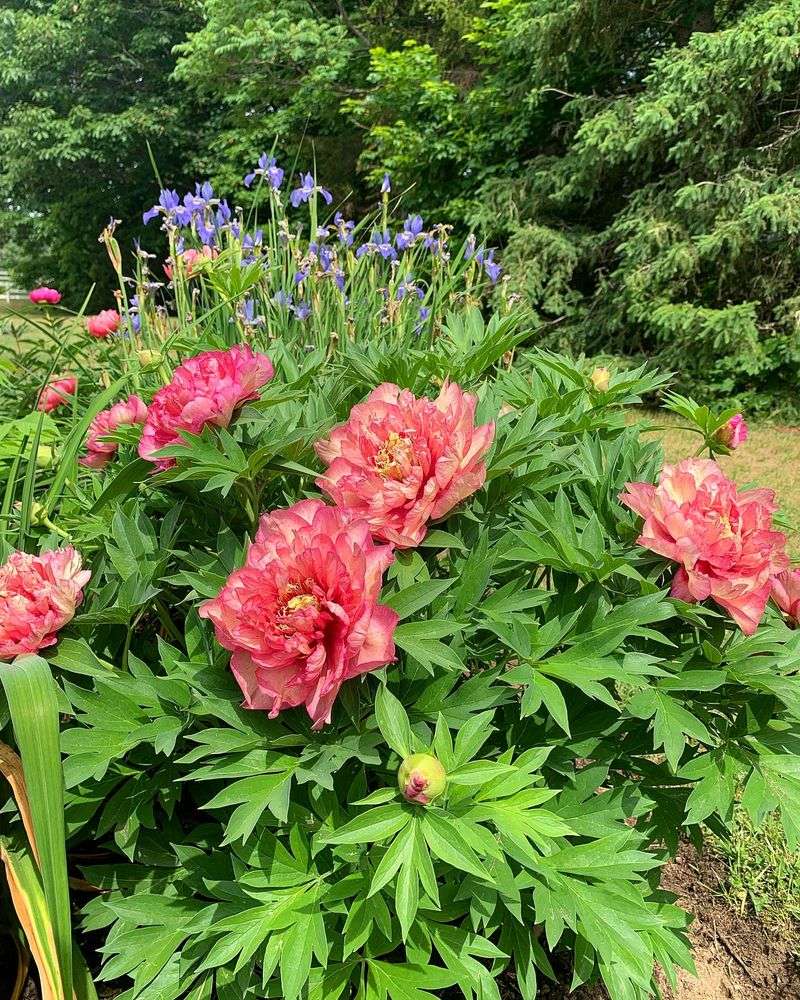
Sharp tools make the whole job easier and safer for your plant. Dull blades crush stems instead of cutting them cleanly, which opens the door to disease.
Before you start, wipe your shears with rubbing alcohol or a diluted bleach solution. Moving between plants without cleaning can spread fungal spores from one peony to another without you ever noticing.
Find the faded bloom and trace the stem down to the first set of full, healthy leaves. That leaf node is your target, and cutting just above it keeps the plant looking tidy and growing well.
Do not cut all the way to the ground in June. The leaves are still working hard, soaking up sunlight and sending energy down to the roots all summer long.
If you see any stems that look discolored, mushy, or spotted, cut those back a bit further. Diseased tissue should not stay on the plant, even in small amounts.
Drop the spent blooms into a bag or bucket as you go. Leaving them on the soil can invite fungal problems like botrytis, which thrives in humid Wisconsin summers.
The whole process for an average peony clump takes about five minutes. Seriously, five minutes is all that stands between you and a spectacular bloom next spring.
Once you finish, step back and take a look at your plant. Clean lines, healthy leaves, and a root system quietly gearing up for something spectacular next May.
What Happens If You Wait Too Long
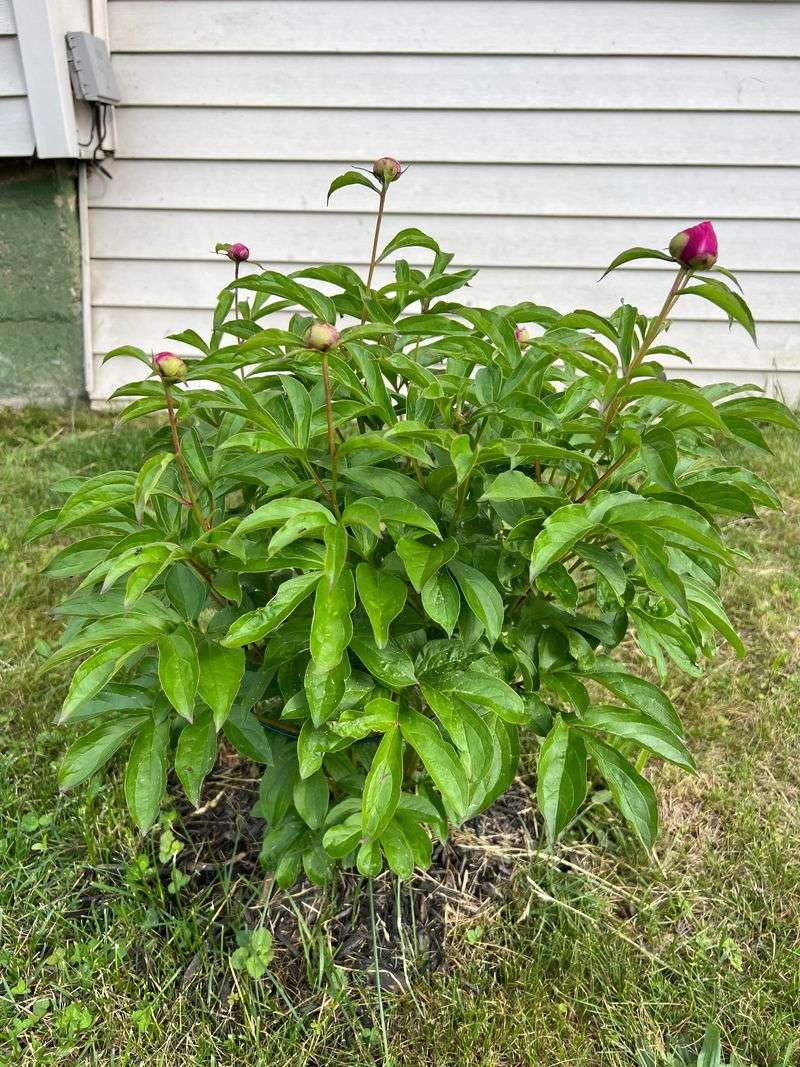
Wait past mid-July and the damage is mostly done. Seed pods form fast, and once they harden, the plant has already spent what it needed to spend.
Those hard little seed pods are not just decorative oddities. They represent weeks of energy your plant burned making something you never asked for and probably do not need.
Acting late is still better than not acting at all, but it is like catching a leak after the floor is already soaked. You stop the problem, but you cannot undo what already happened.
Plants that go through full seed production often look tired by August. Leaves yellow earlier, stems weaken, and the root system heads into fall with less stored energy than it should have.
In Wisconsin, fall comes early and hard. Your peonies need every bit of their summer energy reserves to handle a long, cold winter and still wake up ready to bloom.
Gardeners who wait until August to clean up sometimes wonder why their peonies skipped blooming entirely the following spring. The answer was buried in those forgotten seed pods from July.
There is also a pest angle to consider. Dried plant material left on stems can shelter insects and fungal spores through winter, creating problems that show up as mystery damage in May.
Set a reminder on your phone for mid-June if you have to. Your future self, standing in a yard full of blooms, will be genuinely glad you did.
The Best Time Of Day To Do This In Wisconsin
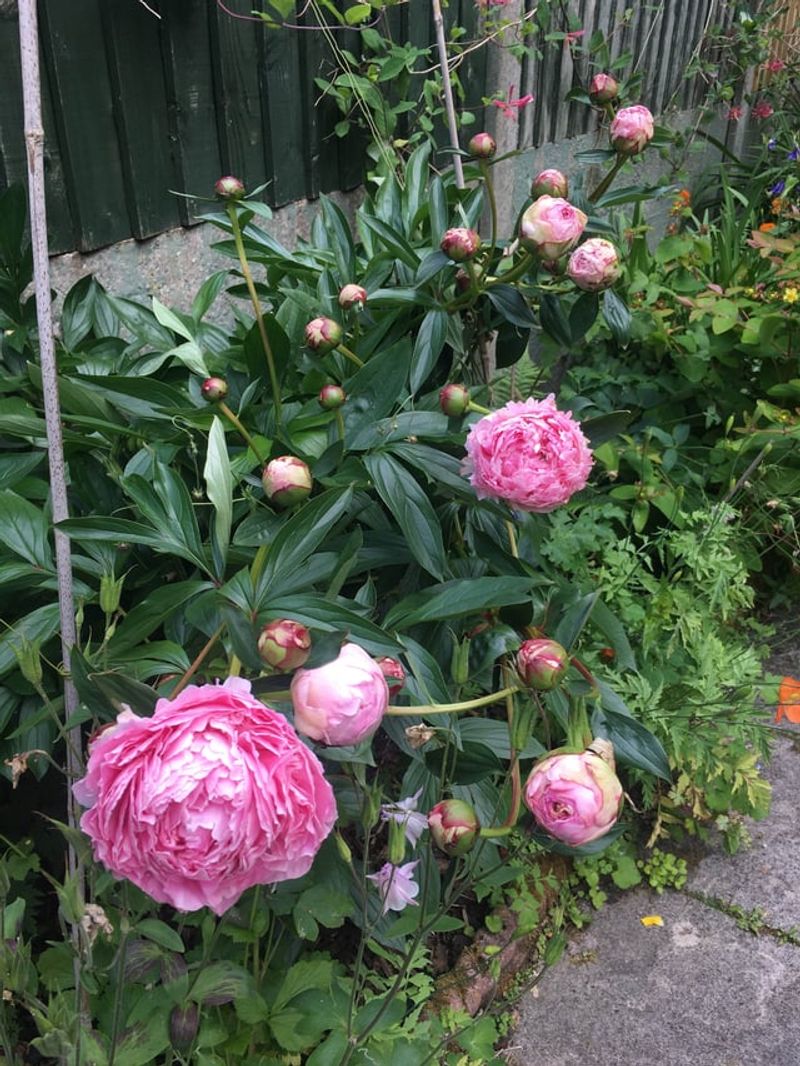
Early morning is your best friend in the garden. The air is cool, the leaves are fresh, and your peonies are at their calmest before the heat of the day sets in.
Cutting plants in the heat of afternoon stresses them more than most gardeners realize. Open wounds on stems lose moisture faster when temperatures are high and the sun is strong.
Morning dew on leaves is fine to work around. Just avoid cutting right after a heavy rain, since wet conditions spread fungal spores more easily from plant to plant.
Wisconsin mornings in June have a quiet charm that makes the early start worth it. Stepping outside with your coffee and your shears before the neighborhood wakes up is honestly one of the more pleasant garden rituals you can build.
If morning is not realistic for your schedule, early evening works as a solid second choice. Temperatures drop, humidity eases up, and the plant has a full night to begin sealing the cut before sun exposure the next day.
Avoid high noon if you can help it. Midday cuts in full sun slow the plant’s natural healing response and can leave stem ends looking scorched and brown.
The timing matters more in humid summers, which Wisconsin gets plenty of. Fungal issues like gray mold spread fastest when warm, wet conditions meet fresh plant wounds.
Pick your window, grab your shears, and make it a habit. A good gardening routine always starts with the right moment.
What To Do With Your Peonies After
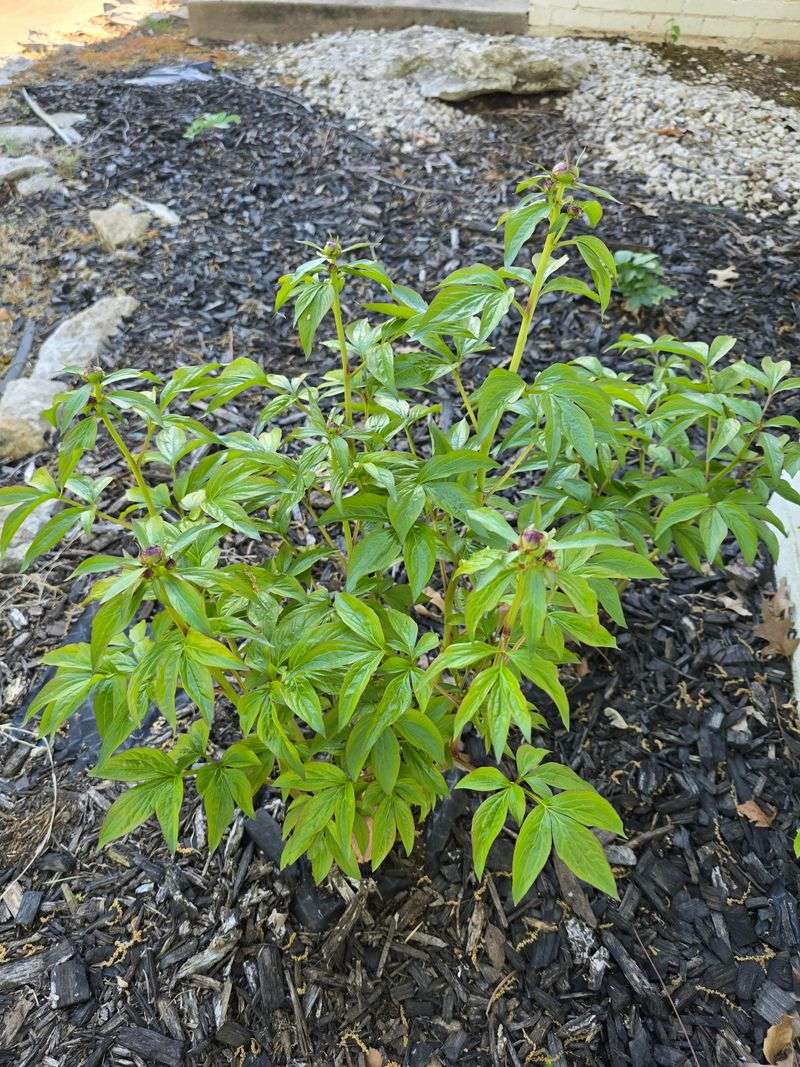
After the blooms are gone, your peonies still have plenty of work ahead of them. The plant shifts into full root-charging mode, and your job is to support that process.
Water deeply once a week if rainfall is scarce. Peonies are drought-tolerant once established, but consistent moisture in summer helps roots build the reserves they need for spring flowering.
Go easy on fertilizer right after you cut back the faded flowers. A light application of low-nitrogen fertilizer in late summer is plenty, and it encourages root growth without pushing leafy top growth the plant does not need.
Mulching around the base of the plant helps hold moisture and keeps soil temperatures stable. Use two to three inches of shredded bark or straw, but keep it away from the crown of the plant.
Watch for signs of botrytis blight, a grayish fuzzy mold that loves humid summers. Remove any affected leaves right away and improve airflow around the plant by thinning crowded stems.
Do not cut the foliage back until after the first hard frost. Those leaves are still feeding the roots all the way through September and into October in most Wisconsin growing zones.
Once frost arrives and the leaves turn brown and papery, cut the whole plant back to just above ground level. Bag those cuttings and toss them, since leaving debris invites overwintering pests.
Following these steps after your June trim keeps your Wisconsin peonies on track for another stunning spring.