Here Is One Thing You Need To Do To Your Lantana Before Tennessee Summer Heat Peaks
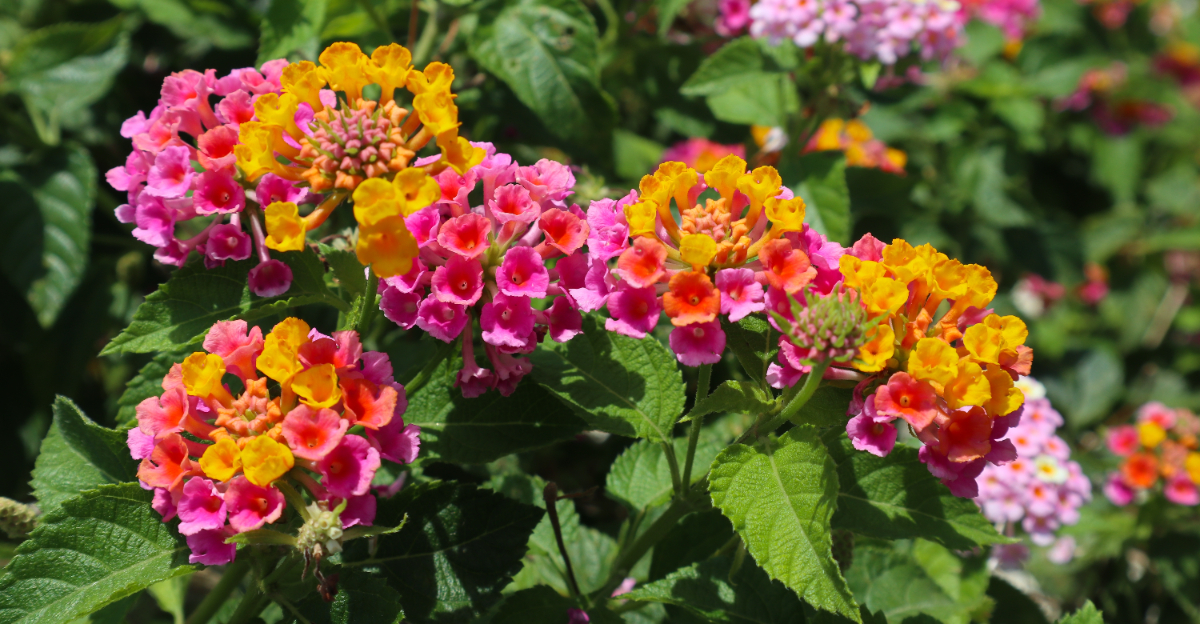
Your lantana is putting on a show right now. Green, full, almost cocky about it. But Tennessee summers do not care how good your plant looks in May.
Once that heat rolls in hard, an unpruned lantana runs out of steam fast. It gets woody. It stops blooming. It just sits there looking tired while everything else in your garden thrives.
The fix is simple, and most gardeners overlook it entirely. One good pruning session before peak heat is all it takes to keep your lantana flowering from June straight through September.
Get the timing right, use the right technique, and your plant will reward you with weeks of nonstop color. Get it wrong, and you are basically hoping for the best.
Here is everything you need to know, from when to prune to what to do once the clippers go back in the shed.
Prune Your Lantana Before The Heat Arrives
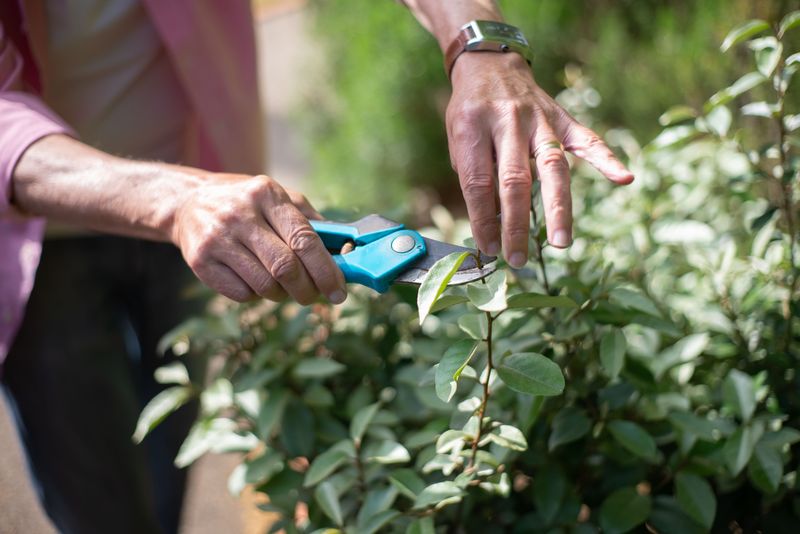
Your lantana is practically begging for a haircut right now. Pruning your lantana before summer heat peaks is one of the most impactful things you can do this season.
Lantana is a tough, sun-loving plant that thrives in warm Southern climates. But without a good trim before peak heat, it gets woody, stops blooming, and focuses energy on old growth instead of new flowers.
When To Prune Lantana In Tennessee, timing matters more than most gardeners realize. Late spring, typically between late April and mid-May, is your sweet spot for pruning in this region.
Soil temps are rising, frost risk is gone, and your plant is pushing out fresh growth. That combination makes pruning incredibly effective right before summer kicks in hard.
How To Prune Lantana The Right Way starts with clean, sharp bypass pruners. Cut stems back by about one-third, targeting woody or leggy sections first.
Never scalp the whole plant at once. Leave healthy green growth so the shrub can bounce back quickly and push out a flush of new blooms.
What To Do After Pruning is just as important as the cut itself. Water deeply after trimming, and add a slow-release fertilizer to fuel fresh growth.
Why Pruning Sets Your Lantana Up For A Stronger Summer comes down to energy. Removing old wood redirects the plant’s resources toward producing more flowers and healthier stems.
Signs Your Lantana Is Ready To Be Pruned include long, bare stems with few leaves and sparse blooming near the base. When you spot those clues, grab your pruners and get to work.
The Pruning Window Is Shorter Than You Think
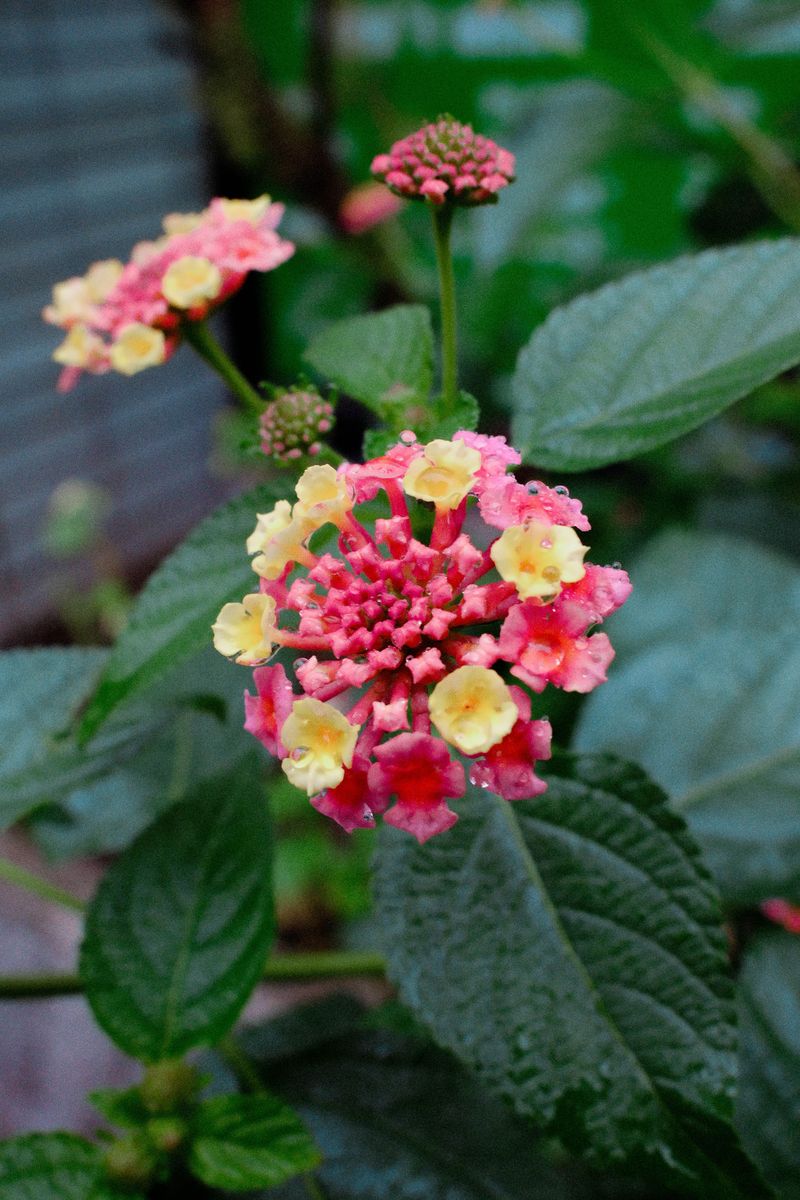
Timing is everything when it comes to lantana. In Tennessee, the sweet spot for pruning is late April through mid-May, just before daytime temperatures consistently climb past 85 degrees.
At this point, your lantana has shaken off winter dormancy and started pushing out fresh growth. Cutting it back now gives the plant enough time to recover and branch out before the brutal July heat sets in.
Waiting too long means pruning a stressed plant, which slows recovery. Get ahead of the heat, and your lantana will reward you with fuller growth and more blooms all summer long.
Your Tennessee Garden Changes Every Week. Your Plan Should Too.
Gardening in Tennessee changes quickly throughout the season. Every Friday you’ll receive a simple weekly plan showing exactly what to plant, prune, fertilize, harvest, and protect so you never miss the right timing.
A good rule of thumb is to watch the forecast, not just the calendar. If a stretch of 80-degree days is on the way, that is your cue to grab the shears before the window closes.
Tennessee gardeners in the eastern part of the state may have a slightly longer runway due to cooler mountain temperatures. Those in Memphis or Nashville should lean toward the earlier end of that April to May range.
If you missed the ideal window and summer has already arrived, do not skip pruning altogether. A lighter trim is still better than nothing, just avoid cutting back hard during a heat wave when the plant is already under stress.
The Right Way To Prune Lantana
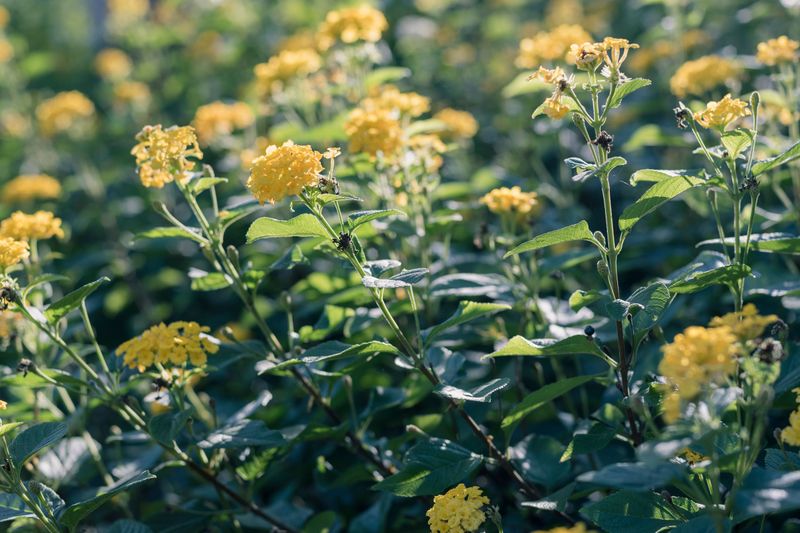
Grabbing any old scissors and hacking away will not cut it here. You need a clean, sharp pair of bypass pruning shears to make smooth cuts that heal quickly without inviting disease into the stems.
Cut each stem back by about one-third to one-half of its total length. Look for a spot just above a leaf node or a visible bud, because that is exactly where new growth will sprout from.
Work your way around the entire plant to keep the shape balanced. Remove any woody or crossing stems as you go for the best results.
Wipe your shears with a diluted bleach solution before you start, especially if you have been cutting other plants. It takes ten seconds and keeps any lingering fungal issues from spreading to your lantana.
Do not worry if the plant looks dramatically smaller when you are done. That is exactly the point. A shorter, well-shaped lantana right now means a fuller, bushier one by midsummer.
Try to prune in the morning while temperatures are still mild. Cutting during the heat of the afternoon adds unnecessary stress to the plant right when it is least equipped to handle it.
Do These Things Right After You Prune
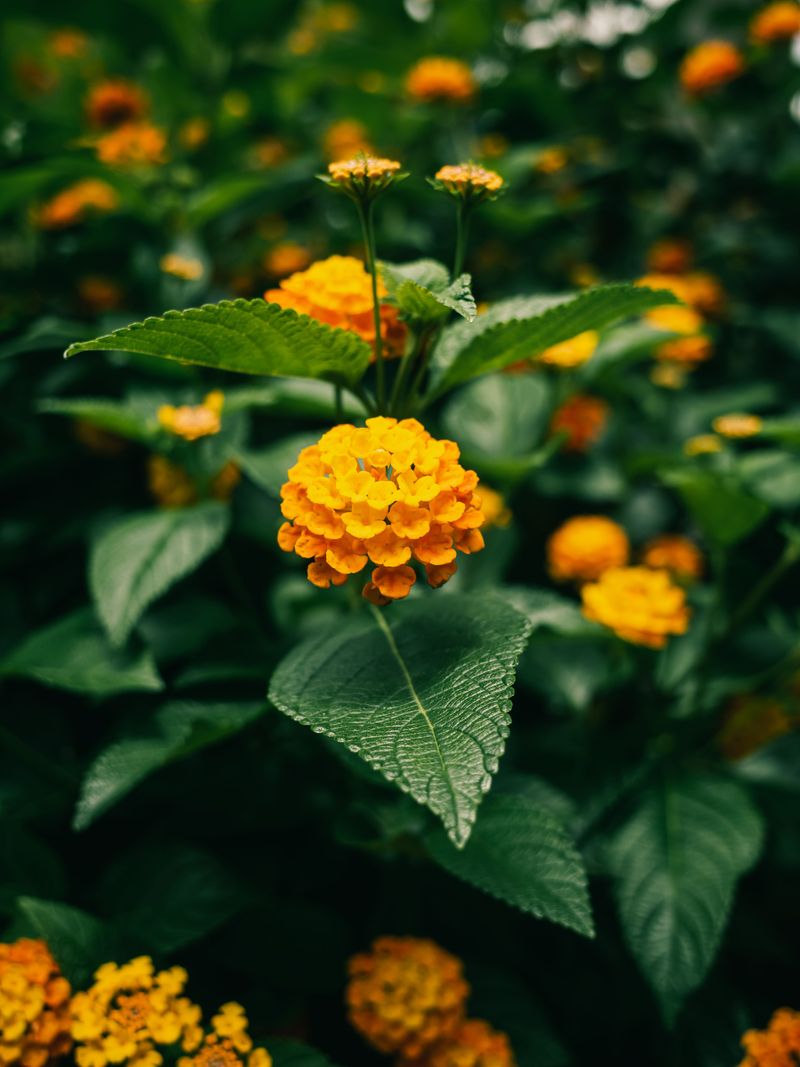
Once the cutting is done, your lantana needs a little extra support to bounce back strong. Start by giving it a deep, thorough watering right after pruning so the roots can start pulling up nutrients to fuel new growth.
Adding a two-inch layer of mulch around the base helps lock in soil moisture, which matters a lot as temperatures start rising. Keep the mulch a few inches away from the main stem to prevent rot.
A light application of a balanced slow-release fertilizer about a week after pruning gives your plant the nutritional boost it needs to push out fresh, healthy stems.
Avoid fertilizing immediately after pruning though. Give the plant a few days to settle before introducing nutrients, otherwise you risk pushing weak, spindly growth instead of strong new branches.
Within two to three weeks, you should start seeing new shoots emerging from the spots where you made your cuts. That is your sign the plant is on track for a strong summer season.
Keep an eye on watering during that recovery window too. Newly pruned lantana is more vulnerable to drought stress than an established plant, so check the soil every couple of days until you see steady new growth coming in.
The Real Reason Pruning Sets Your Lantana Up For Summer
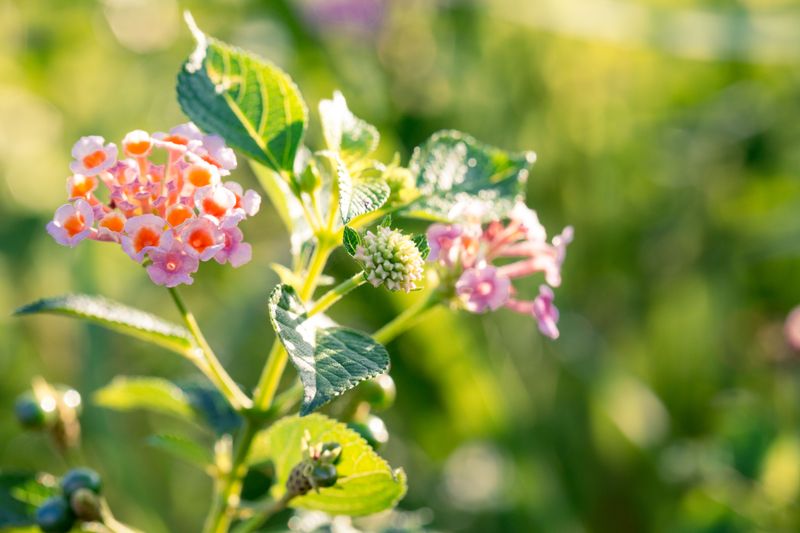
Think of pruning as hitting a reset button for your plant. When you cut lantana back before peak heat, you are removing old, woody growth that drains energy without producing many new flowers.
The plant responds by sending out multiple new stems from each cut point, which means more branches and ultimately more blooms. More foliage also means better shade for the root system, helping it stay cooler during those relentless Tennessee heat waves.
Plants that get pruned before summer tend to outperform those that do not, showing stronger color, denser growth, and far better drought tolerance when August rolls around.
Lantana is also a heavy bloomer by nature, which means it burns through energy fast. Pruning essentially redirects that energy away from maintaining old growth and toward producing the new flowering stems you actually want to see.
There is a reason lantana is one of the most popular summer plants across the South. Managed well, it requires very little attention through the hottest months. Pruning before the heat peaks is the one move that makes all of that possible.
Skipping it does not just mean fewer flowers. It often means spending the back half of summer trying to revive a plant that never quite found its footing, which is a frustrating position to be in when the fix was this straightforward all along.
Signs Your Lantana Is Ready To Be Pruned
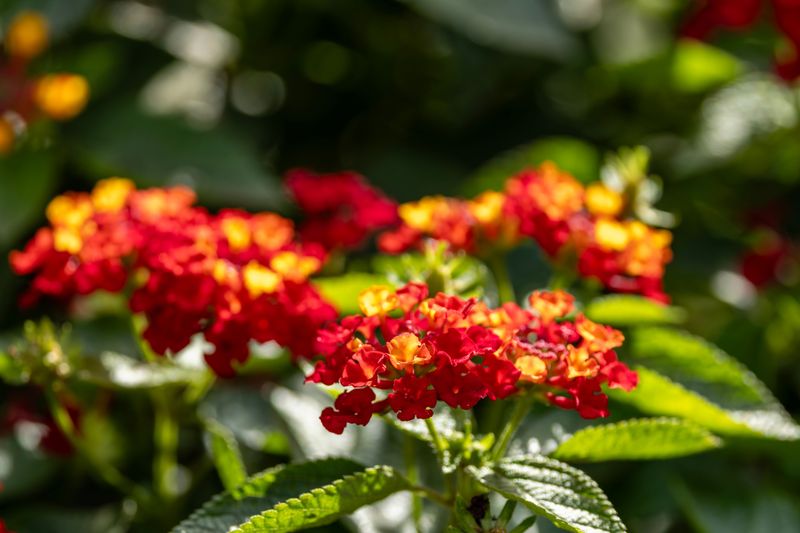
Your lantana will basically tell you when it is time. If you notice long, leggy stems with few leaves and even fewer blooms, that is a clear signal the plant is overdue for a trim.
Woody stems that feel stiff and show little to no green growth are another giveaway. Healthy, productive lantana should have plenty of flexible, green stems reaching toward the sun, not stiff brown ones going nowhere.
Also watch for a generally sparse or uneven shape. If your plant looks more like a tangle of sticks than a full, rounded shrub, it is definitely time to grab those pruning shears.
A plant that has stopped producing new buds even with regular watering and decent weather is also waving a red flag. That kind of stalled growth usually means the old wood is hogging resources that should be going toward new flowering stems.
When in doubt, do a quick scratch test on a stem. Scrape a small spot with your fingernail and look for green underneath. Green means the stem is still alive and worth keeping. Dry and brown all the way through means it needs to go.
Keep in mind that these signs can show up at any point during the season, not just before summer. Catching them early and acting quickly is always better than waiting to see how bad it gets.