Why Passionflower Vine Is Showing Up On More Virginia Fences This Season
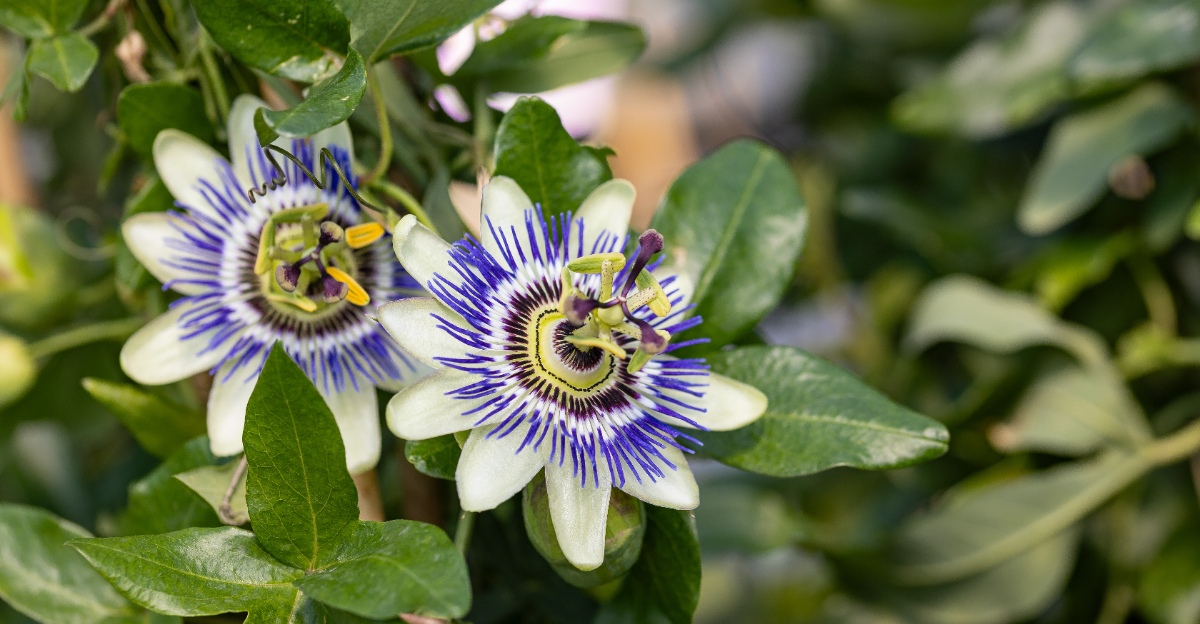
Something with tendrils and a flower that looks like it belongs on another planet is quietly taking over Virginia fences this season.
That’s passionflower vine, and once you see one in full bloom, you’ll understand why gardeners across Virginia can’t stop talking about it.
The blooms are unlike anything else in a Virginia garden. Layered, fringed, almost architectural. People stop mid-walk to stare.
Pollinators show up like they were invited. And they were. Passionflower vine is native to Virginia, which means the local wildlife already knows it. Butterflies, bees, hummingbirds, they find it fast and they keep coming back.
This season, more Virginia gardeners are giving it a permanent spot along their fences, and the reasons go well beyond the looks. Here’s what’s behind the obsession.
What Makes Passionflower Vine A Favorite Along Virginia Fences
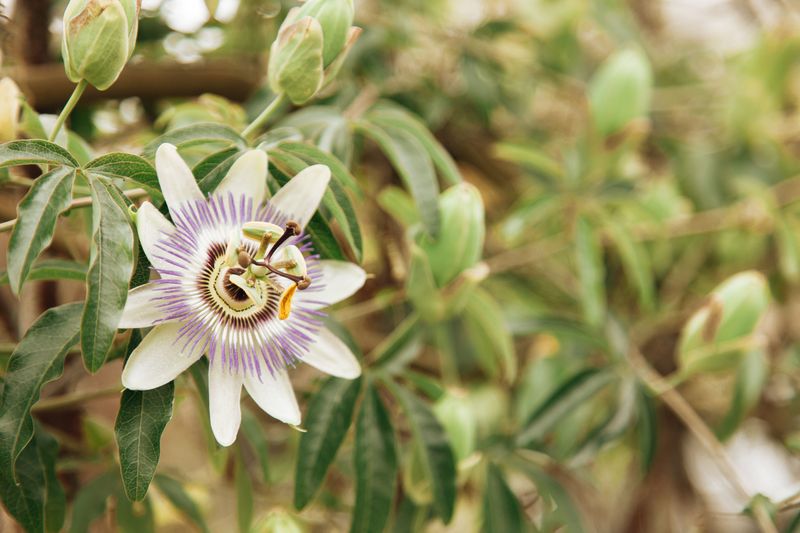
Something about this plant just stops people in their tracks. Passionflower vine has a look that feels tropical, exotic, and completely out of place on a suburban fence. That is exactly why people love it so much.
Native to the eastern United States, this vine thrives in Virginia’s warm, humid summers. It does not need much fussing over, which makes it a dream for busy homeowners who still want a gorgeous yard.
The blooms are unlike anything else you will find at a garden center. Each flower has layered petals, a wild fringe of purple filaments, and a structure that looks almost mechanical. Bees, butterflies, and hummingbirds cannot resist them.
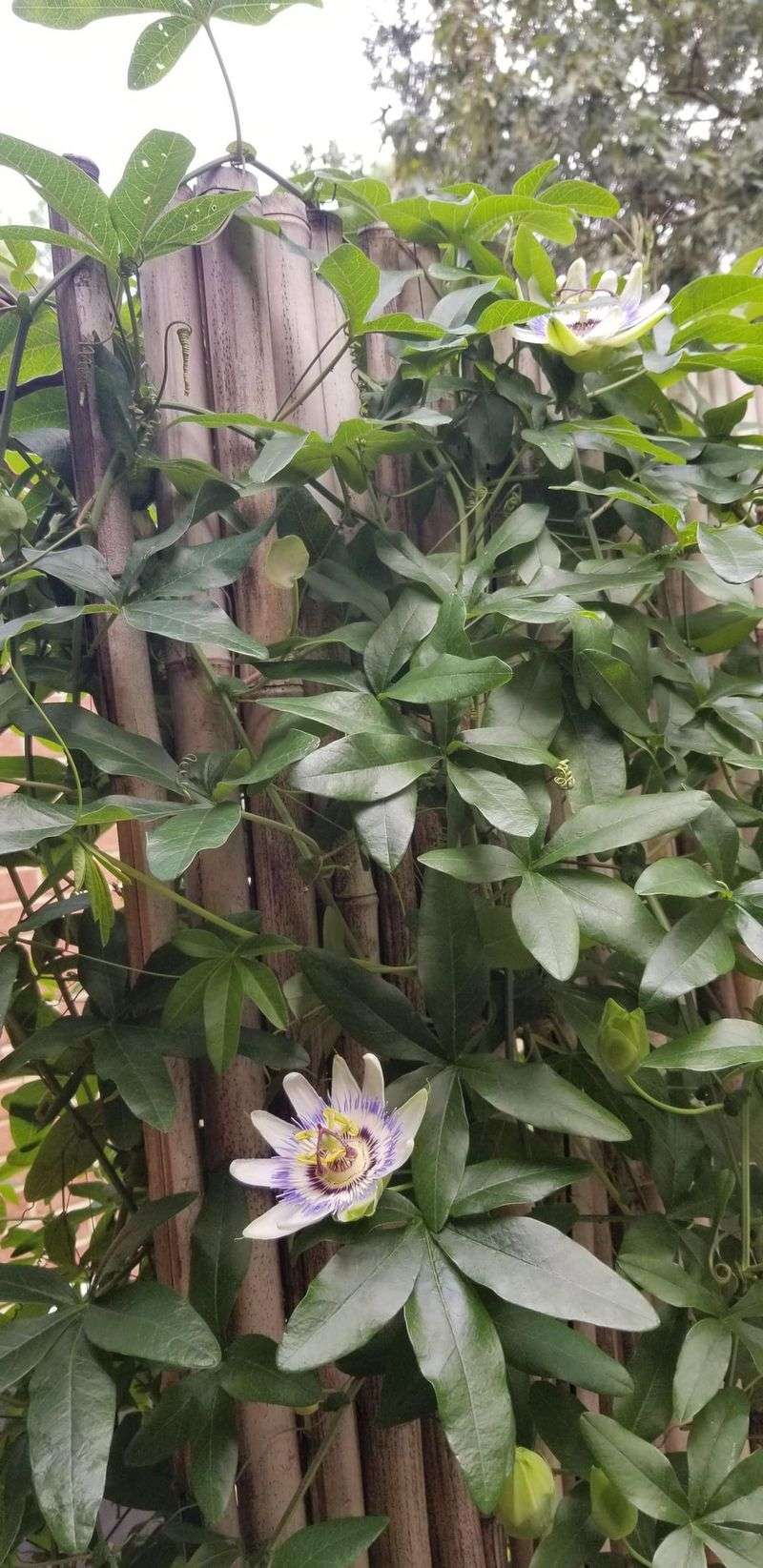
Fences give the vine exactly what it craves: something vertical to grab onto. The tendrils coil around wire, wood, and chain-link like tiny green fingers. Within a single season, a bare fence can become a flowering wall.
Homeowners are also drawn to the plant because it grows fast. You can plant it in spring and have full coverage by midsummer. That kind of payoff is hard to beat in the gardening world.
Passionflower vine has been drawing more attention at garden centers this season. Word travels fast in gardening communities, especially when the plant delivers such a dramatic visual punch.
It tends to spark curiosity in anyone who walks by.
What Passionflower Vine Looks Like Up Close
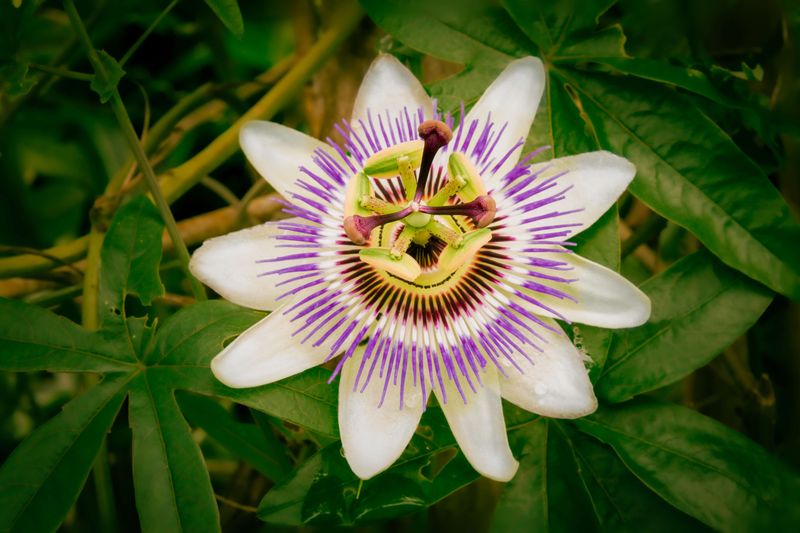
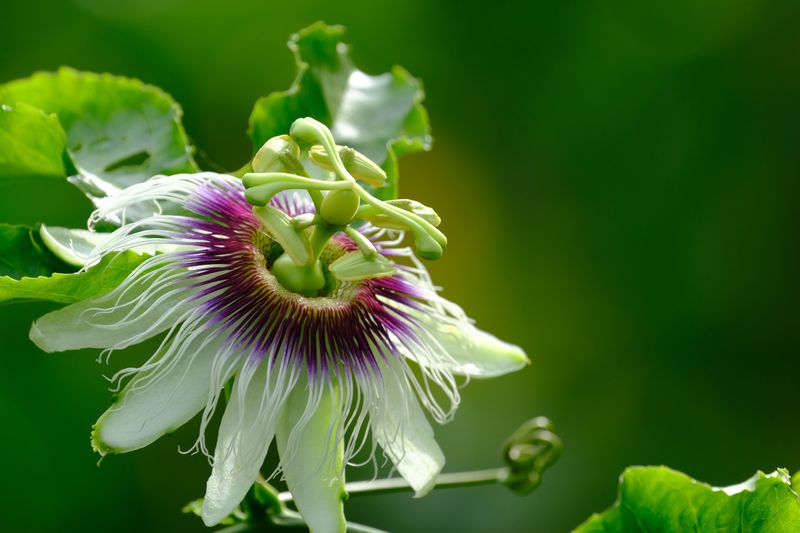
Staring at a passionflower bloom for the first time feels like discovering something from another planet. The flower has five white petals arranged in a star shape beneath a crown of purple and white fringe.
That fringe is called the corona, and it is absolutely wild-looking.
At the center of each bloom sits a raised structure with five yellow stamens and three sticky stigmas. The whole arrangement looks like a tiny, elaborate piece of living jewelry. No wonder people stop their cars to take photos.
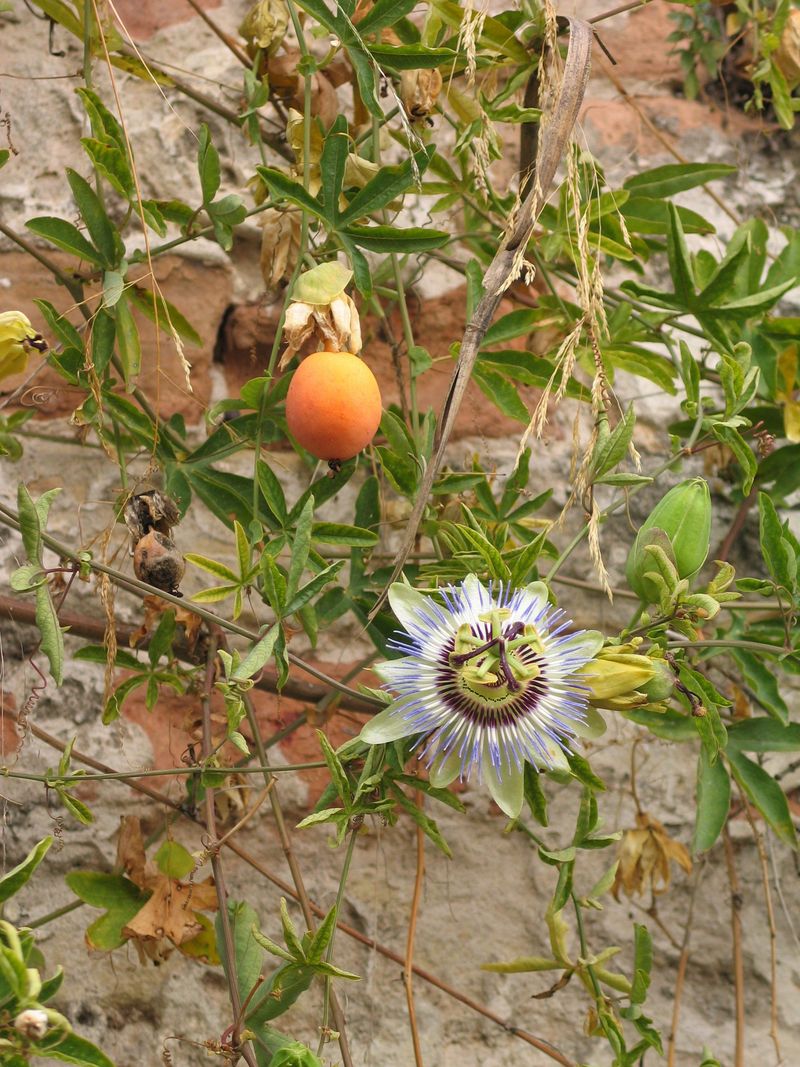
The leaves are deeply lobed with three to five pointed sections, giving them an almost maple-like silhouette. They are a deep, glossy green that pops against wooden fences or brick walls. Even without the flowers, the foliage alone earns its place in a garden.
Your Virginia Garden Changes Every Week. Your Plan Should Too.
Gardening in Virginia changes quickly throughout the season. Every Friday you’ll receive a simple weekly plan showing exactly what to plant, prune, fertilize, harvest, and protect so you never miss the right timing.
The vine climbs using thin, curling tendrils that reach out from the stem. These tendrils wrap around anything they touch, from fence wire to old twine. The grip is surprisingly strong once the tendril sets.
In late summer, the plant produces small, egg-shaped fruits called maypops. They start out green and turn yellow as they ripen. The fruit is edible, and some describe the flavor as mildly sweet with a faint tropical note.
Up close, every part of this plant tells a story. The passionflower vine rewards anyone who slows down long enough to really look. Once you see it in full detail, you will never forget it.
The Best Time To Plant Passionflower Vine In Virginia
Timing matters with this vine. In Virginia, the sweet spot is mid-April through late May, once soil temperatures are consistently above 60 degrees Fahrenheit.
Planting too early in cold, soggy soil can stall the vine for weeks. A late frost can also set back young growth significantly. Patience in spring pays off with explosive summer growth.
Virginia’s last frost dates vary by region, so check your local zone before planting. The northern part of the state typically clears frost risk by mid-April. Southern areas near the coast can often start a few weeks earlier.
If you want blooms by July, aim to get your vine in the ground by early May. The plant needs at least six to eight weeks of warm weather before flowering begins. Starting with a nursery-grown transplant rather than seed speeds things up considerably.
Container-grown plants can go in the ground as soon as overnight lows stay above 50 degrees. Water them in well and mulch the base to hold soil moisture. A good start leads to a strong first season.
Avoid fall planting with new plants, roots need time to establish before cold sets in. Spring is your window.
How To Plant Passionflower Vine Along A Fence
Planting this vine is easier than most people expect. Start by choosing a spot that gets at least six hours of full sun daily. Passionflower vine can tolerate partial shade, but flowering is much more dramatic in full sun.
Dig a hole twice as wide as the root ball and just as deep. Loosen the soil around the edges of the hole so roots can spread outward easily. Good drainage is essential because this plant hates sitting in waterlogged ground.
Set the plant at the same depth it was growing in its container. Backfill with the native soil, pressing it gently around the roots to eliminate air pockets. Water thoroughly right after planting to help the roots make contact with the soil.
Place your planting hole about six to twelve inches away from the fence base. This gives the roots room to grow without being cramped against the structure. The vine will find its way to the fence quickly on its own.
Attach a few of the longer stems to the fence using soft garden ties or loose twine. This guides the vine in the right direction during the first few weeks. Once the tendrils grab hold, the plant takes over from there.
Mulch around the base with two to three inches of wood chips or shredded leaves. This keeps moisture in and weeds out during the critical first growing season. A well-planted vine rewards you with blooms faster than you would think.
Keeping Passionflower Vine From Taking Over
Let us be honest: this plant has ambition. Passionflower vine can spread aggressively if you let it run unchecked through a garden bed. Knowing how to manage it keeps the beauty without the chaos.
Passionflower vine spreads above ground and through underground runners called rhizomes. These can pop up several feet from the main plant, so pull them promptly.
Pruning is your best management tool. Cut back long, wandering stems in late spring before new growth gets too dense. A pair of sharp bypass pruners makes clean cuts that heal quickly.
Do not be shy about cutting hard. Passionflower vine bounces back from aggressive pruning with remarkable speed. Cutting it back by one-third to one-half in spring actually encourages more blooms later in the season.
If you want to contain the spread, install a root barrier around the planting area. These plastic barriers go about twelve inches deep into the soil. They stop rhizomes from wandering into flower beds or lawn areas.
Growing the vine in a large container is another option for those who want color without commitment. A half whiskey barrel or a big terracotta pot works well. Just make sure the container has drainage holes and gets regular watering during dry spells.
Managed well, this vine is a joy. Left unchecked, it simply needs more attention. A little seasonal attention keeps it exactly where you want it.
The Wildlife Passionflower Vine Attracts To Your Yard
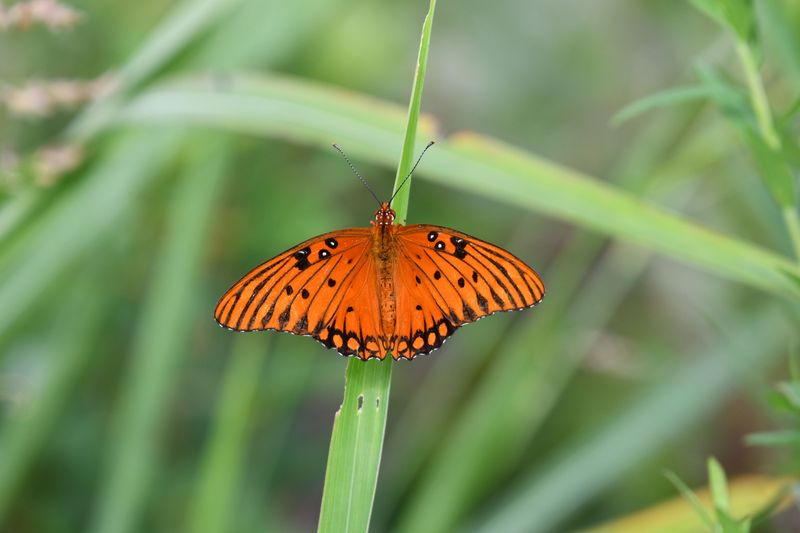
If you want your yard buzzing with life, this vine is your shortcut. Passionflower vine is a magnet for pollinators, songbirds, and some of the most beautiful butterflies in the eastern United States. Planting it is basically putting out a welcome sign for wildlife.
Passionflower vine is one of the primary larval host plants for the Gulf Fritillary butterfly. Female butterflies lay their eggs directly on the leaves, and the caterpillars feed on the foliage. Watching this cycle up close is one of the great joys of gardening.
Zebra Longwing butterflies also use this plant for breeding. Both species are stunning, with bold orange and black patterns that look hand-painted. A single vine can support multiple generations of butterflies in one season.
Bumblebees and carpenter bees are particularly drawn to the large, open blooms. The flower structure makes it easy for big bees to access nectar and pollen. Honeybees visit frequently as well, especially in the morning hours.
Hummingbirds are occasional visitors, particularly during migration in late summer and early fall. The tubular structure of some passionflower varieties suits their long bills perfectly. Planting near a window gives you front-row seats to the show.
Birds eat the ripe maypop fruits in late summer, helping spread seeds naturally. This is partly why the vine is expanding its range across suburban neighborhoods. Your fence could become a mini wildlife corridor that benefits the whole block.