8 Reasons This Native Vine Belongs On Every Tennessee Fence
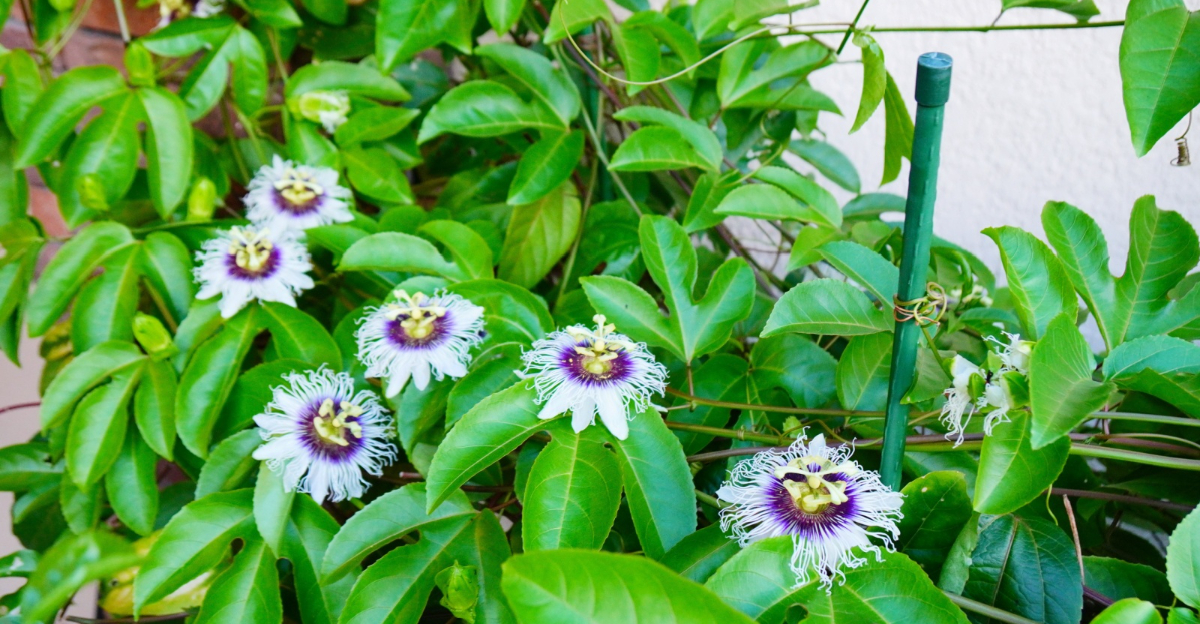
You spotted it growing wild along your back fence in Tennessee, a spiral-tendrilied vine covered in blooms that looked stolen from a tropical greenhouse. You stopped.
You stared. You genuinely wondered if something had escaped from a botanical garden overnight.
That strange, fringed flower belongs to Maypop, the wild passionflower native to the Southeast, and it has been quietly thriving in Tennessee backyards without a single request for fertilizer or fuss.
Did you realize this so-called weed feeds butterflies, produces edible fruit, and laughs through summer heat that would wilt most garden darlings? You have been pulling up one of nature’s most generous plants.
Maypop blooms like a fever dream, works harder than anything you deliberately planted, and asks for nothing but a fence and a patch of sun. Put those clippers down and find out what you almost missed.
1. Thrives Naturally As A True Tennessee Native
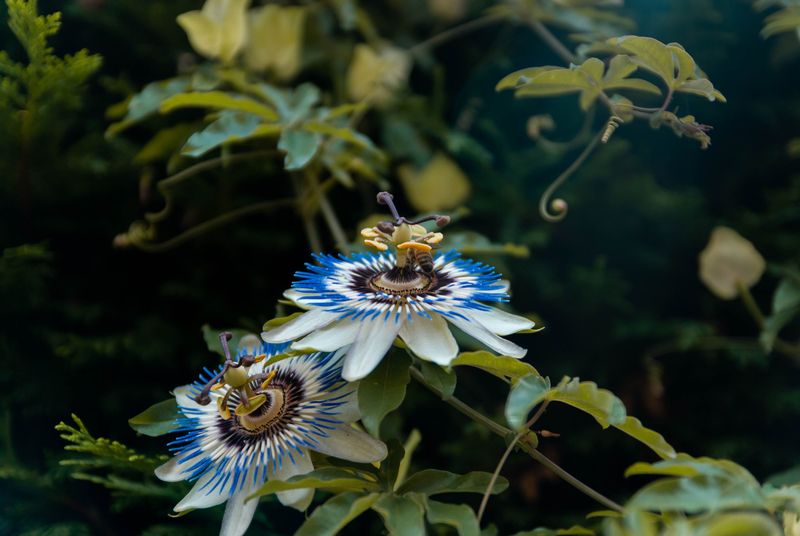
Maypop did not need anyone to plant it here. Passiflora incarnata has grown wild across the Southeast for thousands of years, long before garden centers existed.
Being a true regional native means the plant already knows what to do with your soil. It has adapted to clay-heavy ground, rocky hillsides, and everything in between.
Most ornamental vines you buy at a nursery come from somewhere else entirely. They need coddling, amendments, and sometimes a prayer to survive a harsh August.
Maypop laughs at August. It actually thrives when summer turns mean and other plants start looking sad.
Because it evolved here, it supports the local food web in ways that imported plants simply cannot. Native insects recognize it, native birds know its fruit, and native bees have relied on its pollen for generations.
Planting this vine is not just a gardening choice. It is a small act of ecological restoration right in your own backyard.
You are essentially giving local wildlife a familiar landmark. That ecological connection has real value as wild spaces around neighborhoods continue to shrink.
The root system is also impressively tough. Once established, it anchors itself deeply and returns stronger each spring without any help from you.
For Tennessee gardeners tired of babying finicky plants, a native vine that genuinely belongs here is the most refreshing thing you can grow. Welcome it home.
2. Blooms With Stunning, Exotic Flowers All Season
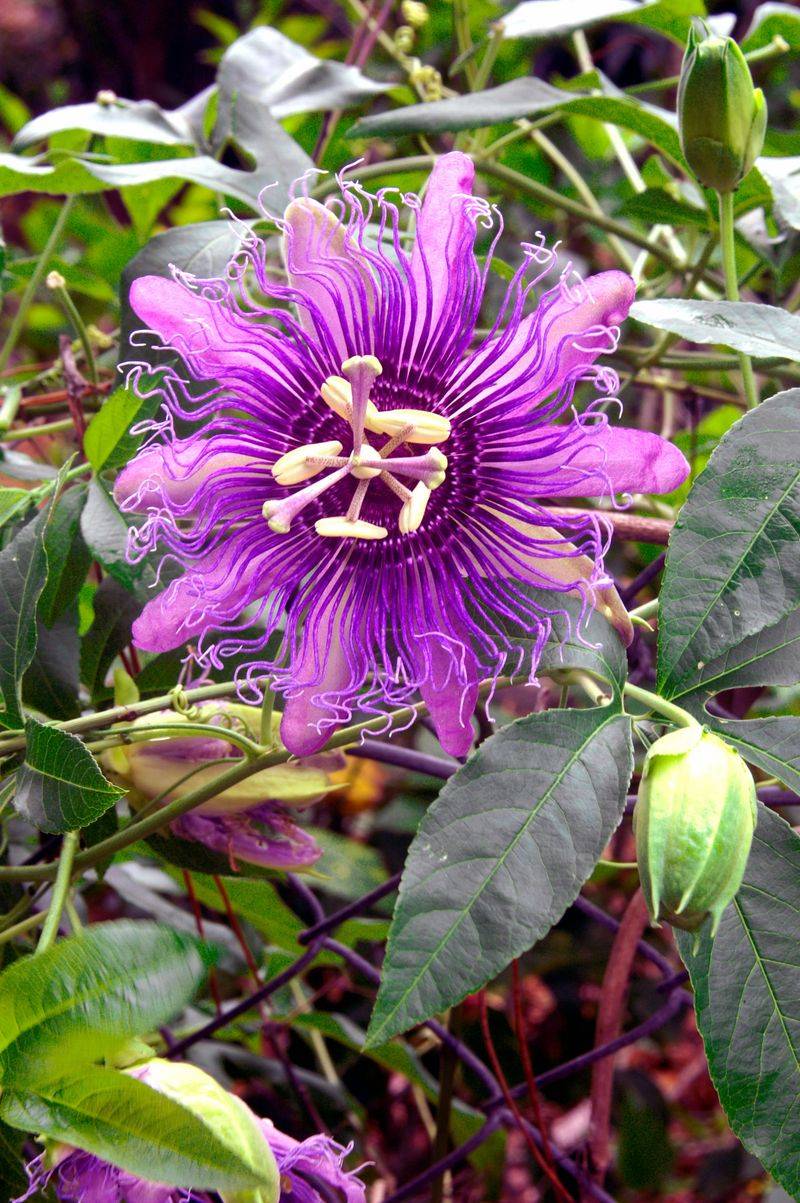
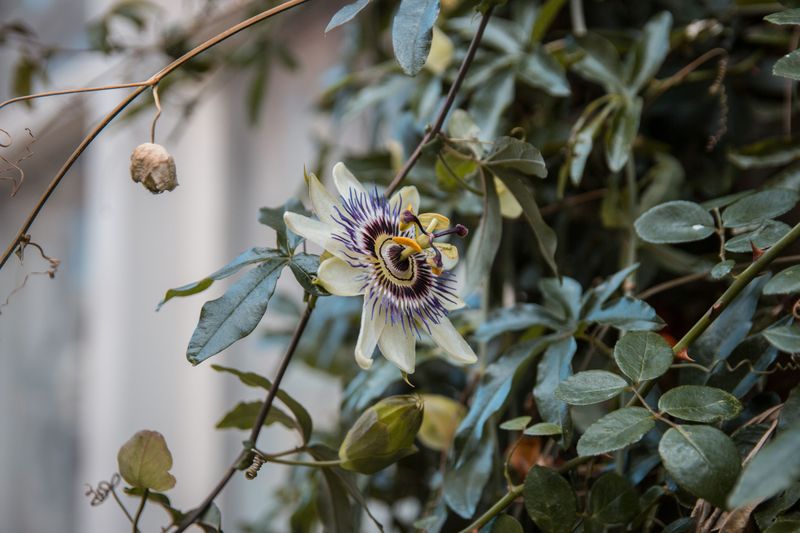
No flower in North America looks quite like this one. The passionflower bloom is a layered, geometric masterpiece that stops people mid-conversation when they see it for the first time.
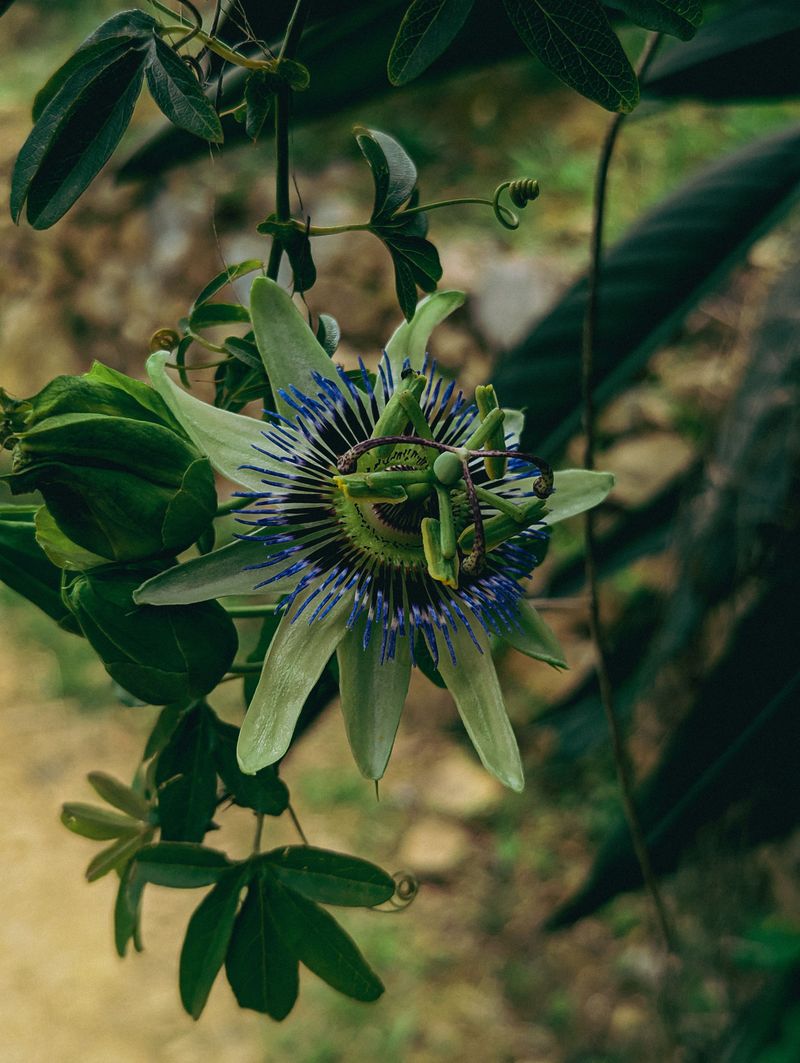
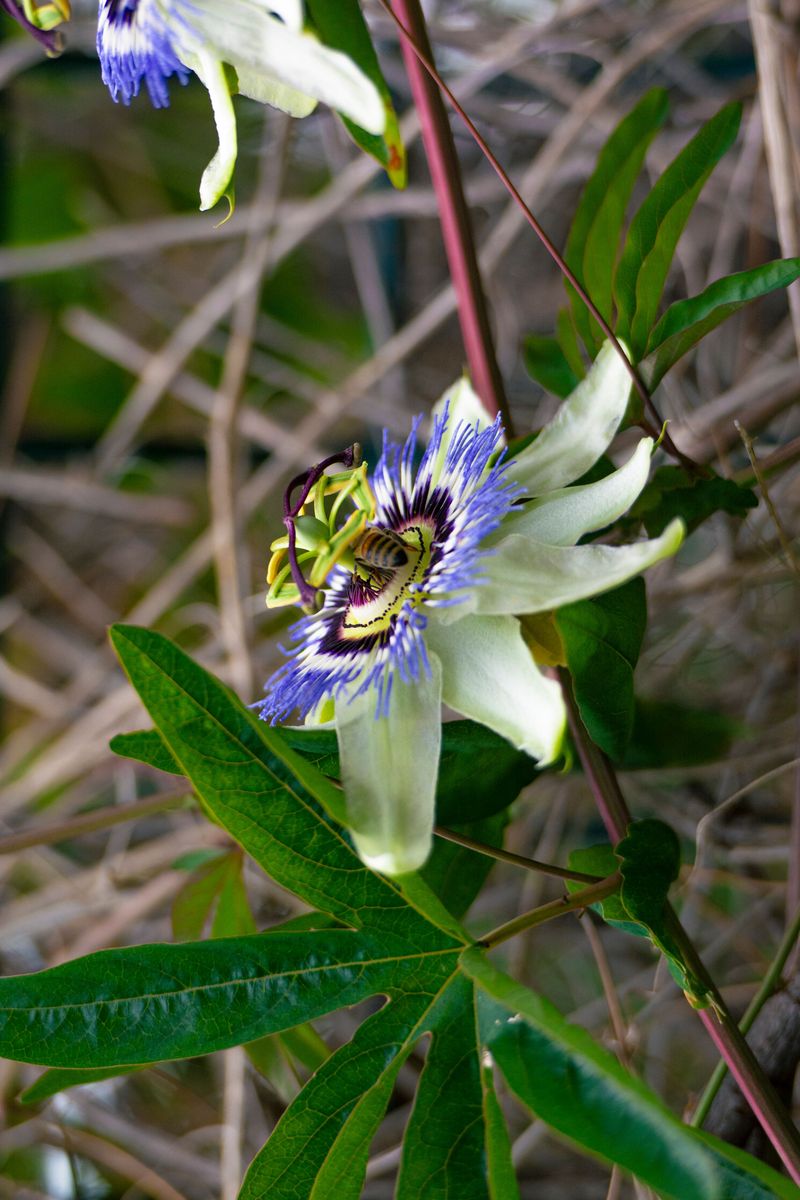
Each flower has ten petals arranged in a flat star shape, with a crown of purple and white threadlike filaments rising from the center. It looks like something reminiscent of both a coral reef and a Georgia O’Keeffe painting.
Blooms open fresh each morning and last through the day. New ones replace them steadily from late spring all the way into early fall, giving you months of visual drama on your fence.
The color palette runs from pale lavender to deep violet, depending on the individual plant and growing conditions. Full sun tends to produce the most saturated, vivid blooms.
Your Tennessee Garden Changes Every Week. Your Plan Should Too.
Gardening in Tennessee changes quickly throughout the season. Every Friday you’ll receive a simple weekly plan showing exactly what to plant, prune, fertilize, harvest, and protect so you never miss the right timing.
Neighbors will ask what it is. Guests will photograph it. You will feel genuinely satisfied for having chosen something so visually striking.
Unlike roses, which demand pruning schedules and pest management, this vine blooms abundantly with almost no intervention. Cut it back in late winter, step aside, and let it perform.
The flowers also carry a faint, sweet fragrance that drifts through the yard on warm afternoons. It is subtle enough to be pleasant rather than overwhelming.
For anyone who wants a fence that doubles as a conversation piece, this native vine delivers season after season without ever feeling predictable. The show never gets old.
3. Hosts And Supports Native Butterflies Beautifully
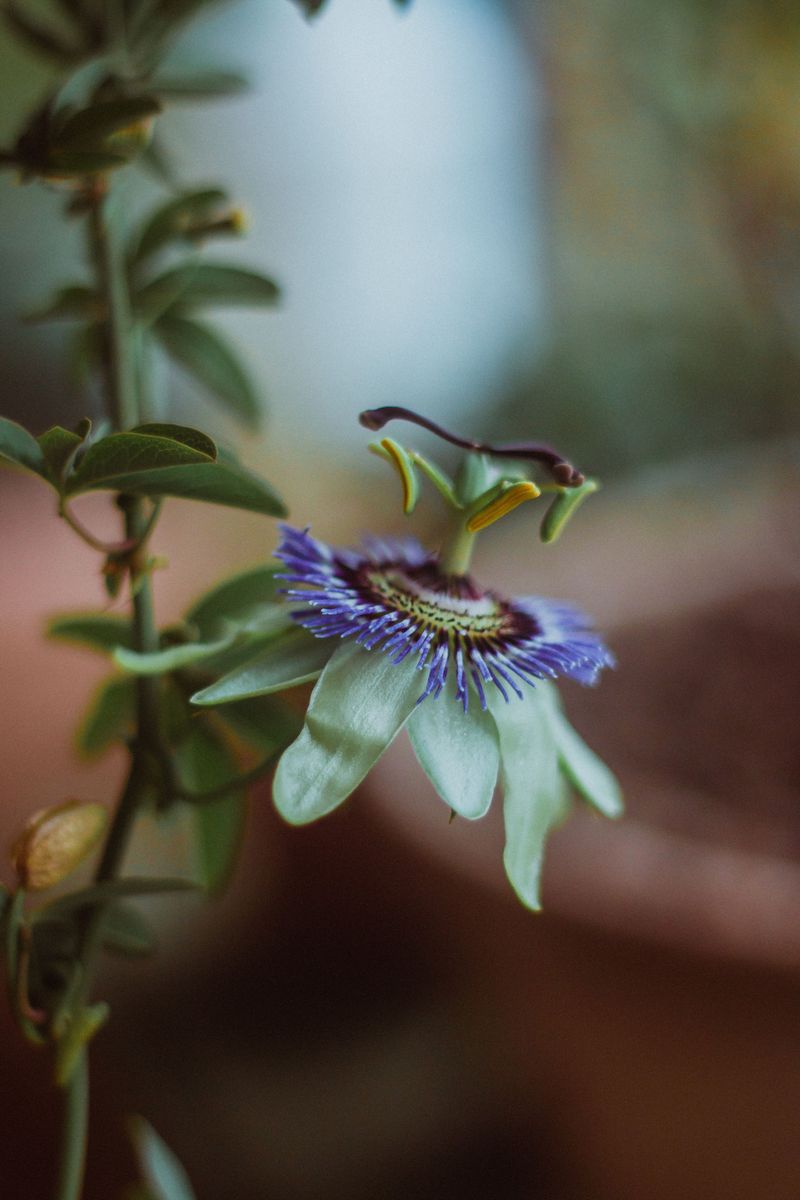
Gulf Fritillary butterflies depend on Passiflora species as larval host plants. In Tennessee, Maypop is the most reliably available option for completing their life cycle.
Zebra Longwings rely on it too. These elegant black-and-yellow butterflies are drawn to the flowers for nectar and lay their eggs on the leaves for their young to eat.
Watching a butterfly lay eggs on your fence vine is one of those small, genuinely moving moments that gardening occasionally delivers. You become part of something larger than a tidy yard.
The caterpillars are spiky and orange, almost alien-looking. They munch the leaves aggressively, but a healthy vine bounces back quickly and never suffers long-term damage from their feeding.
Many gardeners panic when they see chewed leaves. On a passionflower vine, that is actually a sign of success, not failure.
Beyond butterflies, the blooms attract native bees, bumblebees, and hummingbirds throughout the season. The flower structure is designed to transfer pollen efficiently to any visitor large enough to reach the center.
Supporting pollinators has real ripple effects. More pollinators in your yard means better fruit set on nearby vegetables and flowers you are already growing.
A single vine on your fence can anchor an entire backyard habitat corridor. For butterfly lovers and wildlife gardeners, this plant is not optional. It is essential.
4. Tolerates Drought And Heat Exceptionally Well
July in the mid-South is brutal. Temperatures push past 95 degrees, rain disappears for weeks, and most garden plants start wilting by noon.
Maypop handles all of it without visible stress. Its deep taproot system reaches moisture that shallow-rooted plants cannot access, giving it a serious survival advantage during dry spells.
Once established, this vine rarely needs supplemental watering. That is a big deal in a region where summer water bills can climb fast and drought restrictions pop up unexpectedly.
The first season requires some patience and occasional watering while roots get established. After that, you can essentially leave it alone through the hottest months.
Many gardeners have reported their maypop thriving in spots where other plants gave up completely. Rocky slopes, south-facing fences, and sun-baked corners are no problem for this tough native.
Heat stress that browns the edges of ornamental plants does not faze passionflower foliage the same way. The leaves stay green and productive even when conditions feel relentless.
This resilience makes it an especially smart choice for gardeners who travel during summer or simply do not have time for daily watering routines. Low-maintenance beauty is genuinely rare.
Climate patterns across the Southeast are shifting toward hotter, drier summers. Planting drought-tolerant natives now is forward-thinking gardening that pays off for years ahead.
When the rest of your fence plants look stressed and sad, maypop keeps blooming and growing like the season suits it perfectly. Because it does.
5. Produces Edible Fruit With A Tropical Flavor
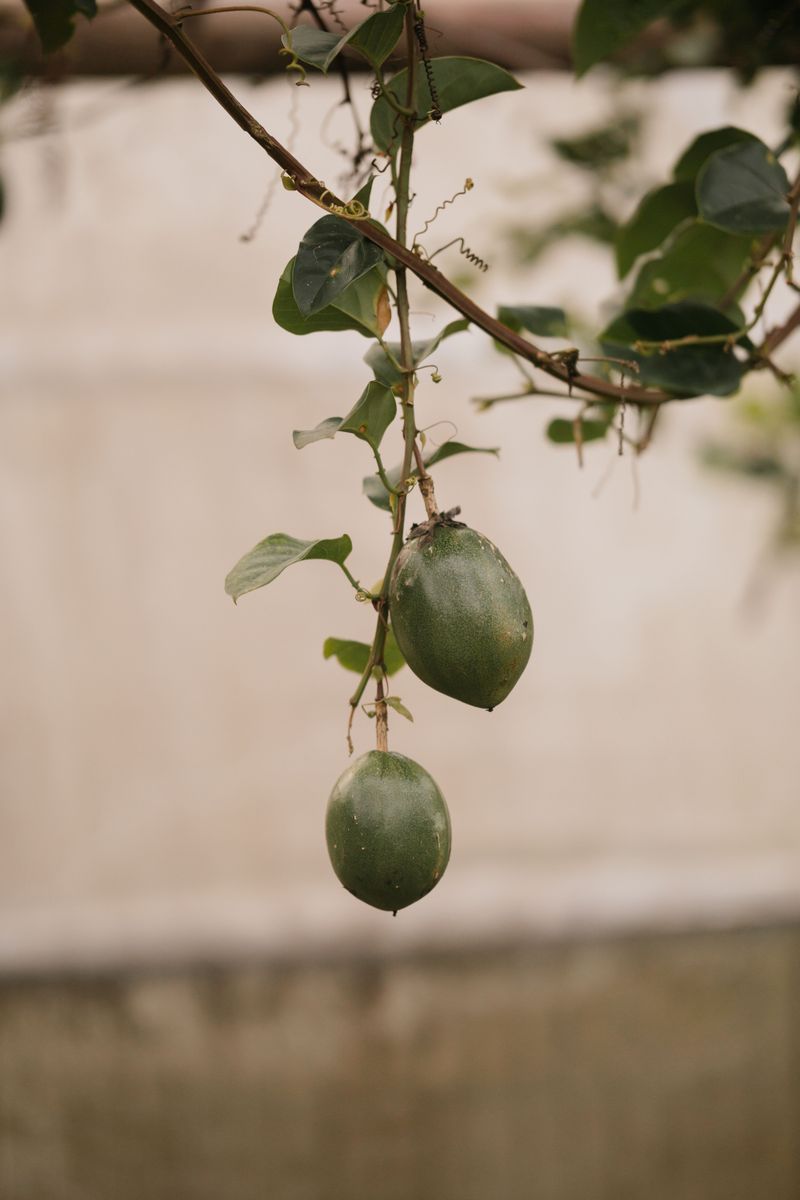
Most people do not know that maypop produces actual edible fruit. When the egg-shaped green pods ripen to yellow, they pop underfoot with a satisfying crack and reveal sweet, fragrant pulp inside.
The flavor is genuinely tropical. It tastes like a cross between passion fruit and guava with a hint of citrus, which makes sense since maypop is a close relative of commercial passion fruit.
Indigenous peoples across the Southeast harvested maypop for centuries. The fruit was eaten fresh, dried, and used to flavor beverages long before European contact changed the landscape.
Ripe fruit falls from the vine on its own in late summer and early fall. You can also harvest pods that have turned yellow and feel slightly soft when squeezed gently.
The pulp and seeds are both edible. Many people eat it straight from the pod, while others strain the pulp for juice, jam, or a surprisingly good cocktail mixer.
Flavor intensity varies between plants and seasons. Fruit that ripens after a hot, dry stretch tends to be sweeter and more concentrated than fruit from a cooler year.
Growing your own edible native fruit requires almost no effort here. The vine produces fruit as a byproduct of simply doing what it does naturally.
For anyone curious about foraging or growing unusual edibles, maypop delivers a genuinely exotic flavor experience without asking you to tend an orchard. That is a remarkable return on one fence plant.
6. Grows Fast Into A Natural Privacy Screen
Privacy in a suburban yard is hard to come by. Fences help, but a bare wooden fence does not exactly block a neighbor’s view of your Saturday afternoon activities.
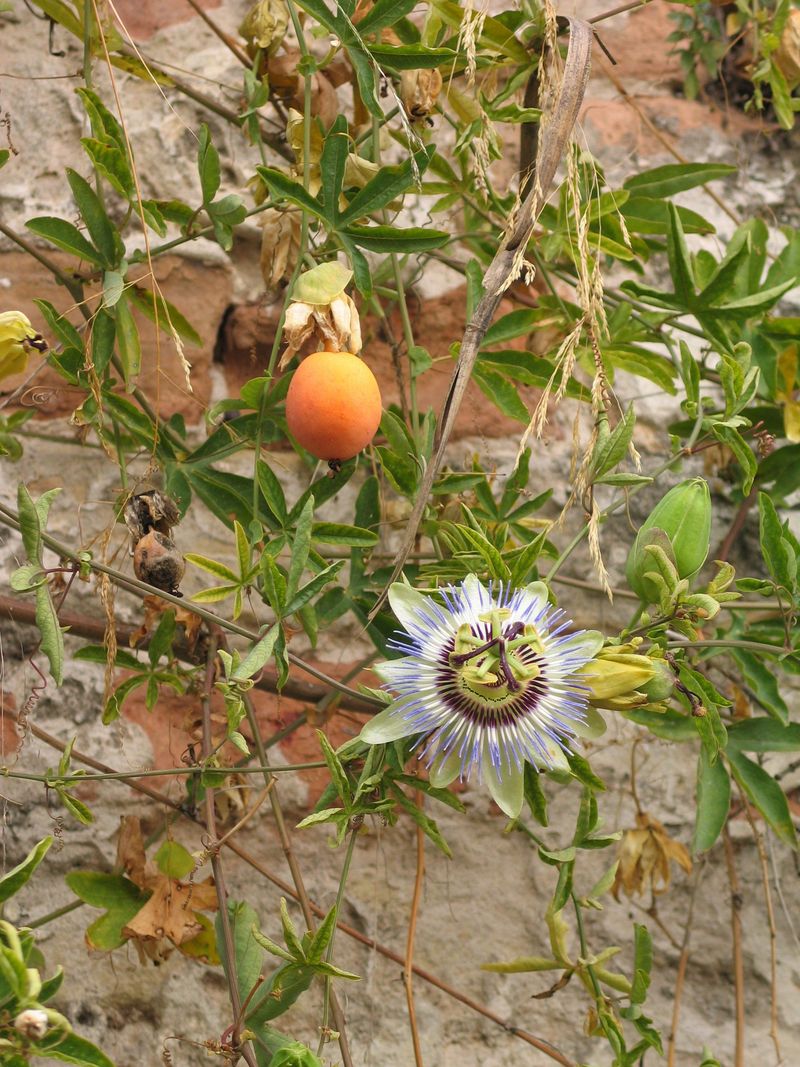
Maypop solves that problem fast. Under good conditions, a single plant can extend 15 to 20 feet along a fence in a single growing season.
The leaves are large, deeply lobed, and densely packed when the vine matures. They overlap in a way that creates genuine visual coverage without the need for additional plants or structures.
Unlike evergreen shrubs that take a decade to provide screening, this vine fills in within the first or second season. Patience is still required, but not the decade-long kind.
The vine climbs using curling tendrils that grip fence rails, wire, and lattice naturally. No tying or training is usually necessary once the plant finds its direction.
Because it goes dormant to the ground each winter, the fence itself remains accessible for repairs or painting during the off-season. That is a practical advantage many homeowners overlook.
Come spring, new growth emerges from the roots and races upward again with impressive speed. You get the best of both worlds: seasonal access and summer privacy.
Pair maypop with a simple wire fence instead of an expensive wood privacy fence and you save money while gaining something far more beautiful. The butterflies do not care about your fence budget.
A living screen that blooms, feeds wildlife, and grows itself is the kind of solution that makes every other option look overpriced. Your fence just leveled up.
7. Carries Real Medicinal And Herbal Value
Herbalists have respected passionflower for a long time. Native tribes used it for anxiety, insomnia, and inflammation long before pharmaceutical companies started studying its compounds.
Modern research backs up much of that traditional use. Studies suggest that passionflower extracts may help reduce mild anxiety and improve sleep quality.
Research is still considered preliminary, and it is not a substitute for prescription treatment. The above-ground parts of the plant, including leaves, stems, and flowers, are the portions used medicinally.
They are typically dried and brewed as a tea or tinctured in alcohol. Flavor-wise, passionflower tea is mild and slightly grassy.
Many people blend it with chamomile or lemon balm to soften the taste and layer the calming benefits.
You can dry your own harvest easily. Cut stems in late summer, bundle them loosely, and hang them in a dry spot with good airflow for a week or two.
Having a medicinal herb growing on your fence is quietly empowering. It connects you to a long tradition of plant-based wellness that predates the modern supplement industry by centuries.
Always consult a healthcare provider before using any herbal remedy, especially if you take prescription medications. Passionflower can interact with sedatives and should be avoided during pregnancy.
That said, for healthy adults looking for a gentle, natural wind-down after a stressful day, a cup of homegrown passionflower tea is a genuinely lovely option.
Growing your own calm on a backyard fence is the kind of low-key life upgrade that quietly improves everything. Steep slowly and breathe deeply.
8. Demands Little While Delivering High Ecological Payoff
Some plants take everything and give back very little. Maypop is the opposite of that equation in every measurable way.
Once established, it needs no fertilizer, no pesticides, no irrigation, and no elaborate pruning schedule. Cut it back in late winter and walk away until spring.
What it gives back is staggering by comparison. Food and shelter for butterflies, nectar for bees, fruit for birds and foragers, and flowers for anyone lucky enough to walk past the fence.
Ecologists describe plants like this as high-value native species, ones whose presence supports a disproportionate number of backyard species relative to their footprint.
A single vine can support dozens of species across one growing season. That includes insects, birds, and even small mammals that eat fallen fruit in late summer.
From a cost perspective, maypop is a remarkable investment. A small plant from a native nursery costs less than a bag of mulch and returns value for decades.
Compare that to non-native ornamentals that need annual replacement, constant feeding, and pest control just to look decent. The math strongly favors the native vine every time.
For gardeners who care about doing something meaningful with their outdoor space, this plant checks every box. Beauty, food, habitat, resilience, and heritage all in one fast-growing vine.
If there is a fence on your property and a patch of sun nearby, this native vine deserves a spot there immediately.
Plant one this season and watch local wildlife respond to it in ways most ornamental plants never achieve.