What It Means When Bats Start Visiting Your Tennessee Yard At Dusk
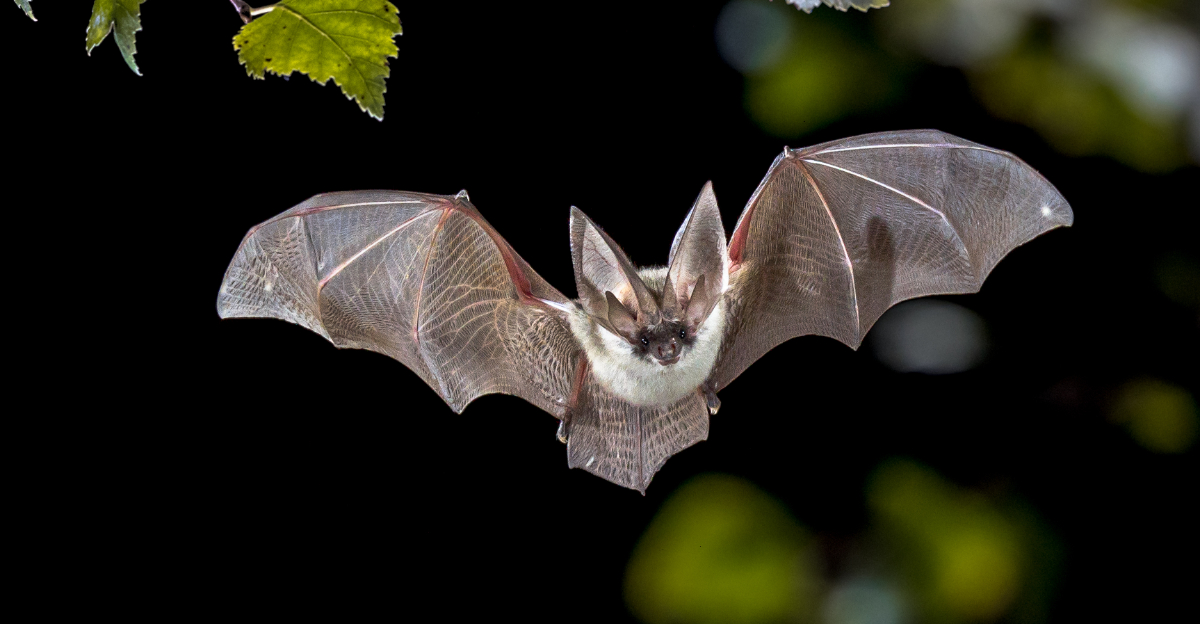
Bats do not wander into yards by accident. The one that just darted across your sightline had a very specific reason for being there.
Your yard passed some kind of test. Maybe it was the insects hovering near your porch light.
Maybe it was the old oak offering a perfect daytime hideout, or the creek two houses down drawing mosquitoes by the thousands.
Either way, bats are selective, and your outdoor space made the cut. Once you understand what pulls them in at dusk, you start seeing your yard differently.
Not just a patch of grass and garden beds, but a functioning piece of a much bigger ecosystem. That shape cutting across the fading sky is not a curiosity.
It is a signal. Here is what their evening visits are really telling you.
Bats At Dusk Are Responding To One Of Nature’s Most Reliable Cues
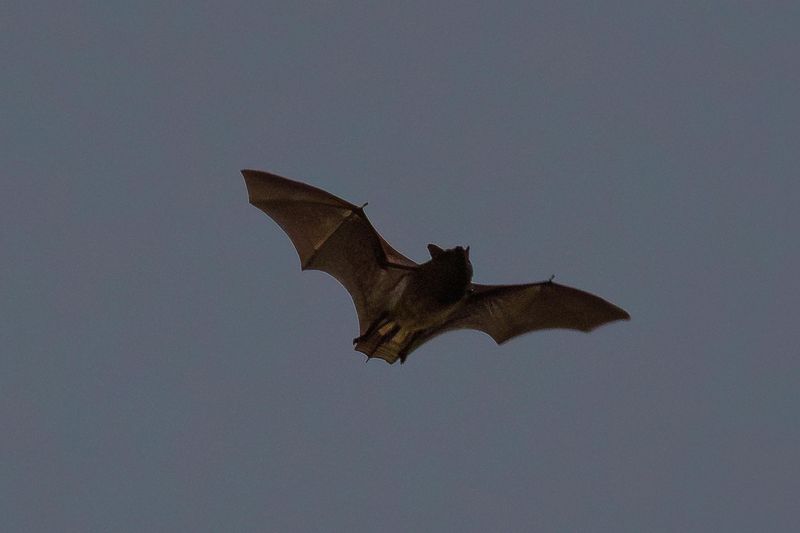
The sky shifts color and bats appear, almost like clockwork. That is not a coincidence at all.
Bats time their flights around light levels, specifically the moment called civil twilight. This is when the sun drops just below the horizon but enough ambient light remains for navigation.
Their internal clocks are remarkably consistent, triggering activity around the same light threshold each evening. This sensitivity to fading light is hardwired into bat biology, driven by circadian rhythms that respond to shifting light levels.
Insects also respond to fading light by swarming near warm surfaces, open water, and tree canopies. Bats know this, and they show up exactly when the buffet opens.
Temperature plays a role too. Warm evenings above 50 degrees Fahrenheit keep insects airborne longer.
A mild Tennessee summer night can keep bats hunting well past midnight.
Wind matters as well. Calm evenings concentrate insects in predictable zones, making hunting far more efficient.
On breezy nights, you may notice fewer bats or see them flying lower where wind is less disruptive.
Your yard at dusk is essentially a landing strip for one of nature’s most impressive aerial hunters. Once you understand the timing, every future sighting will feel far more awe-inspiring.
Your Yard Is Offering Something Bats Cannot Resist
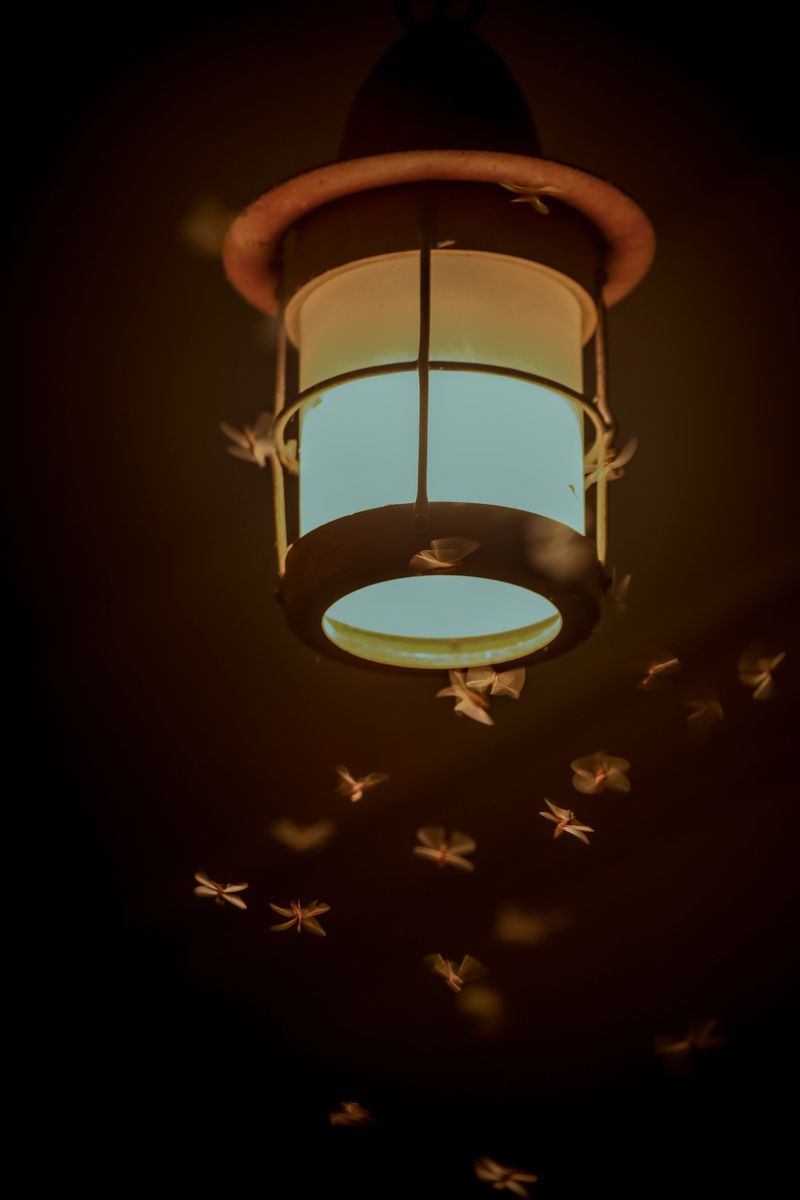
Your yard is basically a five-star restaurant for bats. Something about your specific setup is rolling out the welcome mat.
Insects are the main draw, and certain yard features concentrate them in huge numbers. Porch lights, standing water, flowering plants, and compost piles all attract moths, beetles, and mosquitoes.
Bats learn quickly which yards offer the best hunting and return consistently. Water features are especially powerful attractors.
A birdbath, a small pond, or even a low spot that collects rain can draw in large numbers of insects throughout the evening.
Bats will often skim the surface of standing water to drink mid-flight, so a water feature doubles as both a food source and a hydration stop.
Dense vegetation also plays a big role. Shrubs, tall grasses, and layered plantings create micro-habitats where insects breed and shelter.
A yard with diverse plant life will almost always attract more insect activity than a mowed lawn.
Your Tennessee Garden Changes Every Week. Your Plan Should Too.
Gardening in Tennessee changes quickly throughout the season. Every Friday you’ll receive a simple weekly plan showing exactly what to plant, prune, fertilize, harvest, and protect so you never miss the right timing.
Older neighborhoods with mature trees tend to see more bat activity than newer developments. Big trees support more insects, offer more roosting spots, and create the kind of layered canopy that bats love to hunt beneath.
If bats keep coming back, take it as a genuine compliment. Your outdoor space has the right combination of food, water, and shelter to support wild visitors.
That is a sign of a healthy, thriving yard ecosystem worth protecting.
The Species You See Swooping Around At Dusk Are Likely Tennessee Natives
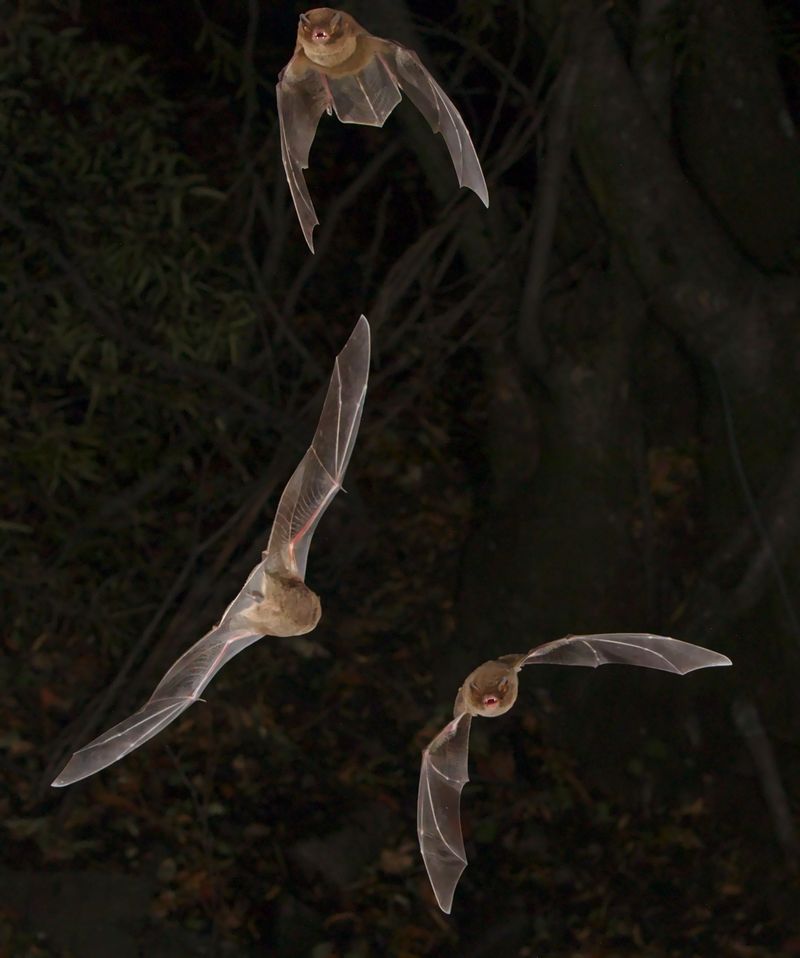
Not all bats are the same, and the ones zipping around your yard have names worth knowing. Tennessee is home to sixteen bat species, and a handful are extremely common in suburban settings.
The big brown bat is probably the one you see most often near homes. It has a wingspan of about thirteen inches and a slow, steady flight pattern compared to smaller species.
Big brown bats love to hunt beetles and stay active even on cooler nights.
The little brown bat is smaller but equally common. It tends to fly faster and in tighter circles, especially near water.
Little brown bats are famous for their appetite, with nursing females capable of consuming nearly their own body weight in insects overnight.
Eastern red bats are stunning and often mistaken for falling leaves because of their reddish-brown fur. They roost in trees rather than caves, which makes them frequent visitors to wooded suburban yards.
Tricolored bats, formerly called eastern pipistrelles, are among the smallest species you might spot. Their erratic, butterfly-like flight makes them easy to identify once you know what to look for.
Learning to identify these species by flight pattern and size adds a whole new layer to your evening yard time. Each species has its own personality, and recognizing them makes every dusk sighting feel like a personal encounter with something truly wild.
Bats Follow The Same Flight Paths Night After Night For Good Reason
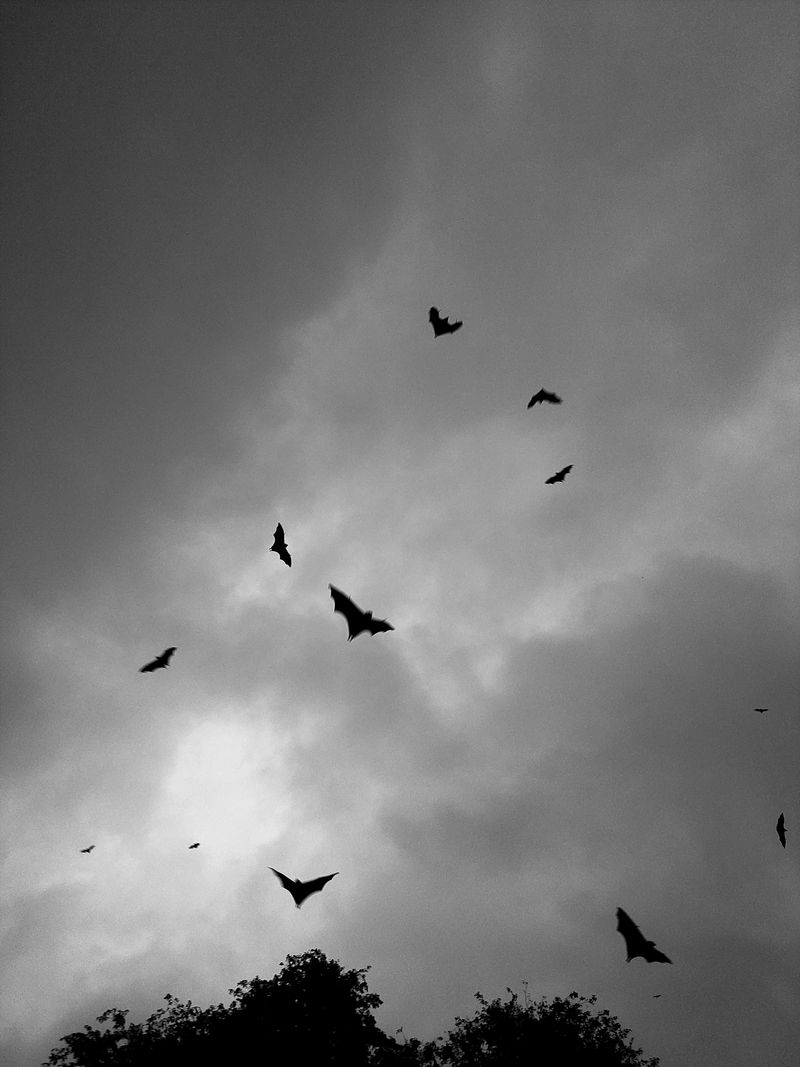
If you watch carefully for a few nights, you will notice something surprising. The bats in your yard are not flying randomly at all.
Bats use consistent routes called commuting corridors, flying along tree lines, fence rows, and building edges. These linear features act like highways, guiding bats from their roosts to hunting grounds with minimal energy spent.
A hedgerow or row of tall shrubs in your yard may be functioning as a bat highway right now. Echolocation helps bats map their environment with incredible precision.
Each bat builds a mental map of its territory, memorizing where insects cluster and where obstacles appear.
Once a productive route is established, bats will use it for months or even years. Researchers have tracked individual bats returning to the same general airspace night after night, often following nearly identical routes.
This behavior is called site fidelity, meaning your yard has been officially added to a bat’s personal map. Test it yourself by standing in the same spot at dusk for three evenings and noting where bats appear and which direction they fly.
Understanding these flight corridors can help you place bat houses strategically, right along the routes bats already use. Position a box near their natural highway and you dramatically increase the chance of occupancy.
A Single Bat Sighting Often Points To A Roost Somewhere Nearby
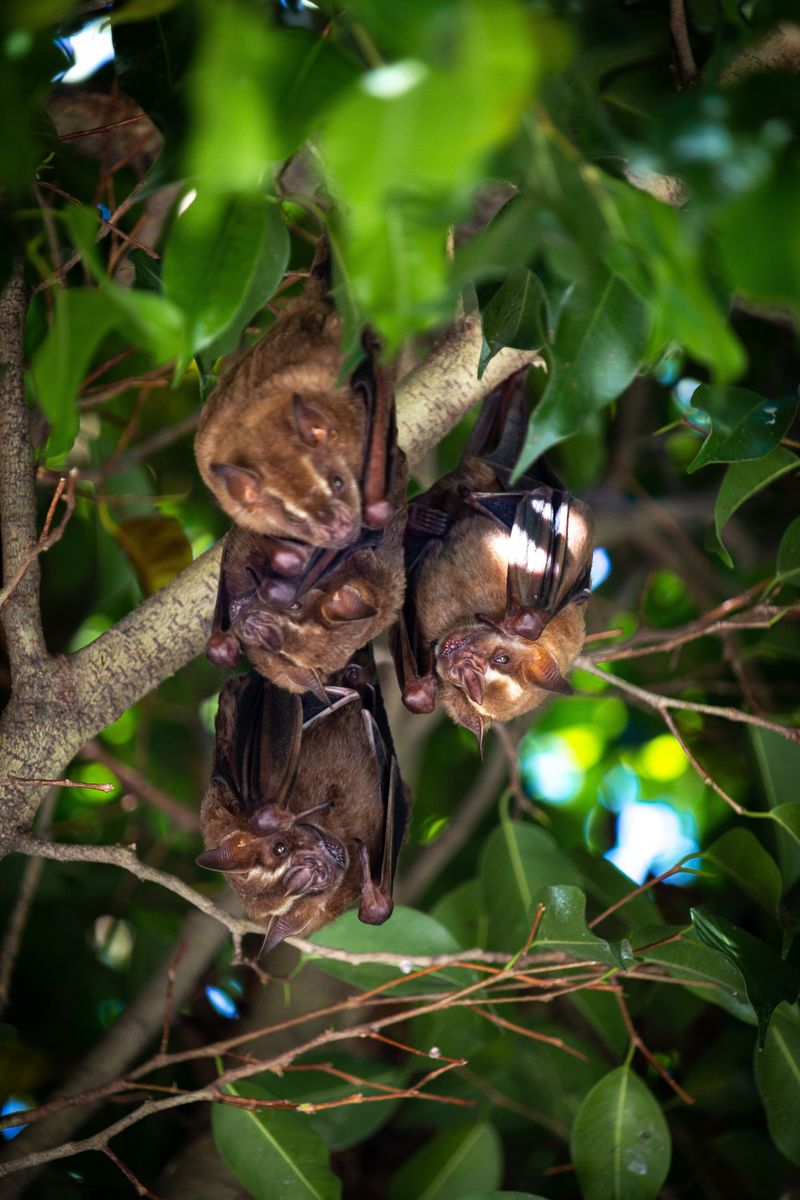
Spot one bat and you have probably found the edge of a whole community. Bats rarely travel far from their roosts to hunt, usually staying within a mile or two of home base.
Roosts can be almost anywhere. Hollow trees, loose tree bark, attic spaces, old barns, bridges, and even gaps behind shutters all serve as bat shelters.
Tennessee has no shortage of suitable roost sites, which is part of why the state supports such a diverse bat population.
If bats appear consistently in the same corner of your yard, look up. A gap under your eaves, a crack in the siding, or a hollow branch overhead might be the entrance to a roost.
Maternity colonies, where females gather to raise pups, can house dozens of bats in a surprisingly small space.
Bat droppings, called guano, are one of the easiest signs of a nearby roost. Guano looks similar to mouse droppings but crumbles easily and often contains visible insect fragments.
Finding guano below a porch overhang or along a wall is a strong indicator of regular bat activity nearby.
Having a roost nearby is genuinely good news for your garden and lawn. A colony of just twenty-five bats can consume thousands of insects each night, including mosquitoes and crop pests.
Your yard is quietly benefiting from neighbors you never officially invited.
If you want to encourage more, installing a bat house gives roving individuals a safe, permanent option close to your yard.
What The Timing And Frequency Of Bat Visits Reveal About Your Local Ecosystem
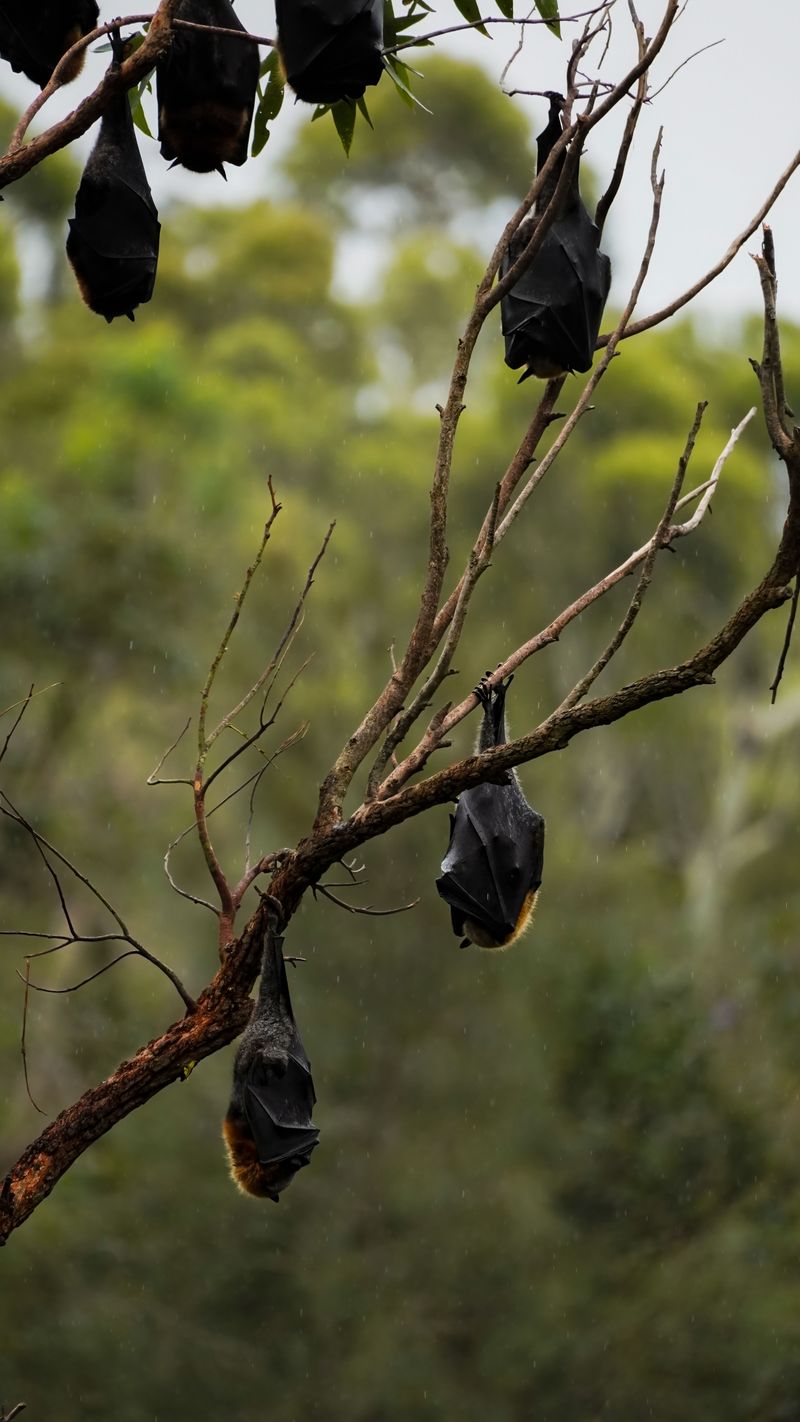
Bats are not just visitors. They are living indicators of ecosystem health, and their presence in your yard tells a detailed story.
Early evening visits right at civil twilight suggest a healthy insect population with predictable activity patterns. A yard that draws bats before full dark is essentially certified as a productive natural habitat.
Frequency matters just as much as timing. Seeing bats a few nights per week suggests casual foraging nearby.
Nightly visits from multiple individuals point to your yard being a prime hunting ground in the local bat circuit.
Seasonal shifts reveal even more. Bat activity peaks from late spring through early fall in Tennessee.
If they disappear in October, they are either migrating south or entering torpor in a nearby hibernaculum, a cave or mine where they wait out winter.
A sudden drop in visits mid-summer can signal a pest control event nearby. Insecticide applications reduce insect populations quickly, and bats may respond by shifting their routes elsewhere.
Fewer bats often means fewer insects, which is not always the good news it might seem. Your backyard is not just a patch of grass.
It is a node in a living network, and bats visiting your Tennessee yard at dusk are proof that network is still working.