Why Texas Lawns Look Worse Every Morning Despite Evening Watering
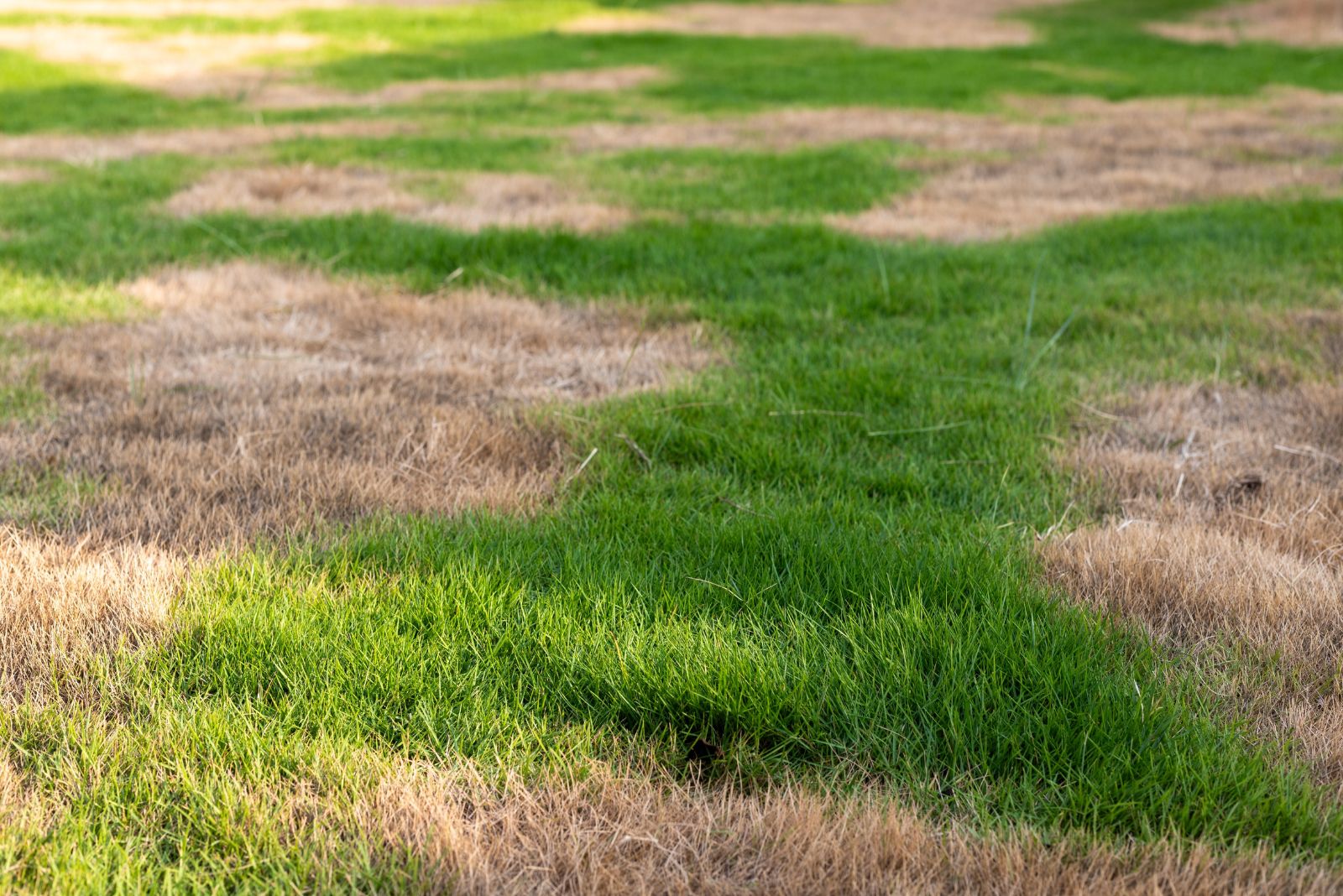
Evening watering feels like the responsible choice in a Texas summer. You avoid the heat of the day, reduce immediate evaporation, and give the lawn a long overnight window to absorb moisture before the sun comes back.
The logic holds up until the lawn starts looking worse despite the consistent care, showing stress, developing patches, and generally declining in ways that the watering schedule should theoretically be preventing.
What most Texas homeowners do not realize is that evening watering creates a specific set of problems in the Texas climate that offset the benefits, and the lawn deterioration they are seeing is often a direct result of the routine they thought was helping.
The connection between when water is applied and how the lawn responds the following morning is more direct than it appears, and understanding it changes the approach in a way that produces noticeably better results without adding any extra time or effort to the routine.
1. The Real Reason Is Brown Patch
Most Texas homeowners blame the heat when their lawn starts looking rough in the mornings. But the real culprit hiding in plain sight is a fungal disease called Brown Patch, caused by a fungus known as Rhizoctonia solani.
This sneaky fungus loves warm, humid conditions, and Texas summers practically roll out the welcome mat for it.
Brown Patch does not show up randomly. It thrives when soil temperatures stay above 70 degrees Fahrenheit and when grass blades stay wet for long periods.
Evening watering creates exactly those conditions, leaving your lawn damp all night while the warm Texas air keeps the fungus growing at full speed.
Rhizoctonia solani lives in the soil naturally, just waiting for the right moment to spread. Once conditions get favorable, it moves fast through the grass, attacking blades and roots before you even notice.
Many homeowners spend money on fertilizer and more water, thinking that will fix things, but that can actually make Brown Patch worse.
Knowing that Brown Patch is the real problem changes everything about how you treat your lawn. Instead of watering more or adding more nutrients, the solution starts with changing your habits.
Early identification of this fungus saves you time, money, and a whole lot of frustration throughout the Texas summer season.
Fungal diseases like Brown Patch are responsible for millions of dollars in lawn damage across Texas every single year.
The good news is that once you understand what you are dealing with, you can take smart, targeted steps to stop it from spreading further and get your lawn back on track.
2. How Evening Watering Contributes
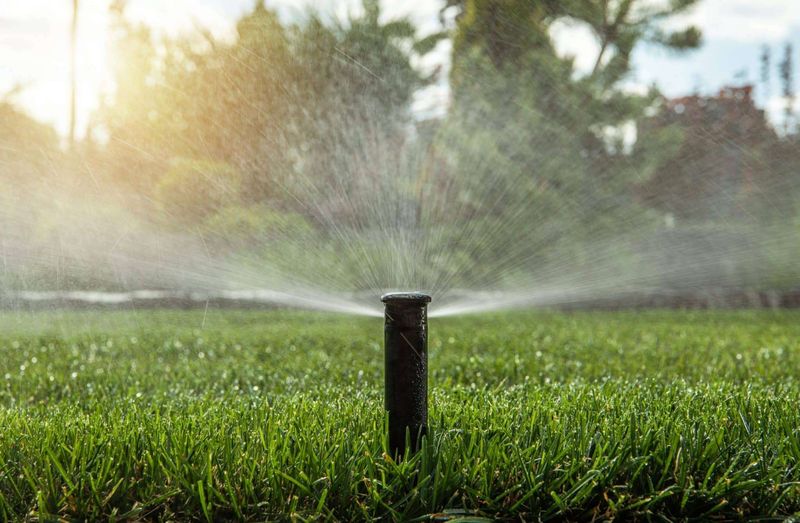
Watering your lawn in the evening feels like a smart move. The sun is down, so less water evaporates, and your grass gets a long drink overnight.
That logic makes sense on paper, but in Texas, it sets the stage for serious fungal trouble by morning.
When you water at night, your grass blades stay wet for many hours. There is no sun to dry them out and very little wind to help.
Your Texas Garden Changes Every Week. Your Plan Should Too.
Gardening in Texas changes quickly throughout the season. Every Friday you’ll receive a simple weekly plan showing exactly what to plant, prune, fertilize, harvest, and protect so you never miss the right timing.
Warm Texas nights, especially from June through September, keep temperatures high enough for Brown Patch fungus to grow and spread aggressively while everything is dark and damp.
Fungal spores need moisture and warmth to activate and spread. Evening watering gives them both at the same time, for hours on end.
By the time the sun rises, the fungus has already done significant damage to your grass blades and roots. That is why your lawn looks worse every single morning, even though you watered it the night before.
Switching your watering schedule is one of the most powerful changes you can make. Watering early in the morning, ideally between 4 a.m. and 10 a.m., gives your grass the moisture it needs while allowing the blades to dry out completely during the day.
Sunlight and daytime heat work in your favor when you water at the right time.
A lot of Texas homeowners make the switch to morning watering and see noticeable improvement within just one to two weeks. It is a simple change that costs nothing but makes a huge difference.
Your grass gets hydrated and your lawn gets a fighting chance against fungal disease every single day.
3. Signs Of Brown Patch
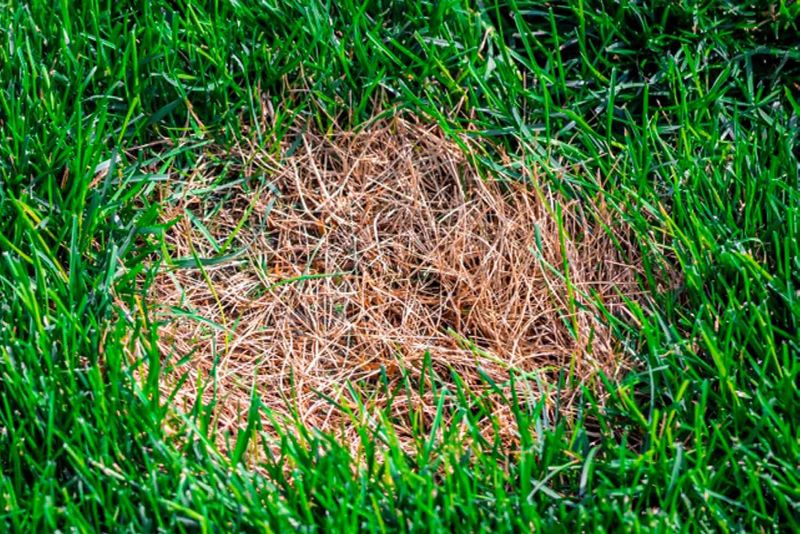
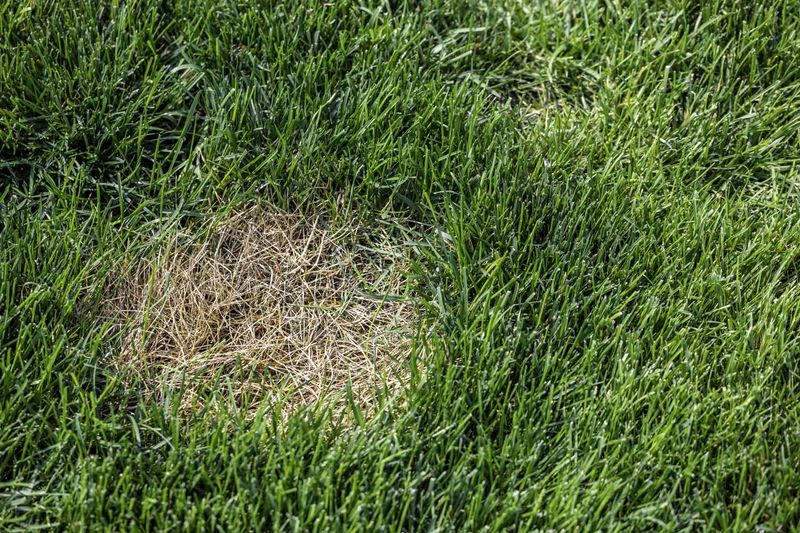
Walking out to your yard and spotting strange brown circles in the grass is alarming, especially when you watered just the night before. Those circular patches are one of the most recognizable signs of Brown Patch disease, and they can appear almost overnight when conditions are right.
The patches usually start small, maybe just a foot or two across. But they can grow quickly, sometimes reaching several feet in diameter within just a few days.
The grass inside the circle often looks matted down, damp, and wilted, even when the rest of the lawn seems fine. This uneven pattern is a big clue that you are dealing with a fungal issue rather than a watering or soil problem.
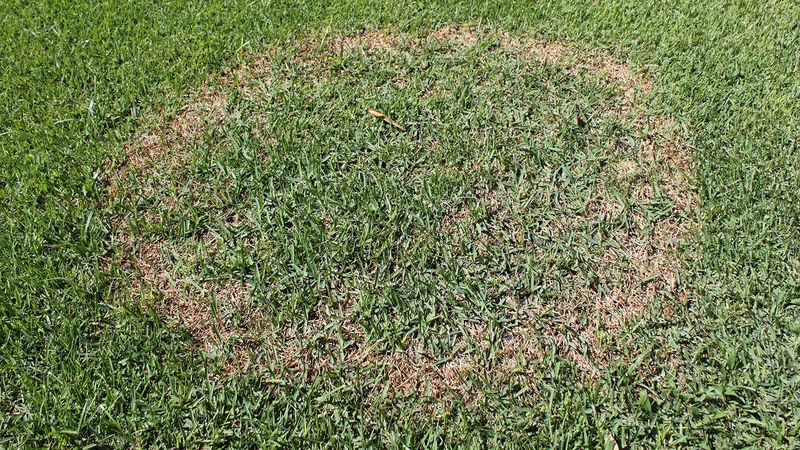
One of the most telling signs is a smoky gray or dark ring that sometimes appears around the edges of the brown patch, especially in the early morning when dew is still on the grass.
Lawn care professionals call this the smoke ring, and it is almost always a sign of active Brown Patch spreading outward.
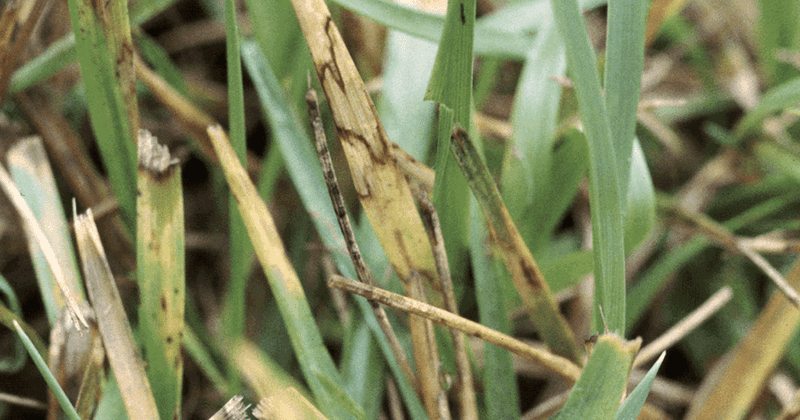
Individual grass blades inside the affected area often show brown lesions with a tan center and a darker border. If you look closely, the blades may appear water-soaked at first before turning brown and collapsing. This progression happens fast in hot, humid Texas weather.
Catching these signs early gives you a much better shot at stopping the spread before it takes over a large section of your lawn. Check your yard first thing in the morning when symptoms are most visible.
The sooner you spot the warning signs, the quicker you can act and protect the rest of your grass from further damage.
4. Grass Types Most Affected
Not all grass types respond to Brown Patch the same way, and knowing which varieties are most at risk can help you make smarter lawn care decisions. If you have a cool-season grass in your Texas yard, you are working against the odds during those brutal summer months.
Tall fescue and Kentucky bluegrass are cool-season grasses that struggle hard in Texas heat. They prefer cooler temperatures and tend to stay under stress during the long, hot summers.
That stress weakens their natural defenses, making them far more vulnerable to Brown Patch and other fungal diseases. Once Brown Patch sets in on these grass types, the damage can be severe and recovery takes much longer.
Warm-season grasses like St. Augustine, Bermuda, Zoysia, and Centipede are much better suited for Texas conditions. They are built for heat and generally bounce back faster from Brown Patch outbreaks.
That said, they are not completely immune. St. Augustine grass in particular can still show noticeable symptoms during periods of heavy rain or excessive irrigation combined with warm overnight temperatures.
Bermuda grass tends to be one of the more resilient options for Texas homeowners dealing with fungal pressure. It grows aggressively and can fill in damaged areas relatively quickly compared to slower-growing varieties.
Zoysia grass also handles heat well but recovers more slowly from damage than Bermuda. Choosing the right grass type for your Texas climate is one of the smartest long-term investments you can make for your lawn.
If you are still growing tall fescue in a hot Texas climate, it might be worth considering a transition to a warm-season variety that is naturally more resistant to the conditions fueling Brown Patch growth.
5. Immediate Actions To Stop Spread
Brown Patch can spread quickly, so acting fast once you spot it is really important. The first and most impactful step is to change when you water.
Switch from evening watering to early morning watering right away. Watering between 4 a.m. and 10 a.m. gives your grass moisture while sunlight and daytime warmth dry the blades out quickly, removing the wet conditions that fungus loves.
Cut back on how much you water as well. Overwatering is one of the top reasons Brown Patch spreads out of control in Texas lawns.
Your grass needs about one inch of water per week during active growing season. Use a rain gauge or a simple tuna can to measure how much water your sprinklers are putting down. Less is often more when it comes to fighting fungal disease.
Hold off on nitrogen-rich fertilizers for a while. High nitrogen encourages fast, lush grass growth, which sounds great, but that soft, tender growth is actually more susceptible to fungal attack.
Giving your lawn a break from heavy fertilizing during an active Brown Patch outbreak helps slow the spread and lets the grass toughen up a bit.
Removing thatch from your lawn is another important step. Thatch is the layer of dry grass, roots, and debris that builds up between the soil and the green grass blades.
A thick thatch layer traps moisture and creates a perfect hiding spot for fungal spores. Dethatching your lawn improves airflow and allows water to drain more efficiently through the soil.
Improving overall soil drainage also makes a big difference. If water pools in certain areas of your yard after watering or rain, those spots are at much higher risk for fungal problems.
Aerating your lawn can help water move down into the soil instead of sitting on the surface overnight.
6. Long-Term Prevention
Stopping Brown Patch from coming back season after season takes a little planning, but it is absolutely worth the effort. One of the best long-term moves you can make is choosing a grass variety that is naturally resistant to disease and well-suited for Texas conditions.
Bermuda grass and Zoysia grass are both strong performers in Texas heat and tend to handle fungal pressure better than many other options.
Keeping your grass mowed at the proper height plays a bigger role in lawn health than most people realize. Cutting grass too short stresses the plant and reduces its ability to fight off disease.
For most warm-season Texas grasses, maintaining a height of two to three inches helps the lawn stay strong and resilient throughout the summer. Never remove more than one-third of the blade length in a single mowing session.
Fertilizing on a smart schedule matters too. Avoid applying large amounts of fast-release nitrogen during the hottest, most humid months of summer when Brown Patch pressure is highest.
Instead, use slow-release fertilizers in spring and fall when conditions are more favorable and your grass can actually use the nutrients efficiently without becoming overly tender and vulnerable.
Fungicides can be a helpful tool when Brown Patch outbreaks become severe or keep returning in the same spots year after year. Products containing azoxystrobin, propiconazole, or thiophanate-methyl are commonly used for Brown Patch control.
Always read the label carefully and follow all application instructions to get the best results without harming your lawn or the surrounding environment.
Building a healthier lawn over time through consistent habits is the most reliable protection against Brown Patch.
Good airflow, proper drainage, smart watering, and the right grass variety all work together to create conditions where fungal disease simply cannot get a strong foothold in your yard.