Tennessee Gardeners Use These 7 Shrubs To Make Foundations Less Inviting To Rats
It hits on a Tuesday night, that scratching sound right under your porch steps. A flashlight confirms your worst suspicion.
Two small eyes blink back at you. A rat, fat and unbothered, completely at home in Tennessee.
Pest control, traps, repellent pellets scattered like a desperate ritual, and still nothing holds.
Then a landscaper changes everything, pointing at your bare foundation beds and saying, “You basically built them a rent-free burrow with a view.” The answer isn’t a trap or a chemical.
It’s a shrub. Rats are repelled by strong smells, dense root systems, and certain natural compounds that send their nervous systems one clear message: leave.
The right plants can support a cleaner, more visible foundation border with fewer easy hiding places. So which shrubs send rodents scrambling for good in Tennessee?
Your foundation beds can become less inviting to rodents with the right plants and a little upkeep. The best part? Your yard gets more beautiful in the process.
1. Rosemary
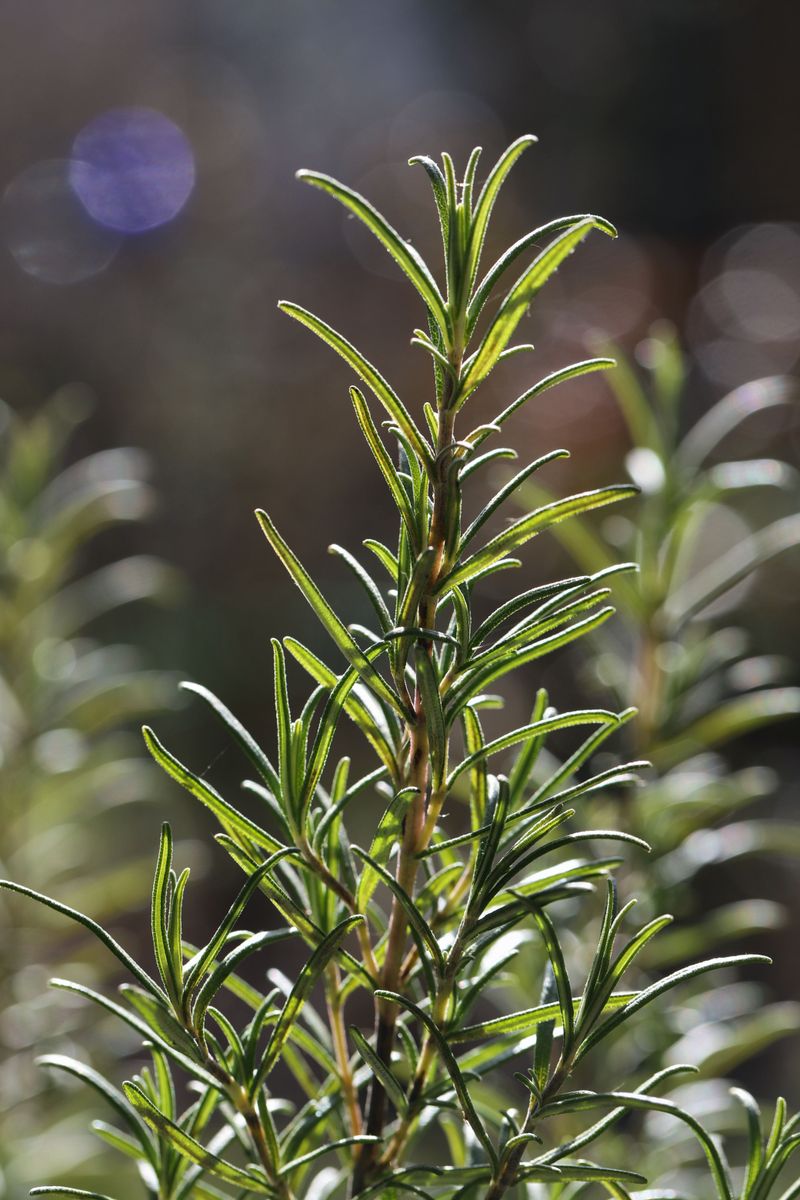
Walk past a rosemary bush and your nose knows it immediately. Rosemary’s strong scent may make the area less appealing to rodents. This works best when the plant is kept tidy and the bed stays free of food or debris.
Rosemary contains powerful aromatic oils that overwhelm a rodent’s sensitive nose. Planting it tightly along your foundation creates a scent barrier that many rats will avoid.
In Tennessee’s warmer zones, rosemary grows into a sturdy, woody shrub that can reach three feet tall and wide.
In zone 6 areas, specifically the higher elevations of East Tennessee, choose a cold-hardy cultivar like Arp or Madeline Hill to reliably survive winter.
That dense growth also blocks the low gaps near your foundation where rodents like to squeeze through.
Some gardeners in the Nashville area have reported fewer rodent problems after lining their front beds with rosemary.
The plant thrives in full sun and well-drained soil, making it a natural fit for south-facing foundations.
Water it sparingly once it is established, and it will reward you with very low maintenance. An annual trim and winter mulch in colder parts of the state are all it asks for.
Rosemary is also deer-resistant, which is a welcome bonus if you live near wooded areas. Trim it back in early spring to keep the shape tidy and encourage fresh growth.
A well-pruned rosemary hedge looks intentional and polished, not like a pest-control experiment. You can even harvest the sprigs for cooking while your foundation stays protected.
Choose the right cultivar for your zone, give it sun and drainage, and rosemary handles the rest with quiet, fragrant efficiency all season long.
2. Lavender
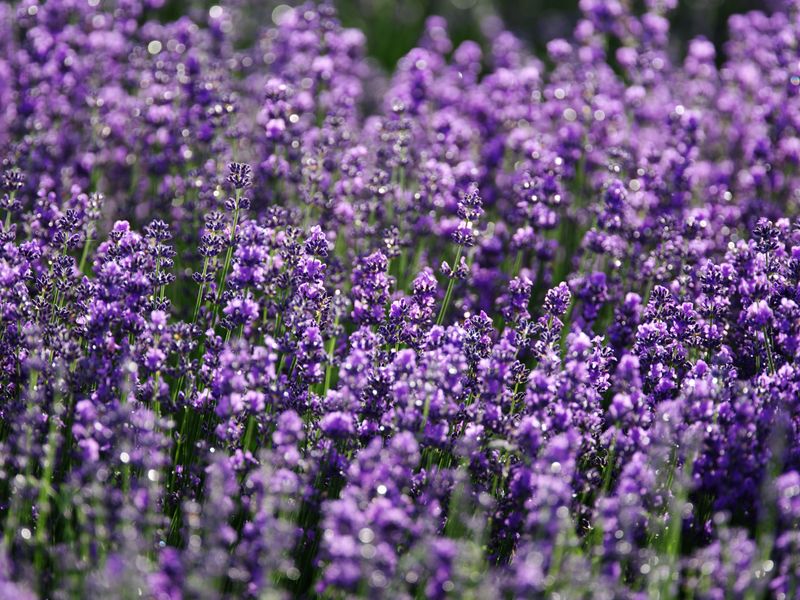
Lavender’s strong fragrance is often used in pest-deterrent planting. However, it works best as one small part of a broader prevention plan.
The same calming fragrance that relaxes humans triggers avoidance behavior in rodents, making them more likely to avoid lavender-planted areas.
Planted in clusters along your foundation, lavender forms a fragrant wall that works around the clock.
Your Tennessee Garden Changes Every Week. Your Plan Should Too.
Gardening in Tennessee changes quickly throughout the season. Every Friday you’ll receive a simple weekly plan showing exactly what to plant, prune, fertilize, harvest, and protect so you never miss the right timing.
Rats rely heavily on scent to navigate, and lavender may disrupt that system enough to send them looking for easier territory. It works best as a preventive measure in areas with low to moderate rodent pressure.
A determined rat with a strong food or shelter incentive nearby may acclimate to the scent over time. Tennessee summers can be brutal, but lavender handles heat well once it is established.
Choose a variety like Phenomenal or Hidcote, which both tolerate the humidity that comes with Southern summers better than most standard cultivars.
Space your plants about eighteen inches apart for a dense, effective barrier. Within one growing season, they fill in beautifully and start forming a solid line of purple blooms that looks stunning from the street.
Good drainage is non-negotiable, and this is a serious consideration in Tennessee. Much of the state has heavy clay soil that holds water and will cause lavender roots to rot.
Amend generously with grit and compost, build a raised bed, or plant on a berm. Lavender planted flat into unamended Tennessee clay is unlikely to last more than one season.
Cut the flower stalks back after blooming to keep the plant compact and encourage a second flush of color.
Your foundation stays protected, your yard looks like a magazine photo, and you did not have to set a single trap to make it happen.
3. Wax Myrtle
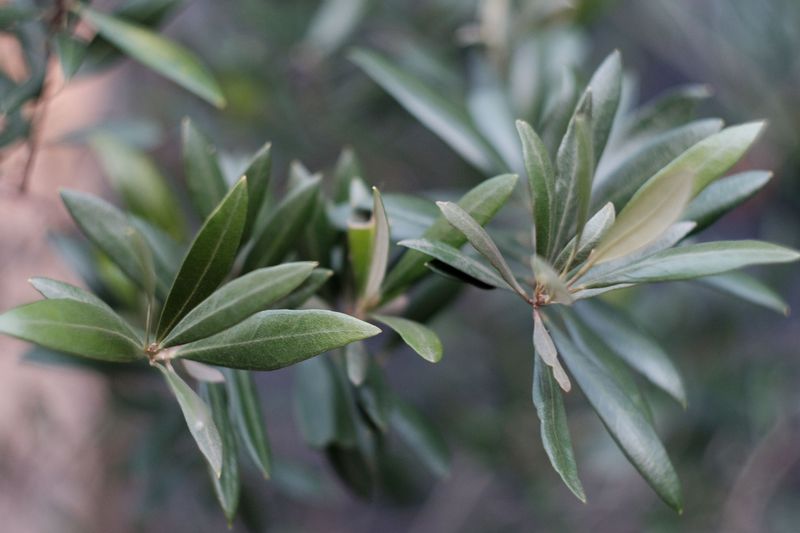
Wax myrtle is a Southern native that has been quietly doing pest-control work for generations. Its aromatic leaves release a bayberry fragrance that rodents dislike.
Its dense structure helps close off the sheltered spaces rats tend to seek out. This shrub grows fast and thick, which is exactly what you want along a foundation.
Rats need open paths and hiding spots, and a mature wax myrtle hedge gives them neither. One of the biggest advantages of wax myrtle is its adaptability.
It handles wet soil, dry spells, full sun, and partial shade without complaining, which makes it perfect for tricky spots around your home where other plants struggle.
In Tennessee, wax myrtle can grow six to twelve feet tall if left untrimmed. Most homeowners keep it pruned to a tidy four or five feet, creating a dense hedge along the base of the house.
One note worth knowing: wax myrtle suckers freely and can spread beyond its original footprint if left unmanaged. A quick pass each spring to remove unwanted shoots keeps it exactly where you want it.
The plant also produces small waxy berries that birds adore. You end up with a yard that feels alive and active, full of songbirds rather than unwanted rodents.
Plant wax myrtle in fall or early spring for the best root establishment. Give it a deep watering weekly for the first season, then step back and let it do its thing.
Because it is a native plant, wax myrtle supports local wildlife and requires minimal fertilizer. Gardeners who swap out struggling ornamental shrubs for wax myrtle consistently call it the smartest change they made to their foundation beds.
4. Boxwood
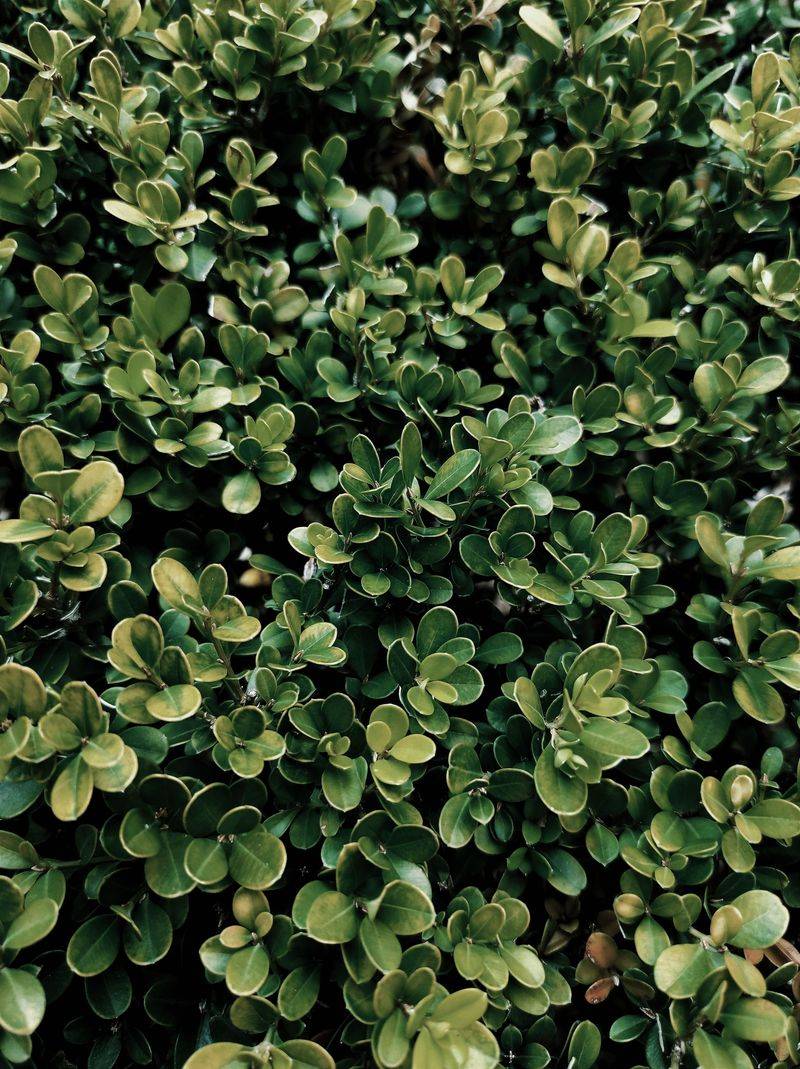
Boxwood is the classic foundation shrub for a reason. Its dense, tightly packed branches create a physical wall that rats cannot easily push through or nest inside, making it one of the most straightforward structural deterrents you can plant.
Beyond the physical barrier, boxwood emits a distinct bitter scent from its leaves. That odor is subtle to humans but unpleasant to rodents, who tend to avoid chemically complex scent environments in favor of neutral, earthy ones.
Gardeners across Tennessee have used boxwood hedges for decades, and many have noticed fewer rodent issues after planting them. The combination of density and scent makes boxwood a two-pronged approach that works season after season.
Choose a compact variety like Winter Gem or Green Velvet for foundation use. Both offer better resistance to boxwood blight, a fungal disease that has been confirmed in Tennessee and continues to spread.
These varieties stay naturally small and round, requiring only light trimming once or twice a year to look sharp. Avoid English boxwood entirely, as it is the most susceptible cultivar to this disease.
Boxwood thrives in both sun and partial shade, giving it an edge over other foundation shrubs. If your home has a shady north-facing bed, boxwood is often the strongest option available.
Plant them about two feet apart and let them knit together over time. Once they merge into a solid hedge, the physical barrier they create is genuinely impressive and difficult for small animals to cross.
Water regularly during the first year, then ease off as roots deepen. With the right cultivar selection and good air circulation, boxwood is a long-term foundation plant that earns its place in any Tennessee yard.
5. Sage
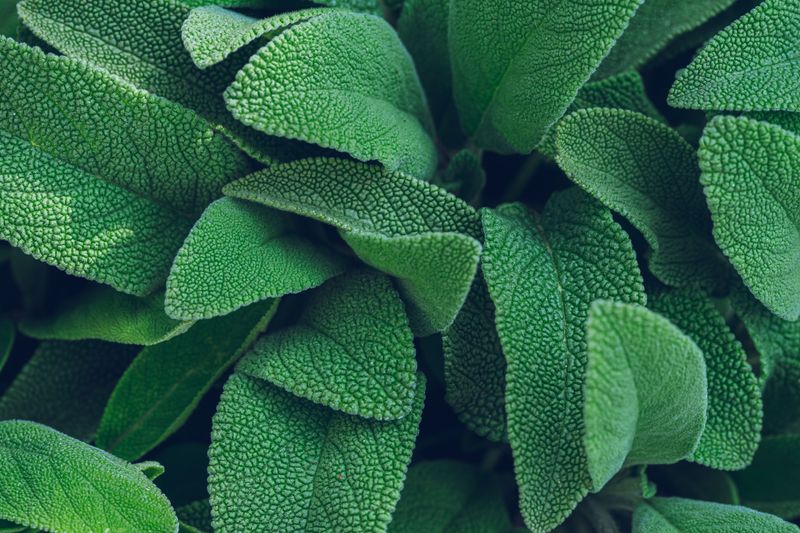
Sage is not just for Thanksgiving stuffing. This tough, aromatic herb doubles as a serious rodent deterrent when planted along your home’s foundation, and it does the job without any fuss or special treatment.
The potent camphor-like scent of sage leaves overwhelms a rat’s nose, making the area around your foundation feel hostile and uninviting.
It works best when planted in clusters rather than as single specimens, so the scent builds into a continuous barrier rather than isolated pockets. Garden sage grows into a shrubby mound about two feet tall and two feet wide.
That low, spreading habit makes it ideal for filling in the gaps between taller foundation plants, and it layers beautifully with rosemary or wax myrtle on either side.
Tennessee’s climate suits sage perfectly, especially in the hotter, drier parts of the state. Plant it in well-drained soil with full sun exposure, and it will thrive with almost no attention from you across all zones from 6a to 8a.
One smart strategy is to alternate sage with rosemary along your foundation line. Together they expose rodents to multiple aromatic compounds at once, which may make the perimeter less appealing overall.
Sage is also strikingly beautiful when it blooms, producing tall spikes of purple flowers in late spring.
Those blooms draw in pollinators and give your foundation beds a wild, cottage-garden feel that looks completely intentional. Trim sage back by about a third in early spring to prevent it from getting too woody.
Fresh growth emerges quickly, keeping the plant full, fragrant, and effective through the warmest months of the year. Of all the plants on this list, sage demands the least and delivers consistently.
6. Hawthorn
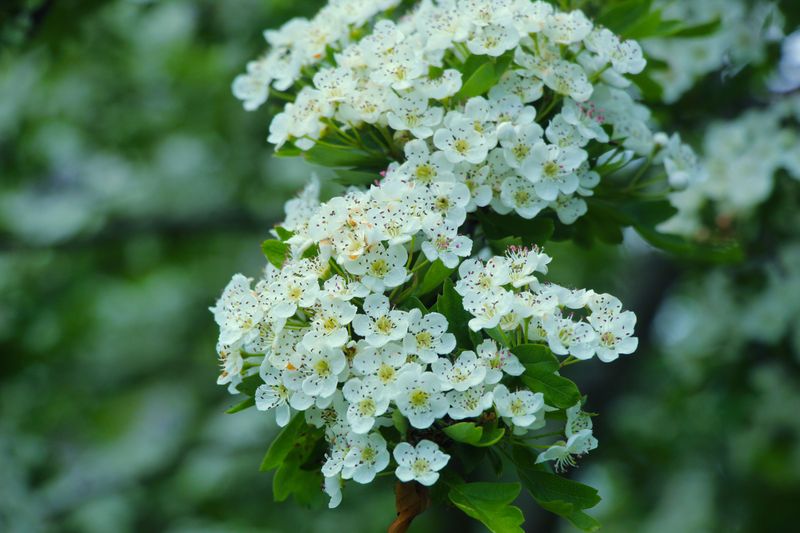
Washington Hawthorn (Crataegus phaenopyrum) plays a completely different game than the aromatic shrubs on this list.
Instead of smell, it relies on sheer physical deterrence to keep rats away from your foundation. When shopping, always look for the Latin name on the label.
Common hawthorn (Crataegus monogyna) is a different species considered invasive in parts of the US and should be avoided. Those long, needle-sharp thorns are formidable.
Rats are cautious creatures by nature, and they will not repeatedly push through a wall of Washington Hawthorn spines when easier paths exist elsewhere in the neighborhood.
Plant it as a barrier hedge and you are essentially installing a living fence. The branches grow thick and tangled over time, creating a dense, difficult-to-cross barrier along your foundation line that becomes more effective with every passing season.
In Tennessee, Washington Hawthorn and Mayhaw (Crataegus aestivalis) both grow vigorously and handle heat and cold without fuss.
They are tough, adaptable, and require very little intervention once established in the right location.
Hawthorn also produces stunning white or pink blossoms in spring, followed by small red berries in fall.
Birds flock to those berries, which adds a wildlife-friendly bonus to your pest-deterrent strategy and keeps the yard feeling active and alive through the colder months.
Give hawthorn plenty of room, as some varieties can reach ten feet wide at maturity. Plant it where you want a permanent, unmovable barrier and then let nature do the heavy lifting year after year.
Prune carefully using thick gloves, because those thorns will find every gap in your protection.
Because hawthorn needs room to spread, it works best as a perimeter barrier rather than a tight foundation planting. Think property edges, fence lines, or the outer border of a larger bed.
Rats are always scouting for the easiest entry point available. Your foundation, lined with those unforgiving spines, is far less likely to make their shortlist.
7. Autumn Sage
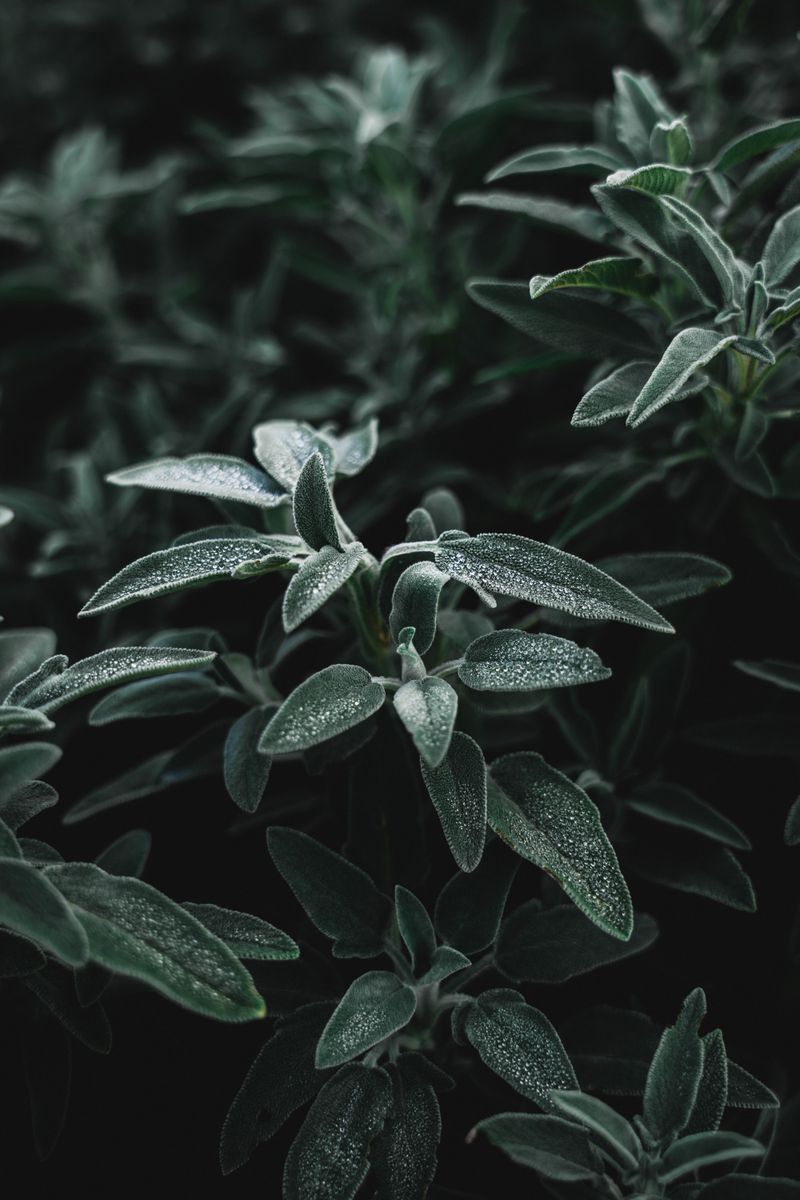
Autumn sage brings a pop of fiery red color to your foundation beds while quietly doing pest-deterrent work behind the scenes.
Few shrubs look this good and pull this much weight at the same time. Native to the Chihuahuan Desert region of Texas and Mexico but widely grown across the South, autumn sage contains aromatic compounds in its leaves and stems.
Those compounds create a scent profile that rodents may find unappealing, encouraging them toward properties with easier access points.
Tennessee gardeners have embraced it for its long bloom season, which typically runs from late spring through early fall, with a strong second flush once summer heat eases.
In warmer parts of the state, that color show often continues right up to the first frost. The plant grows into a tidy mound about two to three feet tall, making it perfect for front foundation beds.
Tuck it in front of taller shrubs for a layered, professional look that requires almost no effort to maintain.
Autumn sage loves full sun and performs better with less water, making it one of the lowest-maintenance choices on this entire list.
It sails through Tennessee’s hottest summers without complaint. Cut it back by half in late winter to encourage vigorous new growth.
In zone 6 areas of East Tennessee, a hard winter may knock it back to the roots. That is normal, and it rebounds reliably come spring.
Gardeners across the state who add autumn sage to their foundation beds tend to stick with it. The combination of color, low care, and wildlife value is genuinely hard to beat.