These Are The Tick Species Found In Pennsylvania (And Which Ones To Worry About Most)
Not every tick in Pennsylvania carries the same level of risk, and treating them all as identical makes managing the threat harder than it needs to be.
Pennsylvania is home to several tick species, each with its own habitat preferences, seasonal activity patterns, and disease transmission profile, and the differences between them have practical implications for how much concern any given encounter should raise.
The black-legged tick gets most of the attention in Pennsylvania news and health advisories, and that attention is warranted, but it is not the only species worth knowing by sight.
Others are spreading into the state in ways that were not true even a decade ago, bringing diseases that Pennsylvania physicians and residents are still getting familiar with.
Understanding which ticks are actually present in Pennsylvania, where each one tends to show up, and which ones represent the most significant health concern gives a clearer and more useful picture than general tick warnings alone provide.
1. Blacklegged Tick / Deer Tick (Ixodes Scapularis)
If there is one tick that Pennsylvania residents talk about the most, it is the blacklegged tick, also called the deer tick. This tiny terror is responsible for spreading Lyme disease, which is one of the most common tick-borne illnesses in the entire United States.
It also transmits anaplasmosis and babesiosis, making it the most medically important tick in the state.
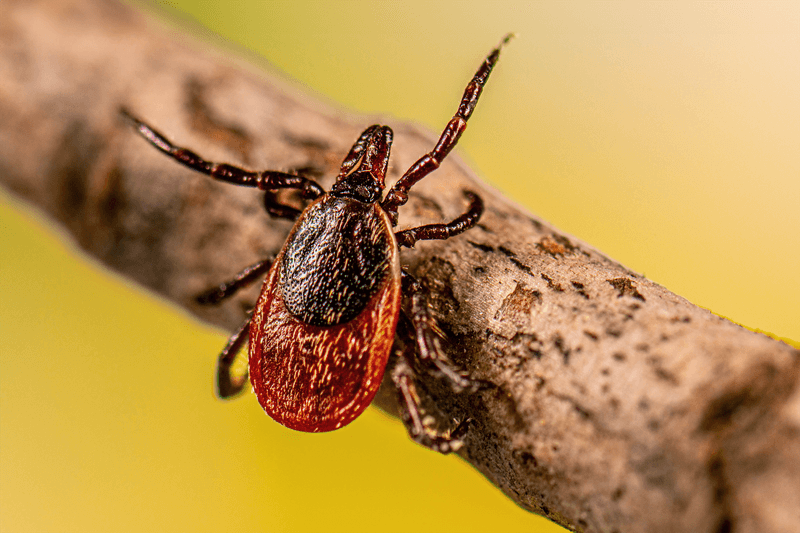
Adult females have a reddish-orange body with dark legs, and they are only about the size of a sesame seed. Nymphs, which are the immature stage, are even tinier and are responsible for most Lyme disease cases because they are so hard to spot.
These ticks are active in wooded areas, brushy fields, and leaf litter, especially from spring through fall.
Lyme disease symptoms include a bull’s-eye rash, fever, fatigue, and joint pain. If caught early, it can be treated with antibiotics.
The longer it goes unnoticed, the more serious it can become. Anaplasmosis causes flu-like symptoms, while babesiosis affects red blood cells and can be especially tough on older adults or people with weakened immune systems.
To protect yourself, always wear long sleeves and pants when hiking. Use insect repellent with DEET on exposed skin.
Do a full-body tick check after spending time outdoors, and shower within two hours of coming inside.
If you find a tick attached to your skin, remove it carefully with fine-tipped tweezers and see a doctor if you develop any symptoms. The deer tick is not one to ignore.
2. American Dog Tick (Dermacentor Variabilis)
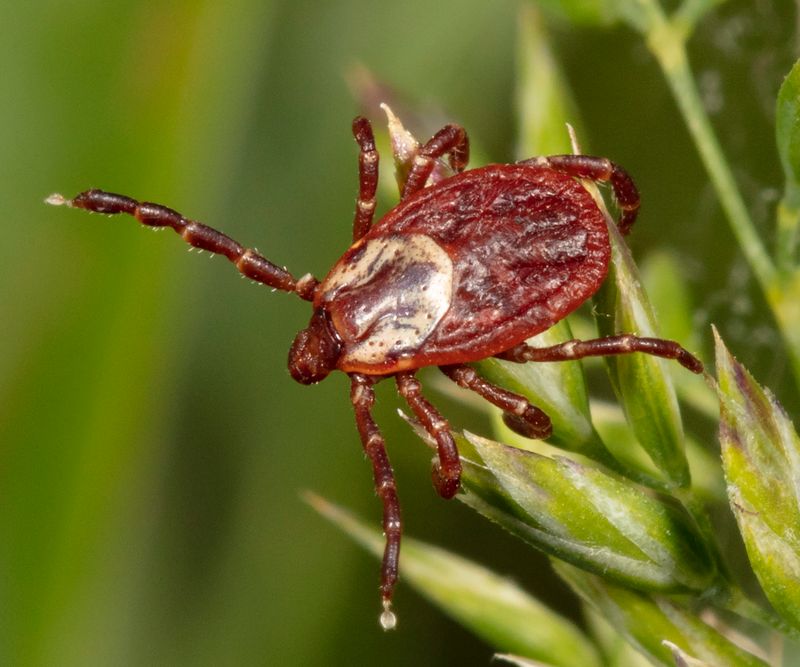
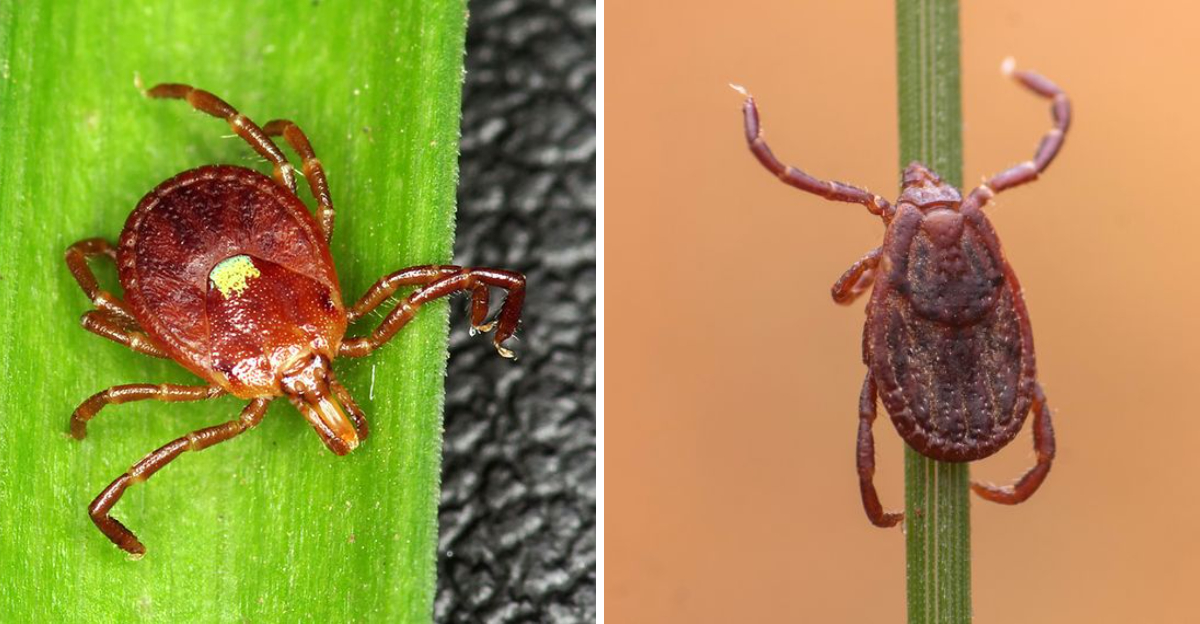
Spotting a tick with a decorative white pattern on its back? That is likely the American dog tick, one of the most recognizable tick species in Pennsylvania.
Unlike the tiny deer tick, this one is larger and easier to see, which might make it feel less scary, but do not let its size fool you. It can still cause real health problems.
American dog ticks are commonly found in grassy meadows, along hiking trails, and in suburban lawns where people and pets spend a lot of time.
Your Pennsylvania Garden Changes Every Week. Your Plan Should Too.
Gardening in Pennsylvania changes quickly throughout the season. Every Friday you’ll receive a simple weekly plan showing exactly what to plant, prune, fertilize, harvest, and protect so you never miss the right timing.
They are most active in spring and early summer, which lines up perfectly with outdoor activities like gardening, picnicking, and trail walking. Dogs are a favorite host for this tick, which is exactly how it got its name.
Rocky Mountain spotted fever is the biggest concern with this species. Despite its name, this disease is actually found all across the eastern United States, including Pennsylvania.
Symptoms include fever, headache, and a spotted rash that usually appears a few days after a bite. Without prompt treatment, it can become very serious.
This tick can also spread tularemia, a bacterial infection that affects both humans and animals.
Keeping your lawn mowed short and clearing brush around your yard can reduce tick habitat near your home. Treating your pets with veterinarian-recommended tick prevention products is also a great idea.
When heading outdoors, tuck your pants into your socks and apply repellent to clothing and skin.
Check your pets thoroughly after they have been outside, since they can bring ticks indoors without you even realizing it. Staying alert is your best tool here.
3. Lone Star Tick (Amblyomma Americanum)
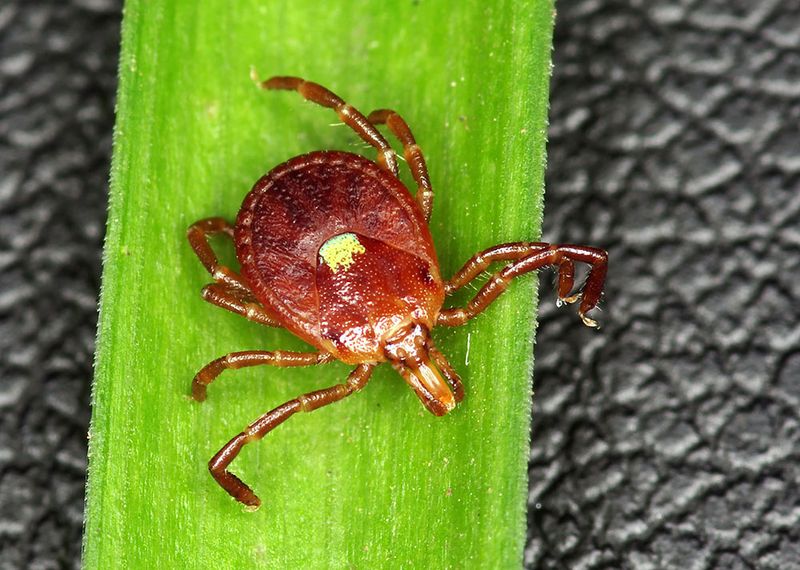
Named after the single white dot on the female’s back, the lone star tick is making more and more appearances in southeastern Pennsylvania.
Scientists believe warmer winters are helping this southern species spread northward, and Pennsylvania residents are increasingly finding them in wooded areas and along forest edges. It is a tick worth knowing about.
One of the strangest things about the lone star tick is its connection to red meat allergy. A bite from this tick can sometimes trigger a condition called alpha-gal syndrome, where the body starts reacting badly to a sugar molecule found in red meat like beef, pork, and lamb.
People with this allergy may experience hives, stomach cramps, or even breathing problems after eating meat. It is a rare but surprising consequence of a tick bite.
Beyond the meat allergy issue, lone star ticks can also transmit ehrlichiosis, a bacterial infection that causes fever, headache, and muscle aches. Lone star ticks are aggressive biters and are known to actively seek out hosts rather than just waiting on a blade of grass.
All three life stages, larvae, nymphs, and adults, can bite humans, which makes them particularly bold compared to other species.
If you live in or visit southeastern Pennsylvania, be extra cautious in wooded or brushy areas from late spring through summer. Wear light-colored clothing so ticks are easier to spot, and always do a thorough body check after being outdoors.
If you develop unusual food reactions after a tick bite, talk to your doctor about alpha-gal syndrome. Awareness is the first step toward staying protected from this increasingly common tick.
4. Brown Dog Tick (Rhipicephalus Sanguineus)
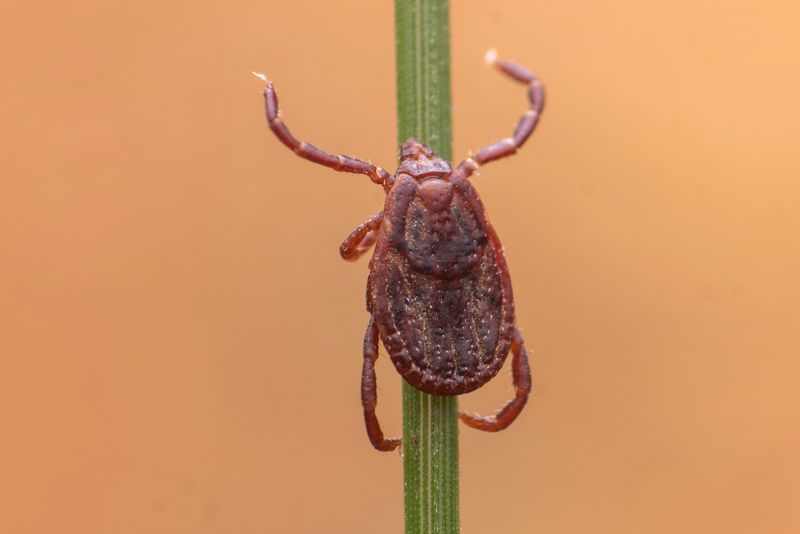
Most ticks prefer the great outdoors, but the brown dog tick is different. It is one of the few tick species that can complete its entire life cycle indoors, which means your home could become a tick habitat if your dog brings one inside.
That makes this tick especially interesting, and worth paying close attention to if you have pets.
Brown dog ticks are reddish-brown all over, without the patterns or markings you might see on other species. They are slender and narrow compared to some of the bulkier ticks found in Pennsylvania.
While they rarely bite humans, they are a serious concern for dogs. In dogs, they can transmit canine ehrlichiosis and Rocky Mountain spotted fever, both of which can make your pet very ill if left untreated.
The tricky part about brown dog ticks is that they can hide in cracks and crevices around your home, including baseboards, window frames, and furniture. If an infestation takes hold indoors, it can be difficult to clear out without professional pest control help.
Outdoor infestations in Pennsylvania are less common since this tick struggles in cold climates, but indoor environments give it everything it needs to survive year-round.
Keeping your dog on a regular tick prevention program recommended by your vet is the most effective way to avoid bringing brown dog ticks into your home.
Inspect your dog carefully after every outdoor outing, paying close attention to areas around the ears, between toes, and under the collar.
Wash pet bedding frequently and vacuum regularly, especially in corners and along baseboards, to catch any ticks that may have hitched a ride inside with your furry friend.
5. Groundhog Tick (Ixodes Cookei)
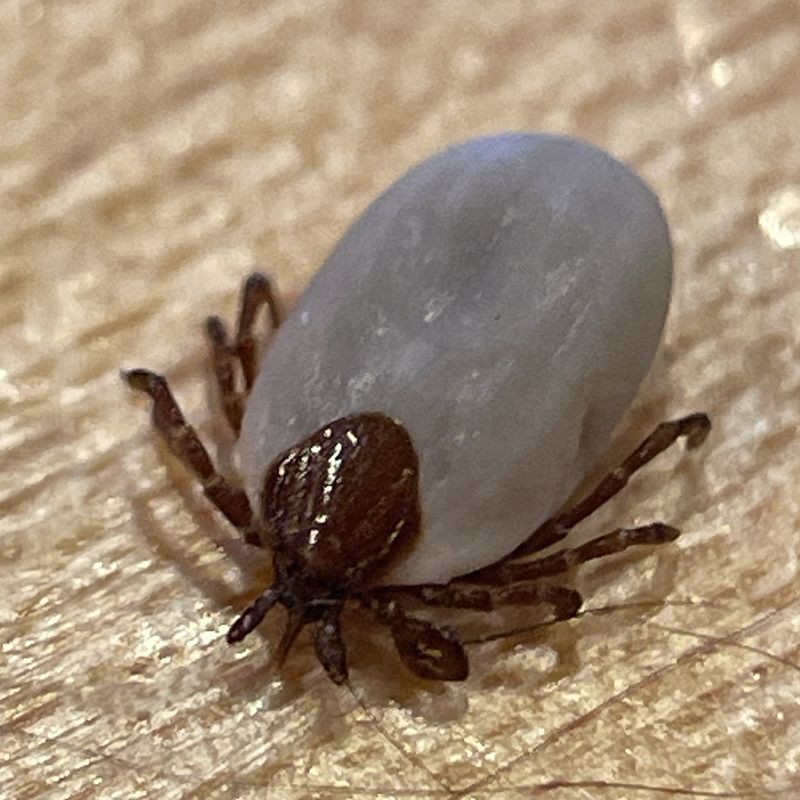
Here is a tick that most people in Pennsylvania have never heard of, and honestly, that is okay because encounters with it are pretty rare. The groundhog tick, also known as Ixodes cookei, mainly feeds on woodchucks, groundhogs, and small woodland mammals.
It is not a species that actively seeks out humans, which is good news for hikers and backyard explorers alike.
Despite being rare, the groundhog tick deserves attention for one serious reason: it can carry Powassan virus. Powassan is a rare but dangerous viral infection that affects the brain and nervous system.
What makes it especially concerning is that the virus can be transmitted in as little as 15 minutes after a tick attaches, which is much faster than Lyme disease transmission. Cases are rare, but they do happen in the northeastern United States, including Pennsylvania.
Groundhog ticks tend to live in wooded areas where their preferred hosts roam, which means forests, meadows, and rural properties with wildlife activity.
If you have groundhogs or woodchucks living near your home, the chances of encountering this tick are slightly higher than average.
Still, human bites are uncommon since this tick does not actively hunt people as a food source.
Even though this tick is not a major everyday concern for most Pennsylvanians, basic tick precautions still apply if you spend time in wooded habitats.
Wearing protective clothing, using repellent, and checking for ticks after outdoor activities will help reduce your risk of encountering any tick species, including this one.
If you ever find an unfamiliar tick on your body, save it in a sealed bag and contact your local health department for identification and guidance.
6. Rabbit Tick (Haemaphysalis Leporispalustris)
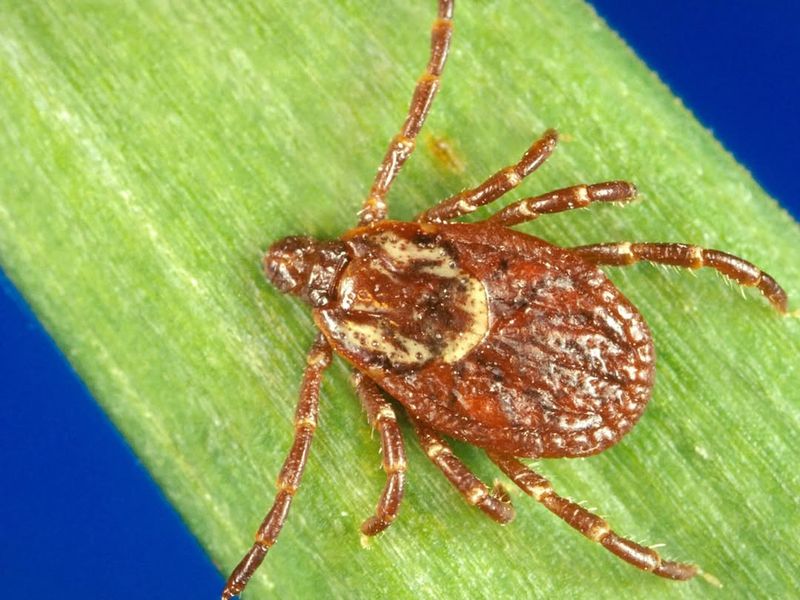
Out of all the tick species found in Pennsylvania, the rabbit tick is probably the least likely to bother you personally. Haemaphysalis leporispalustris, its scientific name, is a mouthful, but the simple truth is that this tick strongly prefers rabbits and birds as its hosts.
It is not known for biting humans under normal circumstances, which puts it at the very bottom of the concern list for most people.
Rabbit ticks are small and brownish, with short, distinctive mouthparts that set them apart from other tick species. They are found throughout Pennsylvania wherever wild rabbits and ground-nesting birds live, which includes fields, forest edges, and brushy habitats.
Hunters, wildlife rehabilitators, and people who handle wild animals are the most likely to come across this species in a hands-on way.
While the rabbit tick is not a major human health threat, it does play a role in wildlife disease cycles. It can carry tularemia and Rocky Mountain spotted fever among animal populations, helping those pathogens circulate through rabbit and bird communities.
If an infected rabbit tick were to bite a human, which is very uncommon, there would be a small risk of disease transmission. But again, this is not a regular occurrence.
Even with a low-risk species like the rabbit tick, wearing gloves when handling wild animals is always a smart move. If you find ticks on a wild rabbit you are rehabilitating or handling, treat the situation with care and wash your hands thoroughly afterward.
General outdoor tick prevention habits, like wearing repellent and checking your body after time spent outdoors, offer solid protection against all tick species, including the rare ones most people never think about.