Why Black-Eyed Susans Are One Of Georgia’s Best Summer Wildflowers
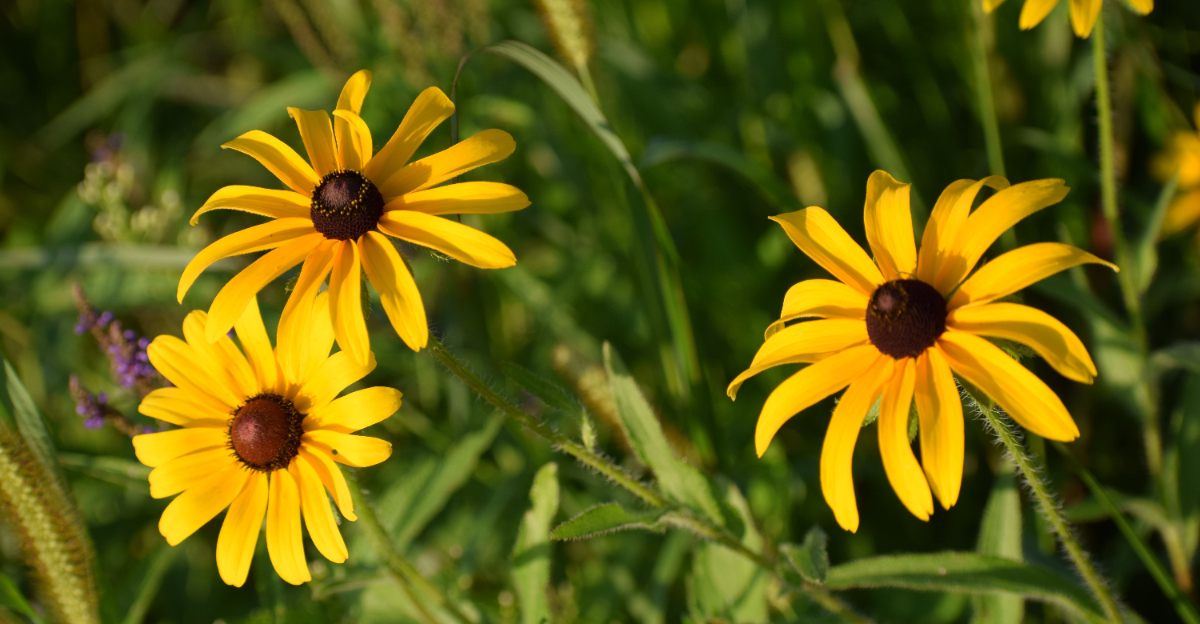
Bright yellow flowers rarely go unnoticed, especially during the hottest part of summer. When many plants begin looking tired or less colorful, a cheerful burst of color can completely change the feel of a garden.
Certain flowers seem to stand out no matter where they grow, catching attention year after year without needing to be the newest or most unusual plant around.
Summer has a way of revealing which flowers are truly dependable. Heat, strong sunlight, and changing weather conditions can be tough on many plants.
The varieties that continue looking good through those challenges often become longtime favorites among gardeners.
Black-eyed Susans have earned that kind of reputation. Georgia gardeners return to them season after season, and their popularity is about much more than their bright yellow blooms.
Several qualities help explain why they remain one of the most admired wildflowers of summer.
1. Bright Blooms Last Through Much Of Summer
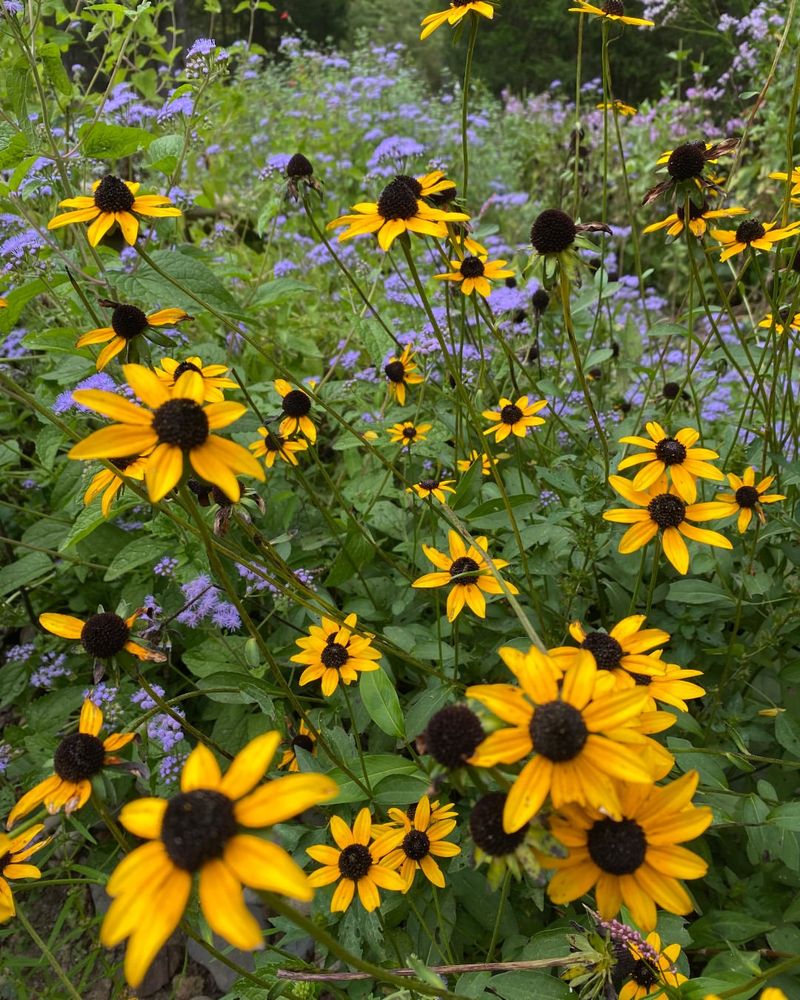
Walk past a patch of Black-Eyed Susans in late June and you will notice something right away: they are already wide open and showing off. Most summer wildflowers peak fast and fade just as quickly.
Black-Eyed Susans do not follow that pattern.
Blooming typically kicks off in June across much of the Southeast and can stretch well into September under the right conditions. That is a solid three-month window of color, which is longer than many popular garden perennials can manage.
Hot afternoons do not seem to slow them down much.
Each individual flower lasts about two to three weeks before it starts to fade.
New buds keep forming on the same plant throughout the season, so the display stays active rather than peaking once and disappearing. A healthy clump can carry dozens of open blooms at a time.
Compared to spring bloomers that vanish by May, these flowers carry the visual weight of a garden right through the hottest stretch of the year. That kind of staying power is genuinely useful in a summer landscape.
Gardeners who want consistent color without constant replanting find them especially reliable.
Warm nights, high humidity, and intense afternoon sun can stress many plants into early dormancy.
2. Pollinators Visit The Flowers Regularly
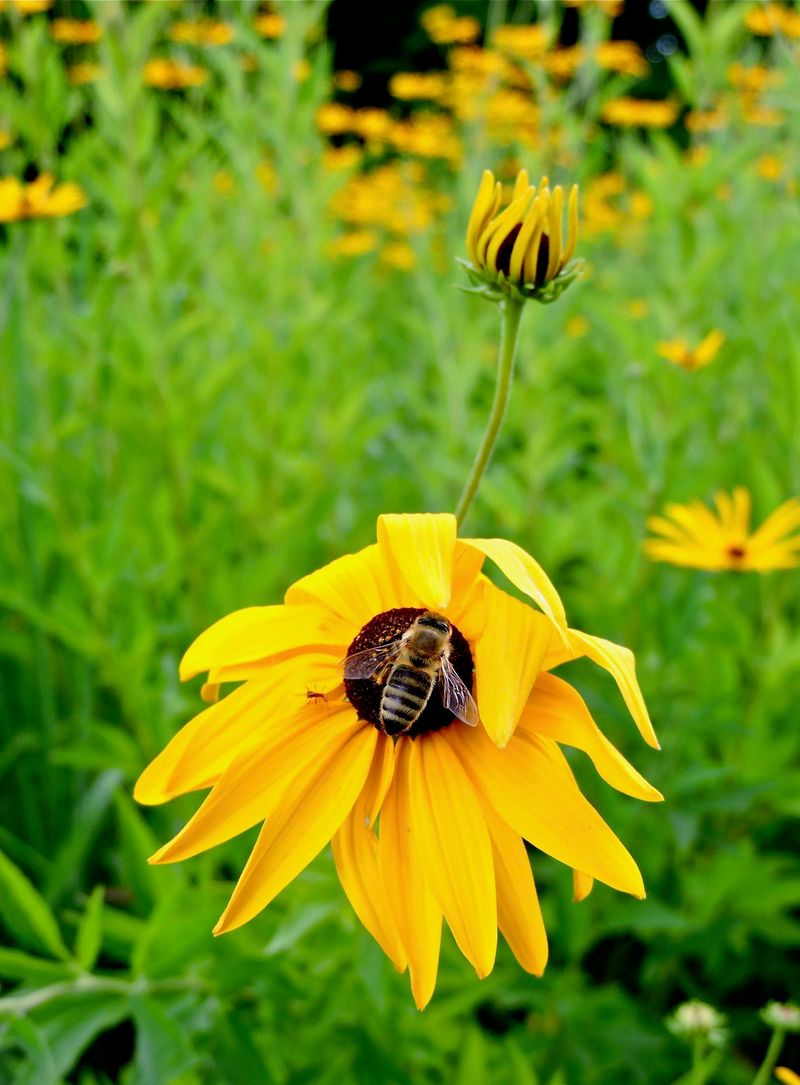
Bees find Black-Eyed Susans fast. Within days of the first flowers opening, you can expect to see native bees, honeybees, and bumblebees working the blooms steadily throughout the morning hours.
Butterflies follow close behind.
The open, flat face of each flower makes landing and feeding easy for a wide range of insects. Skippers, swallowtails, and painted ladies all visit regularly.
Beetles and small native bees also take advantage of the accessible pollen and nectar the flowers provide.
Planting a solid patch rather than just a few scattered plants tends to attract more consistent pollinator traffic. A dense grouping signals a reliable food source, and insects return to it repeatedly across the season.
Even a three-foot-wide clump can draw impressive activity on a warm, sunny morning.
Goldfinches are worth mentioning here too.
Once the flowers fade and seed heads form, these small birds pick the seeds directly from the dried stems. Leaving a portion of the plants standing after blooming supports both pollinators during the season and seed-eating birds afterward.
Your Georgia Garden Changes Every Week. Your Plan Should Too.
Gardening in Georgia changes quickly throughout the season. Every Friday you’ll receive a simple weekly plan showing exactly what to plant, prune, fertilize, harvest, and protect so you never miss the right timing.
For anyone trying to build a more pollinator-friendly yard in the Southeast, Black-Eyed Susans are a practical starting point.
3. Full Sun Produces The Strongest Flower Display
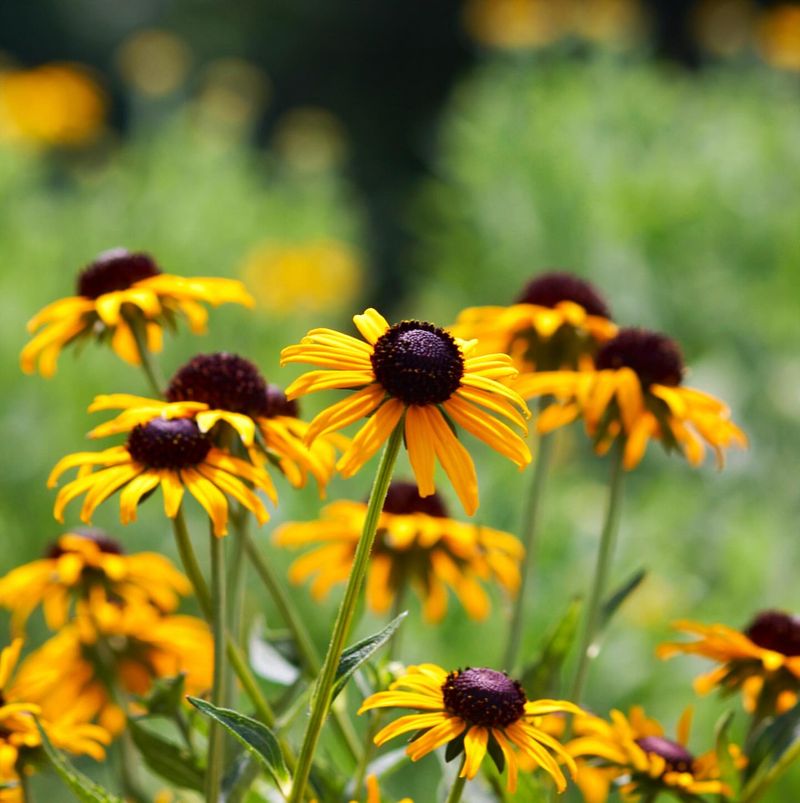
Shade is not a friend to Black-Eyed Susans. Give them a spot that gets fewer than six hours of direct sunlight and you will likely see taller, leggier stems with noticeably fewer flowers.
Full sun brings out the best in them.
Six to eight hours of direct sun per day is the sweet spot. Plants grown in those conditions tend to be stockier, more compact, and loaded with blooms from top to bottom.
Stems stay upright without flopping, which keeps the planting looking tidy throughout the season.
Open meadows, sunny borders, and south-facing slopes are ideal placements.
Spots near large trees or tall fences that cast afternoon shade tend to produce disappointing results. If you are choosing between two planting locations, always go with the sunnier one.
Intense summer heat does not seem to bother them as long as they have enough sunlight. Heat and sun together actually encourage stronger root development and more prolific flowering in established plants.
Younger plants in their first season may need a bit more water during extreme heat, but they generally handle it well.
4. Well-Drained Soil Supports Healthier Plants
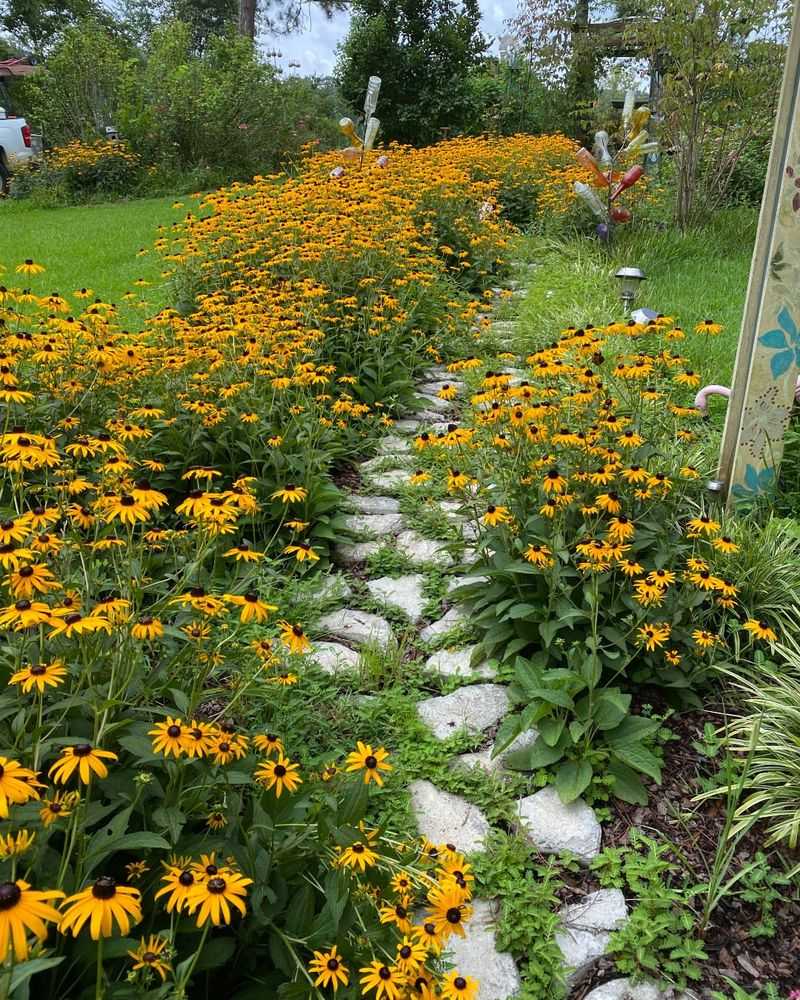
Soggy roots cause more problems for Black-Eyed Susans than almost anything else. Standing water around the base of the plant, especially during warm months, creates conditions where root health deteriorates quickly.
Good drainage changes everything.
Sandy or loamy soil works best. Clay-heavy soils that hold moisture for long periods after rain are worth amending before planting.
Mixing in coarse sand or fine gravel helps open up dense soil and allows excess water to move through more efficiently.
Raised beds and sloped planting areas naturally provide the drainage these flowers prefer.
Even a gentle slope makes a real difference in how well water moves away from the root zone after heavy summer rain. Flat, low-lying spots in the yard are trickier and may need more soil preparation.
Interestingly, Black-Eyed Susans do not need rich, highly fertile soil to perform well. Overly amended or fertilizer-heavy soil can actually push too much leafy growth at the expense of flower production.
Lean, well-drained soil often produces a better bloom display than heavily enriched garden beds.
Checking drainage before planting is simple. Dig a hole about twelve inches deep, fill it with water, and watch how quickly it drains.
5. Established Clumps Handle Dry Weather Well
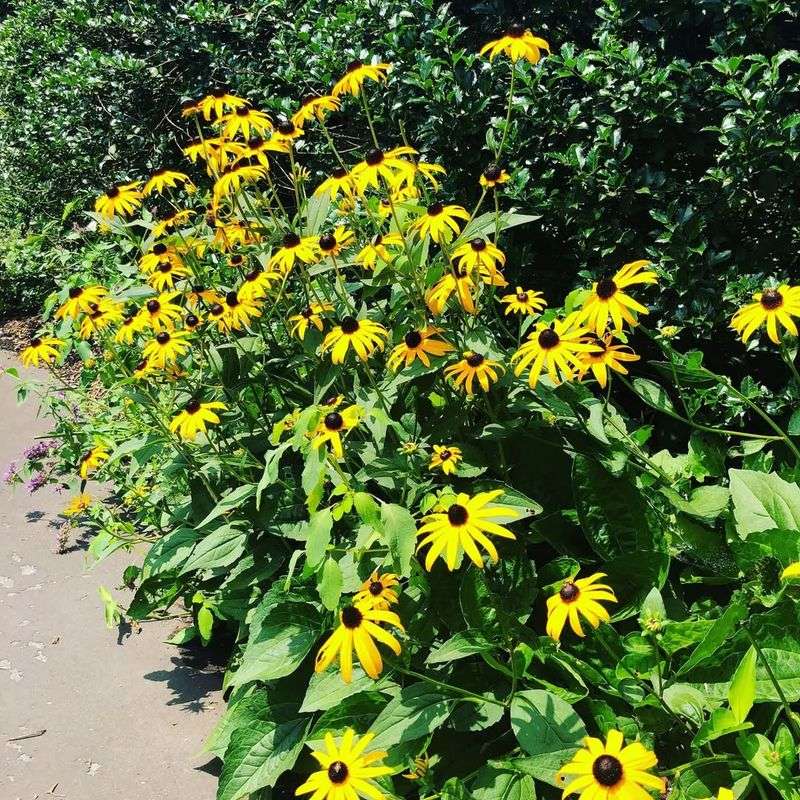
Drought tolerance is one of the most practical things about Black-Eyed Susans. Once a clump has been in the ground for a full growing season, it builds a root system deep enough to pull moisture from lower soil layers during dry stretches.
Young transplants are a different story.
Newly planted seedlings need regular watering for their first four to six weeks. After that initial establishment period, they become noticeably more self-sufficient.
Cutting back on supplemental watering once plants look anchored and actively growing is generally fine.
Summers in the Southeast can bring weeks with little to no rainfall. Established Black-Eyed Susans usually push through those dry spells without showing signs of stress.
Leaves may look slightly less vibrant during extended heat waves, but flowering typically continues at a steady pace.
Mulching around the base of each plant helps retain soil moisture and keeps root temperatures more stable during extreme heat.
A two to three inch layer of organic mulch applied in late spring makes a noticeable difference in how well plants hold up through midsummer dry periods.
Overwatering established clumps is actually a bigger risk than underwatering.
6. Removing Faded Blooms Encourages More Flowers
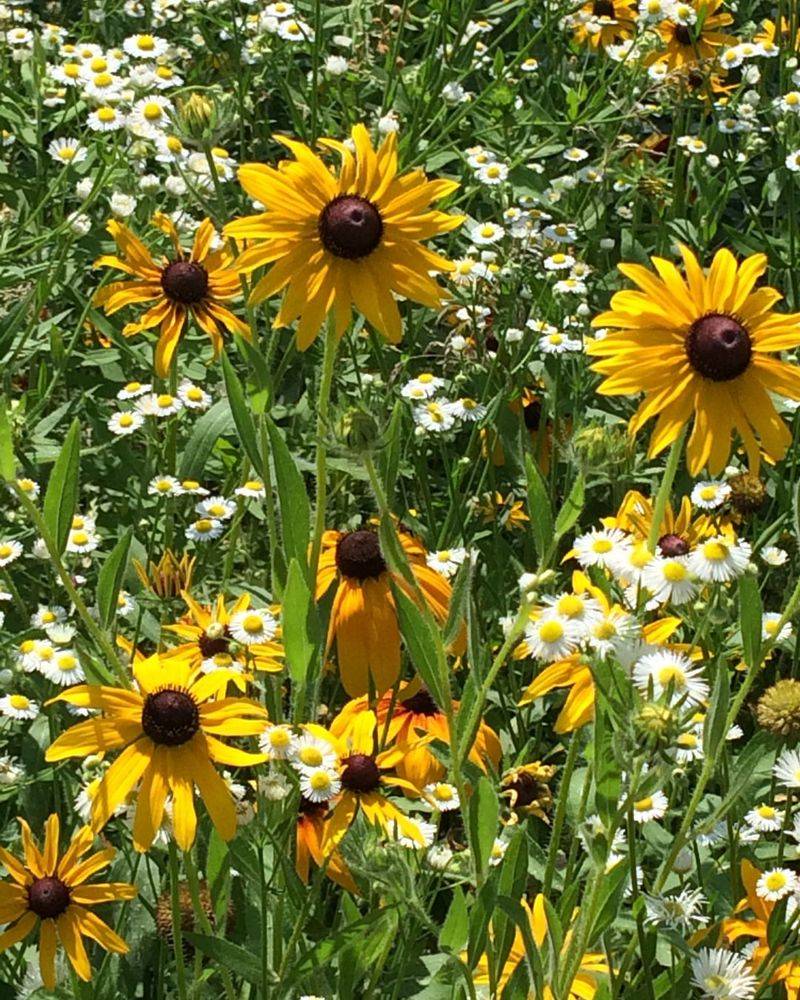
Spent flowers left on the plant send a signal that the job is done. Seed production kicks in, and the plant naturally slows its flower output.
Removing those faded blooms before seeds fully set keeps that signal from going out.
Deadheading does not need to be complicated. Pinching off the spent flower head just below the base of the bloom is enough.
Doing a quick pass through the planting every week or so during peak season keeps new buds forming at a steady rate.
Plants that are deadheaded regularly tend to produce noticeably more flowers over the course of the season compared to those left entirely alone.
The difference becomes especially clear in late summer, when untouched plants may start to wind down while maintained ones are still going strong.
Sharp, clean scissors or small pruning snips make the job faster and neater than pulling by hand. Cutting rather than tearing also reduces the chance of accidentally damaging nearby stems or disturbing other buds that are still developing.
Toward the end of the season, stopping deadheading and allowing some flowers to go to seed has real benefits.
Seed heads feed birds through fall and winter, and some seeds will scatter naturally to produce new plants the following year.
7. Self-Seeding Can Create New Plants Over Time
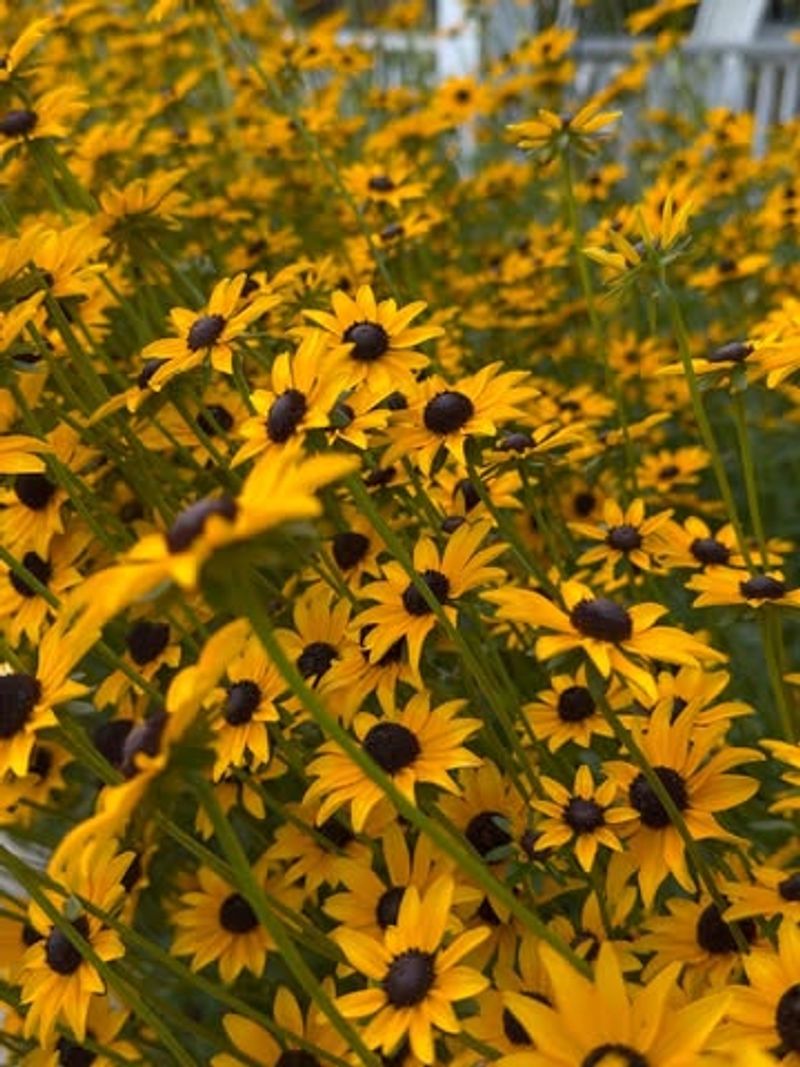
Leave a few seed heads standing at the end of the season and Black-Eyed Susans will often do the replanting work themselves. Seeds drop close to the parent plant, and given decent soil contact and adequate moisture, many of them sprout the following spring.
Self-seeding is not perfectly predictable. Germination rates vary depending on soil conditions, rainfall timing, and how much competition exists from other plants nearby.
In a loose, open bed with minimal ground cover, self-seeding tends to be more successful than in densely planted areas.
Seedlings that sprout from self-seeding are typically smaller and slower to establish than transplants started indoors or purchased from a nursery. Patience pays off, though.
Given a full growing season, most self-started plants will reach flowering size and begin contributing to the planting by their second year.
Thinning is sometimes necessary when self-seeding is especially productive. Overcrowded seedlings compete for water, light, and nutrients, which can reduce overall plant quality across the entire patch.
Spacing surviving seedlings at least twelve to eighteen inches apart gives each one enough room to develop properly.