The Corners Of Michigan Yards Where Mosquitoes Are Most Likely Breeding This Summer
Michigan mosquitoes do not need much. A bottle cap’s worth of standing water and a few days of warm weather is genuinely enough to get a new generation started, which is either impressive or deeply annoying depending on your perspective.
After a summer storm rolls through, water collects in places most people never think to check. The upturned lid behind the shed.
The plant saucer that fills up and gets forgotten. The low spot in the lawn that stays soggy for days.
Each one is a perfectly functional mosquito nursery, sitting right in the backyard without anyone realizing it.
Knowing where these spots tend to hide around a Michigan yard is the most practical starting point for actually reducing mosquito activity close to home this summer.
1. The Corner With Buckets, Bins, Or Forgotten Containers
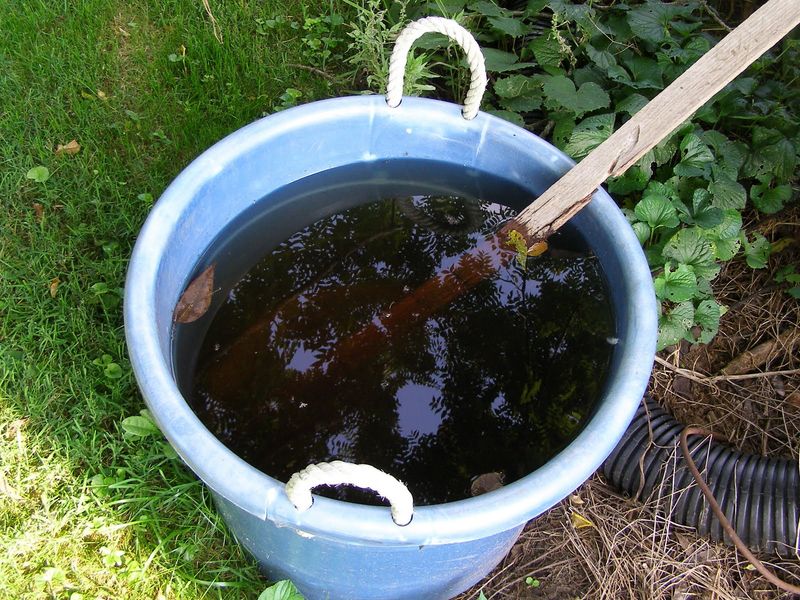
After a few summer rainstorms roll through Michigan, it is easy to forget about the random buckets, bins, and containers scattered around the yard.
A plastic bucket left near the garage, an old storage tote tucked beside the fence, or a forgotten flower bucket near the garden shed can collect and hold water for days without anyone noticing.
That quiet, undisturbed water is exactly what mosquitoes look for when they are ready to lay eggs.
Mosquitoes can begin developing in surprisingly small amounts of water, and containers that sit in shaded corners tend to hold moisture longer than items left in full sun.
In Michigan, where summer rainfall can be frequent and warm temperatures speed up insect development, even a container with an inch or two of water can become a concern if it goes unchecked for more than a week.
Walking the yard after rain and emptying any container that has collected water is one of the most straightforward ways to reduce breeding opportunities near the house.
Tipping containers upside down or storing them under cover when not in use removes the standing water problem entirely.
A little attention to these overlooked corners can make a real difference during peak mosquito season in Michigan.
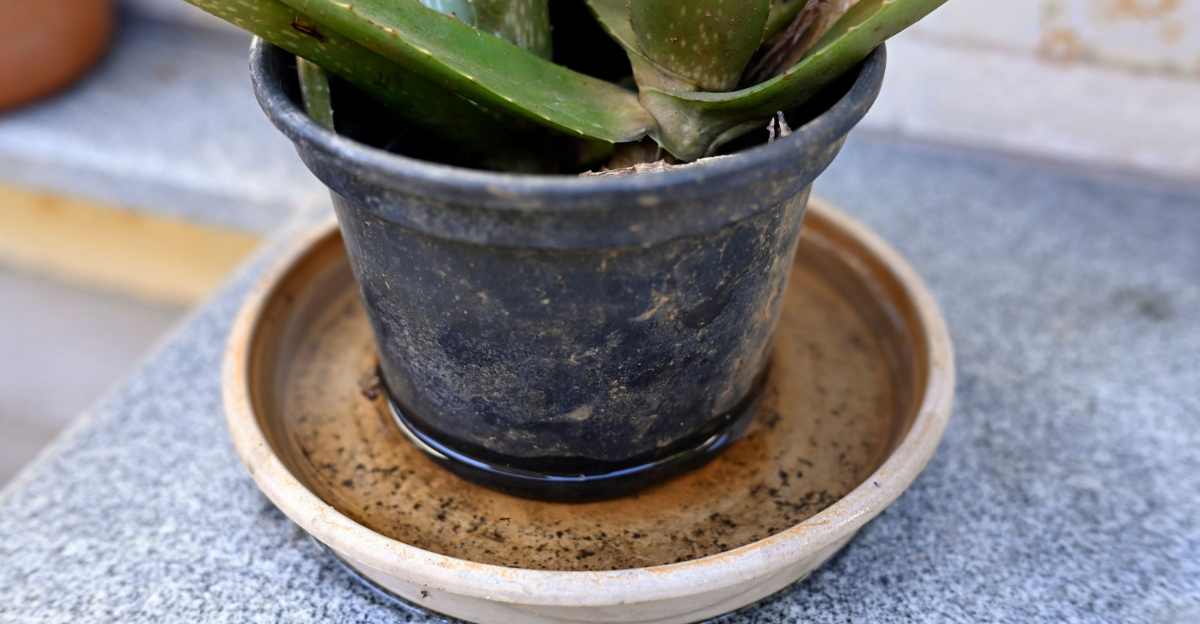
2. The Flowerpot Saucer Area Near Patios Or Steps
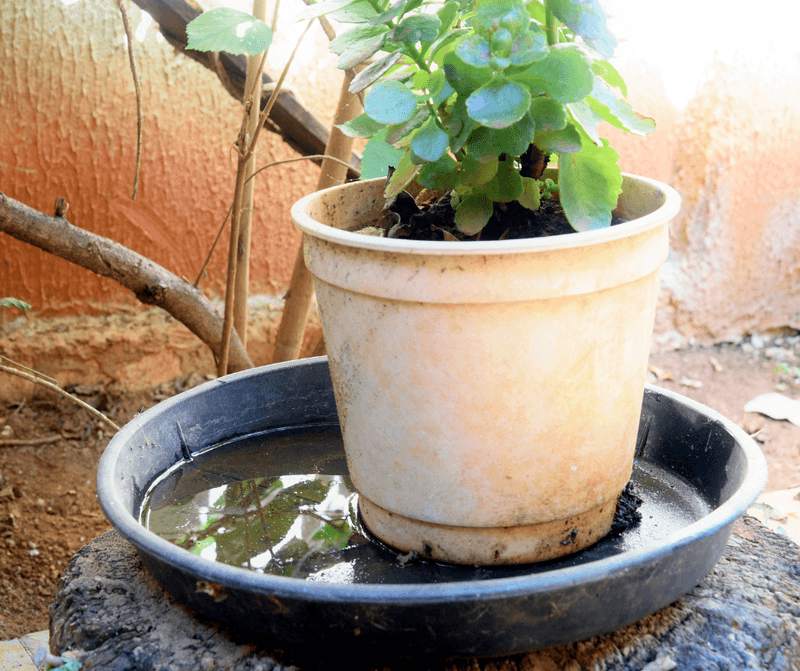
Flowerpot saucers are one of those things that blend into the background of a well-kept patio, which is exactly why they tend to get overlooked.
Placed under containers to catch excess water and protect surfaces, they do their job quietly, but that means they can hold water for days at a time, especially in shaded spots near steps or along the side of the house where airflow is limited.
In Michigan, where summer watering routines combine with frequent afternoon rain showers, saucers can stay wet far longer than most people expect.
A saucer holding just a small amount of water in a warm, sheltered corner near the patio provides a calm, undisturbed surface that mosquitoes find appealing for laying eggs.
The problem tends to grow when several potted plants are grouped together, creating multiple small water sources in one area.
Emptying saucers after watering or after rain is a simple habit that can reduce mosquito activity near the places where people spend time outdoors.
Your Michigan Garden Changes Every Week. Your Plan Should Too.
Gardening in Michigan changes quickly throughout the season. Every Friday you’ll receive a simple weekly plan showing exactly what to plant, prune, fertilize, harvest, and protect so you never miss the right timing.
Some gardeners choose to use saucers with drainage holes or switch to smaller saucers that hold less water overall.
Keeping patio planters in mind as part of a regular summer yard check is a practical step for Michigan homeowners who want to enjoy outdoor spaces more comfortably.
3. The Birdbath Or Pet Bowl Corner
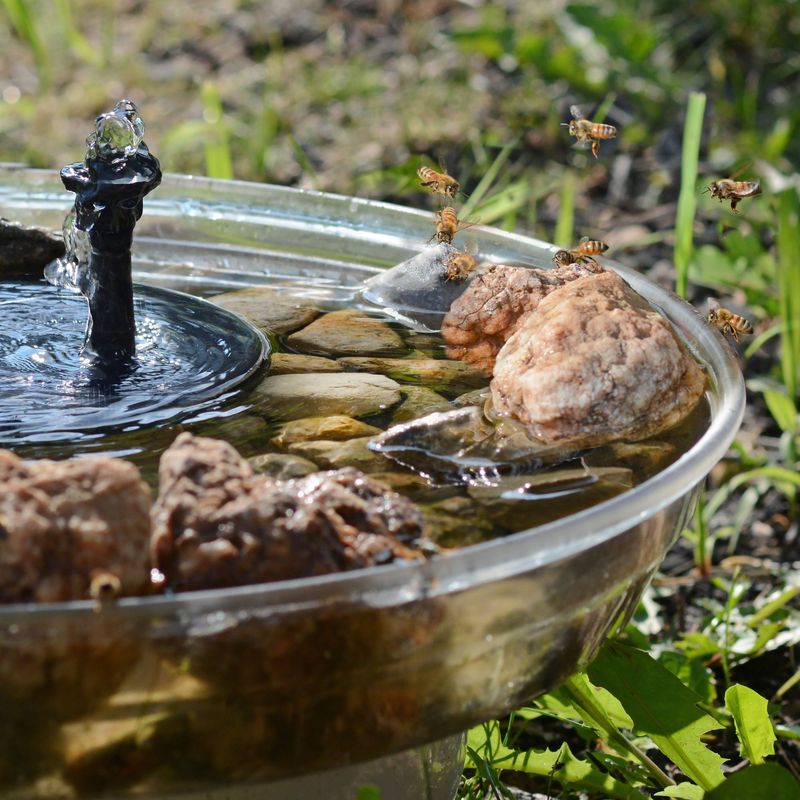
Birdbaths are a favorite feature in Michigan yards, attracting songbirds and adding a natural touch to garden spaces.
However, the same shallow, calm water that birds enjoy can also attract mosquitoes looking for a place to lay eggs, especially when the water sits undisturbed for several days between refills.
Stagnant water in a birdbath, even if it looks clean, can support mosquito development when temperatures are warm.
Pet water bowls left outside face a similar issue. A bowl filled for a dog or outdoor cat and then left sitting in a corner of the yard for extended periods becomes another small standing-water source.
In Michigan summers, where heat and humidity can be significant for weeks at a time, these containers need more frequent attention than many pet owners realize.
Refreshing birdbath water every two to three days prevents the water from becoming stagnant enough to support mosquito eggs. Scrubbing the basin when you refill it helps remove any egg rafts or early-stage larvae that may have been deposited.
Bringing pet bowls inside overnight or refreshing them daily is a small routine adjustment that reduces one more quiet water source from the yard. These are minor habits that add up meaningfully over a full Michigan summer.
4. The Clogged Gutter Side Of The House
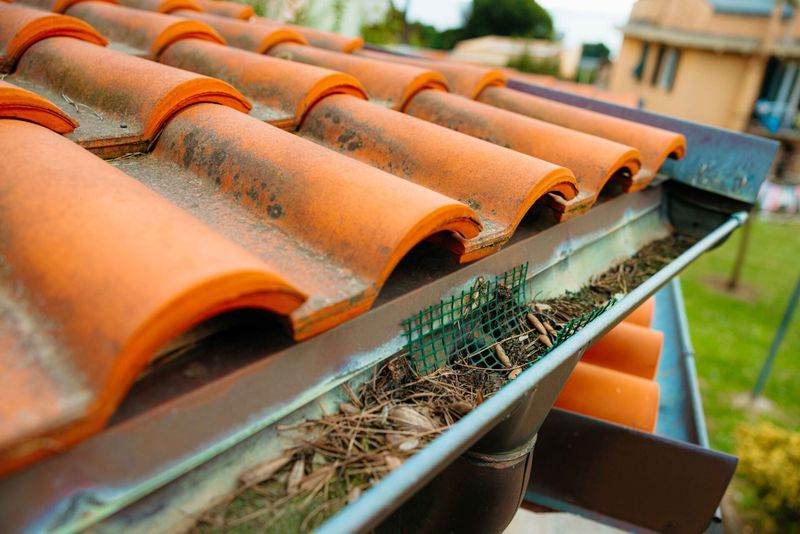
Gutters do not get much attention until something goes wrong, and in Michigan, where spring and early summer bring heavy leaf fall and frequent rain, clogs can develop faster than expected.
When gutters fill with debris, water backs up and sits in the channel for days, sometimes weeks, creating a warm, sheltered trough of standing water that runs along the roofline of the house.
That kind of persistent moisture is a real draw for mosquitoes.
What makes clogged gutters especially tricky is that the problem is out of sight. Unlike a bucket sitting in the yard, a gutter full of standing water is not something you notice during a casual walk around the property.
By the time mosquitoes are noticeable near the house, the gutter may have been holding water through multiple rain cycles already.
Cleaning gutters before summer and checking them again mid-season is a practical way to remove this breeding opportunity from the equation. Installing gutter guards can help reduce debris buildup over time.
If cleaning gutters yourself is not feasible, hiring someone to do it once or twice during the season is still a worthwhile investment.
Keeping water moving through gutters freely removes one of the more overlooked standing-water sources on a Michigan home.
5. The Old Tire Or Wheelbarrow Spot Behind The Shed
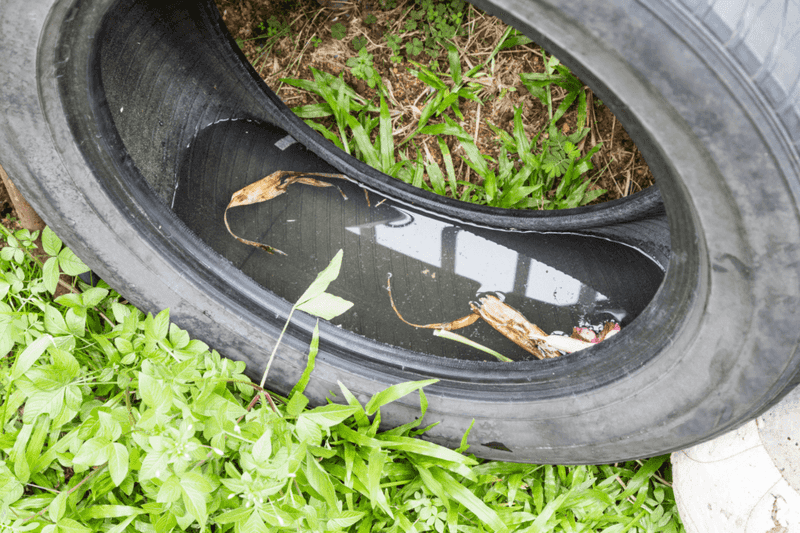
Behind the shed is one of those corners of the yard that rarely gets cleaned up until something forces it.
Old tires, wheelbarrows, and other equipment that has been pushed out of the way tend to collect there over time, and because the area stays shaded and rarely gets foot traffic, water can pool and sit without anyone noticing.
Tires in particular are well known for holding water in a way that is hard to drain completely.
The curved interior of a tire captures rainfall and holds it in a warm, dark environment that is protected from wind and direct sunlight.
In Michigan summers, where temperatures can stay warm through the night, water trapped in an old tire can support mosquito development relatively quickly.
A wheelbarrow left bowl-side up faces the same issue, collecting rain in its basin and offering another undisturbed water surface.
Removing old tires from the yard entirely is the most effective solution, since they are difficult to drain and easy to forget about. Wheelbarrows can be stored upside down or tilted against the shed so water cannot collect in the basin.
Taking a few minutes to walk behind outbuildings and check for forgotten water-holding items is a worthwhile part of any summer yard maintenance routine in Michigan.
6. The Kiddie Pool, Toy, Or Playset Area
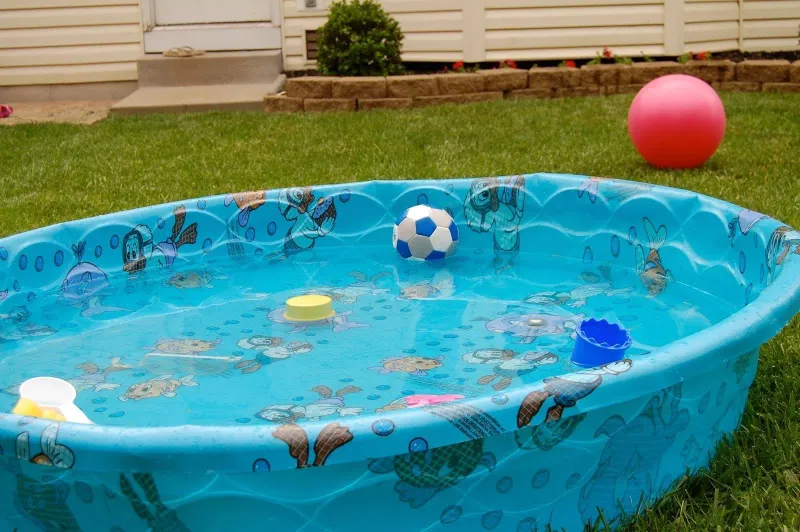
Play areas are full of energy during the day, but once the kids come inside, toys, water tables, and kiddie pools can sit undisturbed for hours or days at a time.
In Michigan, where summer afternoons often bring brief but heavy rain showers, outdoor play equipment can collect water quickly and hold it in all kinds of unexpected places.
The underside of a slide, the seat of a toy dump truck, or the basin of a water table can all become small standing-water sources if left outside after use.
Kiddie pools are one of the more obvious concerns, especially when they are filled and then left sitting for several days between uses. Even a partially filled pool left in a sunny yard can become a breeding environment if the water stays still and warm long enough.
The edges of the pool and any toys floating in it add extra surface area where mosquito eggs can be deposited.
Emptying kiddie pools after each use or covering them tightly when not in use is the most reliable approach. Storing smaller outdoor toys in a bin or flipping them over so they cannot collect rain is a quick habit to build into end-of-day outdoor routines.
Keeping the play area dry between sessions helps protect the spaces where children spend the most time in the Michigan summer.
7. The Tarp Or Plastic Sheeting Over Yard Items
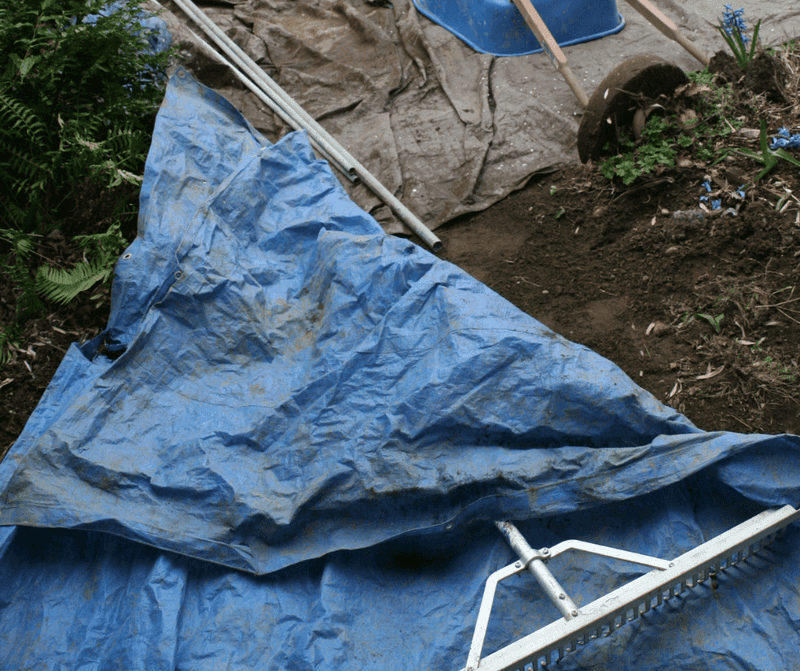
Tarps and plastic sheeting are useful for protecting firewood, patio furniture, grills, and outdoor equipment from rain, but the way they drape and sag means water almost always collects in the folds.
A tarp that has been in place for a week or two after several rainstorms can hold multiple pockets of standing water across its surface, each one a potential spot for mosquito activity during warm Michigan summer months.
The problem with tarp water is that it tends to go unnoticed. People cover items and walk away, and the tarp does its job visually by keeping things dry underneath.
But the water sitting on top, trapped in low points and creases, can be significant. In warm, humid Michigan summers, that water does not evaporate quickly when the tarp is in a shaded or sheltered location.
Adjusting how a tarp is stretched or tied so that water runs off rather than pools is a simple fix that makes a real difference. Some people add a slight slope or prop the center up so rain drains to the edges.
Checking tarps after heavy rain and shaking or sweeping the water off takes only a minute. Replacing worn or loose-fitting tarps with ones that fit more snugly also reduces the number of water-collecting folds that develop over a Michigan summer.
8. The Rain Barrel Or Water Storage Corner
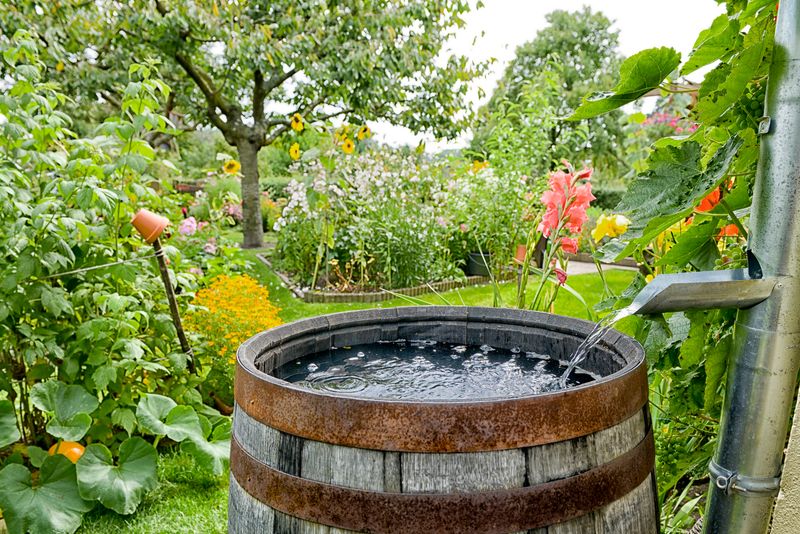
Rain barrels have become a popular feature in Michigan yards, offering a practical way to collect roof runoff for watering gardens during dry spells.
The concept is sound, but an improperly maintained or uncovered rain barrel can become a significant mosquito breeding source if water sits stagnant inside for extended periods.
A barrel with an open or loosely fitted top gives mosquitoes direct access to a large, sheltered body of still water.
The conditions inside a rain barrel are actually quite favorable for mosquito development. The water is typically cool and shaded, protected from wind, and replenished regularly by rainfall, which means it rarely dries out on its own.
During peak Michigan summer weather, when mosquito activity is highest, a barrel that is not properly covered or screened can support multiple generations of mosquitoes over the course of a season.
Using a rain barrel with a tight-fitting, screened lid is the most effective way to enjoy the water-conservation benefits while reducing mosquito risk.
The screen allows water to enter from the downspout while blocking mosquitoes from accessing the surface inside.
Checking the screen periodically for gaps or damage keeps the barrier effective.
Draining the barrel between significant rain events, or using the stored water regularly for garden irrigation, also helps prevent water from sitting long enough to become a concern in Michigan yards.
9. The Low Spot Where Rainwater Lingers
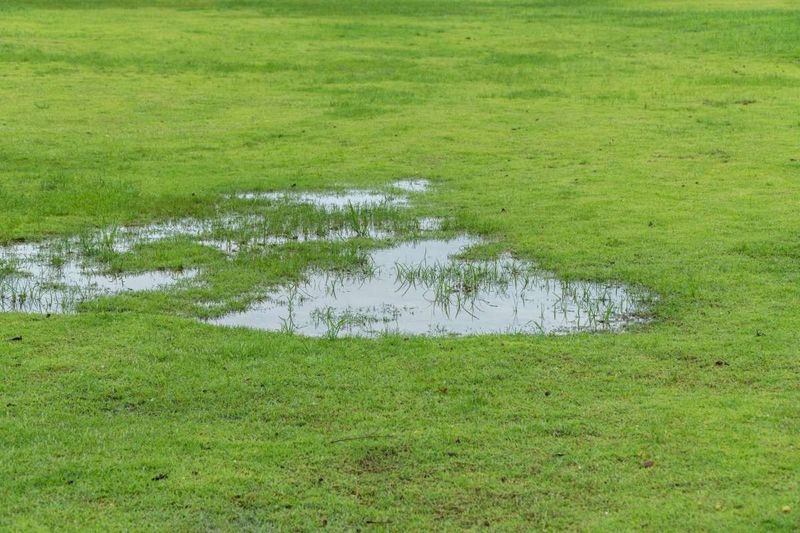
Every yard has at least one low spot, a slight dip in the lawn where water naturally flows after rain and then sits because it has nowhere to drain.
In Michigan, where summer storms can drop a significant amount of rain in a short time, these low areas can hold water for days, especially when the ground is already saturated from earlier rain.
A puddle that lingers for more than a few days in a warm, sheltered part of the yard becomes a potential mosquito breeding area.
What makes these spots tricky is that they look harmless. A shallow puddle on the lawn does not immediately signal a mosquito concern the way a bucket of water might.
But standing water in a low spot, especially one that sits near garden beds, fences, or shaded areas of the yard, offers the same calm, still surface that mosquitoes seek for laying eggs.
Improving drainage in persistently wet areas is the most lasting solution. This might involve regrading a section of lawn, adding a French drain, or planting moisture-tolerant ground covers that help absorb water more quickly.
For low spots that only hold water temporarily after heavy rain, aerating the lawn or adding compost to improve soil absorption can help.
Monitoring these areas during wet stretches of Michigan summer weather helps homeowners catch standing water before it becomes a long-term issue.
10. The Pond Edge With Shallow, Weedy Water
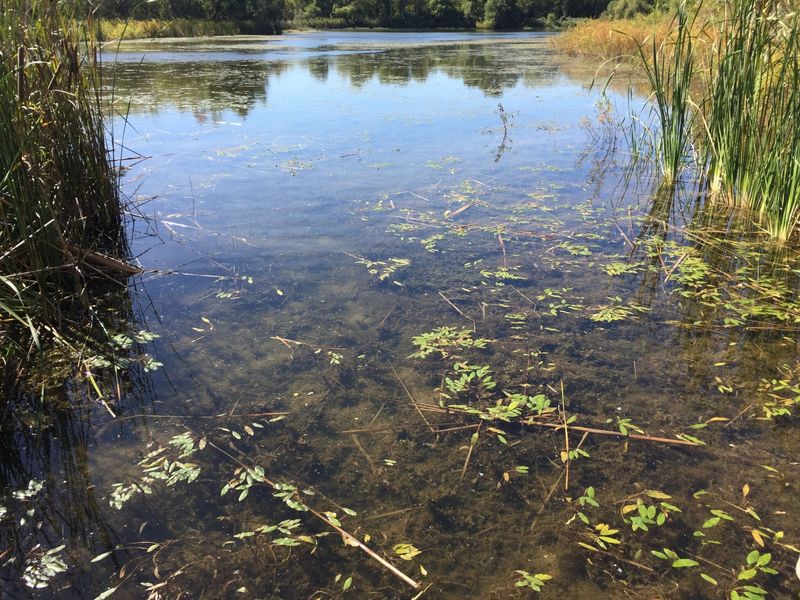
A backyard pond adds beauty and wildlife habitat to a Michigan yard, but the edges of a pond, especially where the water is shallow, slow-moving, and thick with aquatic plants, can support mosquito activity if left unmanaged.
Mosquitoes tend to lay eggs in calm, sheltered water rather than in the open center of a pond where movement and depth are greater.
The shallow margins, particularly where weeds or emergent plants crowd the bank, offer exactly the kind of still surface they prefer.
Dense vegetation along the pond edge also provides shade and wind protection, which slows evaporation and keeps the water undisturbed for longer periods.
In Michigan summers, when warm temperatures accelerate insect development, shallow pond edges can become productive breeding areas if the balance of the pond is not actively maintained.
A pond that lacks fish, water movement, or regular plant management is more likely to have this issue than one that is well-tended.
Adding mosquito-eating fish such as goldfish or native species suited to Michigan ponds can provide natural control at the water surface.
Installing a small pump or fountain to keep water moving near the edges reduces the still-water conditions that mosquitoes prefer.
Trimming back dense shoreline vegetation periodically opens up the edges and reduces sheltered breeding zones. These steps help keep a backyard pond an enjoyable feature rather than a quiet source of summer mosquitoes.