The Native Michigan Perennial That Chokes Out Every Weed In The Bed (In A Good Way)
Weeding is one of those garden chores that never truly ends, no matter how consistent or dedicated you try to be about staying on top of it.
Most ground covers either spread far too aggressively or leave enough gaps that weeds move right back in within a few weeks.
There is one native Michigan perennial, though, that spreads in exactly the right way, covering bare soil so completely and densely that weeds simply cannot get any kind of foothold underneath it.
It is tough, genuinely attractive through multiple seasons, and perfectly adapted to growing conditions found all across the state.
Gardeners who have added it to problem areas tend to become immediate fans because it handles weed suppression entirely on its own without asking anything extra from you.
1. The Weed-Suppressing Superstar
Most gardeners spend more time fighting weeds than actually enjoying their garden. Eastern Coneflower, or Rudbeckia fulgida, quietly changes that dynamic without any extra effort on your part.
Native to Michigan, this perennial has been thriving in the Midwest long before anyone thought to put it in a backyard bed.
What makes it so special as a weed suppressor is its clumping growth habit. Each plant spreads outward season after season, forming a tight, dense mound of stems and leaves that leaves almost no open soil for weeds to claim.
Over just a few growing seasons, a handful of plants can fill an entire bed.
Planting is straightforward for Michigan gardeners. Space your Eastern Coneflowers about 18 to 24 inches apart to give them room to expand without crowding each other too early.
Full sun locations with moderately moist soil will produce the strongest, most vigorous plants. Once established, these perennials come back reliably every spring, growing a little larger each year.
The more they grow, the less room weeds have to breathe. It is one of the most practical and rewarding choices any Michigan homeowner can make for a low-effort, high-impact garden bed.
2. Dense Foliage Coverage That Shades Out Weeds
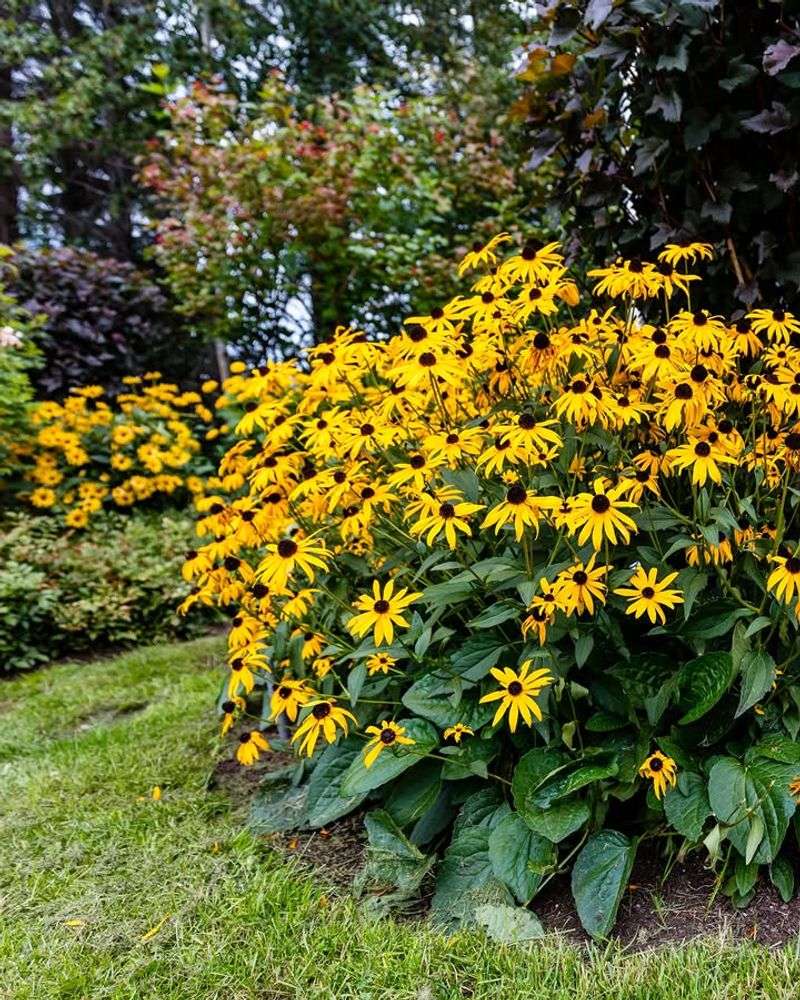
Sunlight is a weed seed’s best friend. Without it, most weed seeds simply cannot sprout, and that is exactly the vulnerability Eastern Coneflower exploits so well.
The plant produces broad, coarse leaves that grow low and spread wide, creating a natural canopy over the soil beneath it.
When that canopy closes in, weed seeds sitting in the soil find themselves in permanent shade. Germination rates drop dramatically because the light they need never reaches them.
You are not using chemicals or spending hours on your knees. The plant is doing the work by simply growing the way it naturally does.
In a Michigan garden, this matters a lot. Our spring and early summer seasons bring plenty of rain and warmth, which would normally be prime conditions for weeds to explode.
But when Eastern Coneflower foliage is already thick and spreading by late spring, those conditions work in your favor instead.
The moisture feeds your perennial while the shade it creates keeps weed seedlings from ever gaining a foothold.
Your Michigan Garden Changes Every Week. Your Plan Should Too.
Gardening in Michigan changes quickly throughout the season. Every Friday you’ll receive a simple weekly plan showing exactly what to plant, prune, fertilize, harvest, and protect so you never miss the right timing.
Adding a thin layer of mulch around young plants in their first season helps close any small gaps in coverage.
By the second or third year, the foliage alone does most of the heavy lifting, and your bed stays remarkably clean with very little intervention needed from you.
3. Deep Roots That Outcompete Weeds Underground
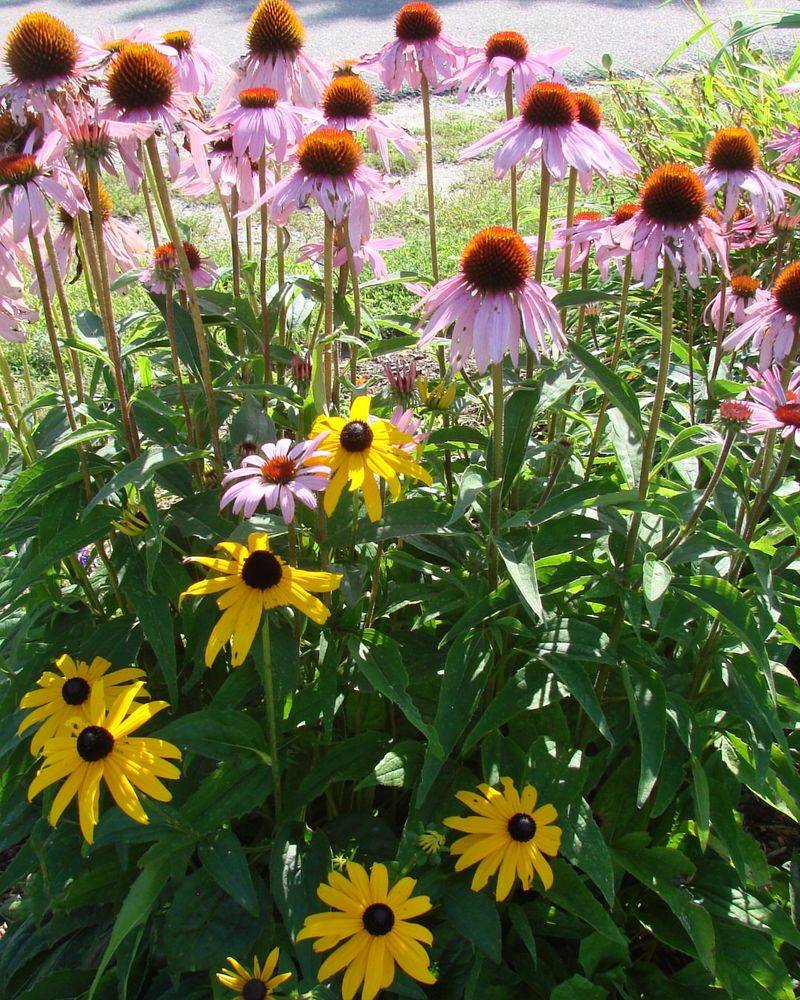
Above ground, the foliage does an impressive job. But the real competition between Eastern Coneflower and weeds actually happens underground, where most gardeners never think to look.
Rudbeckia fulgida develops a deep, fibrous root system that spreads broadly through the soil profile, pulling in water and nutrients before shallow-rooted weeds ever get a chance.
Weeds like crabgrass and pigweed have relatively shallow roots. When Eastern Coneflower roots are already occupying the deeper soil layers, those weeds find themselves competing for the scraps.
The coneflower essentially claims the best resources first, and weeds are left with very little to sustain their growth.
For Michigan homeowners, managing soil moisture is a key part of keeping this advantage strong. Water deeply but less frequently, encouraging your coneflowers to push their roots even deeper into the soil.
Drip irrigation or a slow, thorough hand-watering once or twice per week during dry spells works well. Avoid shallow, frequent watering, which encourages surface root development and gives weeds a better shot at competing.
Amending your soil with compost before planting also helps roots establish quickly.
Loose, organically rich soil lets those deep roots travel farther and faster, locking up resources and making the growing environment genuinely difficult for weeds to survive in over the long term.
4. An Extended Bloom Period That Keeps Gaps Closed
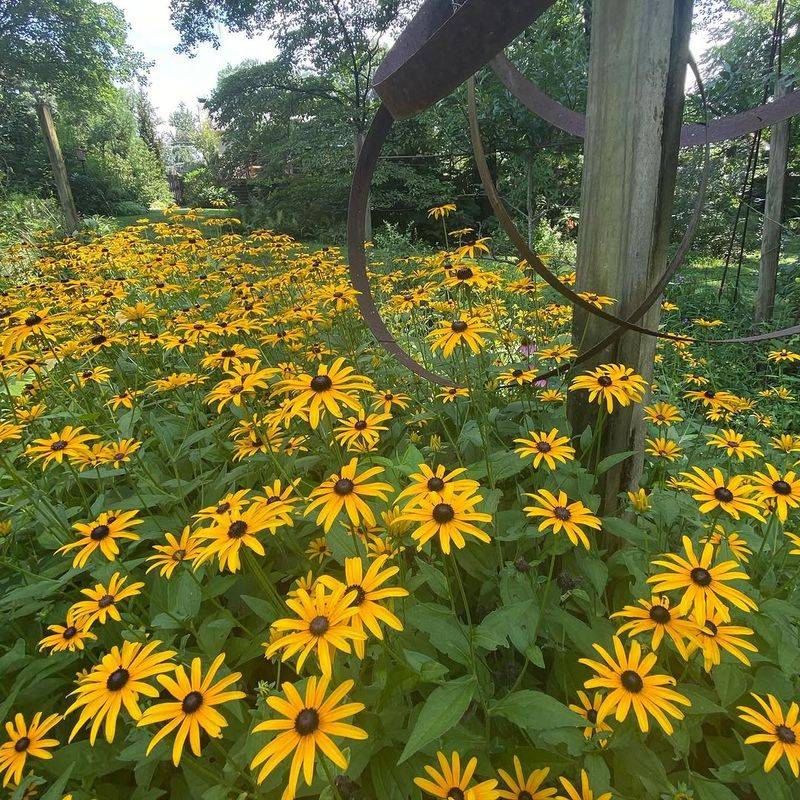
One of the sneakiest ways weeds take over a garden bed is by exploiting gaps, those brief windows when plants finish blooming and foliage starts to thin.
Eastern Coneflower closes that window almost entirely thanks to its impressively long flowering season.
Blooms typically begin in mid-summer, around July, and continue strong through September and sometimes into October in Michigan.
That extended canopy coverage means the soil beneath stays shaded for months on end. Weeds that might sneak in during a short bloom gap simply do not get that opportunity.
The plant keeps producing new flower stalks throughout the season, maintaining both visual interest and physical coverage at the same time.
Deadheading, which means removing spent blooms, plays a helpful role in keeping that momentum going.
Pinch or snip off faded flowers just above the nearest set of leaves to encourage the plant to redirect energy into producing new buds.
In Michigan, doing your first round of deadheading in early August tends to push a strong second flush of blooms before the season winds down.
If you prefer to skip deadheading entirely in late fall, leaving the seed heads in place actually feeds birds through winter and allows the plant to self-sow modestly.
It gradually fills in your bed even more over time for an even thicker, more weed-resistant planting next season.
5. Surprisingly Low Maintenance For Such Big Results
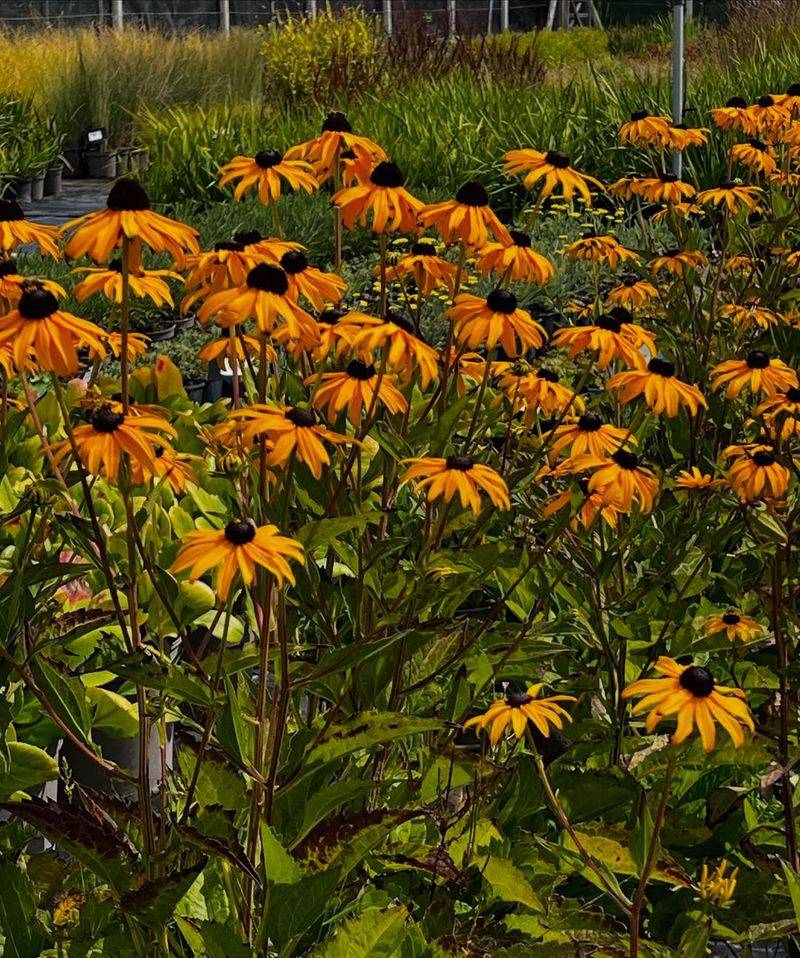
Some of the most effective garden plants are also the easiest to care for, and Eastern Coneflower is a perfect example of that.
Once it is established in your garden, it asks for very little in return for the enormous amount of weed suppression it provides.
No herbicides, no weekly fertilizing schedules, and no complicated pruning routines required.
Michigan summers can be unpredictable, swinging between hot dry stretches and heavy rain periods. Eastern Coneflower handles both without complaint.
It tolerates short dry spells once its roots are established, and it does not sulk during cooler, wetter summers the way some other perennials do.
That resilience keeps the plant growing vigorously, which is exactly what you need for consistent weed suppression.
Basic care comes down to a few simple habits. Cut the plants back to a few inches above the ground in late fall or very early spring before new growth emerges.
Top-dress the bed with a thin layer of compost every spring to keep soil nutrients replenished. Water during extended dry periods, especially in the plant’s first summer.
Beyond those easy steps, Eastern Coneflower takes care of itself remarkably well.
Gardeners who have switched from high-maintenance beds to coneflower-dominant plantings often say it feels almost too easy, and that is honestly the best kind of gardening there is.
6. A Wildlife Magnet That Brings Balance To Your Garden
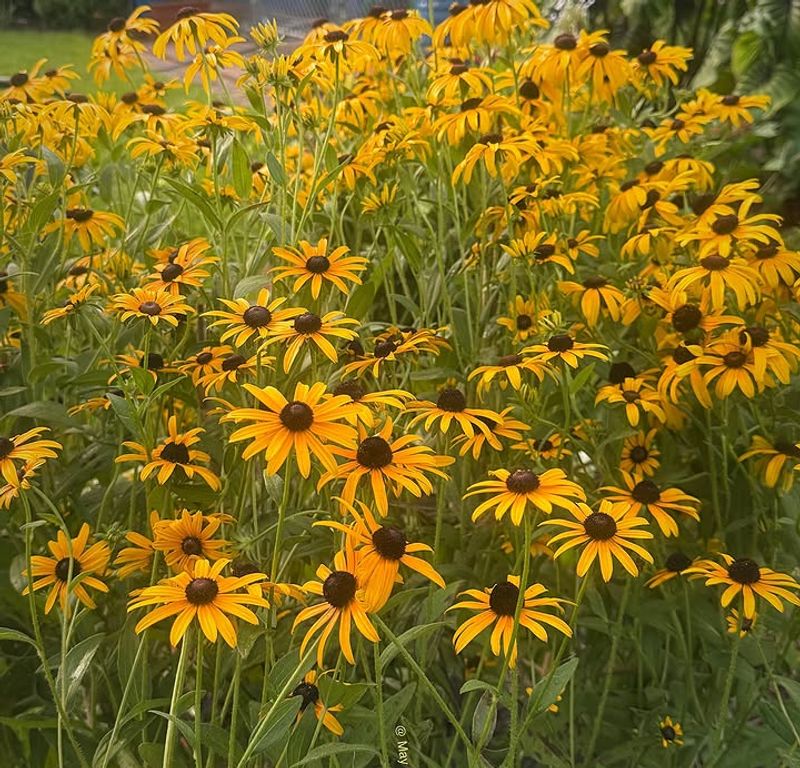
Picture your garden on a warm August morning, buzzing with bees and dotted with fluttering butterflies. That is exactly what a bed full of Eastern Coneflower looks like, and it is about so much more than just aesthetics.
The nectar-rich flowers attract a wide range of native pollinators, including bumblebees, honeybees, sweat bees, and several species of butterflies common to Michigan.
Encouraging those pollinators matters for weed suppression in a roundabout but real way. A garden with healthy pollinator activity tends to support a more balanced ecosystem overall.
Beneficial insects that visit your coneflowers also prey on or parasitize common garden pests, reducing stress on your plants.
Healthy, stress-free plants grow more vigorously, which translates directly into denser coverage and better weed competition.
Goldfinches and other seed-eating birds are drawn to the dried seed heads in fall and winter, which adds another layer of wildlife value.
Leaving some seed heads standing through the colder months supports local bird populations and contributes to the garden’s ecological health.
You can also let a small number of seeds drop naturally, which will gradually increase your coneflower population over time.
A thicker planting means even more canopy coverage the following season, tightening the weed barrier further without you having to plant a single additional division or spend a dollar more on new plants.
7. Built-In Resistance To Pests And Disease
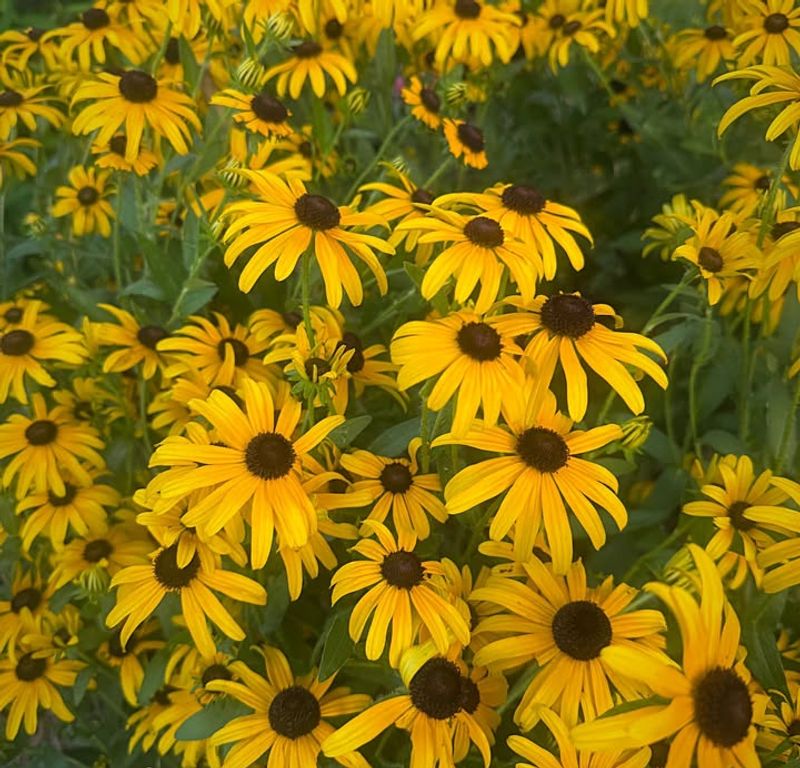
A plant that struggles with disease or pests rarely suppresses weeds effectively, because a stressed plant grows slowly and unevenly. Eastern Coneflower sidesteps that problem almost entirely.
It carries a natural hardiness that makes it genuinely resistant to most of the fungal diseases and common insect pests that trouble other perennials in Michigan gardens.
Powdery mildew can occasionally appear on older foliage late in the season, especially during humid stretches. Good air circulation around your plants helps prevent that.
Spacing plants properly at 18 to 24 inches apart and avoiding overhead watering in the evening reduces moisture on leaves and keeps mildew from getting a foothold.
Overall, though, Eastern Coneflower rarely needs any kind of intervention for pest or disease issues.
That natural resilience directly supports its weed-suppressing ability. When a plant is healthy and growing at full strength, it produces more leaves, spreads its canopy wider, and pushes its roots deeper.
Every one of those factors works against weeds trying to establish nearby. Rudbeckia fulgida has spent thousands of years adapting to Michigan’s climate, and that long history shows in how well it performs without coddling.
Choosing a locally native plant over exotic introductions means you are working with the land rather than against it, and the results in terms of weed control speak loudly for themselves.
8. Thrives In Michigan’s Varied Soil Types
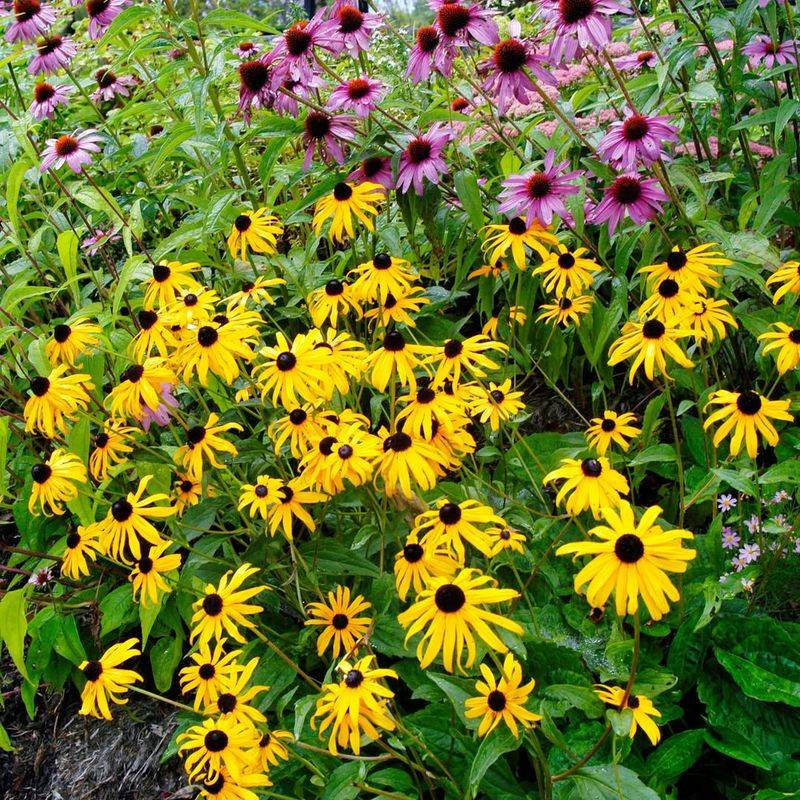
Michigan gardeners know that soil conditions can vary wildly from one yard to the next.
Clay-heavy soils in southeast Michigan, sandy soils near the lakeshore, and loamy soils in the central part of the state all present different challenges for plants trying to establish and spread.
Eastern Coneflower handles that variability with impressive ease, adapting its growth to whatever soil it finds itself in.
In clay soils, the plant’s roots work their way through the dense structure over time, gradually improving drainage and aeration as they grow.
In sandy soils, the fibrous root network holds moisture more effectively than bare soil would, giving the plant a stable base even during dry periods.
Loamy conditions, of course, produce the most vigorous growth of all, with plants spreading quickly and filling in beds faster.
That adaptability is a huge advantage for weed suppression. A plant that can grow densely across many different soil conditions will outcompete weeds in almost any garden setting.
To get the best results regardless of your soil type, work a few inches of compost into the planting area before you get started. This improves drainage in clay, adds water retention in sand, and boosts nutrients across the board.
You do not need perfect soil to grow Eastern Coneflower well. You just need to give it a reasonable start, and it will handle the rest with steady, reliable growth season after season.
9. Beautiful Blooms That Make Weed Control Look Effortless

Functionality and beauty do not always go hand in hand in the garden, but Eastern Coneflower manages to deliver both in full measure.
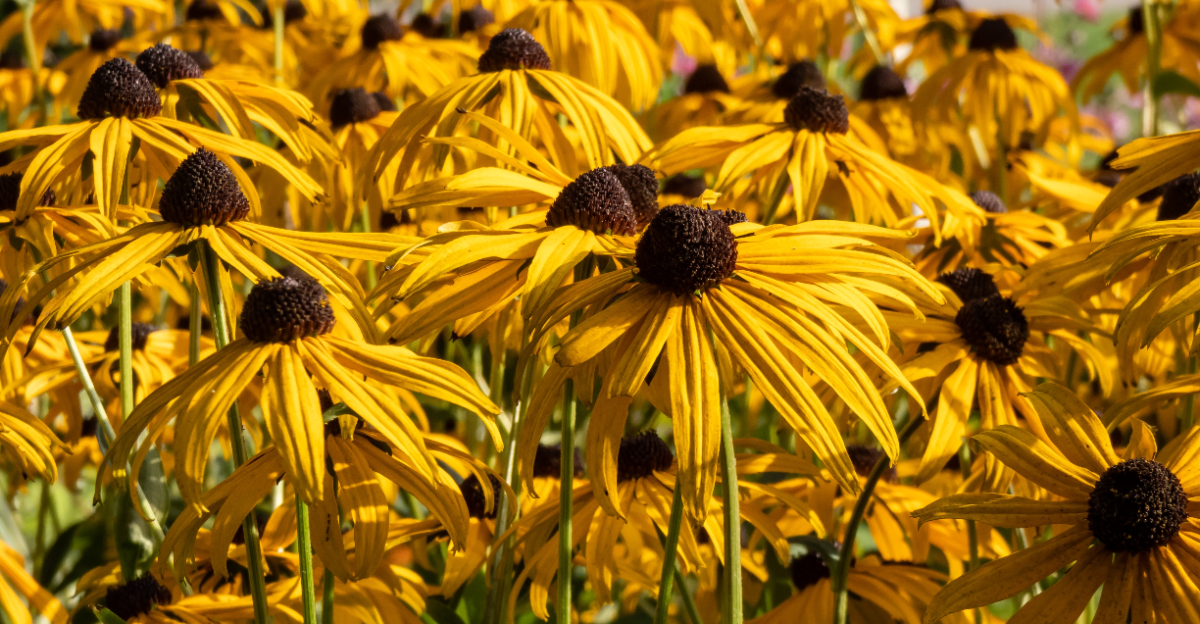
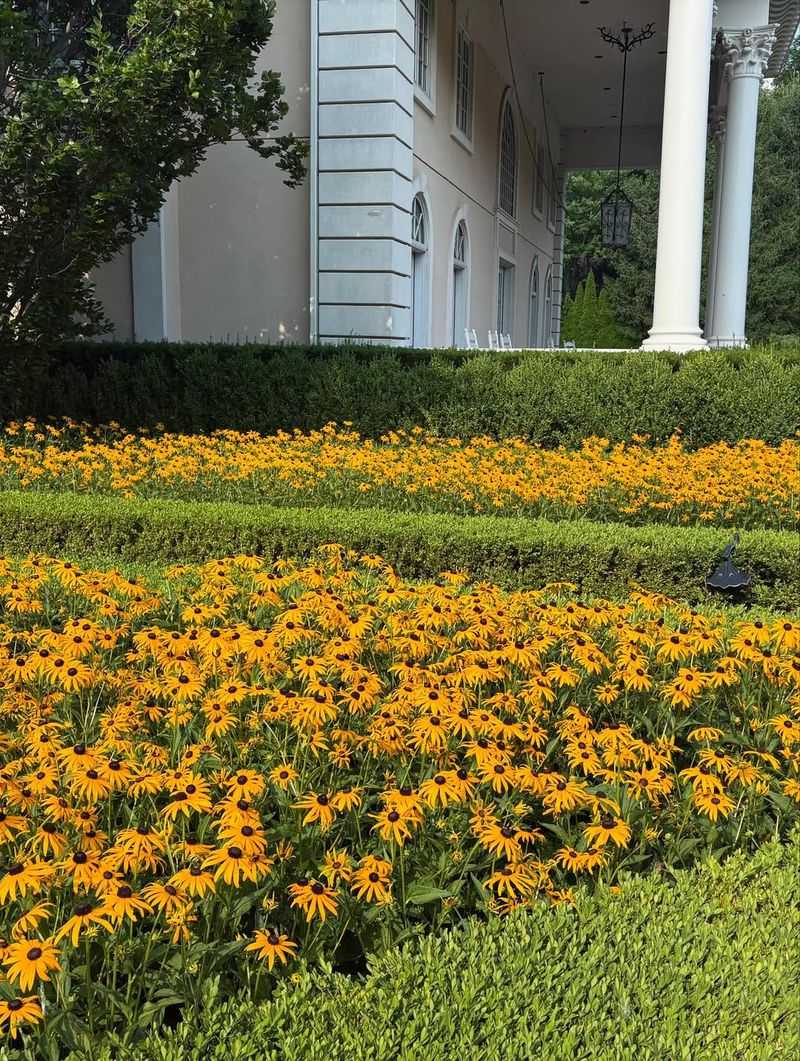
The golden-yellow petals surrounding a rich, dark brown central cone create one of the most cheerful and recognizable flower combinations in any Michigan summer garden.
From a distance, a full bed of coneflowers looks like a burst of sunshine settled right into the landscape.
That visual impact is not just pleasant to look at. It signals to anyone who sees your garden that the space is intentional, cared for, and thriving.
Beds dominated by Eastern Coneflower tend to look lush and full throughout the growing season, with almost no bare soil visible and very few weeds breaking through to interrupt the display.
Pairing Eastern Coneflower with other Michigan natives like Black-eyed Susan or Wild Bergamot creates layered plantings that are even more visually dynamic while reinforcing the weed-suppressing effect through sheer plant density.
Taller companions add vertical interest while the coneflower handles the mid-level and ground coverage.
The combination creates a garden bed that looks professionally designed while requiring a fraction of the maintenance a traditional mixed border would demand.
When neighbors stop to ask how you keep your beds so weed-free, the honest answer is surprisingly simple.
You planted the right native perennial and let it do what it does naturally and beautifully.