Smarter Ground Covers Arizona Landscapers Prefer Over Ice Plant
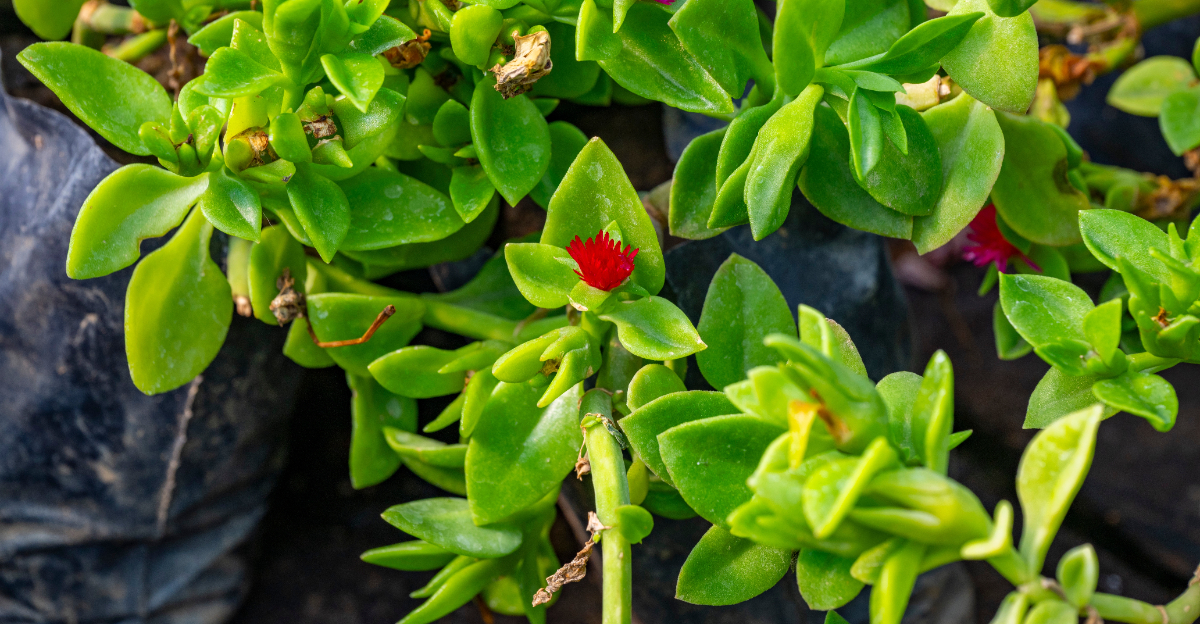
There is usually one spot in every yard that never seems to cooperate. Maybe it is a slope that dries out too fast, a planting bed that constantly needs attention, or an area where a once-popular ground cover is starting to look tired.
What worked years ago does not always hold up the same way as landscapes evolve and homeowners look for options that need less effort.
Many Arizona yards are moving toward plants that can handle heat, require less maintenance, and fit more naturally into desert landscapes. The goal is not just filling empty space.
People want ground covers that stay attractive through long stretches of hot weather without creating extra work every weekend.
That shift is why some landscapers are recommending different choices instead of relying on the same plants that have been used for decades.
If you are thinking about updating a problem area, there are several ground covers gaining attention for all the right reasons.
1. Trailing Lantana Handles Heat And Spreads Reliably
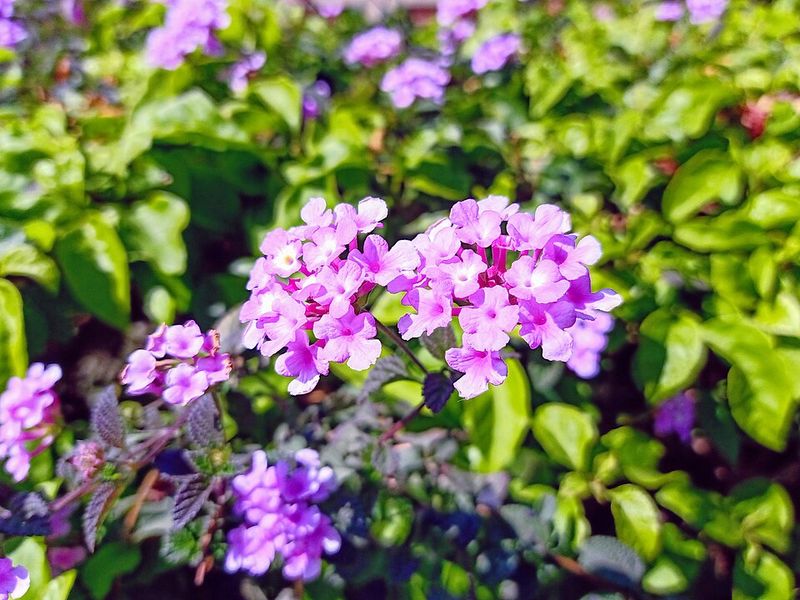
Trailing lantana is one of those plants that just gets better the hotter things get. While other ground covers slow down in summer, this one kicks into high gear and fills in fast.
It spreads low and wide, reaching about two feet tall and up to six feet across. That spread makes it useful for covering slopes, edges, and open areas where bare soil is a problem.
Flowers show up in yellow, orange, pink, or purple depending on the variety. Blooms keep coming from spring through fall without much fuss from you.
Water it well when you first plant it. Once roots are established, it handles dry stretches without complaint.
Butterflies absolutely love it. If you want pollinators in your yard, lantana delivers more than almost anything else at this size.
Trim it back in late winter to keep growth tidy and encourage fresh new stems. Without occasional pruning, it can get woody and sparse in the center.
It does best in full sun. Shade slows the bloom cycle and weakens the spread.
Berries are toxic to pets and small children, so placement matters. Keep that in mind near walkways or play areas.
Nurseries across the Southwest carry it year-round. It is one of the most trusted low-maintenance ground covers available for hot, dry yards.
2. Damianita Stays Compact With Seasonal Color
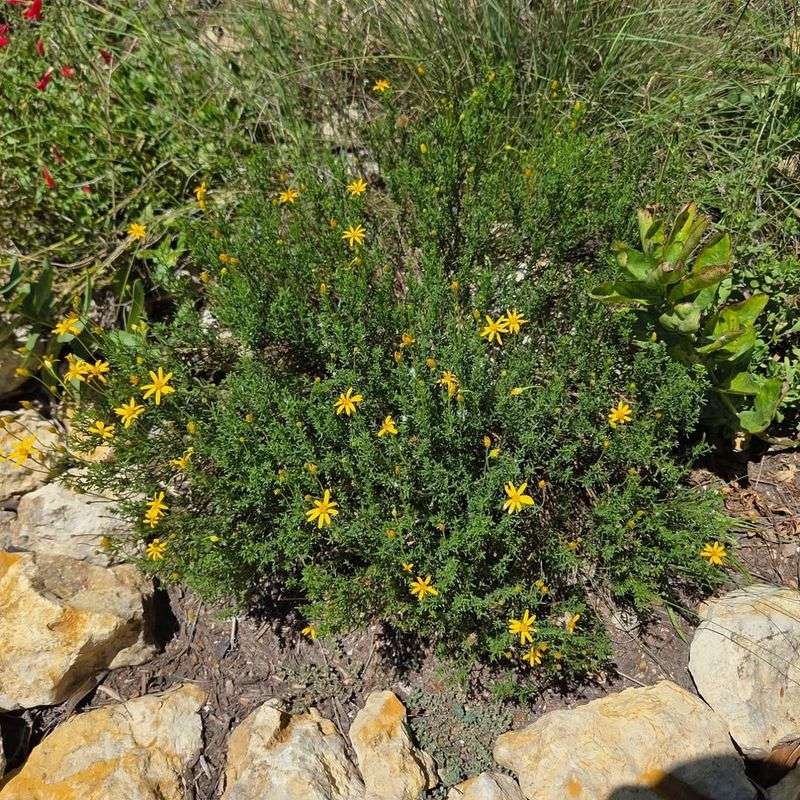
Not every ground cover wants to wander. Damianita stays put, stays tidy, and lights up twice a year with small golden flowers that are hard to miss.
It blooms in spring and again in fall. Between those flushes, the fine-textured, dark green foliage still looks clean and structured without any extra work.
Plants typically stay under two feet tall and about as wide. That compact form makes it easy to use along borders, in rock gardens, or between boulders.
Crush a leaf and you get a sharp, herbal scent. That natural oil content is part of why deer tend to leave it alone.
Your Arizona Garden Changes Every Week. Your Plan Should Too.
Gardening in Arizona changes quickly throughout the season. Every Friday you’ll receive a simple weekly plan showing exactly what to plant, prune, fertilize, harvest, and protect so you never miss the right timing.
Water it sparingly once established. Overwatering is actually a bigger risk than drought for this plant.
It handles rocky, poor soil without complaint. Amending the soil too much can work against it, since it prefers lean, well-drained ground.
Full sun is where it performs best. Too much shade leads to open, floppy growth and fewer blooms.
Damianita is native to the Chihuahuan Desert region. That origin means it is already adapted to the temperature swings and dry conditions common across desert landscapes.
Landscapers often use it as a low border plant or a filler between larger shrubs. It holds its shape well and rarely needs much intervention once it settles in.
3. Blackfoot Daisy Thrives In Dry Sunny Locations
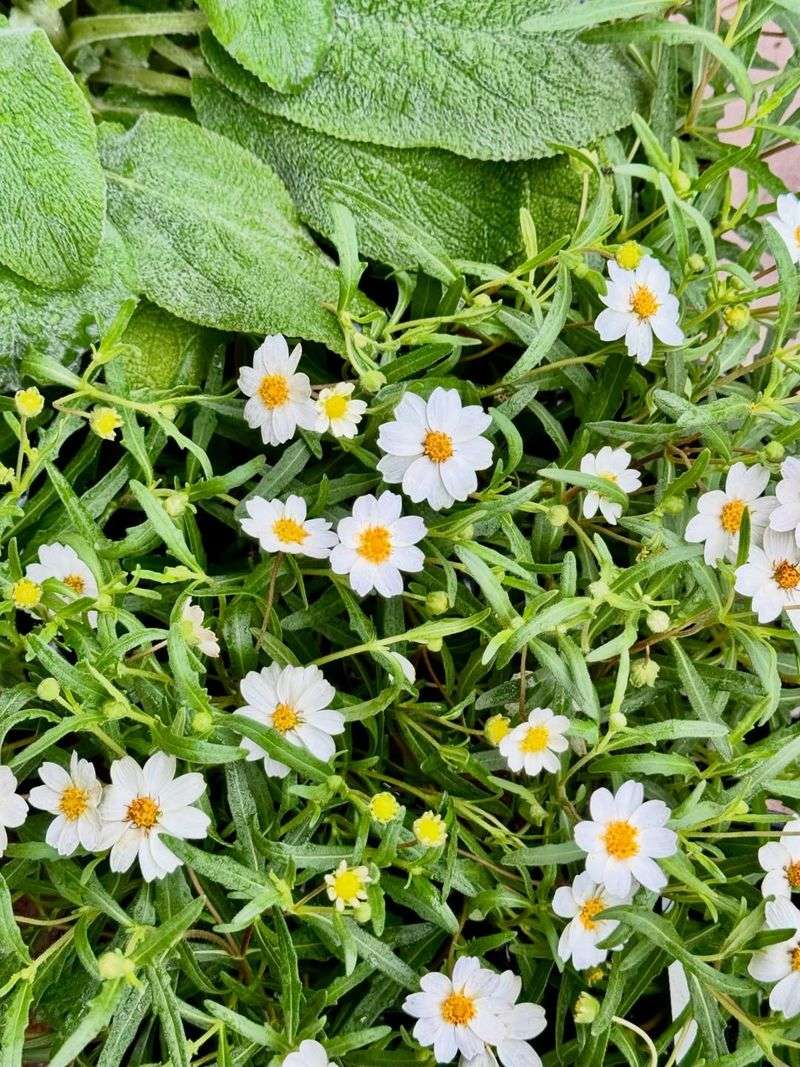
Few plants look as cheerful as blackfoot daisy while asking for almost nothing in return. White petals, yellow centers, and a honey-like fragrance that surprises most people who lean in close.
It blooms heavily in spring and fall. During the hottest months it may slow down, but it rarely stops completely if given decent drainage.
Plants stay low, usually under a foot tall. Width can reach two feet or a bit more, making it a solid choice for open patches or the front edge of a bed.
Drainage is everything with blackfoot daisy. Soggy soil causes root problems fast, especially during monsoon rains.
Sandy or gravelly soil is ideal. Raised beds and sloped areas naturally provide the conditions it prefers.
Once established, it needs very little water. Twice a month during summer is often enough in most desert climates.
Deadheading spent blooms encourages fresh flowers. It only takes a few minutes and keeps the plant looking sharp through each bloom cycle.
Bees and butterflies visit it regularly. The fragrance draws pollinators even when nearby plants are getting ignored.
Blackfoot daisy is native to the Southwest and parts of northern Mexico. That range tells you a lot about its toughness and adaptability.
Landscapers often use it in mass plantings for a natural, meadow-style look that feels right at home in desert yards.
4. Frogfruit Covers Ground With Minimal Water
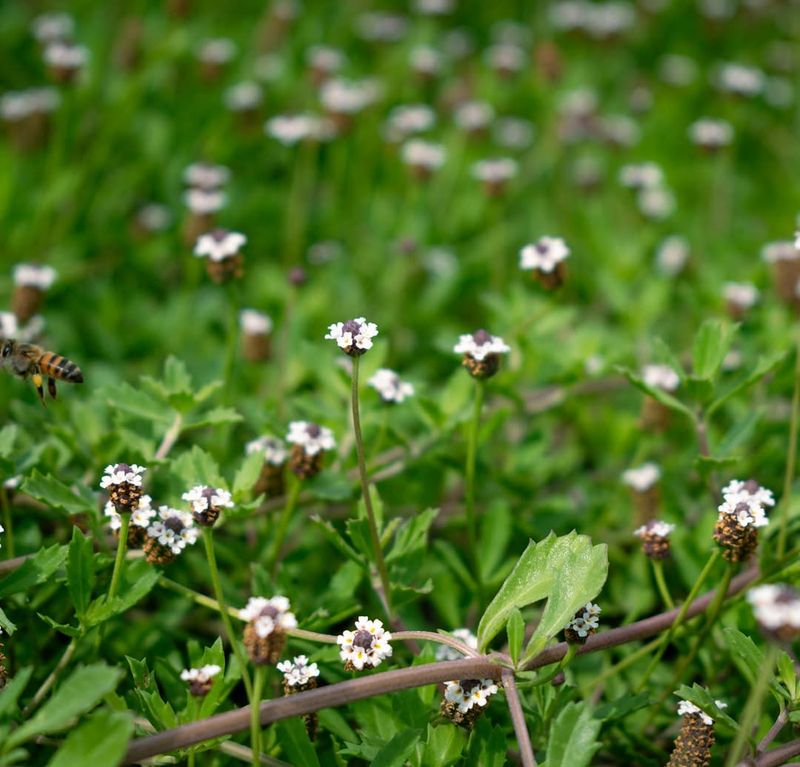
Frogfruit might have the most underrated name in desert landscaping, but its performance is no joke. It forms a dense, flat mat that shades out weeds and fills in gaps faster than most people expect.
Tiny white flowers appear almost constantly from spring through fall. They are small but plentiful, and pollinators notice them even if people often walk right past.
It handles both full sun and partial shade, which gives it more flexibility than most ground covers at this scale. That adaptability makes it useful under trees, along shaded walls, or in open sunny spots.
Water it regularly while getting established. After that, it tolerates dry spells well, though it looks better with occasional deep watering during extreme heat.
Foot traffic is not a problem. Frogfruit actually handles light to moderate foot traffic better than ice plant ever could.
It spreads by runners that root where they touch soil. You can direct or trim those runners to control the spread easily.
Mowing it once or twice a year keeps it looking fresh and encourages dense, low growth. Some gardeners skip mowing entirely and still get good results.
It works especially well as a lawn substitute in areas where grass struggles. Low water demand and heat tolerance make it a practical swap in desert climates.
Landscapers in hot regions have been using it more frequently as water restrictions tighten across the Southwest.
5. Desert Zinnia Performs Well In Poor Soil
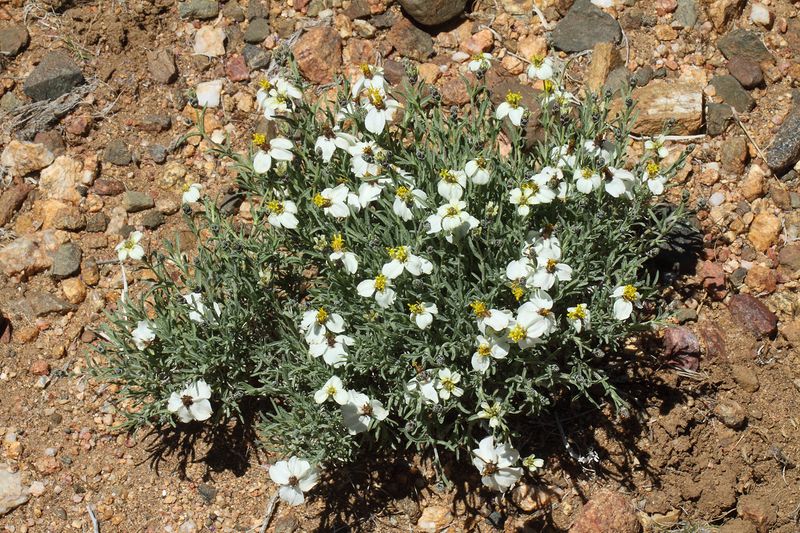
Rocky, nutrient-poor soil stops most plants cold. Desert zinnia barely notices.
It evolved in some of the harshest ground in the Southwest, and that shows in how reliably it grows where other plants fail.
White flowers with yellow centers appear from spring through fall. The blooms are small but numerous, giving the plant a bright, airy look even in tough conditions.
Plants stay under a foot tall and spread to about a foot wide. Massed together, they create a low, textured cover that looks natural in desert settings.
Watering once or twice a month during summer is usually enough. Overwatering leads to root issues quickly, especially in heavy or compacted soil.
Full sun is required for good performance. Shade reduces bloom production and weakens the plant over time.
It reseeds itself lightly, which means you may get new plants each year without doing anything. That self-seeding habit helps fill in gaps naturally.
Deer tend to avoid it, which is a real bonus in neighborhoods where deer browsing is a problem. The plant has a slightly aromatic quality that seems to discourage grazing.
Desert zinnia pairs well with other low-water natives like blackfoot daisy or desert marigold. Mixing them creates a varied, layered look without increasing maintenance.
It is a true native of the Chihuahuan and Sonoran Desert regions. That nativity makes it one of the most ecologically appropriate choices for desert landscaping in the Southwest.
6. Prostrate Verbena Adds Long-Lasting Color
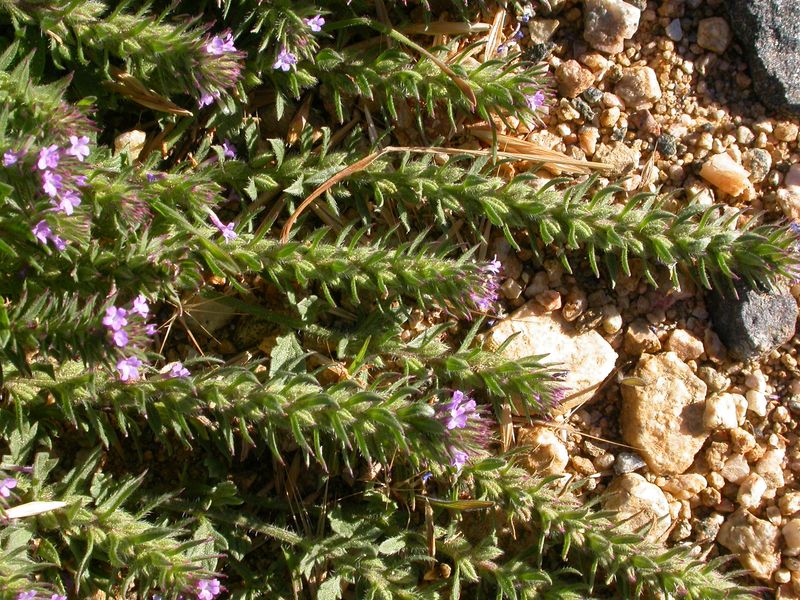
Purple, lavender, or pink clusters hovering just above the ground, prostrate verbena delivers color season after season without demanding much in return. It is one of the longest-blooming ground covers available for hot, dry landscapes.
Flowering starts in early spring and continues well into fall. During peak heat, it may slow slightly, but it rarely stops completely if watered occasionally.
Growth stays low, usually six to twelve inches tall. Spread can reach two to four feet, making it useful for filling open spaces or softening hard edges.
It roots along its stems as it spreads, which helps anchor it on slopes. That rooting habit also makes it somewhat self-repairing if sections get damaged.
Water it deeply but infrequently once established. Shallow, frequent watering encourages weak root development, which reduces heat tolerance over time.
Full sun produces the best bloom density. Plants in partial shade still grow but tend to bloom less and spread more loosely.
Deadheading is optional but does extend the bloom cycle. Removing spent clusters takes just a few minutes and keeps plants looking fresh.
Butterflies and bees work it constantly during bloom season. Few ground covers at this size attract pollinators as reliably as verbena.
Several native and near-native varieties exist, including Glandularia gooddingii, which is well suited to desert conditions. Choosing a locally adapted variety improves long-term performance significantly.
7. Red Apple Groundcover Forms A Dense Low Carpet
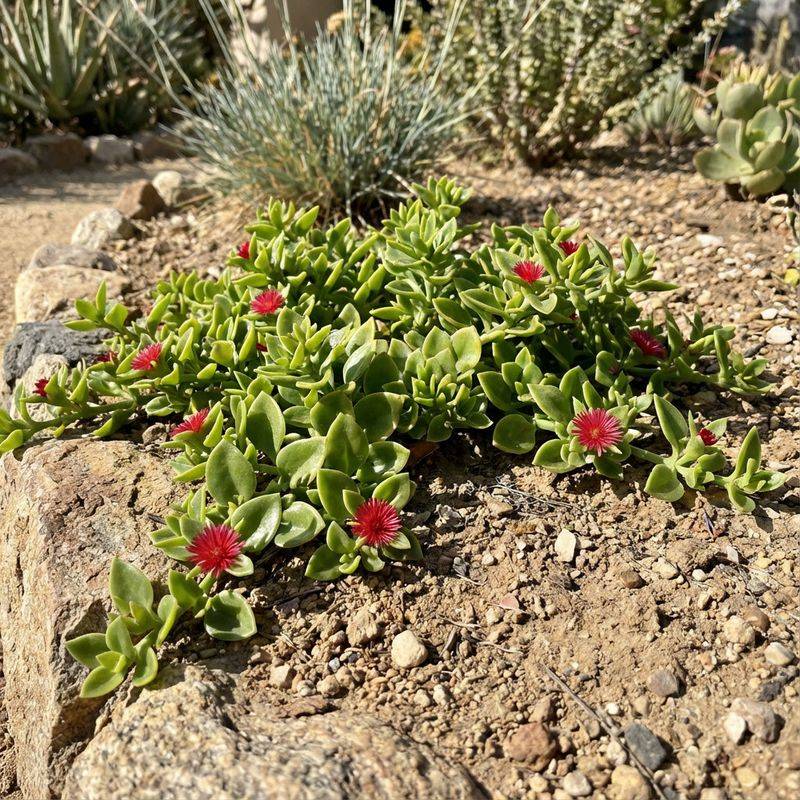
Bold magenta flowers over a thick green mat, Red Apple groundcover makes an instant visual impact. It is one of the few low ground covers that actually looks polished without requiring much effort.
It grows fast and fills in aggressively. Within one season, it can cover a significant area, which is exactly what you want when bare soil is the problem.
Flowers appear in late spring and again in fall. The bloom color is vivid enough to stand out from a distance, which makes it popular along driveways and slopes.
Drought tolerance is solid once established. Regular watering during the first season gives it the root system it needs to handle dry summers independently.
It handles heat well but prefers good drainage. Standing water after heavy rain is its main weakness, so avoid low spots where runoff collects.
Full sun brings out the best flower production. In partial shade, the plant stays green but blooms less frequently.
Red Apple is botanically classified as Aptenia cordifolia. It is not a true ice plant, though it is often grouped with succulents in the nursery trade.
Trim it lightly after each bloom cycle to keep the mat dense and prevent it from getting leggy. Light shaping takes just minutes and keeps it looking intentional.
Landscapers in hot desert regions rely on it for quick coverage on slopes and embankments where erosion is a concern.
8. Angelita Daisy Stays Attractive Through Extended Heat
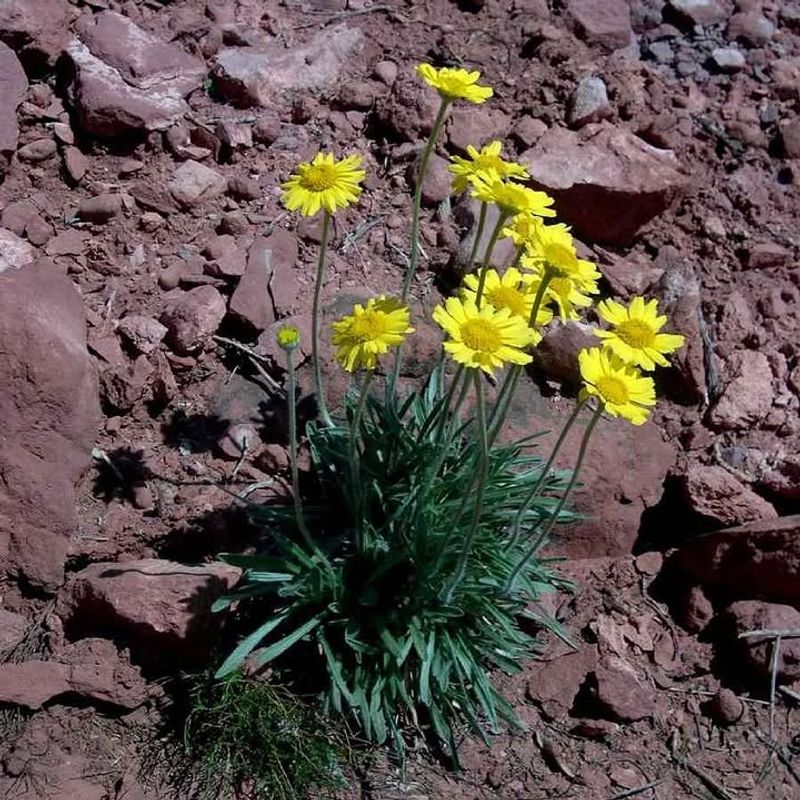
Most flowering ground covers tap out by July in the low desert. Angelita daisy keeps going.
Bright yellow blooms on a tight, mounding plant that holds its shape even through the hottest stretches of summer.
It blooms heavily in spring and fall. During summer, flowering slows but rarely stops entirely, which gives it a longer effective season than many alternatives.
Plants stay under a foot tall and form a rounded mound about a foot wide. That contained shape makes it easy to use along pathways, in rock gardens, or as a repeating accent plant across a large area.
Drainage is critical. Wet soil during monsoon season can cause problems, so plant it in raised areas or mix gravel into the planting hole to improve drainage.
Once established, water every two to three weeks in summer. In cooler months, rainfall alone is often enough.
Full sun is preferred. It tolerates light afternoon shade but performs best with direct sun for most of the day.
Shear it lightly after the spring bloom to encourage a fresh flush of growth. Avoid cutting into old woody stems, which are slow to recover.
Bees visit the flowers regularly. The plant also holds its foliage well year-round, which keeps beds looking tidy even between bloom cycles.
Angelita daisy is botanically known as Tetraneuris acaulis. It is a tough, dependable choice for desert landscapes where consistent color and low maintenance both matter.