How Summer Weather Affects Firefly Activity In Georgia
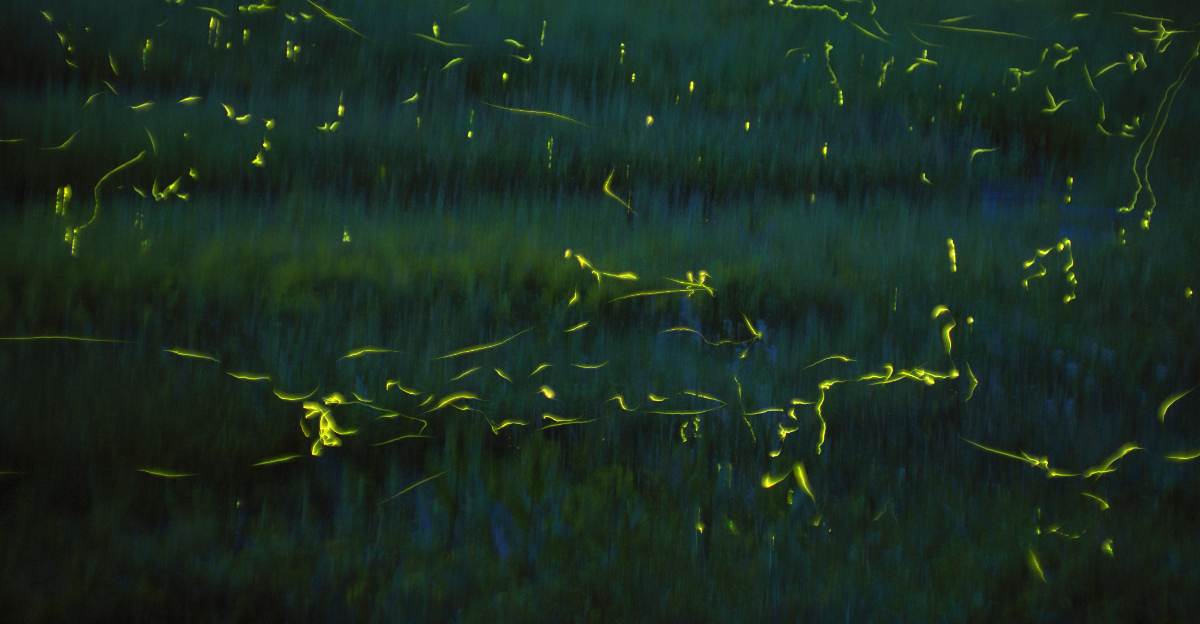
Few summer sights are as memorable as watching fireflies appear across a yard after sunset. Some evenings seem filled with tiny flashes of light, while other nights feel noticeably quieter.
The difference can be surprising, especially when the same yard looked full of activity only a few days earlier.
Many people assume fireflies simply appear when the season is right and disappear when it ends. In reality, their activity can change throughout the summer depending on what is happening in the environment around them.
Small shifts in weather conditions can influence when they are most active and how many flashes homeowners notice after dark.
Georgia summers are rarely predictable for long. Periods of heat, rain, humidity, and dry weather all play a role in shaping what happens in the backyard after sunset.
Understanding that connection can make it easier to explain why firefly activity sometimes changes from one week to the next.
1. Warm Evenings Bring More Fireflies Into View
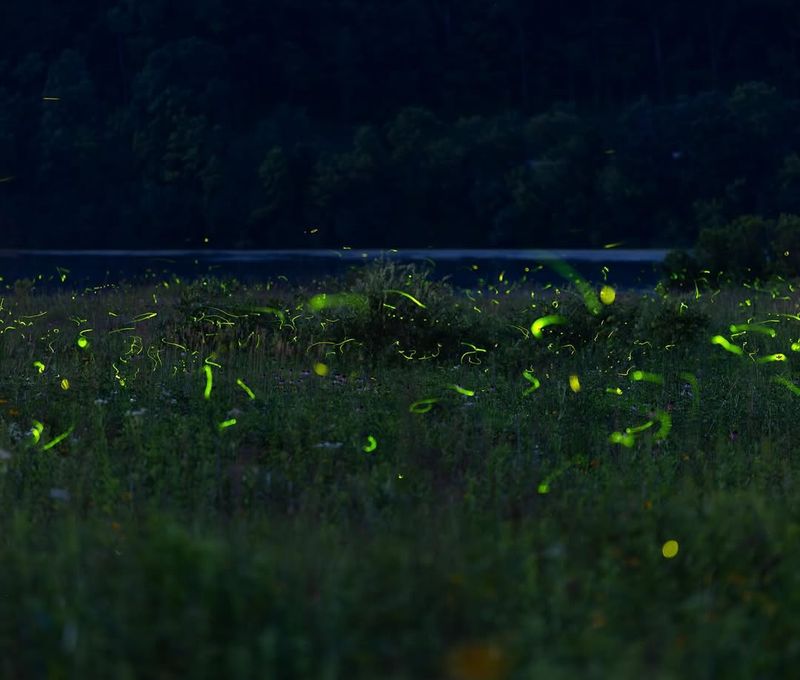
Nothing signals peak firefly season quite like a string of warm evenings with no cold snap in sight. Fireflies are cold-blooded insects, so air temperature directly controls how active they get after sunset.
Warm nights push their activity into full gear.
Most firefly species become noticeably active when nighttime temperatures stay above 70 degrees Fahrenheit. Below that range, movement slows and flashing drops off significantly.
Consistent warmth across several nights in a row tends to produce the biggest and most reliable displays.
In the Southeast, summer evenings regularly hit that sweet spot between late May and early August. Fireflies typically emerge around dusk and stay active for one to two hours after dark.
Warmer nights can extend that window slightly.
Backyard observers often notice that the best displays follow several consecutive warm nights rather than just one. A single warm evening after a cool stretch may produce only scattered flashes.
Sustained warmth builds population activity over time.
Watching from an open yard or near a woodland edge gives you the widest view. Fireflies tend to rise from low vegetation and move upward as the night progresses.
Warmer air helps them fly higher and flash more frequently, making the show easier to enjoy from a comfortable distance.
2. Recent Rainfall Creates Better Conditions For Activity
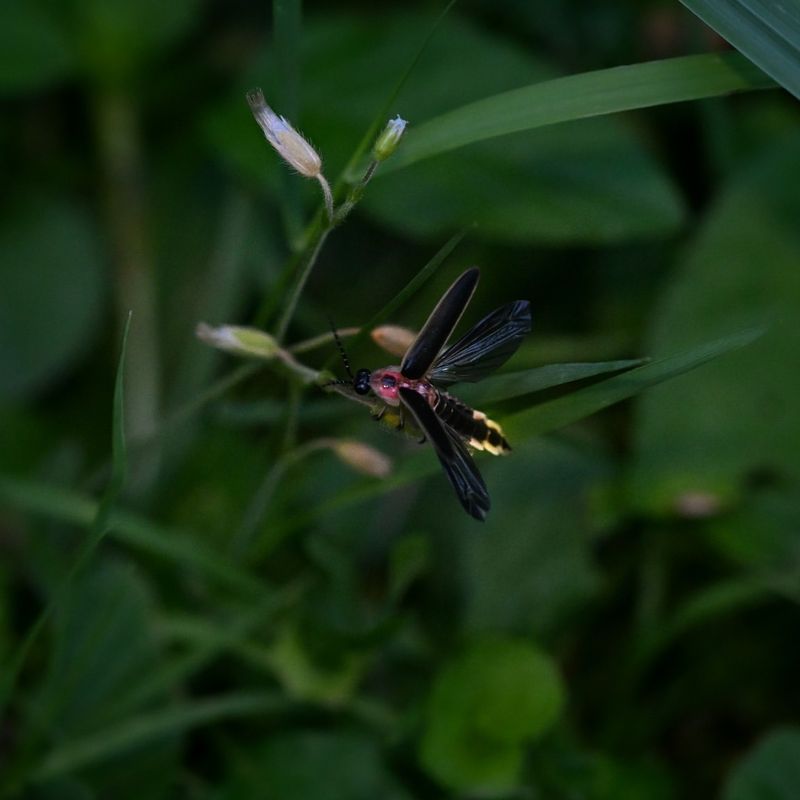
A good rainstorm a day or two before nightfall can set the stage for a surprisingly active firefly display. Rainfall softens the soil, raises local moisture levels, and encourages the kind of ground-level humidity that fireflies prefer when searching for mates.
Firefly larvae live underground and feed on small invertebrates in moist soil. When rain refreshes that environment, adult populations tend to respond with increased surface activity.
Observers often report stronger flashing displays in the nights that follow a moderate rain event.
Moderate rainfall works best. A light sprinkle may not change conditions much, while a heavy downpour can temporarily flood low areas and push insects to seek drier spots.
A steady, soaking rain followed by a warm evening tends to produce the most noticeable results.
Your Georgia Garden Changes Every Week. Your Plan Should Too.
Gardening in Georgia changes quickly throughout the season. Every Friday you’ll receive a simple weekly plan showing exactly what to plant, prune, fertilize, harvest, and protect so you never miss the right timing.
Wet grass and leaf litter also support the small prey that firefly larvae need during their underground development stage. Healthier larval populations in spring often translate into stronger adult emergence by early summer.
Timing matters when watching for this effect. Fireflies usually respond within one to two nights after rainfall, not immediately after the rain stops.
3. Dry Weather Can Reduce Nighttime Displays
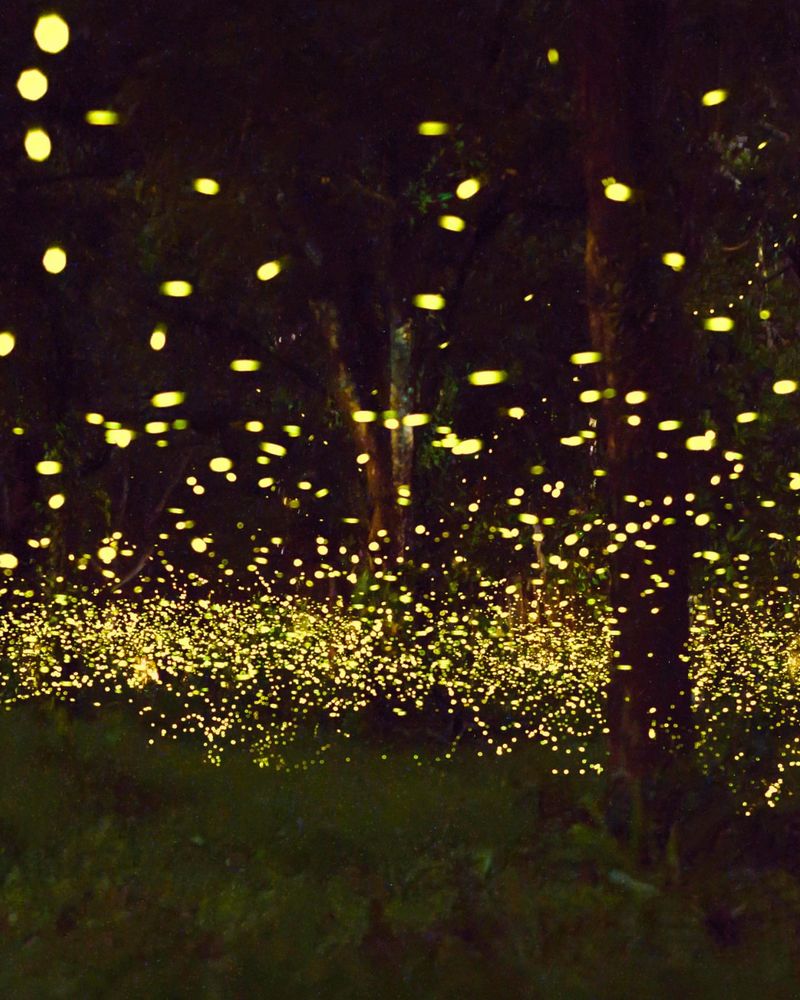
Extended dry spells hit firefly populations harder than most people expect. Without adequate soil moisture, larvae struggle to survive underground, and adult fireflies have fewer comfortable places to rest and signal after dark.
Dry conditions shrink the whole picture.
Adult fireflies need moisture to stay active. During prolonged dry stretches, they tend to cluster near water sources like creek banks, pond edges, or shaded areas where dew lingers longer into the evening.
Open fields and lawns with dry, cracked soil see noticeably fewer flashes.
Dry air also affects how far a firefly’s light signal carries visually. Dusty or hazy conditions can scatter light and make displays look dimmer or more scattered than they actually are.
Cleaner, moisture-rich air tends to make flashes appear crisper and brighter to the human eye.
A dry July or August in the Southeast can noticeably cut the number of fireflies visible compared to a wet year. Population levels do not crash overnight, but sustained drought over several weeks reduces both larval survival and adult movement.
If you notice fewer fireflies during a dry stretch, that response is completely normal and expected.
4. High Humidity Encourages More Evening Movement
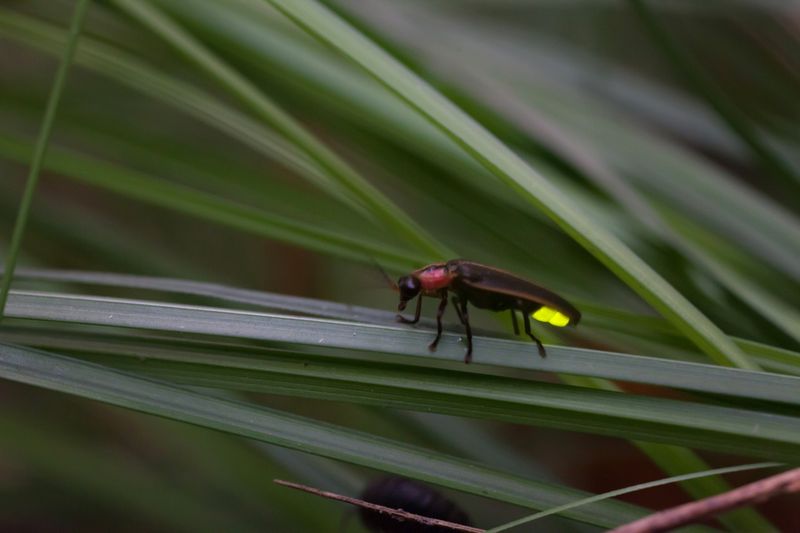
Humidity and fireflies go together like sweet tea and a front porch. High moisture content in the air creates exactly the kind of environment these insects prefer when flying, signaling, and searching for mates on summer nights.
Fireflies lose body moisture quickly in dry air. High humidity slows that process and allows them to stay active longer without physical stress.
On nights when the air feels thick and heavy, firefly displays often run longer and involve more individuals flashing at once.
Relative humidity above 70 percent tends to support strong firefly activity in most Southeast environments. Below that level, especially on breezy or unusually dry summer nights, activity can drop off earlier in the evening.
The difference between a humid and a dry night is often visible within the first 30 minutes after dusk.
Wooded areas and low-lying spots near water hold humidity better than open suburban lawns. Fireflies are consistently more active in those pockets of moist air.
If your yard lacks trees or shade, nearby parks or nature trails may offer better viewing opportunities on humid evenings.
Checking local humidity readings before heading out is actually a useful habit for firefly watchers.
5. Strong Winds Make Flashing Activity Harder To Spot
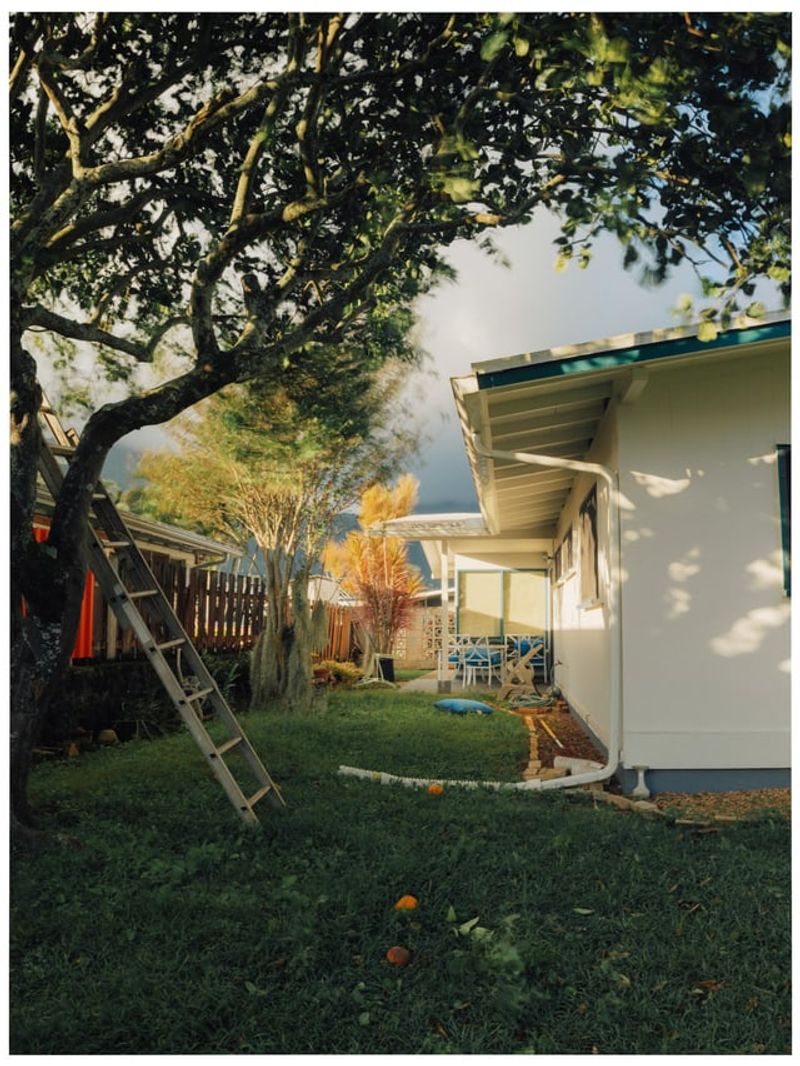
Wind is one of the most underrated factors affecting firefly watching. Even a moderate breeze can scatter insects, disrupt flight patterns, and make it genuinely difficult to spot flashes in the dark.
Calm nights are almost always better for observation.
Fireflies are small and lightweight. Strong gusts push them off course and make controlled, low-level flight difficult.
On windy nights, many fireflies simply stay grounded in tall grass or dense vegetation rather than risk being blown off their intended path.
Flashing communication depends on precise timing and positioning. Males fly specific patterns while flashing, and females respond from perches below.
Wind disrupts both sides of that exchange by shifting the male’s flight line and making it harder for females to locate the source of a signal.
Sustained winds above 10 to 15 miles per hour tend to noticeably reduce visible activity in open areas.
Sheltered spots like forest edges, dense shrub borders, or low valleys with natural windbreaks can still support active fireflies even when nearby open fields seem quiet.
Picking a calm night makes a real difference in what you see. Checking a basic weather app for wind speed before going out is worth the extra step.
6. Cooler Nights Can Slow Down Summer Activity
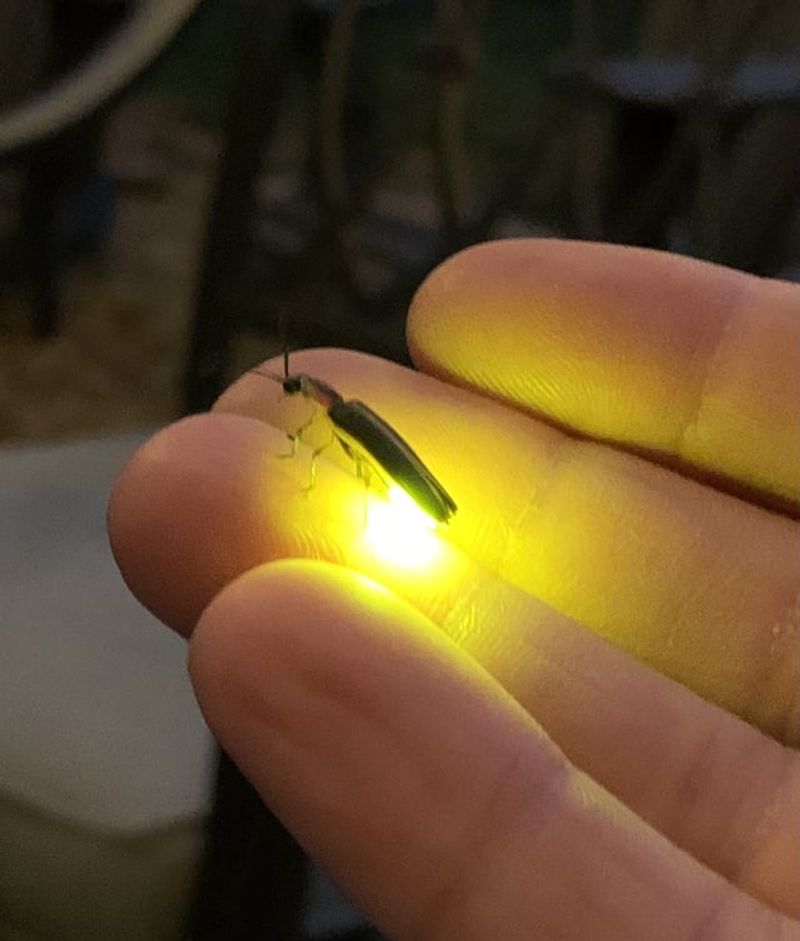
A sudden cool snap in the middle of summer can bring firefly activity almost to a standstill. It catches a lot of people off guard, especially when the days are still warm and the evenings feel only slightly cooler than usual.
Fireflies rely on external heat to power their flight muscles and metabolic processes. When nighttime temperatures drop below 65 degrees Fahrenheit, activity slows sharply.
Below 60 degrees, most species become nearly inactive and stay hidden in vegetation until warmer conditions return.
Cool nights in June or early July are less common in the Deep South but not unheard of. When a brief cold front passes through, firefly displays can vanish for two or three nights before gradually picking back up as temperatures rebound.
Populations are not harmed by short cool spells, just temporarily quieted.
Late summer cool-downs are a different story. As August progresses and nights naturally begin to cool, firefly populations naturally wind down for the season.
Fewer adults remain active, and the nightly displays grow shorter and less intense compared to peak June activity.
Knowing this pattern helps set realistic expectations. A beautiful warm afternoon does not guarantee a strong firefly evening if temperatures fall quickly after sunset.
7. Extended Wet Periods Support Developing Larvae
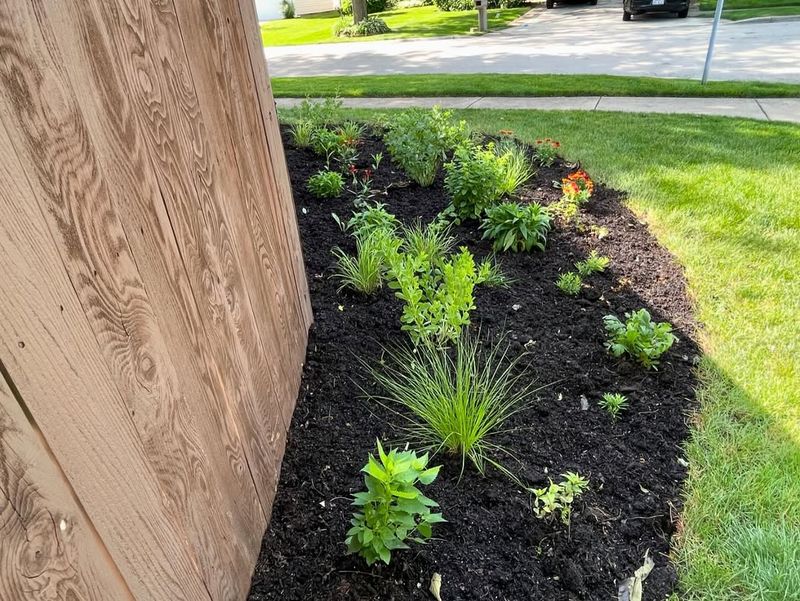
Most people focus on adult fireflies, but what happens underground matters just as much. Firefly larvae spend months in the soil before ever flashing a single light, and prolonged wet weather during that period gives them a serious advantage.
Larvae need consistently moist soil to move, hunt, and grow. Wet summers create ideal underground conditions by keeping the soil soft and packed with the small worms and snails that larvae feed on.
A season with regular rainfall across spring and early summer often produces noticeably stronger adult populations later on.
Soil that stays moist but not waterlogged is the sweet spot. Saturated, poorly draining soil can be just as limiting as dry soil because it reduces oxygen availability underground.
Well-drained areas that receive regular rainfall tend to produce the healthiest larval populations over time.
Georgia’s climate naturally delivers this kind of rain pattern in many years, particularly during spring and early summer. Regions with sandy loam or loamy soil near wooded areas tend to support larger firefly populations than areas with heavy clay or compacted urban soils.
Gardeners who avoid heavy pesticide use and leave areas of natural leaf litter undisturbed are unknowingly creating better habitat for developing larvae.