Georgia Native Plants That Actually Thrive Under Large Oak Trees Where Nothing Else Will Grow
Every yard has a place that seems to resist every improvement. New plants go in with high hopes, look decent for a while, and then slowly fade away.
The rest of the landscape fills out, flowers bloom, and shrubs settle in, but that one area never seems to come together the way it should. After enough disappointment, many gardeners simply stop spending money on it.
What makes the situation frustrating is that the space often looks promising at first glance. It feels cooler than the surrounding yard, gets protection from intense afternoon sun, and sits beneath one of the most impressive features in the landscape.
Everything about it suggests plants should be happy there.
Large oak trees are frequently connected to this challenge. In Georgia, some native plants are naturally adapted to conditions that cause problems for many common landscape choices.
Finding the right match can completely change how that difficult space looks throughout the growing season.
1. Foamflower Spreads Slowly Across Shaded Ground
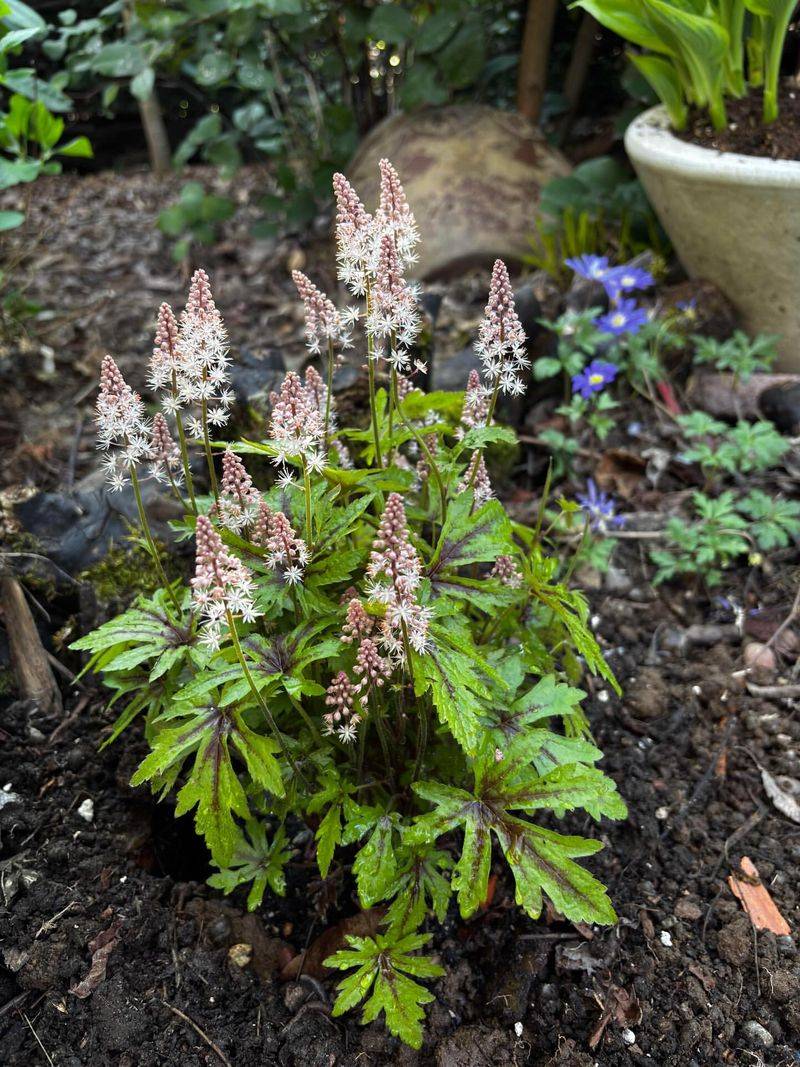
Foamflower earns its name fast. Tiny white blooms rise on slender stems in spring, creating a soft foamy effect that looks almost too delicate to be real.
Under a big oak, it becomes one of the most reliable ground covers you can plant.
Native across the eastern woodlands, Foamflower naturally grows in moist, shaded forest floors. Under oaks, it adapts well as long as the soil isn’t completely bone dry.
A layer of leaf mulch helps hold moisture and mimics its natural habitat closely.
Growth is gradual but steady. Foamflower spreads by short runners and slowly fills gaps between roots and rocks.
It won’t take over aggressively, which makes it easy to manage in a mixed planting beneath your tree.
Leaf shape varies by cultivar. Some have deeply lobed, maple-like foliage with reddish markings that look striking even without flowers.
Foliage stays semi-evergreen in mild winters, keeping ground coverage through most of the year in warmer climates.
Bees and small pollinators visit the spring blooms regularly. The low height, usually under 12 inches, keeps it from competing with taller shade plants.
Pair it with Wild Ginger or Christmas Fern for a layered, natural-looking woodland floor that requires very little maintenance once it settles in.
Few native ground covers provide this much texture, seasonal interest, and shade tolerance in such a compact package.
2. Green And Gold Tolerates Tough Root Competition
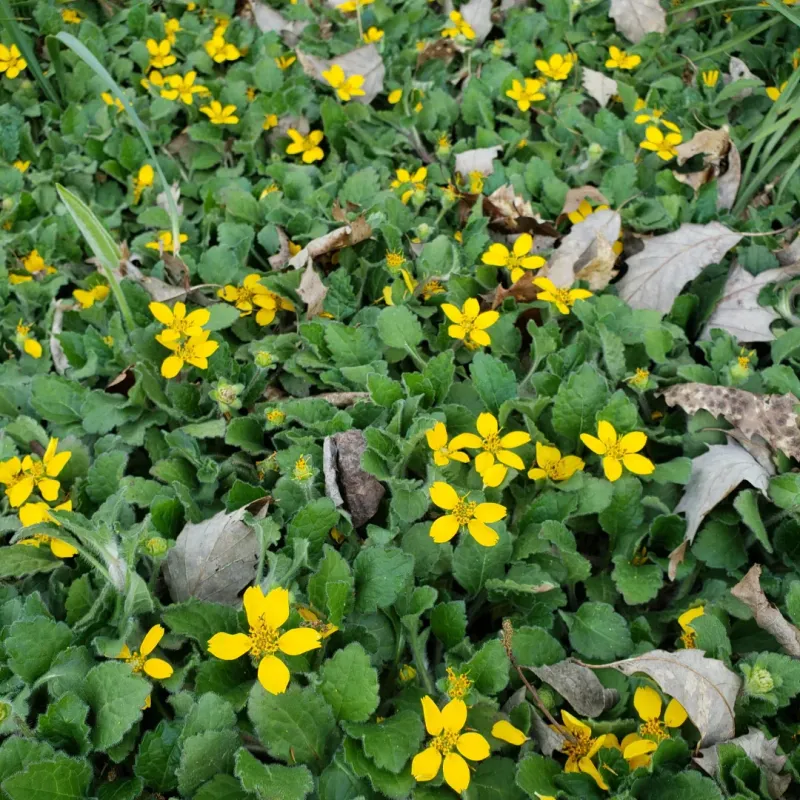
Root competition is one of the biggest reasons plants fail under oaks. Green and Gold handles those conditions with ease.
This tough little native spreads right across compacted, root-filled soil where most ground covers simply give up.
Cheerful yellow flowers appear from spring through early summer. Sporadic blooms may continue into fall depending on moisture and light.
Even without flowers, the low evergreen foliage keeps the ground covered and tidy through most seasons.
Height stays under 10 inches, making it ideal beneath low-hanging oak branches. It spreads by runners and seed, gradually expanding to fill bare areas.
Spacing plants about 12 to 18 inches apart speeds up coverage without wasting plants.
Your Georgia Garden Changes Every Week. Your Plan Should Too.
Gardening in Georgia changes quickly throughout the season. Every Friday you’ll receive a simple weekly plan showing exactly what to plant, prune, fertilize, harvest, and protect so you never miss the right timing.
Drought tolerance is genuinely impressive once established. Green and Gold can handle extended dry spells that would stress most shade-loving plants.
That said, occasional watering during extreme summer heat helps it maintain better leaf color and coverage density.
Soil quality doesn’t need to be perfect. Sandy, clay-heavy, or rocky soils all work as long as drainage is reasonable.
Avoid spots where water pools after rain, as prolonged wet feet will cause problems over time.
Wildlife value is solid. Native bees visit the flowers regularly.
The dense mat suppresses weeds naturally. Green and Gold is one of the most practical natives you can use to reclaim that impossible-looking ground under a mature oak.
3. Christmas Fern Stays Reliable In Deep Shade
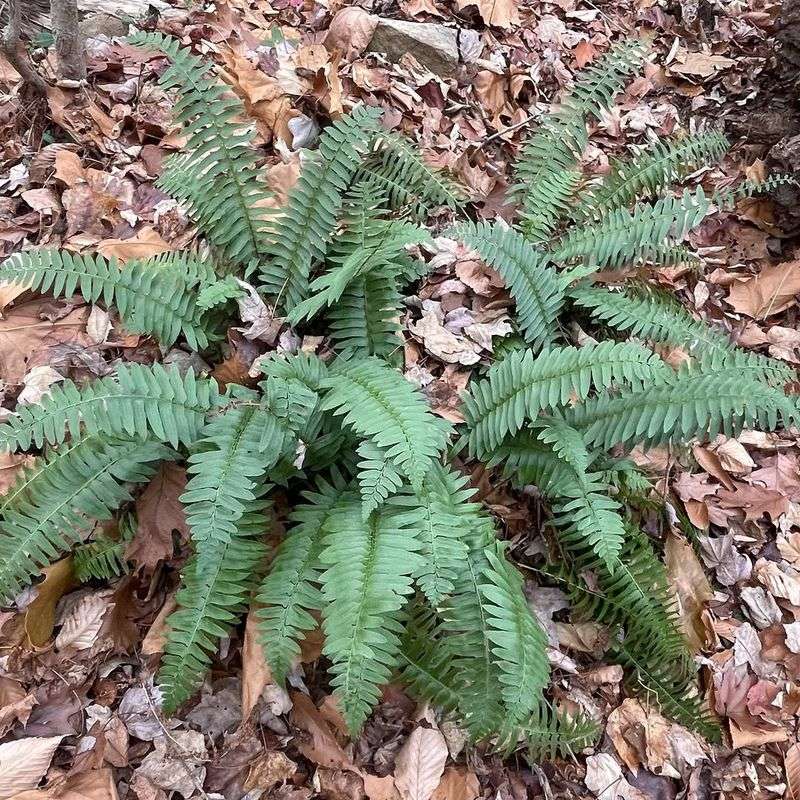
Deep shade is where Christmas Fern truly earns its reputation. Most ferns fade or go dormant in heavy shade, but this one holds its dark green fronds all year long.
Reliable isn’t a strong enough word for what this plant delivers.
Named for its evergreen habit, Christmas Fern stays green through winter when the landscape looks bare. Early settlers reportedly used the fronds for holiday decorations, which is one explanation for the common name.
Whether that story is true or not, the plant is genuinely beautiful year-round.
Fronds arch outward from a central crown and reach 1 to 2 feet long. New growth emerges in spring as tightly coiled fiddleheads, adding a brief but charming seasonal detail.
Mature plants develop a graceful, fountain-like shape that fits well in naturalistic garden designs.
Root competition doesn’t bother it much. Christmas Fern establishes slowly but builds a sturdy root system that holds soil on slopes and hillsides.
It’s commonly used for erosion control in shaded areas where grass won’t grow.
Soil moisture helps during the first growing season, but established plants handle dry spells reasonably well. Avoid heavy foot traffic directly over the crowns.
Mulching around the base with shredded leaves helps retain moisture and mimics natural woodland conditions.
Once established, Christmas Fern rarely needs dividing or ongoing maintenance to stay healthy.
Its evergreen foliage provides year-round texture in areas where many other shade plants disappear for part of the year.
4. Wild Ginger Thrives In Woodland Conditions
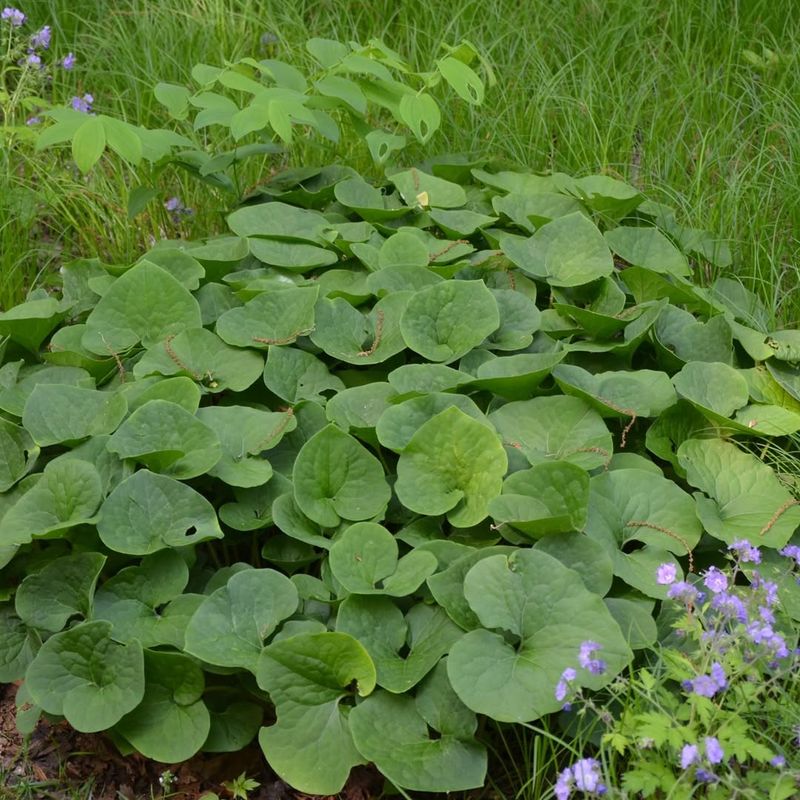
Wild Ginger doesn’t need sunlight to look lush. Its broad, heart-shaped leaves form a dense carpet across shaded ground, covering awkward root zones and bare patches with a clean, woodland aesthetic that feels intentional rather than accidental.
Native to eastern woodland floors, it prefers the kind of moist, rich, humus-heavy soil found under mature deciduous trees. Under oaks, it benefits from the leaf litter that accumulates naturally.
Leave fallen oak leaves in place rather than raking them away, and Wild Ginger will thank you for it.
Growth is slow but persistent. Plants spread by underground rhizomes, gradually expanding outward each season.
Expect full coverage to take two or three years, but once established, it forms a weed-suppressing mat that requires almost no maintenance.
Flowers are easy to miss. Small, brownish-purple blooms hide beneath the foliage close to the soil surface in early spring.
They’re pollinated by ground-level insects, not bees or butterflies, so the plant has no need to show off above the leaf canopy.
Deer tend to leave it alone, which is a real advantage in suburban and rural areas where deer pressure is heavy. It pairs well with Foamflower and Christmas Fern in layered shade plantings.
Wild Ginger brings quiet, reliable texture to spots where flashier plants simply cannot survive.
Its dense foliage also helps hide exposed roots that are common beneath mature oak trees.
5. Partridgeberry Creates A Low-Growing Ground Cover
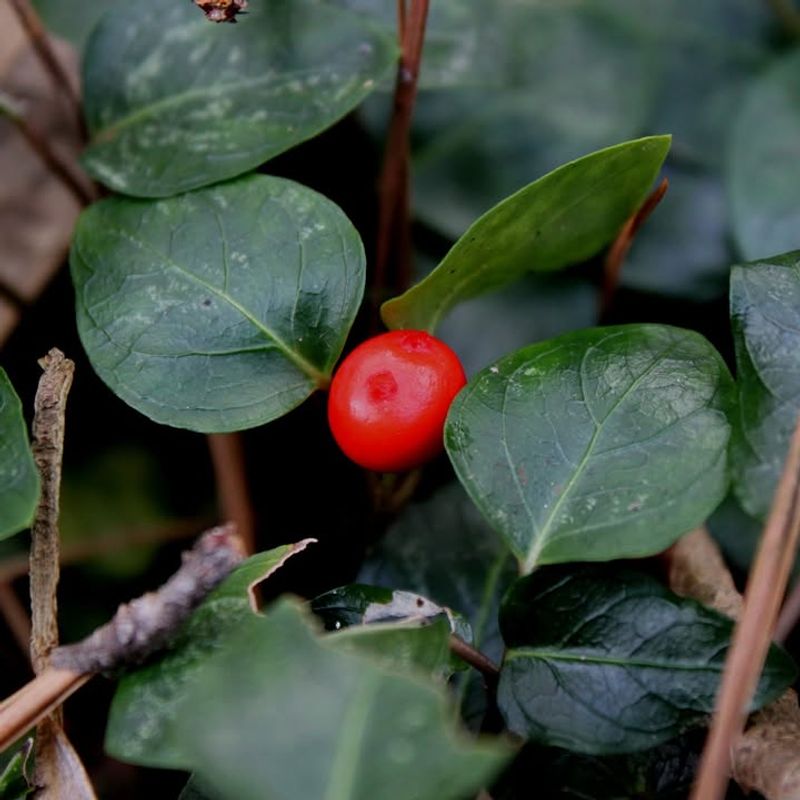
Partridgeberry is one of those plants that surprises people the first time they see it. Tiny, glossy leaves hug the ground in a tight trailing mat, and bright red berries dot the surface from fall through winter.
It looks like something from a fairy tale, but it’s completely native and tough as nails.
Growing only 2 to 3 inches tall, it slips right under the radar of deer and foot traffic. It works beautifully between exposed oak roots where other plants can’t get a foothold.
The trailing stems root where they touch soil, slowly spreading to fill gaps without becoming invasive.
White tubular flowers appear in late spring, usually in pairs. Both flowers must be pollinated to produce a single berry, which explains why berries sometimes appear sparse in areas with low pollinator activity.
More pollinators mean more berries in fall.
Moisture matters more for Partridgeberry than for some other oak understory plants. It prefers consistently moist, acidic soil with good organic content.
Supplemental watering during dry summers keeps it from thinning out under a heavy oak canopy.
Birds eat the berries, which adds wildlife value through the colder months. The evergreen foliage holds its color even during mild freezes.
Partridgeberry works best as part of a layered planting rather than as a standalone solution for large bare areas. Pair it with ferns or Wild Ginger for a fuller effect.
6. Oakleaf Hydrangea Handles Dry Shade With Ease
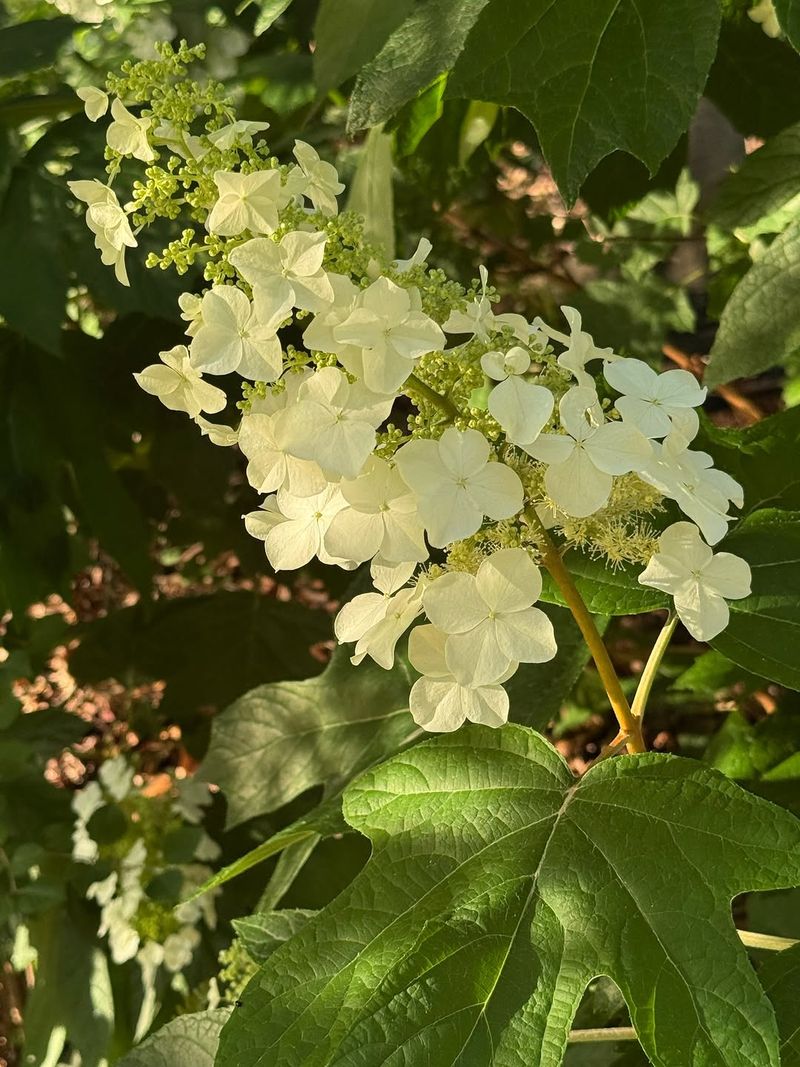
Most shrubs struggle under oaks, but Oakleaf Hydrangea was practically built for this fight. Native to the southeastern United States, it handles dry shade, root competition, and poor soil without complaint.
Few shrubs offer this much reward for this little effort.
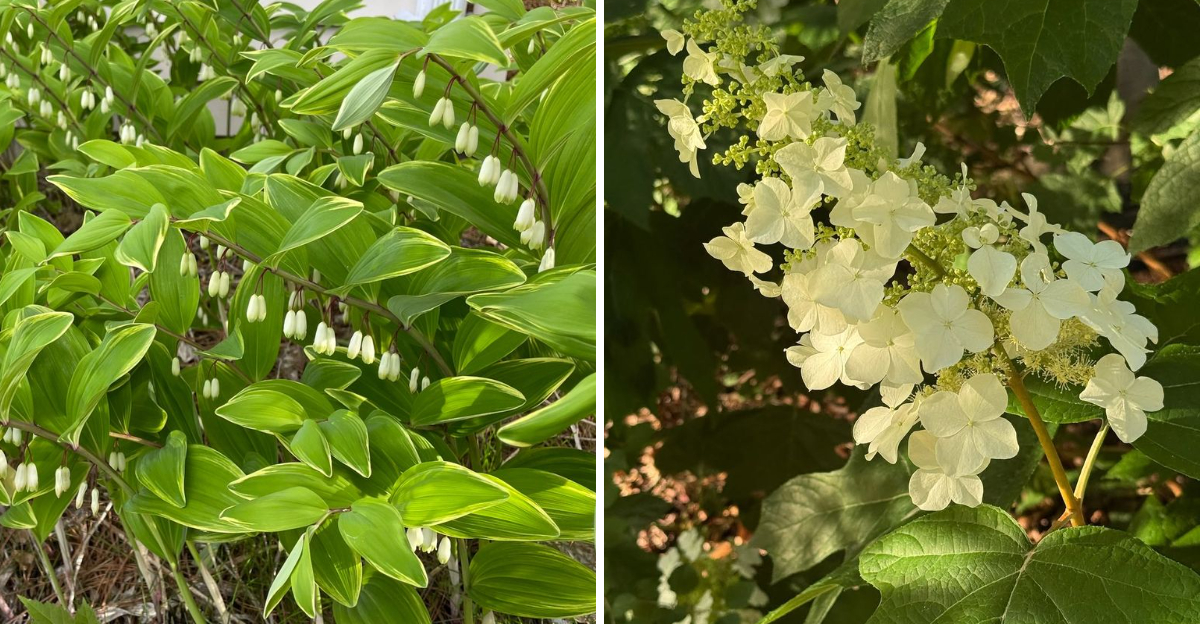
Its blooms are showstoppers. Large white flower clusters appear in early summer and slowly age to parchment pink by fall.
The foliage turns deep burgundy and orange in autumn, giving you a second wave of color when most plants go quiet.
Oakleaf Hydrangea grows 6 to 8 feet tall in most conditions. Under heavy shade, it may stay a bit smaller, which actually works well beneath low oak canopies.
Give it some room to spread and avoid crowding it against structures.
Watering is minimal once established. The root system digs deep to find moisture even during dry Georgia summers.
Mulching around the base helps retain soil moisture during the hottest weeks.
Peeling cinnamon-brown bark adds winter interest after leaves drop. Birds use the dense branching for shelter and nesting.
Pollinators visit the blooms heavily during summer. This plant earns its space year-round without demanding anything extra from you in return.
That combination of seasonal beauty, wildlife value, and shade tolerance is difficult to find in a single native shrub.
7. Woodland Phlox Performs Well In Filtered Light
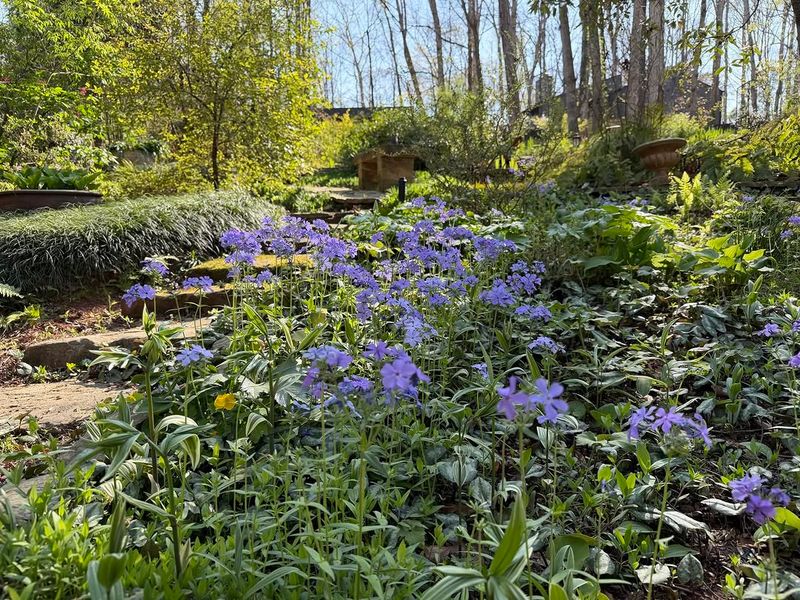
Filtered light under an oak canopy is exactly where Woodland Phlox hits its stride. Other phlox varieties demand full sun, but this native species was designed for dappled shade and cool, moist woodland edges.
It blooms heavily in spring when the oak canopy is still thin enough to let light filter through.
Soft lavender-blue flowers cover the plant from April into May. The fragrance is light and pleasant, noticeable on warm afternoons without being overwhelming.
Few native spring bloomers match its combination of color, fragrance, and shade tolerance.
Plants stay low, around 10 to 15 inches tall, with a loose spreading habit. After blooming, the foliage remains semi-evergreen and continues to provide light ground coverage through summer and fall.
Cutting back leggy stems after flowering encourages a tidier, more compact plant overall.
Soil moisture is important during establishment. Once rooted in, Woodland Phlox handles moderate drought, though it looks better with occasional watering during dry spells.
Avoid heavy clay that stays waterlogged, as that leads to root problems fairly quickly.
Butterflies and hummingbirds visit the blooms regularly during spring. Native bees also work the flowers for nectar.
Woodland Phlox pairs naturally with Foamflower and Solomon’s Seal in a layered spring planting. Together, these natives create a genuinely beautiful display in a spot where most gardeners have simply given up trying.
8. Solomon’s Seal Adapts Well To Mature Tree Shade
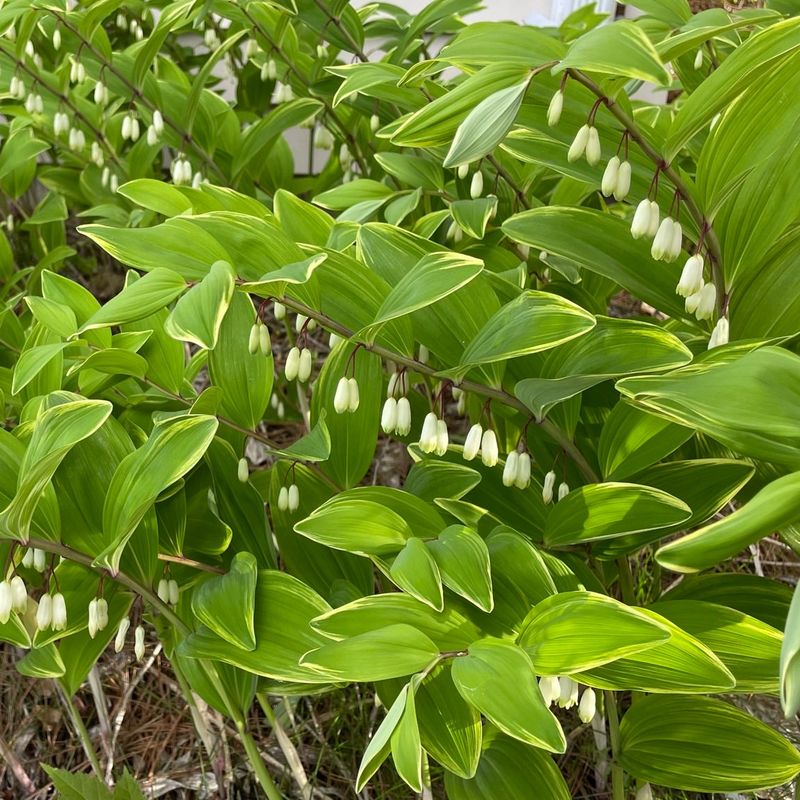
Solomon’s Seal has a quiet elegance that most shade plants can’t match. Arching stems lined with paired oval leaves create a layered, horizontal effect that looks deliberately designed.
Hang small white bell-shaped flowers dangle beneath the stems in spring, adding subtle detail without demanding attention.
Native to eastern woodlands, it handles the deep, dry shade under mature oaks better than most perennials. Established plants develop thick rhizomes that store water and nutrients, which is exactly why they survive where other plants exhaust themselves trying.
Height ranges from 2 to 3 feet depending on moisture and light. In drier spots under dense oaks, plants stay on the shorter end.
With slightly more moisture and filtered light, they reach their full height and fill space beautifully between larger shrubs and ferns.
Blue-black berries appear in late summer, replacing the flowers along each stem. Birds eat them, so don’t expect the berries to last long once they ripen.
The foliage turns clear yellow in fall before the stems go dormant, giving one final seasonal moment before winter.
Deer occasionally browse Solomon’s Seal, so it may need protection in high-pressure areas. Spacing plants 18 to 24 inches apart gives rhizomes room to expand over time.
Pair it with Christmas Fern and Woodland Phlox for a layered planting that covers the full growing season with minimal effort on your part.