Dos And Don’ts For Eating Daylilies From Your North Carolina Garden
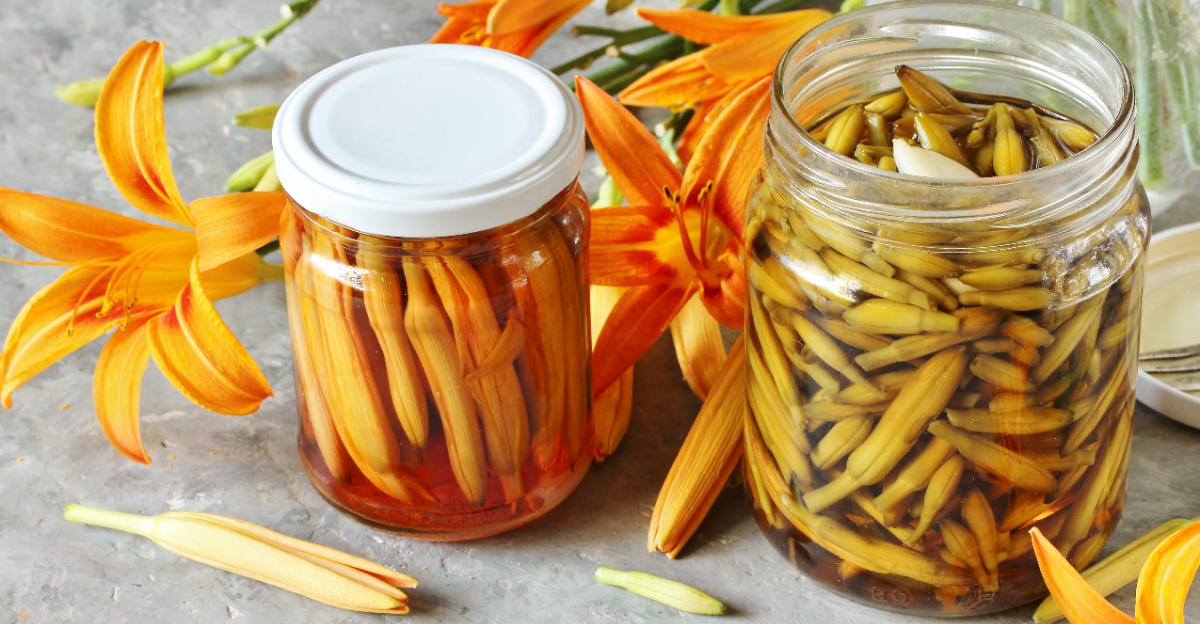
Daylilies are one of the most common perennials growing in North Carolina gardens, and most people have no idea that several parts of the plant are edible at specific stages of growth.
The flowers and buds have been used in cooking for centuries, and young shoots have also been eaten in some traditions, though they require more caution.
Before harvesting anything, though, there are important distinctions to understand and a few serious mistakes to avoid.
Not every plant called a lily is a daylily, and that difference matters significantly when you are considering eating any part of what is growing in your bed.
Getting the identification right and knowing exactly which parts to harvest and when is what makes the experience rewarding rather than risky.
1. Only Eat Confirmed Edible Daylily Varieties
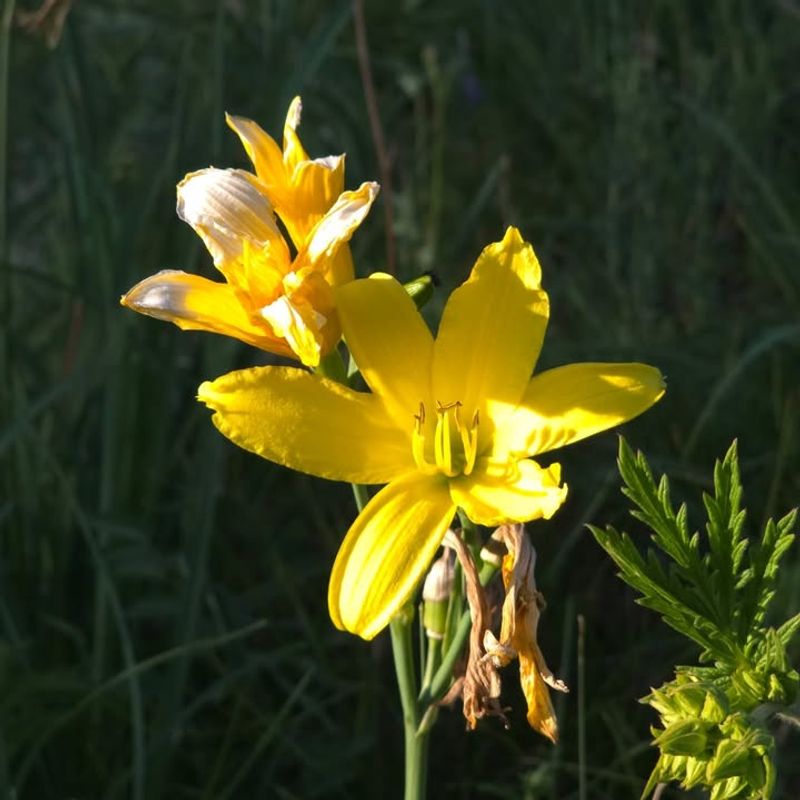
Not every flower that looks like a daylily is actually safe to eat.
The edible plant you are looking for is a true daylily in the genus Hemerocallis, not just any plant with “lily” in its common name.
Hemerocallis fulva and Hemerocallis lilioasphodelus are two classic edible species, but the safest approach is to eat only positively identified, untreated Hemerocallis plants and to start with the buds and flowers.
The orange daylily, Hemerocallis fulva, is especially common in older gardens, roadsides, and fence lines, while other Hemerocallis species and cultivars may be found in home gardens.
What makes identification so important is that the daylily world has exploded with thousands of cultivated hybrids over the past few decades.
Many modern hybrids have been bred primarily for ornamental beauty, and daylilies in general can cause mild digestive discomfort in some people.
Because flavor and tolerance can vary by cultivar, beginners should start with small amounts from a positively identified Hemerocallis plant rather than assuming every ornamental daylily will agree with them.
A good rule of thumb is to only eat daylilies you have personally grown from a known source, or ones you can positively identify in the wild.
Local North Carolina gardening clubs, cooperative extension offices, and plant nurseries can help you confirm what you have growing.
When in doubt, skip eating it and simply enjoy the bloom for its visual beauty instead. Your stomach will thank you for taking the extra time to be sure.
2. Do Eat Buds And Petals Raw Or Cooked

Daylily buds and petals are genuinely versatile in the kitchen, and once you try them, you might wonder why you waited so long.
Unopened buds have a mild, slightly sweet flavor that works beautifully in stir-fries, soups, and even tempura batter.
The petals, once fully open, add a splash of color and a subtle vegetal sweetness to fresh salads or as a garnish on top of savory dishes.
Before you cook or eat them raw, a little prep goes a long way. Rinse the buds and petals gently under cool water to remove any insects, pollen, or dirt.
One helpful tip many North Carolina gardeners swear by is removing the small green base at the bottom of each bud before cooking, since that part tends to carry more bitterness and can affect the overall flavor of your dish.
Your North Carolina Garden Changes Every Week. Your Plan Should Too.
Gardening in North Carolina changes quickly throughout the season. Every Friday you’ll receive a simple weekly plan showing exactly what to plant, prune, fertilize, harvest, and protect so you never miss the right timing.
Harvest your blooms early in the morning when they are freshest and the petals are still firm.
Daylily flowers open and close within a single day, so timing your harvest matters more than you might expect.
Buds that are just about to open make the best cooking ingredient, while fully open flowers are better suited for raw use as garnishes.
Experiment with both and see which preparation style you enjoy most in your kitchen.
3. Don’t Eat Roots, Tubers, Or Other Non-Flower Parts
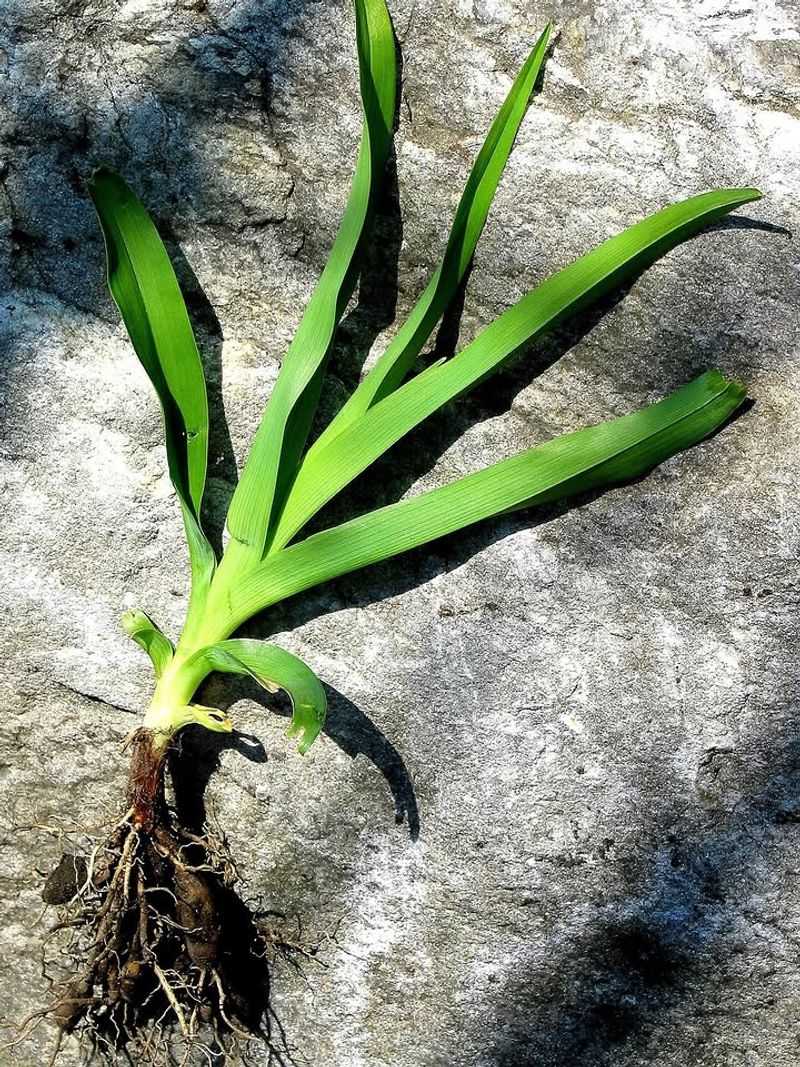
Here is something a lot of first-time foragers get wrong: just because the flowers are edible does not mean the entire plant is fair game.
Daylily roots and tubers are more controversial than the flowers and are not the best place for beginners to start.
Although some sources describe them as edible, other research notes toxicity concerns with root material, so the safest advice for home gardeners is to leave the underground parts alone and harvest only buds and flowers.
The flowers and buds have the clearest culinary use, while roots, tubers, and shoots require more expertise and are easier to misuse.
Young shoots have been eaten in some traditions, but they are another beginner-risky part because reports of digestive or other reactions exist, especially with larger amounts.
While some sources describe young daylily shoots as edible in small quantities, they are easier to misuse than buds and flowers, so this beginner guide recommends avoiding them.
For a beginner-friendly garden guide, the safest recommendation is to stick with unopened buds and open flowers from correctly identified, untreated Hemerocallis plants.
When you are harvesting in your North Carolina garden, keep your focus above the soil line.
Use clean scissors or garden snips to cut buds and flowers cleanly from the stem, and leave the plant’s root system completely undisturbed.
Not only does this protect you from potential stomach issues, but it also keeps your daylily plants healthy and thriving so they continue to bloom season after season.
Think of it as a win for both your plate and your garden at the same time.
4. Do Start With Small Quantities
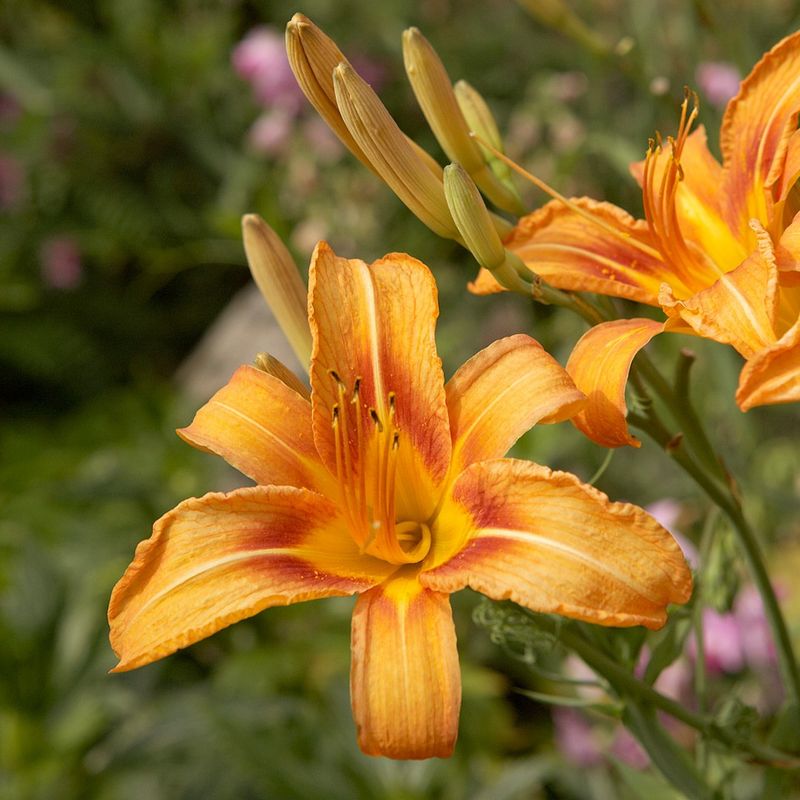
Even when you have the right variety and the flowers are perfectly prepared, starting small is always the wisest move. Every person’s body reacts differently to new foods, and daylilies are no exception.
Some people enjoy them with zero issues, while others find that even a small serving causes mild stomach sensitivity on their first try.
Think of it the same way you would approach any new food you have never eaten before. Start with just one or two buds or a few petals, and then wait several hours to see how your body responds.
If everything feels fine, you can gradually increase the amount over the following days until you find the quantity that works comfortably for you.
Children, pregnant women, people with allergies, and anyone with a sensitive digestive system should be especially cautious and may want to avoid daylilies unless a healthcare professional says they are appropriate.
North Carolina gardeners who are also cat owners should note that Hemerocallis species are dangerous to cats and can cause serious poisoning, so keep both the plants and harvested flowers away from curious pets.
Starting small is not just about being careful with your health, it is also about building a positive experience with edible flowers so you feel confident and excited to keep enjoying them throughout the blooming season.
5. Don’t Confuse Daylilies With True Lilies
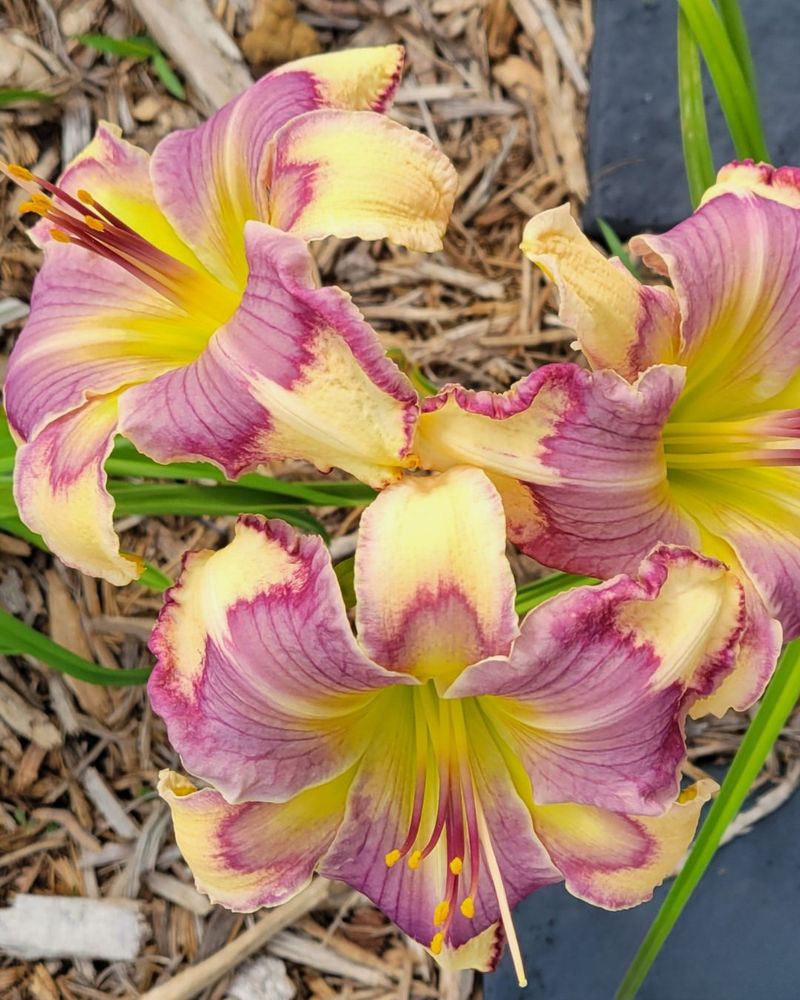
This is one of the most critical distinctions any edible flower enthusiast needs to understand.
Daylilies (Hemerocallis spp.) and true lilies (Lilium spp.) look similar at first glance, but they are completely different plants with very different safety profiles.
True lilies (Lilium spp.) and daylilies (Hemerocallis spp.) are both dangerous to cats, but they are not the same plant.
For human foraging, the key point is that true lilies are not interchangeable with edible daylily flowers, so never eat a lily-like plant unless you have positively identified it as Hemerocallis.
Telling them apart is easier than you might think once you know what to look for.
Daylilies grow from clumping fibrous roots and have long, strappy leaves that emerge from the base of the plant in a fan-like shape.
True lilies, on the other hand, grow from scaly bulbs and have leaves that grow directly along an upright central stem, arranged in whorls or alternating patterns up the stalk.
The flowers are different too. Daylily blooms each last just a single day and grow on branching stems called scapes.
True lily flowers often last longer and typically grow on a single unbranched stem. In North Carolina, both plants are commonly found in home gardens, so the risk of mixing them up is real.
Always source your edible daylilies from a trusted nursery or grow them yourself from labeled Hemerocallis plants to eliminate any chance of confusion before you ever bring them to your plate.
6. Do Wash Thoroughly Before Eating
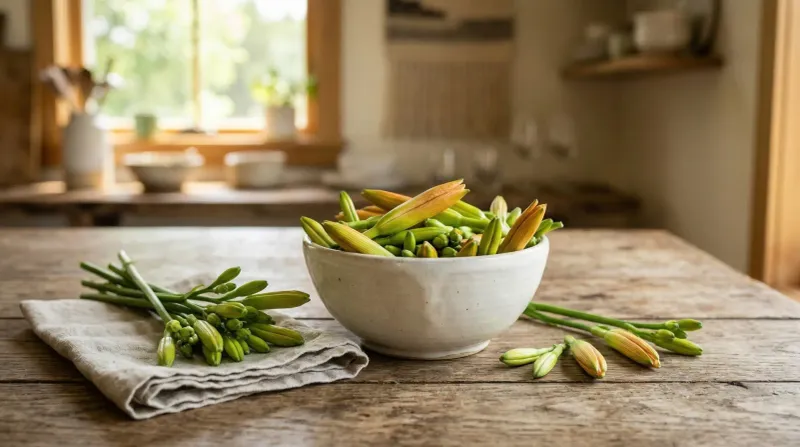
Garden-fresh does not automatically mean ready-to-eat. Even flowers grown in your own backyard can carry dust, pollen, small insects, and soil residue that need to be rinsed away before you use them in any dish.
A quick rinse under cool water takes less than a minute and makes a meaningful difference in both cleanliness and flavor.
For daylily buds, hold them gently and run water over each one, turning them slightly to make sure water reaches between the petals.
Open flowers are more delicate, so place them in a colander and pour water slowly over them rather than blasting them with a strong stream that might bruise or tear the petals.
After rinsing, lay them on a clean paper towel and pat them dry before using them raw or adding them to a hot dish.
North Carolina summers bring plenty of humidity and insect activity, which means flowers can sometimes harbor tiny aphids or thrips hiding deep inside the bud.
Soaking buds in lightly salted cool water for about ten minutes before rinsing can help encourage any hidden insects to exit.
This is a trick that experienced edible flower gardeners use regularly, and it works surprisingly well.
A little extra attention at the washing stage ensures that what ends up on your plate is as clean and fresh as possible, giving you the best possible flavor from your garden.
7. Don’t Use Pesticide- Or Herbicide-Treated Flowers
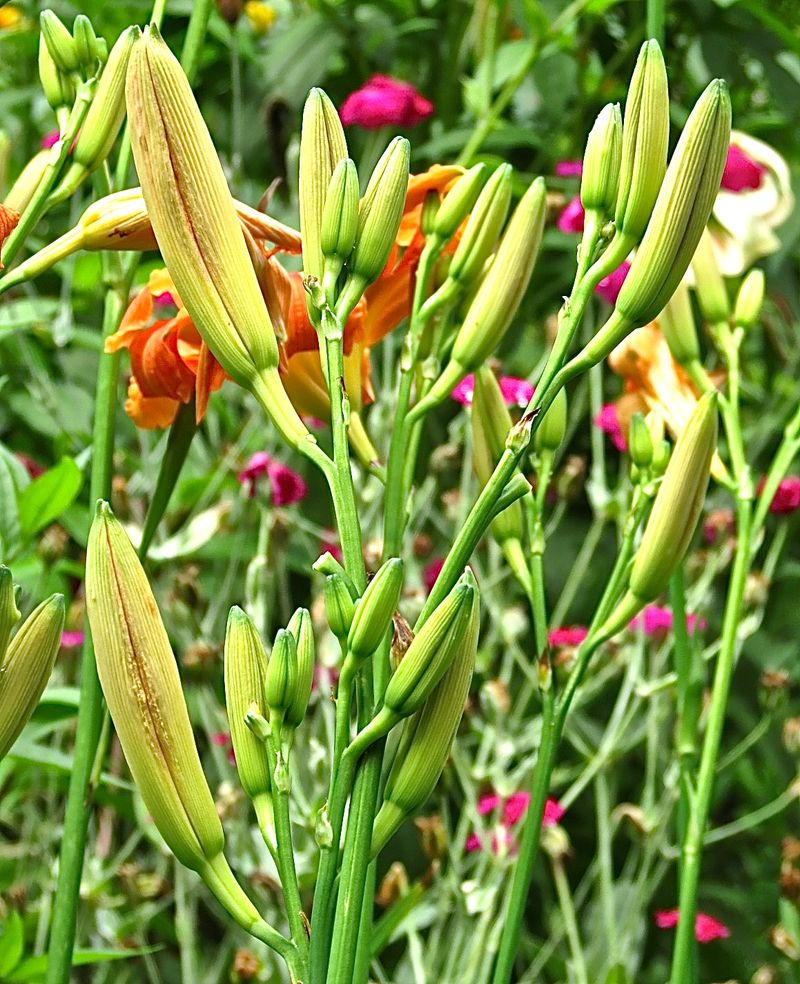
Bright, beautiful, and blooming in your garden does not automatically make a daylily flower safe to eat.
If those blooms have been sprayed with pesticides, herbicides, or any other chemical treatments, eating them could make you genuinely sick.
Washing is important for removing dirt and insects, but it should not be used to make chemically treated ornamental flowers safe to eat.
Many North Carolina gardeners routinely treat their ornamental beds with products designed to protect plants from insects and weeds, which is completely fine for decorative purposes.
The problem arises when those same treated plants are then considered for eating. Always keep a clear mental or physical record of which plants in your garden have been treated with chemicals and make those strictly off-limits for culinary use.
If you want to enjoy edible daylilies safely, the best approach is to designate a specific area of your garden as a chemical-free zone from the very beginning of the growing season.
Use hand-picking, companion planting, and other low-spray methods whenever possible.
If you use any spray, including neem oil or other organic-labeled products, make sure it is labeled for edible crops and follow all label directions and waiting periods before harvest.
You can also look for organically grown daylily plants at local farmers markets or specialty plant nurseries across North Carolina.
Growing your own untreated blooms gives you complete control over what goes into your food and peace of mind every time you harvest a bud or petal for your next meal.
8. Do Enjoy Seasonal Flavor At Peak Bloom
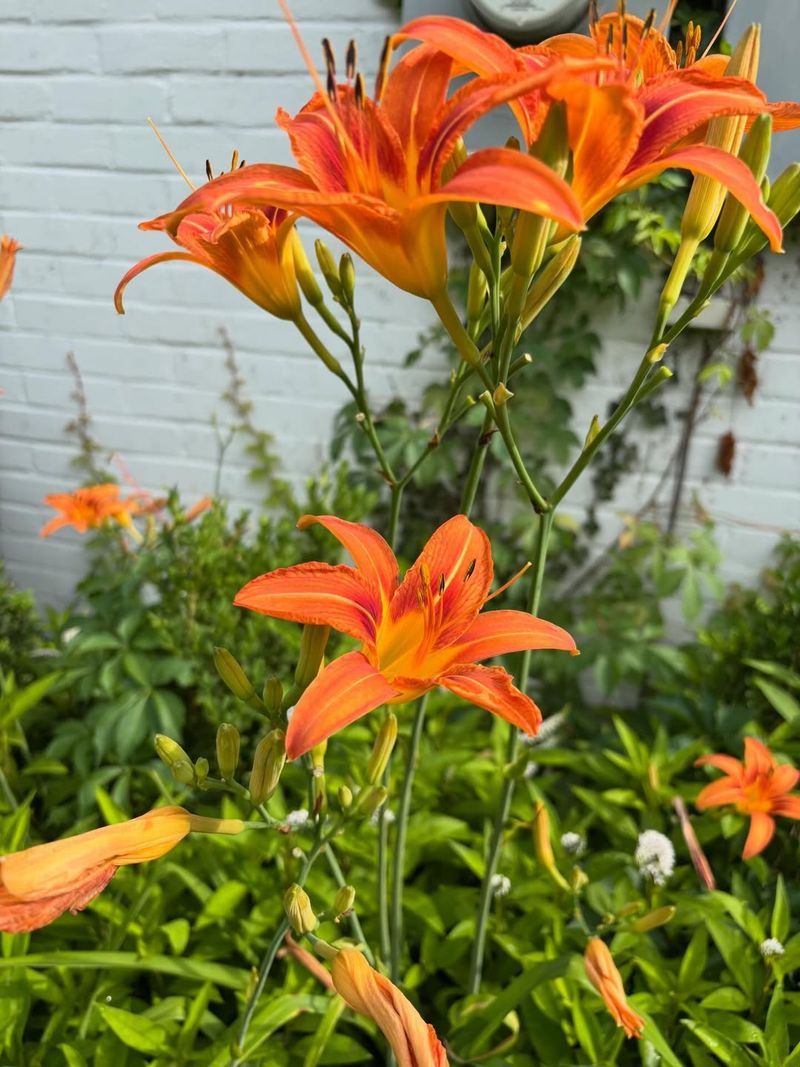
One of the most rewarding things about growing daylilies in North Carolina is how perfectly their blooming season lines up with warm-weather cooking and outdoor entertaining.
Most Hemerocallis varieties hit their peak bloom from late spring through early summer, typically between May and July depending on your location in the state.
That is your window for the freshest, most flavorful edible flowers straight from your garden.
Flavor peaks when the plant is at its healthiest and most active, which is exactly during full bloom season.
Buds harvested just before they open tend to have the richest, most concentrated flavor, making them ideal for cooking.
Open petals eaten the same day they bloom offer a lighter, more delicate taste that pairs well with fresh summer salads and chilled dishes. Making daylily eating a seasonal ritual is part of what makes it so special.
Unlike grocery store produce available year-round, these blooms are fleeting and tied to a specific moment in your garden’s life.
That sense of seasonality adds an extra layer of enjoyment to every dish you create.
Proper identification, thorough washing, and moderate portions are the three pillars of safe and satisfying daylily eating, and when you get all three right, you have something genuinely exciting growing right outside your back door.
Savor every bloom while the season lasts.