7 Florida Container Plants That Thrive When The Popular Ones Are Crispy And Done
The petunias looked great in April. By June they were gone.
The impatiens that promised all-season color turned to mush after the first serious heat wave. The herbs on the porch are holding on by a thread.
Florida summer does not discriminate. It tests every plant on the patio and collects its tuition in wilted leaves and wasted money from anyone who planted for looks rather than for conditions.
The containers that survive July in Florida belong to a specific category of plant.
Not the ones that look best at the garden center in March. Not the ones with the most promising description on the tag.
The ones that were designed by evolution, or by generations of cultivation, to handle exactly this kind of heat.
Some of them bloom harder when they get less water. Some of them are so tough they practically ask to be ignored.
Have you been replacing the same container plants every summer without knowing there are better options? Seven plants change that conversation.
1. Grow Desert Rose For Heat Tough Blooms
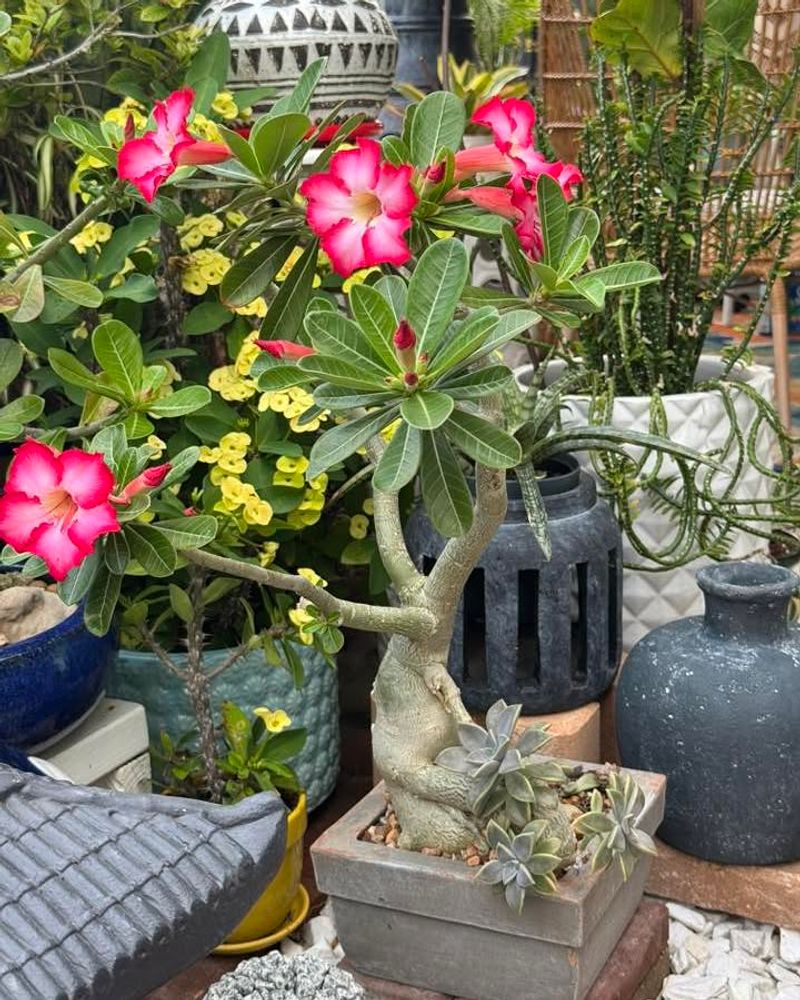
A plant that stores water in its own sculptural base, produces vivid trumpet-shaped flowers in pink, red, and white, and genuinely performs better when watering gets inconsistent sounds like a Florida patio fantasy.
Desert rose is that plant, and it is one of the most reliably tough container choices available for the kind of heat that ends most other plant stories by July.
Adenium obesum thrives in full sun and loves blistering conditions that melt less adapted plants.
The swollen, sculptural base gives it a bonsai-like appearance that generates more patio conversation than almost anything else in a container. The blooms look tropical. The attitude is pure desert survivor.
Watering is where most people go wrong with this plant. Desert rose needs infrequent, deep watering and must never sit in soggy soil.
A pot with excellent drainage holes is not optional. Use a gritty cactus mix or blend coarse sand and perlite to keep roots healthy between waterings.
Desert rose is cold-sensitive below forty degrees Fahrenheit, so bringing it indoors during Florida’s occasional cold snaps protects the investment.
Fertilize monthly during the growing season with a balanced slow-release fertilizer to encourage heavier blooming. Full sun, at least six hours daily, keeps the plant compact and flowering consistently.
Skip the shade. Desert rose earns every inch of sunlight it receives, and it responds to full Florida summer exposure with weeks of bloom when other container plants have long since finished their seasonal performance.
2. Use Crown Of Thorns For Tough Color
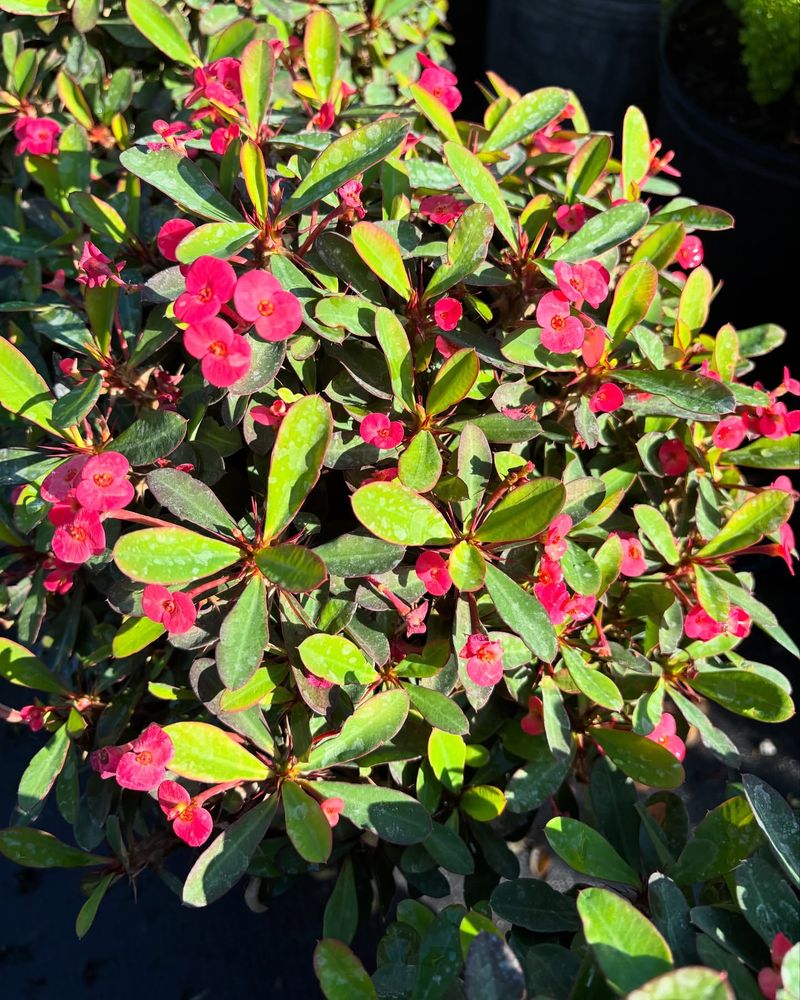
Crown of thorns is the plant that consistently surprises people who have never grown it. The small clustered flowers and fine stems suggest something fragile.
The reality is a plant that handles drought, laughs at heat waves, and keeps producing colorful bracts nearly year-round in Florida’s warm climate without requiring much from the gardener.
Euphorbia milii delivers consistent blooms in red, orange, yellow, pink, and white through conditions that send other flowering plants into retreat.
Your Florida Garden Changes Every Week. Your Plan Should Too.
Gardening in Florida changes quickly throughout the season. Every Friday you’ll receive a simple weekly plan showing exactly what to plant, prune, fertilize, harvest, and protect so you never miss the right timing.
That reliability across Florida’s toughest months is genuinely hard to find in a container bloomer at any price point.
Fast drainage is non-negotiable. A container that holds water too long will compromise root health faster than almost any other issue with this species.
Clay pots work especially well because they allow excess moisture to escape through the walls, keeping the root zone drier between waterings. Regular plastic or glazed pots work too but require more careful watering discipline.
Water only when the top inch of soil feels completely dry. Fertilize lightly every six to eight weeks during the growing season.
Wear gloves when handling the plant because the milky sap is a skin irritant. That is a small inconvenience for a plant that delivers this much consistent performance.
Crown of thorns earns its place on a Florida patio by doing the one thing most summer container plants cannot manage. It keeps blooming without asking for constant attention in return.
3. Plant Bougainvillea For Bold Containers
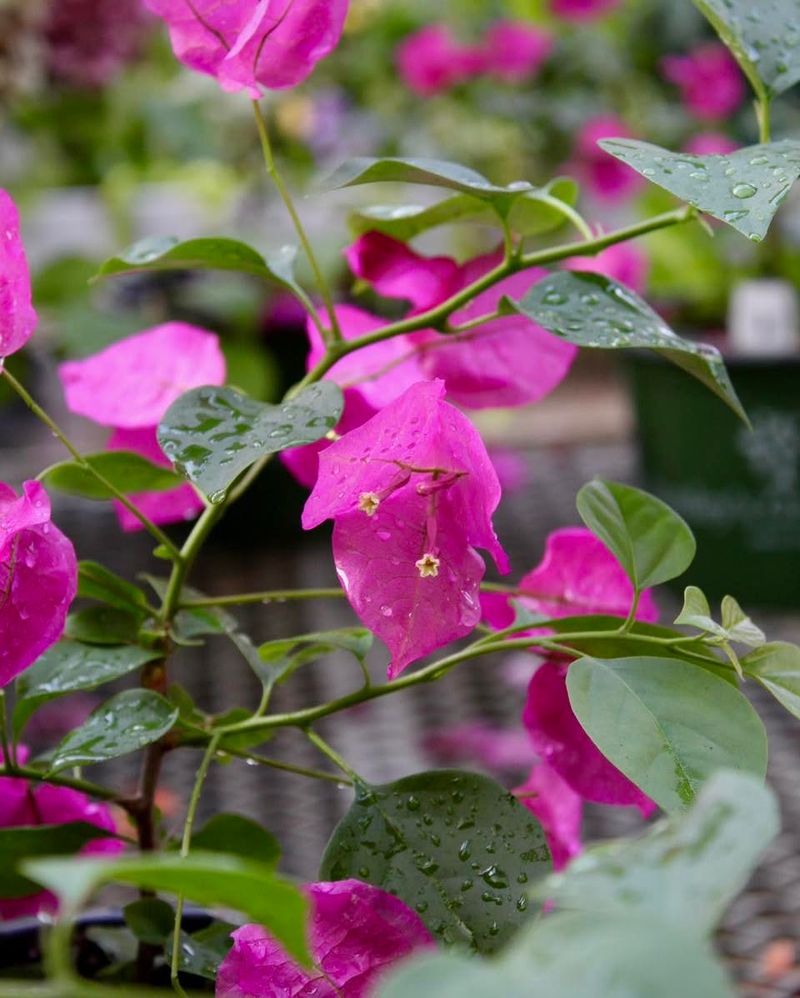
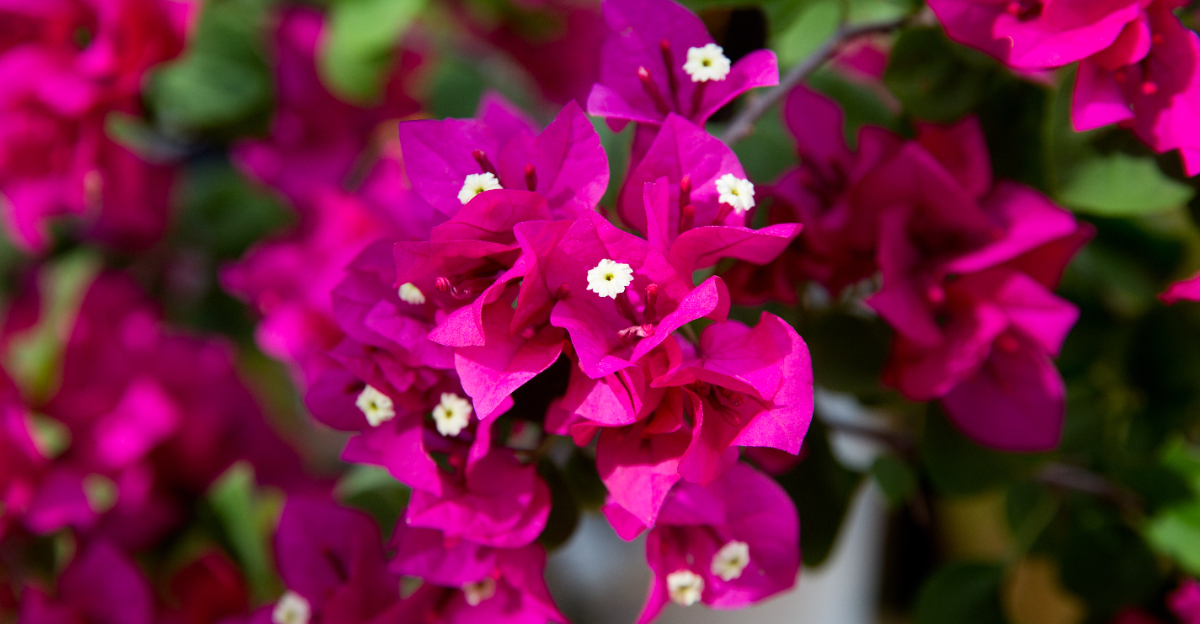
Nothing announces a Florida patio quite like bougainvillea in full bloom. The papery bracts in electric magenta, orange, coral, and purple practically generate their own light in the afternoon sun.
In a large container with excellent drainage, bougainvillea becomes the kind of visual statement that makes the rest of the patio arrangement look intentional.
The counterintuitive key to bougainvillea performance is learning to treat it with some restraint. It blooms most aggressively when slightly stressed.
Holding back on water and letting the soil dry out between sessions produces far more flowers than generous irrigation does.
Overwatering is the fastest path to abundant lush green growth and very few blooms. The plant rewards the gardener who resists the urge to be helpful.
Full sun for at least six hours daily is the other non-negotiable. Bougainvillea planted in partial shade produces green foliage and modest blooms. The same plant in full Florida sun produces the kind of floral display people photograph.
Choose a container large enough to support the root system but not so oversized that excess soil stays wet too long.
A well-draining potting mix with clear drainage holes keeps root conditions where they need to be. Expect to prune occasionally to keep the shape manageable. Light pruning after each bloom cycle encourages new flowering wood.
A bloom-boosting fertilizer higher in phosphorus than nitrogen pushes flower production rather than leafy growth.
Bougainvillea does not want babying. It wants sun, a little stress, and room to perform.
4. Try Firecracker Plant For Hummingbirds
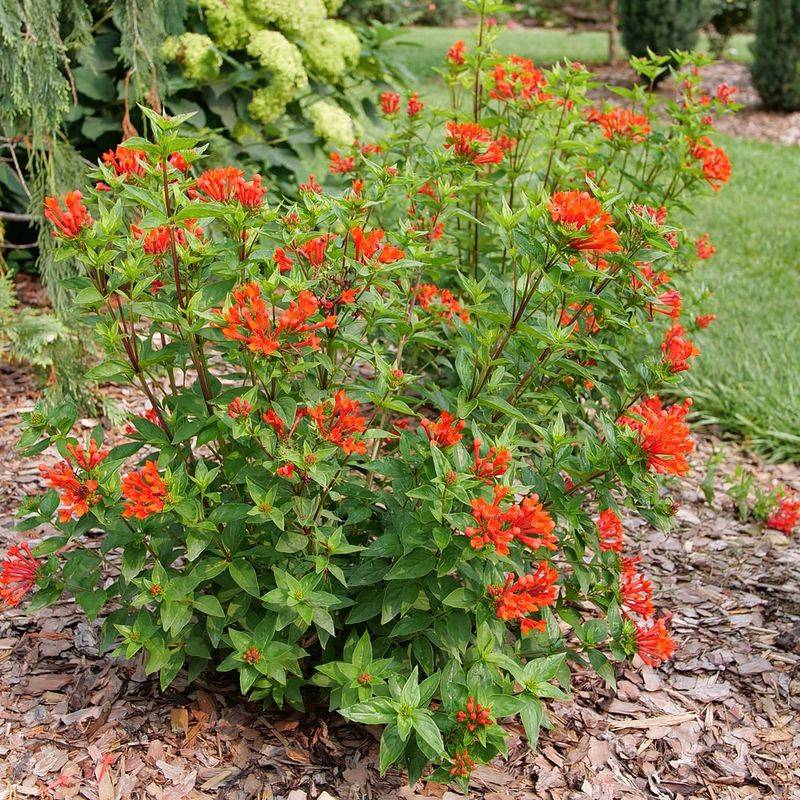
On a hot July afternoon in Florida, watching a hummingbird dart in and out of a container planting is one of those patio moments that makes the whole setup feel worthwhile.
Firecracker plant makes those moments a regular feature rather than an occasional surprise.
Russelia equisetiformis produces long, arching stems covered in tiny tubular red and orange flowers that attract hummingbirds with impressive consistency.
The feathery, rush-like foliage gives the plant an airy, graceful texture that contrasts beautifully with more structured plantings in a mixed container arrangement. In a hanging basket, it becomes something genuinely striking.
This plant handles Florida heat with real ease. Full sun to partial shade both work, which gives it more placement flexibility than many container plants that demand uninterrupted direct sunlight.
That adaptability makes it useful in spots that other bold bloomers cannot fill.
Watering needs are moderate. The plant prefers consistent moisture but tolerates short dry periods without visible stress.
Free drainage is important. Waterlogged roots weaken the plant over time regardless of how well it handles everything else.
A standard all-purpose potting mix works well. Adding slow-release fertilizer at planting gives it a strong foundation through the growing season.
Prune lightly after heavy bloom cycles to encourage fresh flowering stems. Firecracker plant grows quickly and fills a container generously, which means visible impact without a long waiting period.
A plant that brings hummingbirds to the patio and handles summer heat without drama is solving two problems simultaneously. Florida patio gardeners tend to appreciate that kind of efficiency.
5. Add Coontie For Native Structure
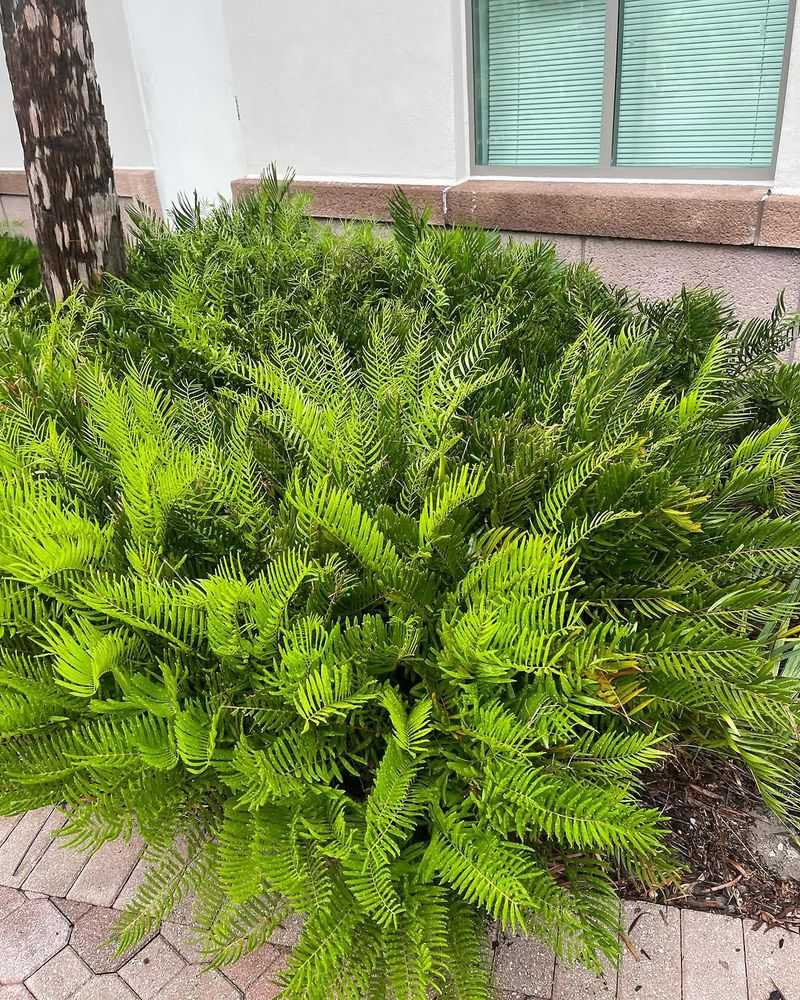
Not every container plant needs to announce itself with flowers.
Sometimes structure, texture, and the kind of quiet reliability that holds an arrangement together through August is exactly what a patio needs. Coontie delivers all three without demanding much attention in return.
Zamia integrifolia is Florida’s only native cycad.
The dark, glossy, fern-like fronds create a formal, architectural quality that looks polished in large containers near entryways, on covered patios, or as anchor plants in a mixed grouping.
It handles full sun, partial shade, and the full range between those extremes, making it one of the most genuinely flexible native plants available for container use in Florida.
Watering is straightforward once the plant establishes. Coontie is highly drought-tolerant and handles dry spells without visible stress.
Water regularly when first planted in a container to help the root system settle, then back off significantly.
Overwatering is a bigger risk than underwatering. Well-draining potting mix and a container with solid drainage holes prevent the root issues that consistent moisture can create.
Coontie is the sole larval host plant for the atala butterfly, a striking blue and orange species native to South Florida.
Adding it to a container arrangement contributes to local butterfly populations in a direct, measurable way that most ornamental plants cannot claim.
Fertilize lightly two or three times per year with a slow-release palm and cycad fertilizer. Coontie grows slowly but lives for many years.
It is the long game plant on a patio full of seasonal performers.
6. Use Blanket Flower For Sunny Pots
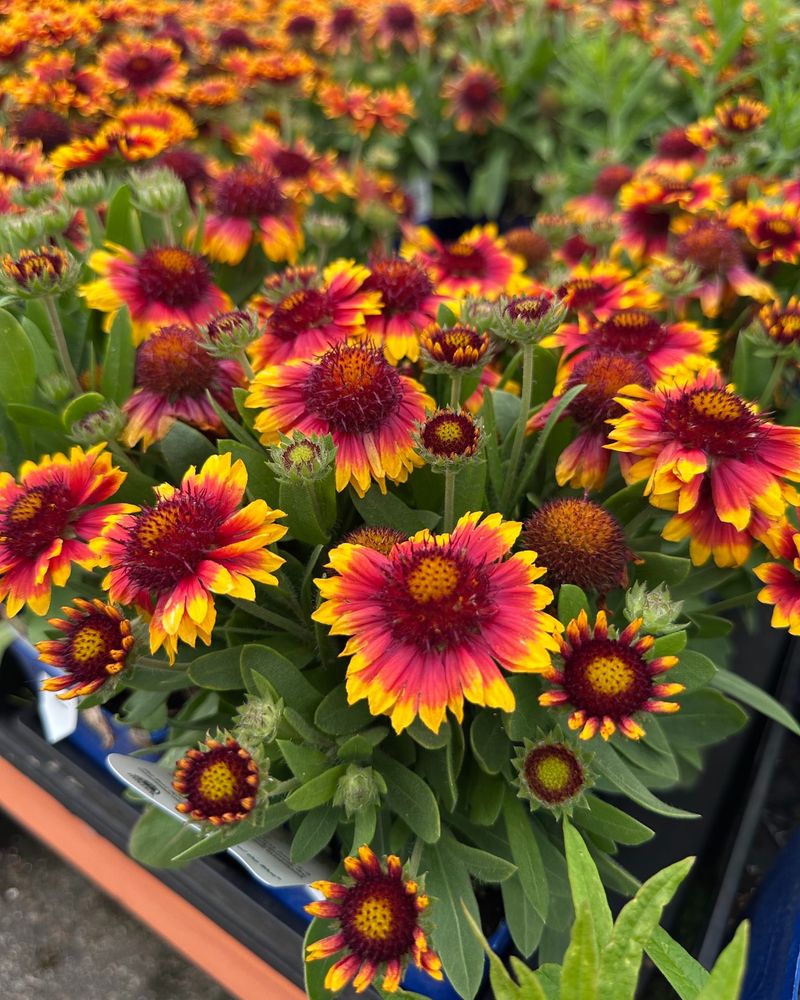
Bold, cheerful, and practically engineered for hot sunny pots, blanket flower delivers the kind of warm season color that catches the eye from across the yard.
The daisy-like blooms in red, orange, and yellow look like a sunset compressed into a single flower head. They keep coming all season long even when the heat feels relentless and other container plants have started their seasonal decline.
Gaillardia thrives in full sun with at least six hours of direct light daily. Sandy or gritty soil mixes work especially well because they replicate the lean, fast-draining conditions this plant prefers.
Regular potting mix holds too much moisture for blanket flower to perform at its best in Florida’s rainy season when natural rainfall is already providing more water than the plant actually needs.
Water deeply but infrequently. Allow the soil to dry out between sessions rather than maintaining consistent moisture.
A pot that drains quickly and thoroughly is essential. Blanket flower planted in heavy, moisture-retaining soil struggles with root rot in ways that undermine the entire season.
Trim spent blooms regularly to keep the plant producing new flowers rather than shifting energy toward seed development. Fertilize lightly every six to eight weeks with a balanced fertilizer.
For Florida patio gardeners who want reliable color through summer without the daily watering commitment, blanket flower is doing exactly what its name suggests.
7. Grow Portulaca For Low Hot Bowls
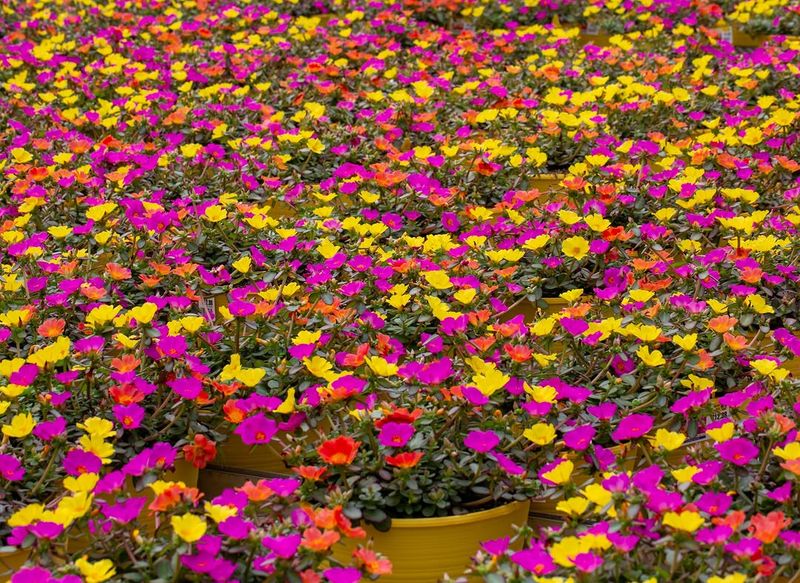
Shallow bowls and low planters create a specific container problem in Florida.
Most plants need more root depth and more consistent moisture than those containers can reasonably provide through the hottest months of summer.
Portulaca exists as if specifically designed to solve that problem and show off while doing it.
The succulent-like leaves store moisture in a way that makes portulaca genuinely drought-tolerant rather than just labeled that way.
It loves full sun and produces an almost unreasonable amount of color across pink, orange, yellow, red, white, and magenta in a wide low bowl on a Florida patio.
The flowers actually close on cloudy days, saving the best display for the bright, sunny afternoons that Florida delivers reliably through summer.
Watering less is the correct approach with this plant. Watering too often weakens portulaca and encourages leggy, sparse growth that loses the dense carpet effect that makes it so visually appealing.
Let the container dry out completely between waterings. Resist the urge to help. Sandy or cactus-blend potting mix in a shallow container with drainage holes sets the plant up to handle itself.
Fertilize lightly once a month with a balanced fertilizer. Trimming is not required because the plant cleans up after itself reasonably well.
Portulaca is the container plant that performs best when the gardener stops doing things to it. In Florida July, that is not just an advantage. That is a personality trait worth having in a pot.