What Michigan Gardeners Should Know Before Adding A Water Feature To A Clay Soil Yard
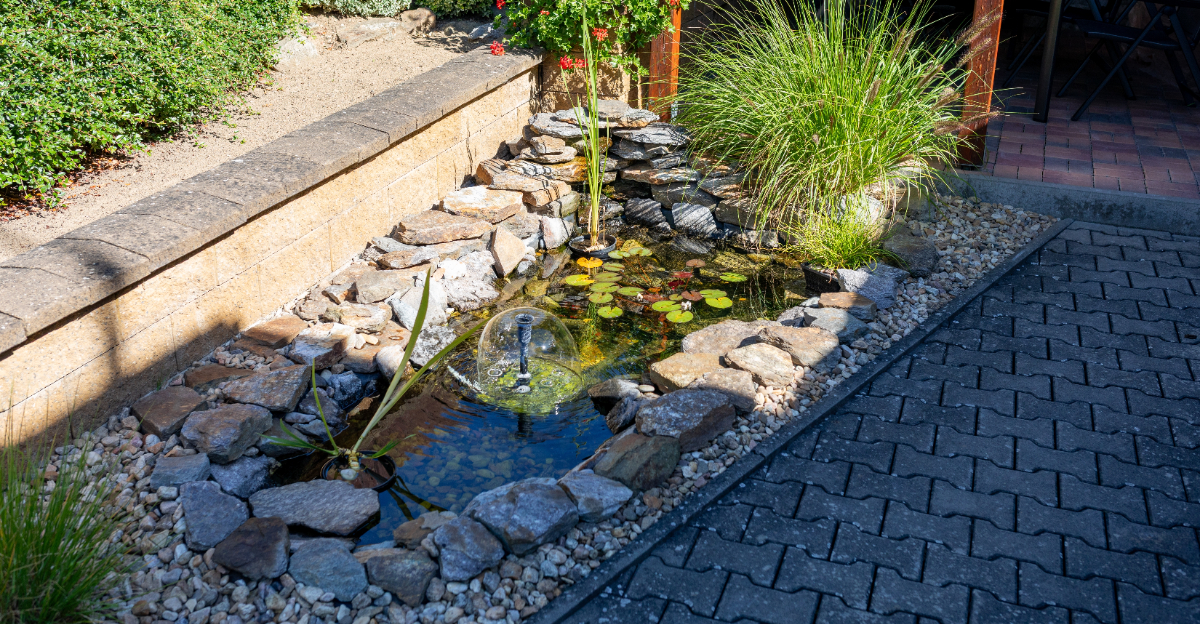
Water features are one of the most appealing additions a Michigan gardener can make to an outdoor space, and in the right conditions they deliver everything they promise in terms of atmosphere, wildlife attraction, and visual interest.
Clay soil changes the equation in several important ways that become expensive and frustrating to deal with after installation if they were not accounted for during the planning stage.
Drainage behavior, liner performance, surrounding plant choices, and how water moves through and around a clay-dominated yard all need to be understood before any digging starts.
Michigan’s freeze and thaw cycles add another layer of complexity that gardeners in warmer states never have to factor in.
Getting these things right from the beginning is what separates a water feature that enhances a yard from one that creates ongoing problems.
1. Assess Drainage Before Installation
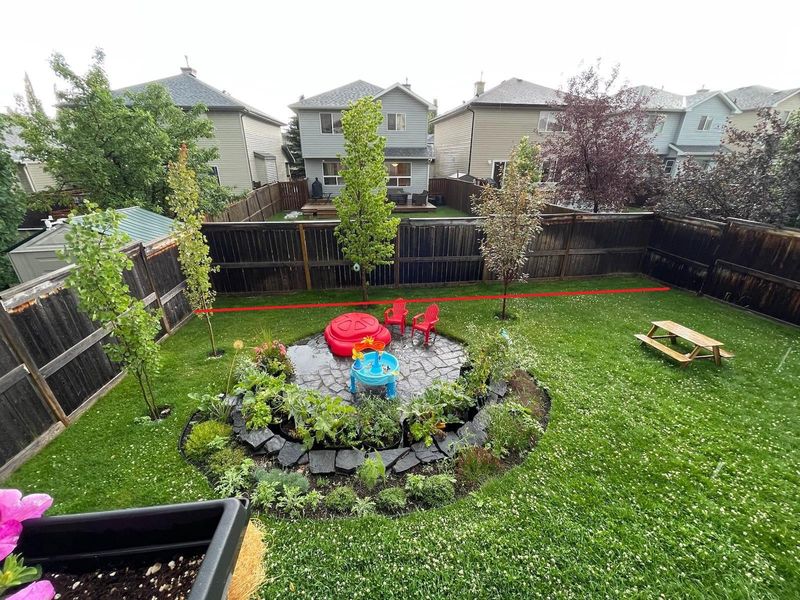
Picture this: you spend a weekend installing a beautiful pond, only to find water pooling around the edges and seeping into places it should never go. That is exactly what happens when clay soil drainage goes unchecked before a water feature goes in.
Clay is naturally dense and compact, which means water moves through it very slowly, sometimes just a quarter inch per hour or less.
Before anything gets dug up or purchased, do a simple percolation test. Dig a hole about 12 inches deep and 12 inches wide, fill it with water, and let it drain completely.
Fill it again and time how long it takes to drop one inch. If it takes longer than an hour, your drainage is poor and you will need a plan to manage excess water around your feature.
Poor drainage causes real problems beyond soggy ground. Water can undermine pond edges, cause liner shifting, and create unstable banks that erode over time.
In Michigan, where spring rains are heavy and snowmelt adds even more moisture, this becomes a serious concern. Clay soil near a water feature can become waterlogged for weeks, stressing nearby plants and weakening any structure you build.
Knowing your drainage situation upfront lets you choose the right type of water feature, plan proper overflow channels, and decide whether to amend the soil first.
Skipping this step is one of the most common and costly mistakes Michigan gardeners make. A little testing now prevents a much bigger headache later.
2. Choose The Right Type Of Water Feature
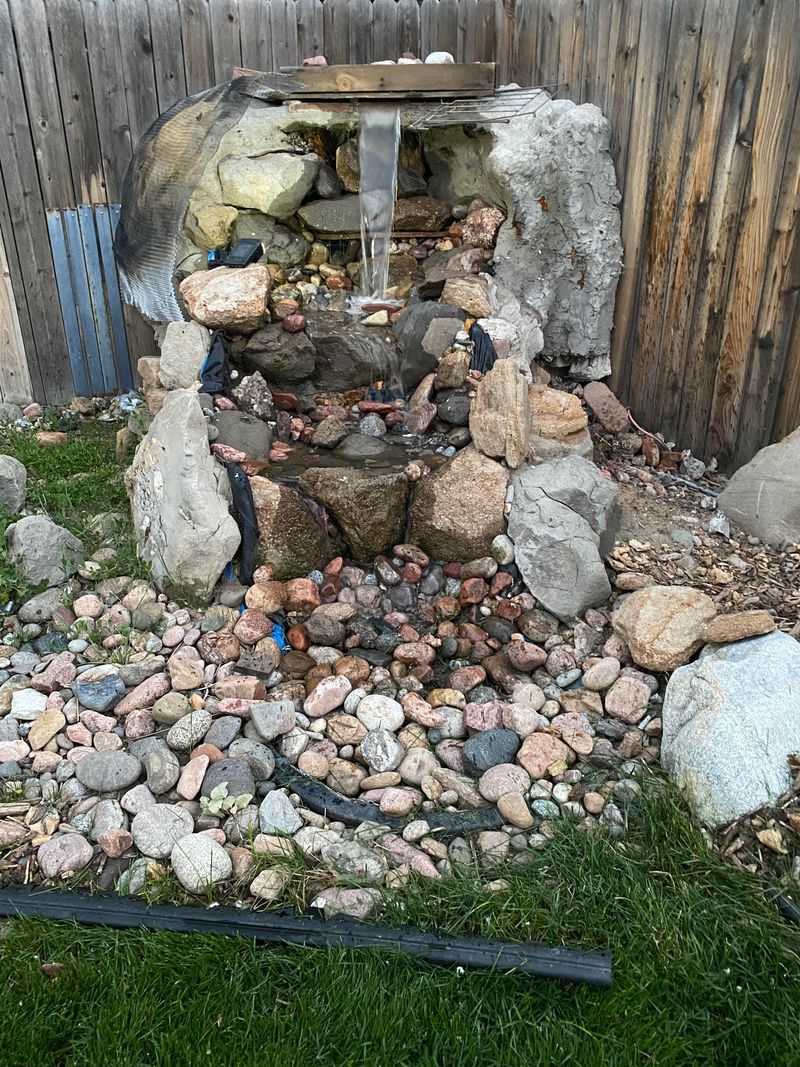
Not every water feature plays nicely with clay soil, and picking the wrong one can lead to cracked edges, shifting structures, or constant leaking.
The good news is that several smart options work beautifully in Michigan clay yards when you match the feature to the soil conditions.
Preformed fiberglass ponds are a top choice for clay soil gardens. They hold their shape even when surrounding soil shifts, and their rigid walls resist the pressure that expanding clay can create.
Raised water containers, like half-barrel planters or stone-edged raised beds with liners, are another excellent option because they sit above the problematic soil entirely.
Lined in-ground ponds using thick EPDM rubber liners also work well, as long as the liner is flexible enough to handle some soil movement.
Your Michigan Garden Changes Every Week. Your Plan Should Too.
Gardening in Michigan changes quickly throughout the season. Every Friday you’ll receive a simple weekly plan showing exactly what to plant, prune, fertilize, harvest, and protect so you never miss the right timing.
Sizing matters more than most people realize. A smaller, deeper pond actually performs better in clay soil than a wide, shallow one.
Shallow ponds are more vulnerable to edge erosion and temperature swings, both of which are common in Michigan. Aim for at least 18 to 24 inches of depth in any in-ground feature to buffer against freezing and soil pressure.
Positioning is just as important as the feature itself. Avoid placing water features at the lowest point of your yard where runoff naturally collects, even though that spot might seem logical.
Instead, choose a slightly elevated or flat area where you can control water flow in and out. A thoughtful placement decision upfront makes maintenance far easier every season.
3. Amend Surrounding Soil If Needed
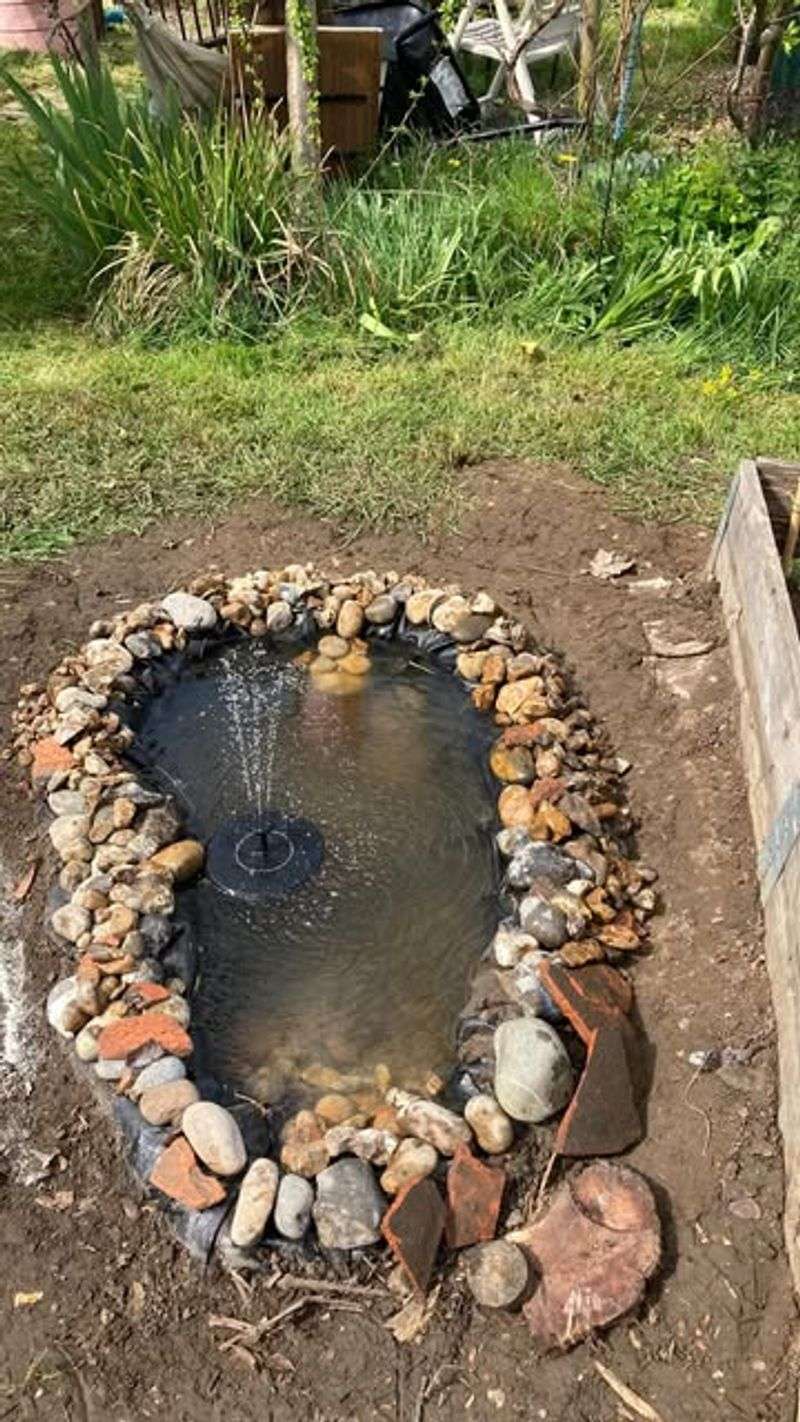
Clay soil has a reputation for being stubborn, and honestly, that reputation is earned. When it is wet, clay turns into a thick, sticky mess.
When it dries out, it hardens like concrete and cracks in ways that can shift your water feature’s edges or damage liner seams. Amending the soil around your water feature is one of the smartest moves you can make before and after installation.
Adding coarse sand and organic matter like compost to the top 8 to 12 inches of soil surrounding the pond creates a more stable, workable zone.
A good starting ratio is roughly 1 part coarse sand to 2 parts compost mixed into the native clay.
Avoid using fine sand alone, because fine sand mixed with clay actually creates a cement-like texture that makes drainage worse, not better.
Organic matter improves clay soil in multiple ways. It loosens the structure, improves drainage, feeds beneficial microbes, and helps plants establish roots more easily around the pond’s edge.
Over time, as organic material breaks down, it keeps the surrounding soil from becoming rock-hard during Michigan’s dry summer stretches.
One thing worth knowing is that soil amendment is an ongoing process, not a one-time fix. Topping up with compost each spring keeps the area around your water feature loose and healthy.
Mulching the surrounding beds with wood chips or shredded leaves also reduces moisture loss and prevents the surface from cracking.
Consistent care of the surrounding soil directly protects the structure and beauty of your water feature year after year.
4. Consider Water Flow And Aeration
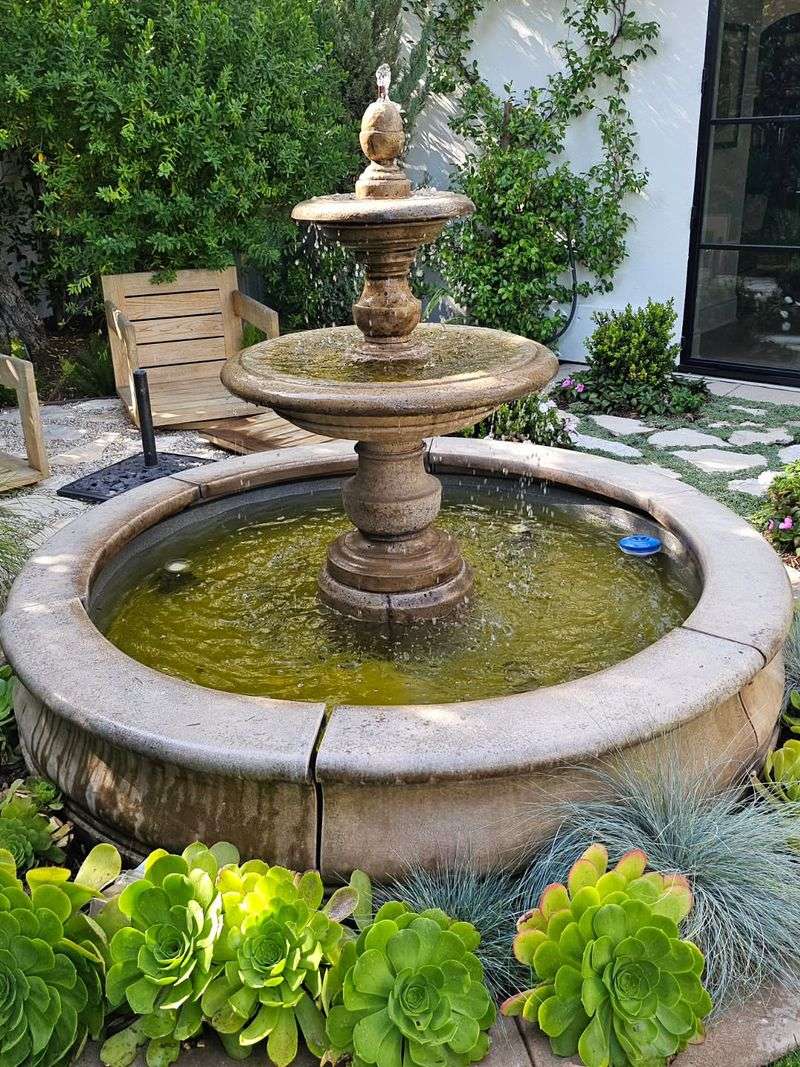
Still water and clay soil are a combination that can quickly become a problem. Without movement or aeration, pond water turns stagnant, loses oxygen, and becomes a prime breeding ground for mosquitoes, which is a real concern in Michigan summers.
Getting water flow right from the start makes your feature healthier, more attractive, and easier to maintain.
A submersible pump is the most practical way to keep water moving in a small to medium pond. Pumps come in a wide range of sizes, measured by gallons per hour, and you want one that circulates the full volume of your pond at least once every hour.
For example, a 500-gallon pond needs a pump rated for at least 500 GPH. Solar-powered pumps are a convenient option for Michigan gardens where running electrical lines might be difficult or expensive.
Fountains and waterfalls do double duty by adding visual appeal while also aerating the water. The splashing action introduces oxygen directly into the pond, which supports healthy fish, beneficial bacteria, and aquatic plants.
Even a simple bubbler or spitter feature creates enough movement to make a significant difference in water quality.
Aeration also helps regulate water temperature. Michigan summers can get hot enough to lower oxygen levels in standing water, stressing fish and encouraging algae blooms.
A well-designed circulation system keeps temperatures more stable and water clearer. Plan your pump and aeration system before you install the feature so electrical access, tubing routes, and pump placement are all accounted for from day one.
5. Account For Seasonal Expansion
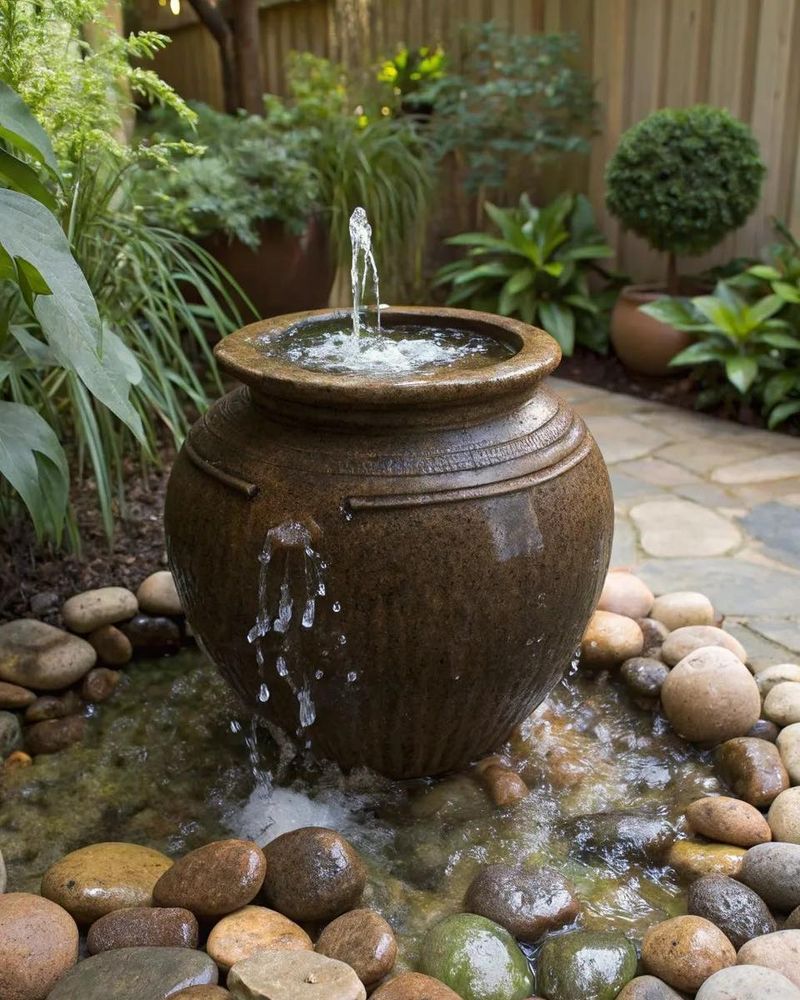
Michigan soil does not stay the same year-round, and clay is especially dramatic about it. During wet seasons, clay absorbs water and swells noticeably.
During dry summers, it shrinks and cracks. This cycle of expansion and contraction puts real stress on any water feature, especially one that is rigid or poorly positioned.
Choosing a flexible EPDM rubber liner instead of a rigid preformed shell gives your pond the best chance of surviving Michigan’s soil movement.
EPDM liners can stretch and shift slightly without cracking or tearing, which makes them far more forgiving when clay pushes and pulls around them.
Look for liners that are at least 45 mils thick for durability, and always use a quality underlayment beneath the liner to prevent punctures from rocks or roots.
Edging materials matter a lot here too. Natural flagstone or fieldstone edging has some flexibility and can be reset if soil movement shifts a few pieces.
Mortared concrete edges, on the other hand, crack easily when clay moves and are much harder to repair. Loose-laid stone edging with a little sand base beneath it is a more forgiving and attractive choice for Michigan conditions.
Placement plays a role in how much seasonal movement affects your feature. Areas with heavy shade stay moister longer, which means less dramatic drying and shrinking in summer.
Spots with full sun exposure dry out faster and show more dramatic clay movement.
Choosing a location with partial shade gives your water feature a more stable soil environment through Michigan’s changing seasons, reducing maintenance and extending its lifespan significantly.
6. Choose Plants Suitable For Clay Soil
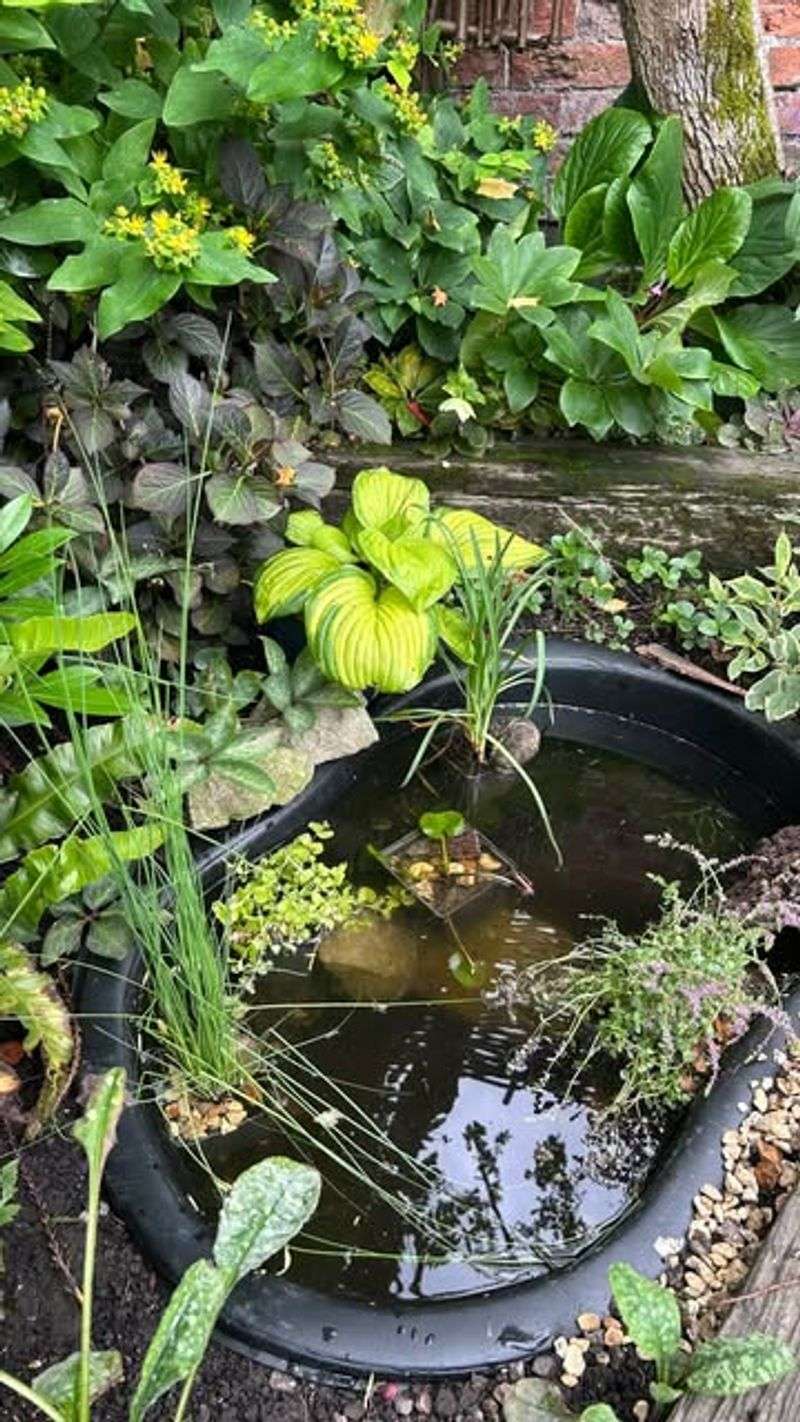
Planting around a water feature is where the real magic happens, but not every plant can handle Michigan’s heavy clay soil and still look gorgeous doing it.
The right plant choices make your water garden feel like a natural, thriving ecosystem rather than a struggling science experiment.
Pickerelweed is a Michigan native that genuinely thrives in wet clay conditions. Its tall purple flower spikes bloom from early summer through fall, attracting pollinators and adding bold vertical interest to pond edges.
Blue Flag Iris is another outstanding choice, tolerating both wet clay and shallow water with ease. Its striking blue-violet blooms in late spring are a showstopper, and it spreads gradually to fill in bare edges beautifully.
Sweetflag, particularly the variegated form Acorus calamus Variegatus, is a low-maintenance marginal plant that loves wet clay. Its grass-like foliage adds texture and stays attractive even when it is not in bloom.
For deeper water zones, native Yellow Pond Lily handles Michigan conditions well and provides important shade that helps control algae growth naturally.
Spacing and planting method matter for long-term success. Most aquatic and marginal plants do best when planted in fabric aquatic baskets filled with heavy garden soil or clay-based aquatic planting mix rather than directly in the pond bottom.
This keeps roots contained, makes repositioning easier, and prevents soil from clouding the water.
Space marginal plants 12 to 18 inches apart to allow for healthy growth while keeping the pond edge looking intentional, lush, and ecologically balanced throughout the growing season.
7. Plan For Winter Protection
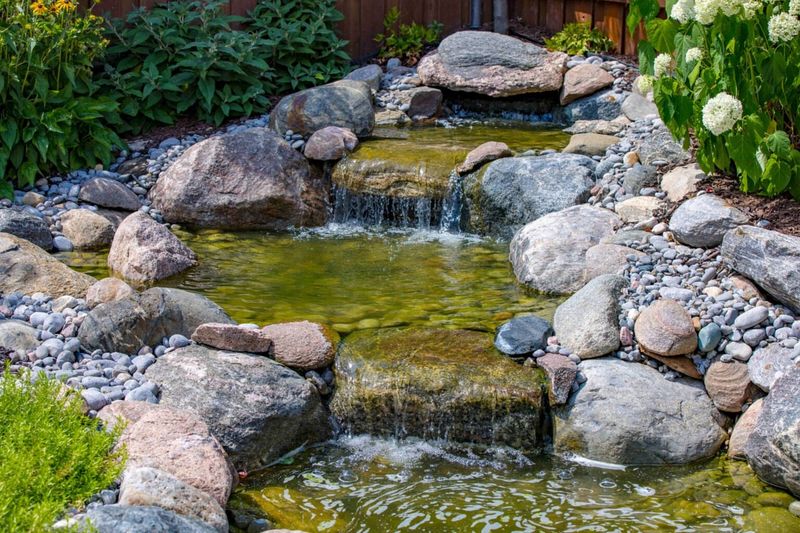
Winter in Michigan is not gentle, and a water feature that is not properly prepared can come out of the cold season cracked, leaking, or worse.
Temperatures regularly drop well below freezing, and the freeze-thaw cycles that happen throughout late fall and early spring are especially tough on pond liners, pumps, and edging materials.
The most important task before winter hits is removing and storing your pump. Water left inside a pump will freeze, expand, and crack the housing, rendering it useless by spring.
Clean the pump thoroughly, let it dry completely, and store it in a frost-free location like a garage or basement.
If your pump sits in a large, deep pond and you prefer to leave it running, move it off the pond bottom so it circulates the full water column and reduces ice formation. A floating pond de-icer or aerator is a worthwhile investment for Michigan winters.
These devices do not heat the entire pond, they simply maintain a small open hole in the ice, which allows harmful gases to escape and keeps the pond environment healthier.
This is especially valuable if you keep fish in your water feature through the winter months.
Hardy aquatic plants like Blue Flag Iris and native water lilies generally survive Michigan winters without much intervention, but cutting back dry foliage in late fall keeps things tidy and reduces debris in the water.
Tender tropical plants should be brought indoors before the first hard frost. A little preparation each fall means your water feature will be ready to shine again come spring, with minimal repair work needed.