Aphids Are Currently Attacking These Texas Garden Plants (Here Is How To Stop Them)
Aphid pressure in Texas gardens climbs sharply in early summer, and the plants bearing the brunt of it right now are not random targets.
Aphids have clear preferences, and they find their way to the most vulnerable and most palatable plants in a garden with a consistency that experienced Texas gardeners learn to anticipate.
The damage they cause compounds quickly once populations build, and the window between a manageable infestation and a serious one can be surprisingly short in the Texas heat.
Knowing which plants are currently under the most pressure and what effective intervention actually looks like at this stage of the season gives Texas gardeners a practical starting point that general aphid advice rarely provides.
Some approaches work well right now and others are a waste of time or make the problem worse, and that distinction matters more when the infestation is active and the plants showing damage are ones you have put real effort into growing.
1. Rose
Few garden plants are as beloved as the rose, but aphids seem to know that too. These tiny pests have a serious weakness for the soft, new growth that roses push out during warm Texas weather.
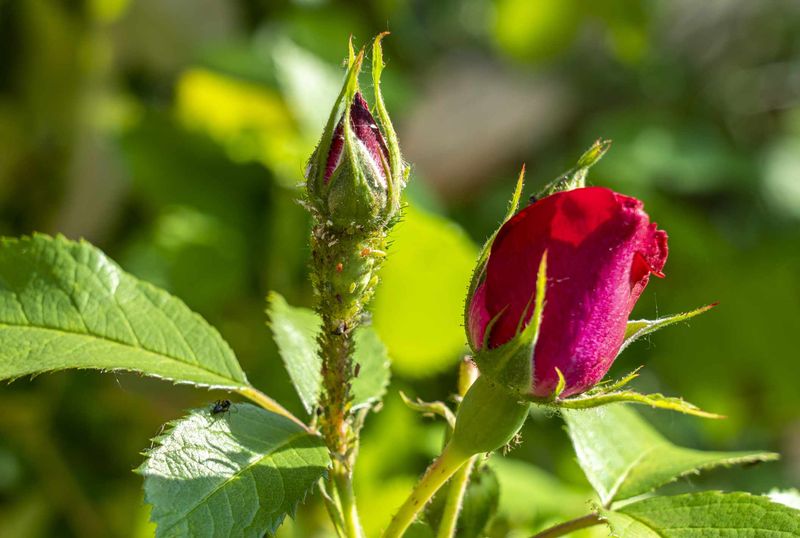
You will often spot them clustered tightly on fresh buds, young stems, and newly opened leaves, draining the plant’s energy before it even gets a chance to bloom.
Aphids on roses are usually green, yellow, or pinkish in color, making them a little easier to spot against the reddish new foliage. They reproduce incredibly fast, so a small group can turn into a massive infestation within just a few days.
Catching them early makes a huge difference in how easy they are to manage. One of the simplest and most effective control methods is blasting them off with a strong stream of water from a garden hose.
Aim at the undersides of leaves and around the bud areas where they like to hide. For heavier infestations, insecticidal soap spray works really well.
Mix it according to the label directions and apply it directly to the affected areas, making sure to coat the undersides of leaves thoroughly.
Repeat applications every few days until the aphid population drops. You can also encourage natural predators like ladybugs, which absolutely love snacking on aphids.
Avoid over-fertilizing your roses with nitrogen-heavy fertilizers, since that encourages the kind of lush, soft growth that aphids find most attractive.
Keeping your roses healthy and well-watered actually helps them recover faster and resist future attacks with much greater success.
2. Tomato
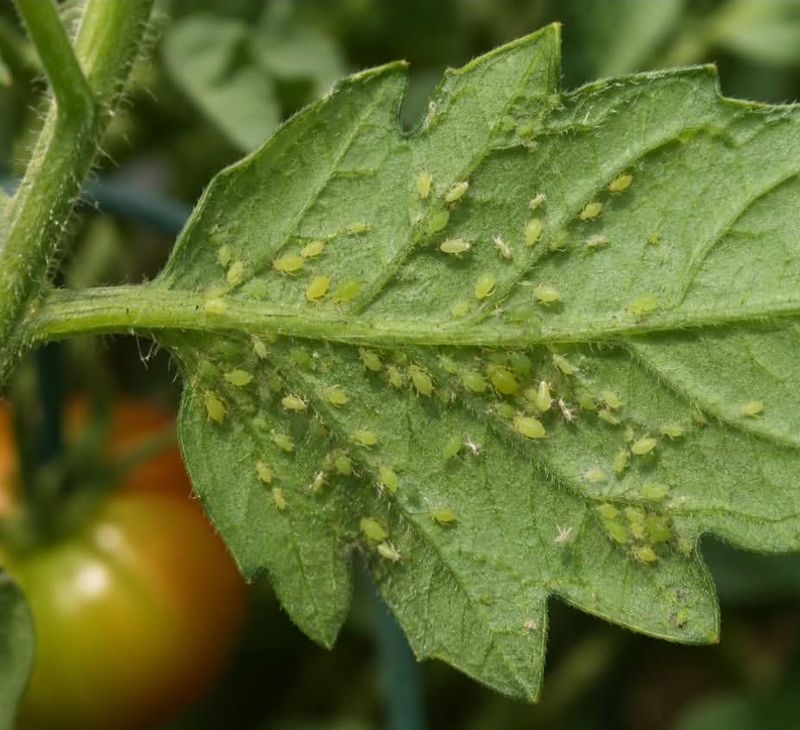
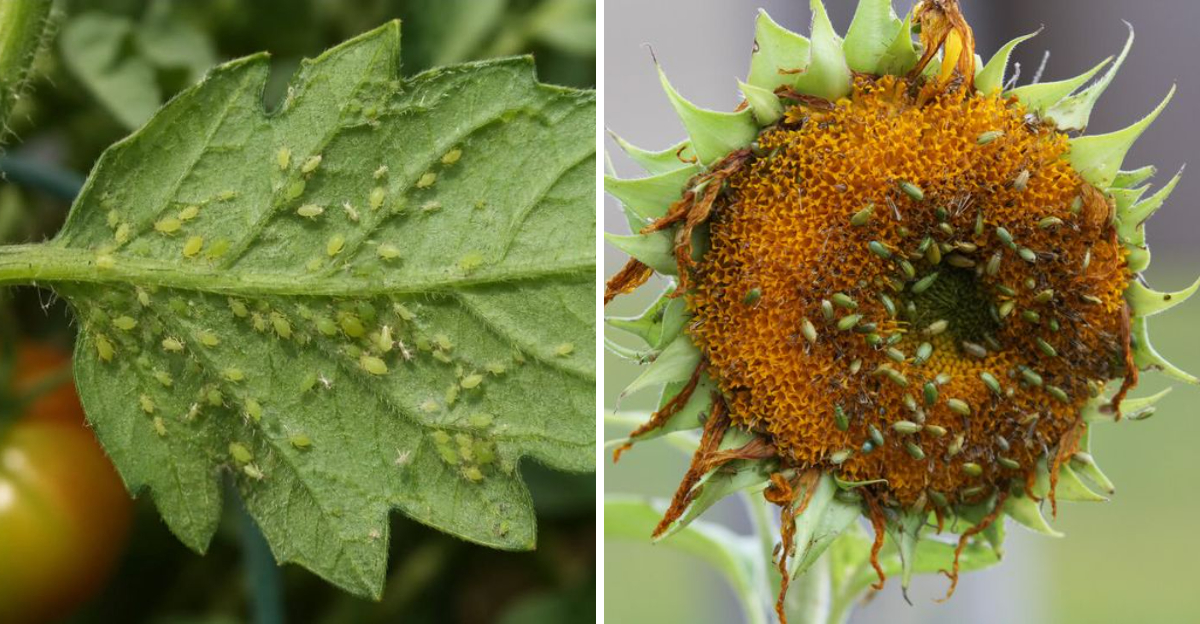
Walk up to your tomato plants on a warm Texas morning and flip over a leaf. If you see tiny, pale green clusters of soft-bodied insects packed tightly together, you have got an aphid problem.
Tomatoes are one of the most popular backyard crops in Texas, and unfortunately, aphids know exactly how good they have it on these plants.
Aphids on tomatoes tend to gather along the stems and on the undersides of leaves, which makes them easy to miss during a quick visual check.
Your Texas Garden Changes Every Week. Your Plan Should Too.
Gardening in Texas changes quickly throughout the season. Every Friday you’ll receive a simple weekly plan showing exactly what to plant, prune, fertilize, harvest, and protect so you never miss the right timing.
They excrete a sticky substance called honeydew as they feed, which can attract ants and lead to a black, sooty mold forming on the plant’s surface. That mold blocks sunlight and slows down growth even further.
One of the best long-term strategies for managing aphids on tomatoes is to bring in their natural enemies. Ladybugs and lacewings are both excellent predators that feed on aphids without harming your plants.
You can purchase these beneficial insects from garden centers or online and release them directly into your garden during the evening hours when they are less likely to fly away immediately.
For faster results, spray the affected plants with insecticidal soap or a diluted neem oil solution. Focus especially on the undersides of leaves, since that is where most of the aphids will be hiding.
Remove any heavily infested leaves and dispose of them away from the garden. Checking your tomato plants every two to three days during peak season gives you the best chance of catching new outbreaks before they spread too far across the garden.
3. Cabbage / Brassicas
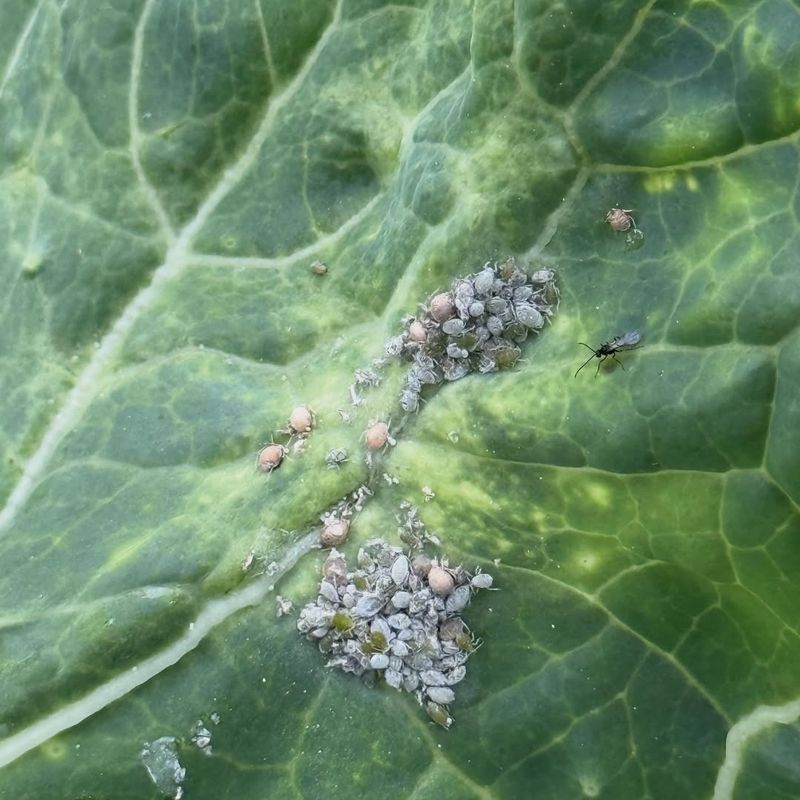
Cabbage aphids are a different breed from most garden aphids, and experienced Texas gardeners will tell you they mean business. These pests have a distinctive gray-green, waxy coating that makes them look almost powdery.
They tend to show up in dense, tightly packed colonies on young leaves, and they are notoriously stubborn to get rid of once they settle in.
Brassicas like cabbage, broccoli, kale, and collard greens are all vulnerable. The younger and more tender the plant, the more attractive it is to these pests.
They feed on the undersides of leaves and along the central stalk, causing leaves to curl inward, turn yellow, and lose their crispness. In severe cases, young transplants can struggle to establish themselves at all.
Neem oil is one of the most reliable organic options for tackling cabbage aphids. It works both as a contact spray and as a systemic deterrent, meaning the plant absorbs it and becomes less tasty to pests over time.
Mix neem oil with water and a small amount of dish soap to help it stick, then spray it thoroughly over the entire plant, paying close attention to the leaf undersides.
Removing heavily infested outer leaves by hand is also a practical first step before spraying, since it immediately reduces the aphid population. Row covers can protect young transplants before aphids arrive.
Planting nasturtiums nearby is a clever trick too, since aphids are drawn to them and will often cluster on nasturtiums instead of your vegetables. Rotate your brassica crops each season to reduce recurring infestations in the same garden beds.
4. Zinnia
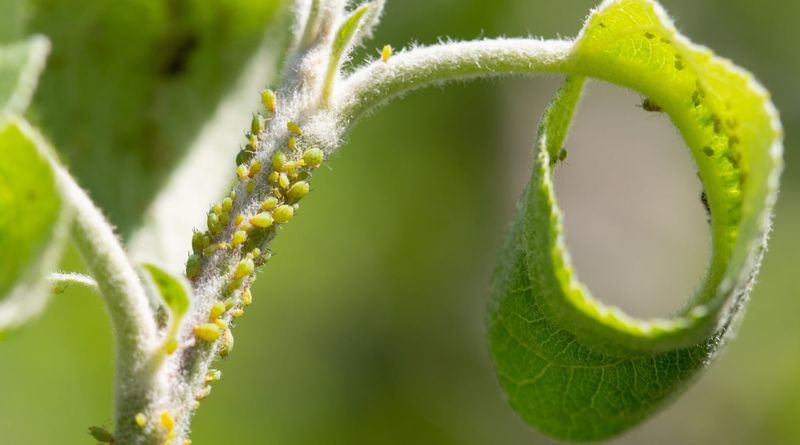
Zinnias are the workhorses of the Texas summer garden, blazing with color even through brutal heat. But all those bright, tender blooms and fresh green leaves?
Aphids find them just as appealing as we do. These pests tend to zero in on zinnias during the hottest months, especially when plants are actively pushing out new growth and flower buds.
You might first notice the problem when flower buds start looking misshapen or when leaves develop a sticky, shiny coating. That stickiness is honeydew, the waste product aphids leave behind as they feed.
Ants are often a telltale sign too, since they are attracted to honeydew and will actually protect aphid colonies from predators in exchange for it. Spotting ants crawling up and down your zinnias is a good reason to take a closer look at the plant.
Regular inspection is your best defense with zinnias. Walk through your garden every few days and check the undersides of leaves and around developing flower heads.
When you spot a small cluster early, a quick pruning of the affected stem or leaf can stop the problem before it spreads. Dropping infested plant material into a sealed bag and disposing of it away from the garden prevents the aphids from simply crawling back.
Encouraging pollinators and beneficial insects into your garden also helps keep aphid populations in check naturally. Plants like dill, fennel, and yarrow attract parasitic wasps that target aphids.
For active infestations, a spray of insecticidal soap applied every three to four days works well. Keep your zinnias deadheaded regularly, since fresh, healthy blooms are less vulnerable than stressed or overcrowded plants sitting in stagnant conditions.
5. Hibiscus
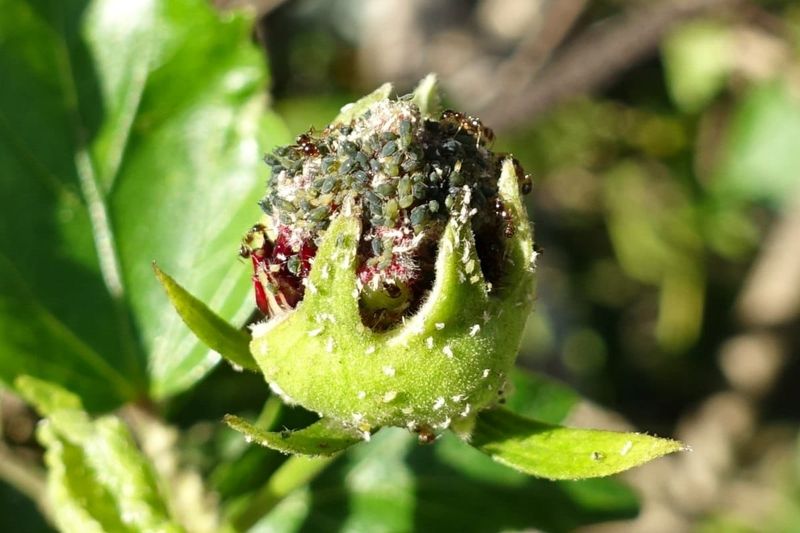
Hibiscus plants are a staple of Texas landscapes, bringing those big, showy blooms that make front yards and backyard gardens look like something out of a tropical paradise.
What most gardeners do not realize, though, is that hibiscus is one of the top targets for aphids in the state.
The soft, fleshy new shoots and swelling flower buds are practically an invitation for these pests to move in.
Aphids on hibiscus tend to be yellow or pale green and are often found gathered in tight clusters around the very tips of new growth and along the base of unopened buds.
When the infestation gets heavy, buds may fail to open properly or may drop off altogether before they get a chance to bloom.
Leaves near the feeding sites often become puckered, curled, or distorted in a way that is hard to miss once you know what to look for.
Insecticidal soap is the go-to treatment for hibiscus aphids. It is gentle enough not to harm the plant, but effective enough to knock back even a large colony within a few applications.
The key is thorough coverage, especially on the undersides of leaves and around the bud areas where aphids tend to congregate in the highest numbers.
After spraying, rinse the plant with clean water about an hour later to remove any soap residue that might cause leaf burn in the hot Texas sun. Repeat the treatment every three to five days for at least two weeks.
Avoid heavy nitrogen fertilization, since that stimulates the exact type of lush, soft growth that aphids target most aggressively on hibiscus plants throughout the growing season.
6. Okra
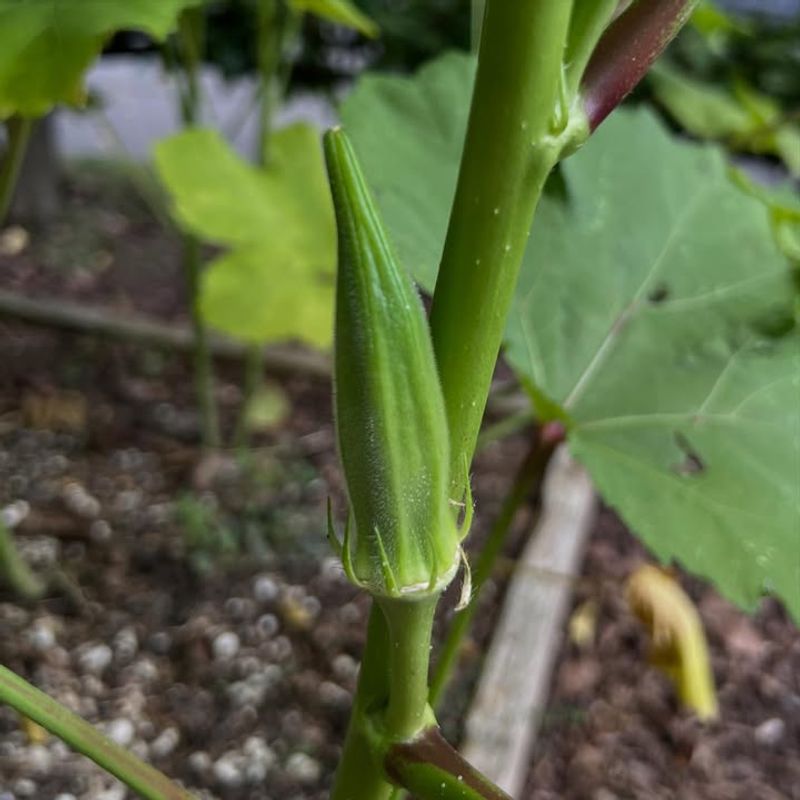
Okra is tough. It laughs at the Texas summer heat and keeps on producing when most other vegetables have given up.
But even this resilient plant has a weakness, and aphids have figured it out. Young okra pods and the tender leaves surrounding them are surprisingly vulnerable to aphid feeding, especially early in the growing season when plants are still establishing themselves.
Aphids on okra are often found in clusters on the undersides of younger leaves and around the base of developing pods. They can cause the leaves to yellow and curl, and in heavy infestations, they slow down pod production noticeably.
Because okra grows fast, it can sometimes outpace light aphid pressure on its own, but a heavy infestation left unchecked will absolutely set back your harvest.
A strong blast of water from a garden hose is one of the fastest ways to knock aphids off okra plants. Aim the spray at the undersides of leaves and around the young pods, since that is where most of the pests will be concentrated.
This method works best in the early morning so the plant has time to dry out before the heat of the day sets in, reducing the risk of fungal issues.
For more persistent problems, neem oil spray is highly effective on okra and safe for use right up until harvest, as long as you follow the label directions. Apply it in the early morning or late evening to avoid leaf burn.
Check your plants every few days and reapply as needed. Keeping the area around your okra plants free of weeds also helps, since weeds can harbor aphid colonies that spread to your crops over time.
7. Sunflower
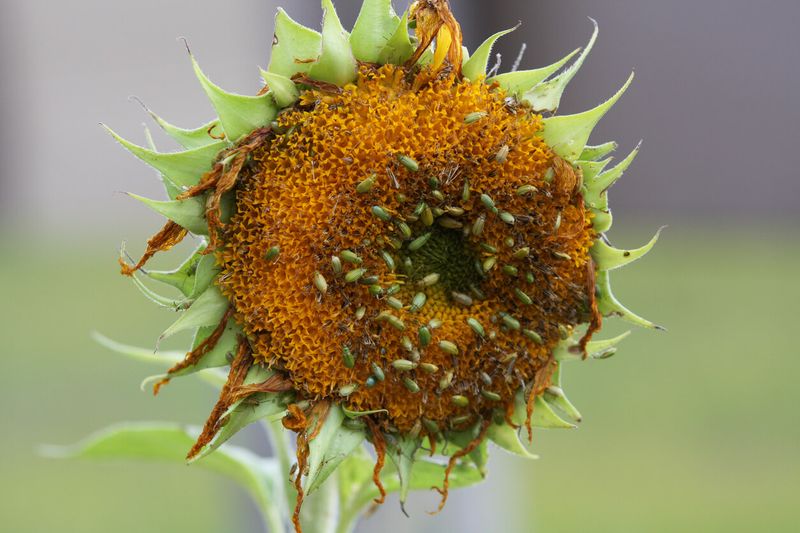
There is something almost cheerful about a row of sunflowers standing tall in a Texas garden. But look closely at the base of those big flower heads, and you might find something less cheerful hiding there.
Aphids love to gather right where the flower head meets the stem, as well as along the upper portions of the main stalk, making them easy to overlook until the colony has grown quite large.
Sunflower aphids are often dark-colored, ranging from black to dark olive green, which makes them stand out clearly against the pale green stems. They can cause the flower heads to droop prematurely and the upper leaves to curl or turn yellow.
In severe cases, the sticky honeydew they leave behind can coat the plant and attract sooty mold, which interferes with photosynthesis and makes the whole plant look grimy and stressed.
The single most important thing you can do for sunflowers is monitor them regularly. Because sunflowers grow tall, the aphid colonies up near the flower heads can go unnoticed for a long time.
Make it a habit to check the upper portions of the plant, not just the lower leaves, during your routine garden walk. Early detection makes every control method far more effective and far less time-consuming.
Encouraging natural predators is especially effective with sunflowers, since the plants attract a wide variety of beneficial insects on their own. Ladybugs, lacewings, and parasitic wasps will all move in if you give them a reason to stay by reducing pesticide use nearby.
For active infestations, a targeted spray of insecticidal soap or neem oil applied directly to the affected areas will bring populations down quickly and effectively.