The Most Underrated Texas Perennial That Repels Deer, Ticks, And Rabbits Naturally
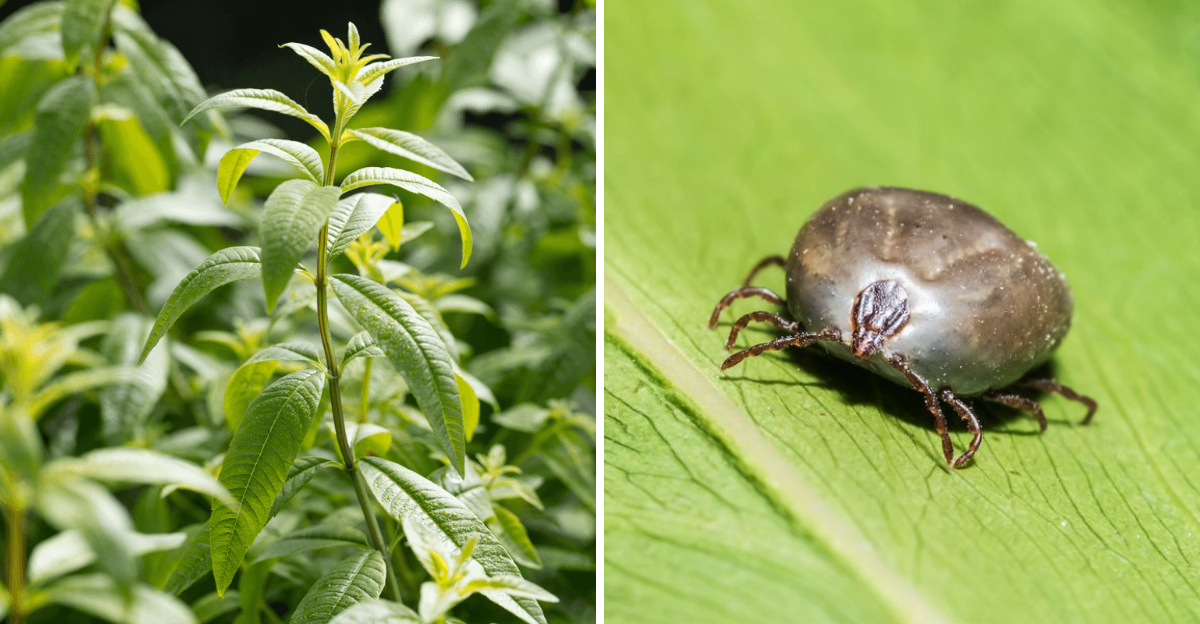
Deer, ticks, and rabbits all in one garden is enough to make any Texas gardener want to give up entirely. Deer browse through carefully tended beds overnight.
Rabbits nibble seedlings down to nothing. And ticks lurk in the vegetation waiting for their next opportunity.
Dealing with all three at once feels like a full time job. But what if one plant could help with all of them?
There’s a Texas perennial that has been quietly earning a reputation for doing exactly that. It naturally repels deer and rabbits with its scent and texture, while also creating an environment that ticks find deeply unappealing.
And it does all of this while being genuinely beautiful, drought tolerant, and perfectly suited to the Texas climate. Most gardeners have never even considered it for pest control.
They’re growing it for the wrong reasons, or not growing it at all. Here’s why that needs to change.
Meet Lemon Verbena
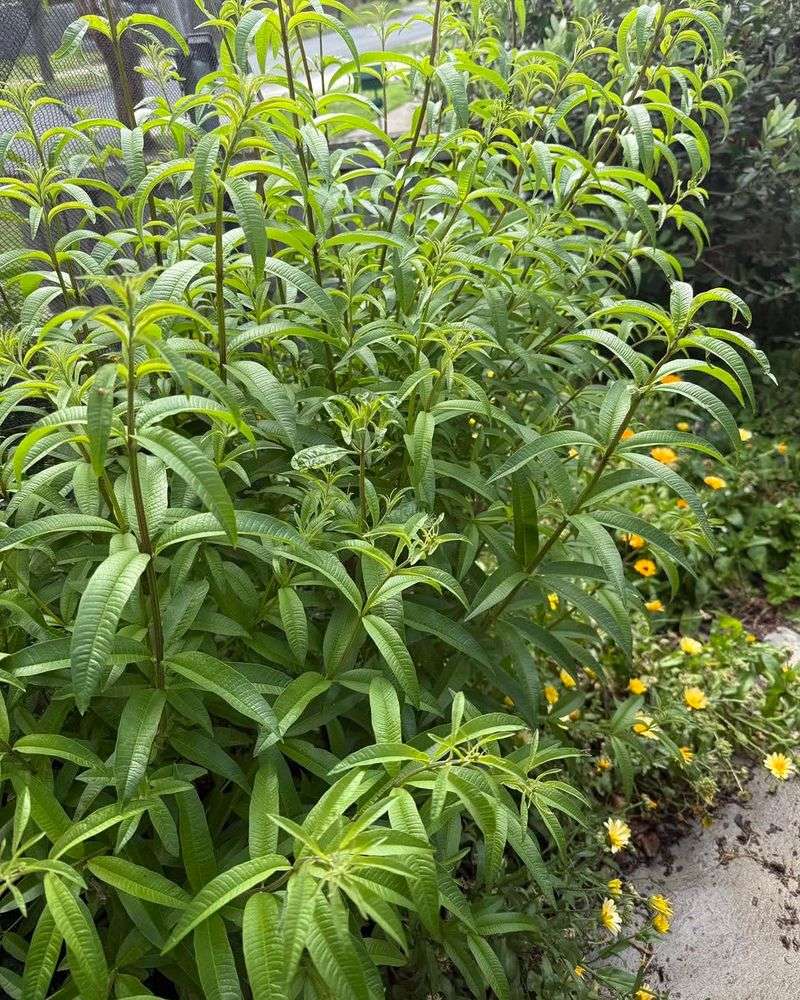
Picture a plant that smells like fresh lemonade every time you brush past it. That is exactly what lemon verbena brings to your Texas garden.
Known by its scientific name Aloysia citrodora, this perennial has been grown for centuries and is still one of the most underappreciated plants around.
Lemon verbena grows tall and bushy, with long, narrow, bright green leaves that release a bold citrus scent when touched. The fragrance is sharp, clean, and instantly refreshing.
Gardeners in warm climates have used it for cooking, teas, and natural pest control for a very long time.
In Texas, lemon verbena truly thrives. It loves full sun and does best in well-drained soils, which are very common across much of the state.
The Texas heat that wilts other plants actually encourages lemon verbena to grow strong and full.
You can plant it in garden beds, along borders, or even in large containers on your patio. It grows quickly during the warm months and can reach three to five feet tall in a single season.
During winter, it may lose its leaves, but it bounces back reliably each spring. One of the coolest things about this plant is how much work it does without any effort from you. Just by growing, it creates a scent barrier that wildlife and pests find very unpleasant.
Gardeners across Texas are slowly discovering that lemon verbena is the quiet workhorse their garden has always needed. Once you plant it, you will wonder why you waited so long.
Natural Deer Repellent
Deer are beautiful animals, but they can absolutely wreck a garden overnight. One morning your tomatoes look great, and the next morning half of them are gone.
Many Texas gardeners spend a lot of money on fencing and sprays trying to stop deer damage, but lemon verbena offers a completely natural solution.
Deer rely heavily on their sense of smell when they search for food. They are drawn to mild, sweet-smelling plants and tend to avoid anything with a strong or unfamiliar scent.
Lemon verbena has a very powerful citrus aroma that deer simply do not like. When they get close and catch that scent, most of them turn around and look for food somewhere else.
Your Texas Garden Changes Every Week. Your Plan Should Too.
Gardening in Texas changes quickly throughout the season. Every Friday you’ll receive a simple weekly plan showing exactly what to plant, prune, fertilize, harvest, and protect so you never miss the right timing.
Planting lemon verbena around the edges of your vegetable beds or flower borders creates a natural scent barrier. You do not need any chemicals, sprays, or fencing.
The plant itself does the work just by being there and releasing its fragrance into the air around it.
For the best results, plant lemon verbena in a continuous row or cluster near the areas you want to protect. Spacing plants about two feet apart gives good coverage and lets each plant grow to its full size.
Trim them occasionally to encourage fresh leaf growth, which keeps the scent strong and active.
Deer pressure in Texas can be intense, especially in rural and suburban areas. Having a reliable, chemical-free repellent that also looks great and smells wonderful is a major win for any gardener.
Lemon verbena handles deer deterrence quietly and effectively, season after season, without any extra work from you.
Tick And Insect Deterrent
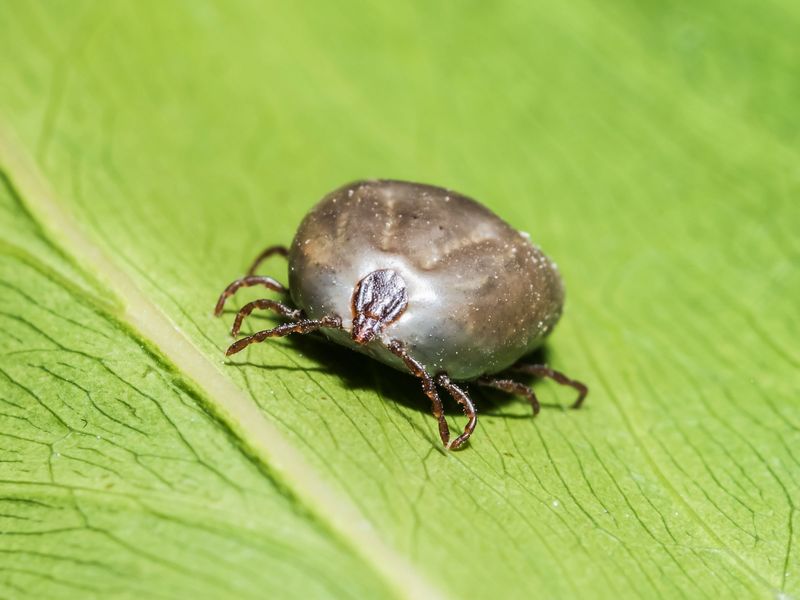
Spending time outdoors in Texas is one of life’s great pleasures, but ticks and nuisance insects can turn a fun afternoon into a frustrating one. Ticks in particular are a real concern for families with kids and pets who love spending time in the yard.
Many people reach for chemical sprays, but there is a more natural option growing right in your garden.
Lemon verbena contains natural compounds, including citral and limonene, that are found in many commercial insect repellents.
These compounds give the plant its signature lemony scent, and they also happen to be very effective at discouraging ticks and other insects from hanging around.
When the plant grows in your yard, it releases these aromatic compounds into the surrounding air.
Research has shown that plants with high citral content can reduce tick activity in nearby areas. Planting lemon verbena along walkways, garden paths, and near seating areas can help create a more comfortable outdoor environment for your whole family.
Rubbing a few leaves on your skin before going outside can also provide some short-term personal protection.
Beyond ticks, lemon verbena also helps keep away gnats, mosquitoes, and some other bothersome insects.
Having a few well-placed plants near your patio or outdoor dining area can make evenings outside much more enjoyable. It works quietly in the background without any sprays or treatments.
For pet owners especially, this is a fantastic benefit. Dogs and cats that roam the yard are at risk from ticks, and having a natural deterrent growing nearby adds a helpful layer of protection. Lemon verbena supports safer, more relaxed outdoor living for everyone.
Rabbit Repellent
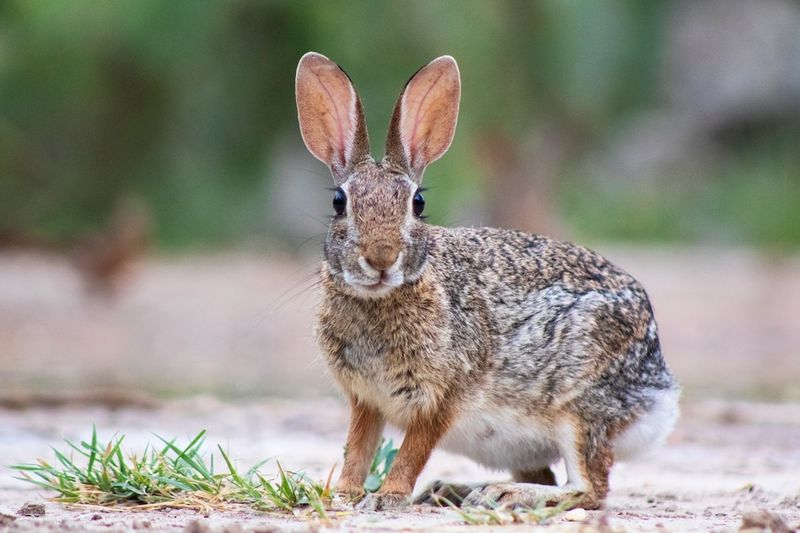
Rabbits look adorable hopping through the yard, but ask any gardener who has lost a bed of young seedlings to them and you will hear a very different story.
Rabbits are fast, quiet, and surprisingly destructive. They go after tender young plants, fresh herbs, and leafy vegetables with zero hesitation.
Lemon verbena works as a rabbit repellent in two powerful ways. First, the strong citrus fragrance is overwhelming to a rabbit’s sensitive nose.
Rabbits prefer mild, sweet-smelling plants and will avoid areas where lemon verbena is growing. Second, if a rabbit does try to nibble on the leaves, the intense flavor is very unpleasant, and they quickly move on to find something more appealing.
Using lemon verbena as a protective border plant is one of the smartest moves a Texas gardener can make. Plant it around the edges of raised beds, vegetable patches, or flower gardens where young and delicate plants need the most protection.
A well-placed row of lemon verbena acts like a living fence that rabbits simply do not want to cross.
Unlike physical barriers like chicken wire or plastic edging, lemon verbena actually improves the look of your garden.
It adds height, texture, and a wonderful fragrance that makes spending time in the garden even more enjoyable. You get protection and beauty at the same time.
Container gardening fans will be happy to know that lemon verbena grows very well in pots too.
Placing a container near vulnerable plants on a porch or patio can help keep rabbits from targeting your favorite herbs and flowers. It is a simple, effective, and completely natural solution.
Pollinator-Friendly
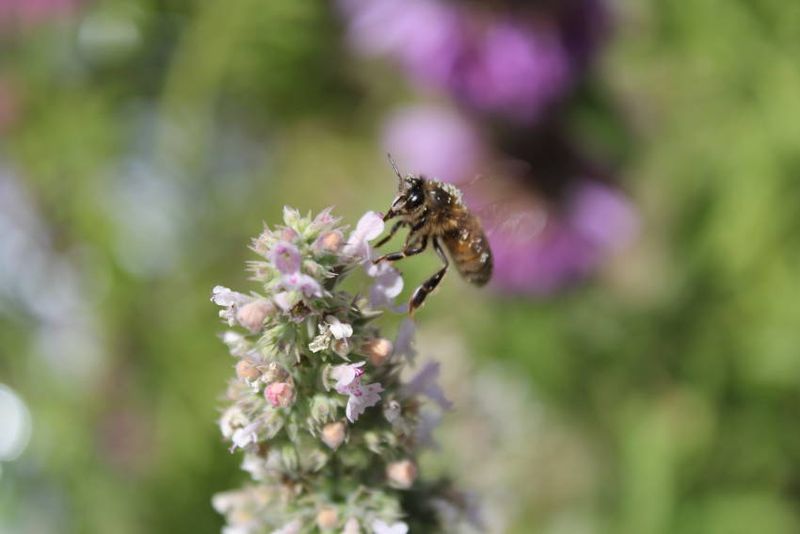
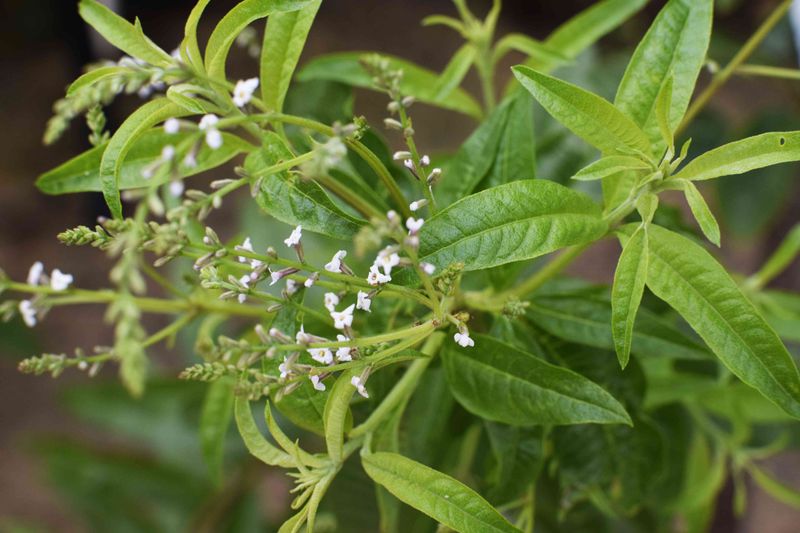
Here is something that surprises a lot of people: a plant that repels pests can also be a magnet for the good guys. Lemon verbena blooms in summer, producing clusters of tiny white flowers along its stems.
These flowers may be small, but they are packed with nectar that bees and butterflies absolutely love.
Pollinators are essential for a healthy garden. Without bees and butterflies visiting your flowers and vegetable plants, you would get far less fruit and fewer blooms.
Planting lemon verbena supports your local pollinator population in a meaningful way. More pollinators in your garden means better harvests and healthier plants all around.
What makes lemon verbena especially valuable is that it handles two jobs at once. While it is actively repelling deer, ticks, and rabbits, it is also drawing in the bees and butterflies your garden needs.
Very few plants offer that kind of dual benefit, which is one reason why experienced gardeners hold it in such high regard.
Butterflies like swallowtails and skippers are commonly seen visiting lemon verbena flowers during the summer months in Texas. Bumblebees and honeybees are also frequent visitors.
If you want to support these helpful creatures while also protecting your garden from pests, lemon verbena is one of the best choices available.
Planting lemon verbena near your vegetable garden or fruit trees can noticeably improve pollination rates over a single growing season. It is a small change with a big ripple effect.
Supporting pollinators is one of the most important things a home gardener can do, and lemon verbena makes it easy and effortless.
Low-Maintenance And Versatile
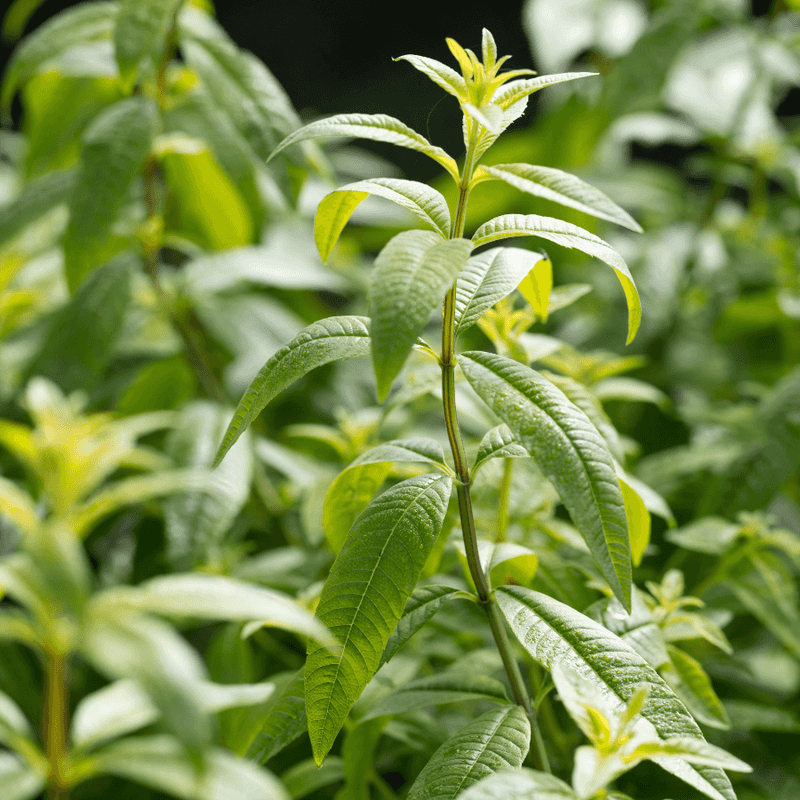
Not everyone has hours to spend in the garden every week, and that is completely okay. Lemon verbena was practically made for busy gardeners.
Once it gets established in your yard, it needs very little attention to keep growing strong and doing its job.
Watering is minimal once the roots are settled in, which usually takes one full growing season. After that, lemon verbena handles Texas summers with ease, only needing a deep watering during extended dry spells.
It is naturally drought-tolerant, which is a huge advantage in a state where summer heat can be brutal and water bills can climb quickly.
Light pruning is all this plant needs to stay healthy and productive. Trimming it back in early spring encourages fresh new growth and keeps the plant looking neat and full.
You can also harvest stems throughout the growing season for teas, cooking, or homemade sachets without harming the plant at all.
Versatility is another huge selling point. Lemon verbena fits naturally into herb gardens, mixed borders, container gardens, and raised bed setups.
Plant it along a fence line, tuck it into a corner of your patio, or use it as a fragrant walkway plant. It works beautifully in almost any garden layout.
For Texas gardeners looking to get maximum value from a single plant, lemon verbena delivers on every level. It protects, attracts, smells amazing, and requires almost no upkeep.
Whether you are just starting your garden journey or looking to upgrade your existing setup, adding lemon verbena is one of the easiest and most rewarding decisions you can make this season.