How Long To Wait Before Cutting Heat-Damaged Plants In Florida
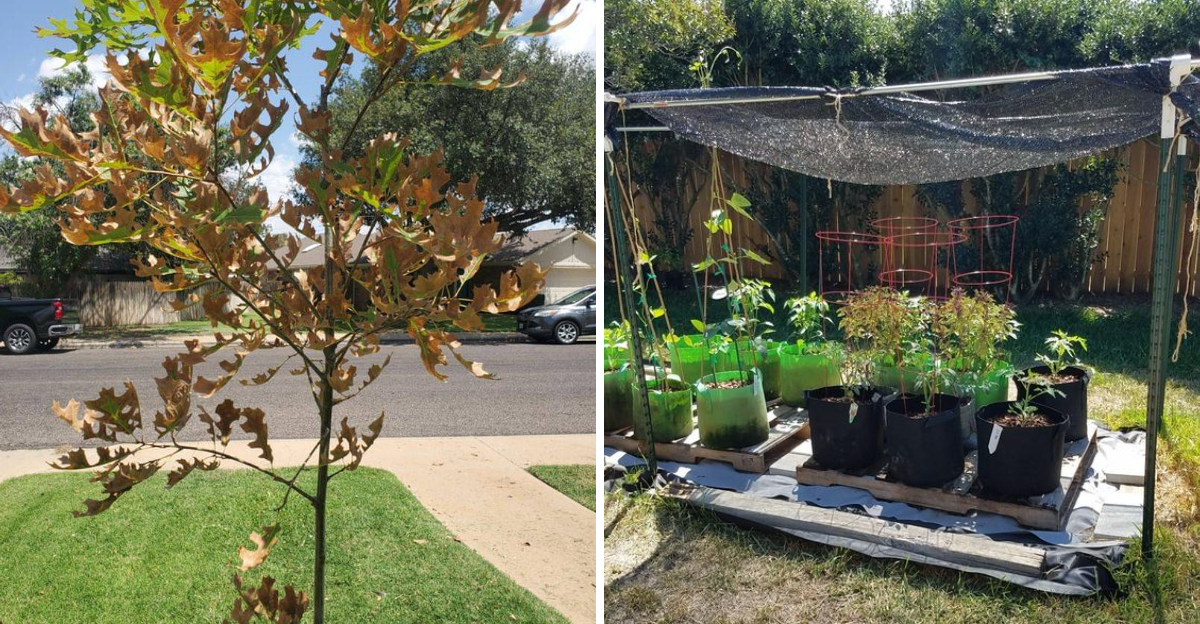
The instinct after heat damage is to grab the pruners and cut. Get rid of what looks bad, clean up the mess, give the plant a fresh start.
It is a reasonable instinct and in Florida summers it is almost always the wrong move made too soon. Timing matters more than most Florida gardeners realize when it comes to cutting heat-damaged plants.
Cut too early and you remove growth the plant was actively using to recover. Cut at the wrong time and you trigger new tender growth right before another heat wave rolls through.
The window for cutting is real. It exists and it makes a difference.
But it is not when most people reach for the pruners. Florida’s summer pattern creates a specific set of conditions that determine when cutting actually helps versus when it sets a struggling plant further back.
That timing is worth understanding before anything gets cut.
1. Wait Until You Know The Plant Is Still Growing
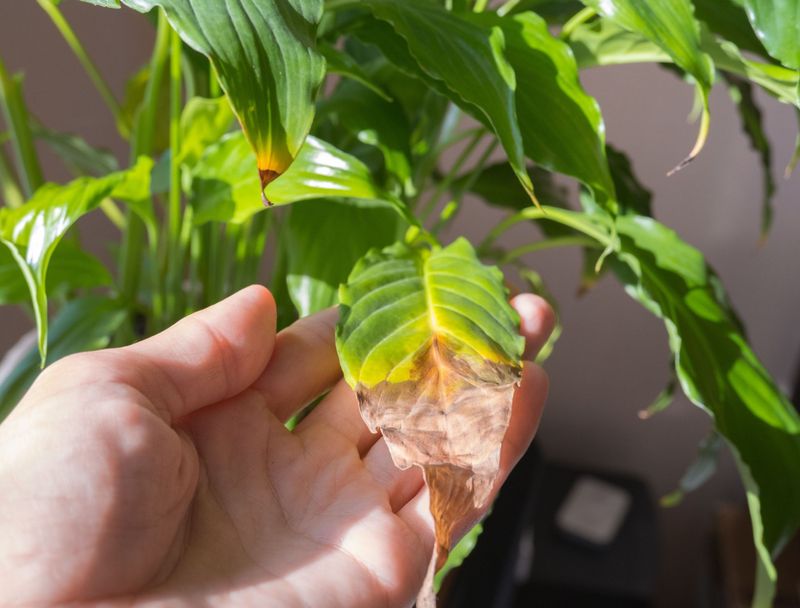
A scorched plant after a Florida heat wave can look completely finished, but appearances can mislead even experienced gardeners. Before making any significant cuts, wait until you can tell whether the plant is still actively growing.
That waiting period varies widely. Annuals may show signs within a few days, while woody shrubs, perennials, and palms may need two to four weeks or longer before recovery becomes visible.
Look for specific signs that the plant is still alive and working. Flexible stems that bend without snapping are a good indicator.
Firm crowns on perennials, living buds along branches, or new shoots pushing up from the base all suggest the plant has not given up.
Sometimes leaf color begins improving slightly, shifting from dull brown toward a softer tan or showing tiny flushes of green at the edges.
Checking for green tissue beneath the bark on woody stems can also help, though scratching should be done lightly and sparingly to avoid adding more stress. Root health plays a big role too.
A plant with a strong, moist root zone is far more likely to recover than one sitting in dry, compacted soil. UF/IFAS Extension guidance supports waiting for visible signs of recovery before removing large amounts of plant material.
Patience here protects the plant and saves unnecessary work.
2. Check Stems Before Cutting Back Crispy Leaves
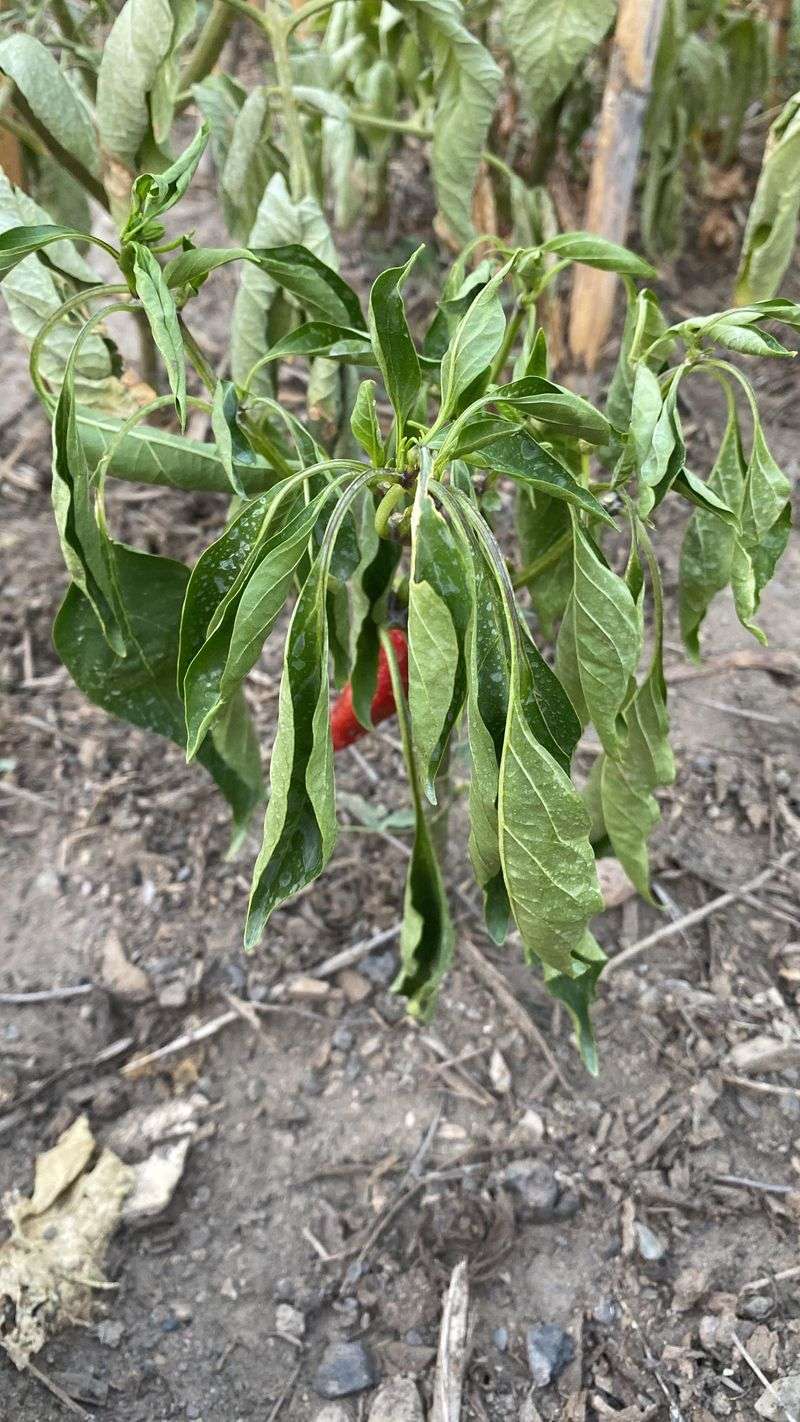
Brown, papery leaves can make a heat-stressed plant look far worse than it actually is. Before removing foliage, take a few minutes to inspect the stems and crowns carefully.
A plant may have significant leaf scorch on the outside while still holding plenty of living tissue underneath.
Start by gently bending a stem between your fingers. A stem that flexes without cracking is likely still alive.
On woody ornamentals or shrubs, you can lightly scratch the outer surface of a branch with your fingernail to check for green or white tissue just beneath. Green inner tissue is a strong sign the branch is still functioning.
Avoid scratching multiple spots on the same plant, since each small wound adds minor stress during an already difficult time.
Your Florida Garden Changes Every Week. Your Plan Should Too.
Gardening in Florida changes quickly throughout the season. Every Friday you’ll receive a simple weekly plan showing exactly what to plant, prune, fertilize, harvest, and protect so you never miss the right timing.
On perennials, press gently on the crown at soil level. A firm, solid crown usually means the plant has living tissue ready to push new growth when conditions improve.
Also check the moisture level of the root zone by pressing a finger two to three inches into the soil. Dry roots slow recovery significantly.
UF/IFAS Gardening Solutions notes that leaf scorch is often a surface symptom, not a full-plant verdict.
Stripping foliage based only on brown leaf edges can expose stems and crowns to direct afternoon sun, which adds more stress than the damaged leaves ever caused.
3. Leave Some Damaged Foliage If It Still Shades The Plant
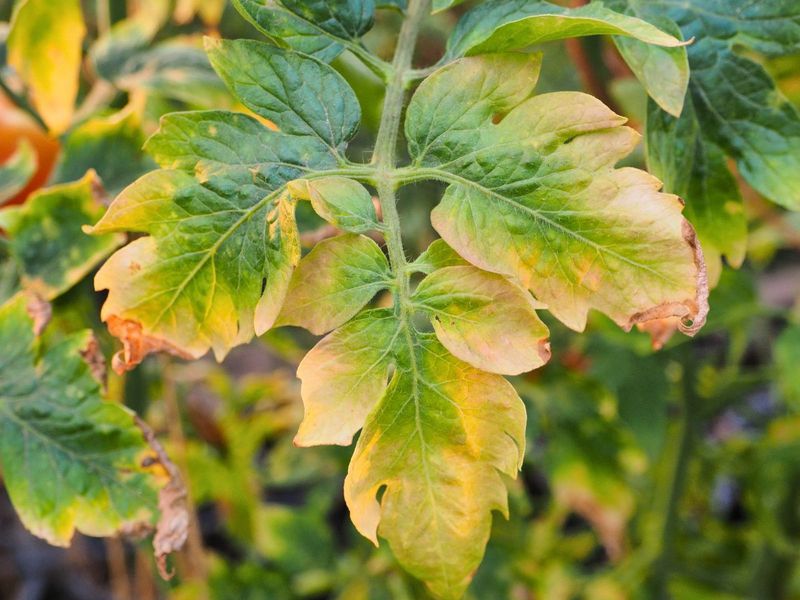
Not every damaged leaf should come off right away. Partly browned or scorched foliage can still do useful work by shading stems, fruit, soil, and crowns from intense afternoon sun.
Removing it all at once can expose sensitive tissue to conditions it is not ready to handle.
Tomatoes and peppers are good examples. Scorched outer leaves on a tomato plant may look rough, but they can still reduce direct sun exposure on developing fruit below.
Pepper plants with partially damaged canopy leaves are shading their main stems. Removing those leaves during a heat wave can lead to sunscald on the fruit or stem damage that sets the plant back further.
Ornamentals, container plants, and newly planted shrubs face similar risks when stripped too aggressively.
A practical approach is to remove foliage that is fully dry, detached, or showing signs of disease first. Leave leaves that are still partially green or that are clearly shading a vulnerable part of the plant.
Florida-Friendly Landscaping principles support gradual cleanup over sudden stripping, especially during summer stress periods. Once temperatures moderate or the plant starts pushing new growth, more of the damaged material can come off safely.
The goal is to protect what is living while slowly cleaning up what is not, rather than giving the plant a harsh trim all at once.
4. Delay Heavy Pruning During Peak Afternoon Heat
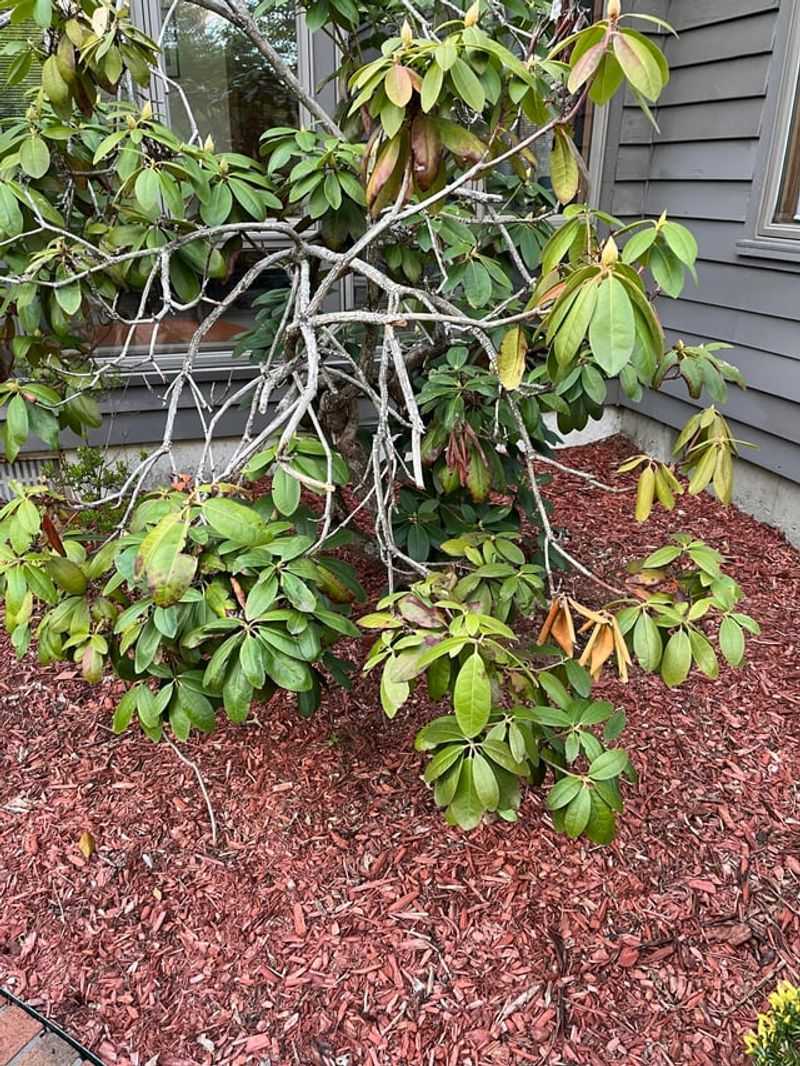
Reaching for the pruners during the hottest stretch of summer feels productive, but heavy cutting during a heat wave can backfire in several ways. Removing large amounts of foliage at once strips the plant of its natural shading system.
Exposed bark and stems can overheat rapidly under direct afternoon sun, especially in sandy or exposed landscapes where reflected heat is intense.
Plants also use their leaves to regulate temperature through a process called transpiration. Removing too much foliage too quickly reduces that cooling ability at exactly the wrong time.
Hard pruning also signals the plant to push new growth, and tender new shoots emerging during extreme heat are especially vulnerable to burning and wilting.
Light cleanup is a different matter. Removing fully detached, diseased, or clearly deceased material is reasonable even during hot weather.
Work during early morning hours when temperatures are cooler and sun angles are lower. UF/IFAS Extension recommends avoiding major pruning during periods of heat and drought stress.
Wait for a stretch of cooler weather, improved soil moisture, or visible signs of plant recovery before making significant cuts. Scheduling heavier pruning for fall gives woody plants and ornamentals the best chance to recover.
By then, temperatures in this state begin to ease, so plants can push healthy new growth without fighting extreme heat.
5. Cut Fully Brown Annuals Sooner Than Woody Shrubs
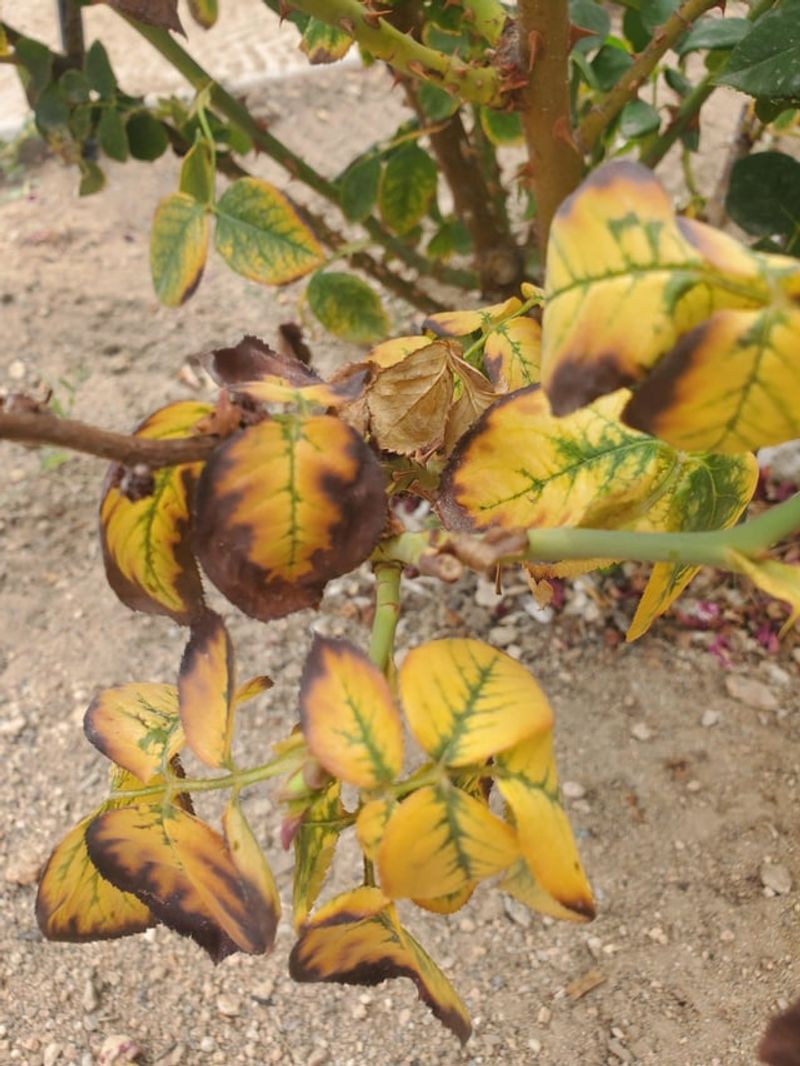
A bed of collapsed, fully brown impatiens or a vegetable plant that stopped producing weeks ago tells a straightforward story.
Short-lived annuals and warm-season vegetables that are completely browned, diseased, or past their productive season can generally be removed sooner.
Woody shrubs or perennials may still regrow from living stems and roots.
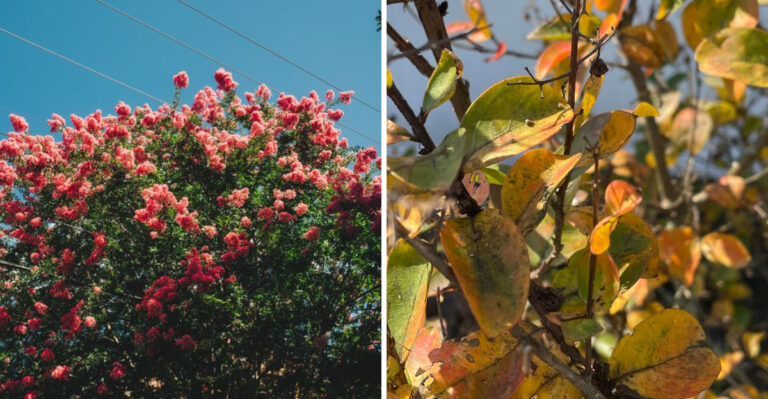
Woody plants are a different situation. A crape myrtle, ixora, or firebush with scorched leaves may look rough after a heat event, but the stems and root system are often still very much alive.
These plants need more time to show where living tissue ends. Cutting back aggressively before that line becomes clear can remove healthy wood that would have leafed out on its own.
Waiting two to four weeks, or until new growth appears, is a reasonable approach for most established woody ornamentals in this state. UF/IFAS Extension materials consistently caution against rushing into heavy pruning on shrubs and trees after stress events.
For annuals and vegetables, though, keeping failed plants in the ground too long can invite fungal issues in warm, humid conditions. Assess each plant individually.
Remove what is clearly finished while giving woody and perennial plants the time they need to show what they can still do.
6. Give New Plantings More Recovery Time Before Trimming
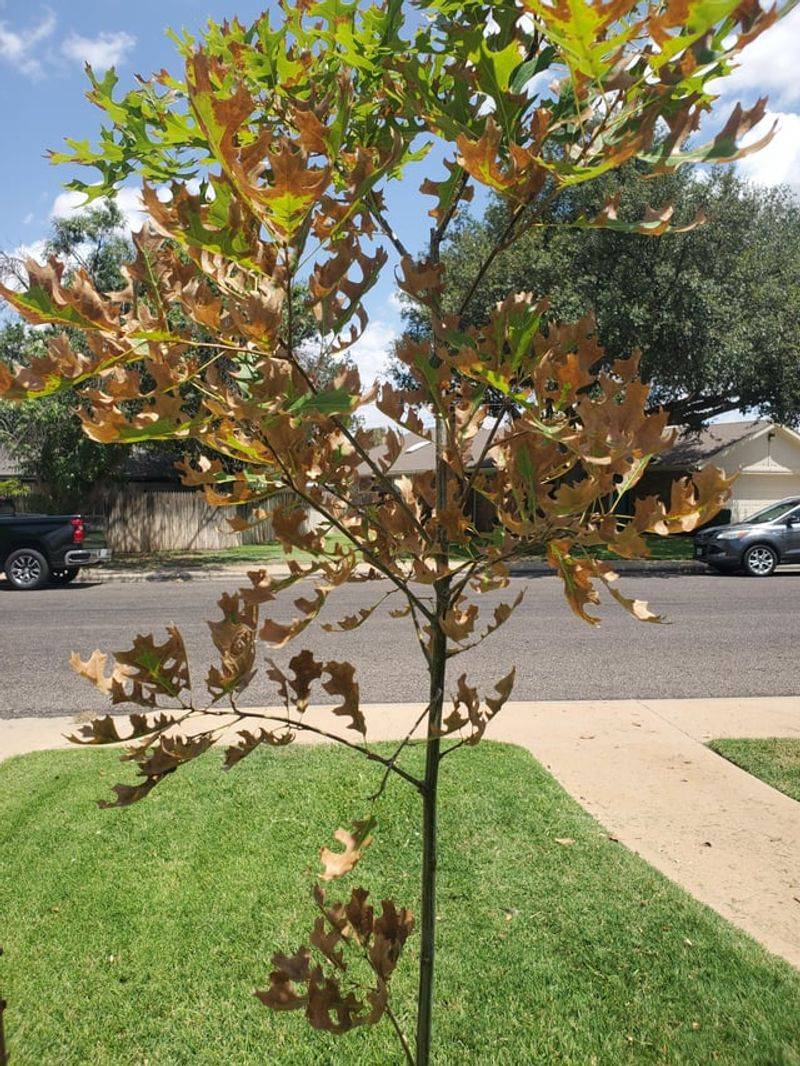
A shrub planted last month is not in the same position as one that has been growing in the yard for three years.
New plantings, whether shrubs, perennials, trees, palms, or container transplants, are working with limited root systems that have not yet spread into surrounding soil.
That makes them far more sensitive to heat, dry spells, and stress.
Transplant stress already puts a new plant on edge. Add summer heat, sandy soil that drains quickly, hot mulch, and reflected heat from nearby pavement or walls, and a newly planted specimen can struggle significantly.
Cosmetic pruning on a new planting during this period adds one more demand on a plant that is already stretched thin.
The priority for new plantings is stabilization, not cleanup. Water deeply and consistently, checking soil moisture a few inches below the surface rather than relying on surface appearance alone.
Refresh mulch to two to three inches to reduce soil temperature and hold moisture, keeping it away from the stem base. Temporary shade cloth can help during the most intense heat, particularly for transplants in full sun locations.
UF/IFAS Extension and Florida-Friendly Landscaping guidance both emphasize proper establishment watering over cosmetic maintenance.
Delay trimming until the plant shows clear recovery, such as new leaves, firm stems, or improved color, before making any cuts at all.
7. Prune Lightly Once Fresh Growth Starts To Show
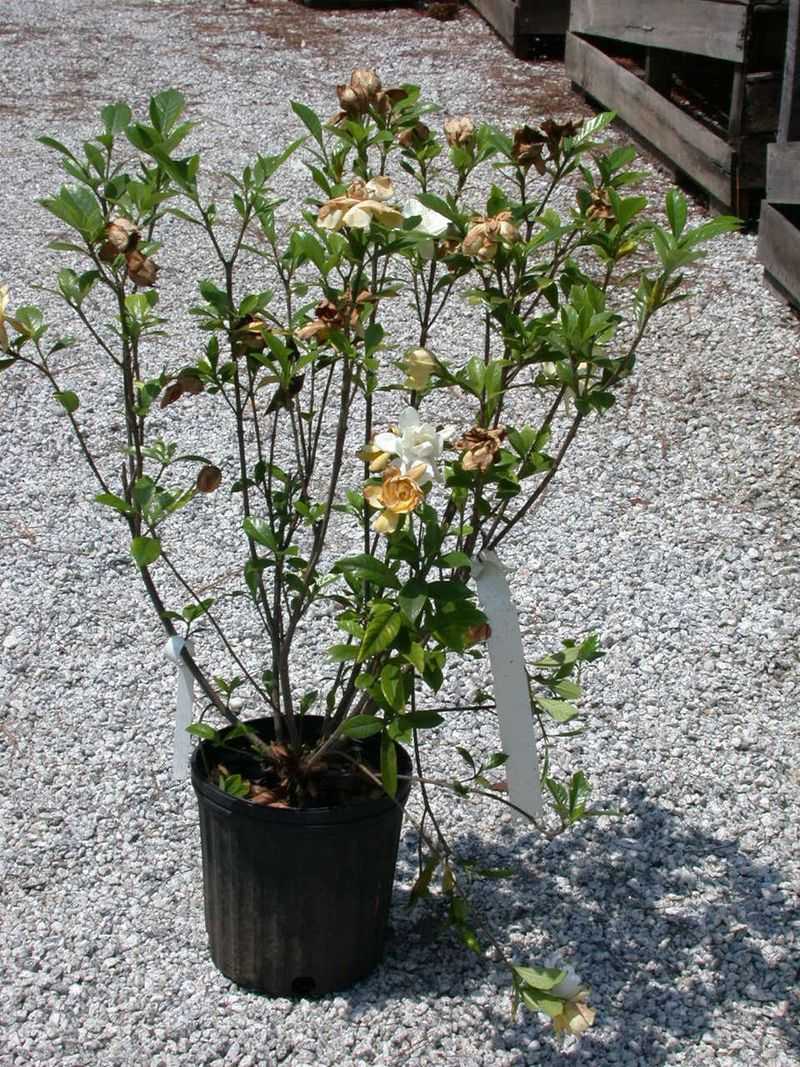
Spotting a small flush of new growth after weeks of heat stress feels like a genuine relief. Fresh shoots, firming buds, or a slight return of green color are the signals that tell you the plant has stabilized enough to handle light pruning.
That moment is the right time to begin cleaning up, but gradually, not all at once.
Start by removing tips that are fully brown and dry, working from the outside of the plant inward. Clean out leaves that are completely desiccated, detached, or blocking airflow.
Avoid cutting into wood that still looks borderline, since it may still support new growth. Light shaping is fine at this stage, but drastic removal of large amounts of material should wait until the plant has pushed several inches of healthy new growth.
Tool cleanliness matters during this process. Wiping pruner blades with a diluted bleach solution between plants reduces the chance of spreading disease.
That includes fungal or bacterial issues that may have developed during the stress period. UF/IFAS Gardening Solutions recommends gradual pruning over aggressive cutting during recovery.
Watch how the plant responds over the following two to three weeks. If new growth continues moving in a healthy direction, you can remove more of the damaged material in stages.
Rushing the process at this point can undo the recovery progress the plant has already made.
8. Use Water And Shade Before Reaching For Pruners
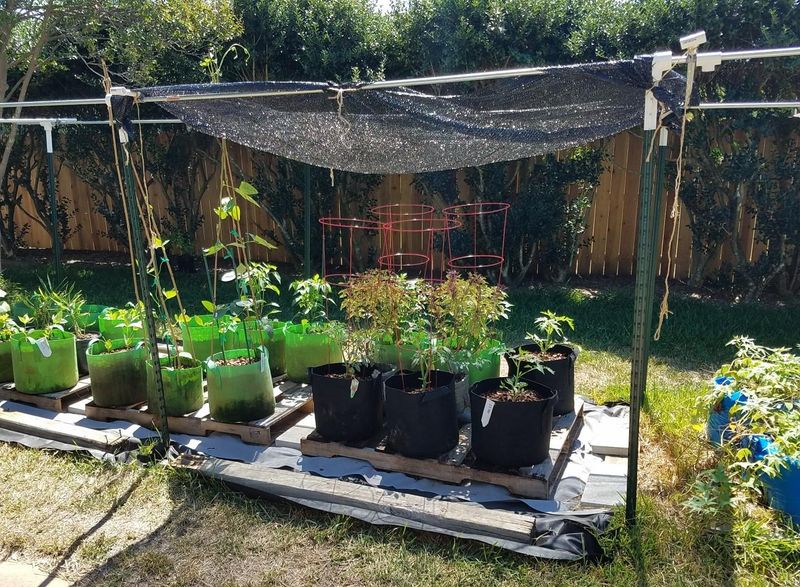
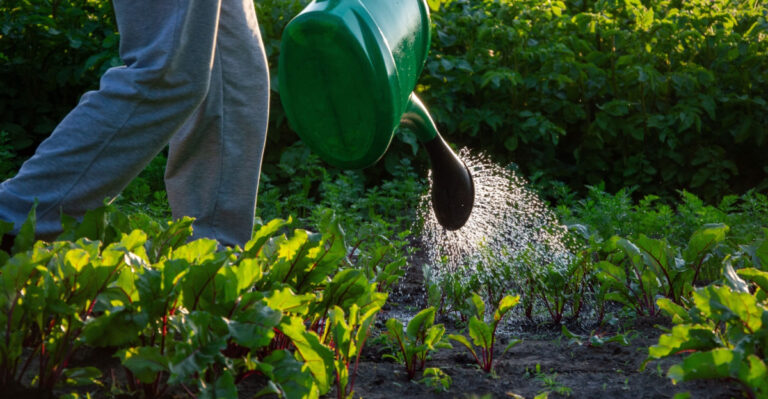
A wilted, scorched plant on a summer patio is often asking for water and shade long before it needs a trim. Root-zone moisture is the foundation of heat recovery.
Checking soil two to three inches below the surface before watering helps avoid both underwatering and overwatering. Both can slow recovery in warm, humid conditions.
Container plants can be moved out of harsh afternoon sun and into a spot with filtered light or morning sun only. Shade cloth rated at thirty to forty percent is a practical option for in-ground plants or raised beds that cannot be moved.
Refreshing mulch to a consistent two to three inch layer reduces soil temperature and slows moisture loss, which gives roots a better environment to recover. Keep mulch a few inches away from stem bases to allow airflow and reduce fungal risk.
Hold off on fertilizer until the plant is showing clear signs of active recovery. Applying fertilizer to a heat-stressed plant pushes it to produce new growth before it has the root strength to support it.
UF/IFAS Extension guidance consistently recommends addressing water stress and environmental conditions before attempting any pruning on stressed plants.
Pruning should support recovery, not replace the foundational care the plant actually needs.
Once moisture is stable, shade is adjusted, and the plant is responding, then light cleanup can begin in a way that helps rather than hinders.