These Are The Texas Flowering Plants That Provide The Nectar Adult Fireflies Actually Feed On
Most people know fireflies as larvae that hunt small insects and invertebrates in the soil, but the adult stage of their life cycle has a feeding requirement that almost never comes up in firefly conservation conversations. Adult fireflies do not survive on hunting alone.
Many species feed on nectar and pollen from flowering plants, and the availability of those food sources during the weeks when adult fireflies are active directly influences how long they stay in an area and how successfully they reproduce before the season ends.
Texas gardens that offer the right flowering plants during the firefly adult season are providing something that goes beyond habitat and moisture.
They are supporting the nutritional needs of a stage in the life cycle that most gardeners were not aware had those needs in the first place.
Understanding which Texas flowering plants align with adult firefly activity opens up a practical and largely overlooked approach to bringing more of these insects back to Texas yards and keeping them there.
1. Gregg’s Mistflower
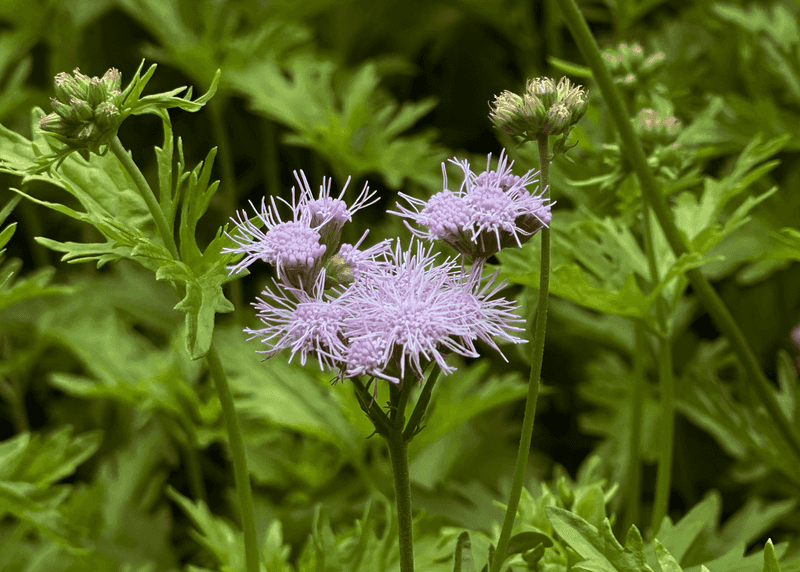
Walk through a Texas garden in late summer and you might spot something that looks like a soft purple mist hovering just above the ground. That is Gregg’s Mistflower, and it is one of the most firefly-friendly plants you can grow in the Lone Star State.
Its fuzzy, blue-purple flower clusters bloom from late summer all the way into fall, giving fireflies a long window to feed.
Adult fireflies are drawn to nectar-rich plants, and Gregg’s Mistflower delivers in a big way. The flowers are small but packed with sugary nectar that many insects love.
Fireflies tend to be most active at dusk and into the night, so having this plant nearby gives them an easy food source right when they need it most.
Beyond fireflies, this plant is also a magnet for butterflies, bees, and other pollinators. It grows best in full sun to partial shade and does well in dry, rocky soils, making it a tough and reliable choice for Texas landscapes.
It spreads over time and can form wide, beautiful clumps that light up a garden with color. Planting Gregg’s Mistflower along fence lines or the edges of your yard creates a natural corridor for fireflies to travel through.
It is drought-tolerant once established, which is a huge bonus in the Texas heat. Native plant nurseries across the state carry it regularly.
If you want more fireflies blinking in your backyard on summer evenings, this plant is a wonderful place to start building your firefly-friendly garden.
2. Ironweed
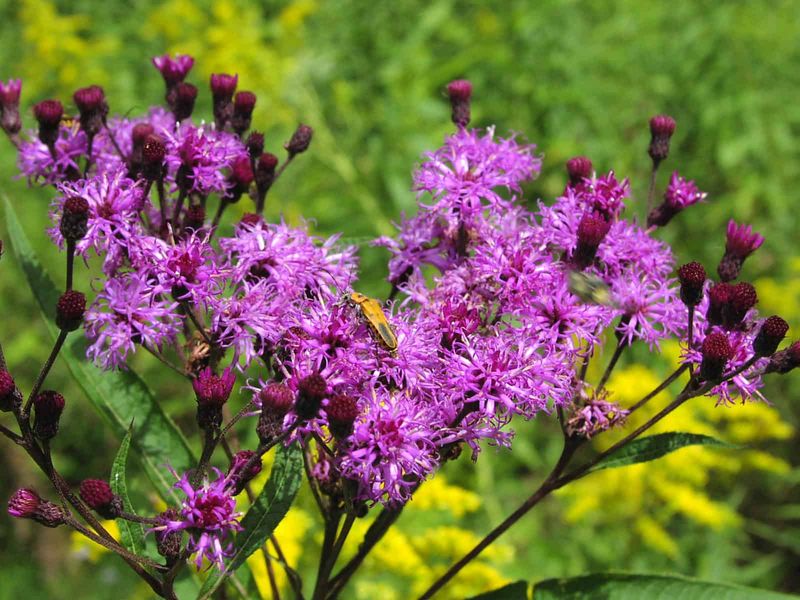
There is something bold and unapologetic about Ironweed. Standing tall with striking purple flower spikes, this native Texas perennial commands attention in any meadow or garden.
The name alone tells you it is tough, and that toughness is exactly what makes it such a valuable plant for fireflies and other wildlife.
Ironweed blooms in late summer and early fall, which lines up perfectly with peak firefly activity in Texas. The nectar produced by its dense purple flowers supports not just fireflies but also a wide range of butterflies and native bees.
Your Texas Garden Changes Every Week. Your Plan Should Too.
Gardening in Texas changes quickly throughout the season. Every Friday you’ll receive a simple weekly plan showing exactly what to plant, prune, fertilize, harvest, and protect so you never miss the right timing.
Fireflies that feed on nectar are attracted to plants with accessible, open flowers, and Ironweed fits that description well.
Fun fact: Ironweed gets its name from its incredibly strong, wiry stems that are tough to pull out of the ground. Early settlers found it nearly impossible to remove from fields, and the name stuck.
That same toughness translates to a plant that needs very little care once it gets established in your yard.
It thrives in moist to average soils and prefers full sun, making it a great fit for open garden beds, rain gardens, or areas near water features.
Ironweed can grow quite tall, sometimes reaching five to eight feet, so it works beautifully as a background plant in layered garden designs.
Pairing Ironweed with shorter native plants creates a rich, multi-level habitat that fireflies and pollinators will love exploring. If you are serious about turning your outdoor space into a glowing firefly haven, Ironweed earns a spot near the top of your planting list.
3. Prairie Verbena
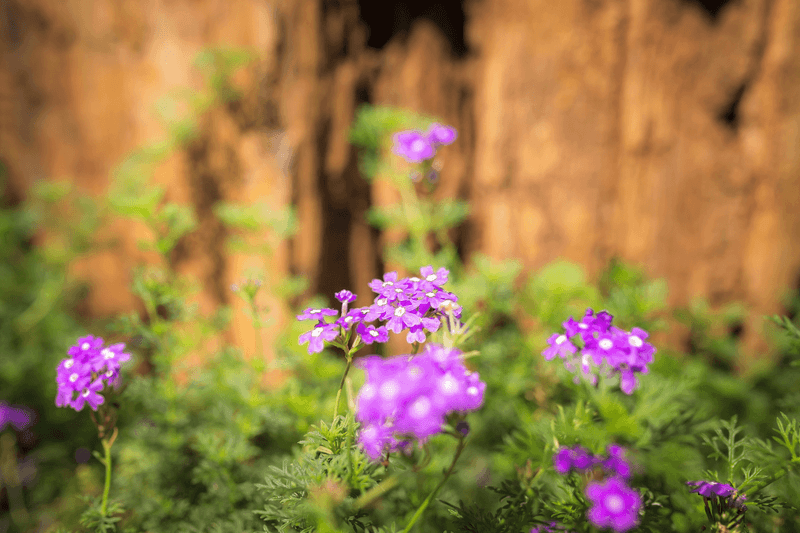
Imagine a plant that hugs the ground and spreads out like a purple carpet across your garden. Prairie Verbena does exactly that, and it is one of the most charming native wildflowers Texas has to offer.
Its low-growing habit and dense clusters of purple blooms make it a standout choice for anyone wanting to attract fireflies and other nocturnal insects.
What makes Prairie Verbena so special for fireflies is the sheer volume of nectar it produces. The flowers grow in tight clusters and bloom repeatedly throughout the season, offering a nearly constant nectar source.
Adult fireflies that feed at night can easily navigate to these low mats of color, especially since the blooms stay open into the evening hours.
This plant is incredibly adaptable. It grows well in poor, rocky, or sandy soils and handles drought like a champ.
You will often see it blooming along Texas roadsides and in open fields, which tells you it does not need much pampering. In a home garden, it spreads naturally to fill bare spots without becoming invasive.
Prairie Verbena works especially well when planted in clusters or drifts rather than as a single specimen.
Grouping several plants together creates a larger nectar zone that is more visible and accessible to insects flying low to the ground at night. It also provides a bit of ground cover that can shelter small insects during the day.
For a firefly-friendly yard, mix Prairie Verbena with taller native plants to create layers of habitat. It is easy to find at Texas native plant sales and online nurseries, making it a simple and rewarding addition to any wildlife garden.
4. Black-Eyed Susan
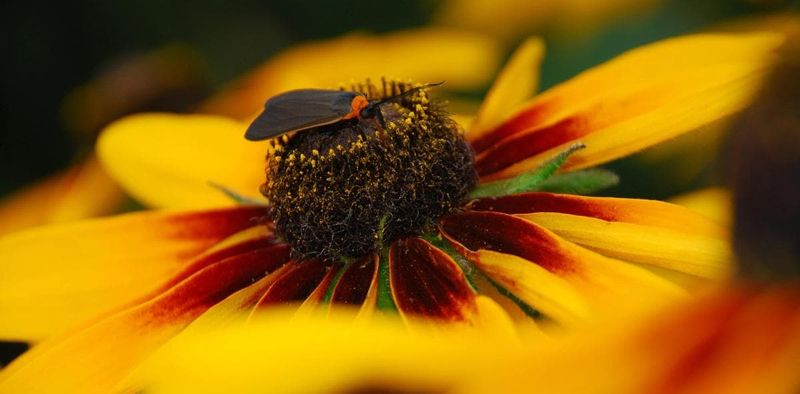
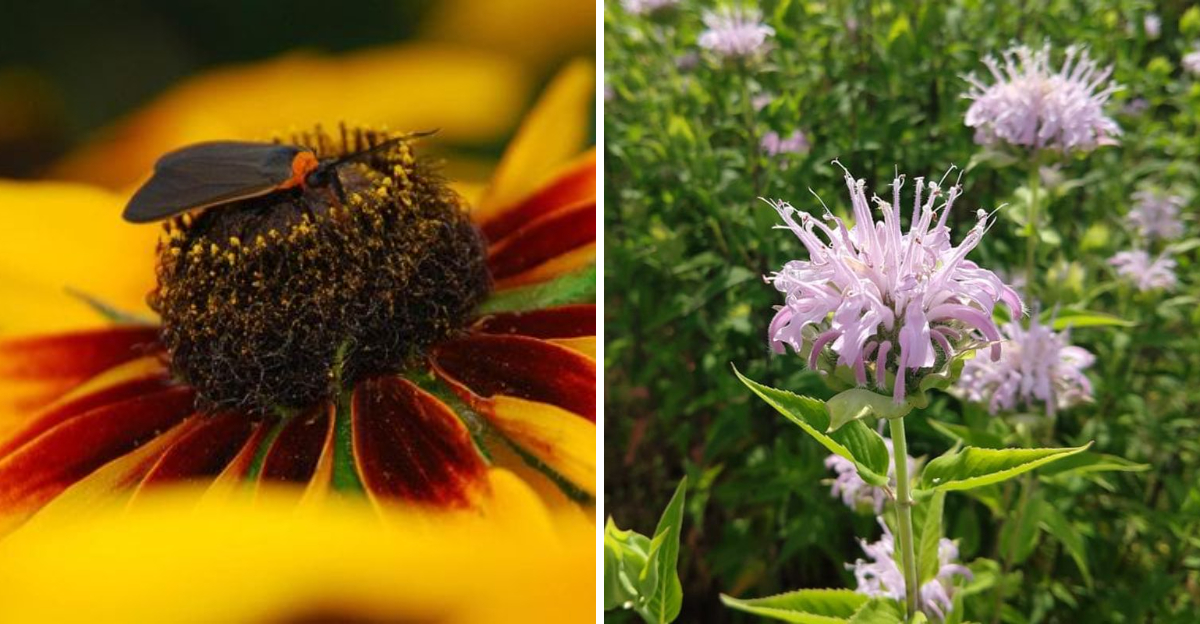
Few wildflowers are as cheerful and recognizable as the Black-Eyed Susan. Those bright yellow petals surrounding a dark brown center have been a staple of Texas meadows and roadsides for generations.
But beyond their good looks, these flowers serve a very practical purpose for fireflies and a whole host of other beneficial insects.
Black-Eyed Susans bloom from early summer through fall, giving them one of the longest flowering windows of any Texas native. That extended bloom time means nectar is available during the hottest months, right when adult fireflies are most active.
The open, daisy-like flower structure makes it easy for fireflies to access the nectar without any trouble.
Interestingly, Black-Eyed Susans also attract insects that firefly larvae feed on, meaning this plant supports the firefly life cycle at multiple stages.
Planting it in your yard is like setting up a full-service firefly habitat. It is one of those plants that just keeps on giving throughout the season.
Growing Black-Eyed Susans is straightforward even for beginner gardeners. They prefer full sun and well-drained soil, and once established, they are drought-tolerant and low-maintenance.
They also self-seed readily, so your patch can expand naturally over the years without any extra effort on your part.
Plant them in groups for the best visual impact and the highest nectar output per square foot of garden space. They pair beautifully with purple wildflowers like Prairie Verbena or Ironweed, creating a colorful and wildlife-rich garden bed.
Whether you grow them in a formal garden or let them naturalize in a meadow area, Black-Eyed Susans are a smart and beautiful choice for firefly lovers across Texas.
5. Wild Bergamot
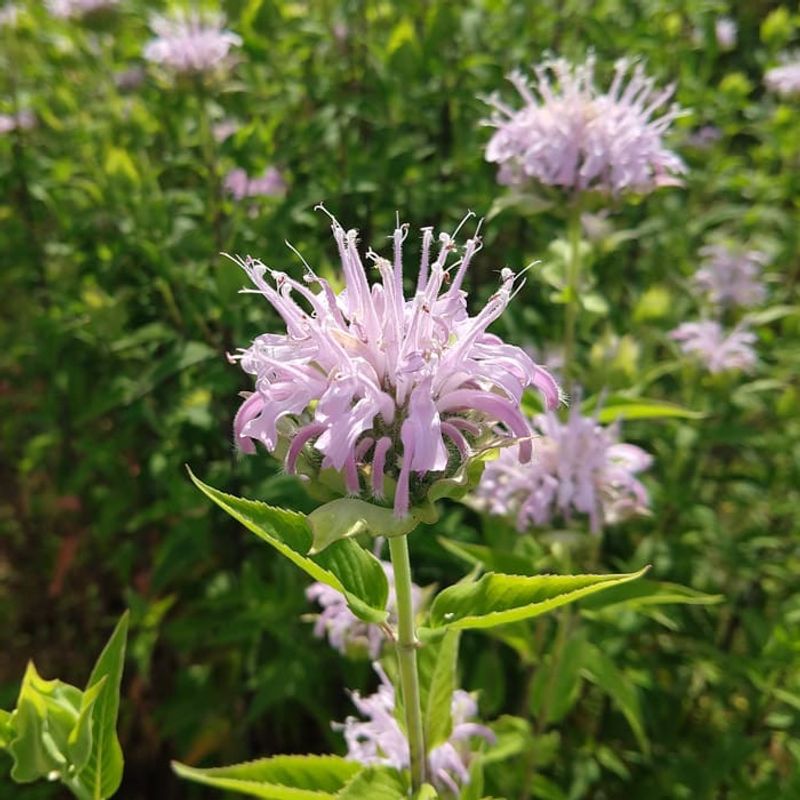
There is something almost magical about Wild Bergamot on a warm Texas evening. The lavender-pink blooms release a sweet, herbal fragrance that drifts through the air at dusk, and that scent seems to draw in fireflies along with every other pollinator in the neighborhood.
This aromatic native plant is a powerhouse when it comes to supporting nocturnal insects.
Wild Bergamot blooms from mid- to late summer, which overlaps perfectly with the peak flight season of adult fireflies in Texas. The flower heads are made up of dozens of small tubular blossoms, each one packed with nectar.
Fireflies and other insects can feed from multiple tiny flowers on a single bloom head, making it an incredibly efficient nectar stop.
Did you know Wild Bergamot is a member of the mint family? That is where its strong, pleasant scent comes from.
Native Americans historically used the leaves for medicinal purposes, and the plant has been valued for centuries across North America. Today, it is equally prized by gardeners who want to attract wildlife while adding fragrance and color to their outdoor spaces.
This plant prefers full sun to light shade and grows well in average to dry soils. It is a true Texas tough plant that handles heat and occasional drought without complaint. It spreads gradually through underground runners, creating natural colonies over time.
Planting Wild Bergamot in sunny borders or along the edges of naturalized areas gives fireflies a fragrant landing zone during their nightly flights.
Its combination of rich nectar, lovely scent, and easy care makes it one of the most rewarding native plants you can add to a firefly garden in Texas.
6. Cardinal Flower (Lobelia cardinalis)
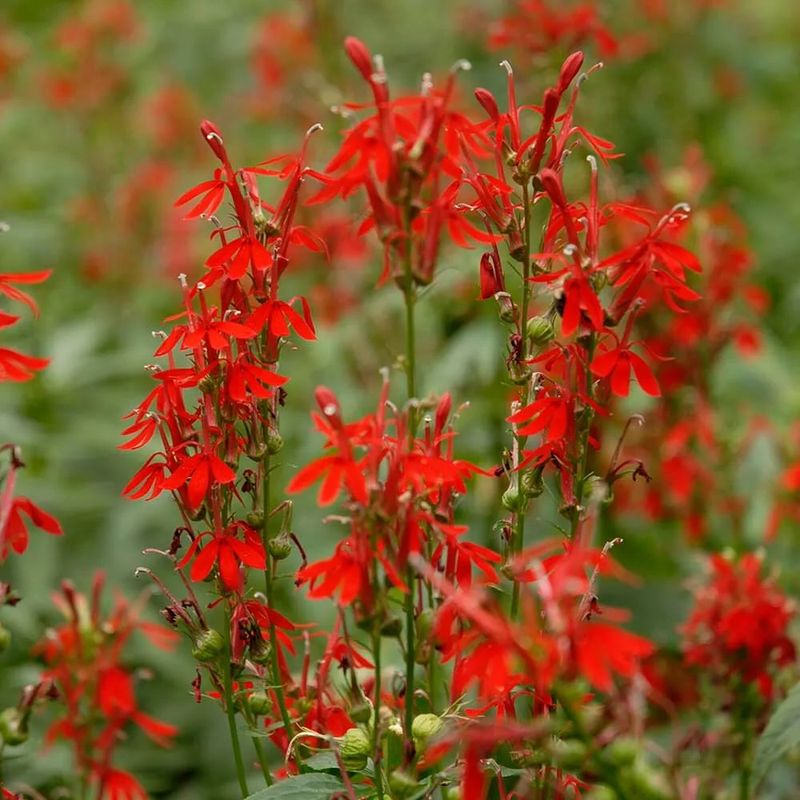
If you want one plant that stops people in their tracks, Cardinal Flower is it. The brilliant, fire-engine red blooms rise up on tall spikes in late summer and look almost too vivid to be real.
While this plant is famous for attracting hummingbirds, it also plays an important role in the lives of adult fireflies looking for an evening nectar meal.
Cardinal Flower thrives in moist environments, making it a great choice for spots near ponds, streams, rain gardens, or low-lying areas of your yard that stay a bit wetter than the rest.
Fireflies tend to prefer humid, moist habitats for both feeding and breeding, so placing Cardinal Flower near a water feature is a smart strategy for drawing them in.
The tubular red flowers are rich in nectar, and while hummingbirds are the most well-known visitors, many insects including fireflies feed from these blooms as well.
The plant blooms at a time when firefly populations are at their most active, creating a reliable food source right when it is needed most.
Cardinal Flower grows best in partial shade to full sun and needs consistent moisture to perform well. It is a short-lived perennial but reseeds itself freely, so once you plant it, it tends to return year after year in the same spot.
The self-seeding habit means your patch will grow and spread naturally with minimal effort.
Adding Cardinal Flower to a moist garden corner or water garden edge creates a stunning visual display while also supporting fireflies, hummingbirds, and butterflies.
It is a win-win plant that delivers beauty and ecological value in equal measure throughout the late summer months in Texas.
7. Meadow Blazing Star
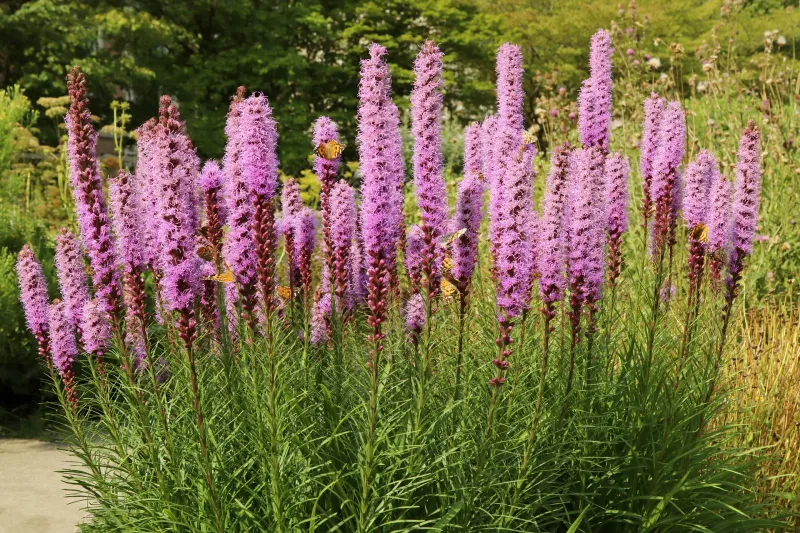
Picture tall, feathery purple wands swaying in a late summer breeze across a Texas meadow. That is Meadow Blazing Star doing what it does best, looking spectacular and feeding every pollinator in the area.
This native perennial is one of the most nectar-rich plants in the Texas landscape, and adult fireflies are among the many insects that benefit from its generous blooms.
Meadow Blazing Star blooms from late summer into fall, with tall flower spikes that can reach two to four feet in height. The flowers open from the top of the spike downward, which is actually unusual in the plant world.
This extended bloom pattern means nectar is available over a longer stretch of time, which is great news for fireflies that need consistent food sources during their adult phase.
Butterflies go absolutely wild for Blazing Star, and bees flock to it too. But fireflies that feed on nectar are also regular visitors, especially during the early evening hours when the flowers are releasing the most scent and nectar.
Having a cluster of Blazing Star in your garden is like hanging out a welcome sign for the whole pollinator community.
Growing Meadow Blazing Star is straightforward. It prefers full sun and well-drained soil, and it is very drought-tolerant once established.
It grows from a corm underground, which means it comes back reliably each year and gradually forms larger clumps over time.
Plant it in groups of three or more for the best visual effect and the strongest nectar output.
Combined with other native Texas bloomers, Meadow Blazing Star helps create the kind of rich, layered habitat that keeps fireflies glowing in your garden from dusk until the stars come out every summer night.