Florida Gardeners Should Plant These Trellis Crops Before Summer Heat Peaks
Florida summer arrives fast and the vegetable garden needs to be ready for it. Trellis crops are one of the smartest ways to get ahead of the heat, and not just because they save space in raised beds and small backyard plots.
Growing vertically improves airflow around leaves, which becomes genuinely important once Florida humidity starts doing its thing and pest and disease pressure picks up. Harvesting gets easier too, which is a bonus nobody complains about.
The key is choosing the right climbing vegetables for your region, getting sturdy supports in place before plants need them, and paying attention to the planting windows that apply to your part of the state.
Get those details right and a modest Florida garden can produce a surprising amount before summer fully settles in.
1. Pole Beans Climb Before The Heat Builds
Raised beds in Florida can get crowded fast, and pole beans are one of the smartest ways to use vertical space before summer temperatures make planting difficult.
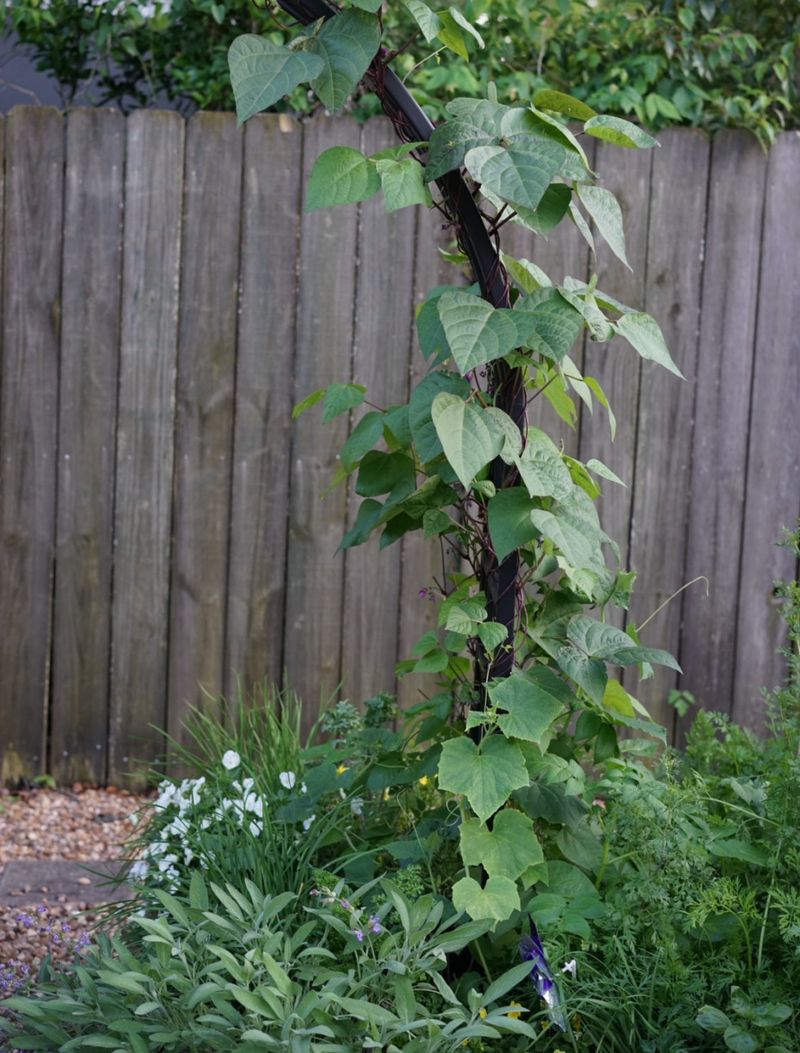
Unlike bush beans, pole beans send long vines upward along a trellis, fence, or set of garden poles, which keeps the foliage up off the soil and lets air move through the planting area more freely.
That airflow matters a lot in Florida, where humidity can encourage fungal problems on leaves that stay damp.
Pole beans are warm-season vegetables that appreciate warm soil and consistent moisture, but they do have their limits when temperatures stay very high for long stretches.
Gardeners in the northern and central parts of the state often have a productive window in spring that can extend into early summer before the real heat settles in.
South Florida gardeners may find a slightly different window depending on local conditions.
Choosing varieties suited to warm weather and the local planting calendar is worth the extra research before buying seeds. A trellis of at least five to six feet gives the vines enough room to climb and produce well.
Sandy soil benefits from added compost to hold moisture and support steady growth. Harvesting regularly encourages more pod production and keeps the vines productive longer into the season.
2. Yardlong Beans Handle Steamy Weather
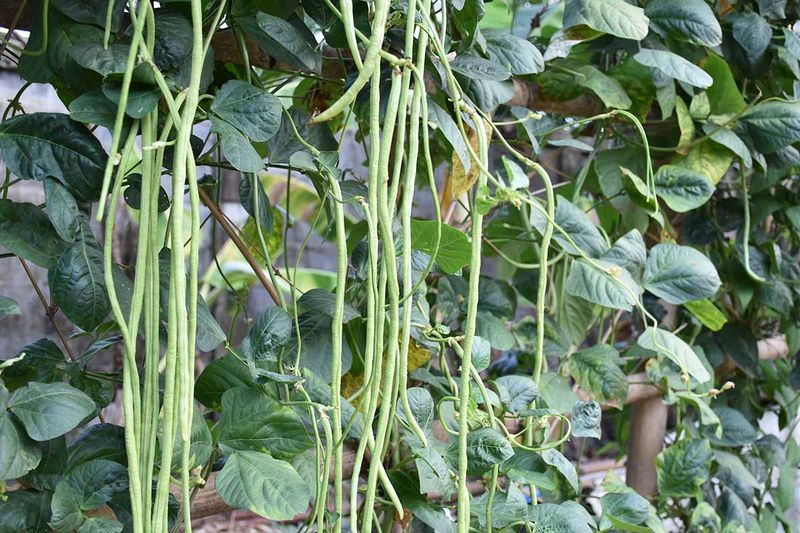
Walking through a Florida garden in late spring and spotting two-foot-long bean pods dangling from a tall trellis is one of those moments that makes vertical growing feel completely worth it.
Yardlong beans, sometimes called asparagus beans or Chinese long beans, are vigorous climbing plants that handle hot, humid weather far better than most common snap bean varieties.
They thrive when temperatures are warm and consistent, which makes them a strong fit for Florida summers.
The vines can grow quite long and productive, so a tall and sturdy trellis is important.
A support that reaches six to eight feet gives these vines enough room to climb without bunching up, which also keeps pods hanging freely where they are easy to spot and harvest.
Harvesting the pods before they become too mature keeps the plant producing steadily.
Yardlong beans prefer well-drained soil with some organic matter worked in, and gardeners should water consistently since sandy soils can dry out quickly between summer rain events. Starting seeds in warm soil helps germination stay reliable.
Your Florida Garden Changes Every Week. Your Plan Should Too.
Gardening in Florida changes quickly throughout the season. Every Friday you’ll receive a simple weekly plan showing exactly what to plant, prune, fertilize, harvest, and protect so you never miss the right timing.
These beans are not the same species as common green beans, so they respond differently to temperature and daylength.
Checking with local extension resources for the best planting window in your part of Florida can help you get the most from this heat-friendly climber before conditions shift.
3. Southern Peas Keep Producing In Heat
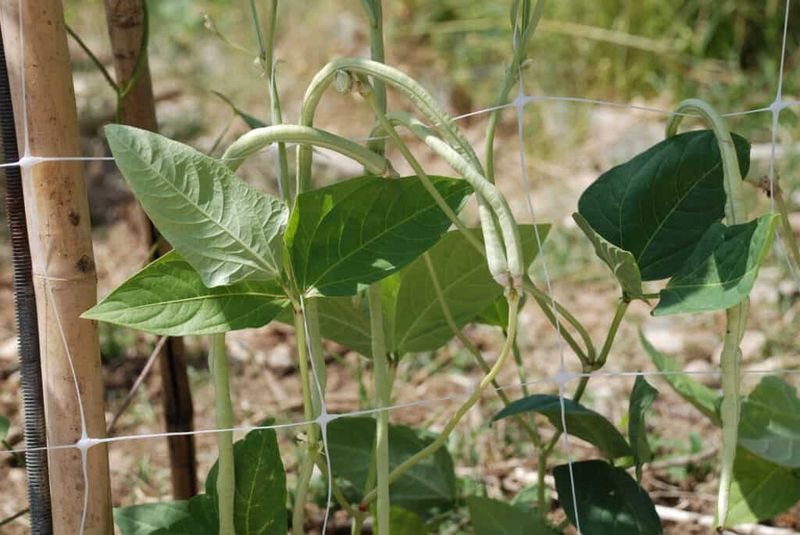
Few vegetables have earned their place in Florida summer gardens quite like southern peas.
Known by many names including cowpeas, field peas, and black-eyed peas, these heat-tolerant legumes have been feeding people through brutal southern summers for generations.
They fix nitrogen in the soil as they grow, which means they can improve soil health while producing food at the same time.
Not every southern pea variety is a heavy climber, so support is more useful for vining or semi-vining types rather than bush types that stay low and compact.
Gardeners working with limited space, crowded raised beds, or anyone who wants easier picking and better airflow around plants will find that even a simple wire trellis or fence line can make a noticeable difference.
Pods that hang freely are easier to spot and less likely to stay damp against the soil.
Southern peas are fairly forgiving about soil quality compared to many other vegetables, which suits sandy soils reasonably well with some added compost.
They prefer full sun and can tolerate dry spells better than many warm-season crops, though consistent moisture helps pod fill during hot stretches.
Starting seeds after the soil has warmed up gives the best germination results. Checking local planting calendars for North, Central, or South Florida helps match timing to your specific growing region.
4. Luffa Needs A Tall Summer Trellis
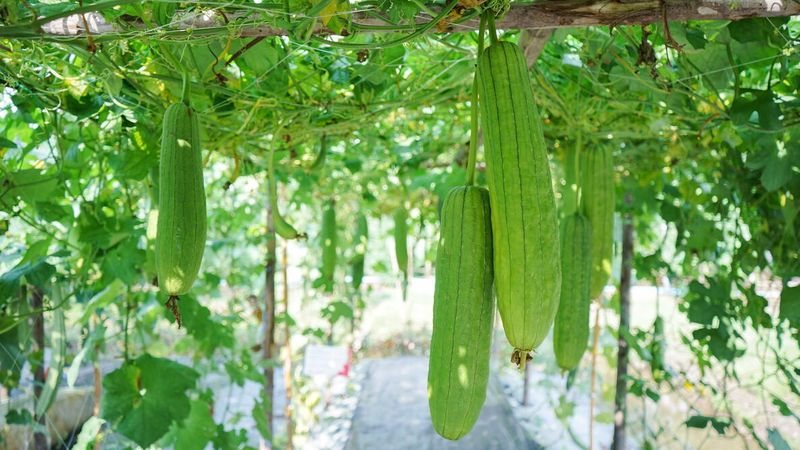
Luffa is one of those vegetables that surprises people who have only ever seen it as a dried bath sponge in a store.
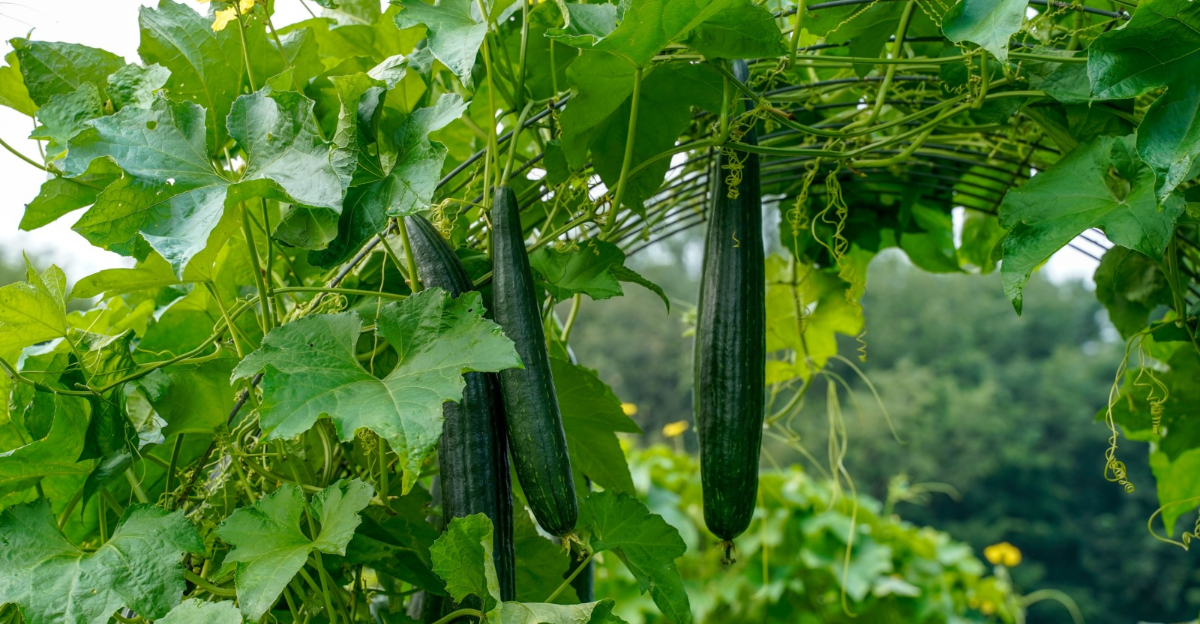
The plant itself is a vigorous tropical vine that produces long, edible gourds when harvested young and firm, long before the fibrous interior fully develops.
In Florida, where warm weather lasts well into the year, luffa can grow remarkably well when given enough room and a tall, strong trellis to climb.
The vines need serious support because they can grow very long and the developing fruit adds real weight to the structure. A trellis that reaches seven to eight feet or more gives the plant room to spread and keeps fruit hanging where air can circulate around it.
Planting with enough lead time before cooler weather returns in late fall is important because luffa needs a long, warm growing season to fully mature.
Florida gardeners should work compost into the planting area and make sure drainage is good, since luffa does not appreciate sitting in waterlogged soil even though it loves warm, humid conditions.
Watering deeply and consistently during dry stretches helps the vines stay productive.
Harvesting young gourds for eating encourages the plant to keep producing. Letting some mature fully on the vine gives you a natural luffa sponge to dry and save, which makes this climbing crop both a food plant and a fun garden project.
5. Seminole Pumpkin Takes Serious Support
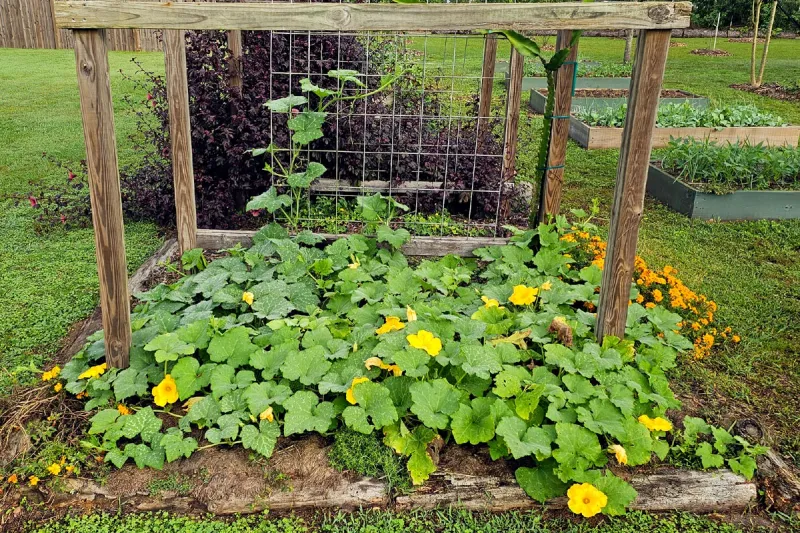
Seminole pumpkin has a long history in Florida that goes back centuries, and it earned that reputation by doing something most squash varieties struggle with: handling summer heat and humidity without falling apart.
Originally cultivated by the Seminole people of Florida, this pumpkin variety has a tougher skin and better heat tolerance than most grocery store squash, making it one of the more rewarding summer crops for Florida home gardeners.
The vines are large and can spread quite far, so gardeners who want to grow Seminole pumpkin on a trellis need to plan for serious support.
The fruit can become heavy as it matures, which means a lightweight garden netting or small trellis will not hold up well.
A sturdy pergola, heavy fence, or reinforced garden structure works much better for keeping the vines and fruit off the ground.
Growing Seminole pumpkin vertically helps protect the fruit from soil-borne issues and makes it easier to spot pests early.
Gardeners should give the vines plenty of sun and make sure the planting area has good drainage since sandy soils can be amended with compost to improve moisture retention.
Fruit left on the vine to fully cure develops a hard skin that stores well even without refrigeration. Starting seeds or transplants before peak summer heat gives the vines time to establish and begin climbing before the hottest weeks arrive.
6. Chayote Loves A Strong Climbing Frame
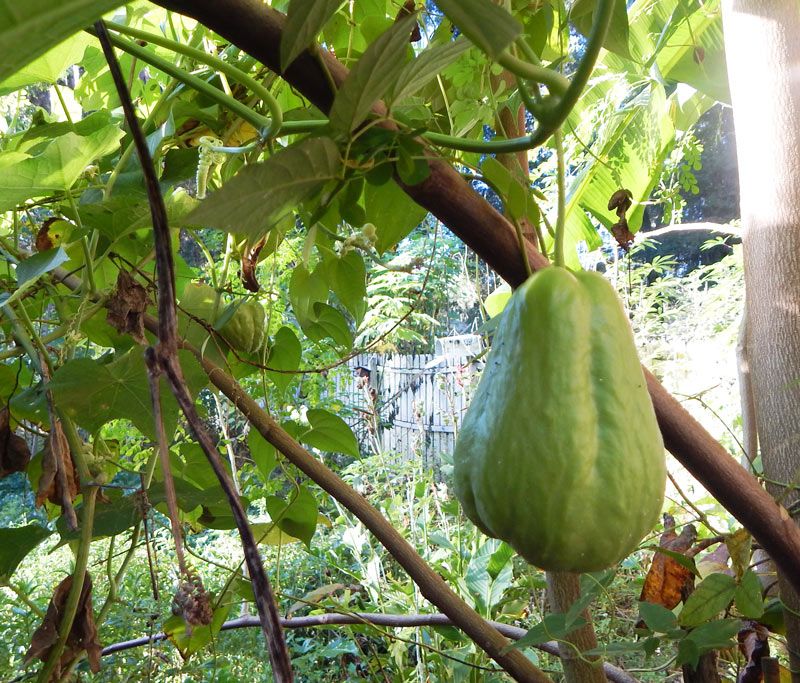
Tropical gardens in South Florida have a lot in common with the native range of chayote, a heat-loving vine that produces pear-shaped fruits with a mild, crisp flavor.
Chayote is used across Latin American and Caribbean cooking in a wide variety of ways, from stews and stir-fries to fresh salads, which makes it a practical and flavorful addition to an edible landscape.
The vines can grow vigorously once established and need a strong climbing frame to support their growth. A sturdy arbor, chain-link fence, or heavy garden trellis works well.
Chayote is often started from a whole fruit placed partially in soil rather than from traditional seed packets, and the vine can take some time to get going before it begins producing in earnest.
Timing matters quite a bit with chayote. South Florida gardeners tend to have more flexibility for warm-season planting than gardeners in North or Central Florida, where cooler winters can limit the growing window.
Chayote benefits from rich, well-drained soil and consistent moisture, and it appreciates some protection from the harshest afternoon sun during peak summer heat.
Once a chayote vine is established and climbing well, it can become a productive and long-lasting part of a Florida garden.
Keeping the frame in good repair as the vine grows heavier is something worth checking on regularly throughout the season.
7. Malabar Spinach Turns Heat Into Greens
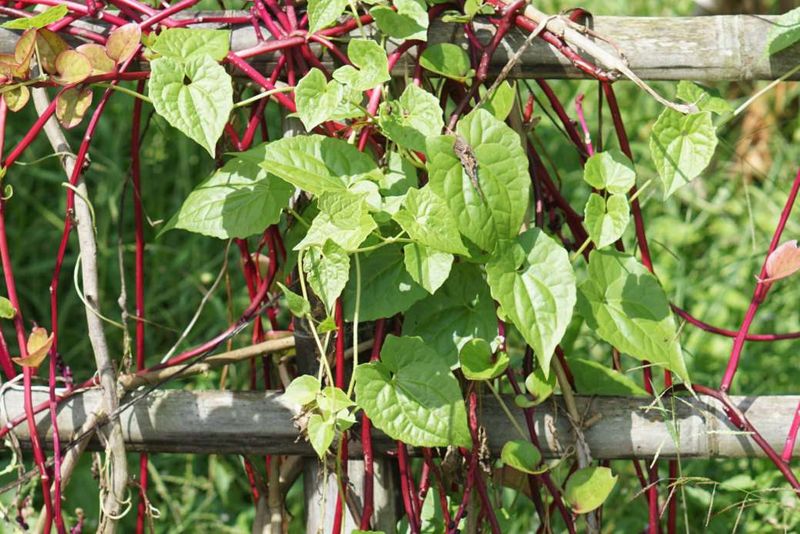
Most leafy greens give up when Florida summer heat sets in, but Malabar spinach does the opposite.
This heat-loving vining green actually thrives in hot, humid conditions, producing thick, glossy leaves with a mild flavor that works well in cooked dishes, smoothies, and fresh preparations.
For gardeners frustrated by the short cool-season window for growing greens, Malabar spinach fills a real gap in the summer garden.
The plant climbs readily and benefits from a trellis or other vertical support to keep the vines organized and leaves off the ground. Without support, the stems tend to sprawl and can become harder to harvest cleanly.
A simple wire trellis, bamboo frame, or even a sunny fence line gives the plant enough structure to grow tidily and productively.
Regular harvesting is one of the most important things to keep in mind with Malabar spinach. Picking young, tender leaves and stem tips encourages the plant to keep pushing out fresh growth rather than going straight to flowering.
Once it flowers and sets seed, leaf production tends to slow down. Gardeners should plant Malabar spinach in a spot with full sun and good drainage, and water consistently during dry stretches between summer rain events.
It can grow in containers with strong support as well, making it a flexible option for small spaces, balconies, and patios across Florida.
8. Winged Bean Needs Regional Timing Caveats
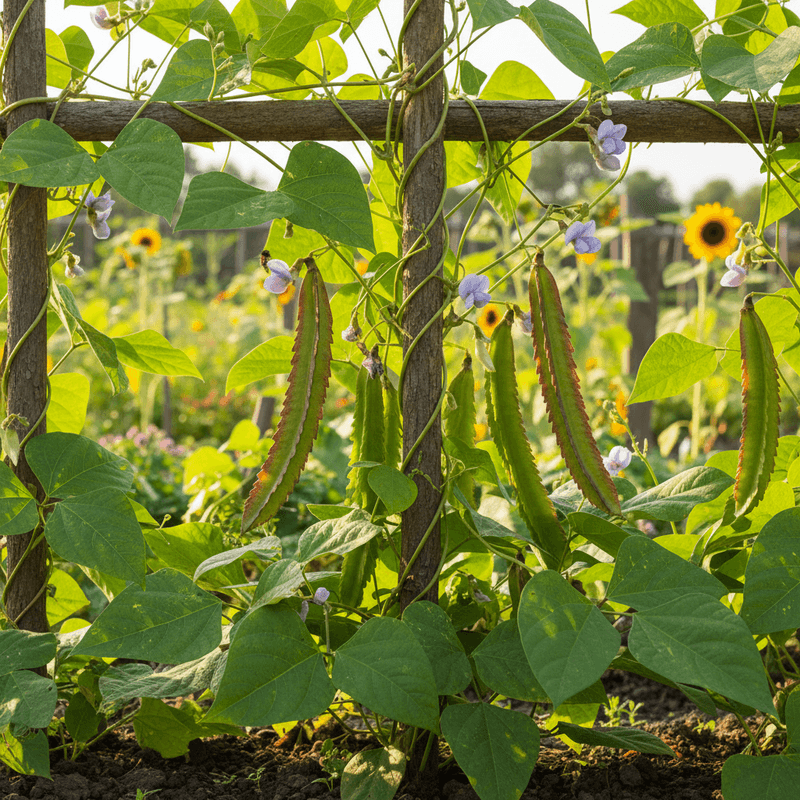
Winged bean is one of the more unusual climbing legumes a Florida gardener might try, and it genuinely stands out in the garden with its distinctive four-flanged pods, purple flowers, and vigorous climbing habit.
Nearly every part of the plant is edible, from the pods and seeds to the leaves and tuberous roots, which makes it an interesting crop for adventurous home gardeners looking to get more from a single plant.
That said, winged bean is not the same kind of straightforward summer planting choice statewide as luffa, yardlong beans, or Malabar spinach.
It is a short-day plant, meaning it tends to flower and produce pods more reliably as day length shortens in late summer and fall rather than during the longest days of the year.
This means timing and expectations need to be realistic depending on where in Florida you are growing it.
South Florida gardeners with a longer warm season may have more opportunity to work with winged bean than gardeners in North or Central Florida, where the warm growing window aligns less predictably with the crop’s flowering habits.
A tall, sturdy trellis is still important since the vines can grow vigorously once they get going.
Checking with local extension resources or experienced gardeners before committing a large bed to winged bean helps avoid disappointment and lets you plan a more realistic harvest timeline for your specific region.