The Meaning Behind Seeing A Snapping Turtle Cross Your Ohio Yard
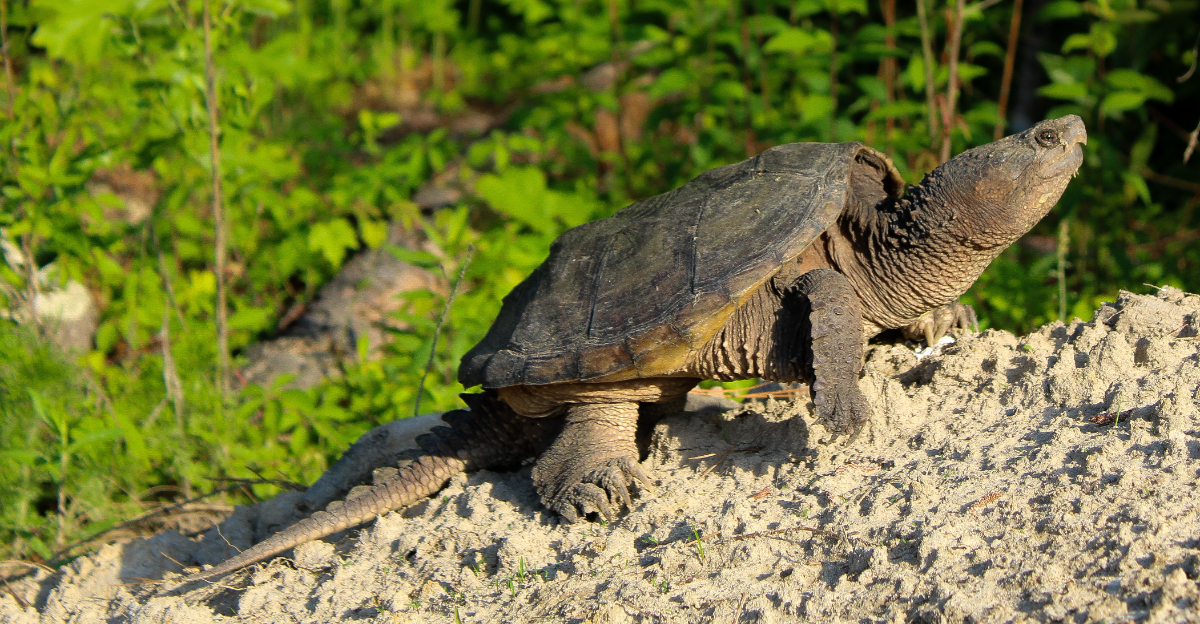
A snapping turtle crossing your Ohio yard is not something you see every day, and most people who encounter one stop whatever they are doing and just watch.
There is something ancient about a snapping turtle that commands attention in a way few backyard visitors can manage.
But a snapping turtle does not show up in a yard by accident. These are purposeful animals with very specific reasons for moving overland.
What brings one through your property says something real about the landscape you are living in and the water systems nearby. Ohio has a long history of folklore and meaning attached to snapping turtle sightings.
That history is rooted in Indigenous knowledge and rural tradition that goes back generations in this state. The natural history and the cultural story run alongside each other here in ways that are both fascinating and worth knowing.
What that crossing actually means is more layered than most people expect.
1. A Snapping Turtle Means Water Is Closer Than You Think
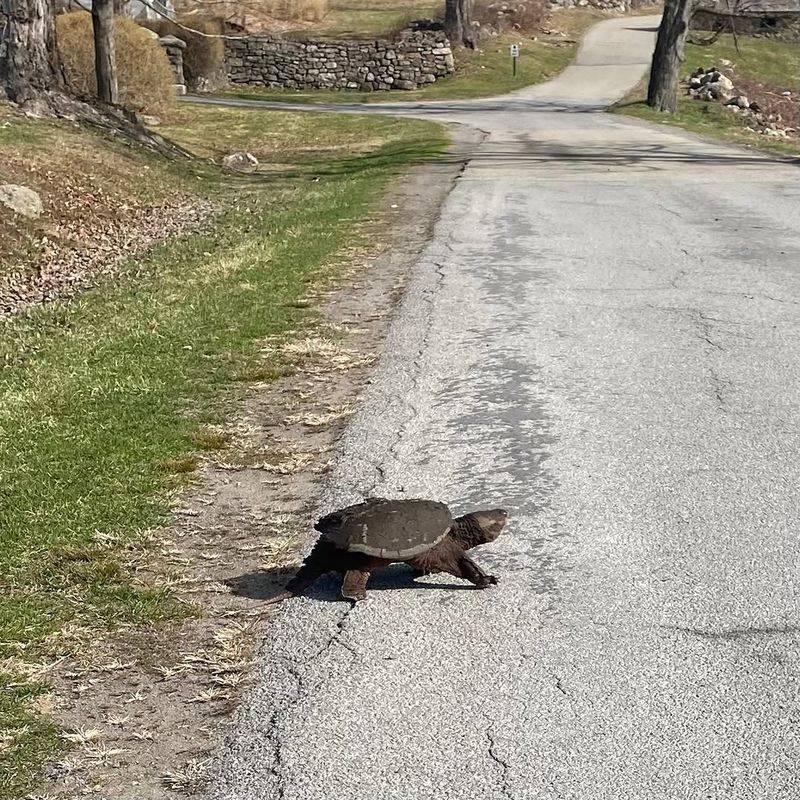
A broad shell moving through the grass is often a sign that water is closer than most homeowners realize. Snapping turtles spend the majority of their lives in or near water.
Ponds, wetlands, slow-moving streams, marshes, and drainage ditches all make suitable habitat for them.
Many Ohio neighborhoods sit near seasonal wet areas, low-lying fields, or buried drainage channels that are not always visible from a yard. A turtle crossing your lawn may be traveling between two wet areas.
The habitat connection might be hidden behind a row of trees, a fence line, or a neighbor’s property.
According to the Ohio Department of Natural Resources, snapping turtles are found throughout the state in almost any freshwater habitat. They prefer slow or still water with muddy bottoms and plenty of vegetation.
If you see one in your yard, take a moment to think about what wet areas might exist nearby. A neighborhood retention pond, a roadside ditch, or even a low corner of a yard that holds rainwater could be part of the turtle’s world.
The sighting is a quiet reminder that wild habitat is often closer than it appears.
2. A Yard Crossing May Be Part Of A Nesting Journey
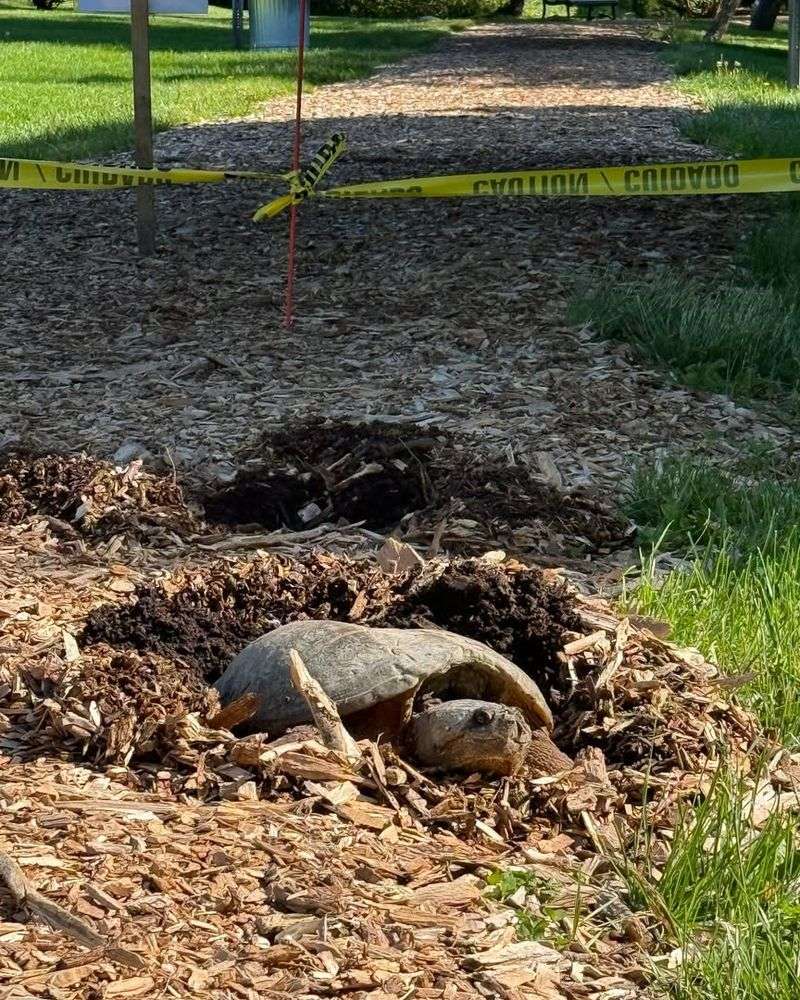
Not every turtle crossing a yard is wandering without purpose. Female snapping turtles travel overland each year to find suitable places to lay their eggs.
This nesting movement is one of the most common reasons a snapping turtle ends up in a residential yard.
A female may walk across a driveway, through a garden edge, or along the side of a garage as she searches for the right spot. She is not confused.
She is following instincts that have guided her species for millions of years. The journey can cover several hundred feet or more from the water source where she spends most of her time.
Nesting females tend to look for open, sunny ground with loose or well-drained soil. Lawns, garden beds near sunny fences, and bare patches near driveways can all catch a female turtle’s attention.
Your Ohio Garden Changes Every Week. Your Plan Should Too.
Gardening in Ohio changes quickly throughout the season. Every Friday you’ll receive a simple weekly plan showing exactly what to plant, prune, fertilize, harvest, and protect so you never miss the right timing.
If you notice a snapping turtle moving slowly but with apparent direction, she may be on a nesting mission. Watch from a distance.
Avoid blocking her path or redirecting her. Let her continue the route she has already chosen.
Interfering can cause stress and delay the nesting process unnecessarily.
3. Spring And Early Summer Make Turtle Sightings More Likely
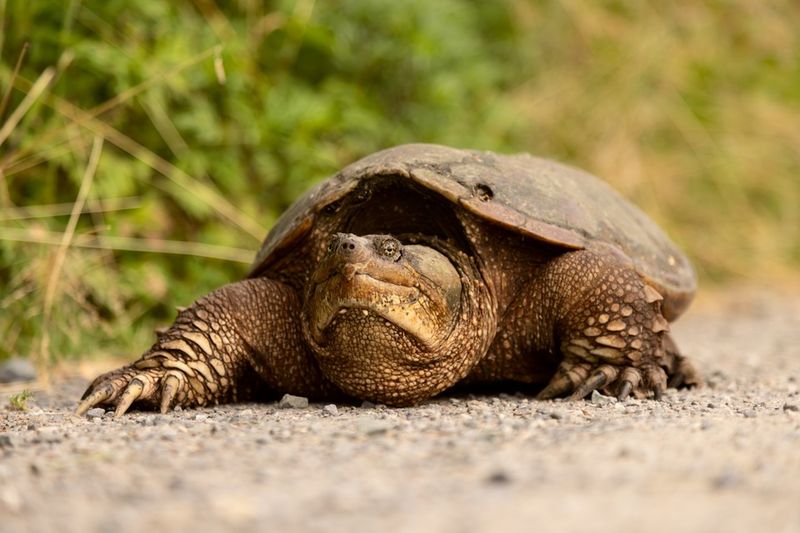
Warm weather brings more wildlife movement, and snapping turtles are no exception. Spring and early summer are the most active periods for overland turtle travel in this region.
As temperatures rise and days grow longer, females begin their search for nesting sites.
Most nesting activity for snapping turtles in this state tends to happen from late spring through early summer. During this window, sightings in yards, driveways, and along roadsides become noticeably more common.
Homeowners who have never seen a turtle in their yard before may suddenly find one moving across the lawn during this season.
The timing also lines up with other wildlife activity. Many animals become more mobile in spring as they search for food, mates, or nesting space.
A snapping turtle crossing your yard in May or June is behaving exactly as expected for the season. Rainy days and mild mornings can increase movement even more, since turtles often travel when the ground is moist.
If you spot one during this time of year, the season itself is part of the explanation. The sighting is not unusual.
It is actually a sign that local wildlife patterns are working exactly as they should.
4. Slow Movement Can Still Mean Strong Survival Instinct
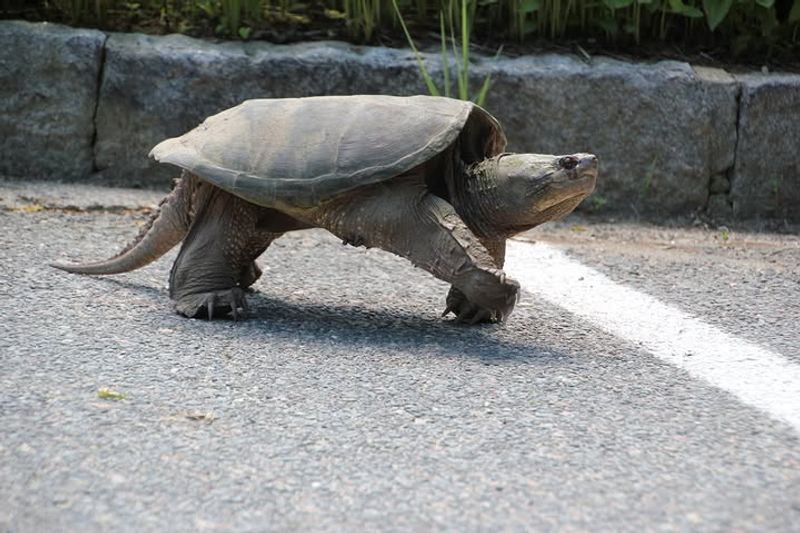
A turtle moving at a slow, steady pace across a yard can look aimless to a casual observer. The pace is deliberate, though, not random.
Snapping turtles move with purpose even when they appear to be simply plodding along.
The slow movement reflects their biology, not confusion. Turtles are ectothermic, meaning their body temperature depends on the environment around them.
On a warm day, a snapping turtle crossing open ground is working hard relative to its usual pace in water. The effort is real, and the animal is conserving energy while staying on course.
One of the most common mistakes people make is turning a turtle around or carrying it to a different location. This can actually cause harm.
A turtle following a nesting or habitat route has a mental map of where it is headed. Moving it to an unfamiliar spot forces it to start over, which wastes energy and increases exposure to road hazards.
The Ohio Department of Natural Resources advises that if a turtle is not in immediate danger, the best action is to leave it alone. Watch from a respectful distance and allow it to continue in the direction it was already heading.
5. A Female May Be Searching For Loose Sunny Soil
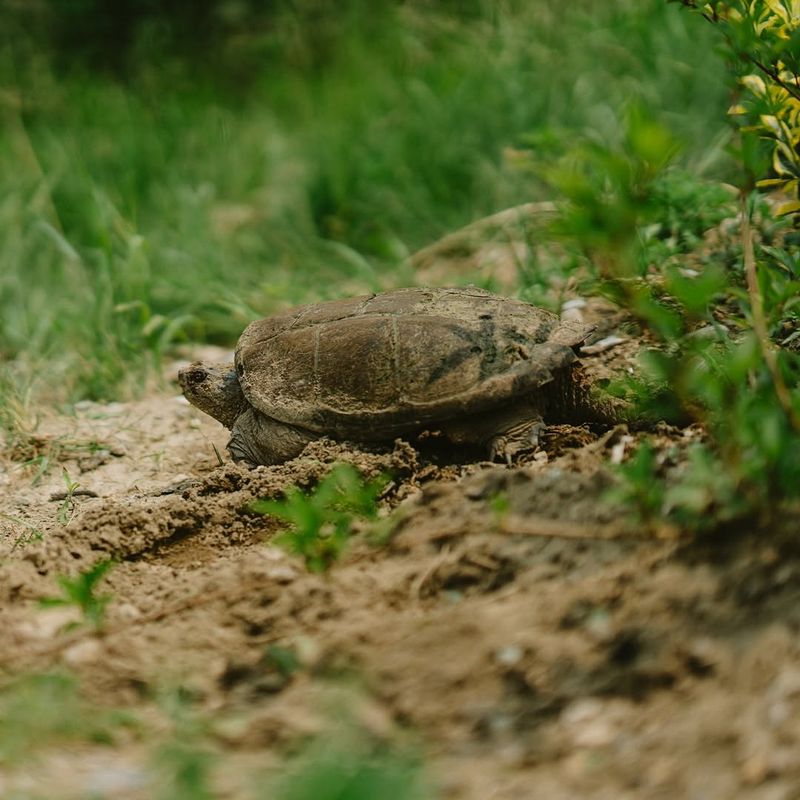
Finding the right place to lay eggs takes time and careful assessment. Female snapping turtles prefer nesting spots that offer warmth, good drainage, and soil that is loose enough to dig into without too much effort.
Sunny locations are especially attractive because warmth in the soil helps incubate the eggs after they are laid.
Yards often offer exactly the kind of conditions a nesting female is looking for. Bare patches near a fence, the edge of a garden bed, a gravel strip along a driveway, or a sandy area near a foundation can all fit the profile.
The turtle may investigate several spots before choosing one, so you might notice her pausing, scratching at the surface, or moving in slow arcs across the yard.
Once a female selects a spot, she uses her back legs to dig a flask-shaped hole and deposits her eggs. Snapping turtle clutches can contain a surprisingly large number of eggs.
After laying, she covers the nest and returns to the water. The nest itself is left unattended.
If you discover a nest in your yard, mark it gently with a small flag and give it space. Contacting a local wildlife professional is a good step if you are unsure what to do next.
6. Your Yard May Sit Between Wetlands Ponds Or Ditches
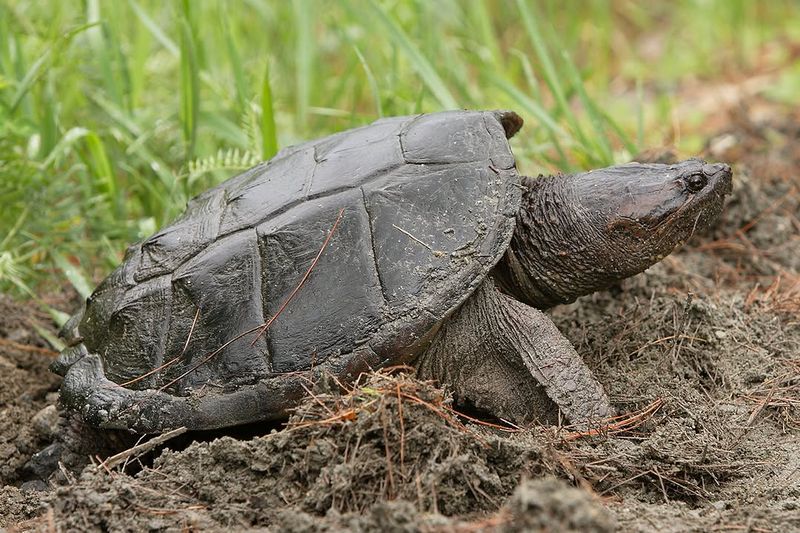
A snapping turtle does not see your yard the way you do. To a turtle moving through the landscape, a lawn is simply a section of ground between two water sources or between water and a nesting site.
Yards, driveways, and garden borders are human features. The wildlife routes beneath them are much older.
Many Ohio neighborhoods were built over or beside former wetlands, floodplains, and stream corridors. Retention ponds, drainage ditches, and low-lying areas still carry water through these landscapes.
A turtle moving across your yard may be following a route that has connected two wet habitats for generations. The grass and the fence are new.
The route is not.
This is why redirecting a turtle to a random location is rarely helpful. The animal knows where it came from and has a destination in mind.
Homeowners near ponds, streams, wetland edges, or even low spots that collect seasonal water are more likely to see turtle crossings. Looking at a neighborhood map or aerial view can reveal how many wet areas exist close to home.
The turtle’s path often makes more sense once you see the water features nearby. The yard is a corridor, not a destination.
7. A Snapping Turtle Visit Calls For Space Not Handling
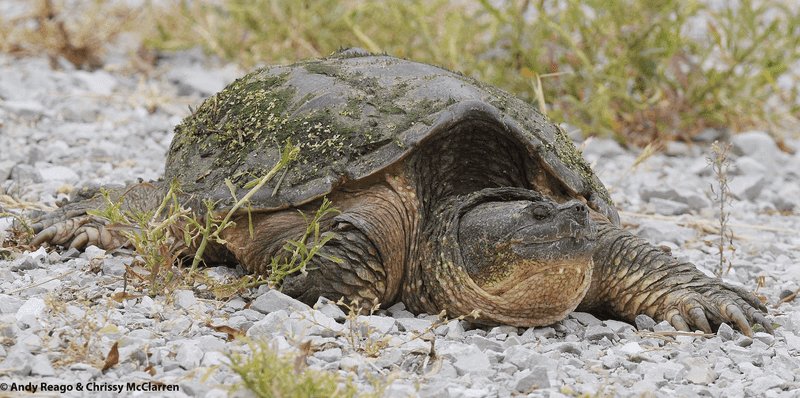
Spotting a snapping turtle in the yard can trigger an urge to get closer, pick it up, or move it somewhere safer. Resisting that urge is genuinely important.
Snapping turtles have powerful jaws and surprisingly long necks that can reach farther than most people expect. A defensive bite can cause a serious injury.
Keep children and pets well away from the turtle while it is crossing the yard. Dogs in particular may approach the turtle out of curiosity, which puts both animals at risk.
A snapping turtle on land feels vulnerable and will defend itself if it feels threatened. On land, it cannot retreat into a shell the way other turtles can, so snapping is its primary defense.
Watching from a distance of several feet is the safest and most respectful approach. Avoid making loud noises or sudden movements near the turtle.
Do not spray it with water, prod it with a stick, or attempt to guide it with your hands. If the turtle is on a road or in immediate danger, contact your local wildlife professional or the Ohio Department of Natural Resources for guidance.
Letting the turtle move at its own pace, without interference, is almost always the right call for everyone involved.
8. One Ancient-Looking Visitor Points To A Wilder Landscape

A snapping turtle walking through a suburban yard is easy to overlook as a nuisance or a strange fluke. Seen differently, it is evidence that the local landscape still holds wild connections.
Wetlands, streams, ponds, and natural drainage corridors are still functioning close to home, even if they are not always visible from a window.
Snapping turtles have been part of North American ecosystems for a very long time. Their presence in a neighborhood suggests that the habitat around it has enough water, vegetation, and open land to support a population.
That is not a small thing. Many wildlife species have retreated from developed areas as habitat shrinks.
A snapping turtle crossing your yard means something wild still survives nearby.
Homeowners who see a turtle crossing can use the moment as a prompt to learn more about local water features, wildlife corridors, and conservation efforts in their area.
Organizations like Metroparks systems, local nature centers, and the Ohio Department of Natural Resources offer resources for understanding and protecting nearby habitat.
The turtle did not come to deliver a message. It came because the land still supports it.
That connection between a quiet yard and a functioning wild landscape is worth noticing and worth protecting.