Tennessee Gardeners Are Turning To This Tough Native Shrub Over Forsythia
Every spring, forsythia lights up suburban streets across Tennessee. It is reliable, it is familiar, and honestly, it is a little boring.
Gardeners who have grown it for years are starting to ask the same question: is there something better? Turns out, there is.
A native shrub that has been growing wild in Tennessee woodlands for centuries is finally getting the attention it deserves in home gardens.
It blooms in early spring with clusters of soft yellow flowers, often before forsythia even wakes up. Red berries in fall, golden foliage before the first frost, butterflies showing up all season long. Forsythia cannot compete with that.
Most shrubs look great for two weeks and disappear. This one gives you something worth noticing in every single season. If you have been planting forsythia out of habit, that habit is worth breaking.
The Shrub That Blooms Before Almost Anything Else In Your Yard
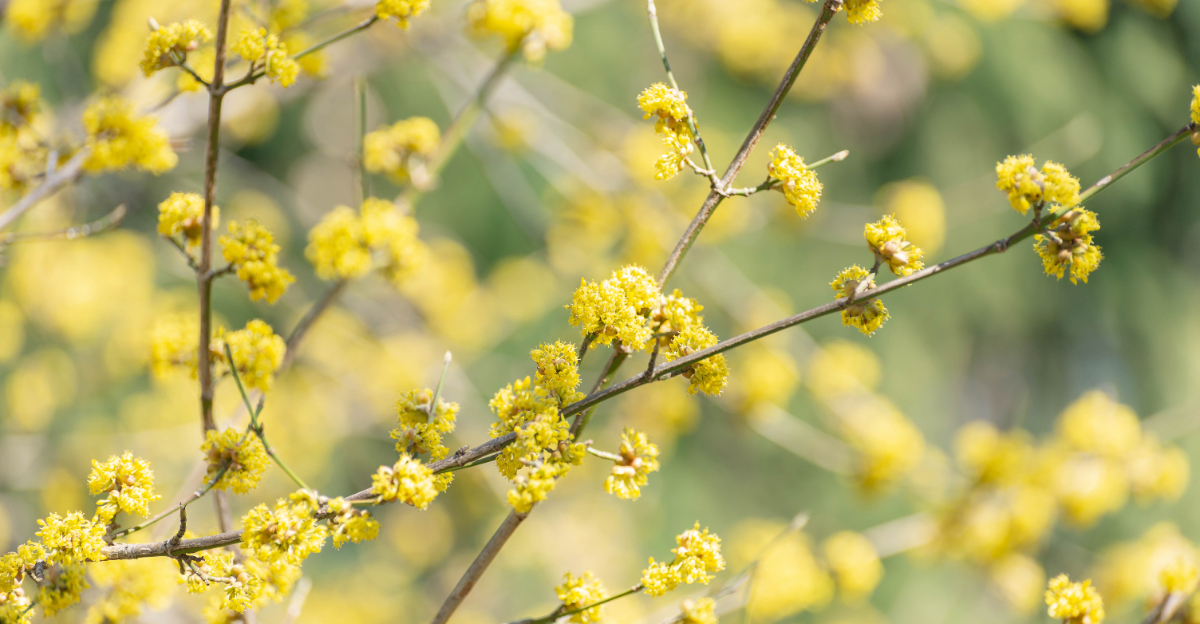
Yellow blooms appear on bare branches before winter even feels over. Spicebush bursts into color so early that most gardeners are still dreaming about spring planting.
Lindera benzoin is a native shrub that flowers in late February or early March across Tennessee. Those tiny golden clusters cover every branch before a single leaf has had the chance to appear.
What makes this timing so special is that almost nothing else is blooming yet. Your yard becomes a standout when neighbors still have bare, brown landscapes.
Pollinators notice first. Early bees and flies desperate for food flock to spicebush blooms when few other plants are offering anything at all.
Forsythia also blooms early, but it was brought over from Asia and does not feed native insects the same way. Spicebush evolved alongside local wildlife for thousands of years.
That long relationship means native bees recognize the flowers and trust the plant completely. Watching that early buzz of life return to your yard feels like a reward for a smart planting decision.
The shrub grows six to twelve feet tall and wide over time. Its branching habit is graceful and open, giving the garden structure without feeling crowded or stiff.
Tennessee gardeners are turning to this tough native shrub over forsythia for good reason. Early bloom time is just the beginning of a very long list of benefits this plant brings to your outdoor space.
Why Tennessee Gardeners Are Moving Away From Forsythia
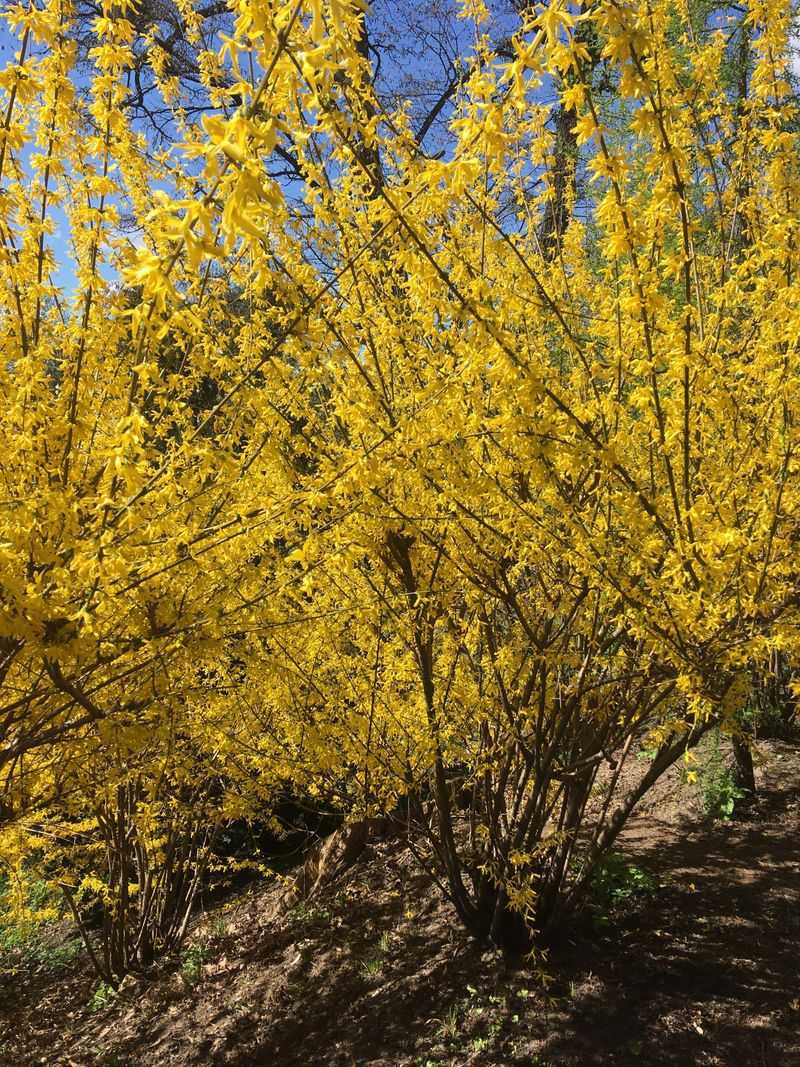
Forsythia looked great in the catalog photo. Then it took over half the yard and stopped being charming almost immediately.
Many Tennessee homeowners planted forsythia decades ago thinking it would stay tidy. Instead, it sprawls, suckers, and requires heavy pruning just to stay manageable each season.
Beyond the size issue, forsythia offers almost nothing to local wildlife after blooming. Native insects pass right over it because the plant did not grow up alongside them in this ecosystem.
Spicebush attracts native bees, flies, and other pollinators at a time when few other plants are offering anything at all. It also hosts the spicebush swallowtail butterfly, one of the most stunning butterflies in the eastern United States.
Your Tennessee Garden Changes Every Week. Your Plan Should Too.
Gardening in Tennessee changes quickly throughout the season. Every Friday you’ll receive a simple weekly plan showing exactly what to plant, prune, fertilize, harvest, and protect so you never miss the right timing.
Forsythia blooms are beautiful but hollow in an ecological sense. Many of the most common varieties are sterile hybrids that produce no pollen or nectar at all.
Tennessee gardeners are turning to this tough native shrub over forsythia because they want beauty with purpose. A yard that supports real wildlife feels more alive and satisfying every single day.
Maintenance is another big factor driving the change. Spicebush grows naturally into a pleasing shape and rarely needs serious pruning to look good in the landscape.
Forsythia, left alone, becomes a tangled mess that swallows fences and crowds out neighboring plants. Trading one shrub for the other is one of the easiest upgrades a Tennessee gardener can make this season.
A Standout Native Shrub For Local Landscapes
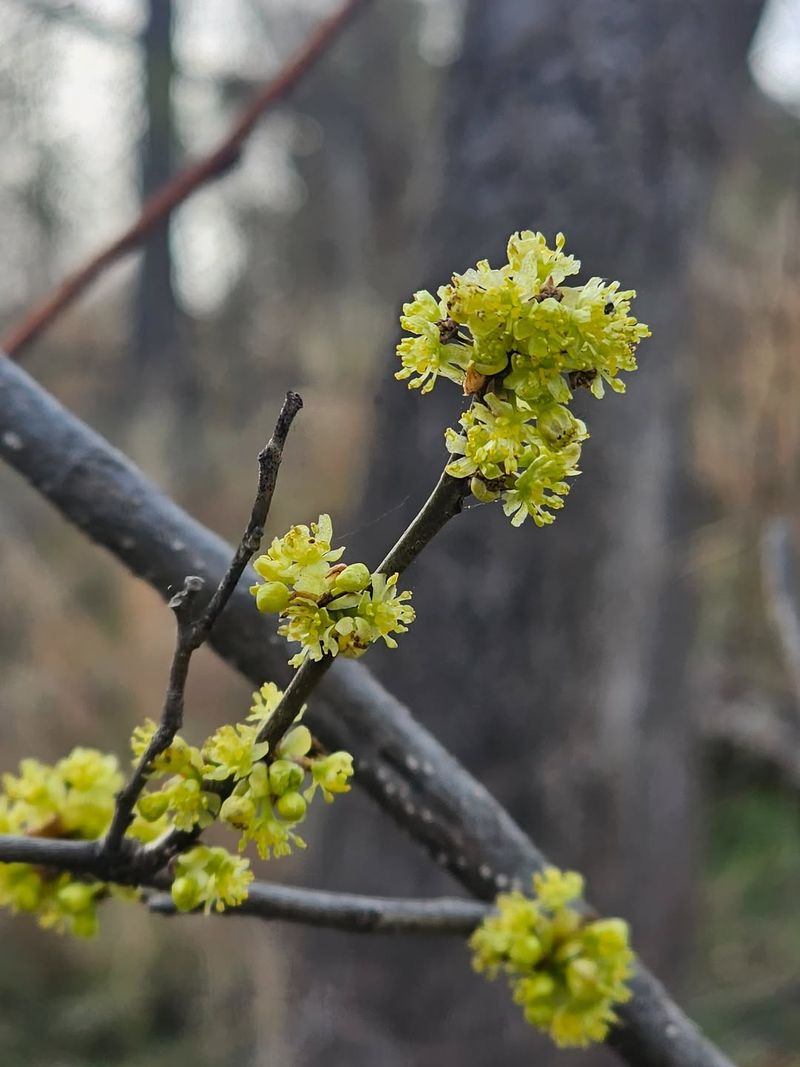
Not every shrub earns the word standout. Spicebush earns it across every single season of the year.
In spring, golden flowers light up bare branches with surprising warmth. By summer, the foliage turns a rich, clean green that holds its color through the hottest months Tennessee can throw at it.
Fall is where spicebush truly shows off. Leaves shift to a clear, buttery yellow while bright red berries appear on female plants like tiny ornaments dotting every branch.
Those berries are not just decorative. Migrating birds, including wood thrushes and veeries, depend on spicebush fruit during their long journeys south each autumn.
The plant also handles Tennessee’s unpredictable weather without complaint. Late freezes, summer drought, and heavy clay soil are conditions that would stress many ornamental shrubs into decline.
Spicebush shrugs off all of it. Its deep root system and native adaptations make it one of the most resilient choices available for local gardeners right now.
Crush a leaf between your fingers and you get a spicy, almost citrusy scent that is genuinely pleasant. That aromatic quality comes from natural oils the plant produces as a defense against browsing deer.
Tennessee gardeners are turning to this tough native shrub over forsythia because it checks every box. Beauty, wildlife value, and toughness rarely come together this completely in one single plant.
How To Grow It In Your Yard
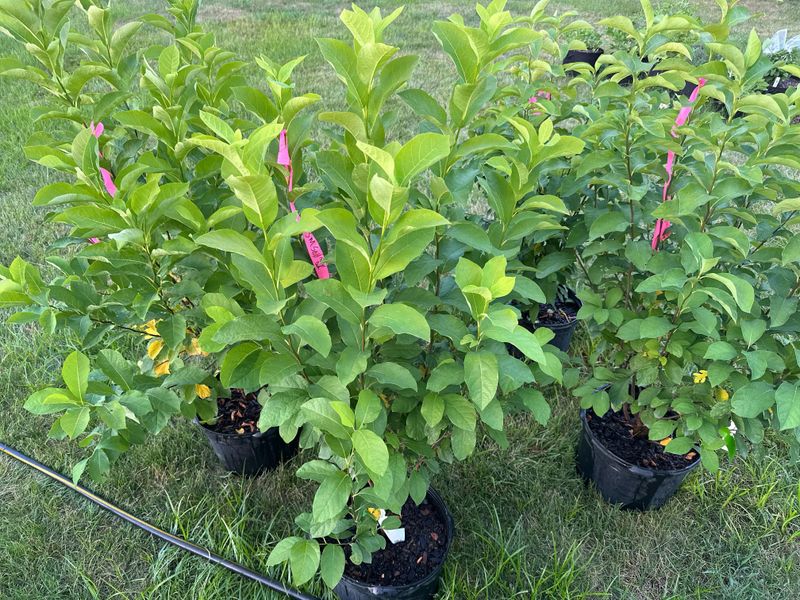
Growing spicebush is refreshingly straightforward. You do not need a botany degree or a special soil mix to get started.
Choose a spot with partial to full shade, which is actually great news for those tricky shaded corners where other shrubs struggle. Spicebush thrives where light is filtered or limited for part of the day.
It also grows well in full sun as long as moisture is consistent. In hotter, sunnier spots, a good layer of mulch around the base keeps the roots cool and happy.
Planting time matters more than most people realize. Fall planting gives the root system a full season to establish before summer heat arrives the following year.
Dig a hole twice as wide as the root ball but only as deep. Setting the plant at the right depth prevents crown rot, which is the most common mistake new gardeners make with shrubs.
Water deeply once a week during the first growing season. After that, spicebush becomes largely self-sufficient and rarely needs supplemental watering except during extreme drought.
Fertilizer is optional and usually unnecessary. Native plants evolved without lawn care schedules, and spicebush is happiest when left to grow on its own natural terms.
If you want berries, plant at least one male and one female shrub nearby. Nurseries that specialize in native plants can help you identify the right combination for a productive planting.
The Best Location For It In Your Yard
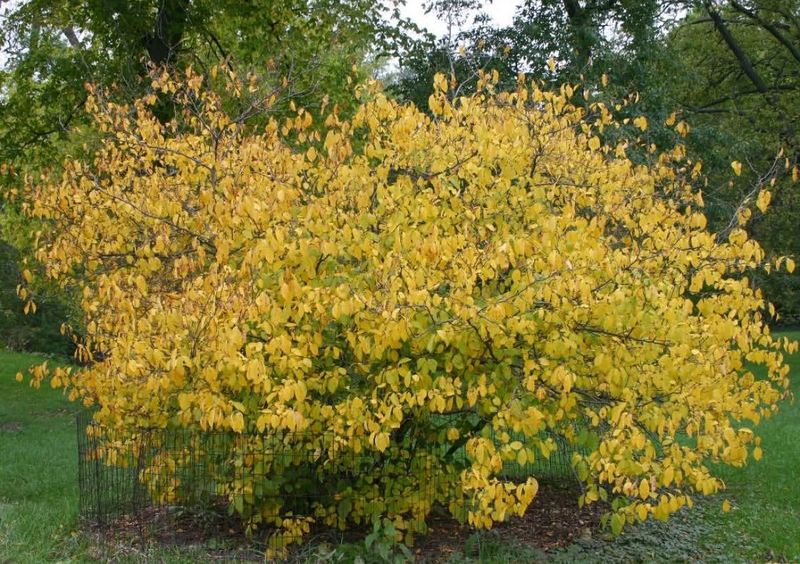
Location is everything in gardening, and spicebush has strong opinions about where it feels most at home. Getting placement right unlocks the plant’s full potential from day one.
Woodland edges are the sweet spot. Areas where your lawn meets a tree line or shaded fence row mimic the natural habitat where spicebush evolved and grows most vigorously.
Rain gardens and low spots in the yard are also excellent choices. Spicebush tolerates occasional standing water far better than most ornamental shrubs sold at big-box garden centers.
Avoid planting in areas with very dry, exposed soil unless you plan to water regularly. Sandy hillsides baking in afternoon sun push the plant past its comfort zone quickly.
Group plantings create a more dramatic effect than single specimens. Three or five shrubs planted in a loose cluster look natural and provide much better wildlife habitat than a lone plant.
Use spicebush as a backdrop for spring wildflowers like Virginia bluebells or trillium. The shrub’s open branching in early spring lets light reach the ground plants before leafing out fully.
Foundation plantings on the north or east side of a house work beautifully. Spicebush handles those shadier exposures with ease while adding seasonal color that most foundation shrubs simply cannot match.
Placing it near a window or patio gives you front-row seats to the wildlife activity it attracts. Watching butterflies and birds visit from your own backyard never gets old.
Wildlife Benefits That Forsythia Simply Cannot Match
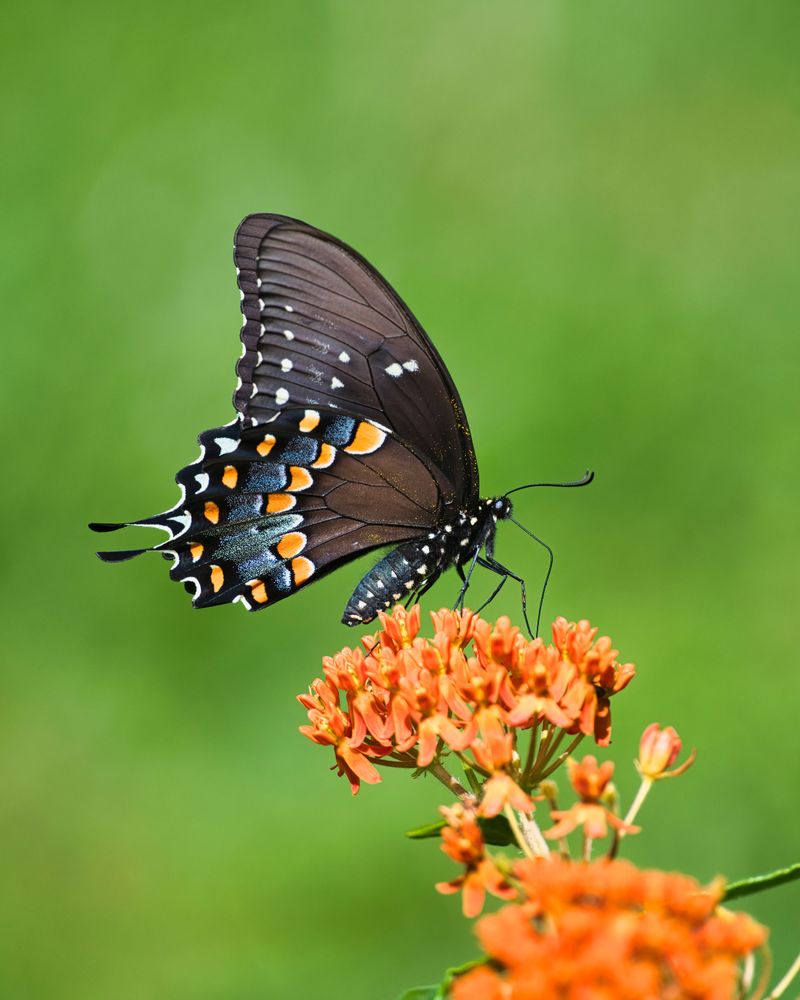
A yard full of wildlife sounds like a dream, and spicebush makes that dream surprisingly achievable. Few shrubs punch above their weight class the way this native plant does.
The spicebush swallowtail butterfly relies on this plant as one of its primary host plants for its caterpillar stage. Planting spicebush gives that gorgeous black-and-blue butterfly one more place to raise its young.
Hosting a butterfly’s entire life cycle in your own backyard is a genuinely thrilling experience. Watching a caterpillar roll itself into a leaf shelter on your shrub is nature documentary material right outside your window.
Beyond butterflies, the plant supports a wide range of native bees that emerge early in the season. These small bees need pollen sources in late winter, and spicebush delivers exactly when they need it most.
Fruit-eating birds target the red berries with impressive speed each fall. Species like wood thrush, veery, and gray catbird stop to refuel on spicebush fruit during their southward migration routes.
Forsythia attracts almost no native wildlife beyond the occasional bird using it for cover. The ecological gap between these two shrubs is enormous once you start paying attention.
Planting for wildlife does not mean sacrificing beauty or design. Spicebush proves that a garden can be both stunning and genuinely useful to the living world around it.
Every berry eaten and every butterfly raised in your yard is a small but real contribution to a healthier local ecosystem. That sense of purpose is something no imported ornamental can offer.