These Simple Mulch Mistakes Are Why Tennessee Yards Struggle With Ticks (Fix Them This Fall)
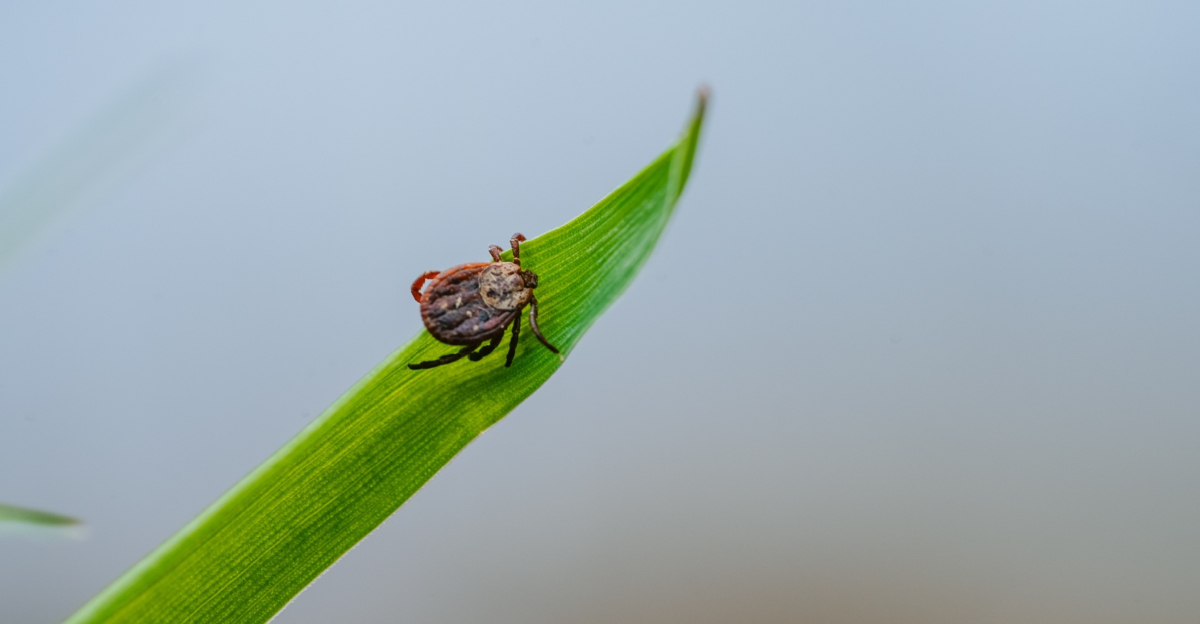
You pull a tick off your ankle on a crisp November afternoon, and your mulch looks completely innocent. Fresh, tidy, totally harmless. Yet it can be a cozy spot for ticks sitting right outside your door.
Bad mulching habits quietly roll out the welcome mat for every tick moving through your Tennessee yard, even as the weather cools.
Your mulch holds moisture, blocks sunlight, and sits undisturbed for weeks on end, and fallen leaves only add to the comfort. Ticks treat those conditions like a snug winter retreat with unlimited reservations.
Are you accidentally running the coziest tick hideout in the whole neighborhood? The same mulch mistakes keep yards struggling season after season, and fixing them this month is far simpler than you ever imagined.
Tennessee homeowners hand ticks every advantage they need, one mulching decision at a time. November is the perfect moment to change that, before winter settles in and spring arrives.
Piling Mulch Too Deep Beyond Two To Three Inches

Too much of a good thing can work against your whole yard plan. Mulch piled beyond three inches holds heat and moisture in a way that ticks enjoy.
Thick layers create a humid pocket just above the soil, and that warm, damp zone is where ticks rest between hosts.
Most lawn guides suggest two to three inches as the sweet spot for Tennessee beds. Go deeper than that, and instead of protecting your plants, you are building a comfortable home for ticks.
Many homeowners add fresh mulch every spring without removing the old layer first. Over the years, that habit stacks material and pushes the depth well past the safe range. The fix is simple. Rake back the extra and aim for an even, shallow layer across the bed.
A ruler or your finger makes a quick depth check. Keeping mulch thin lets soil breathe, helps plants stay healthy, and saves money on bags each season.
Depth control is one of the easiest and most affordable corrections you can make, and it ties directly into why simple mulch mistakes leave Tennessee yards struggling with ticks.
Mulching Directly Against The Home’s Foundation

Picture a pathway leading straight to your door, because that is what foundation mulch can create for ticks.
When organic material touches your home’s base, it bridges the gap between the outdoor yard and your living space.
Ticks do not need an invitation, but mulch against the wall gives them an easy route. Ticks can crawl from the moist mulch toward the edges of the home, although most ticks reach the inside of a house on pets or people.
Pest control professionals often point to this habit as a way for insects to get close to a home. Keeping mulch at least six inches back from the foundation helps close that pathway.
A dry gravel or stone border works well as a buffer between the mulch bed and the house. Ticks prefer soft, moist material and tend to avoid crossing a dry, rocky strip.
Beyond ticks, mulch against the house holds moisture next to siding and masonry, which can lead to mold and wear over time. Pulling it back protects your home.
This fix costs nothing but a little effort on a Saturday morning. Grab a rake, pull the mulch back, and let that foundation breathe.
Choosing Organic Mulch For Deeply Shaded Beds
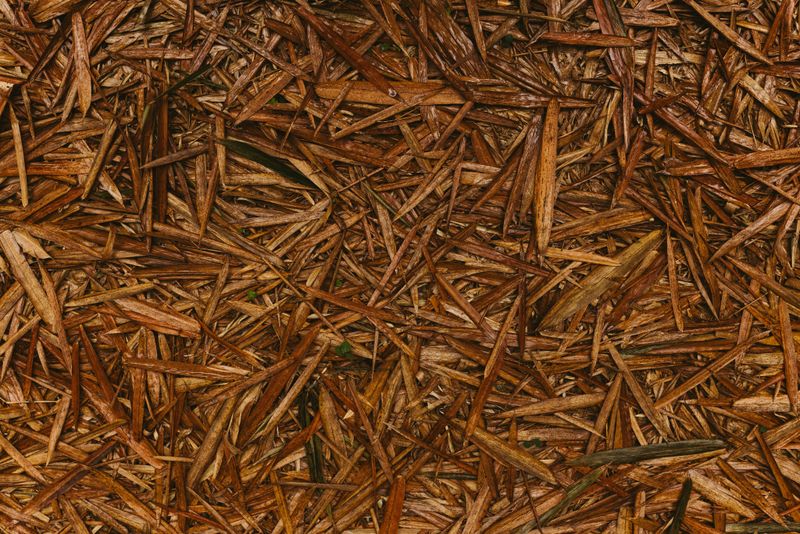
Fresh organic mulch smells great and looks tidy, but in shaded spots it can create friendly conditions for ticks. Shade keeps the sun from drying the moisture out, so the mulch stays damp for days after a rain.
Ticks depend on humidity to stay active, and a mulched shaded bed gives them the moisture they look for. Swapping materials in shaded areas makes a real difference.
Pine straw, river gravel, and decomposed granite dry faster and hold far less water than wood chips. If you love the look of dark wood mulch, save it for sunny beds where the sun can do its drying work.
Shaded beds near wooded edges deserve extra attention because they connect directly to natural tick habitat. Ticks can move from those borders into the garden, especially when humidity is high.
Cedar mulch can be a middle ground in shaded spots, since its natural oils may discourage some insects, but it is still organic, so keep the layer thin.
Rethinking what goes into your shaded beds is one of the smarter moves a Tennessee homeowner can make. Small material swaps can lead to big reductions in tick activity across the yard.
Using Standard Mulch In Permanently Shaded Corners

Some yard corners never see direct sunlight, and those spots call for a different approach. Spreading standard mulch in a permanently shaded zone is like leaving a damp sponge on the lawn all season.
Constant shade keeps the ground cool and moist for long stretches. Ticks are skilled at finding these quiet pockets and settling in without anyone noticing.
Ground covers like pachysandra or mondo grass can replace mulch in heavily shaded zones. Living plants still protect the soil from erosion, yet they do not hold on to stagnant moisture the way wood chips do.
Another solid option is decomposed granite or crushed stone, which drains quickly and stays dry between rain events. Homeowners sometimes assume more mulch means a healthier landscape, but that idea changes in no-sun areas.
The goal there should be moisture management, not only weed control. If you must use organic mulch in a low-light zone, keep the layer very thin and rake it to loosen compaction.
Airflow reduces the cozy conditions ticks prefer. Creativity pays off quickly, and a drier, well-managed corner gives ticks one less reason to settle in.
Letting Leaf Litter Accumulate Inside Mulched Beds

Fallen leaves look harmless, but a thick layer of leaf litter inside a mulched bed gives ticks a welcoming spot.
Decaying leaves and moist mulch together create warmth, humidity, and shelter in one place. Ticks can spend the cold months in leaf piles and become active again in early spring.
Clearing leaves from mulched areas at least twice in fall and once in early spring makes a noticeable difference. Try not to let them settle and break down inside the bed.
A leaf blower works quickly, and a simple hand rake does the job just as well. The goal is to remove the layer before it compacts and traps moisture underneath.
Bagging the leaves is a smart choice for tick management, since a compost pile near the yard edge can become another gathering spot.
Some homeowners try food-grade diatomaceous earth, but its effectiveness against ticks is not well established, and it can harm beneficial insects, so use it sparingly and keep it away from blooming plants.
Staying on top of leaf litter is an underrated habit for reducing tick activity. Clean beds mean fewer hiding places and a safer yard for everyone.
Adding Fresh Mulch On Top Of Old Compacted Layers

Topping off old mulch with a fresh bag feels efficient, but it creates a slow-building issue beneath the surface.
Compacted lower layers hold moisture and decaying organic matter, which ticks find appealing. Over a few seasons, stacked layers can push depth well past six inches, and at that point the bed behaves more like a compost pile than a garden feature.
Before adding new mulch each season, take time to rake out the old layer or at least turn it thoroughly. Breaking up compaction lets air and sunlight reach the lower layers and discourages tick habitat from forming.
If the old mulch has broken down significantly, remove it and start fresh with a clean, shallow application. Two inches of new mulch over bare soil is always better than four inches of layered material.
This habit also helps your plants by preventing mulch volcanoes, where thick piles around stems limit airflow to the roots.
Spend ten minutes before you open the new bag, and you will change the character of that bed. A little spring prep keeps your yard cleaner and far less inviting to ticks.
Using Soft Organic Mulch In High-Traffic Zones Near Patios And Play Areas
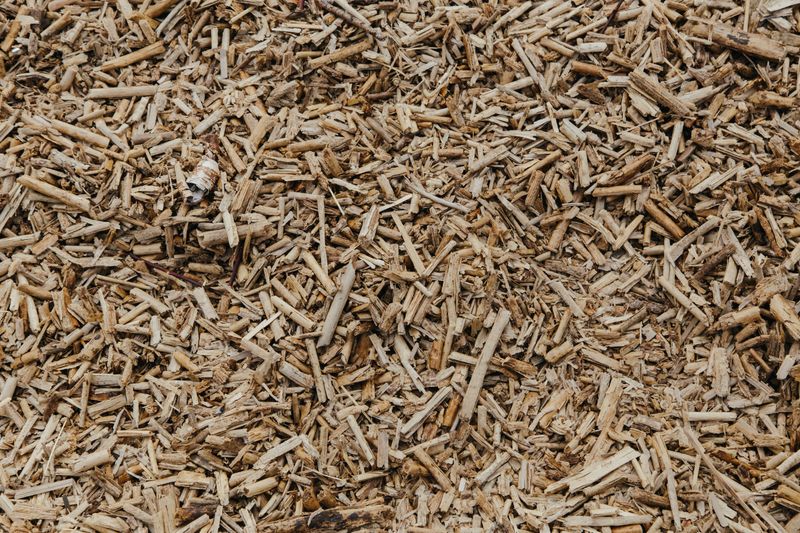
Soft wood chip mulch under a swing set looks cushiony, but it can place ticks right where children spend the most time.
High-traffic zones near patios and play areas are the best places to avoid moisture-holding organic material. Children and pets are low to the ground, so tick-friendly material in these zones raises exposure for the whole family.
Certified playground-safe rubber mulch or pea gravel is a smart choice for play areas. Both drain quickly, stay dry between uses, and do not break down into the organic matter ticks prefer.
Patio edges are another overlooked spot. Ticks can move from a mulched border onto a patio surface when humidity is high and conditions stay moist.
Replacing soft organic mulch near seating areas with a stone or gravel border creates a dry buffer that slows tick movement toward family spaces.
If you have wood chips in a play zone, consider pulling them back and laying a weed barrier before adding a drier material.
Protecting the places where life happens is what smart yard care is all about, and swapping materials is one of the fastest fixes available.
Skipping A Barrier Layer Between Soil And Mulch
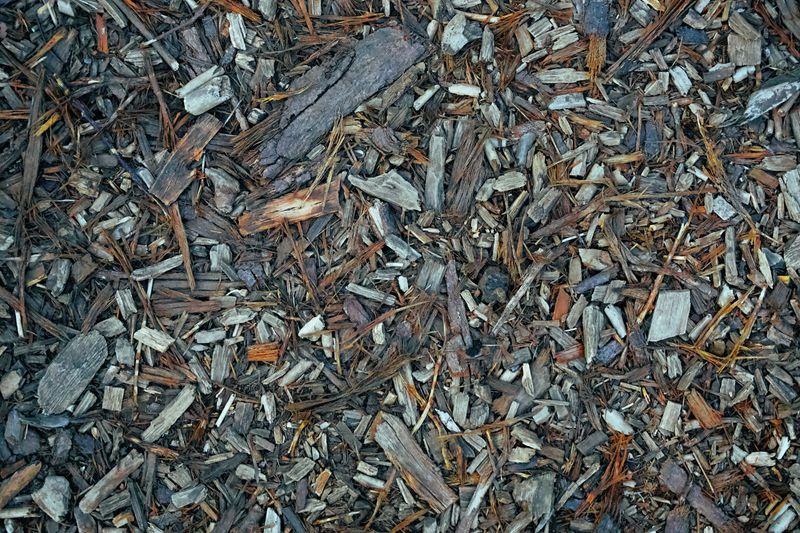
Mulch laid directly onto bare soil with nothing underneath creates a continuous path for ticks to move between layers.
Ticks can be found in soil and leaf litter, and without a barrier they can move upward into the mulch whenever conditions suit them.
A landscaping fabric or weed barrier laid before mulching reduces that vertical movement. It will not remove every tick, but it takes away the easy path they rely on.
Choose a permeable fabric rather than solid plastic sheeting, since plastic traps moisture between layers and creates the damp conditions you want to avoid.
Pins or staples keep the barrier flat and stop it from shifting as you spread mulch on top. A fabric that bunches or leaves gaps defeats the purpose and leaves openings along the edges.
Some homeowners skip this step to save time or money, but the tradeoff is a yard that starts the tick cycle over each season.
An affordable roll of landscaping fabric is a small investment compared with a summer of tick checks. Lay the barrier first, and give every other fix you make a better chance.
Clean And Reset Your Beds

Fall is a wonderful time to put your mulch beds back in order, and the cooler weather makes the work comfortable.
Start by clearing leaves and fallen debris from every bed, with a rake or blower. Bag the leaves and set them away from the house instead of piling them near the yard edge.
Next, check mulch depth in several places with a ruler. Anywhere you find more than three inches, rake the extra into a wheelbarrow and spread it thinly in a sunny spot or remove it.
Turn the remaining mulch with a garden fork so it loosens and dries out. Pull all mulch back at least six inches from the foundation.
This is also a good moment to look at shaded beds and mark the ones that stay wet. Plan to repeat a quick leaf sweep every couple of weeks until the trees are bare.
Finishing these steps before winter means the beds go into the cold months clean, open, and dry, ready for a calmer spring. A single weekend can cover an average yard, and the results last well into next year.
Swap Materials Where It Matters
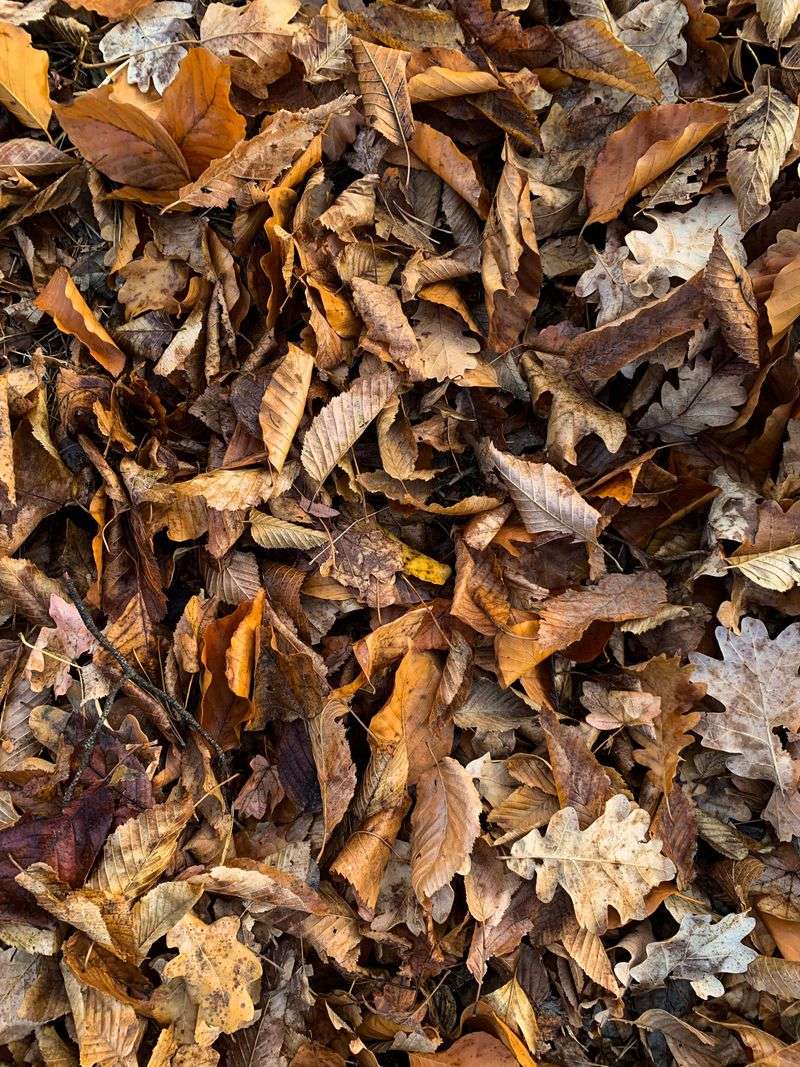
Once your beds are clean, fall is a great time to replace mulch where moisture tends to linger. Begin with deeply shaded beds and permanently shaded corners.
Consider pine straw, river gravel, or decomposed granite in these areas, or plant pachysandra or mondo grass, since fall planting gives roots time to settle before summer.
Next, look at play areas and patios. Pea gravel or certified playground-safe rubber mulch drains well and stays dry.
Add a stone or gravel border along the foundation and around seating areas for a dry buffer between planted beds and the spaces your family uses.
Keep dark wood mulch for sunny beds where the sun can dry it. Order materials by the cubic yard if you have several areas, since bulk delivery often costs less than small bags. Lay new material at a shallow depth and measure as you go.
Fall projects have time to settle in before the growing season. If you are unsure about a bed, start with the wettest one and watch how it behaves after rain. Small changes made now will show up as a more comfortable yard next summer.
Add Barriers And Build A Simple Routine

Before you finish for the season, set up the simple habits that keep your yard in good shape year-round. Lay permeable landscaping fabric beneath any new mulch, and use pins to hold it flat.
Avoid solid plastic, which traps moisture. Apply fresh mulch only after raking or removing the old layer, and aim for two to three inches.
Create a simple calendar for the year: a leaf sweep twice this fall, one more in early spring, and a depth check each spring before new mulch goes down.
Keep grass trimmed and the edges between lawn and woods neat, since this helps sunlight reach the ground.
For personal protection, wear light-colored clothing outdoors, use an EPA-registered repellent, and check yourself, children, and pets after time outside.
Talk with your local UT Extension office or a licensed pest professional if you would like advice specific to your property.
With these steps in place, your Tennessee yard becomes a drier, more open space that is far less welcoming to ticks. Fall effort pays back all spring and summer, and your family can enjoy the outdoors with more confidence.