What California Law Says About A Neighbor’s Vines Growing Over Your Fence
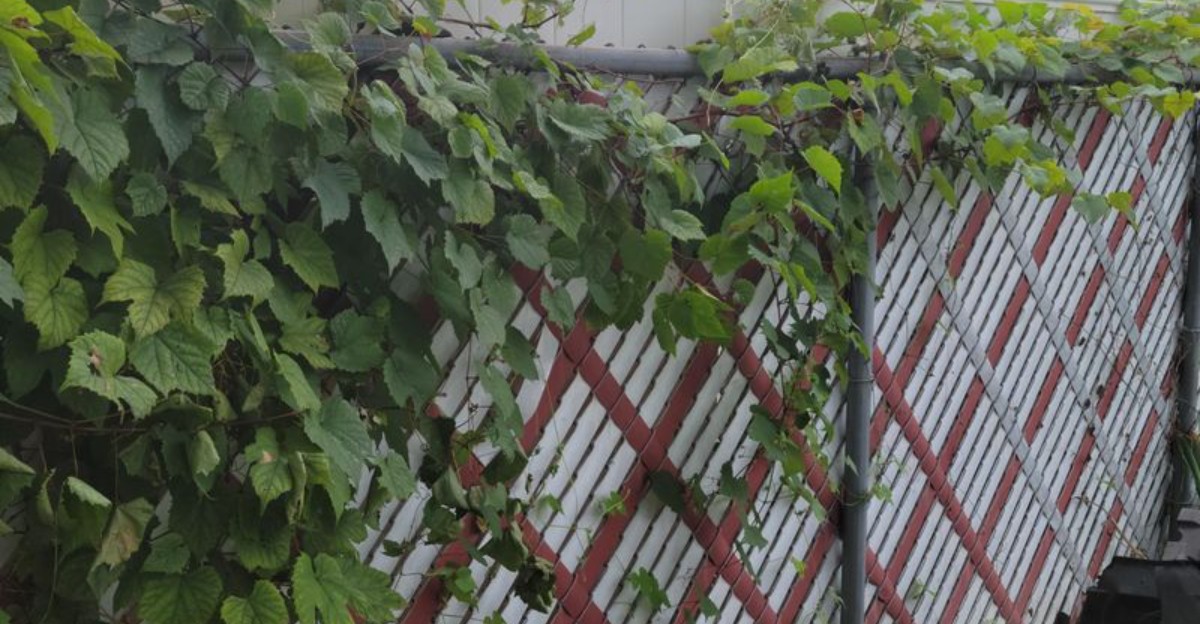
A single overhanging plant can cost a careless pruner up to three times its value in court. That penalty comes from a real state law, and it catches plenty of weekend gardeners off guard.
Here in California, the green tangle creeping over your fence belongs to your neighbor if its roots and main stem sit on their side.
You can trim it, but only in certain ways and only up to a certain line. Cross that line, even with good intentions, and the trouble can grow faster than the plant ever did.
I love a lush fence as much as anyone. Still, I believe every gardener deserves to know the rules before grabbing the loppers on a sunny Saturday.
So how much can you cut, and where does your right to snip quietly end?
That Leafy Vine On Your Fence Has An Owner, And It Might Not Be You
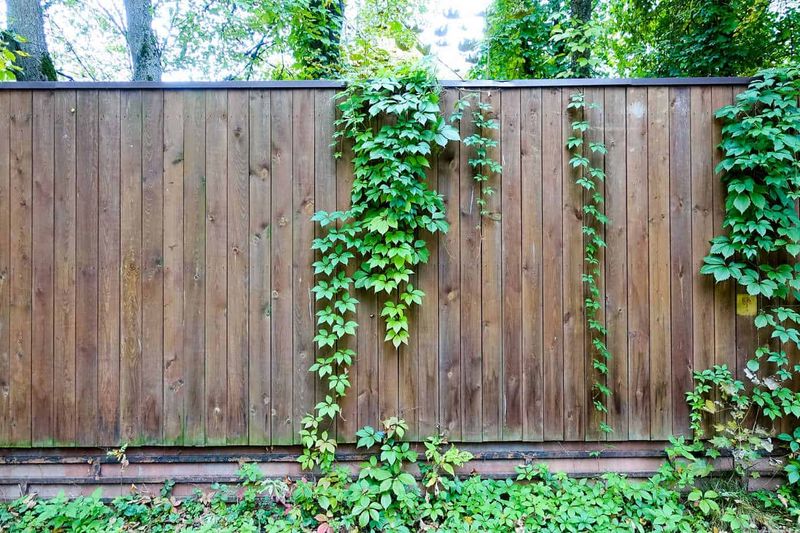
Ownership starts at the ground. Under California law, a plant belongs to whoever owns the land where its trunk or main stem grows, not where its leaves end up.
Civil Code Section 833 says trees whose trunks stand wholly on someone’s land belong to that owner. Courts and attorneys apply the same idea to woody vines like wisteria, grapes, and bougainvillea.
So if the base of that vine pokes out of your neighbor’s soil, the whole plant is theirs, even the flowers draped across your patio.
Things change when the stem sits right on the property line. Section 834 treats a plant growing across the boundary as shared property. Both neighbors own it together, and neither one should remove it or cut it hard without the other’s agreement.
Before you do anything, walk out and find the base of the vine. Follow the stems down to the soil and note exactly where they enter the ground.
If you are unsure where the line runs, check your property survey or county parcel map. Fences are often a little off the true boundary, sometimes by several inches or more. That small gap can decide who really owns the plant and who gets a say in its future.
Pruning Shears Can Stop Right At The Property Line
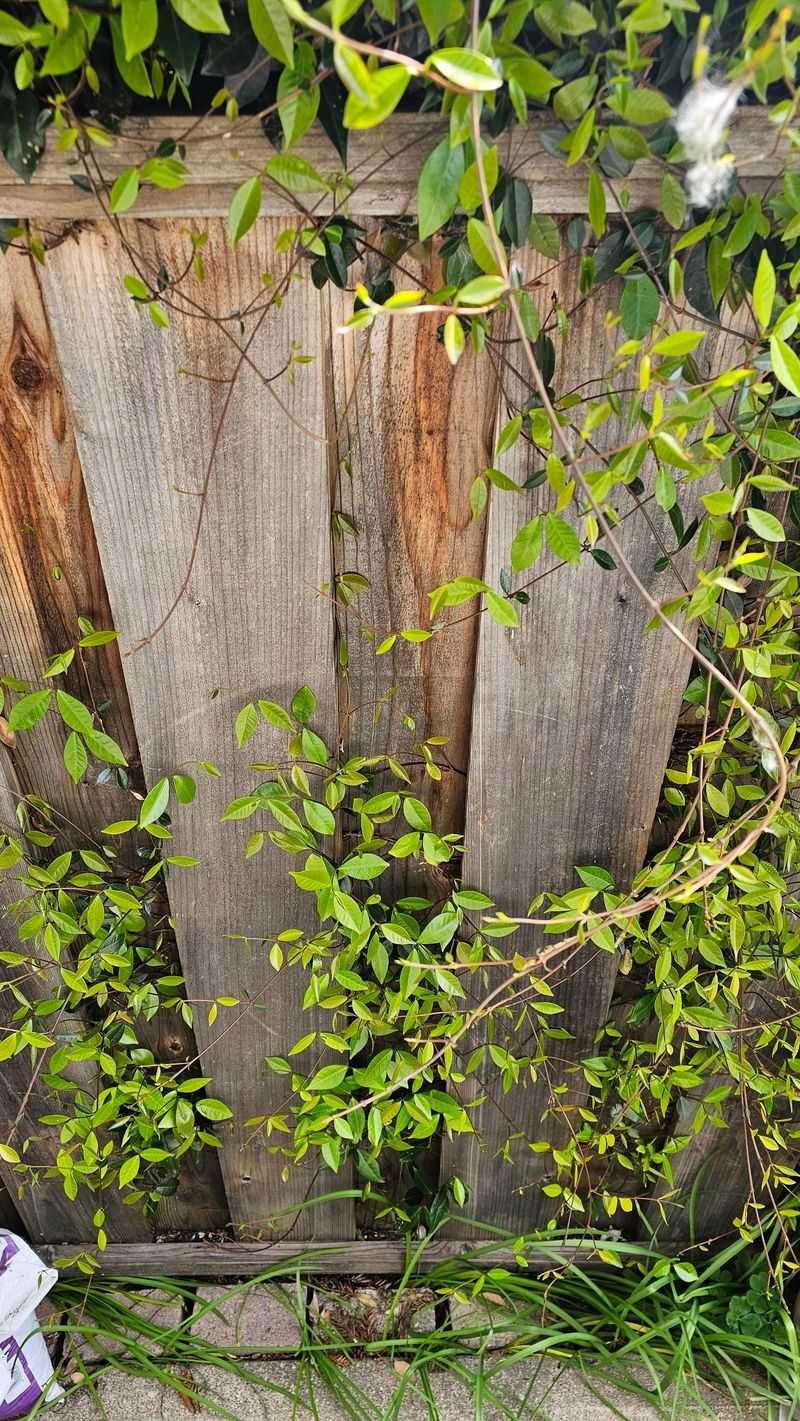
Grab your pruners, because California gives you a real right to trim. Lawyers call it self-help, and it lets you cut back branches and stems that hang over onto your property.
You usually do not need your neighbor’s permission or advance notice. The key limit is location. You may trim only up to the property line, and you must do the work from your own side.
Reaching over the fence to tidy the rest of the vine is a different story. Leaning into their yard or climbing a ladder planted on their lawn can count as trespass. Keep your feet, your ladder, and your tools on your land.
A few habits make this easier:
Cut just inside the fence line instead of chopping the whole top of the vine. Use clean, sharp tools so the cuts heal well.
Bag and keep the clippings on your side unless your neighbor asks for them. Tossing debris over the fence can create a fresh complaint.
A quick friendly note before trimming still goes a long way. Most people appreciate the heads-up, and many will offer to help or even handle the job themselves.
Overzealous Cutting Could Cost You Double Or Triple Damages
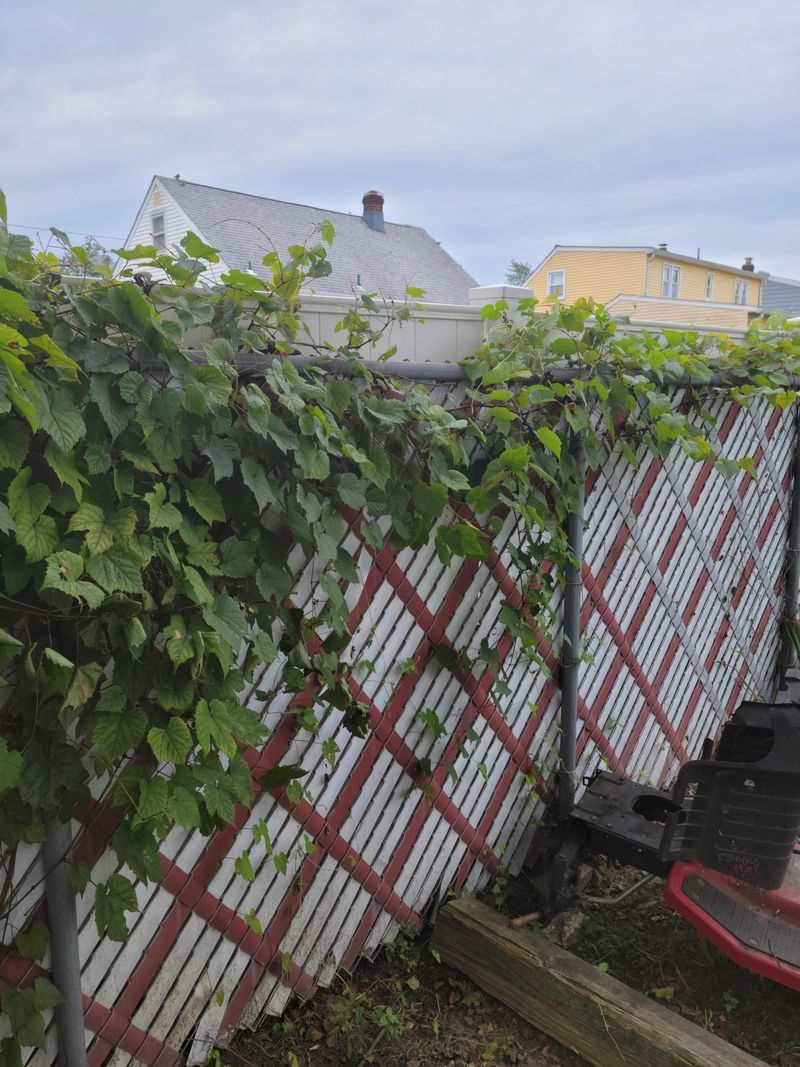
Here comes the part that surprises people. Your right to trim has a strict catch, and ignoring it can get expensive fast.
You cannot prune in a way that seriously harms the plant or causes it to decline. If your cuts injure the neighbor’s vine or tree, they may sue for its value. Under Civil Code Section 3346, wrongful injury to trees or timber can bring double damages, and willful harm can reach triple damages.
Mature plants can be worth surprising sums. A decades-old wisteria or grapevine may be valued at thousands of dollars by an arborist.
So how do you stay safe? Remove only the overhang you need, and skip any cuts that weaken the main trunk or major stems. Avoid spraying herbicide on the foliage on your side, since chemicals travel through the whole plant.
Big jobs deserve a pro. A certified arborist knows how much a vine can lose without suffering, and their records protect you if questions come up later.
I like to think of it this way. Trim like the plant is a guest you want to stay friendly with, not a rival you want gone.
Creeping Vine Roots Follow A Trickier Set Of Rules
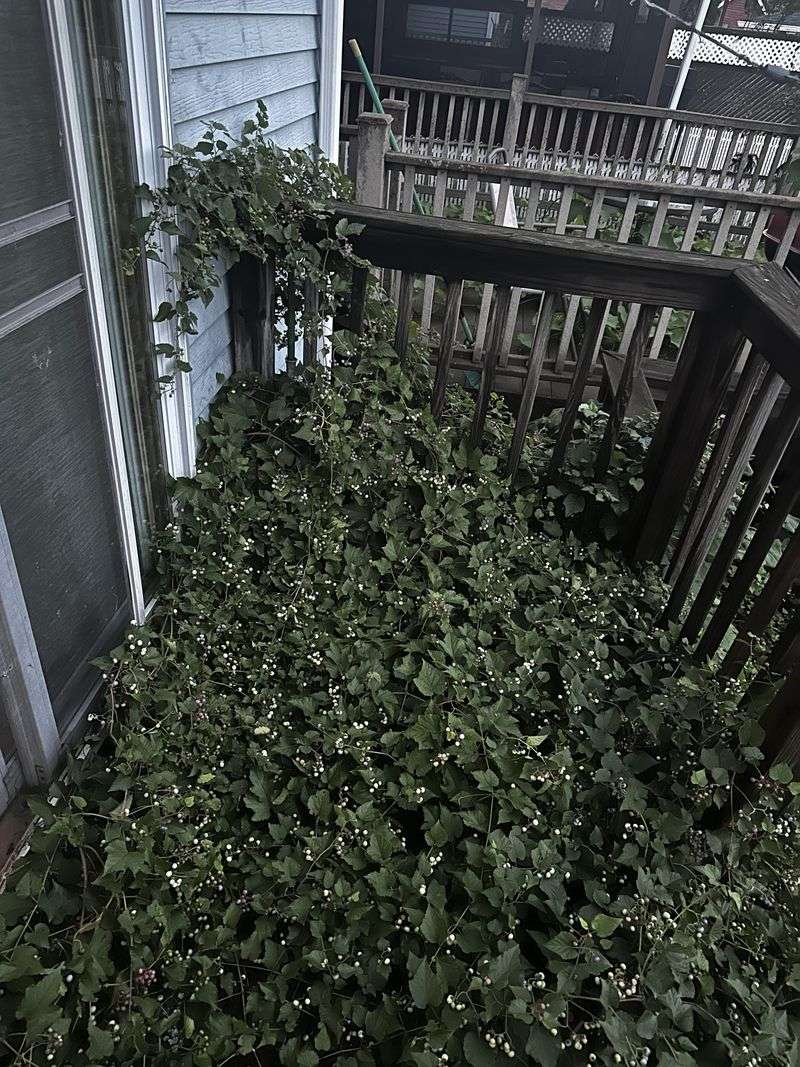
Underground, the law gets a little murkier. You can generally cut roots back to the property line, much like branches, but courts look harder at how and why you did it.
Root cutting is usually easiest to justify when the roots are causing real harm. Cracked patios, lifted walkways, damaged pipes, or pressure on a foundation all count as solid reasons.
The bigger risk is the plant itself. Slicing major roots close to the trunk can make a vine or tree unstable or send it into decline. If that happens, you could face the same damage claims that apply to careless pruning.
Some vines spread by underground runners. Bamboo, trumpet vine, and certain ivies are classic examples. You can install a root barrier along your side of the fence to slow them down without hurting the parent plant.
Before you dig, call 811 to have buried utility lines marked. It is free and required before excavation in California.
For larger roots, bring in an arborist to decide which ones can safely go. A professional opinion now beats a courtroom argument later.
Falling Petals Rarely Count As A Legal Nuisance
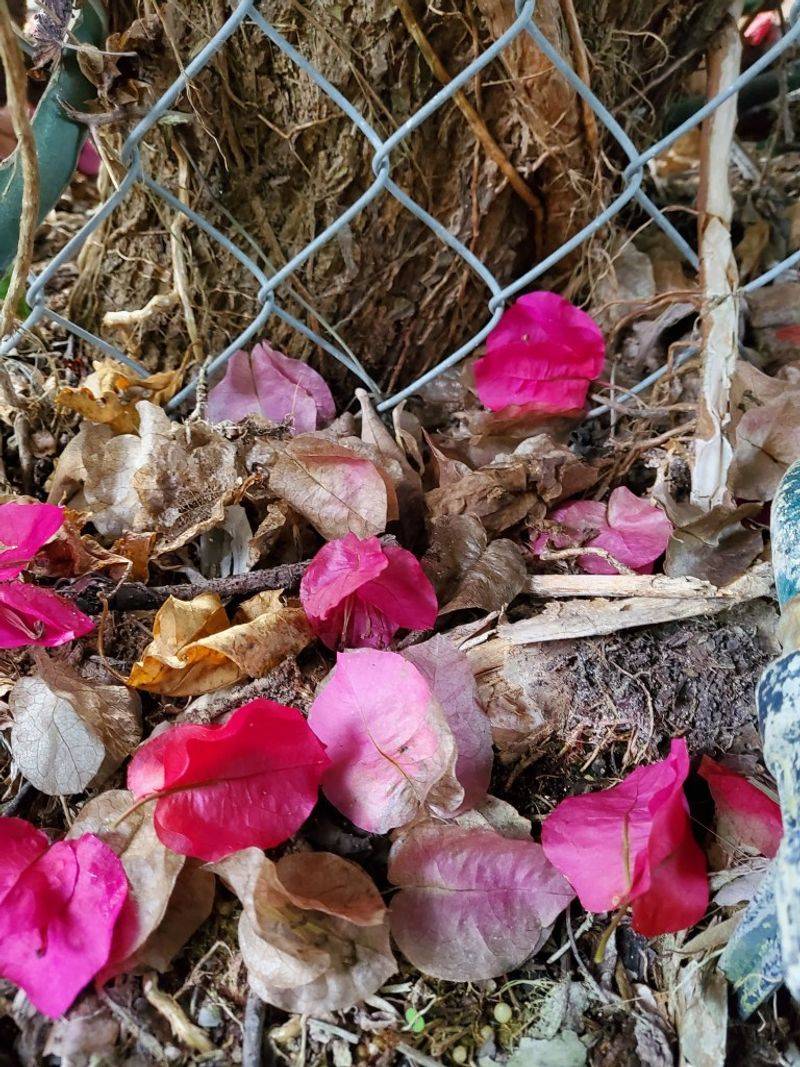
Bougainvillea drops papery petals like confetti all summer long. Annoying? Sure. Illegal? Usually not.
California nuisance law, found in Civil Code Section 3479, covers things that interfere with the comfortable enjoyment of your property. Encroaching plants can qualify, but courts expect more than everyday mess.
Falling leaves, flowers, and seed pods are mostly treated as natural events. Raking them is simply part of living near plants.
A vine crosses into nuisance territory when the problem is real and lasting. Think heavy growth pulling down your fence, roots breaking pipes, or stems blocking a gutter and causing water damage. Vines that create a fire hazard near your home can also raise serious concerns.
When harm is clear, you may ask a court for money to cover repairs. A judge can also order the owner to fix the problem, which is called an injunction.
Most people never reach that stage, and honestly, I hope you don’t either. Courts tend to favor reasonable folks who tried talking first. A sweeping bag of petals is rarely worth a lawsuit, but a collapsing fence just might be.
Heavy Vines Pulling Down Your Fence Need A Different Plan
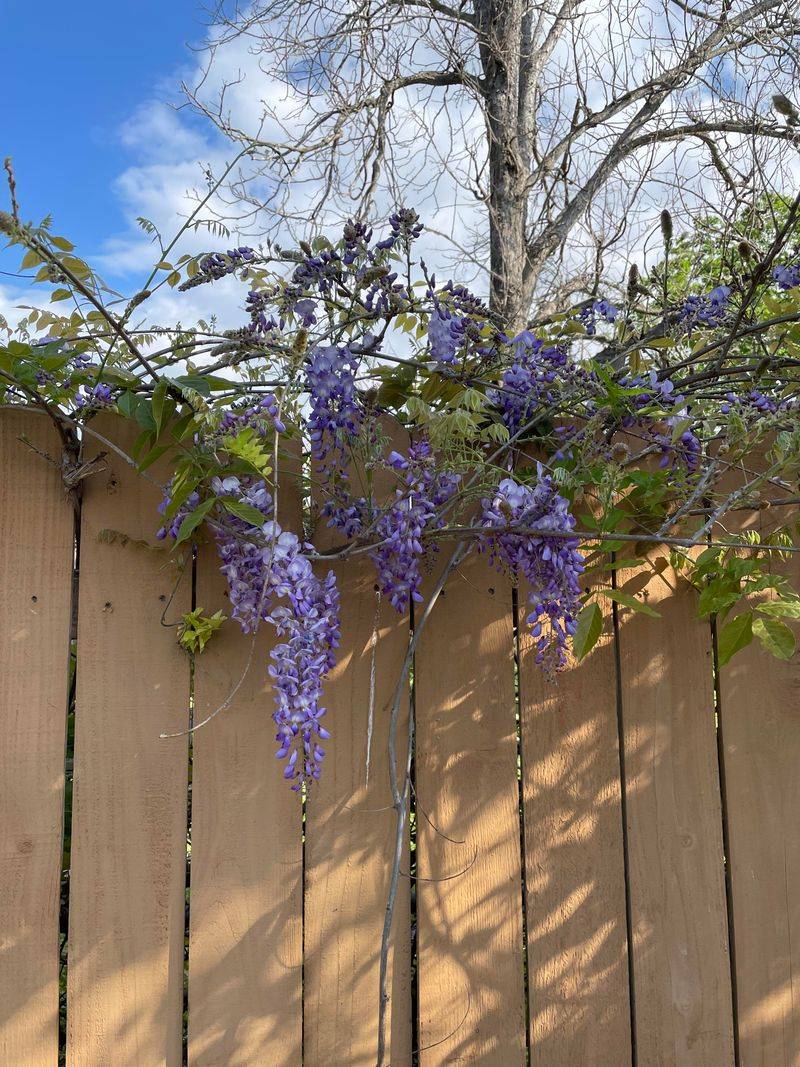
Mature wisteria can grow stems as thick as your arm. Left alone, that kind of weight can twist boards, pop nails, and tilt a whole fence panel.
Fences add another twist to the story. California’s Good Neighbor Fence Act, Civil Code Section 841, presumes that adjoining owners share responsibility for maintaining a boundary fence. That shared duty is a helpful starting point for a calm conversation.
If your neighbor’s vine is clearly causing the damage, you have a fair case to ask them to help with repairs. Under the act, a neighbor planning fence work should give 30 days written notice to the other owner. That gives everyone time to plan.
Start with photos showing the vine, the leaning sections, and any broken pieces. Then suggest a shared fix, such as cutting the vine back, adding sturdy wires or a separate trellis, and replacing worn boards.
A freestanding trellis on the owner’s side often solves the whole problem. The vine still looks gorgeous, and your fence finally gets a break.
Personally, I find that offering to split a trellis costs less than one angry argument. It also keeps the flowers blooming where everyone can enjoy them.
City Codes And HOA Rules Can Change The Picture
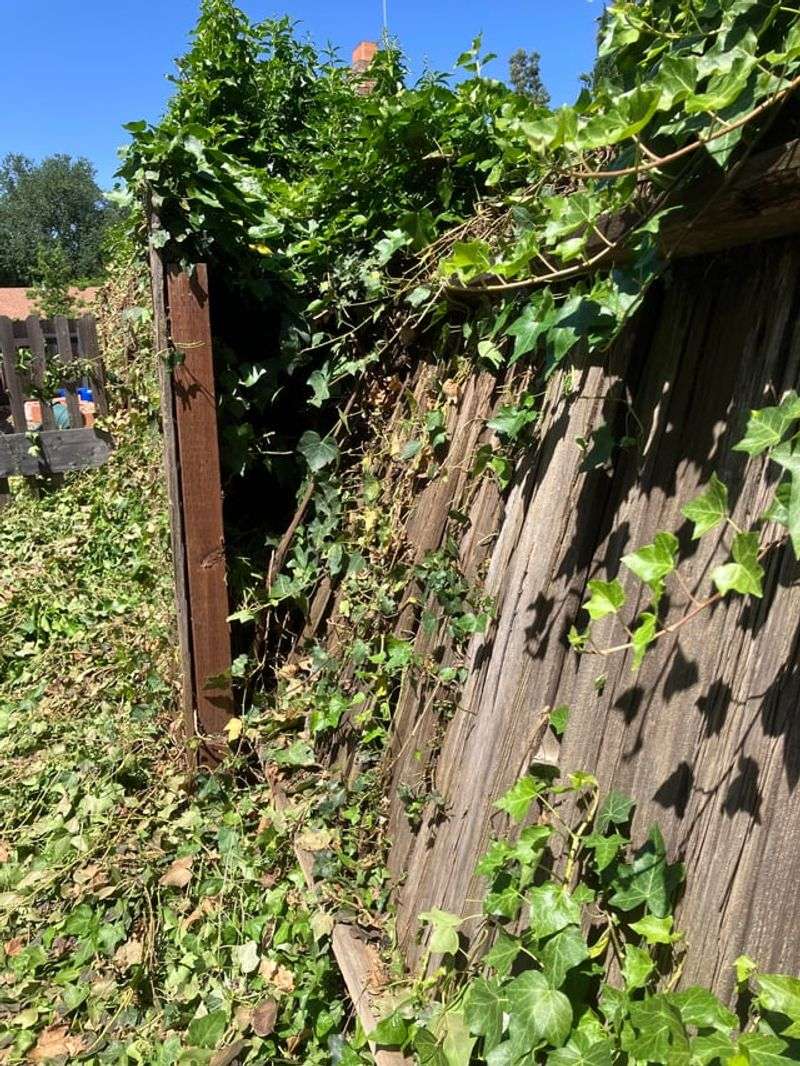
State law sets the baseline, but your town might add its own layer. Many California cities have rules about overgrown vegetation, blocked sidewalks, and plants that hide street signs or create fire risks.
Some cities also protect certain trees, like native oaks, and require permits before major pruning or removal. Woody vines tangled with a protected tree can bring those rules into play, so check before you cut.
Fire safety matters too. In high fire hazard zones, state rules and local fire departments ask homeowners to keep dense, dry vegetation away from structures. Thick vines climbing onto a roof or under eaves can be a real concern there.
Homeowners associations bring yet another set of standards. Your CC and Rs may cover fence appearance, plant height, and who handles shared walls. Some HOAs will step in and enforce maintenance for you.
A ten-minute call to your city planning office or a quick look at your HOA documents can save a lot of headaches. Ask about permits, nuisance codes, and complaint procedures. Knowing the local rules lets you act confidently instead of guessing.