The Rat-Repelling Herbs Georgia Gardeners Are Growing Near Their Porches In June
Few homeowners want to think about rats spending time near the areas where they relax outdoors. Yet summer can create conditions that make yards, gardens, and porch areas more attractive to unwanted visitors.
That is why many people start paying closer attention to what is growing around their outdoor spaces this time of year.
Not every solution involves traps or complicated prevention methods. Some gardeners prefer approaches that blend naturally into the landscape while still serving a practical purpose.
Plants with strong fragrance have become especially popular for that reason.
Many Georgia gardeners are adding certain herbs near porches in June for more than their culinary value. Their scent, appearance, and versatility make them useful additions to outdoor spaces.
Some have become especially popular among homeowners looking for simple ways to make porch areas feel less inviting to rats.
1. Mint Fills Porch Areas With A Strong Herbal Aroma
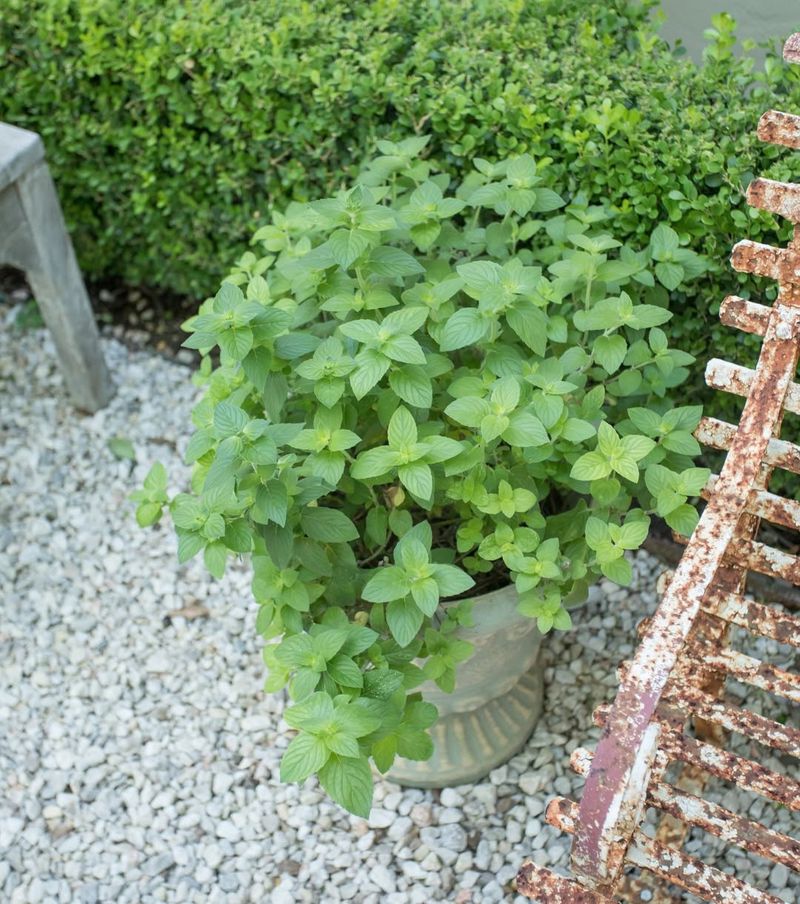
Mint might be the most aggressive grower on this list, and that is actually a good thing when you want a strong scent barrier near your porch. Its sharp, cool aroma is overwhelming to rats, whose sensitive noses pick up even faint traces of it.
Growing mint in containers is the smartest move. Left in the ground, it spreads fast and takes over nearby beds within a single season.
A few pots lined along the porch edge give you control without sacrificing coverage.
Spearmint and peppermint are both solid choices. Peppermint tends to have a stronger scent, which makes it slightly more effective as a deterrent.
Either variety grows well in Georgia’s hot, humid summers with regular watering and partial shade during the hottest afternoon hours.
Pinching back the stems every week or two keeps the plant bushy and encourages fresh leaf growth. Fresh leaves release more oil than older ones, which means more scent output where you need it most.
Mint also pulls double duty in the kitchen. Teas, cocktails, and salads all benefit from a handful of fresh leaves.
Crushing a few leaves by hand and rubbing them along porch baseboards or near entry points can give an extra burst of scent in targeted spots.
It is a practical, low-effort herb that earns its place every summer.
2. Rosemary Releases Fragrance Throughout Hot Weather
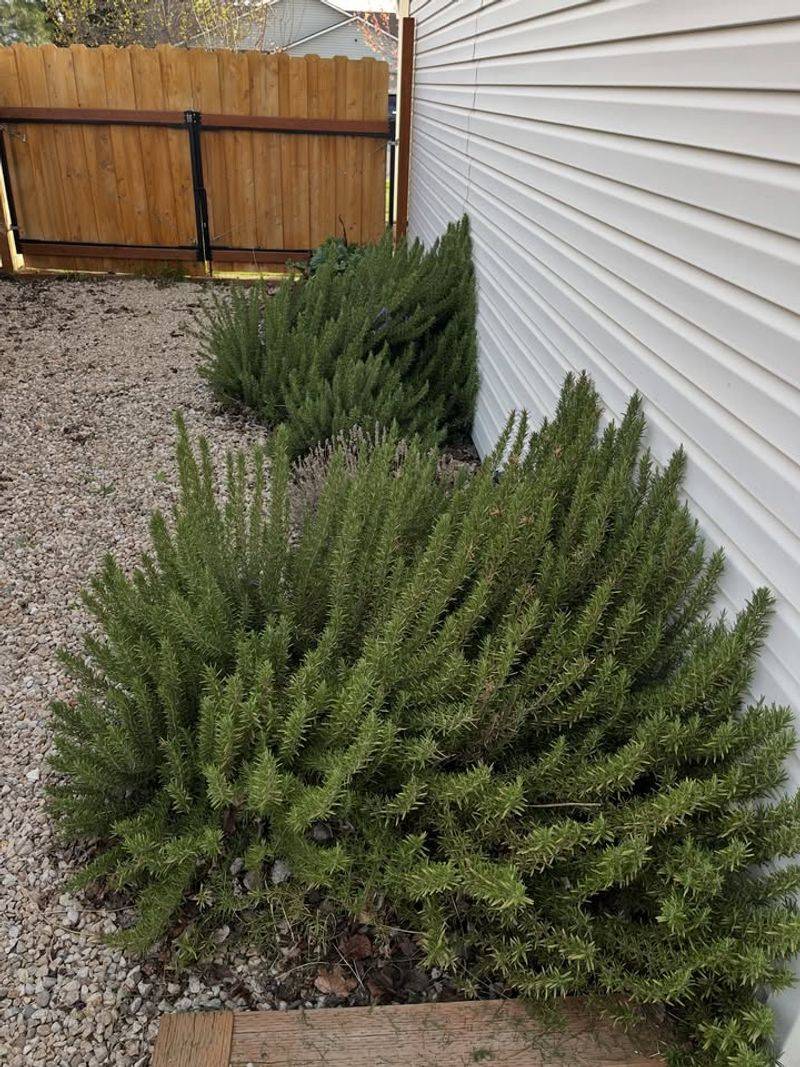
Rosemary gets stronger in the heat. While some herbs fade or bolt once temperatures climb past 90 degrees, rosemary keeps pushing out fragrant oil-rich foliage all through a Southern summer.
Rats find the strong camphor-like scent deeply unpleasant.
Upright varieties like Tuscan Blue grow tall enough to form a natural hedge along a porch edge. Trailing types work better in raised planters or along steps.
Both carry the same potent scent that makes this herb so effective as a natural deterrent.
Full sun is non-negotiable for rosemary. It wants at least six hours of direct light daily.
Sandy or well-drained soil keeps roots healthy since rosemary rots quickly in soggy conditions, which is worth keeping in mind during rainy stretches in June.
Once established, it needs very little water. That low-maintenance quality makes it ideal for porch-side planting where you want something that holds up without constant attention.
Your Georgia Garden Changes Every Week. Your Plan Should Too.
Gardening in Georgia changes quickly throughout the season. Every Friday you’ll receive a simple weekly plan showing exactly what to plant, prune, fertilize, harvest, and protect so you never miss the right timing.
A light trim after flowering keeps the shape tidy and stimulates new growth.
Fresh rosemary sprigs can also be placed inside porch furniture cushion storage boxes or near any gaps in porch skirting. Replacing them every couple of weeks maintains a steady scent presence.
Beyond pest deterrence, rosemary is one of the most versatile cooking herbs you can grow, making it a genuinely useful addition to any outdoor space near the kitchen.
3. Sage Brings Strongly Scented Foliage Near Entry Areas
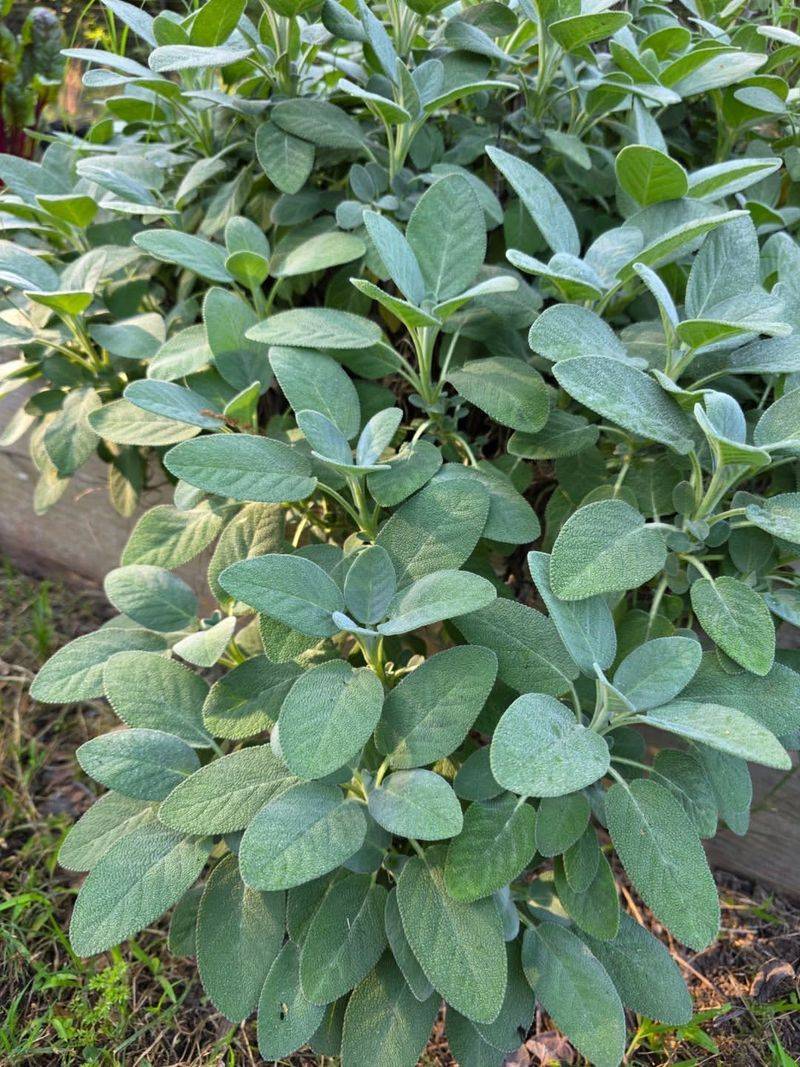
Sage has a smell that stops you in your tracks. Earthy, sharp, and slightly medicinal, it is the kind of scent that rats want nothing to do with.
Planting it directly beside porch steps or near door frames puts that scent exactly where it needs to be.
Common garden sage does well in Southern heat as long as it has good drainage and full sun. It is drought-tolerant once established, which is a real advantage during dry spells in late June when watering schedules get stretched thin.
The thick, velvety leaves hold essential oils even in dry conditions. Brushing against the plant releases a fresh burst of fragrance, which means foot traffic near the porch naturally activates the scent without any extra effort on your part.
Sage grows into a compact, rounded shrub over time. Planted in clusters of two or three near entry points, it creates a reliable scent zone.
Avoid overwatering since wet roots weaken the plant and reduce its oil production significantly.
Purple sage and golden sage are attractive alternatives that offer the same scent profile with added visual interest. Both handle Georgia’s summer heat reasonably well with minimal fuss.
Harvest outer leaves regularly to keep the plant productive.
Dried sage also works well in sachets tucked into corners of porch storage areas, extending its usefulness beyond the garden bed and into the structure itself.
4. Lavender Adds A Lasting Aroma Around Porches
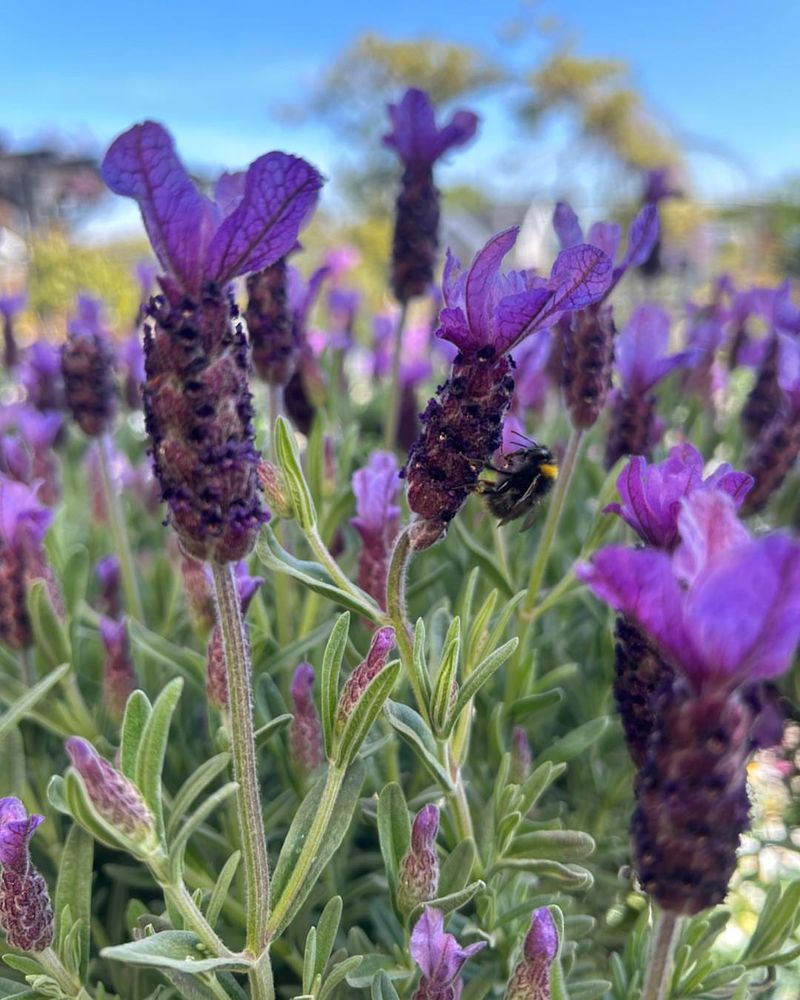
Lavender smells incredible to people and absolutely terrible to rats. That contrast is exactly why it works so well as a porch border plant.
Its floral, slightly medicinal scent lingers in the air even on still evenings, creating a consistent aromatic presence.
Choosing the right variety matters in the South. Spanish lavender and Phenomenal lavender both handle humidity and heat far better than English lavender, which tends to struggle in wet, muggy conditions.
Getting the variety right from the start saves a lot of frustration.
Lavender needs full sun and excellent drainage. Raised beds or sloped ground near the porch edge work well.
Avoid planting it in low spots where water pools after summer storms. Root rot sets in quickly when drainage is poor.
Blooms appear in late spring and can continue into summer with proper deadheading. Cutting spent flower stalks encourages another flush of growth and keeps the plant looking tidy throughout the season.
Fresh blooms are the most fragrant part of the plant.
Dried lavender bundles tucked near porch corners or inside outdoor storage bins add scent in enclosed spaces where the living plant cannot reach. Refreshing them every few weeks keeps the aroma strong.
Lavender also attracts bees and butterflies, which benefits the rest of your garden.
It is one of the few plants that actively improves the outdoor space in multiple ways at the same time.
5. Thyme Creates A Fragrant Edge Along Walkways
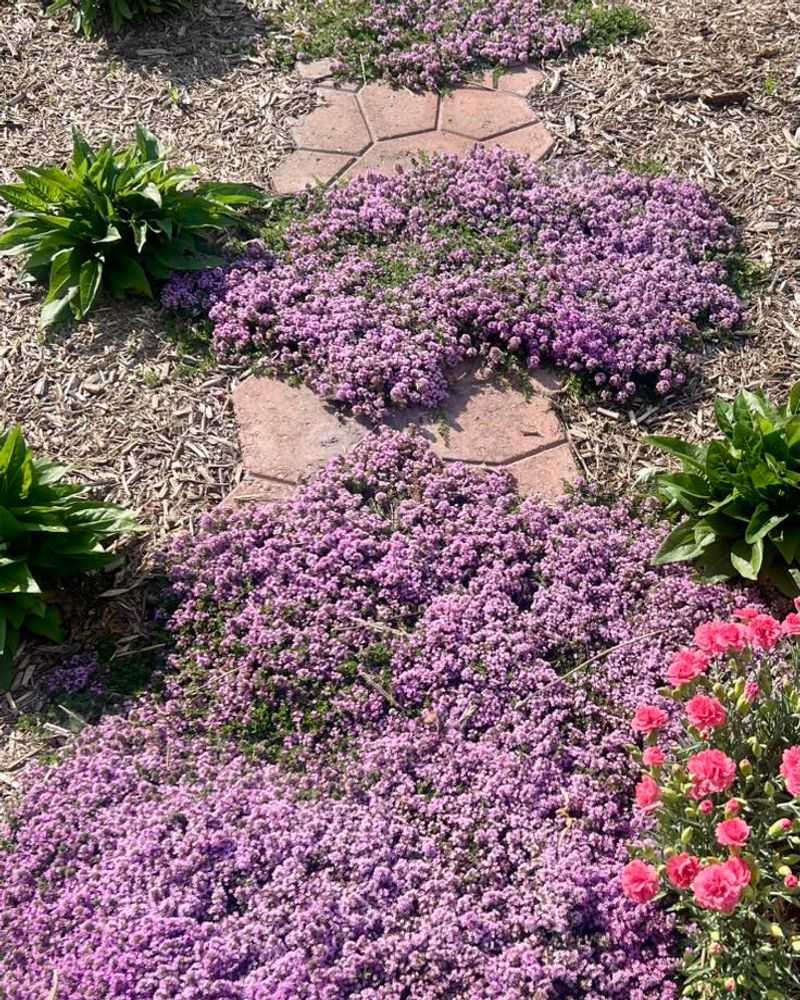
Thyme is one of those plants that rewards every step. When foot traffic brushes against its low-growing stems, the air fills with a sharp herbal scent that rats find genuinely off-putting.
Planted along the edge of a porch walkway, it creates a natural scent corridor.
Creeping thyme works especially well for ground-level borders. It stays compact, spreads evenly, and holds its scent through heat and drought.
Upright varieties like English thyme grow a bit taller and work better in containers placed at either side of porch steps.
Full sun and lean, well-drained soil are the keys to a healthy thyme planting. Rich, over-fertilized soil actually reduces the plant’s essential oil production.
Keeping the soil on the drier side concentrates the oils that make thyme such an effective aromatic deterrent.
Trim the plant lightly after it flowers to prevent it from becoming woody. A quick haircut in midsummer keeps the foliage fresh and extends the plant’s productive season well into fall.
Thyme is remarkably resilient once it settles into the right spot.
Thyme also handles the warm nights and afternoon heat common across the South better than many other low-growing herbs. It rarely needs extra attention once established.
Harvest small bunches regularly for cooking since frequent trimming actually benefits the plant by stimulating new, oil-rich growth.
Few herbs offer this level of usefulness for such minimal effort.
6. Lemon Balm Produces A Noticeable Citrus Scent
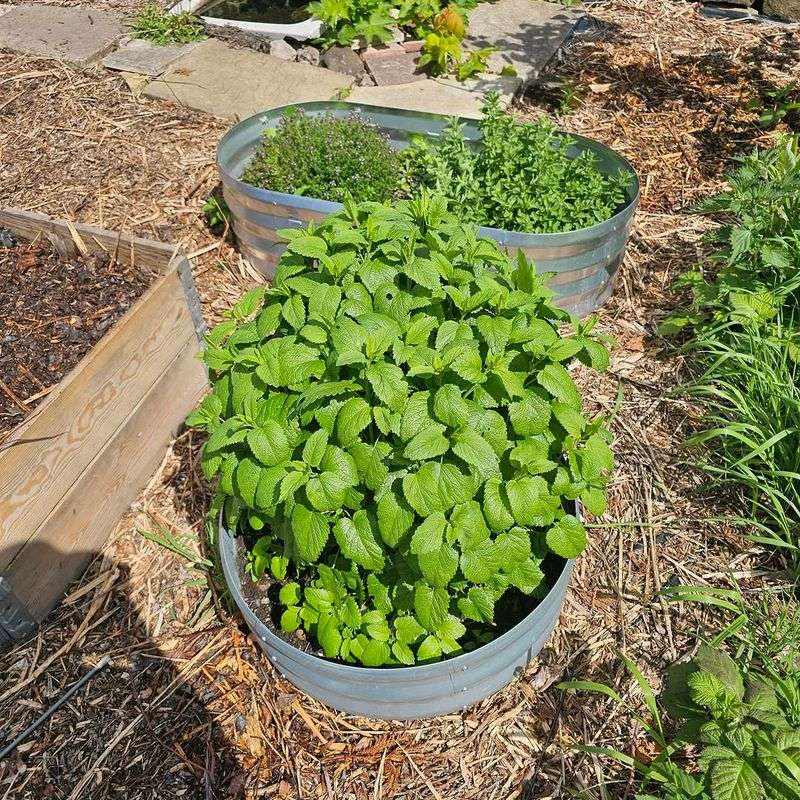
Crack a single lemon balm leaf and the citrus hit is immediate. Sharp, clean, and surprisingly strong for such a soft-looking plant, that scent is exactly what makes rats uncomfortable around it.
Placing it in pots near porch corners targets the spots rodents typically scout first.
Lemon balm grows quickly in warm weather. June is prime growing season for it across the South, where heat and moisture push it into lush, leafy growth fast.
Keeping it in containers prevents it from spreading into nearby beds, since it can seed aggressively when left unchecked.
Partial shade suits lemon balm well in hotter climates. Too much direct afternoon sun can scorch the leaves and reduce their oil content.
A spot that gets morning sun and afternoon shade near a porch overhang is close to ideal.
Cutting the plant back by a third every few weeks keeps it from getting leggy and encourages dense new growth packed with fragrant oils. Avoid letting it flower if scent production is the priority, since the plant’s energy shifts toward seed production once blooms appear.
Lemon balm leaves can also be dried and used in sachets placed inside porch furniture or near foundation gaps. The dried version holds its scent reasonably well for several weeks.
It also makes a pleasant herbal tea, so harvested leaves do not go to waste.
Practical, fast-growing, and genuinely fragrant, it earns its spot near any outdoor seating area.
7. Basil Adds Strong Fragrance Close To Outdoor Seating
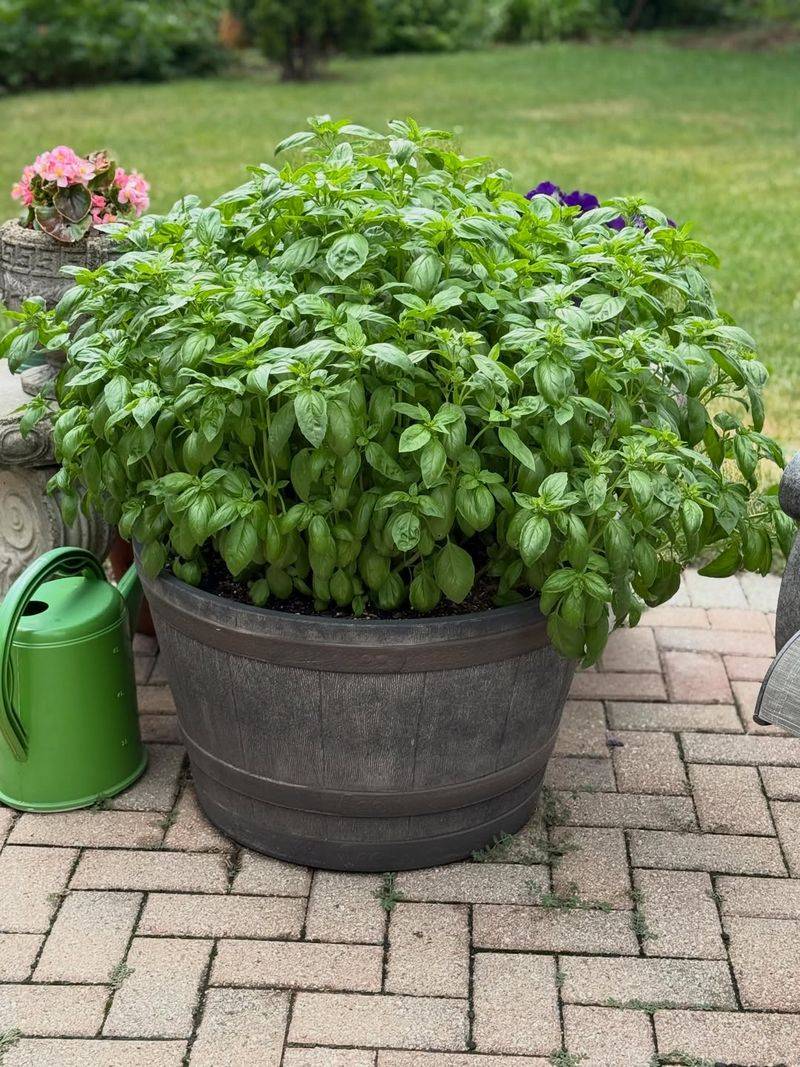
Basil has a scent that practically announces itself. Bold, spicy, and unmistakably herbal, it is pleasant for people but reported to be a strong irritant for rodents.
Keeping a few pots near outdoor seating gives you scent coverage right where activity is highest.
Sweet basil is the most common variety and grows fast in warm weather. Thai basil and lemon basil are also worth trying since their slightly different scent profiles add variety.
All three handle Georgia summers well when given full sun and regular watering.
Basil needs consistent moisture, more so than most of the other herbs on this list. Letting it dry out completely causes stress and triggers early bolting.
Check the soil every day or two during hot, dry stretches and water at the base to avoid leaf disease.
Pinching off flower buds as soon as they appear keeps the plant focused on leaf production. Once basil goes to seed, the leaves lose some of their intensity.
Regular harvesting from the top down encourages a fuller, more fragrant plant throughout the season.
Rubbing a few fresh leaves along porch railings or near seating cushions releases a concentrated burst of scent in targeted areas. Basil is also one of the most useful kitchen herbs you can grow, so none of the harvest goes to waste.
A productive basil plant near the porch pulls double duty as both a deterrent and a culinary staple all summer long.
8. Oregano Packs Aromatic Leaves Into A Small Space
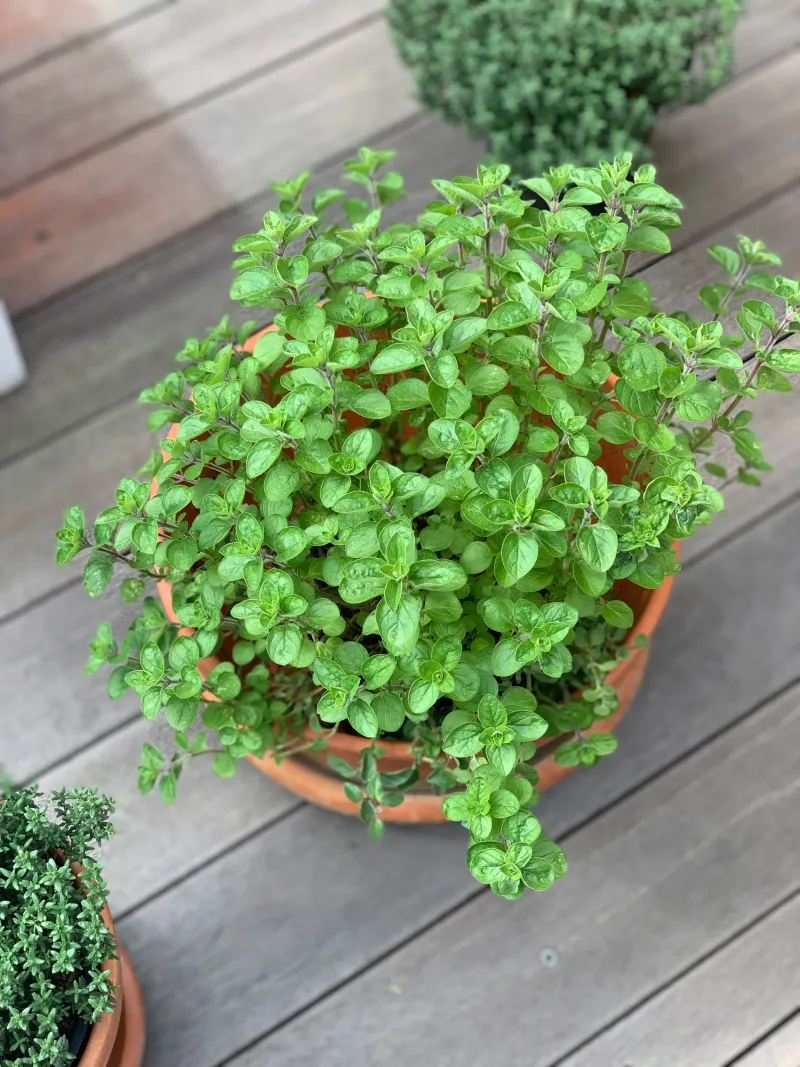
Oregano punches way above its size. A single compact plant releases a sharp, peppery scent strong enough to be noticed several feet away on a warm June evening.
Rats rely heavily on smell to navigate, and oregano disrupts that sense effectively.
Greek oregano carries the most potent scent of the common varieties. Italian oregano is milder but still useful.
Both grow well in hot, sunny spots with minimal watering once established. Dry conditions actually concentrate the plant’s essential oils, making it more fragrant and more effective.
Oregano works especially well in small porch spaces where larger plants would feel cramped. A cluster of three small pots takes up minimal room but creates a solid scent zone.
Terracotta pots help wick away excess moisture, which keeps roots healthy in humid summer conditions.
Trim the plant regularly to keep it from getting woody. Cutting just above a leaf node encourages branching and creates a denser, more productive plant.
Avoid removing more than a third of the growth at once to keep the plant from going into shock.
Dried oregano sachets placed near porch entry gaps or tucked under outdoor furniture add scent in spots the living plant cannot reach. Oregano also dries beautifully and stores well, so end-of-season harvests are worth keeping for cooking.
Across the South, it is one of the easiest, most space-efficient herbs to grow near a porch with real, practical results.