Why Smart Texas Gardeners Are Already Planning Their Fall Garden Right Now In June
Everyone else is thinking about keeping their summer garden alive right now, and here you are, already thinking about fall vegetables.
Honestly? You’re ahead of the game and you don’t even know it.
Most people assume fall gardening is a September conversation, but Texas gardeners who have been through a few seasons know the truth: by the time that first cool breeze rolls in, the best planting window is already closing fast.
Broccoli, spinach, carrots: none of these care that it’s still blazing hot outside right now. Their planting schedules, seed-starting timelines, and soil prep needs operate on a completely different calendar than the weather does.
June is actually one of the most important months for getting fall vegetable plans locked in, and the gardeners who figure that out early are the ones harvesting while everyone else is still scrambling.
1. Fall Planting Dates Arrive Earlier Than Many Texans Expect
Flipping through a seed catalog in June might feel premature, but fall planting dates in Texas come around faster than most gardeners expect. In South Texas, some cool-season crops can go into the ground as early as late August.
In Central Texas, September is often the window for transplants like broccoli and cabbage. That leaves very little time between now and then to get organized.
Many gardeners are surprised to learn that their fall planting window is only a few weeks wide for certain crops. Miss it, and you may be waiting until spring.
Knowing your local frost date is the starting point, and then counting backward by crop tells you exactly when seeds or transplants need to be ready.
June is the ideal month to pull out a planting calendar, look up your county’s average first frost date, and map out which crops you want to grow.
Doing this now means you will not scramble in August when temperatures are still high and your seedlings need to be well underway.
Getting your dates straight in June gives you a real advantage over waiting until the season feels right.
2. Warm Soil Helps Seeds Germinate Faster
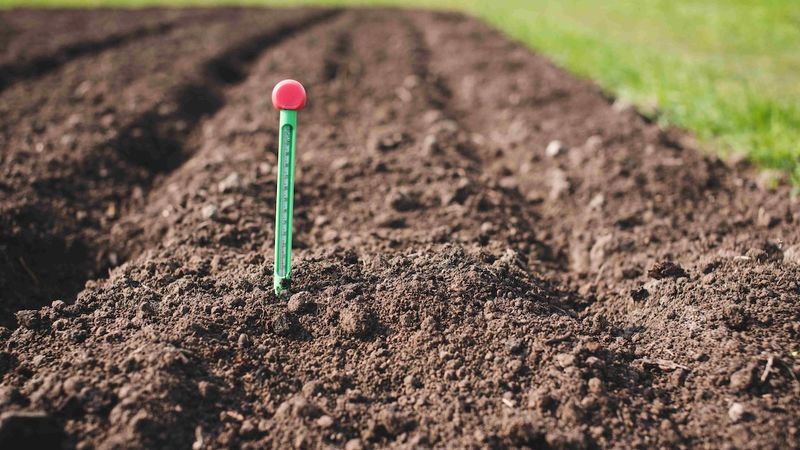
Soil temperature in June across Texas is often sitting well above 80 degrees Fahrenheit, and that warmth actually works in your favor for certain crops. Seeds like turnips, mustard greens, and radishes germinate quickly in warm soil.
Starting some of these in late summer takes advantage of heat that would otherwise just feel like a burden.
Understanding soil temperature helps you decide when to direct sow versus when to wait.
Cool-season crops like lettuce and spinach prefer to germinate in cooler conditions, so those are better started indoors under lights or in a shaded spot where temperatures are more manageable.
Knowing which crops respond well to warm soil and which ones struggle with it helps you plan your timing more precisely.
A simple soil thermometer is one of the most useful tools a Texas vegetable gardener can own. Checking soil temperature in your garden beds throughout the summer helps you track when conditions are shifting toward the right range for fall planting.
Your Texas Garden Changes Every Week. Your Plan Should Too.
Gardening in Texas changes quickly throughout the season. Every Friday you’ll receive a simple weekly plan showing exactly what to plant, prune, fertilize, harvest, and protect so you never miss the right timing.
June is a good time to buy one, start monitoring, and get familiar with how your specific beds warm up and cool down as the season progresses.
3. Summer Beds Need Time For Cleanup And Prep
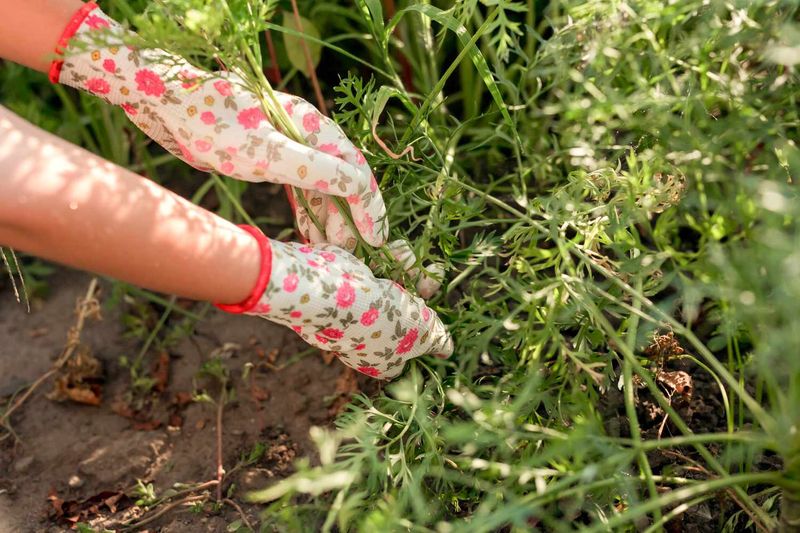
Fading summer crops do not clean themselves up. Spent tomato vines, overgrown squash plants, and exhausted pepper bushes all need to come out before fall vegetables can go in.
That process takes more time and energy than most gardeners budget for, especially when summer heat makes outdoor work uncomfortable.
Clearing beds in late summer also means dealing with whatever has built up over the growing season. Compacted soil, leftover roots, and plant debris can all slow down your fall garden if they are not addressed properly.
Working compost into the beds, loosening compaction, and leveling raised bed surfaces are all tasks that benefit from being planned and started before the rush of fall planting arrives.
Starting the cleanup process in June, even if your summer crops are still producing, means you can take it one bed at a time without feeling rushed.
You can map out which beds will transition to fall crops, what needs to be amended, and what materials you need to order or pick up.
A little planning now turns a stressful August scramble into a smooth, manageable transition that sets your fall beds up for a strong start.
4. Soil Testing Takes Planning Before Planting
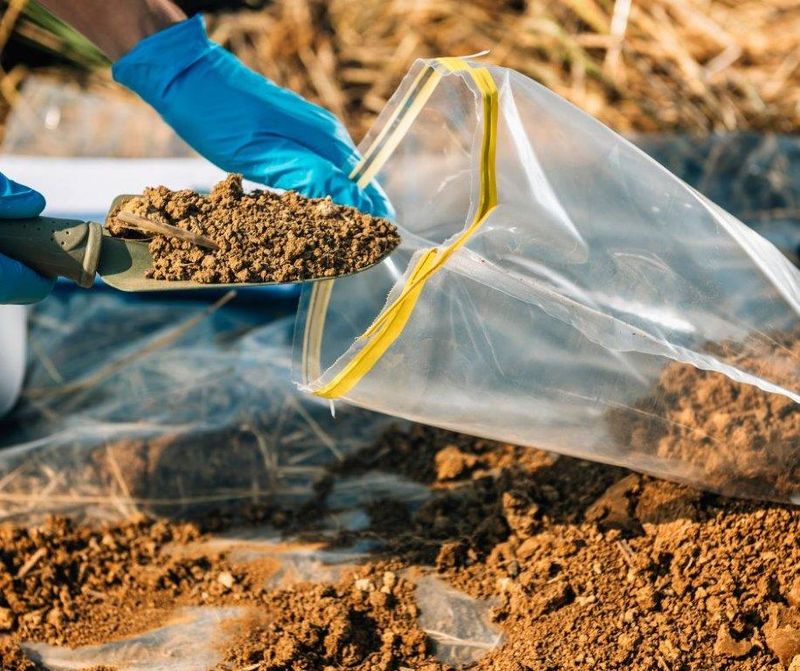
Empty garden beds in June are an opportunity that many gardeners overlook. Sending a soil sample to a lab or using a home test kit takes a bit of time, and then acting on the results takes even more.
If your soil is low in phosphorus or has a pH that needs adjusting, those corrections work best when they are worked in well before planting day arrives.
Soil testing reveals what your beds actually need rather than what you assume they need. Over-fertilizing with the wrong nutrients can cause as many problems as under-fertilizing.
A basic test that checks pH, nitrogen, phosphorus, and potassium gives you a clear picture of where your soil stands and what amendments to add before your fall crops go in.
Texas soils vary widely by region. Alkaline clay soils in North Texas behave very differently from sandy loam soils in East Texas or caliche-heavy soils in West Texas.
Getting a test done in June gives you time to source the right amendments, apply them, and let them integrate into the soil before temperatures cool and planting begins.
Rushing this step often means planting into unbalanced soil and wondering why crops underperform.
5. Transplants May Need To Be Started Ahead Of Time
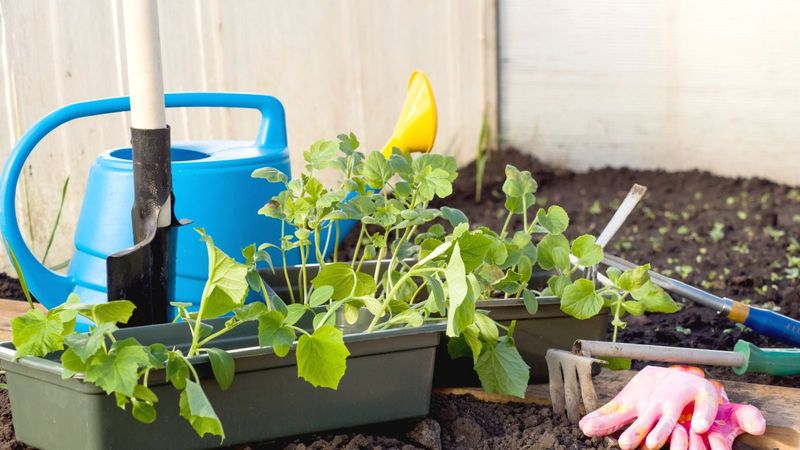
Seed packets for broccoli, cauliflower, and cabbage often recommend starting transplants four to six weeks before their outdoor planting date.
In Texas, that outdoor date for many regions falls in late August or September, which means those seeds need to be started in July or even late June.
You simply cannot buy transplants at a local nursery at that time of year in most Texas towns.
Growing your own transplants gives you more control over variety selection and timing. Many of the most productive fall crops for Texas are not available as nursery starts when you need them.
Starting seeds yourself means you can grow varieties that are better suited to Texas heat and humidity, and you can have them ready exactly when your beds are prepped and waiting.
Setting up a simple seed-starting station does not require a lot of space or expensive equipment. A few trays, quality seed-starting mix, a grow light, and a heat mat are enough to get started.
Planning your setup in June means you can gather supplies, choose your varieties, and have everything ready before the window for starting fall transplants opens. Waiting too long means scrambling for supplies that may be sold out by mid-summer.
6. Cool-Season Crops Need Enough Time Before Frost
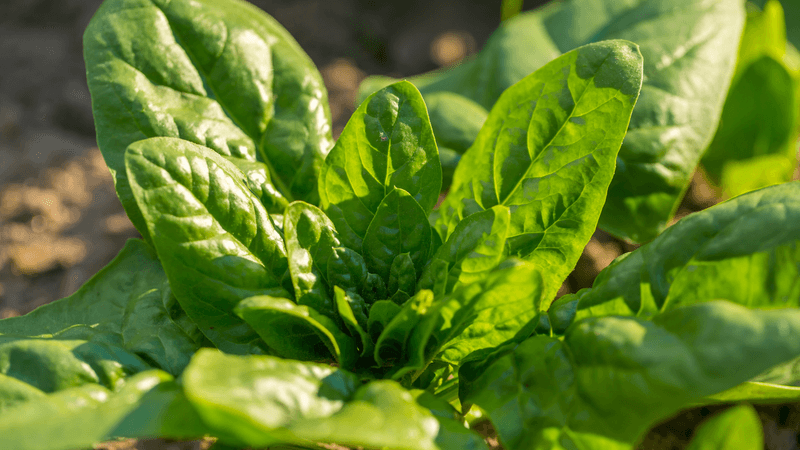
Spinach, kale, carrots, and beets all need a certain number of days to mature before cold weather settles in. Most seed packets list days to maturity, and those numbers matter a lot in Texas fall planning.
If your first frost typically arrives in late November, counting backward from that date tells you the latest possible planting date for each crop.
The tricky part is that many cool-season crops also struggle to germinate or establish well when temperatures are still very high.
That means there is a narrow window between when the soil is cool enough for good germination and when the frost date cuts off the growing season.
Getting your timing right requires knowing both ends of that window, not just one.
Crops like carrots and beets take longer to mature than lettuce or radishes, so they need to go in earlier. Leafy greens like arugula and mustard can tolerate a quicker turnaround.
Mapping out your crop list by days to maturity in June helps you stagger plantings so your fall garden produces over several weeks rather than all at once or not at all. That kind of planning rarely happens by accident.
7. Fall Tomatoes And Peppers Need Early Timing
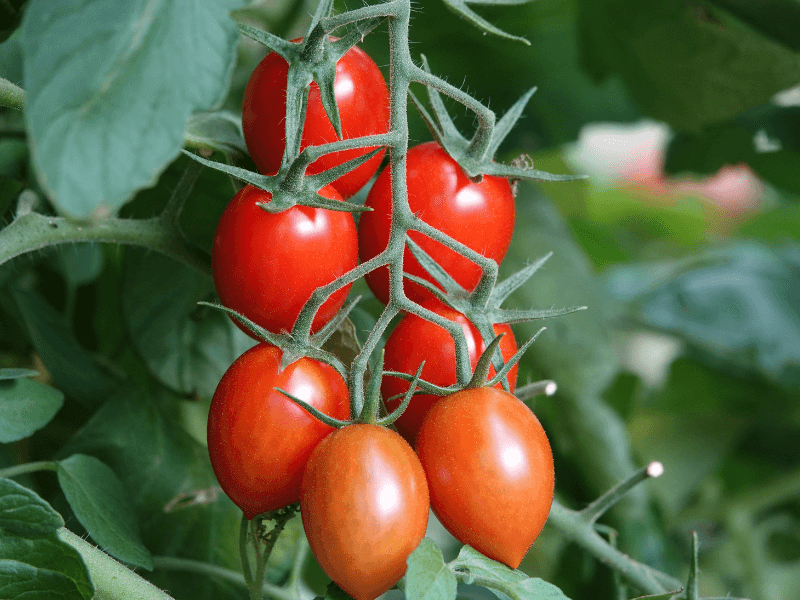
One of the most rewarding parts of Texas fall gardening is the second tomato season. Unlike most of the country, gardeners can grow tomatoes in the fall as well as the spring.
But fall tomatoes have a tight timing window that catches many gardeners off guard. Transplants need to go in the ground in late July or early August in most parts of Texas to have enough time to produce before cooler nights slow things down.
That means transplants need to be growing in pots or trays by late June or early July at the latest. Starting from seed even earlier gives the plants time to develop properly before they face the intense heat of summer transplanting.
Peppers follow a similar schedule and actually handle the heat transition a bit more smoothly than tomatoes, but they still benefit from early planning.
Choosing heat-tolerant varieties is just as important as timing. Some tomato varieties set fruit more reliably in Texas summer heat than others, and selecting those in June rather than scrambling in July makes a real difference.
Checking with local gardeners or extension resources about which varieties have performed well in your specific Texas region is a worthwhile step that takes very little time.
8. Mulch And Irrigation Plans Matter In Summer Heat
Irrigation lines that worked fine for summer crops may need adjusting before fall vegetables go in. Drip systems that were set up for water-hungry squash or cucumbers may deliver too much or too little for fall greens and root vegetables.
Checking your system, cleaning emitters, and adjusting run times while beds are empty is far easier than troubleshooting mid-season when plants are already in the ground.
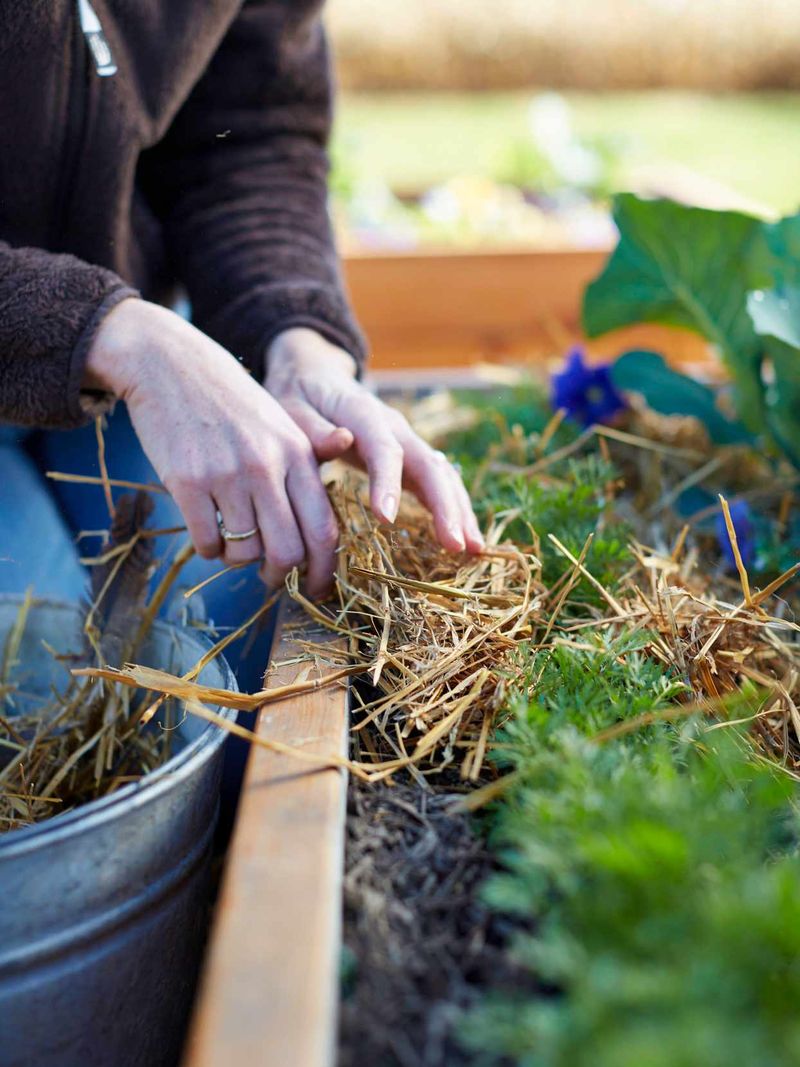
Mulch plays a huge role in Texas fall gardening, especially during the transition from summer. Applying a few inches of mulch over prepared beds helps moderate soil temperature, retain moisture, and suppress weeds while you wait for planting time.
This step is easy to skip when you are busy, but it pays off significantly once fall planting begins and your soil is already in better shape than a neglected bed.
Planning your irrigation and mulch strategy in June means you can order materials, repair any equipment, and have everything staged before August arrives.
Texas heat in July and August can make outdoor work miserable, so getting ahead of these tasks in early summer is a practical way to reduce the workload during the most uncomfortable weeks of the year.
Small preparations now lead to smoother results later.
9. Pest Pressure Can Carry Over From Summer Crops
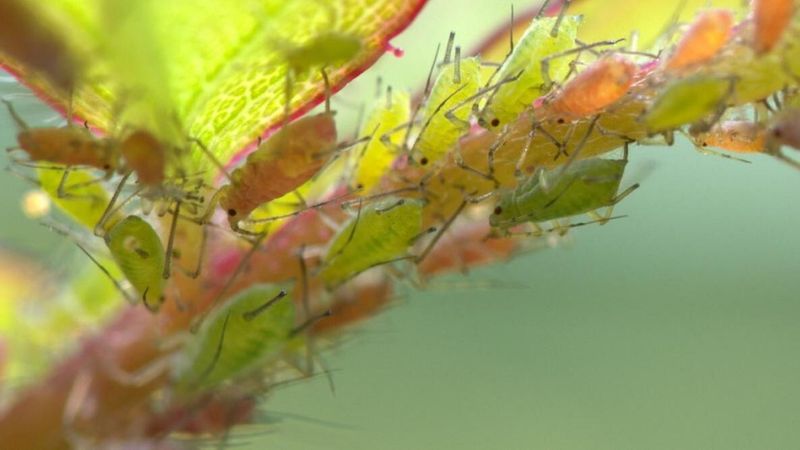
Summer vegetable gardens in Texas can harbor quite a few pests by the time the season winds down. Aphids, spider mites, caterpillars, and soil-dwelling insects do not disappear when summer crops come out.
They can linger in the soil, on nearby weeds, or in plant debris and move right into your fresh fall plantings if you do not take steps to address them during the transition.
Monitoring pest populations in June and July gives you a sense of what you are dealing with before fall planting begins.
Identifying problem areas, removing heavily infested plants promptly, and cleaning up debris around the garden reduces the population of pests that can carry over.
Beneficial insects like ladybugs and parasitic wasps can help keep pest numbers in check, and encouraging them through plant diversity is a long-term strategy worth considering.
Some pests, like root-knot nematodes, live in the soil and can affect fall crops just as badly as summer ones. If you noticed stunted plants or unusual root damage during the summer, that is worth investigating before fall.
Rotating crop families between beds is one of the most effective and low-cost ways to reduce carryover pest pressure, and planning those rotations now makes the whole process much more organized.
10. Regional Texas Planting Windows Can Vary Widely
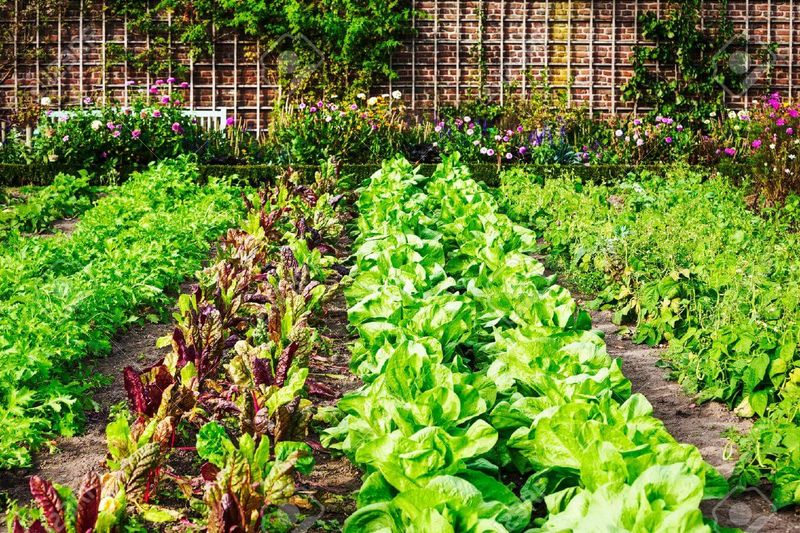
Gardening in El Paso is a completely different experience from gardening in Houston, and both are different from gardening in the Texas Panhandle or the Rio Grande Valley.
Texas spans several climate zones, and fall planting windows shift significantly depending on where you are.
What works in Corpus Christi in late September may be too late for a gardener in Amarillo, who could see frost arrive weeks earlier.
Understanding your specific region is one of the most important steps in fall garden planning. Local extension offices, county Master Gardener programs, and university resources publish planting guides tailored to different parts of the state.
These guides take into account local frost dates, average temperatures, humidity levels, and soil conditions that a generic national guide simply cannot address accurately.
Taking time in June to look up your regional planting guide and compare it with what you want to grow gives you a clear picture of your fall garden timeline.
Gardeners in warmer parts of Texas may have a longer window and can afford to wait a bit longer.
Those in cooler northern regions of the state need to act earlier and plan more carefully around frost timing. Knowing your region changes everything about how and when you plan.