Texas Gardeners Wanting Reliable Purple Blooms Should Start With This Native Plant
Purple flowers sound great until July arrives and many of them give up.
Texas summers are not interested in the preferences of plants that came from somewhere with gentler summers.
Heat past 95 degrees, dry stretches, and blazing sun eliminate most purple bloomers before the season is half over. The ones that remain are usually faded, leggy, or barely holding on.
There is a native Texas plant that does not participate in that pattern.
It blooms in spring, keeps going through summer, pulls in bees and butterflies and hummingbirds throughout, and comes back reliably year after year without the kind of maintenance schedule that turns gardening into a second job.
It has been growing wild in Texas soil for a very long time. It knows this climate. It was built for it.
The sections ahead cover how to grow it, where to plant it, how to care for it, and why Texas gardeners who discover it tend to plant more of it the following season. Want to know what it is?
Meet Mealy Blue Sage First
Walk through a wild stretch of central Texas in late spring and there is a good chance you have already seen this plant without knowing its name.
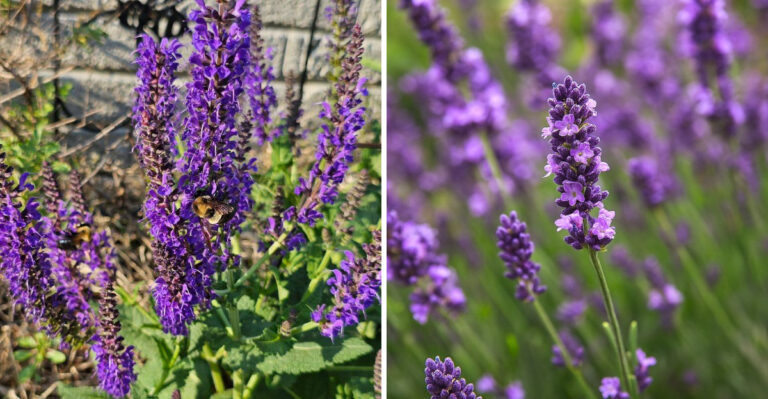
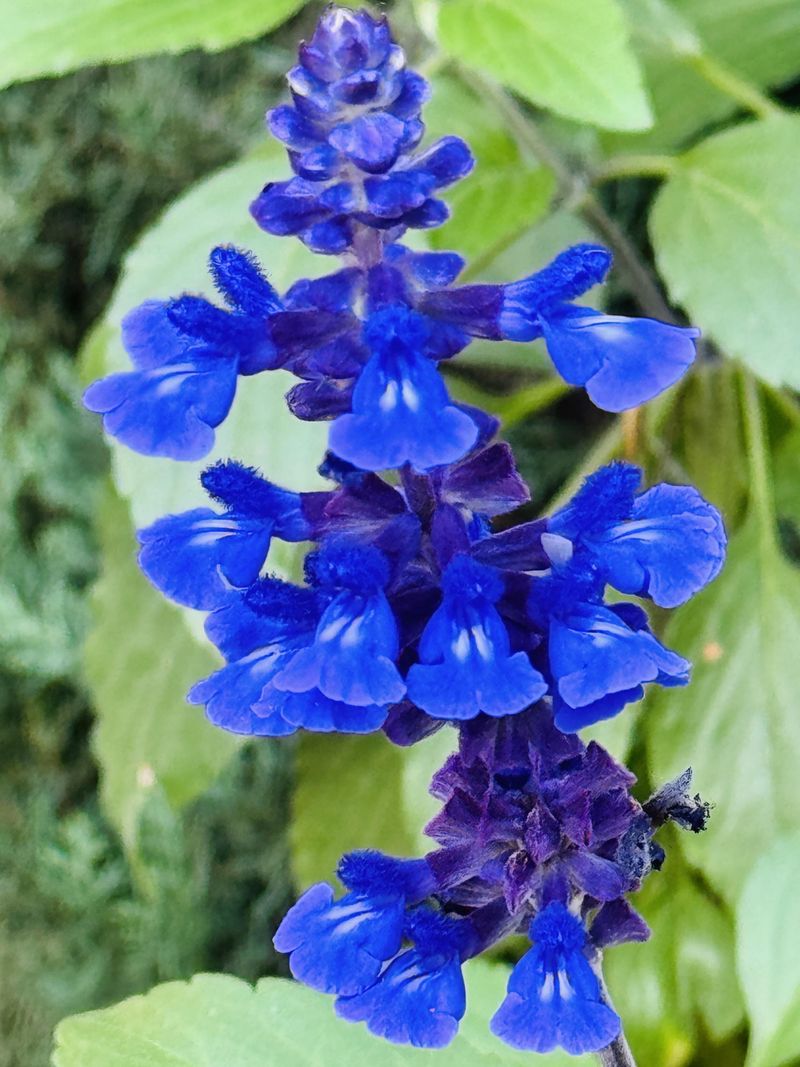
Slender purple spikes reaching toward the sky, a soft powdery coating on the stems, and bees working through the blooms with serious dedication: that is mealy blue sage, also known botanically as Salvia farinacea.
The name farinacea refers to the flour-like texture on its stems and calyxes, which gives the plant a distinctive silvery quality even between bloom cycles.
Mealy blue sage grows naturally across central and south Texas, showing up along roadsides, open fields, and rocky hillsides without any help from gardeners.
It is a genuine Texas native, recognized by the Lady Bird Johnson Wildflower Center as a reliable, regionally appropriate species.
That native status matters in practical terms: this plant does not need to be convinced to live in Texas, because Texas is where it evolved.
Most plants require coaxing, extra water, or amended soil. Mealy blue sage needs a chance and reasonable sunlight.
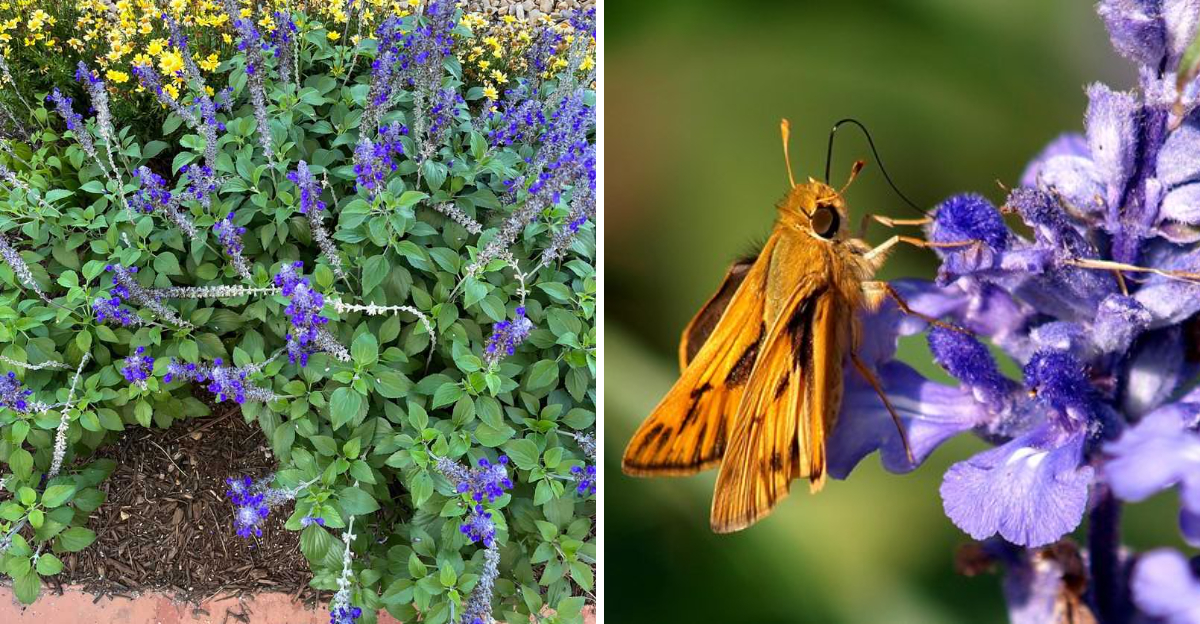
It typically grows two to three feet tall, forms a tidy upright clump, and pushes out those signature purple flower spikes with impressive regularity through the warm season.
Bloom color ranges from soft lavender to deep violet depending on the variety.
Two popular cultivars, Victoria Blue and Henry Duelberg, are widely available at Texas nurseries and both perform well across most of the state.
Starting with either gives you a plant with an established track record in Texas conditions rather than a gamble on something untested in this climate.
Mealy blue sage is not a trendy new discovery. It has been growing in Texas since long before garden centers existed.
The fact that it is still here and still thriving tells you most of what you need to know about its reliability. Texas already tested it. Texas approved.
Purple Spikes Return With Warm Weather
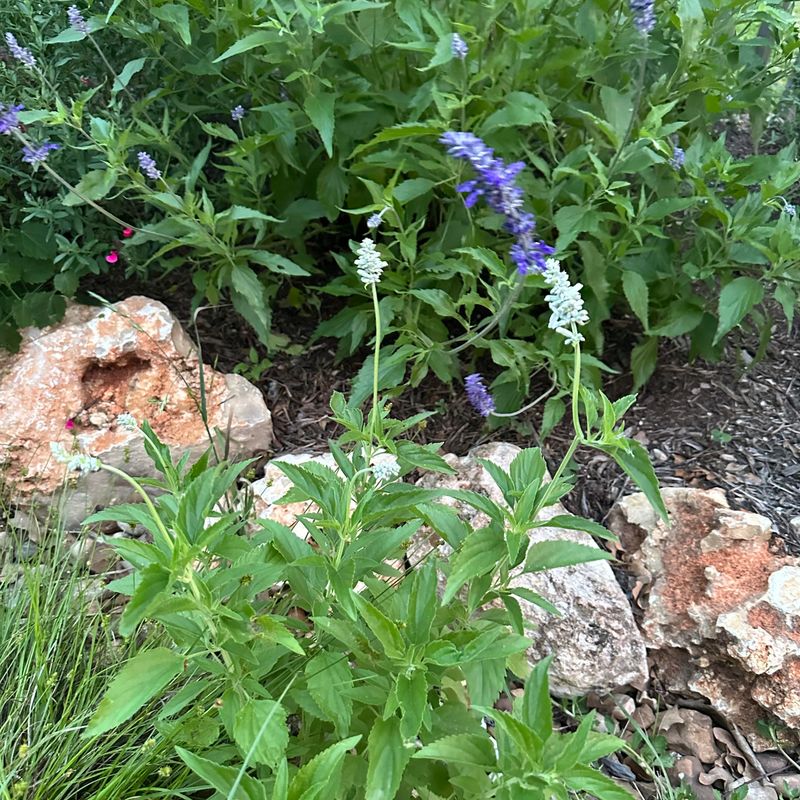
Sometime around late March or early April across most of Texas, the first purple spikes of mealy blue sage begin pushing upward.
Your Texas Garden Changes Every Week. Your Plan Should Too.
Gardening in Texas changes quickly throughout the season. Every Friday you’ll receive a simple weekly plan showing exactly what to plant, prune, fertilize, harvest, and protect so you never miss the right timing.
It is a dependable sign that warm weather has settled in for good, and it arrives with a consistency that Texas gardeners genuinely come to rely on after the first year or two of growing this plant.
The flower spikes stand upright and can reach eight to twelve inches on a mature plant. Each spike is lined with small tubular purple flowers that open from the bottom up over several weeks.
That staggered opening extends the display significantly compared to plants that peak all at once and then look tired.
Bloom cycles run from spring through fall, with the strongest flushes in spring and again in late summer when temperatures start their gradual retreat.
The predictability factor deserves real appreciation in a Texas context. Texas delivers unpredictable rainfall, punishing summers, and occasional surprise cold snaps that test everything in the garden.
Mealy blue sage does not need a cooperative season to perform. It blooms through heat waves, through dry stretches, and through the erratic conditions that send other flowers into retreat.
That reliability is not incidental. It is built into a plant that spent its entire evolutionary history in exactly these conditions.
Unlike annuals that bloom once and require replanting, mealy blue sage is a perennial that returns and re-blooms across multiple seasons with very little encouragement.
The first season requires some establishment attention. After that, the plant largely manages its own flowering schedule through the warm months without needing a reminder from anyone.
A plant that shows up in spring, stays through summer, and finishes in fall without drama or special treatment is a plant worth building a garden around.
Mealy blue sage has been offering that deal to Texas gardeners for a very long time, and the terms have not changed.
Full Sun Brings The Strongest Show
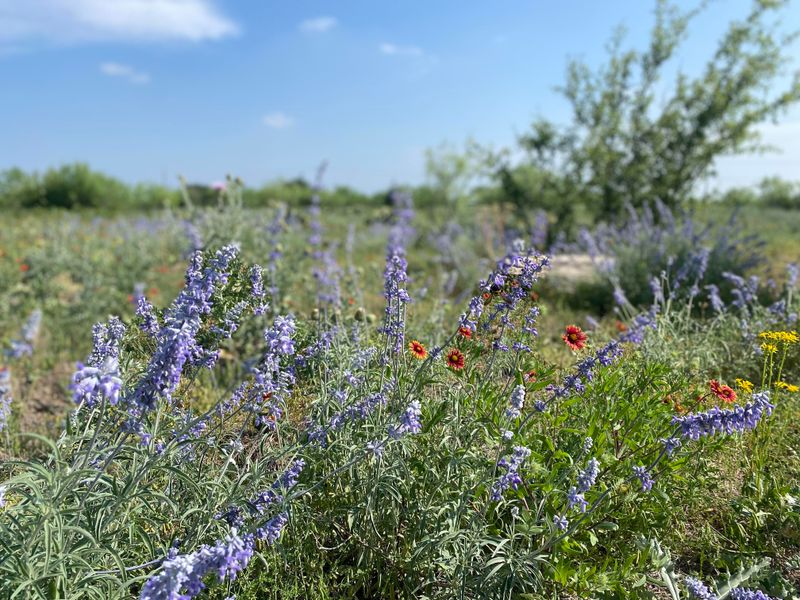
A south-facing bed baking in afternoon sun, the kind of spot where most delicate flowers surrender by July: that is exactly where mealy blue sage puts on its best performance.
Full sun, at least six to eight hours of direct sunlight per day, is where this plant produces the most flower spikes and the deepest purple color. More sun is not a stress condition for this plant. It is optimal operating conditions.
Shade creates problems. Plants grown in too much shade get leggy, meaning they stretch toward available light and flop rather than standing upright.
Flower production drops noticeably when sunlight is limited, and the spikes that do appear tend to be shorter and less vivid.
A spot with morning partial shade but full afternoon sun can still produce a reasonable result, but a fully sunny location will always outperform it on every measurable output: compactness, bloom count, and color intensity.
Texas produces no shortage of intense sun, and mealy blue sage evolved here to handle all of it.
The sunniest spot in the yard, in front of a fence, along a walkway, or in an open bed with no overhead canopy, is the right placement choice for this plant.
Trying to tuck it into a sheltered or partially shaded corner produces a different and less satisfying plant than the same species gets to be in full light.
Gardeners who place mealy blue sage in a shaded location and then feel disappointed with the results are not dealing with a plant failure. They are dealing with a placement mismatch.
The plant itself is doing exactly what any sun-loving native does when it does not get enough sun: it stretches, weakens, and underperforms. Move it to full sun and the whole character of the plant changes.
The sunniest, hottest, most unforgiving spot in the yard is where mealy blue sage feels most at home. Give it to the plant that was built for it and save the shaded spots for something that actually prefers them.
Both plants will thank you.
Dry Soil Suits It After Establishment
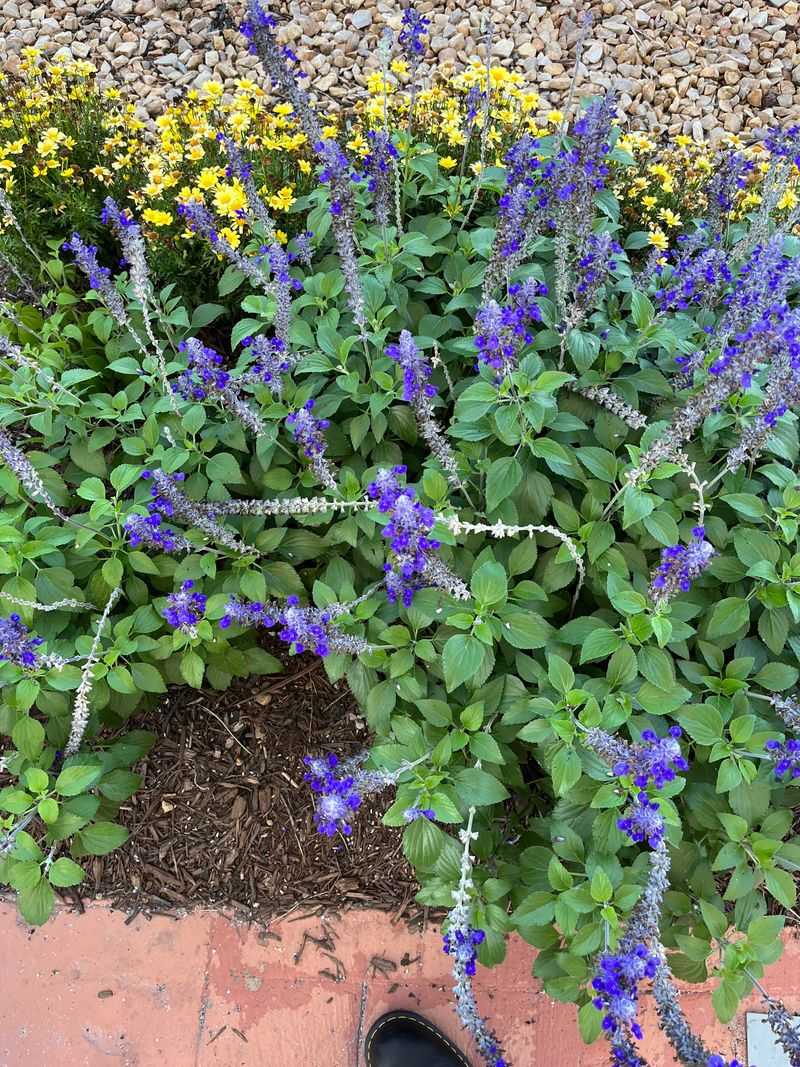
Cracked soil, rocky ground, and stretches without meaningful rainfall are not hardships for a plant that evolved across central and south Texas.
Once mealy blue sage gets its roots anchored, usually within one good growing season, it handles dry conditions with the confidence of something that has been doing it for thousands of years.
That drought tolerance is one of the most practically useful qualities it brings to a Texas garden.
The first season requires regular attention while the root system develops. Watering once or twice a week during dry spells gives the plant what it needs to get established.
After that initial year, supplemental irrigation becomes significantly less necessary.
Established plants often manage on rainfall alone through typical Texas conditions, though a deep watering every couple of weeks during extreme drought maintains bloom quality.
Soil drainage matters more than soil richness with this plant. Mealy blue sage does not tolerate soggy or waterlogged conditions.
It prefers well-drained ground, including rocky, sandy, or clay soils that move water through efficiently after rain. Raised beds and sloped planting areas work especially well.
The plant grows naturally in limestone-based soils across its native Texas range, so Hill Country gardeners are working with near-perfect conditions by default.
Amending heavy clay soil with coarse sand or gravel before planting improves drainage meaningfully and gives roots a better environment to establish.
Skip heavy mulch directly against the crown, since trapped moisture at the base creates the one condition this plant genuinely dislikes.
Good drainage at the root zone is more valuable than rich soil for a plant that evolved on rocky Texas hillsides.
A plant that prefers lean, well-drained soil in full sun is essentially asking for the conditions that require the least from the gardener.
Mealy blue sage is not making unreasonable requests. It is asking for the Texas it grew up in, and most Texas yards already have it.
Light Trimming Encourages Fresh Bloom
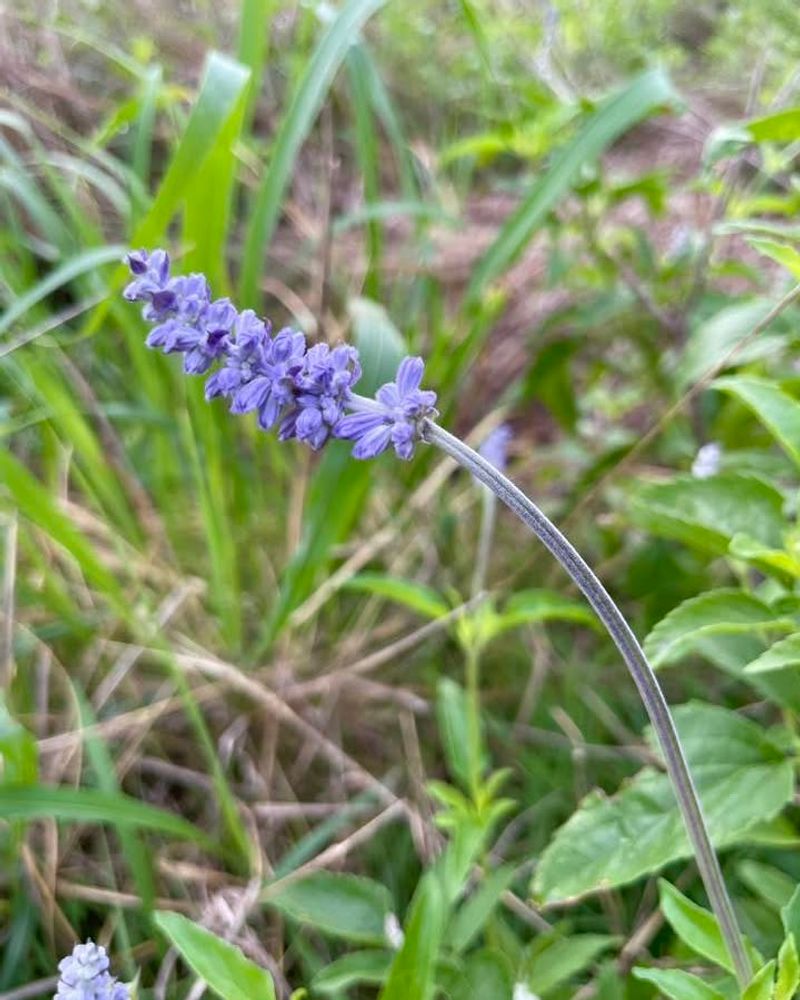
Spent flower spikes left in place for too long can slow the next wave of blooms.
A simple trim every few weeks through the growing season keeps mealy blue sage looking tidy and sends the plant a clear signal to push out fresh growth.
Cut spent spikes back to just above a set of healthy leaves or a branching point. Avoid cutting all the way to the ground during the active growing season since the foliage is still doing productive work gathering energy from the sun.
A light trim rather than a hard cut is the right approach during the warm months.
Most plants respond within two to three weeks with fresh spikes pushing up from the base and side branches, which extends the bloom season noticeably compared to plants left untrimmed.
At the end of the growing season, after the first frost in colder parts of Texas, a harder cutback to about six to eight inches above ground prepares the plant for winter dormancy.
In warmer areas of south Texas where frosts are uncommon, the plant often keeps some green growth through winter entirely. Come spring, new growth emerges from the base and the whole cycle starts again with zero replanting required.
Cutting back in late winter before new growth begins is the one annual task that keeps mealy blue sage compact and productive over multiple seasons.
Skip this step consistently and the plant gradually becomes woodier and less floriferous at the base. One trim per year at the right time maintains the youthful, vigorous structure that produces the best bloom performance throughout the season.
Five minutes of trimming every few weeks to keep the bloom cycle rolling, and one cutback per year to maintain plant structure.
That is the full maintenance schedule for a plant that delivers purple color from spring through fall. Most plants ask for considerably more and deliver considerably less.
Pollinators Work The Flowers For Months
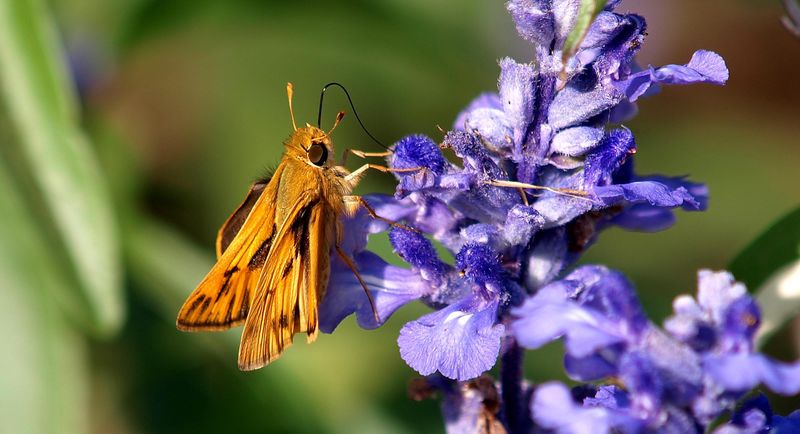
A patch of mealy blue sage in full bloom on a warm Texas morning is practically audible before it is visible.
Bumblebees, honeybees, and native sweat bees all visit regularly, and the activity does not slow down as the season progresses.
Butterflies respond with equal enthusiasm. Black swallowtails, sulphur butterflies, and monarchs passing through Texas during fall migration all stop to feed on mealy blue sage.
The plant blooms through the peak monarch migration window, making it a critical fuel stop for those long-distance travelers who need high-quality nectar sources at precisely the time mealy blue sage is producing its late-season flush.
Planting near other native flowering plants creates a pollinator corridor that benefits the surrounding ecosystem beyond the immediate garden bed.
Hummingbirds round out the visitor list in a very satisfying way.
Ruby-throated hummingbirds moving through Texas during migration target the purple spikes reliably. In south Texas where hummingbirds remain longer into the year, an established sage patch attracts regular visits from late summer through fall.
Bees that feed in a garden planted with natives also pollinate nearby vegetable beds and fruit trees, extending the practical benefit of growing mealy blue sage well beyond the flowers themselves.
The pollinator activity the plant attracts is not just enjoyable to watch. It is a functional ecological service that improves the productivity of everything growing nearby.
A plant that brings bees, butterflies, and hummingbirds to the yard for months on end while requiring minimal maintenance is a remarkably efficient use of garden space.
Mealy blue sage earns its square footage through a combination of visual and ecological output that few non-native plants can match even with significantly more care. The pollinators figured this out long before gardeners did.