The Pennsylvania Vegetable Garden Caterpillar That Causes More Damage Than Any Other This June
Those pretty white butterflies floating around your vegetable garden in June are not as innocent as they look.
They are actually imported cabbageworm adults on a very specific mission, and if your garden has any brassicas growing in it, that mission involves your plants.
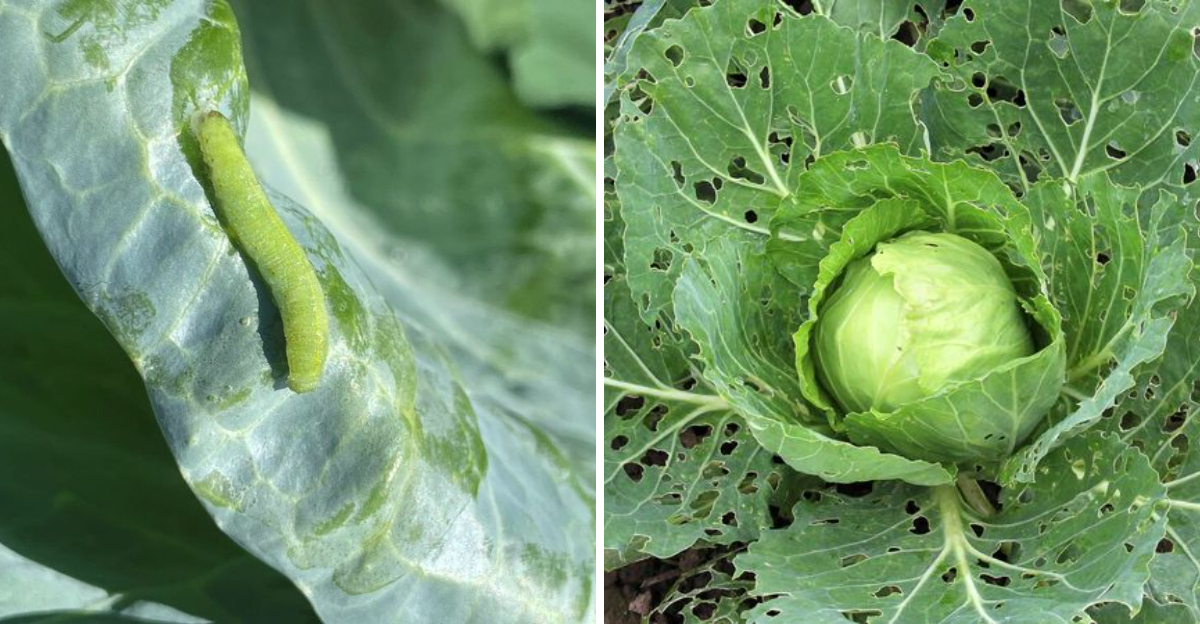
Cabbage, broccoli, kale, cauliflower, collards, Brussels sprouts, basically the whole leafy green lineup is fair game. The eggs these butterflies lay hatch into small green caterpillars that are genuinely impressive at staying hidden.
They blend into foliage so well that a lot of Pennsylvania gardeners do not realize anything is wrong until the chewed holes and ragged leaves become impossible to ignore. By that point the damage is already well underway.
The good news is that catching imported cabbageworms early is very doable once you know exactly what to look for and where to check.
1. Small Green Caterpillars Hide On Brassicas
Cabbage leaves expanding in the warm June sun can look healthy from a distance, but a closer look often tells a very different story.
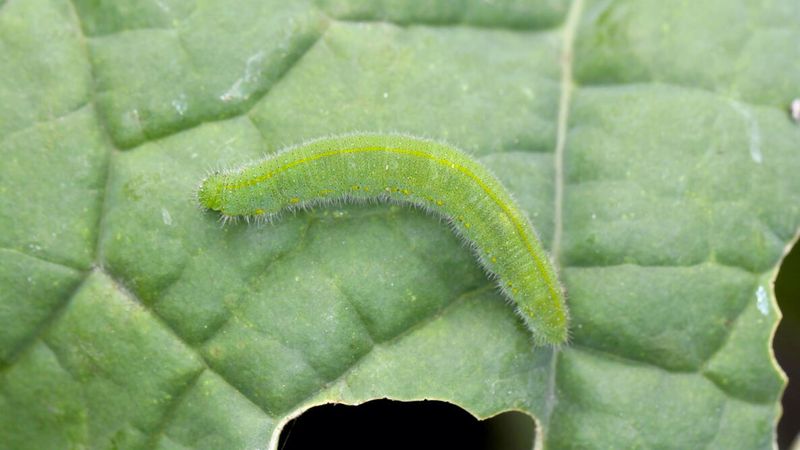
Imported cabbageworm larvae are pale green, velvety in texture, and surprisingly easy to overlook because their color closely matches the leaves they feed on.
In Pennsylvania vegetable gardens, these caterpillars tend to rest along leaf veins or tuck themselves near the base of leaves, making them even harder to spot at a quick glance.
The larvae hatch from tiny yellow eggs laid by white cabbage butterflies, which are common visitors to brassica crops from late spring into summer.
A single caterpillar may seem harmless at first, but populations can build up across a plant without much warning.
Checking your cabbage, kale, and broccoli plants carefully at least a couple of times each week gives you a much better chance of catching them early.
Look along the undersides of leaves and near the center of the plant where new growth is forming. Young caterpillars are smaller and harder to see, while older larvae can reach about an inch long and leave behind more visible feeding marks.
Getting into the habit of a thorough weekly scout during June in Pennsylvania can help you notice the signs before damage spreads across your brassica beds.
2. Chewed Holes Show Up On Cabbage Leaves
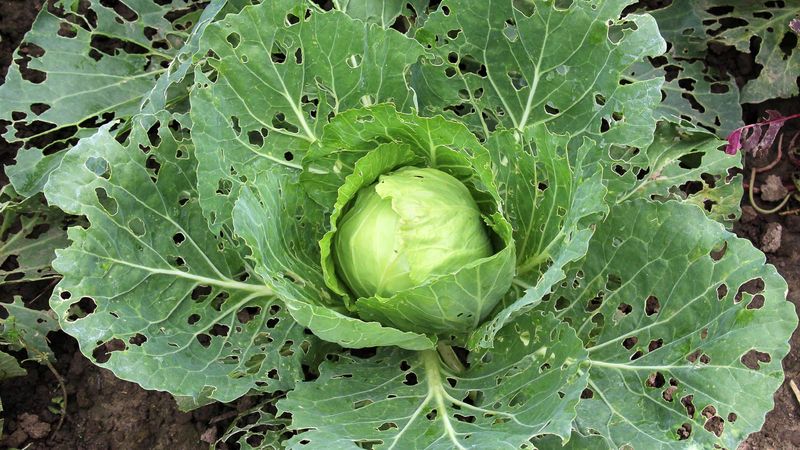
Ragged holes scattered across cabbage leaves are often the first sign that something has been feeding on your plants.
Imported cabbageworms chew through leaf tissue and leave behind irregular holes that can vary from small pinpricks to large, ragged openings depending on how long the feeding has gone on.
In Pennsylvania gardens during June, these holes can appear quickly, especially when multiple caterpillars are present on a single plant.
The outer leaves of cabbage tend to show damage first, but caterpillars will work their way toward the center as they grow. Frass, which is the dark green or brown droppings left behind by caterpillars, is another sign to look for near feeding areas.
Spotting frass on leaves or at the base of a plant can help you confirm that a caterpillar is nearby even when you cannot see the insect itself.
Your Pennsylvania Garden Changes Every Week. Your Plan Should Too.
Gardening in Pennsylvania changes quickly throughout the season. Every Friday you’ll receive a simple weekly plan showing exactly what to plant, prune, fertilize, harvest, and protect so you never miss the right timing.
Damage to the outer leaves may not threaten a cabbage head that is already forming, but heavy feeding on young plants or tender inner leaves can slow growth and reduce the quality of your harvest.
Checking your plants a couple of times each week during June and removing caterpillars when you find them is a simple, practical first step.
Staying observant early in the season tends to make the biggest difference for Pennsylvania home gardeners growing cole crops in raised beds or backyard plots.
3. Broccoli And Kale Need Close Checks
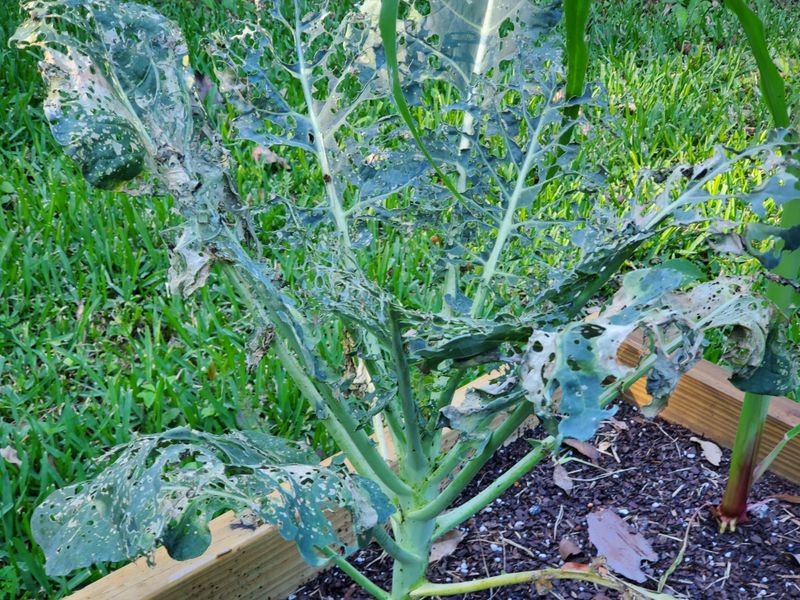
Broccoli heads forming in June look promising, but they can also attract imported cabbageworm activity that is easy to miss until it becomes a real problem.
The tight clusters of florets on a developing broccoli head create small spaces where caterpillars can feed and hide with very little exposure.
Pennsylvania gardeners who grow broccoli in raised beds or backyard plots should check not just the outer leaves but also the area around and beneath the developing head.
Kale is another brassica that imported cabbageworms seem to find readily in Pennsylvania vegetable gardens. Kale leaves are broad, textured, and often grown in clusters that give caterpillars plenty of cover.
Look along the midrib of each leaf and check the undersides carefully, since younger caterpillars often start feeding there before moving to more exposed surfaces as they grow larger.
Both broccoli and kale can tolerate some leaf damage without losing too much productivity, but repeated or heavy feeding across multiple plants can slow growth noticeably.
Cauliflower, collards, and Brussels sprouts grown nearby face similar risks and deserve the same level of attention during your weekly checks.
Building a simple scouting routine into your June garden visits, where you flip leaves, check florets, and scan stem bases, goes a long way toward catching caterpillar activity before it spreads through your Pennsylvania vegetable garden.
4. White Butterflies Signal Eggs Nearby
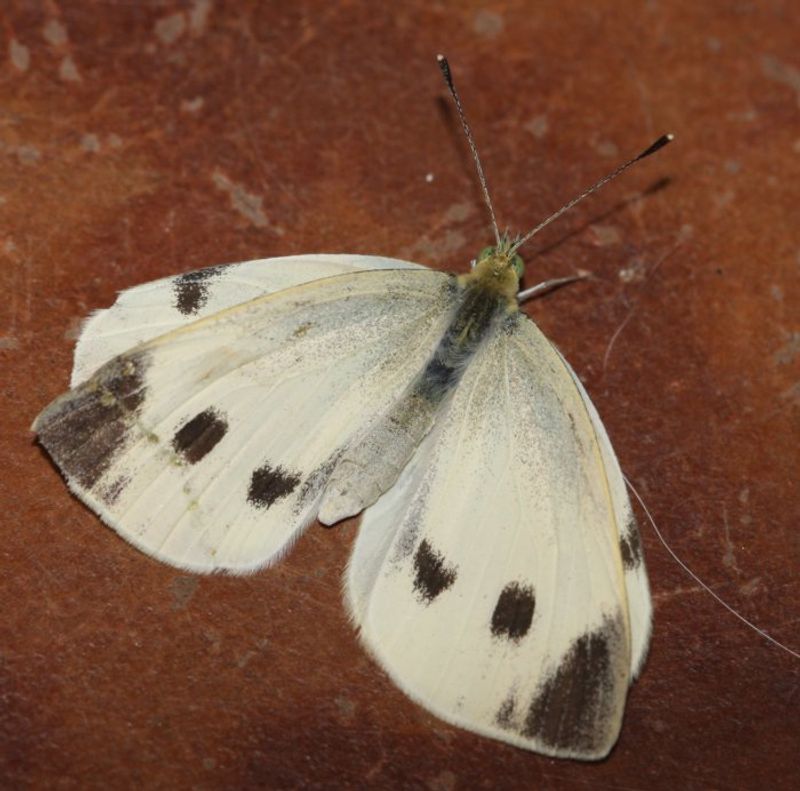
Watching a white butterfly flutter gracefully through the garden can feel pleasant, but in a Pennsylvania brassica bed during June, it is a signal worth paying attention to.
The adult stage of the imported cabbageworm is the cabbage white butterfly, a small white insect with faint dark markings on its wings.
When these butterflies are present near your vegetable garden, there is a reasonable chance that egg-laying is already underway on your cole crops.
Female butterflies lay tiny, pale yellow, bullet-shaped eggs individually on the leaves of host plants. The eggs are small enough that many gardeners walk right past them without noticing.
Checking the upper and lower surfaces of leaves on your cabbage, broccoli, kale, and cauliflower plants after you notice white butterflies in the area can help you catch eggs before they hatch into feeding larvae.
Eggs typically hatch within a week or so depending on temperatures, which means the window between egg-laying and caterpillar feeding is not very long.
In Pennsylvania, June temperatures can speed up this process, making regular scouting even more worthwhile.
Removing eggs by hand when you find them during your garden checks is a straightforward way to reduce the number of caterpillars that develop on your plants.
Staying alert to butterfly activity around your brassica rows is one of the simplest early-warning tools available to home gardeners.
5. Leaf Undersides Hide Early Feeding
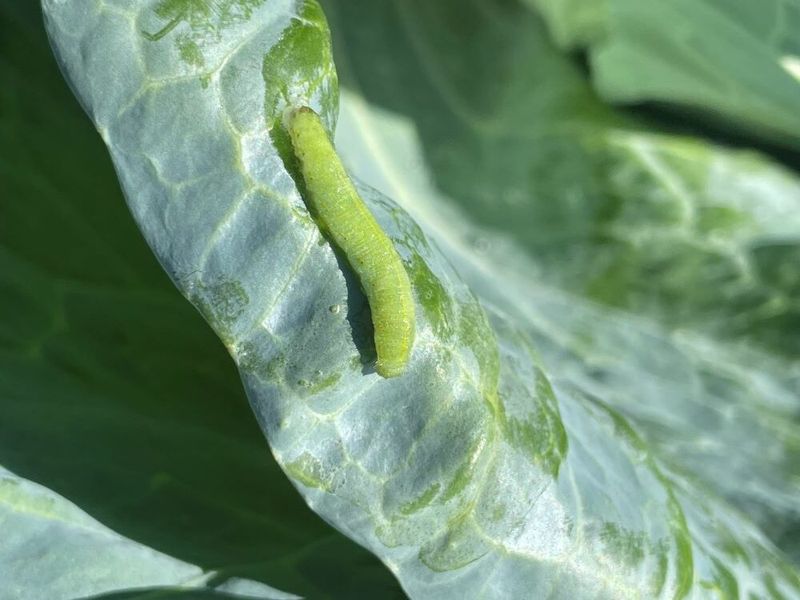
Flipping a cabbage leaf over to check the underside is a small habit that can save a lot of frustration later in the season.
Imported cabbageworm larvae, especially younger ones, often start feeding on the lower surface of leaves where they are shielded from direct sun and harder for predators and gardeners alike to spot.
In Pennsylvania vegetable gardens during June, this hidden early feeding can go unnoticed for days before the damage becomes visible from above.
Early feeding on the underside of a leaf may appear as thin, scraped patches or small translucent windows in the leaf tissue where the top layer has not yet been chewed through.
As caterpillars grow and feed more aggressively, these patches eventually become full holes that show up on both sides of the leaf.
By the time the damage is obvious from above, the caterpillar responsible has often moved to a new feeding spot or worked its way deeper into the plant.
Making a point to check leaf undersides during every garden visit gives you a much earlier view of what is happening on your brassicas.
This is especially useful on kale, collards, and outer cabbage leaves where the broad leaf surface gives caterpillars plenty of room to feed undetected.
Even a quick pass through your Pennsylvania vegetable beds, flipping a few leaves on each plant, can reveal activity you would otherwise miss entirely until the damage becomes more noticeable.
6. Row Covers Can Protect Young Crops
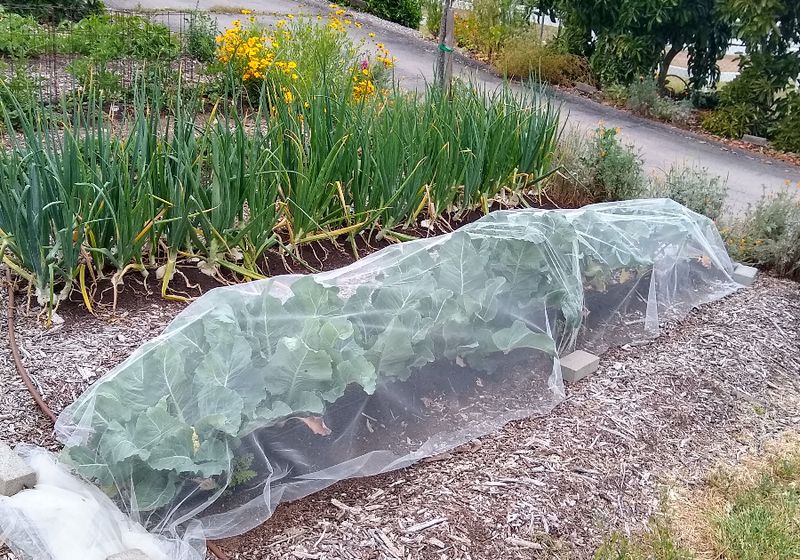
One of the most practical tools available to Pennsylvania home gardeners growing brassicas is floating row cover fabric.
Lightweight and breathable, row covers allow sunlight, air, and water to reach plants while creating a physical barrier that keeps adult butterflies from reaching leaves to lay eggs.
When installed before butterflies arrive in the garden, row covers can significantly reduce the number of imported cabbageworm eggs that end up on your cole crops.
The timing of installation matters quite a bit. Row covers work best when placed over transplants shortly after they go into the ground, before white butterflies have had a chance to visit the plants.
If butterflies are already active in your Pennsylvania garden when you install covers, there is a chance eggs have already been laid, so checking plants carefully before covering them is a worthwhile step.
Row covers should be secured at the edges to prevent gaps where butterflies could slip underneath. Garden staples, soil, or boards along the edges can help hold covers in place during windy June days.
Keep in mind that covers will need to be removed temporarily if you are growing crops that need pollination, though most brassicas do not require insect pollination for the edible parts you are harvesting.
For Pennsylvania gardeners growing cabbage, broccoli, kale, or cauliflower in raised beds or small plots, row covers offer a straightforward, low-input way to reduce caterpillar pressure through the season.
7. Hand-Picking Helps In Small Gardens
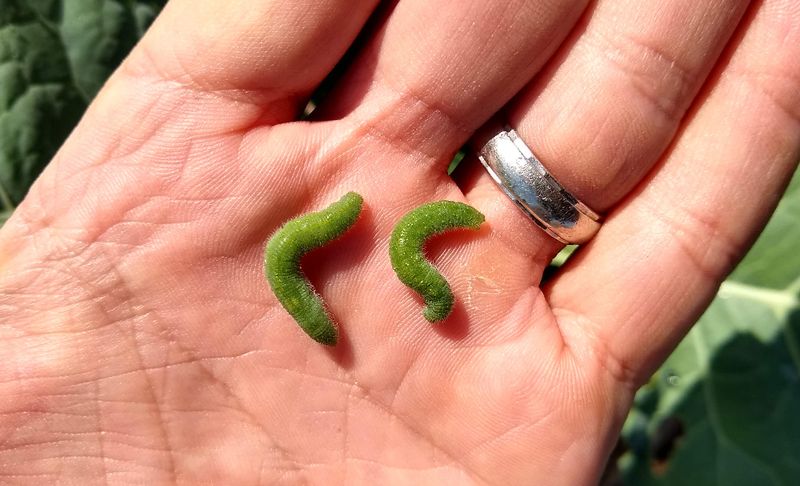
For a backyard Pennsylvania vegetable garden with a modest number of brassica plants, hand-picking caterpillars is one of the most accessible and effective responses available. It requires no special equipment, no products, and no waiting period before harvest.
Spending a few minutes each visit working through your cabbage, kale, broccoli, and collard plants to remove caterpillars by hand can keep populations manageable without much effort, especially when you start early in the season.
Dropping picked caterpillars into a container of soapy water is a common approach among home gardeners. Some gardeners prefer to relocate them away from the garden, though caterpillars can find their way back if not moved far enough.
Either way, consistent removal during June, when caterpillar populations are building, tends to be more useful than waiting until damage becomes severe.
Hand-picking works best as part of a broader scouting routine rather than a one-time effort.
Checking plants every few days and removing both caterpillars and any visible eggs during each visit gives you a running head start on new generations before they have a chance to grow larger and feed more heavily.
In Pennsylvania raised beds and small backyard plots where the number of plants is limited, this kind of direct, hands-on approach can be surprisingly effective at keeping imported cabbageworm damage manageable.
Staying consistent with it through the rest of the growing season gives your brassica crops a much better chance of holding up through summer harvest.
8. Early Checks Reduce Bigger Leaf Damage
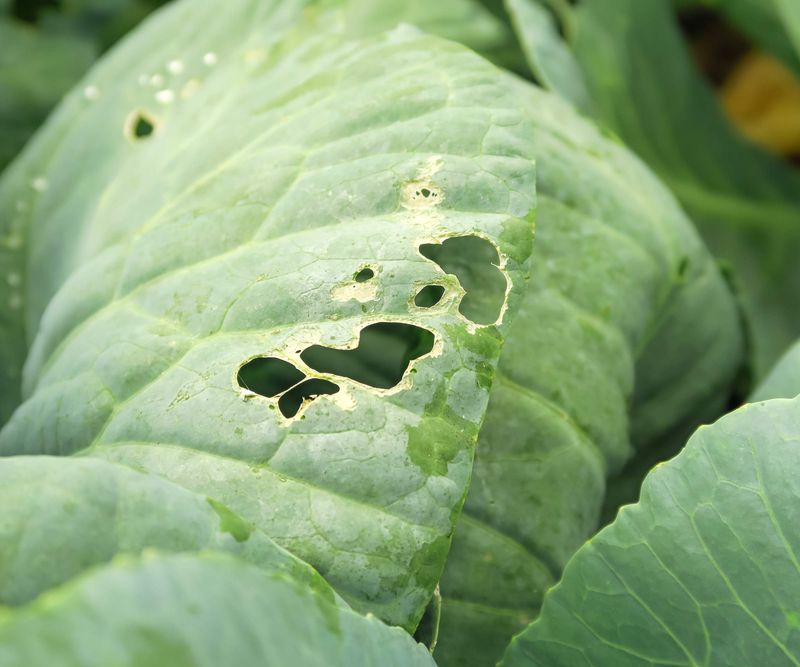
Getting out to your Pennsylvania vegetable garden early in June and checking brassica plants on a regular schedule is one of the simplest ways to stay ahead of imported cabbageworm damage.
Caterpillars that are caught in their early stages are smaller, eat less, and are easier to remove than larvae that have had time to grow through several instars.
A small investment of time during early June scouting often saves a lot more effort later in the season.
Consistent checking also helps you notice patterns, such as which plants in your garden tend to attract more activity, which areas of the bed show damage first, or whether white butterflies are becoming more or less common near your brassicas from week to week.
These observations can help you decide where to focus your attention and whether additional steps like row covers or other management options make sense for your garden.
Even a brief walkthrough of your cabbage rows, broccoli transplants, kale bed, and cauliflower plants every few days gives you a much clearer picture of what is happening beneath the leaves.
Pennsylvania summers move quickly, and brassica crops like cabbage and broccoli can reach harvest stage before you know it.
Keeping caterpillar pressure low during the early part of the season helps ensure your plants can put their energy into producing the healthy heads, leaves, and florets you have been growing them for all spring long.