What North Carolina Gardeners Who Never See Ticks In Their Yard Are Planting Along Their Borders
Some North Carolina yards seem to have a persistent tick problem no matter what gets sprayed or how often the grass gets cut. Others, sometimes right next door, barely have any tick activity at all through the entire season.
The difference is rarely about luck or location.
Gardeners who consistently report low to no tick presence in their yards have almost always made specific planting choices along their property borders that modify the conditions ticks need to survive and move through a landscape.
Those choices are not complicated or expensive, but they are deliberate.
Understanding exactly what is being planted in those border zones and why it works gives any North Carolina homeowner a practical and lasting approach to reducing tick pressure across their entire property.
1. Lavender
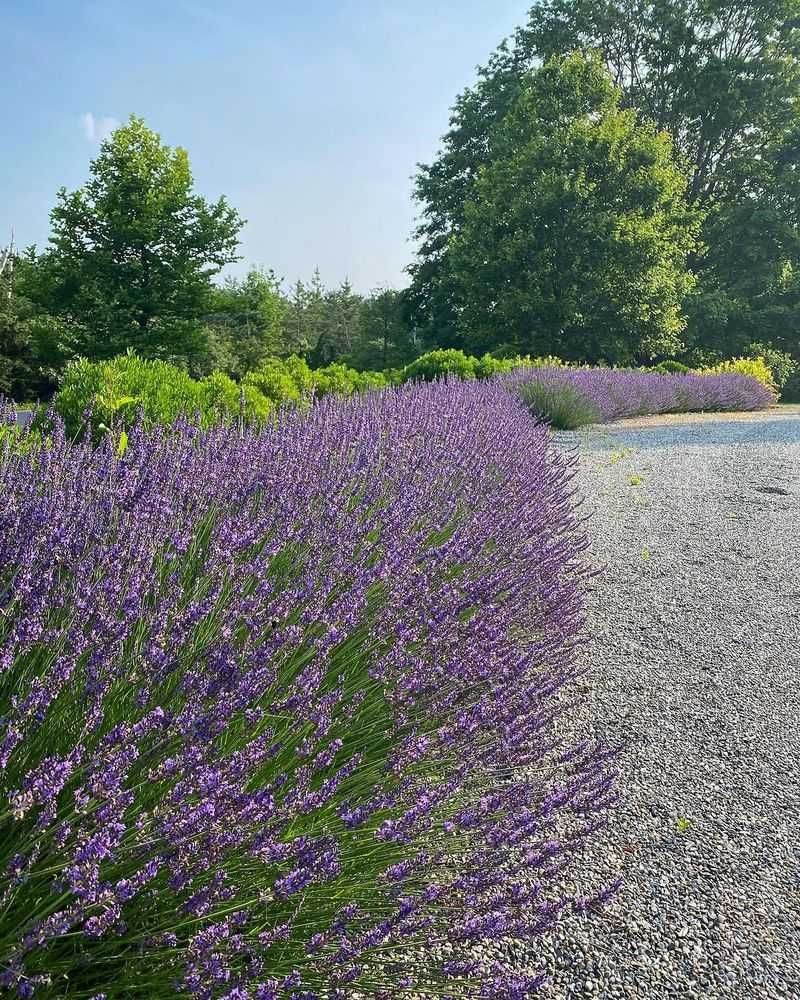
Few plants bring as much charm to a sunny border as lavender. Its silvery stems, purple flower spikes, and strong fragrance make it a favorite, but smart North Carolina gardeners are also drawn to it for a more practical reason.
Lavender thrives in conditions that ticks simply do not enjoy: full sun, excellent drainage, and dry to medium soil moisture.
Ticks prefer cool, shaded, damp spots with leaf litter or tall grass. A clean, open lavender border is the opposite of that.
By keeping your yard edge sunny and dry, you are naturally reducing the kind of habitat where ticks feel at home. Lavender is not a magic solution on its own, but it fits beautifully into a smarter border plan.
One important note: North Carolina’s humid summers and heavy clay soils can be tough on lavender. Planting it in raised beds, mixing coarse sand or gravel into the soil, or growing it in containers can make a real difference.
Spanish and French varieties tend to handle humidity a little better than English lavender. Good air circulation around each plant also helps prevent the root rot that soggy soil causes.
With the right setup, lavender can thrive for years and keep your border looking polished, bright, and open all season long.
2. Rosemary
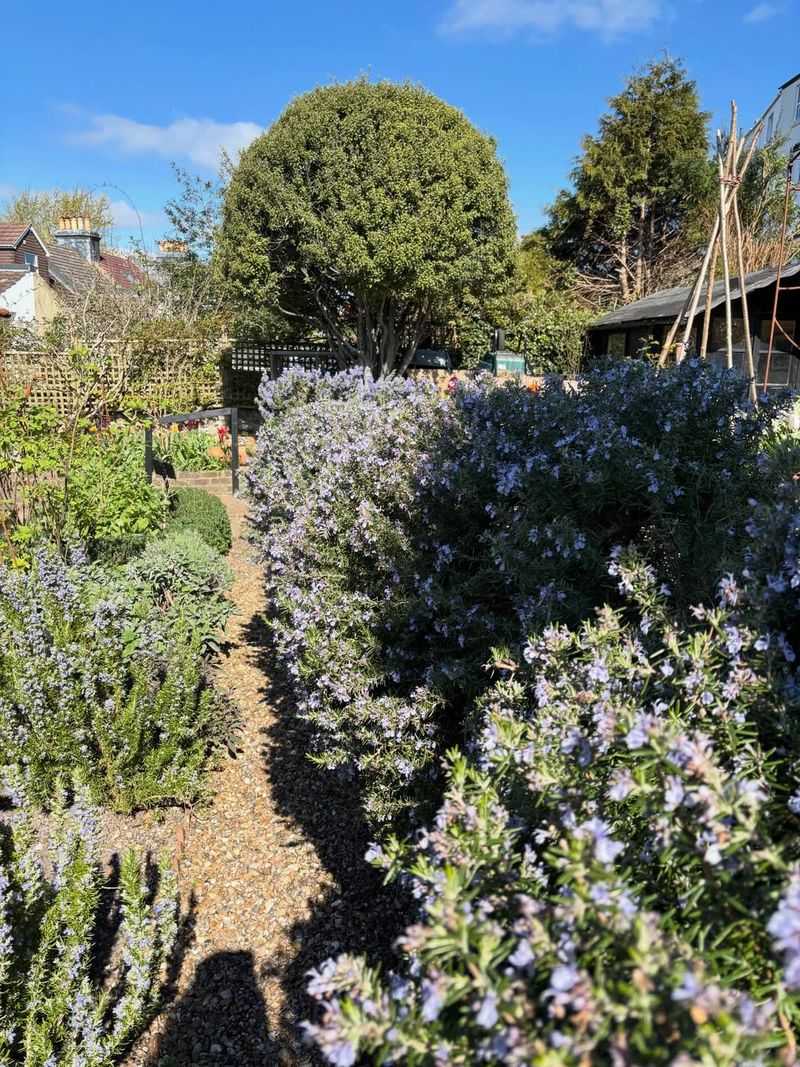
Rosemary is one of those plants that does double duty in a garden. You get a beautiful, structured shrub that smells incredible, and you also get a border plant that loves exactly the kind of conditions that ticks avoid.
Full sun, dry to medium moisture, and sharp drainage are what rosemary needs to flourish, and those same conditions make for a much less tick-friendly yard edge.
Once rosemary gets established, it handles drought surprisingly well. That means less watering, fewer weeds, and a tidier border overall.
Its upright, open growth habit also keeps things neat. Dense, tangled, damp border growth is where ticks like to wait for a host.
Rosemary keeps things open, airy, and easy to maintain, which works in your favor.
Planting rosemary in wet, poorly drained, or heavy clay soil is where most gardeners run into trouble. Root rot sets in fast when drainage is poor, and the plant will struggle no matter how much sun it gets.
Your North Carolina Garden Changes Every Week. Your Plan Should Too.
Gardening in North Carolina changes quickly throughout the season. Every Friday you’ll receive a simple weekly plan showing exactly what to plant, prune, fertilize, harvest, and protect so you never miss the right timing.
If your border soil is heavy, amend it with grit or gravel, or build a raised bed. Hardier varieties like Arp and Madelene Hill handle North Carolina winters better than tender types.
Keep the area around the base clear of debris, and your rosemary border will stay strong, tidy, and productive for many seasons ahead.
3. Common Thyme
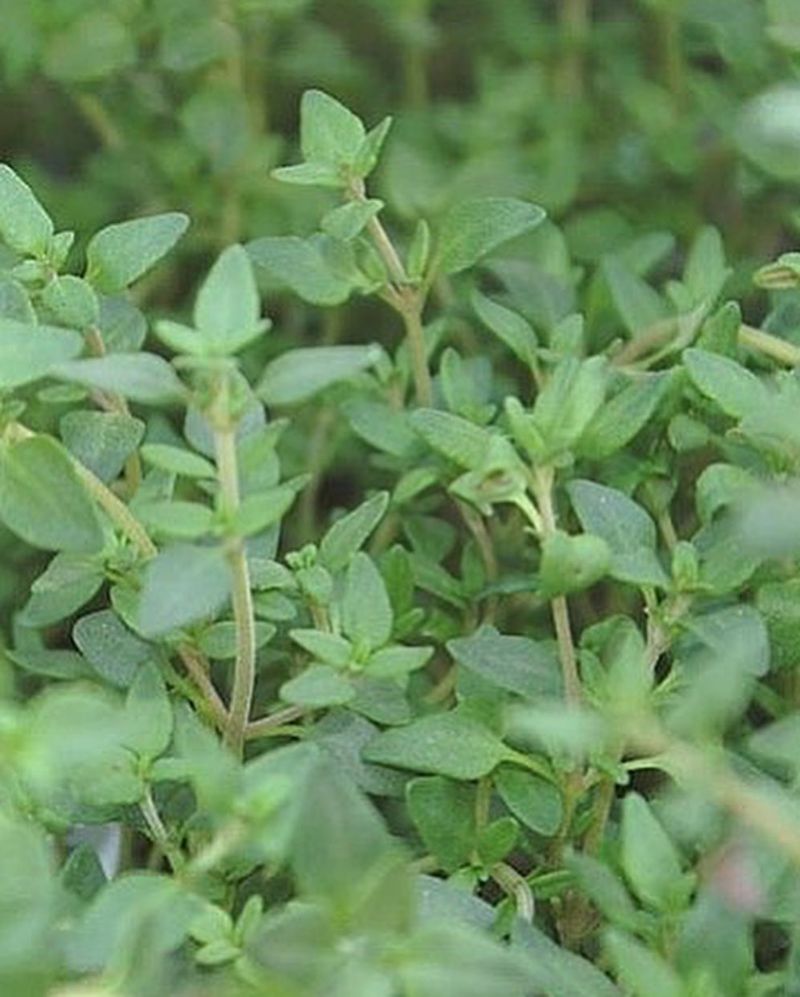
There is something quietly satisfying about a thyme border. It is low maintenance, it smells wonderful when you brush against it, and it looks tidy all season.
Common thyme loves full sun, dry or sandy soil, and excellent drainage, which makes it a natural fit for gardeners who want a clean, open border that does not invite moisture-loving pests to hang around.
Thyme grows best in the kind of lean, well-drained soil that many other plants struggle with. Rocky or gritty beds are actually ideal.
That means you can use it in spots along a path or border edge where the soil is not particularly rich, and it will still perform beautifully. A sunny, dry border edge is one of the least welcoming environments for ticks, and thyme thrives right in that sweet spot.
It is worth being realistic: common thyme is one useful piece of a smarter border plan, not a guaranteed tick solution on its own. Pairing it with other sun-loving, drought-tolerant plants helps create a wider zone of open, dry, well-maintained border.
Trim thyme lightly after flowering to keep the plants compact and prevent them from getting woody in the center. Good air circulation matters too, especially during North Carolina’s humid summers.
With minimal effort, common thyme delivers a tidy, fragrant, and surprisingly tough border edge all season long.
4. Creeping Thyme
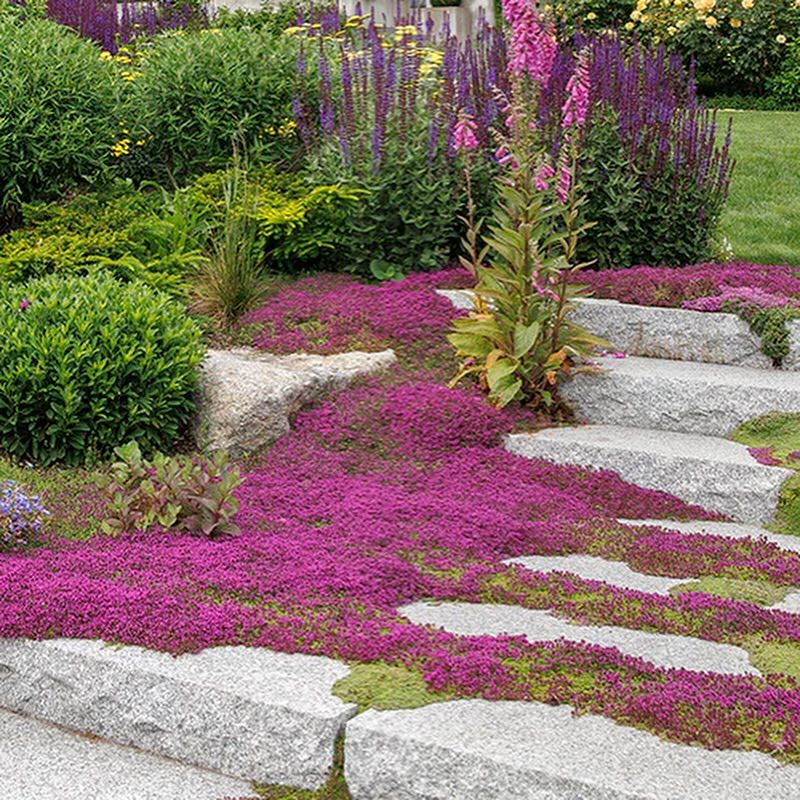
Creeping thyme is one of those plants that makes a garden look intentional and well-kept without much effort. It hugs the ground, spreads slowly to fill gaps, and bursts into tiny pink or purple flowers in late spring.
For North Carolina gardeners who want a tidy, low-growing front border, it is hard to beat.
What makes creeping thyme especially smart along a yard edge is how it replaces the kind of tall, messy grass or weedy growth where ticks love to wait. A low, flat, sun-baked planting of creeping thyme leaves nowhere to hide.
It prefers full sun and well-drained sandy or rocky soil, so it naturally creates the dry, open edge that is far less appealing to ticks than damp, tangled vegetation would be.
Creeping thyme does not eliminate ticks from a yard, and it should not be sold as a pest treatment. But as part of a thoughtful border design, it earns its place easily.
It handles foot traffic better than most groundcovers, making it a great choice along paths, driveways, or the front edge of a mixed border. Avoid planting it in heavy clay or poorly drained spots, where it will rot rather than spread.
Give it sun, give it grit, and creeping thyme will reward you with a low, fragrant, mat-like border that stays neat all season.
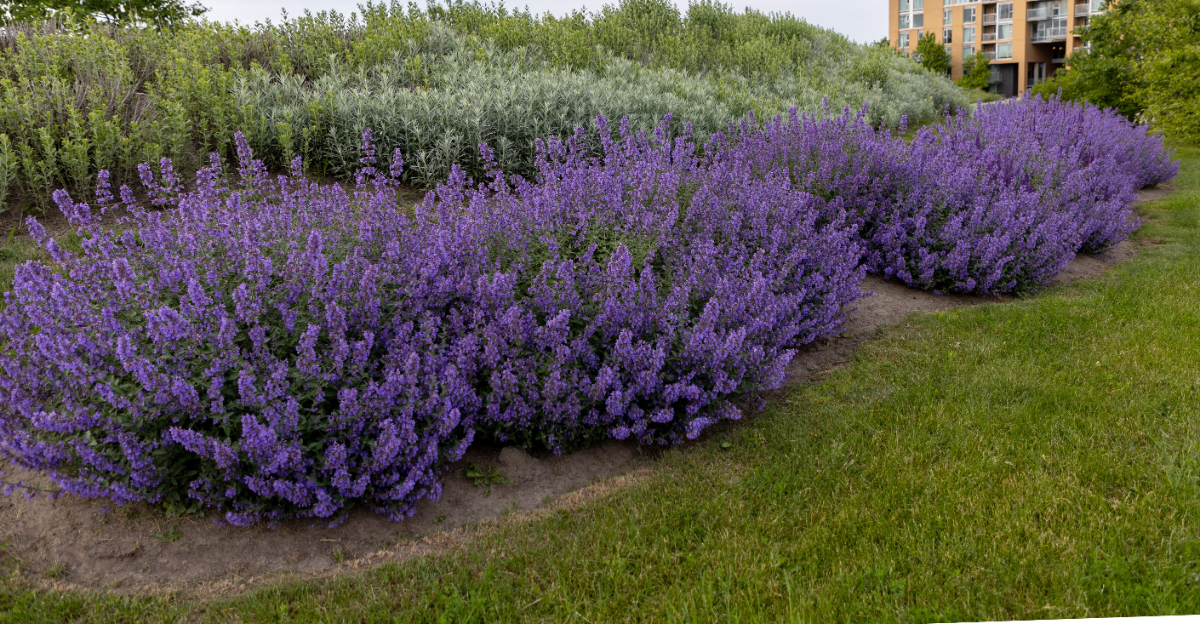
5. Catmint
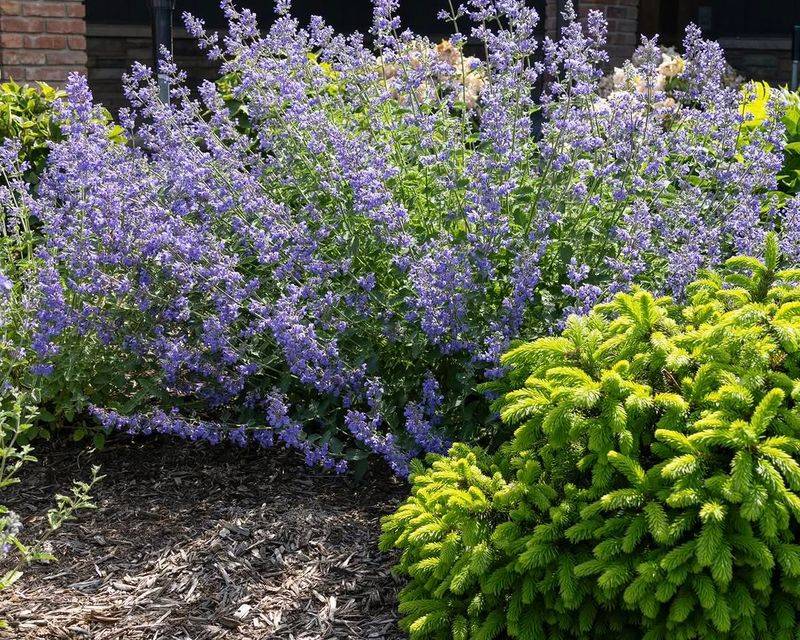
Catmint has a relaxed, cottage-garden charm that makes it look effortless in a border, but do not let that fool you. It is a tough, drought-tolerant plant that thrives in full sun with good drainage, and it blooms generously from late spring well into summer.
North Carolina gardeners who want a carefree border with soft color and a tidy habit keep coming back to it.
Once established, catmint handles dry spells without complaint. Its clumping growth stays relatively open, which helps keep the border from becoming the kind of dense, damp tangle that ticks favor.
After the first flush of flowers fades, shearing the plant back by about a third encourages a fresh round of blooms and keeps the border looking neat and open rather than overgrown.
One thing to watch: catmint can self-seed and spread a bit more than expected in some garden settings. Regular maintenance, including deadheading before seeds set and dividing clumps every few years, keeps it from becoming weedy.
Avoid planting it in poorly drained soil or shady spots, where it tends to flop and struggle. Walker’s Low is one of the most popular and reliable varieties for warm, humid climates like North Carolina’s.
Pair it with other sun-loving border plants for a layered, airy edge that looks intentional, stays manageable, and holds up beautifully through the growing season.
6. Russian Sage
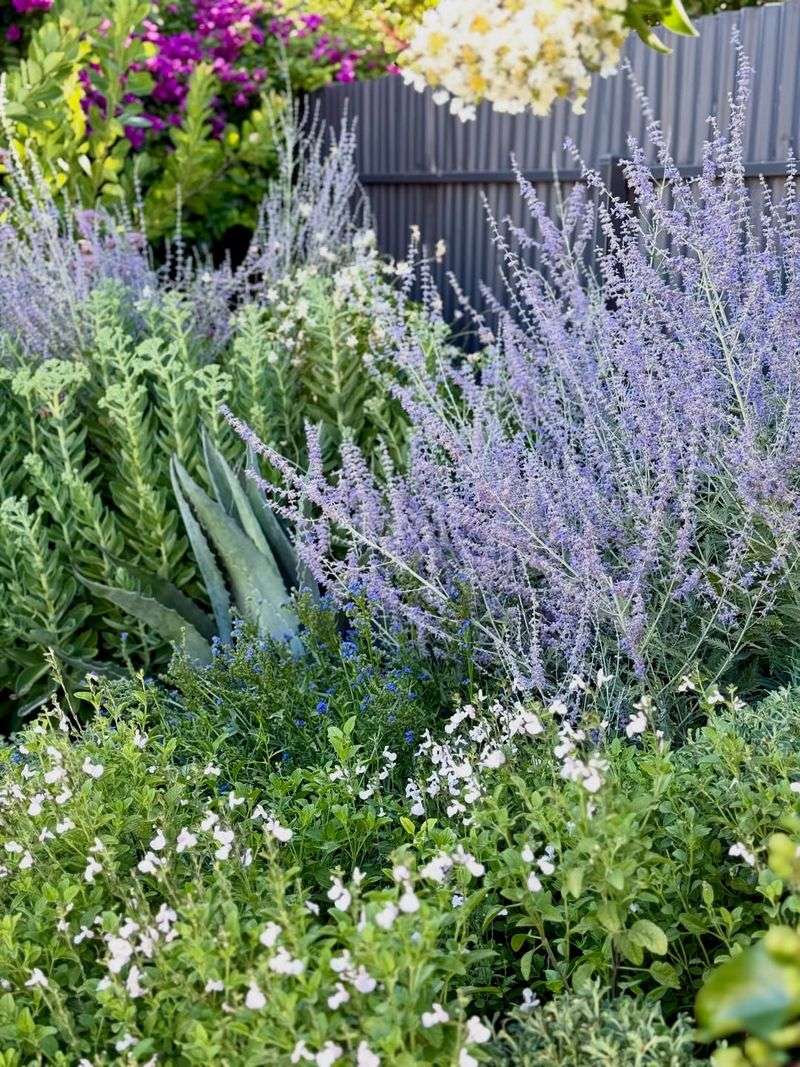
Russian sage has a presence that stops people in their tracks. Those tall, hazy columns of lavender-blue flowers rising above silvery stems look almost like a watercolor painting when they catch afternoon light.
Beyond the beauty, Russian sage is one of the toughest, most drought-tolerant plants you can put in a sunny North Carolina border, and it earns every inch of space it takes up.
It thrives in full sun and well-drained soil, and it actually performs better when conditions are a little dry. Overly rich or wet soil causes it to flop and lose its upright structure.
That open, airy habit is part of what makes it a smart border choice. Tall, loose, and breezy, Russian sage creates a border that is nothing like the cool, damp, shaded edges where ticks prefer to spend their time.
Give Russian sage room to breathe. Cramming it into a tight space causes it to lean and tangle, which defeats the purpose of keeping the border open.
Cut it back hard in early spring to encourage strong, upright new growth and prevent a woody, unkempt base. Wet or poorly drained soil is its biggest enemy, so raised beds or amended soil work well in challenging spots.
Paired with other drought-tolerant sun lovers, Russian sage creates a bold, beautiful, and genuinely low-maintenance border that holds its structure from midsummer straight through to frost.
7. Anise Hyssop
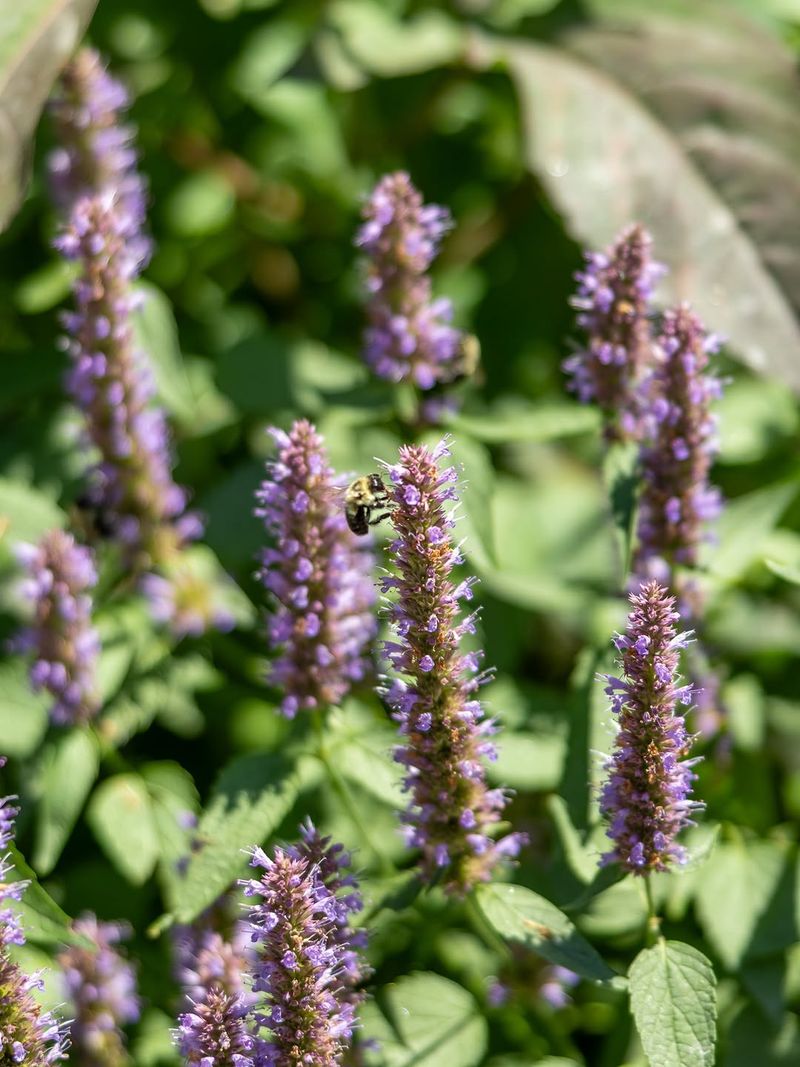
Anise hyssop is a plant with real personality. Its tall spikes of purple flowers smell faintly of licorice, draw in pollinators by the dozens, and give a sunny border a vertical structure that feels both wild and intentional at the same time.
For North Carolina gardeners who want a border that works hard for the whole ecosystem, this one belongs on the list.
Some selections of anise hyssop handle heat and occasional dry spells well once established, though they still need well-drained soil to perform their best. Planting it in heavy clay or poorly drained areas leads to root problems, especially through North Carolina’s wet winters.
Choosing well-adapted cultivars suited to the Southeast makes a noticeable difference in how the plant performs over time.
What makes anise hyssop valuable in a tick-smart border plan is how it adds upright, open structure without creating dense, damp ground clutter. It fits naturally into a sunny, well-maintained border design that avoids the conditions ticks seek out.
Remove spent flower spikes to reduce self-seeding if you want to keep the planting contained, though some gardeners welcome the volunteers. Divide clumps every two to three years to keep plants vigorous.
With the right variety and the right site, anise hyssop delivers flowers, fragrance, pollinator activity, and a clean border edge that looks lively and well-tended from early summer through fall.
8. Mountain Mint
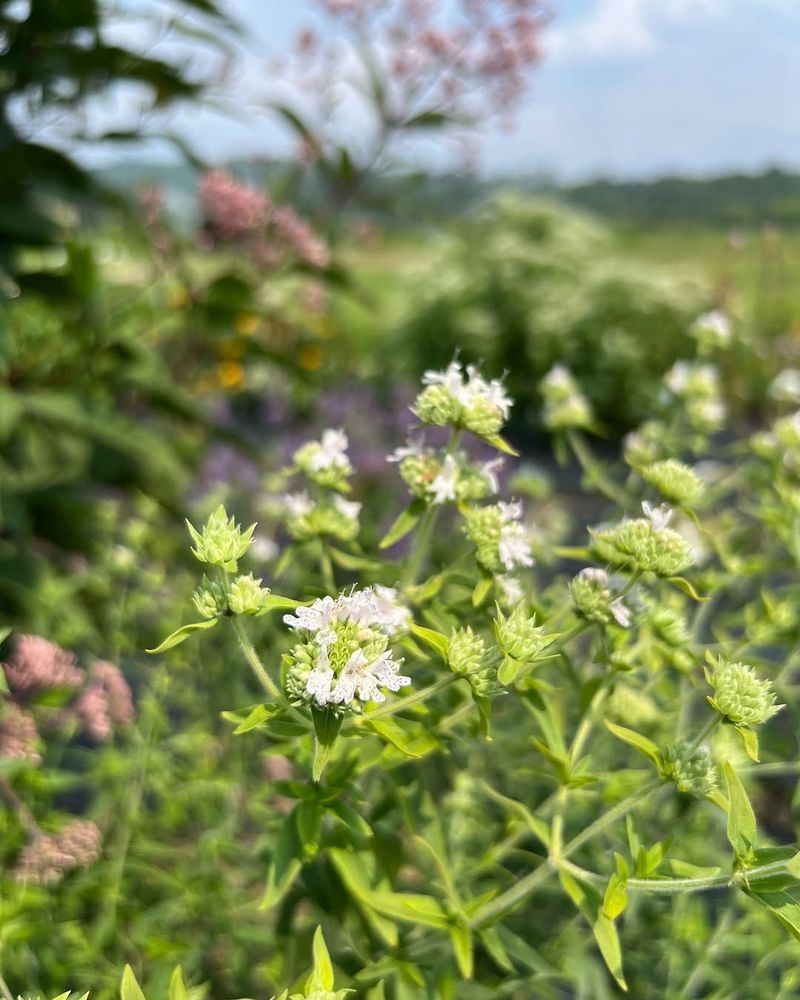
Mountain mint might be the most underrated native plant in North Carolina gardening. It is tough, adaptable, and absolutely beloved by pollinators.
On a warm summer afternoon, a patch of mountain mint in bloom sounds like a hive because bees, wasps, and butterflies flock to it in extraordinary numbers. If supporting local wildlife is part of your garden plan, this plant belongs at the top of your list.
It grows well in full sun to partial shade and handles a range of soil moisture from moist to dry, as long as drainage is reasonable. That flexibility makes it easier to fit into a border than some of the strictly drought-tolerant plants on this list.
The minty fragrance from the foliage is a pleasant bonus, and the silvery-white bracts that surround the tiny flowers give it a shimmering, eye-catching look even from a distance.
The one thing to plan for is spreading. Mountain mint spreads by rhizomes and can take over a border if left unchecked.
Dividing it regularly, installing a root barrier, or growing it in a contained raised bed helps keep it from crowding out its neighbors. A tidy, well-managed mountain mint planting keeps the border open and structured rather than turning into a dense thicket.
Managed well, it is a genuinely rewarding native plant that earns its space through beauty, toughness, and ecological value every single season.
9. Yarrow
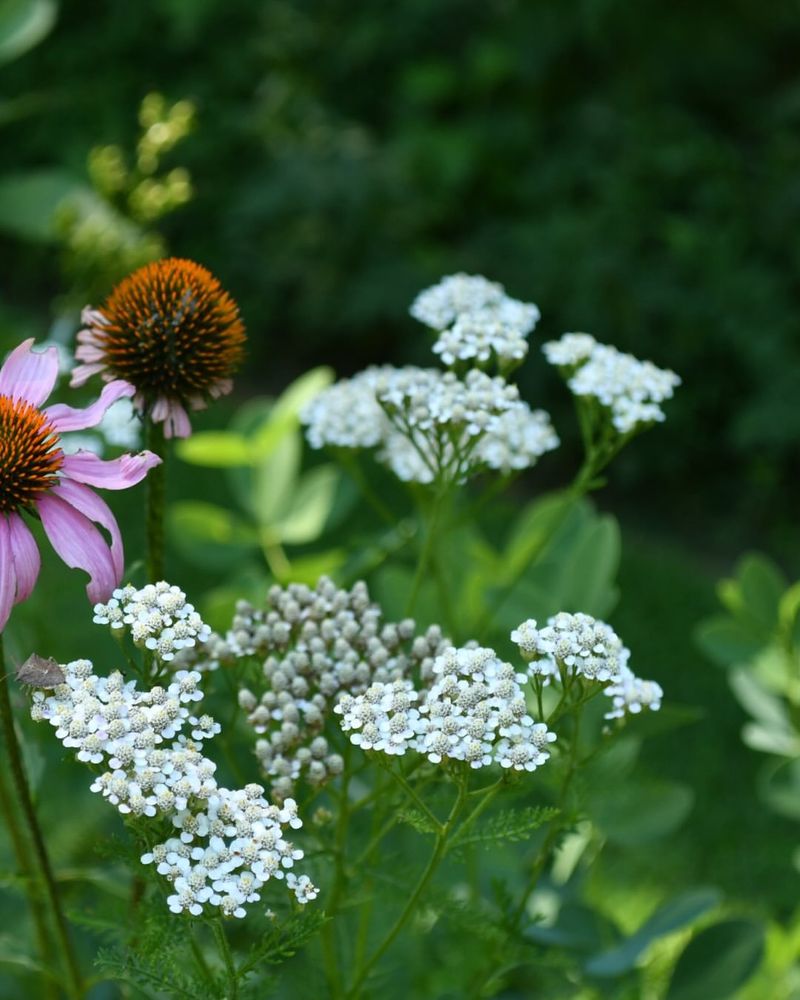
Yarrow has been growing in gardens for centuries, and it earned that staying power honestly.
It tolerates poor soil, handles drought without flinching, and blooms in flat-topped clusters of yellow, white, pink, or red that look stunning along a sunny border.
North Carolina gardeners who want a low-fuss, high-reward plant for a dry, open edge consistently reach for yarrow.
The trick with yarrow is restraint. It does not need rich soil or frequent watering, and giving it either actually works against it.
Overwatering causes floppy stems and root rot. Too much fertilizer produces lush, weak growth that falls over rather than standing upright.
Lean soil and good drainage are exactly what yarrow prefers, and those are also the conditions that make for a border far less welcoming to moisture-seeking pests.
Yarrow spreads by both rhizomes and self-seeding, so some management keeps the border from becoming a messy, overgrown patch. Remove spent blooms to reduce seeding, and divide clumps every two to three years to keep the planting vigorous and tidy.
Cutting back after the first bloom often triggers a second flush of flowers later in the season. Keep the area around plants clear of debris and dense leaf litter.
A well-tended yarrow border stays open, sunny, and structured, which is exactly the kind of edge that does not invite ticks to linger.
10. Stonecrop
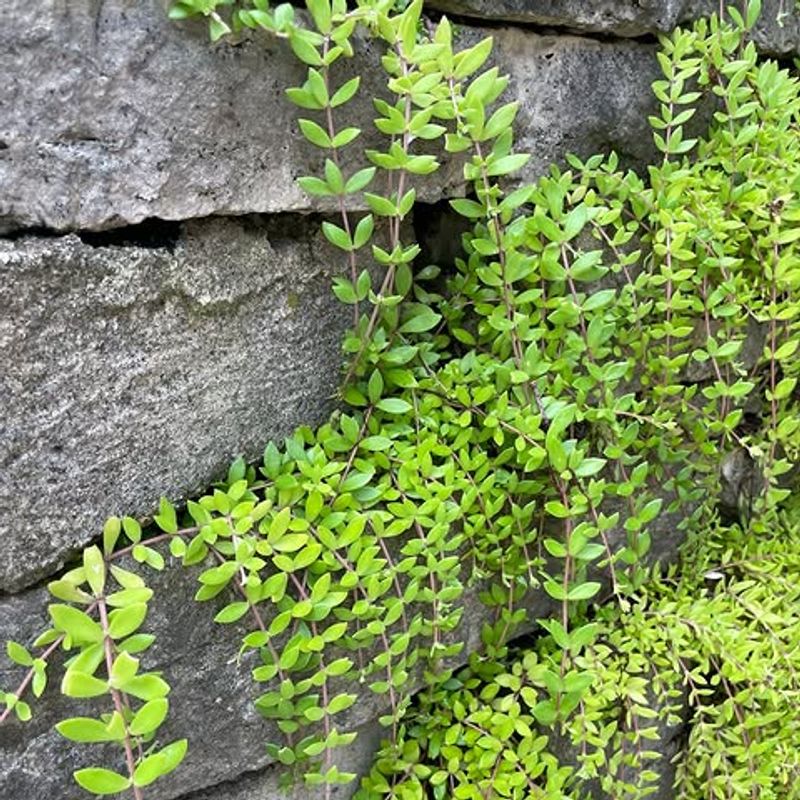
Stonecrop is the plant that thrives where others give up. Rocky soil, gravel edges, dry slopes, sun-baked paths, none of it bothers this tough little succulent.
For North Carolina gardeners who want a low, tidy border plant that stays put without constant attention, stonecrop is one of the most reliable choices available.
Sedum tolerates poor, rocky, or sandy soil and handles drought with ease, as long as drainage is good. Standing water is its one real weakness, so avoid planting it in low spots or heavy clay that holds moisture.
Along a gravel path, a rock garden edge, or a sunny border where the soil drains quickly, stonecrop practically takes care of itself.
Its low, spreading growth keeps the border neat and ground-level rather than tall and tangled, which is exactly the kind of clean edge that is harder for ticks to use as a resting spot.
Some stonecrop varieties spread more aggressively than others. Sedum acre, for example, can move quickly across a gravel bed if conditions suit it.
Choosing a variety that fits your space and checking the spread habit before planting saves a lot of editing later. Taller varieties like Autumn Joy work well at the mid-border level, while low creeping types suit path edges and rock gardens perfectly.
Either way, stonecrop adds texture, color, and structure to a sunny border with almost no effort on your part, making it a genuinely satisfying long-term choice.