The Only Native Texas Wildflower You Need If You Want A Garden That Reseeds Itself Forever
Most perennial gardens require some degree of intervention to stay full and productive over time, dividing plants, filling in gaps, replacing things that did not make it through a hard summer or a difficult winter.
There is a native Texas wildflower that takes that entire maintenance loop off the table by reseeding itself so reliably and so generously that the garden it started in keeps expanding and renewing on its own schedule without any input from the gardener.
It comes back each year in greater numbers, fills bare ground naturally, and produces blooms through a stretch of the Texas growing season that most cultivated plants cannot come close to matching.
Birds seek out the seeds. Pollinators work through the flowers consistently from the moment they open.
And once this wildflower decides it likes a spot, it tends to commit to it permanently in the best possible way, making it one of the most self-sufficient and ecologically productive choices a Texas garden can contain.
Winecup Is The Plant You Need
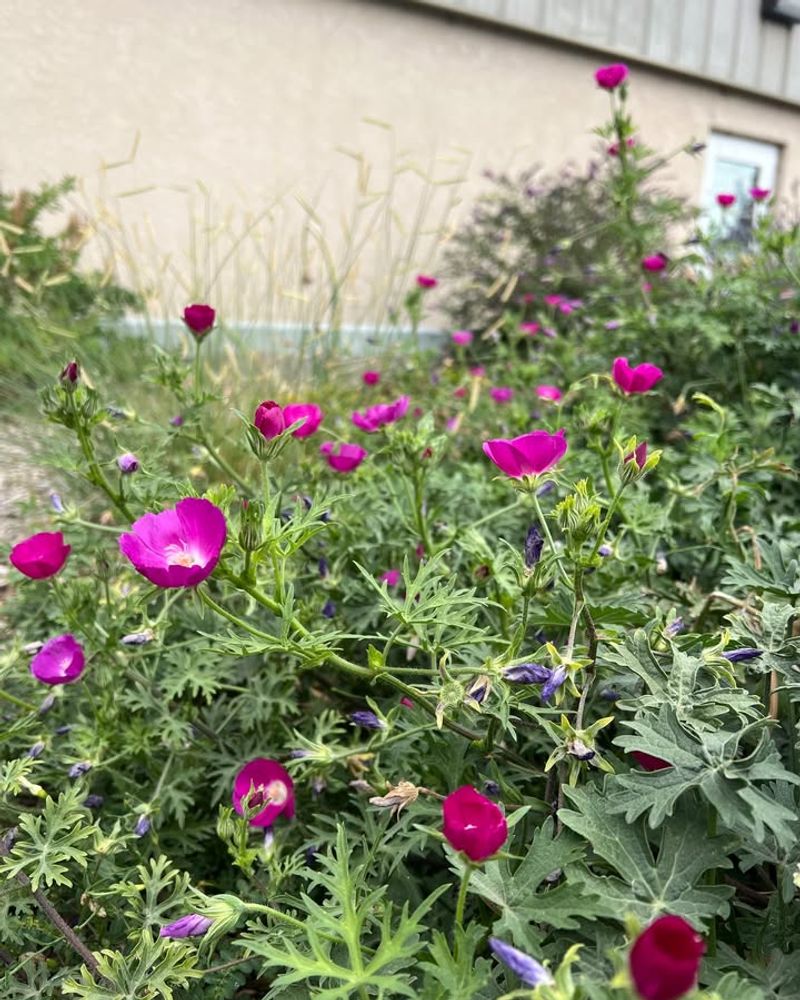
Picture a low-growing plant that hugs the ground and fills every inch of space with rich, wine-red blooms. That is Callirhoe involucrata, better known as Winecup.
Native to Texas and the central United States, this wildflower has been brightening up prairies, roadsides, and home gardens for centuries. Its name even tells a story.
Callirhoe comes from Greek mythology, referring to a daughter of the river god Achelous, and the blooms do have a flowing, graceful quality that feels almost magical.
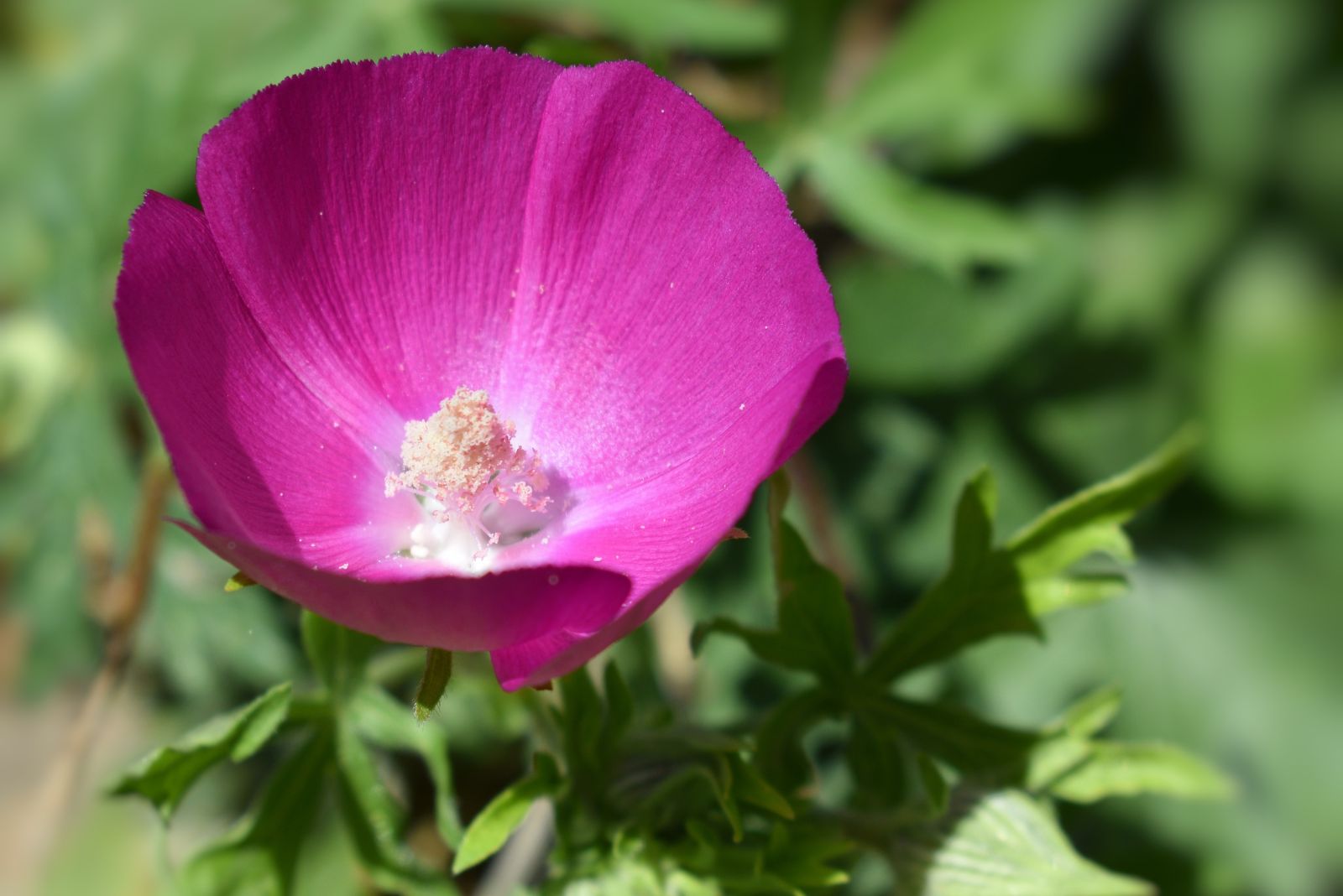
The flowers are cup-shaped and typically measure about two inches wide. They come in a bold magenta-pink with a small white center, creating a striking contrast that catches your eye from across the yard.
Winecup blooms from early spring all the way through summer, giving you months of reliable color without much effort on your part.
What makes Winecup stand out is how naturally it fits into a Texas landscape. It grows along the ground on trailing stems that can reach up to three feet long.
The leaves are deeply lobed, almost like a hand spread wide open, and they stay green and attractive even when the plant is not blooming. Winecup is a true perennial, meaning it comes back from its deep taproot every single year.
Gardeners who plant it once often enjoy it for a lifetime. If you have never grown a native Texas wildflower before, Winecup is the perfect starting point. It is beautiful, dependable, and completely at home under the Texas sun.
Self-Seeding Superstar
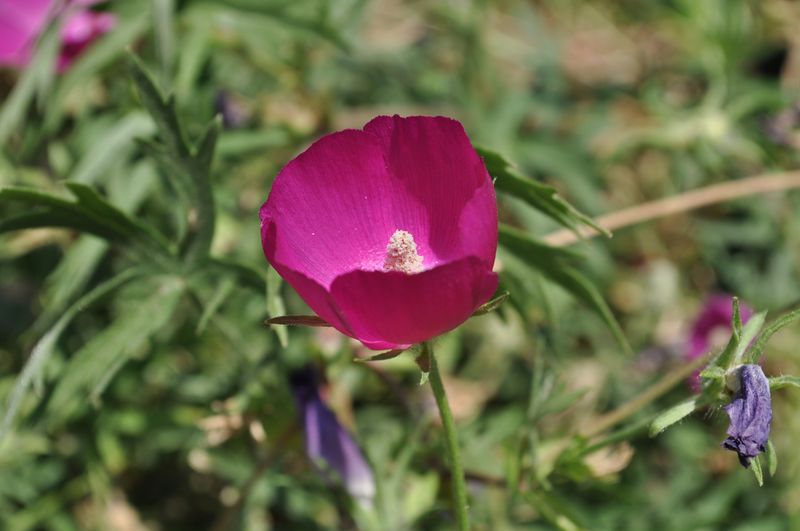
Not every plant earns the title of self-seeding superstar, but Winecup has absolutely earned it. Once this wildflower finishes blooming, it produces small, round seed clusters that dry right on the plant.
When those seeds fall to the ground, they get to work. Over the following season, new Winecup seedlings sprout up naturally, filling in gaps and spreading the plant’s footprint without any help from you.
This is what makes Winecup so special for gardeners who want a low-effort yard. You do not need to collect seeds, store them, or replant every spring.
Your Texas Garden Changes Every Week. Your Plan Should Too.
Gardening in Texas changes quickly throughout the season. Every Friday you’ll receive a simple weekly plan showing exactly what to plant, prune, fertilize, harvest, and protect so you never miss the right timing.
The plant handles all of that on its own. Over time, a single Winecup plant can produce a whole colony of seedlings that carpet the ground with color.
Many Texas gardeners report that after just two or three seasons, their original plant has multiplied into dozens of new ones.
The trick to getting the most out of this self-seeding habit is simple: just leave the spent flowers alone. Resist the urge to deadhead or tidy up the plant at the end of the season.
Let those seed heads dry naturally and drop. You can also shake the seed heads gently over bare soil in areas where you want more coverage.
Winecup seeds need sunlight to germinate, so avoid burying them too deep. A light scattering on top of loosened soil works best.
With a little patience and minimal effort, your garden can become a self-sustaining wildflower paradise that renews itself season after season without costing you a single extra dollar or hour of work.
Thrives In Texas Heat
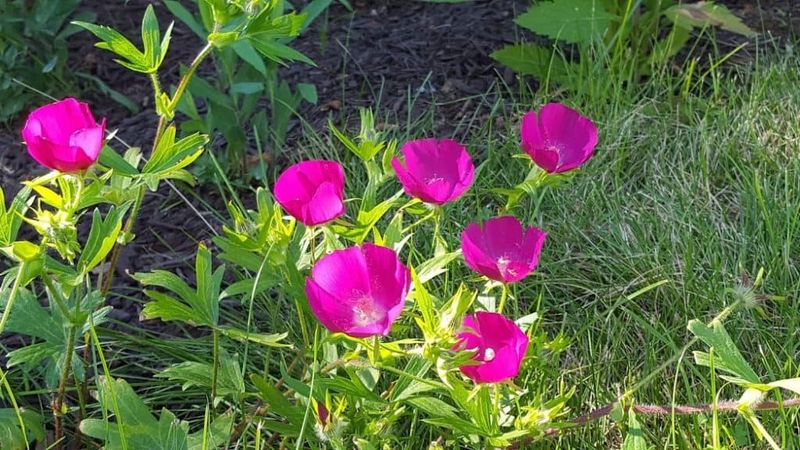
Texas summers are no joke. Temperatures regularly climb past 100 degrees Fahrenheit, the sun beats down relentlessly, and rain can disappear for weeks at a time.
Most garden plants struggle under these conditions. Winecup, however, was literally built for this.
As a plant native to the Texas plains and central prairies, it has evolved over thousands of years to handle exactly the kind of punishing heat and drought that sends other flowers to an early end.
The secret weapon behind Winecup’s heat tolerance is its deep taproot. This thick, carrot-like root can extend several feet into the ground, reaching moisture that shallower-rooted plants simply cannot access.
Even when the surface soil is bone dry and cracked, Winecup’s taproot keeps the plant hydrated and healthy. That is why you will often see it looking lush and full of blooms right in the middle of a dry Texas summer when everything else in the garden looks worn out.
Winecup also thrives in full sun, which is defined as six or more hours of direct sunlight per day. Partial shade is tolerable, but the plant truly shines when it gets as much sun as possible.
It handles poor, rocky, or sandy soils with ease and actually prefers well-draining ground over rich, moist garden beds. In fact, too much water or heavy clay soil can cause more problems than drought ever would.
Plant Winecup in a sunny spot with decent drainage and step back. Texas heat will not slow it down. If anything, it will bring out the best in this tough and beautiful native wildflower.
Low-Maintenance Beauty
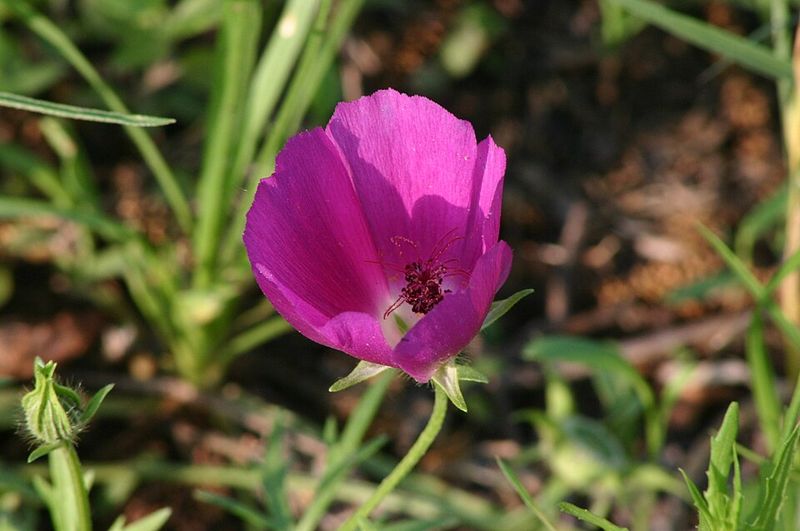
Gardening should be enjoyable, not exhausting. That is one of the biggest reasons so many Texas gardeners have fallen in love with Winecup.
Once this plant gets established, which usually takes one full growing season, it needs remarkably little attention.
No weekly watering schedules, no monthly fertilizing, and no complicated pruning routines. Winecup just grows, blooms, and comes back on its own.
Watering is the biggest concern for most new gardeners, and Winecup makes that easy. During its first season, give it a deep watering once or twice a week to help the taproot get established.
After that first year, you can cut back dramatically. Most established Winecup plants survive on rainfall alone in Texas.
During extreme drought, an occasional deep watering every two to three weeks is plenty. Overwatering is actually a bigger risk than underwatering for this plant, so less is truly more.
Fertilizer is almost never needed. Winecup grows happily in lean soils without any amendments.
Adding too much fertilizer can actually cause problems, encouraging leafy growth at the expense of blooms. A light layer of mulch around the base of the plant helps retain some soil moisture and keeps weeds down, but even that is optional.
Pruning is equally minimal. You can cut back the trailing stems in late fall or early winter if you want a tidier look, but many gardeners skip this step entirely and let the plant manage itself.
Year after year, Winecup rewards this hands-off approach with fresh foliage and vibrant blooms that return reliably without you having to lift much of a finger.
Pollinator Paradise
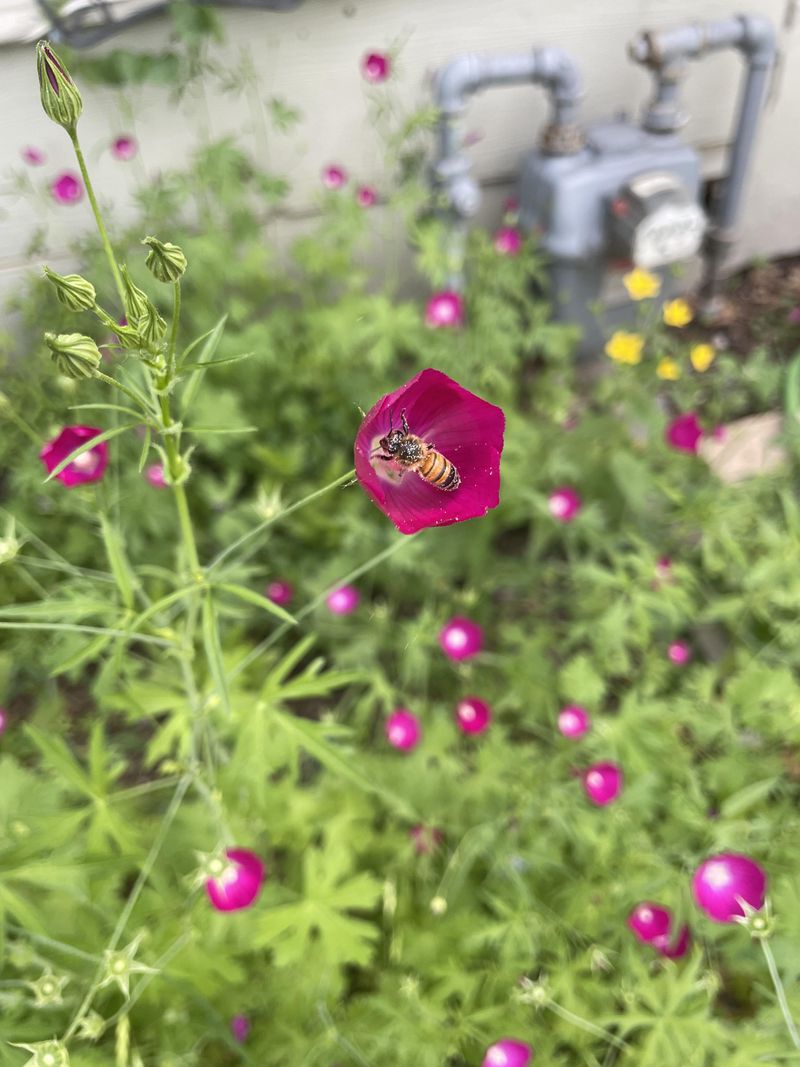
Walk past a blooming Winecup plant on a warm Texas morning and you will likely hear it before you see it. The gentle hum of bees working through the open, cup-shaped flowers is one of the most satisfying sounds a garden can offer.
Winecup is a magnet for pollinators, and that is not an accident. Its wide-open blooms make nectar and pollen incredibly easy for insects to access, which is exactly what native bees, honeybees, and bumblebees are looking for.
Butterflies are also frequent visitors. Species like the gray hairstreak and various skipper butterflies are drawn to Winecup’s bright magenta color and abundant nectar.
By planting Winecup, you are essentially setting up a free buffet for the local pollinator community. Over time, this creates a healthier garden ecosystem.
More pollinators visiting your yard means better pollination for all your other plants, including vegetables and fruit trees nearby.
Beyond bees and butterflies, Winecup also supports other beneficial insects like hoverflies and native wasps that prey on garden pests. Birds occasionally visit to snack on the seeds after blooming season ends.
All of these interactions add up to a garden that buzzes with life and activity throughout the growing season. Supporting pollinators is more important than ever right now, as many native bee populations face serious pressures from habitat loss.
Planting even one patch of Winecup in your yard makes a real difference. You are not just growing a pretty flower.
You are actively supporting the web of life that keeps Texas ecosystems healthy, balanced, and thriving for future generations.
Ideal Placement And Garden Use
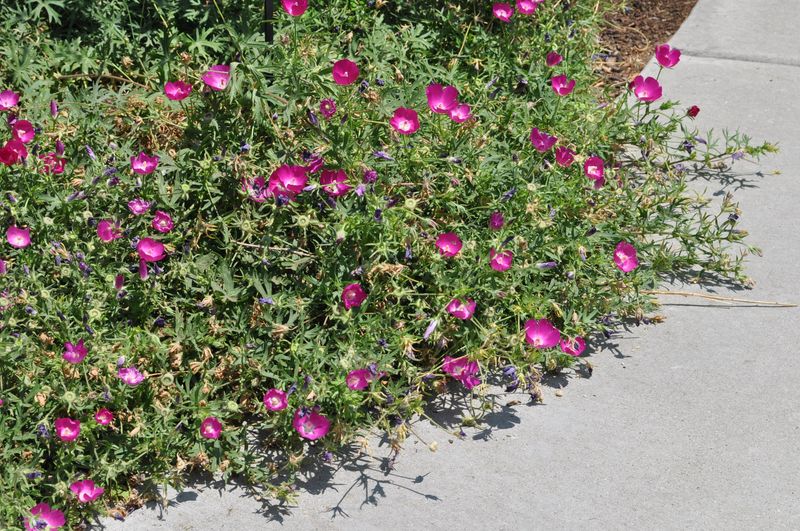
Knowing where to put Winecup in your garden makes a huge difference in how well it performs and how great it looks. Because of its trailing, ground-hugging growth habit, Winecup works best in open spots where it has room to spread.
Meadow-style garden beds are a natural fit. Let it roam freely across a sunny patch and it will fill the space with color while crowding out unwanted weeds at the same time.
Borders along fences, walkways, or driveways are another excellent option. Winecup’s low profile keeps sightlines open while still delivering bold color at ground level.
It also looks stunning when planted on slopes or hillsides, where its trailing stems drape naturally and help control erosion. Rock gardens are a great match too, since Winecup loves the sharp drainage that rocky soil provides.
Pairing Winecup with other native Texas perennials creates a garden that looks intentional and stays colorful across multiple seasons.
Try planting it alongside black-eyed Susans, purple coneflowers, or Texas sage for a layered, textured look that changes beautifully from spring through fall.
These companions share Winecup’s love of sun and dry conditions, so they thrive together without competing for resources.
The most important thing to remember is to let Winecup go to seed at the end of each season. Resist cutting it back too early. Those seed heads are the key to next year’s free plants.
Mark where you planted it, give the seeds time to fall and settle, and trust the process. Year after year, your Winecup patch will grow fuller, more colorful, and more self-sufficient without costing you extra effort or money.