These Are The Native Ohio Perennials That Outperform Coreopsis Long-Term
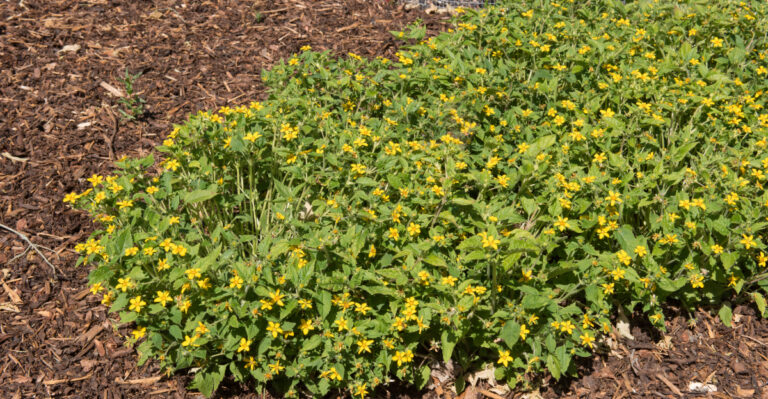
Coreopsis earns its place in the Ohio garden. Bright, reliable, easy to establish, and generous with blooms through a long stretch of summer.
For a first-year perennial, it is hard to beat. The longer view is where the conversation gets more interesting.
Ohio native perennials have spent thousands of years adapting to this specific climate, soil, and seasonal pattern. Over time, they tend to build something that coreopsis simply does not.
Deeper root systems, stronger drought tolerance, more consistent performance through the kind of summers that push shallower-rooted plants into decline. Some of these natives are less flashy in year one.
That changes. By year three or four, the difference between a garden built around natives and one anchored by coreopsis becomes obvious in the best possible way.
Long-term performance is a different standard than first-season appeal. These Ohio natives were built for it.
1. Choose Purple Coneflower For Stronger Long-Term Staying Power
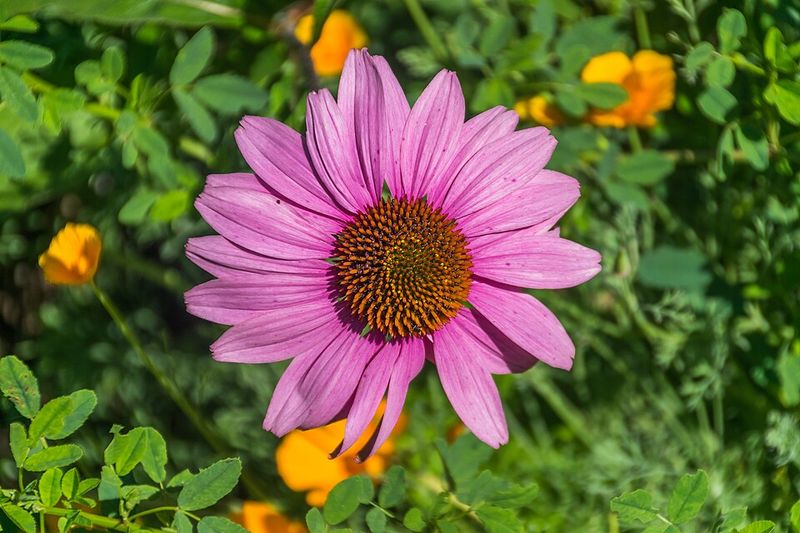
A flower bed needs more than one bright summer moment if it is going to carry the garden for years. Purple coneflower, Echinacea purpurea, is one of the most reliably long-lived native perennials you can plant in this state.
Established clumps return season after season with minimal fuss, and the plant develops a sturdy root system that anchors it well in garden beds.
Blooms open in midsummer and hold for several weeks. The flower heads are broad and upright, with rosy-purple petals surrounding a spiky bronze cone.
That cone stays on the plant well into winter, providing seed for birds like goldfinches and adding structure to the late-season border long after the petals fall.
Bees, butterflies, and other pollinators visit the blooms steadily throughout the flowering period. Unlike some coreopsis cultivars that may need dividing every two or three years to stay vigorous, a well-sited coneflower clump can go longer before needing attention.
It does best in full sun and well-drained soil, and it handles dry stretches reasonably well once established.
Avoid heavy clay that stays waterlogged, as root rot can weaken the plant over time. Straight species plants tend to be longer-lived than heavily bred cultivars.
For Ohio gardeners who want a native perennial with real staying power and year-round interest, this is a strong starting point.
2. Plant Wild Bergamot For A Bigger Pollinator Presence
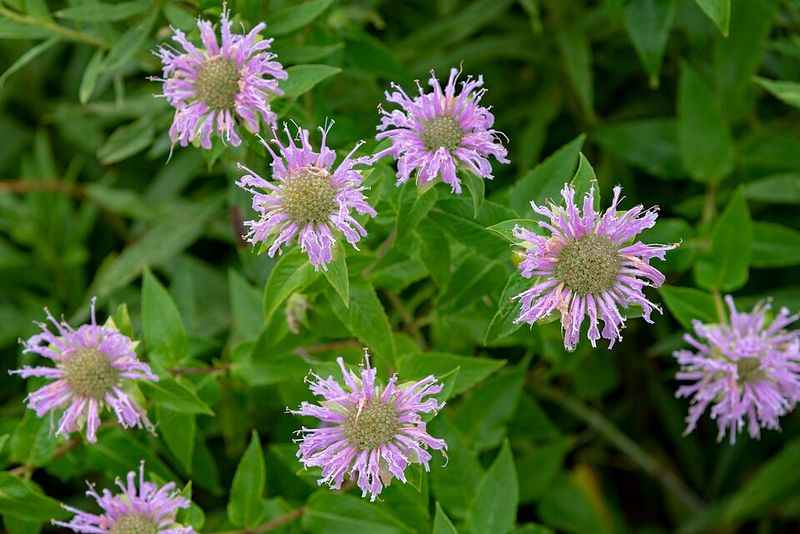
Few native plants draw a crowd of pollinators the way wild bergamot does on a warm summer afternoon.
Monarda fistulosa is a native mint-family perennial with aromatic foliage and shaggy lavender-pink flower heads that open from midsummer onward.
The fragrance alone sets it apart from most other native bloomers in this region.
Bumblebees, native bees, hummingbirds, and several butterfly species visit the flowers regularly.
If you have ever wanted a planting that buzzes with activity from July into August, this plant delivers that in a way that a small coreopsis patch often cannot match.
The upright stems reach two to four feet tall in good conditions, giving the planting real vertical presence.
Your Ohio Garden Changes Every Week. Your Plan Should Too.
Gardening in Ohio changes quickly throughout the season. Every Friday you’ll receive a simple weekly plan showing exactly what to plant, prune, fertilize, harvest, and protect so you never miss the right timing.
Wild bergamot spreads by rhizomes and can form a substantial patch over time. That spreading habit is a feature in a large meadow or naturalized area, but it requires some management in a tightly designed border.
Dividing the clumps every few years keeps it in bounds and refreshes the planting.
Airflow matters with this plant. Powdery mildew can appear in humid summers or in spots with poor air circulation.
Choosing a site with good sun exposure and spacing plants generously reduces that pressure. It grows well in average to dry soils and does not need rich conditions to perform.
For a bold pollinator patch with aromatic foliage and strong summer bloom, wild bergamot is hard to beat.
3. Grow Blazing Star For Upright Blooms That Return Reliably
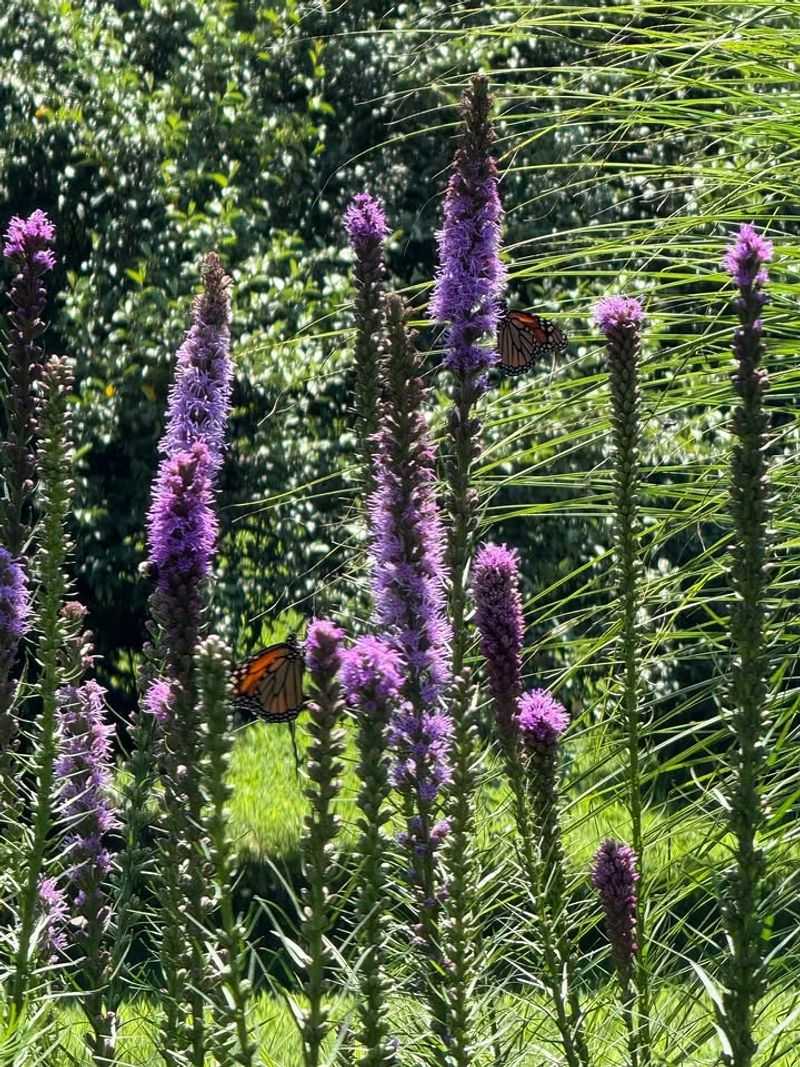
Vertical structure is one of the hardest things to achieve in a native perennial bed, and blazing star delivers it with style.
Liatris species native to this region produce stiff, upright flower spikes that open from the top down, which is the opposite of most flowering plants.
That unusual blooming direction makes the spikes look fresh and interesting for weeks.
The flowers are a rich purple-violet and open in mid to late summer, right when many gardens start looking tired. Bees and monarch butterflies are especially drawn to the blooms.
The dried seed heads also attract goldfinches and other birds in fall and winter, extending the plant’s seasonal value well beyond the flowering period.
Several Liatris species are native to this region, including Liatris spicata and Liatris pycnostachya. Their site preferences vary.
Liatris spicata tolerates moist soils better, while Liatris pycnostachya prefers drier, well-drained conditions. Choosing the right species for your specific site makes a real difference in long-term performance.
Do not assume all blazing stars behave the same way.
The corms establish slowly in the first season, but patience pays off. Once settled, blazing star returns dependably for many years with little intervention.
It grows from a corm rather than a fibrous root system, which makes it more drought-tolerant once established than it may appear in early spring. For upright summer structure that comes back reliably, this is a native worth prioritizing.
4. Use New England Aster For Late-Season Color Coreopsis Cannot Match
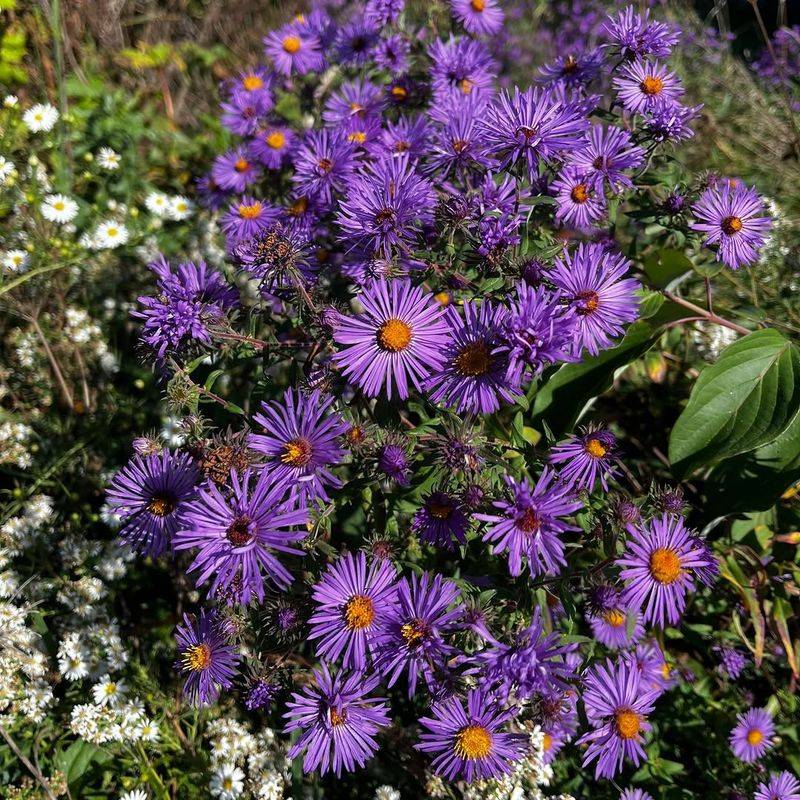
By early September, most summer perennials have peaked and the Ohio garden can start to look worn. That is exactly when New England aster steps in and changes everything.
Symphyotrichum novae-angliae produces dense clusters of purple to pink daisy-like flowers with yellow centers. In many years, it blooms from late summer through fall frost.
The timing alone makes it irreplaceable in a long-term native border. Coreopsis wraps up its main flush well before asters begin, so the two plants do not compete.
They complement each other across the season instead. Migrating monarchs, native bees, and late-season pollinators rely heavily on aster blooms when few other native flowers remain open.
New England aster is a tall plant. It can reach four to six feet in good conditions, and it may flop if grown in rich soil or low light.
Cutting the stems back by one-third in late spring or early June encourages a bushier, more compact plant that needs less staking. This is a well-documented practice that works without sacrificing bloom quality.
It grows best in full sun and tolerates a range of soil types, including moderately moist conditions. It can self-seed in favorable spots, so be prepared to manage seedlings if you prefer a tidy border.
The plant spreads over time and may benefit from division every few years to stay vigorous. For late-season color and wildlife value, nothing in the native palette quite matches it.
5. Add Culver’s Root For Tall Structure And Years Of Bloom
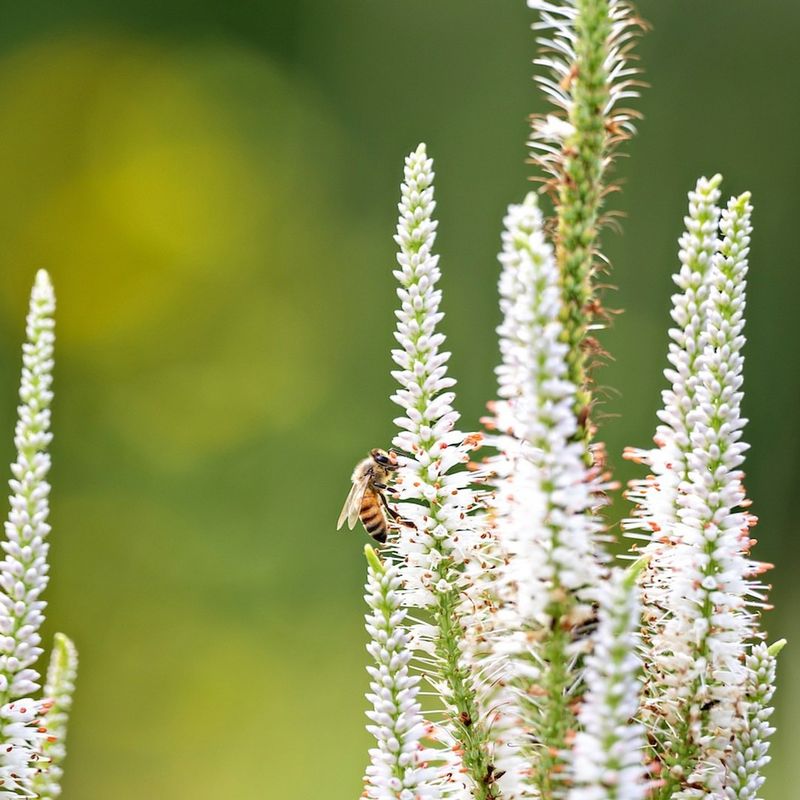
Some plants earn their place not just through flowers but through the way they shape a border. Culver’s root, Veronicastrum virginicum, is one of those plants.
It produces tall, candelabra-like stems with whorled leaves arranged in neat layers, and slender white flower spikes that open in midsummer. The whole plant has an architectural quality that most other natives cannot replicate.
Mature plants reach four to six feet tall and sometimes taller in ideal conditions. That height makes Culver’s root a back-of-border plant, not a front-row choice.
Pair it with mid-height natives like coneflower or wild bergamot to create a layered planting with real depth. The vertical spikes contrast nicely with the rounder forms of asters and coneflowers.
Bloom time runs from roughly July into August, depending on the site and season. Bumblebees and other native bees visit the flowers consistently.
After blooming, the seed heads dry in place and add subtle winter structure to the border. The plant holds its form well through the colder months, which adds to its year-round value.
Culver’s root prefers full sun to part shade and does best in moist to average soils. It is not suited to dry, rocky, or sandy conditions where it may struggle to establish.
Once it settles in, though, it is a long-lived plant that rarely needs dividing and returns faithfully each spring. For gardeners who want genuine height and structure without replanting every few seasons, this is a native that truly delivers.
6. Plant Prairie Dropseed For Long-Term Texture Beyond Flowers
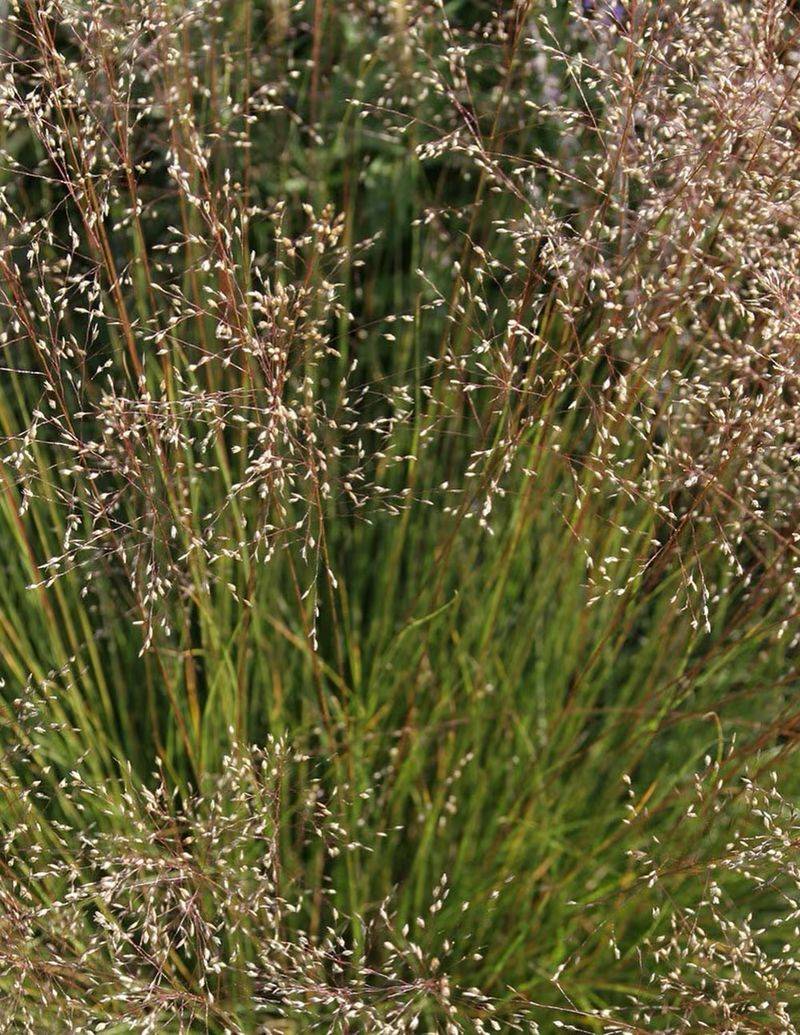
Not every plant earns its place through bold flowers. Prairie dropseed, Sporobolus heterolepis, brings something different to the native border.
It offers fine texture, graceful movement, and a tidy mounded form that holds together through every season. It is a warm-season native grass, and it offers the kind of quiet structural presence that flashier plants often lack.
The foliage is thread-like and bright green, arching outward from a neat central clump. By late summer, delicate airy seed heads rise above the foliage and catch the light in a way that few other plants can match.
Many gardeners describe the fragrance of the blooms as lightly sweet, which is an unexpected bonus in a native planting.
Compared to coreopsis, prairie dropseed is not competing on flower power. The comparison is about staying power and structural reliability.
A well-sited clump of prairie dropseed can persist for decades with almost no intervention. It does not flop, does not spread aggressively, and does not need annual replanting or frequent division.
It grows best in full sun and well-drained soil, including sandy or rocky sites where many other natives struggle. It is highly drought-tolerant once established and handles the dry summers common in this state without much stress.
Fall color is a bonus, as the foliage turns golden-orange before winter. For gardeners building a planting that is meant to last, this grass earns a permanent spot near the front or middle of a sunny native bed.
7. Choose Butterfly Weed For Drought-Tough Summer Color
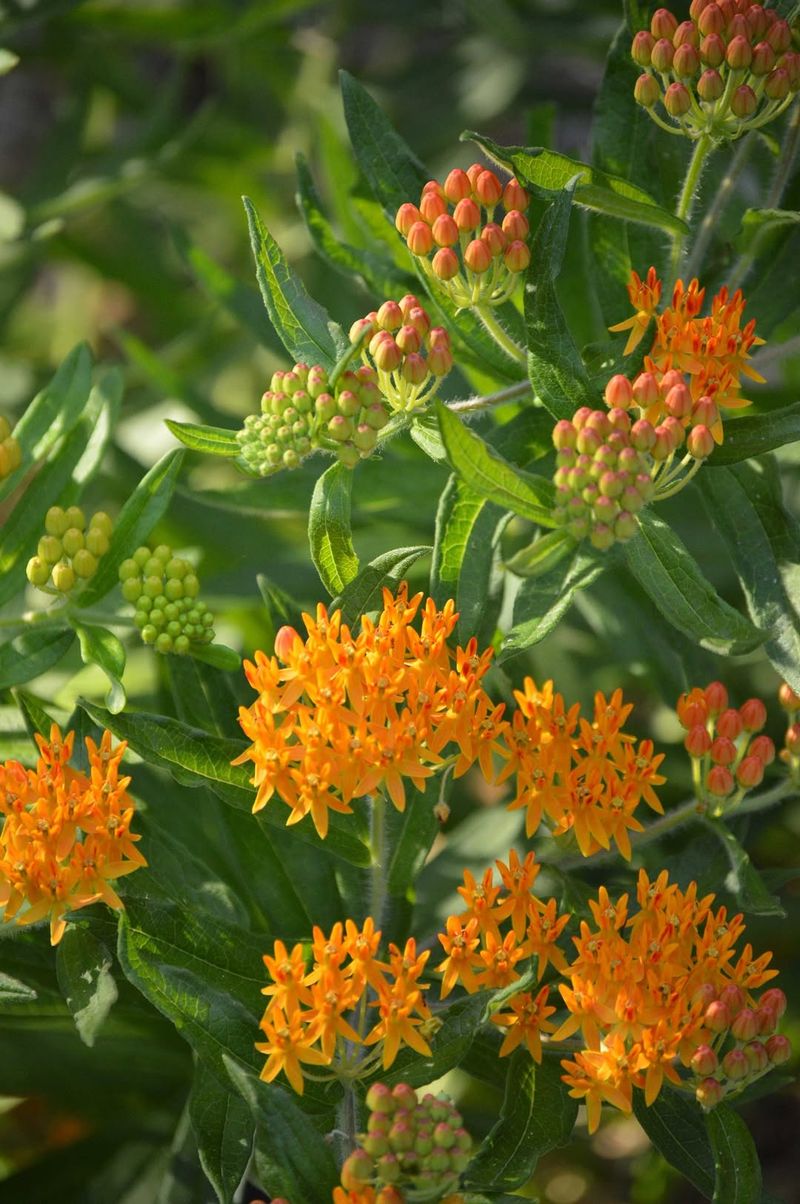
There is a particular kind of summer heat that tests every plant in the border, and butterfly weed handles it better than most. Asclepias tuberosa produces some of the most vivid orange flowers of any native perennial in this region.
The color is bold and warm, and it holds up through July and August without fading or flopping.
Beyond its looks, butterfly weed serves a critical ecological role as a host plant for monarch butterflies. Monarch caterpillars feed on the foliage, and the flowers attract adult monarchs along with many native bees.
That combination of visual impact and wildlife function makes it a strong candidate for any sunny native planting.
Butterfly weed is not a moisture-loving plant. It needs well-drained to dry soil and performs best in full sun.
Heavy clay or poorly drained sites will cause it to decline over time. It develops a deep taproot that makes it remarkably drought-tolerant once established.
That same taproot means it strongly dislikes being transplanted or moved after its first season.
Choose your planting site carefully and plan to leave it in place. The plant emerges late in spring, so mark its location to avoid accidentally disturbing it.
It does not bloom as long as coreopsis in a typical season, but it blooms at a similar time and brings a more intense color and stronger wildlife connection.
For a dry, sunny spot that needs reliable summer color and ecological value, butterfly weed earns its place every year.
8. Grow Smooth Blue Aster For A Native Perennial That Keeps Giving
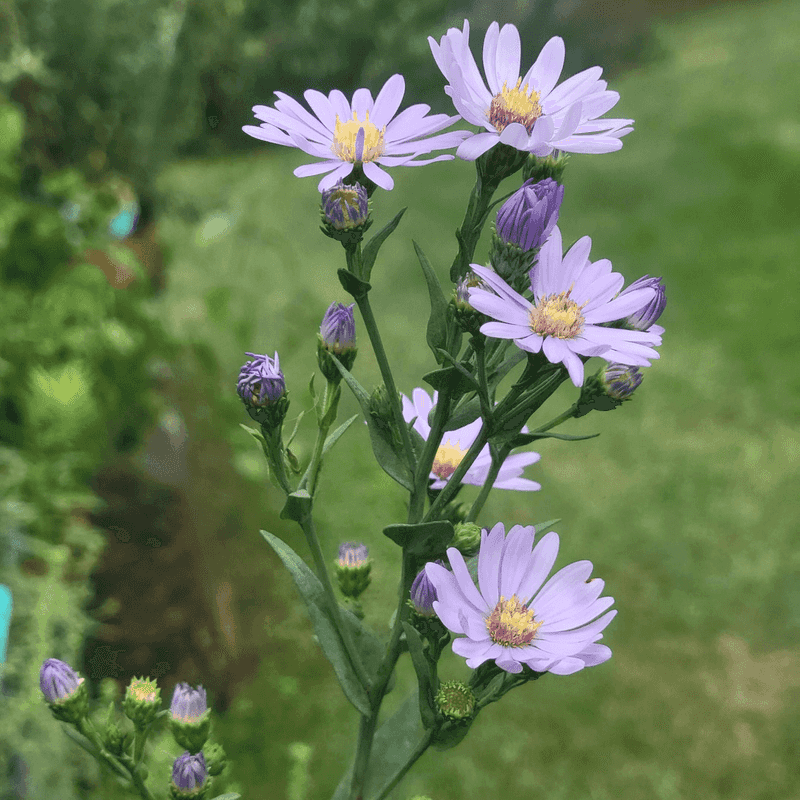
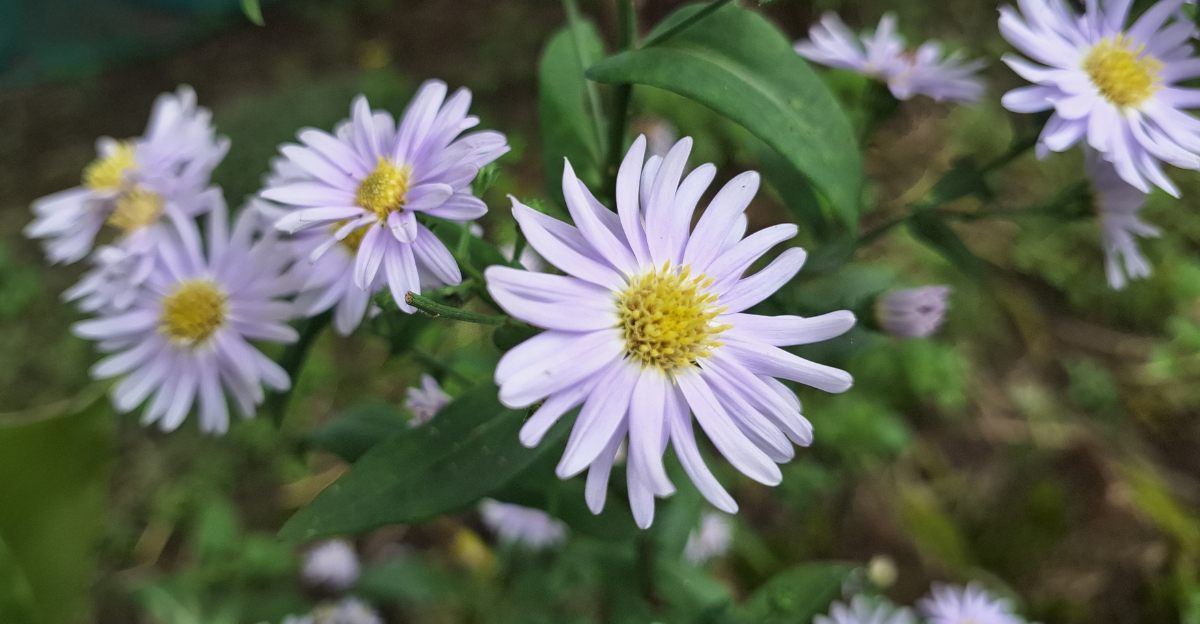
When the rest of the garden starts to wind down in late summer, smooth blue aster is just getting started. Symphyotrichum laeve produces clusters of pale blue to lavender flowers with yellow centers that open from late August through October.
The timing fills a bloom gap that most summer perennials, including coreopsis, leave behind.
The stems are smooth and sturdy, with a slightly bluish-green cast to the foliage that gives the plant a clean, polished look even before it blooms. Plants typically reach two to four feet tall at maturity, which is a manageable height for mid-border placement.
The upright habit means it rarely needs staking, which sets it apart from some of the taller aster species.
Smooth blue aster is less likely to self-seed prolifically than New England aster, making it a tidier option for more structured borders. It may spread gradually by rhizomes over time, but it is not aggressive.
Dividing clumps every few years keeps the planting fresh and gives you material to expand into other spots.
It grows best in full sun and handles average to dry soils better than many other asters. That drought tolerance is a meaningful advantage in the drier parts of this state where summer rainfall is unpredictable.
Late-season pollinators, including native bees and migrating monarchs, use the flowers heavily during their bloom period.
For a native perennial that extends the season, supports wildlife, and holds its form without drama, smooth blue aster belongs in the long-term planting plan.