The Meaning Behind Seeing More Fireflies Than Usual In Your Texas Garden This Summer
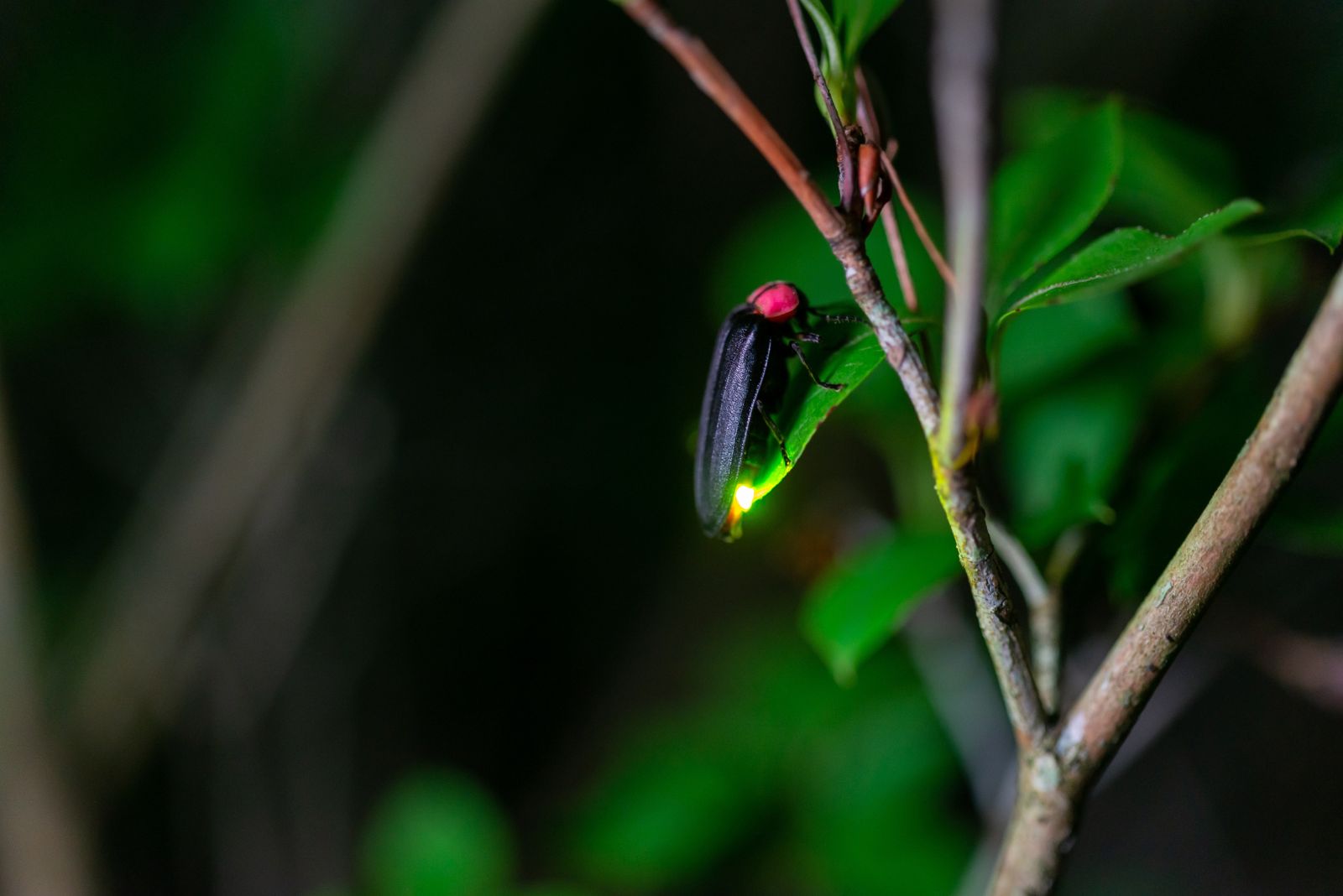
Noticing an unusually high number of fireflies flickering through a Texas garden on a summer evening is one of those experiences that tends to stop people in their tracks.
It is beautiful in a way that feels almost out of place in a season defined by heat and relentless sun, and for most people the reaction is simply to enjoy it without giving much thought to what it might mean.
Firefly numbers are not random though, and a notable increase in activity in a specific yard or garden space is almost always telling you something specific about the conditions you have created there.
These insects are sensitive environmental indicators, and when a property draws them in and supports them at higher-than-usual numbers, the yard is doing several things right at once.
Understanding what a firefly abundance actually reflects about your Texas garden makes the experience feel even more meaningful, and it gives you something practical to build on if keeping them coming back is a goal worth pursuing.
1. Fireflies And Their Life Cycle
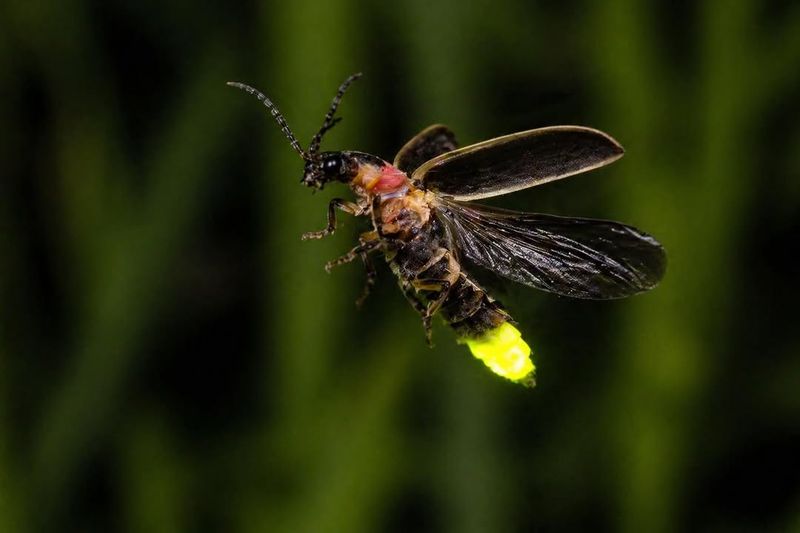
Most people know fireflies as the tiny blinking lights that appear after sunset, but there is a whole fascinating story happening before that glow ever shows up. In Texas, the most common fireflies belong to the Photinus species group.
These little beetles spend the majority of their lives underground, going through larval and pupal stages before finally emerging as the glowing adults we love to watch.
The life cycle of a firefly is broken into four stages: egg, larva, pupa, and adult. The larval stage can last anywhere from one to two years.
During that time, larvae live in moist soil or leaf litter and feed on small organisms. When summer finally arrives, they complete their transformation and emerge as adults ready to flash and find a mate.
Adult fireflies are active primarily during the warmer months, especially from late spring through midsummer in Texas. Their adult lives are actually quite short, lasting only a few weeks.
During that window, their entire focus is on reproducing. The bioluminescent flashing you see is their way of communicating, with each species having its own unique flash pattern.
Seeing more adults in your yard could simply mean that a large group of larvae successfully completed their development underground over the past year or two.
That kind of population surge does not happen every season, which is why some summers feel noticeably more magical than others when it comes to firefly sightings in Texas gardens.
2. Ideal Weather Conditions
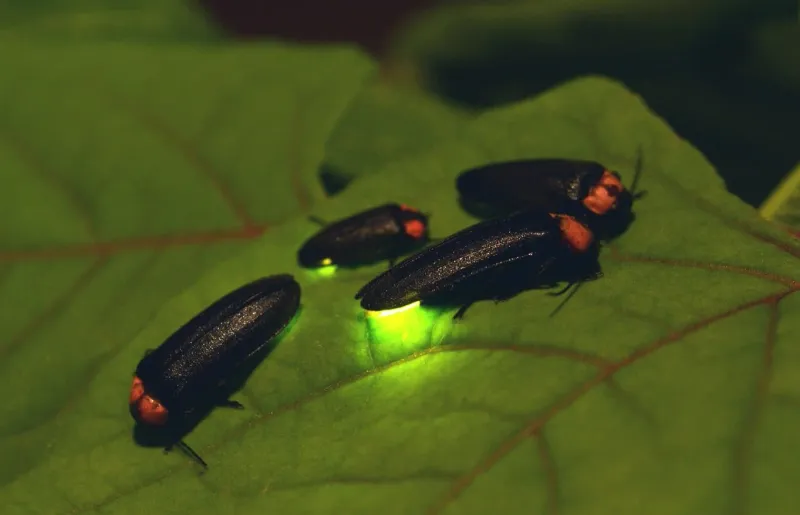
Weather plays a bigger role in firefly activity than most people realize. Fireflies thrive in warm, humid conditions, and Texas summers can deliver exactly that.
When nighttime temperatures stay above 60 degrees Fahrenheit and humidity levels are high, fireflies become far more active and visible. Cool or dry nights tend to slow them down considerably.
Rainfall also matters quite a bit. Moderate and consistent rain throughout the spring and early summer keeps the soil moist, which is exactly what firefly larvae need to survive underground.
Your Texas Garden Changes Every Week. Your Plan Should Too.
Gardening in Texas changes quickly throughout the season. Every Friday you’ll receive a simple weekly plan showing exactly what to plant, prune, fertilize, harvest, and protect so you never miss the right timing.
If your area received a healthy amount of rainfall leading up to this summer, that moisture likely supported a stronger larval population. More larvae surviving underground means more adults emerging when the season shifts.
Summer 2025 has brought favorable climate patterns to many parts of Texas, with warm nights and just enough precipitation to keep gardens lush. Those conditions create the perfect environment for firefly activity to peak.
Even small factors like cloud cover can help, since overcast nights tend to be darker and make firefly flashes more visible against the sky.
Gardeners who live near water features, ponds, or areas with naturally higher moisture levels often notice more fireflies simply because the local microclimate suits them well.
If your summer evenings have felt particularly warm and sticky, that is not just uncomfortable weather for you. For fireflies, it is basically a dream come true.
Paying attention to local weather trends can help you predict when firefly activity will be at its highest, so you can plan to sit outside and enjoy the show at just the right time.
3. Healthy Garden Ecosystem
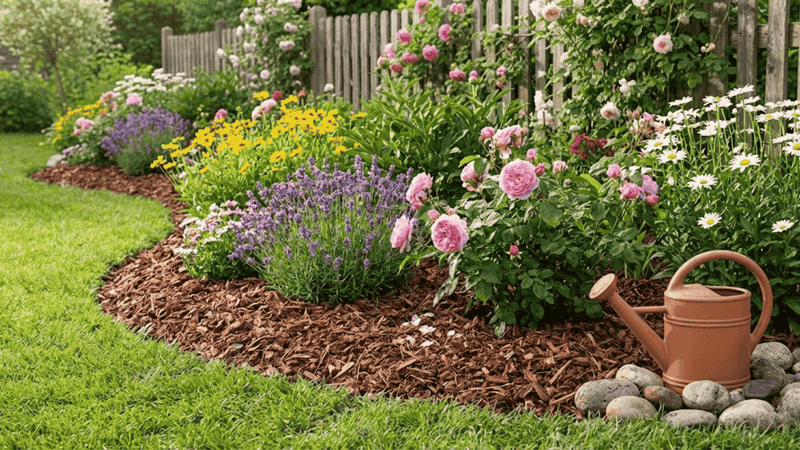
Here is something worth celebrating: a yard full of fireflies is basically nature giving your garden a gold star. Fireflies are sensitive creatures, and they do not stick around in spaces that are chemically treated or ecologically imbalanced.
If you are seeing more of them than usual, it is a strong signal that your garden is doing something right.
Pesticide use is one of the biggest threats to firefly populations. These chemicals do not just target the insects you want to get rid of.
They also affect beneficial insects, including fireflies and their larvae. A garden that avoids harsh pesticides tends to support a wider variety of life, and fireflies respond well to that kind of environment.
If you have been making eco-friendly choices in your yard, the fireflies are noticing. Biodiversity also plays a major role. Firefly larvae are predators that feed on small soil organisms like worms, snails, and other soft-bodied creatures.
A garden rich in organic matter and microbial life provides plenty of food for larvae to grow strong underground. Compost, mulch, and leaf litter all contribute to that kind of thriving ecosystem.
Gardens with a variety of plants, both flowering and non-flowering, tend to attract a wider range of insects, which in turn supports the food chain that fireflies depend on.
Seeing an increase in firefly activity this summer could be the result of months or even years of good gardening habits finally paying off.
Your yard is essentially becoming a sanctuary, and the fireflies are moving in because they feel right at home there.
4. Breeding Season Peaks
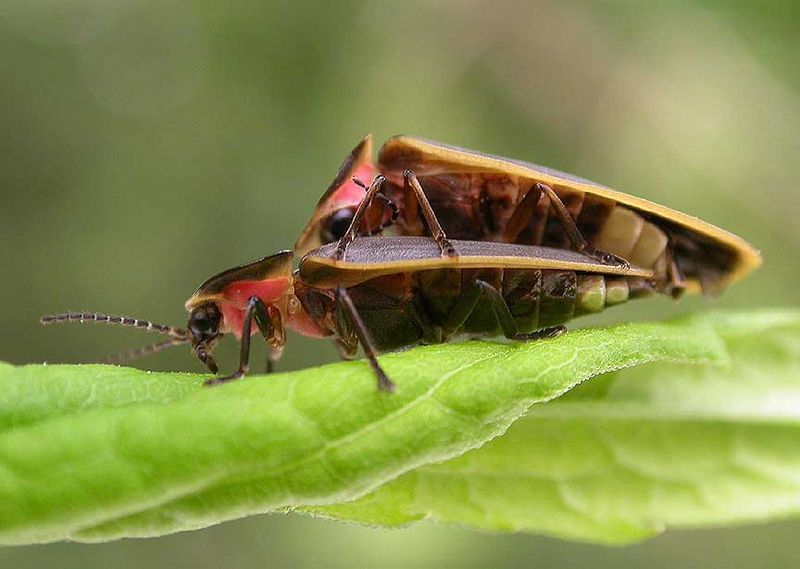
One of the most magical things about firefly season is that what you are actually watching is a giant outdoor love story. All those flashing lights you see on warm summer evenings are fireflies communicating with each other in search of a mate.
Mid to late summer marks the peak of their breeding season, and during this time, the flashing activity reaches its most intense and frequent levels.
Each firefly species has a unique flash pattern, almost like a secret code. Males typically fly through the air while flashing, and females wait on plants or grass blades below, responding with their own flashes if they are interested.
The timing, color, and rhythm of those flashes are all species-specific. When conditions are right, dozens or even hundreds of fireflies can be active in a small area at the same time, creating that breathtaking light display.
During peak breeding season, fireflies flash more often and for longer periods each night. That increased activity naturally makes them more visible to human observers.
If you feel like your yard is suddenly full of blinking lights, it may simply be because you are watching fireflies during their most active reproductive window.
Evening walks or sitting quietly outside around dusk gives you a front-row seat to one of nature’s most impressive performances.
The flashing intensifies in the hours just after sunset and tends to slow down later in the night.
Catching that early evening window, especially in July and August in Texas, gives you the best chance of seeing firefly activity at its most spectacular and concentrated peak of the entire year.
5. Influence Of Native Plants
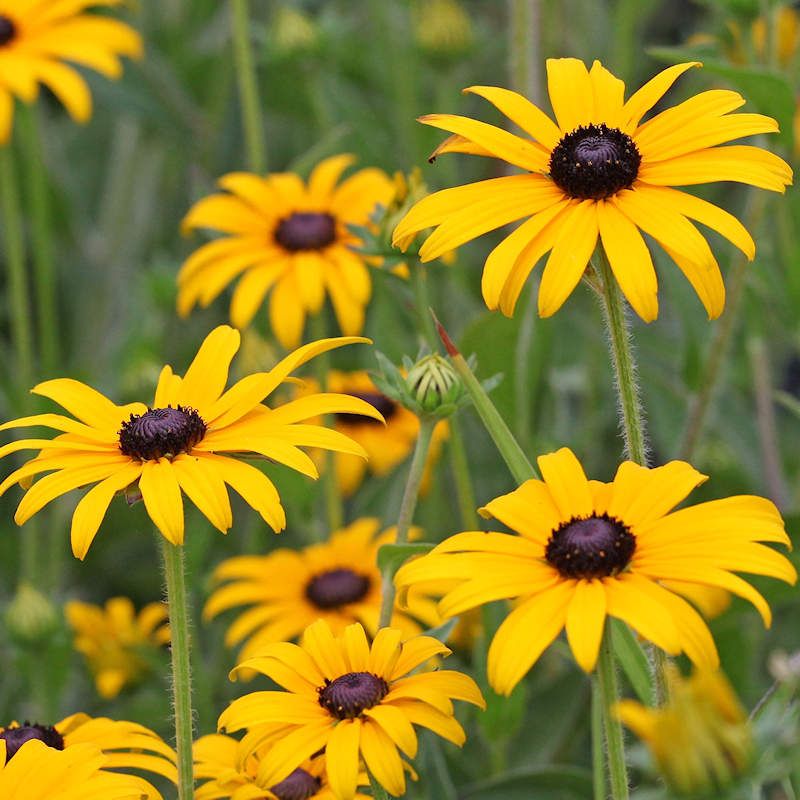
Not all gardens are created equal when it comes to attracting fireflies, and the plants you choose make a surprisingly big difference. Native plants are the secret ingredient that many Texas gardeners overlook.
Species like black-eyed Susans, native grasses, and ground-level wildflowers create the kind of layered, sheltered habitat that fireflies absolutely love.
Firefly larvae spend their early lives in the soil and leaf litter beneath plants. Native groundcovers and low-growing plants help keep the soil moist and shaded, which larvae need to thrive.
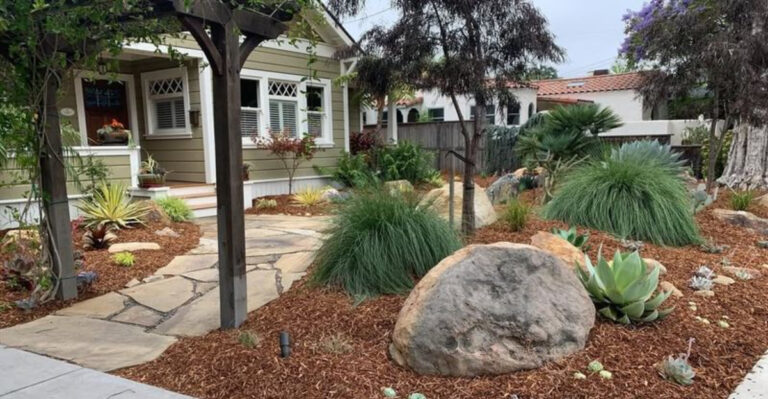
Non-native or highly manicured lawns with short grass and exposed soil tend to dry out quickly and offer much less protection. Swapping out some of that traditional lawn space for native plantings can dramatically change how welcoming your yard feels to fireflies.
Native flowering plants also support the broader food web. They attract native insects, which become food sources for firefly larvae.
More food means stronger larvae, and stronger larvae mean more adult fireflies emerging each summer. It is a chain reaction that starts with the plants you choose to grow.
Many Texas gardeners have noticed a significant increase in firefly sightings after incorporating more native species into their landscapes.
Plants like inland sea oats, native ferns, and wild bergamot are excellent choices that provide both shelter and food chain support.
If you want to encourage even more fireflies in future summers, adding a few native plants this season is one of the most effective steps you can take.
Your local nursery or Texas A&M AgriLife Extension office can help you choose species that work best for your specific region of the state.
6. Natural Population Fluctuations
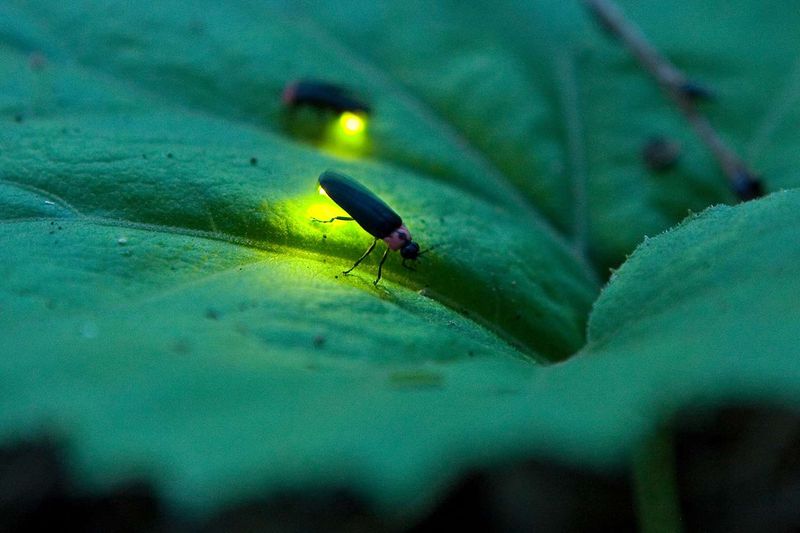
Sometimes nature simply has a bumper year, and fireflies are no exception to that pattern. Just like certain wildflower blooms explode in abundance after a wet spring, firefly populations can surge dramatically when environmental conditions line up just right across multiple seasons.
Seeing an unusually high number of fireflies this summer might just mean you are witnessing one of those natural boom years.
Firefly populations are influenced by a combination of factors that build up over time. A mild winter, a wet spring, and warm early summer nights can all stack together to create ideal conditions for larval survival and adult emergence.
When those factors align over two or three consecutive seasons, the population can grow noticeably larger. The opposite is also true, since drought years or harsh winters can reduce numbers significantly.
These natural fluctuations are completely normal and have been happening long before humans started paying attention.
Scientists who study firefly populations note that sightings can vary widely from one year to the next, even in the same location with no major changes to the environment.
So if your neighbor’s yard had far fewer fireflies last summer but your yard is packed with them now, that contrast might simply reflect the natural ebb and flow of local populations rather than anything you specifically did.
Enjoying a boom year is one of the simple pleasures of spending time in a Texas garden during summer.
The best thing you can do is appreciate the show, avoid using pesticides, and keep your garden as natural as possible so the next boom year finds your yard just as welcoming and ready to glow.