Florida Plants That Attract Owls And What That Does To The Rat Population In Your Yard
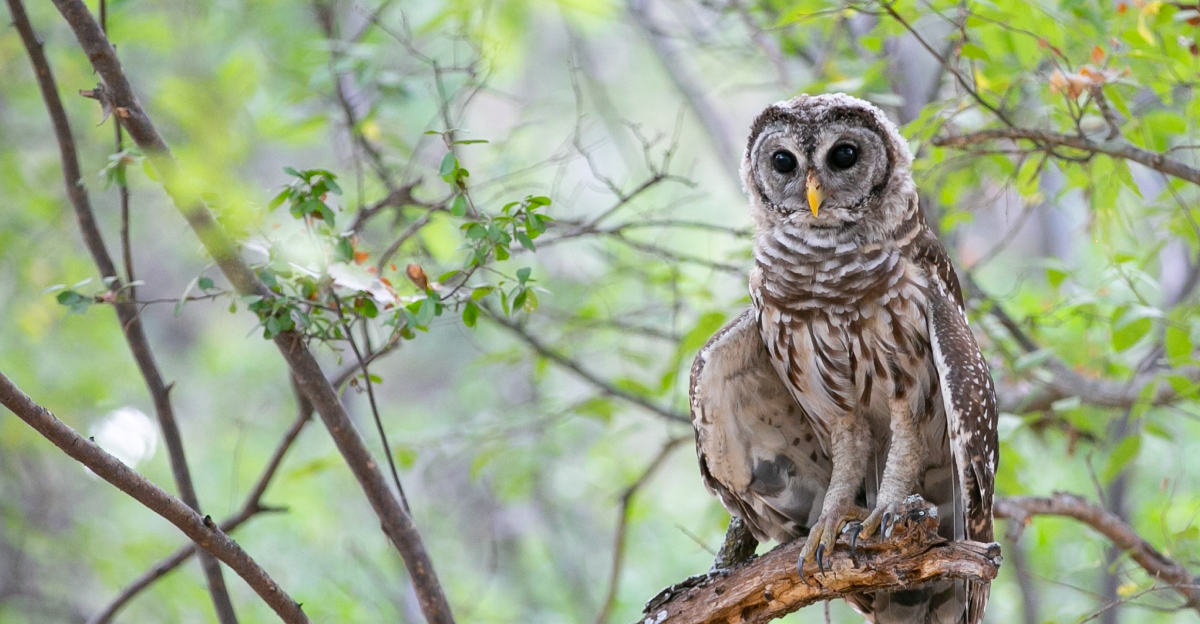
A yard that attracts owls is a yard that has something most Florida properties quietly lack. Owls are not random visitors.
They show up where the habitat supports them, where the right cover exists, and where hunting conditions work in their favor. Get those things right and an owl may claim your yard as regular territory.
What that means for rats is straightforward. Owls are serious predators, and rats are a primary target.
A resident owl does not eliminate a rat problem, but it adds a layer of natural pressure that no trap or poison replicates on its own terms. Florida has native plants that create the kind of habitat owls are actually drawn to.
Tall structure, dense canopy, the right kind of night environment that makes a yard worth hunting. The connection between what you plant, which predators show up, and what happens to the rat population after that is worth understanding.
1. Live Oak Creates Roosting Structure Owls Can Use
A quiet evening roost begins with the right tree. Live oak, known scientifically as Quercus virginiana, is one of the most valuable native canopy trees in this state.
Its wide, spreading branches and dense evergreen canopy can provide cover, shade, and perching structure that owls and many other birds find useful throughout the year.
Mature live oaks develop the kind of thick, horizontal limbs that offer real roosting potential.
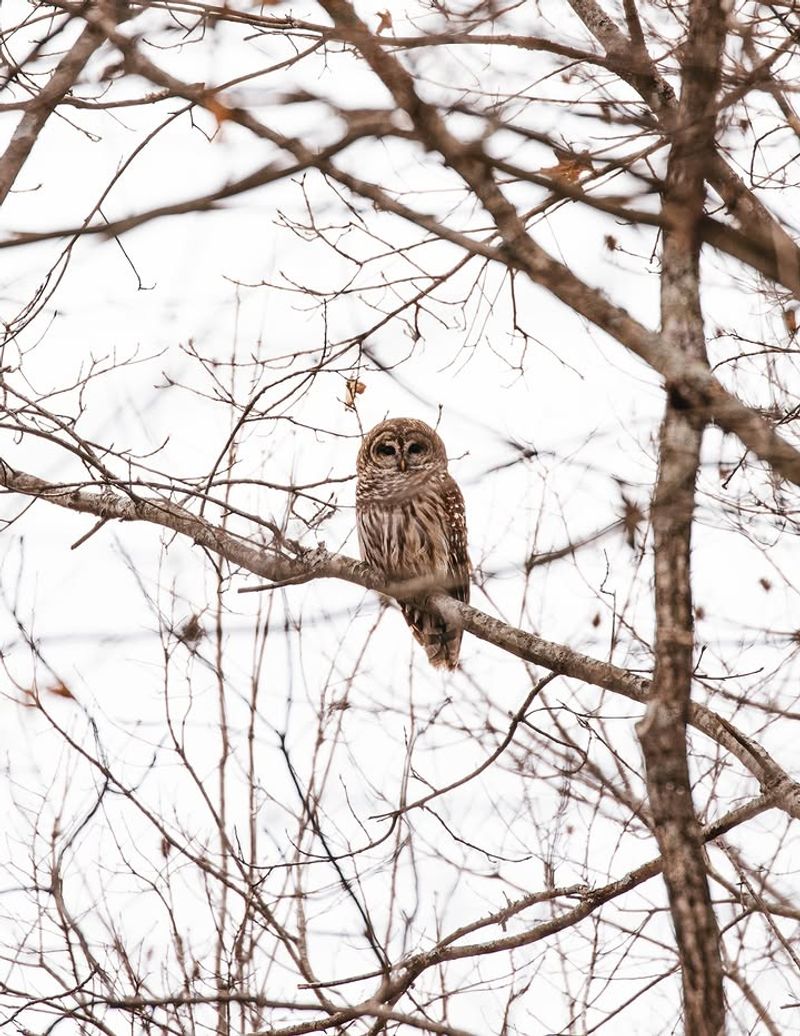
Barred owls and great horned owls, two species commonly seen in residential areas here, often use large native trees for daytime resting and nighttime hunting patrols.
A live oak near an open lawn edge can serve as a natural hunting perch.
Live oaks also support hundreds of native insects, which feed songbirds and other wildlife lower in the food web. A stronger food web means more prey species are present, which can make a yard more interesting to owls over time.
But planting a live oak is a decades-long investment. Young trees grow slowly and will not create mature roosting habitat quickly.
Give a live oak plenty of space, well away from structures, driveways, and utility lines. It can eventually reach 40 to 60 feet tall and spread even wider.
This is a long-term habitat choice, not a quick fix for any pest concern. UF/IFAS and Florida-Friendly Landscaping both recognize live oak as an excellent native canopy tree for wildlife-friendly yards.
2. Slash Pine Adds Tall Cover For Hunting And Perching
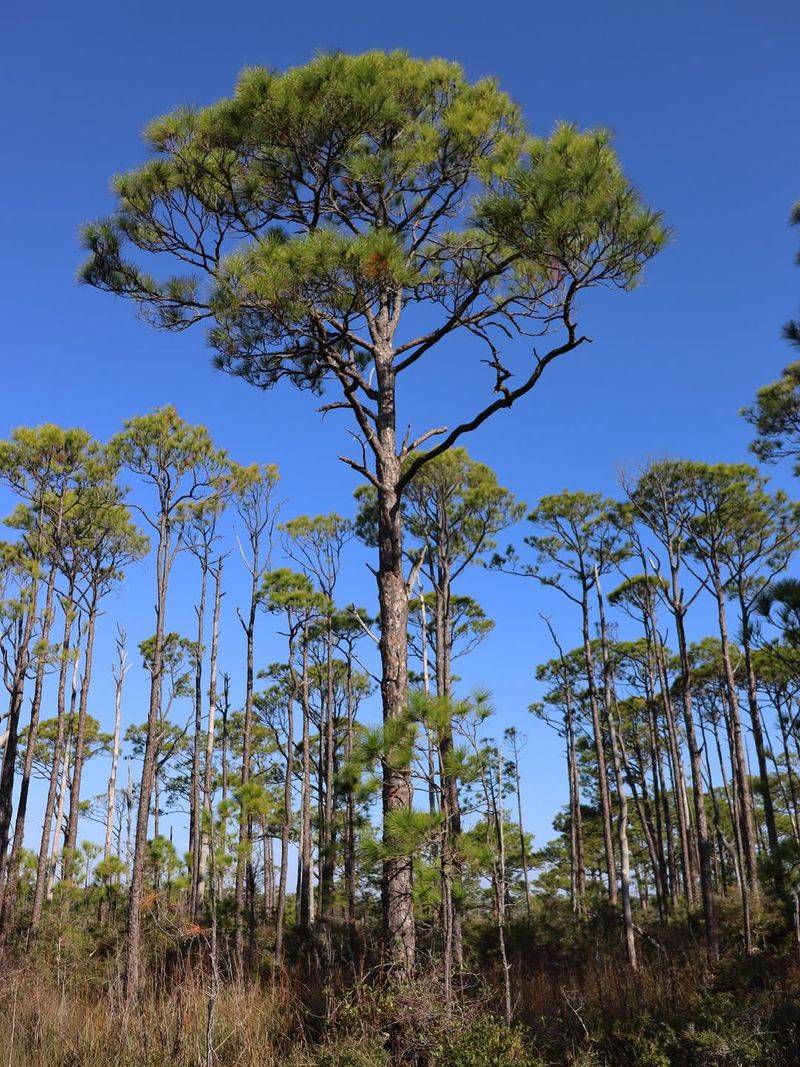
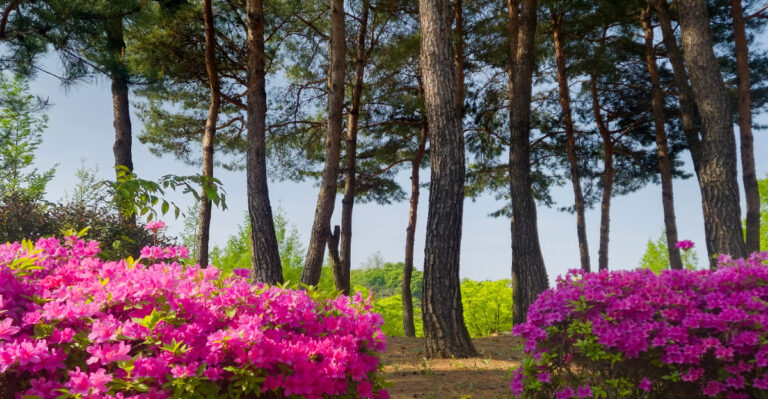
Stand at the edge of a pine flatwood at dusk and you may catch the silhouette of an owl on a high branch. Slash pine, or Pinus elliottii, is a fast-growing native conifer that can add real vertical structure to larger yards and naturalistic properties in this state.
Its tall, straight trunk and open crown make it a natural perching spot for birds that hunt open ground below.
Owls benefit from elevated perches near open areas where small animals move at night. A slash pine standing at the edge of a mowed lawn or meadow edge creates exactly that kind of hunting opportunity.
Your Florida Garden Changes Every Week. Your Plan Should Too.
Gardening in Florida changes quickly throughout the season. Every Friday you’ll receive a simple weekly plan showing exactly what to plant, prune, fertilize, harvest, and protect so you never miss the right timing.
Great horned owls and barred owls have both been observed using tall pines as perch-and-scan sites in residential landscapes.
Slash pine also supports native wildlife through its seeds, bark insects, and canopy structure. It grows quickly compared to live oak, which makes it a useful addition when vertical habitat is the goal.
However, this is not a small-yard plant. Mature trees can reach 60 to 100 feet tall and need full sun, well-drained or moist sandy soil, and room to grow without crowding rooftops or power lines.
UF/IFAS notes that slash pine is native to much of this state and well suited to its natural fire-adapted flatwood ecosystems. It works best on larger properties where its size and root spread will not cause problems for structures or hardscape over time.
3. Southern Red Cedar Gives Dense Shelter Near Open Edges
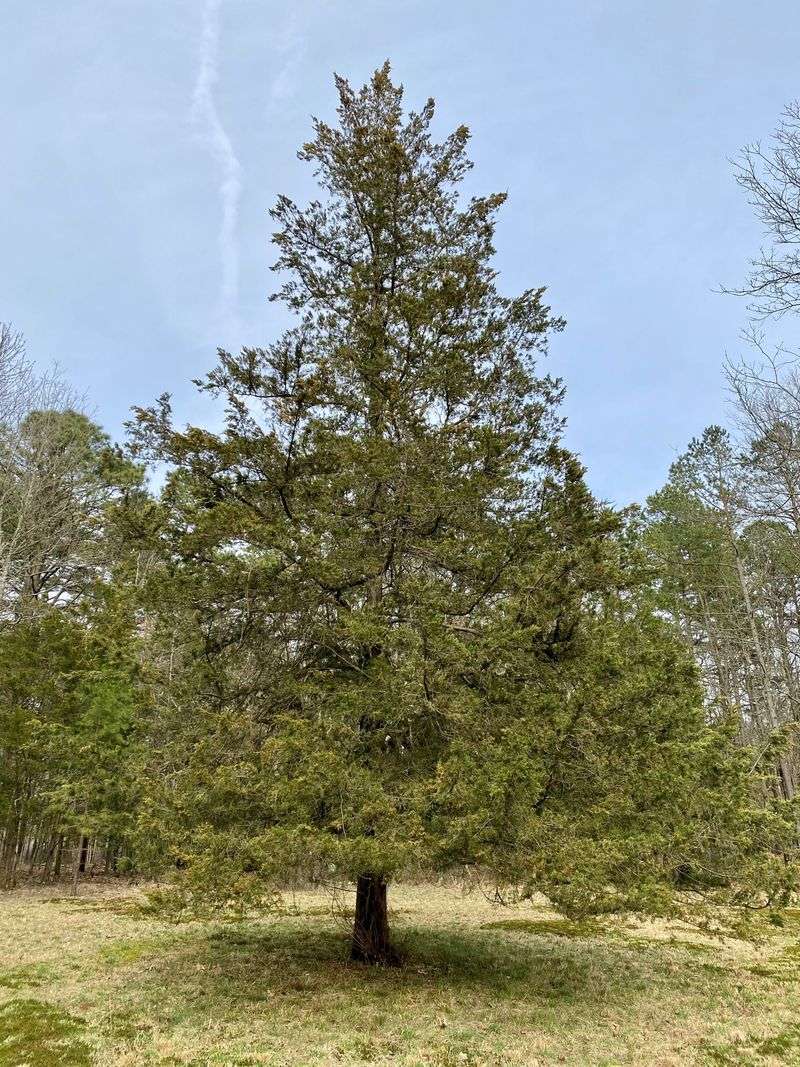
Some of the best wildlife habitat in a yard happens at the edge, where dense cover meets open space. Southern red cedar, a locally appropriate form of Juniperus virginiana, is a native evergreen that can create exactly that kind of edge structure.
Its dense, layered foliage offers shelter for small birds, and its blue-gray berries attract cedar waxwings, mockingbirds, and other fruit-eating species.
Dense evergreens near open areas help build the kind of habitat layering that supports a more active wildlife community. While southern red cedar does not directly attract owls, it contributes to the shrub-and-tree mix that supports a richer food web.
More birds and small animals in the yard can make the area more interesting to hunting owls that patrol from nearby trees.
This tree grows in a narrow, columnar form in many landscapes. That makes it useful as a screen or windbreak without taking up as much horizontal space as a spreading canopy tree.
It handles heat, drought, and sandy soil reasonably well once established, according to UF/IFAS Extension guidance.
Spacing and airflow matter with this plant. Crowding southern red cedar against structures or fencing can reduce airflow and encourage fungal issues in humid conditions.
Keep it away from the house and give it room to develop naturally. It is best suited to open edges, property borders, or naturalistic screens where its dense form can work as intended without creating moisture problems near foundations.
4. Wax Myrtle Builds Cover That Supports A Larger Food Web
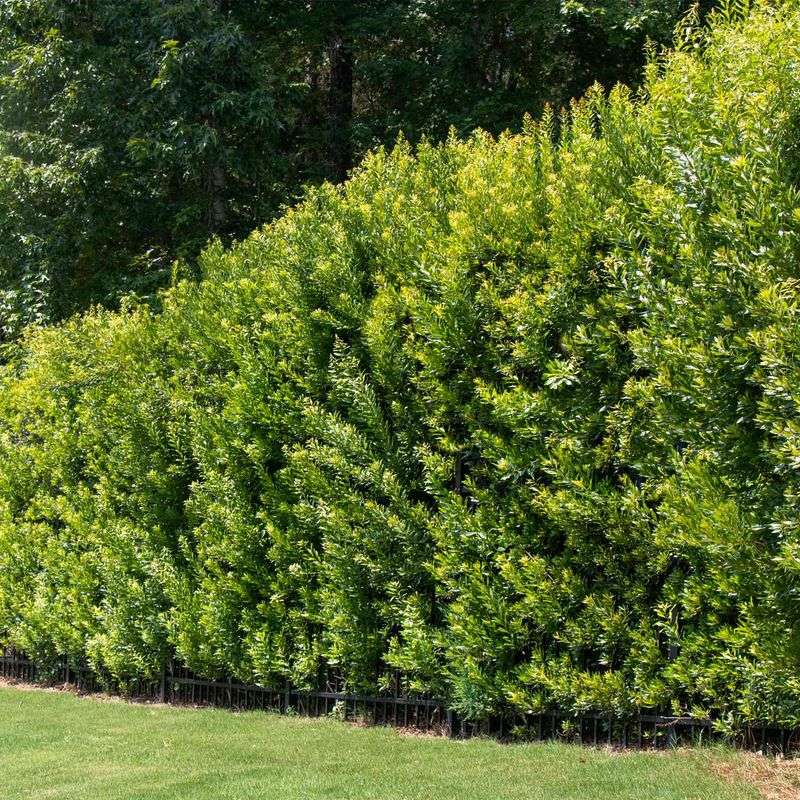
Wax myrtle, or Morella cerifera, is one of the most versatile native shrubs in this state. It grows quickly, handles wet or dry conditions, and produces small waxy berries that many bird species eat.
Yellow-rumped warblers, tree swallows, and other migratory birds rely heavily on wax myrtle berries during winter months.
A yard full of berry-producing shrubs supports more birds and insects, which in turn supports a more active food web. Owls are drawn to areas where prey is available, not to specific plants.
But a diverse, layered planting anchored by shrubs like wax myrtle creates the kind of habitat where a broader range of wildlife can thrive. That ecological activity is what can make a yard more appealing to passing or resident owls over time.
Wax myrtle can grow into a large shrub or small tree reaching 10 to 15 feet or more. It also suckers readily, spreading from the base to form dense thickets if left unmanaged.
For most yards, occasional pruning keeps it at a useful size without losing its wildlife value. It works well as a privacy screen, a buffer along a fence line, or a layered planting at the back of a garden bed.
UF/IFAS lists wax myrtle as native and widely adaptable across most of this state. It is not a plant to tuck into a small corner without a maintenance plan.
Give it room, and it will reward you with years of bird activity and natural cover.
5. Beautyberry Feeds Birds Without Creating A Rat Solution
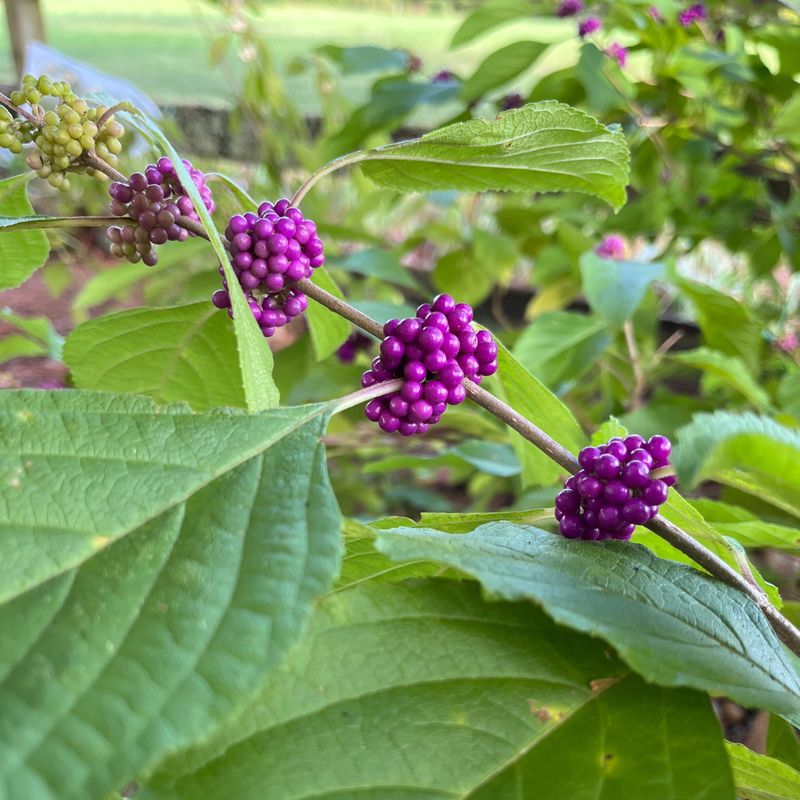
Few native shrubs stop people in their tracks the way American beautyberry does. Callicarpa americana produces vivid clusters of magenta-purple berries along its arching branches in late summer and fall, and birds notice them quickly.
Cardinals, mockingbirds, brown thrashers, and many other species feed on the berries as they ripen.
Bird activity in a yard adds life to the habitat web. A yard that supports songbirds, insects, and small animals is a yard that may interest a hunting owl.
Beautyberry plays a supporting role in that ecosystem by feeding birds and adding understory structure in shaded or partly shaded spots.
It does not attract owls in any direct way, but it contributes to the layered, active yard that owls may include in a wider territory.
One honest note about fruit-producing plants: fallen berries and fruit on the ground can attract rodents if left to accumulate. Raking up dropped fruit, keeping the area under fruiting shrubs tidy, and managing compost properly are all still necessary steps.
A beautyberry shrub alone will not increase rat pressure, but a yard with multiple fruit sources and no cleanup routine can.
Beautyberry grows well in partial shade and can reach 4 to 8 feet tall and wide. It may go dormant in colder winters in northern regions but typically regrows from the root system.
UF/IFAS and the Florida Native Plant Society both recognize it as a native species with strong wildlife value for bird-friendly gardens across most of this state.
6. Muhly Grass Keeps Hunting Edges Open And Visible
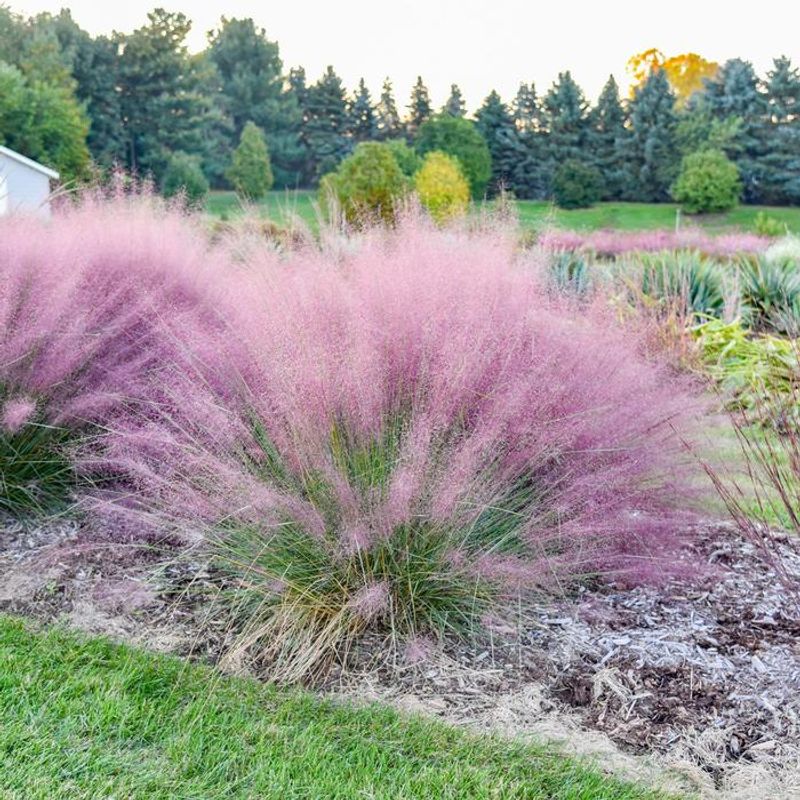
Not every plant in an owl-friendly yard needs to be tall or dense. Open edges matter too.
Muhly grass, known as Muhlenbergia capillaris, is a native ornamental grass that creates soft, airy texture along sunny borders. It does this without forming the kind of tangled cover that small rodents prefer for nesting.
Its fine-bladed clumps and feathery pink plumes in fall make it one of the most visually striking native grasses in this state.
Owls hunt in open areas where they can see and hear prey moving below. A yard that mixes tall trees for perching with open, low-growing ground-level plantings gives owls the sight lines they need.
Muhly grass contributes to that open-edge quality. It stays relatively low, around 3 feet tall in bloom, and its airy structure does not create the dense ground cover that rodents seek for shelter.
From a wildlife perspective, muhly grass also supports native insects and provides nesting material for some bird species.
Planting it along a sunny edge, near a lawn, or at the border of a naturalistic planting can add seasonal beauty while keeping the ground layer open and visible.
Muhly grass needs full sun and well-drained soil. It is drought-tolerant once established and rarely needs fertilizing.
UF/IFAS and Florida-Friendly Landscaping both recommend it as a low-maintenance native grass well suited to this state’s heat and sandy soils. Divide clumps every few years to keep them vigorous and prevent the center from thinning out.
7. Simpson’s Stopper Adds Bird Habitat Near Quiet Corners
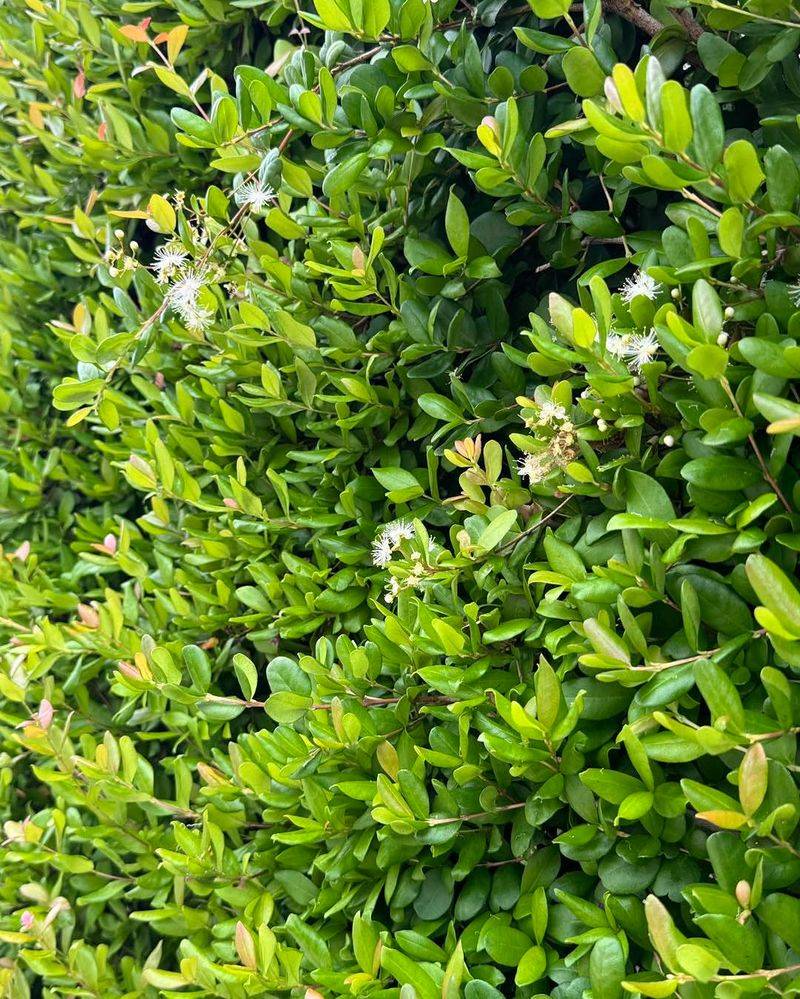
Tucked into a quiet corner of a warm-region yard, Simpson’s stopper brings a kind of calm, layered richness that birds seem to appreciate. Myrcianthes fragrans is a native shrub or small tree with glossy evergreen leaves, small white flowers, and orange-red berries.
Those berries attract birds including warblers, vireos, and thrushes. It is most at home in central and southern regions of this state, where it grows naturally in hammock edges and coastal scrub.
Bird-rich, layered yards with multiple plant layers, from canopy trees down to low shrubs, tend to support more wildlife activity overall. Simpson’s stopper contributes to that lower and mid-level layer in warm-region landscapes.
It does not attract owls directly. However, a yard full of birds and insects creates a more active food web, which may keep owls returning to the area as part of a wider hunting territory.
This plant grows slowly to about 10 to 20 feet tall at maturity, depending on conditions. It handles full sun to partial shade and prefers well-drained soil in warmer parts of the state.
It is not reliably cold-hardy in northern regions, so plant selection should match your local climate.
UF/IFAS and the Florida Native Plant Society recognize Simpson’s stopper as a native species with solid wildlife value. Space it properly to allow good airflow and natural form.
It works well as a specimen plant, a layered screen, or an anchor in a mixed native planting where birds are the main goal.
8. Dahoon Holly Supports Wildlife Without Promising Rat Control
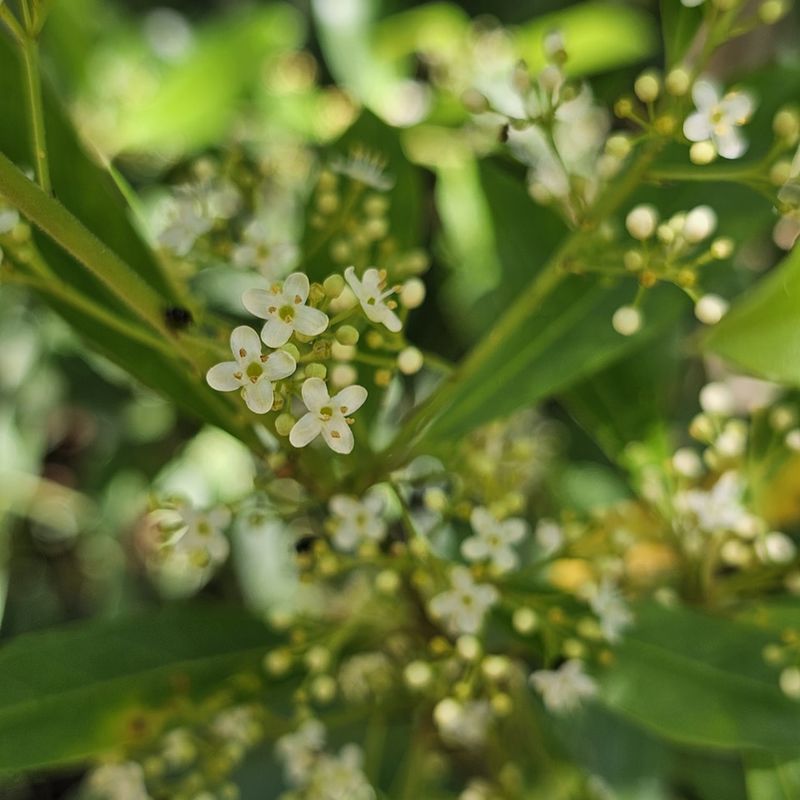
Red berries in winter are one of nature’s most reliable bird magnets, and dahoon holly delivers them reliably in the right setting. Ilex cassine is a native evergreen tree or tall shrub that produces clusters of bright red berries and small white flowers in spring.
Its dense foliage provides cover year-round. It grows naturally in wet flatwoods, stream edges, and moist hammocks across much of this state.
Dahoon holly supports birds that feed on its berries, including robins, cedar waxwings, and hermit thrushes during winter months. Those birds contribute to the broader yard ecosystem.
A yard with active bird life, layered cover, and native plants may support the kind of habitat that owls find useful when hunting nearby. But dahoon holly itself does not attract owls or reduce rodent populations on its own.
One detail worth knowing: berry production requires both a female plant and a compatible male plant nearby for pollination. Buying a plant in berry at the nursery helps confirm it is female, but a male pollinator nearby is still needed for consistent fruiting.
Ask your local native plant nursery for guidance on compatible pairings.
Dahoon holly can reach 20 to 30 feet tall and prefers moist to wet soils, making it a natural fit for low areas, rain gardens, or pond edges. It is not the right choice for dry, sandy upland sites.
UF/IFAS and the Florida Native Plant Society both list it as a native species with strong wildlife and habitat value for appropriate sites across this state.